In the temple city of Thanjavur in Tamil Nadu, a short distance from the towering Brihadisvara temple, spreads a sprawling royal palace of courtyards, towers and painted halls. The Thanjavur Maratha Palace, begun by the Nayak rulers and made glorious by the Maratha dynasty that followed, is a vast and atmospheric complex that holds within it some of the greatest cultural treasures of southern India.
You come to the Thanjavur palace to meet a remarkable meeting of cultures, a southern Indian court shaped first by Telugu Nayak kings and then by a Maratha dynasty that brought the traditions of the Deccan to the heart of the Tamil country. Its durbar hall, its library and its galleries preserve the learning and artistry of one of the most cultured courts India has known.
In this guide you will get to know the palace beyond its weathered walls. We will trace the Nayak and Maratha dynasties that built and ruled it, step into its magnificent durbar hall and bell tower, explore its world-famous library and art galleries, and understand why this great complex remains a treasure house of the south. By the end you will see why the Thanjavur palace rewards every visitor who explores it.

In This Article
- Arriving at the Thanjavur Palace
- The Nayak Origins
- The Maratha Rulers of the South
- The Magnificent Durbar Hall
- The Great Tower and Halls
- The Saraswathi Mahal Library
- A Scholar King’s Legacy
- The Art Gallery and Bronzes
- A Hall of Music and Performance
- A Blend of Styles and Eras
- A Palace in the Temple City
- A Closer Look on Film
- The Thanjavur Palace Today
Arriving at the Thanjavur Palace
Your first impression of the Thanjavur Maratha Palace is of a vast, rambling complex of courtyards, halls and towers, weathered by centuries yet still imposing. Unlike a single grand facade, it presents itself as a whole little world, to be explored gradually and rewardingly.

The complex rises in the heart of the old city, its towers visible above the surrounding streets. Within its walls lie a sequence of spaces built up over generations, each with its own character and purpose, from ceremonial halls to libraries and galleries.
As a living museum and cultural center, the palace welcomes those who come to explore its treasures. Passing through its gateways, you feel yourself entering a place layered with history, where Nayak and Maratha, Tamil and Deccan traditions meet.
Take time to get a feel for the whole complex before focusing on any single part. Its scale and variety are part of its appeal, and understanding its layout prepares you to appreciate the remarkable treasures it contains.
The weathered grandeur of the complex lends it an atmosphere quite different from the polished palaces of the north, rich with the patina of age.
First-time visitors are often surprised by the sheer extent of the complex, which unfolds space after space as they explore.
It is a place to be explored slowly, each courtyard and hall revealing some new facet of the palace’s long history.
The sense of layered time is palpable here, a complex that has grown and changed across many generations.
However you come to it, the palace makes a deep impression, its weathered grandeur unlike anything else in the region.
The palace rewards the patient visitor, giving up its treasures gradually to those who take the time to wander.
Each turn reveals a new courtyard, hall or gallery, so that the complex never feels exhausted.
It is a palace that stays with you, its weathered halls and rich collections lingering in the memory long after the visit ends.
The complex is best approached with time to spare, for it rewards unhurried and curious exploration.
The Nayak Origins
The palace had its beginnings under the Nayak rulers of Thanjavur, who established it as their royal residence. These Telugu-speaking kings governed the Tamil country with great cultural ambition, and they laid the foundations of the complex that would grow for centuries.

Under the Nayaks, Thanjavur flourished as a center of art, learning and architecture, building on the ancient legacy of the region. The palace they began reflected this cultural confidence, conceived on a grand scale.
Much of the essential structure of the complex, including some of its most striking features, dates from this Nayak period. Their vision set the stage for the glories that the later Maratha rulers would add.
Keeping these origins in mind deepens a visit. The palace is not the work of a single dynasty but a layered creation, begun by the Nayaks and carried to new heights by those who followed.
The Nayaks were ambitious builders, and their vision shaped the fundamental character of the palace.
Their period was one of great artistic energy, and the complex still bears the imprint of their confidence.
To this foundation the later rulers would add their own enduring contributions.
The Nayak rulers drew on the deep artistic traditions of the Tamil country, and their buildings reflected that inheritance.
Their ambition laid the groundwork for the cultural flowering that would follow under later dynasties.
Even today, the Nayak contributions form the backbone of the sprawling complex.
Their patronage extended to temples, literature and the arts, making Thanjavur a vibrant cultural capital in their time.
The grandeur they envisioned would echo through the centuries that followed.
The Nayak foundations remind us that the palace is the work of centuries, not of a single reign.
Standing within the oldest parts of the complex, one feels the deep roots of a palace that has witnessed the passing of empires.
The Maratha Rulers of the South
The palace is most closely associated with the Maratha dynasty that ruled Thanjavur for generations, bringing the traditions of the Deccan to the far south. These rulers governed the Tamil country while maintaining their own distinct heritage, creating a fascinating cultural blend.
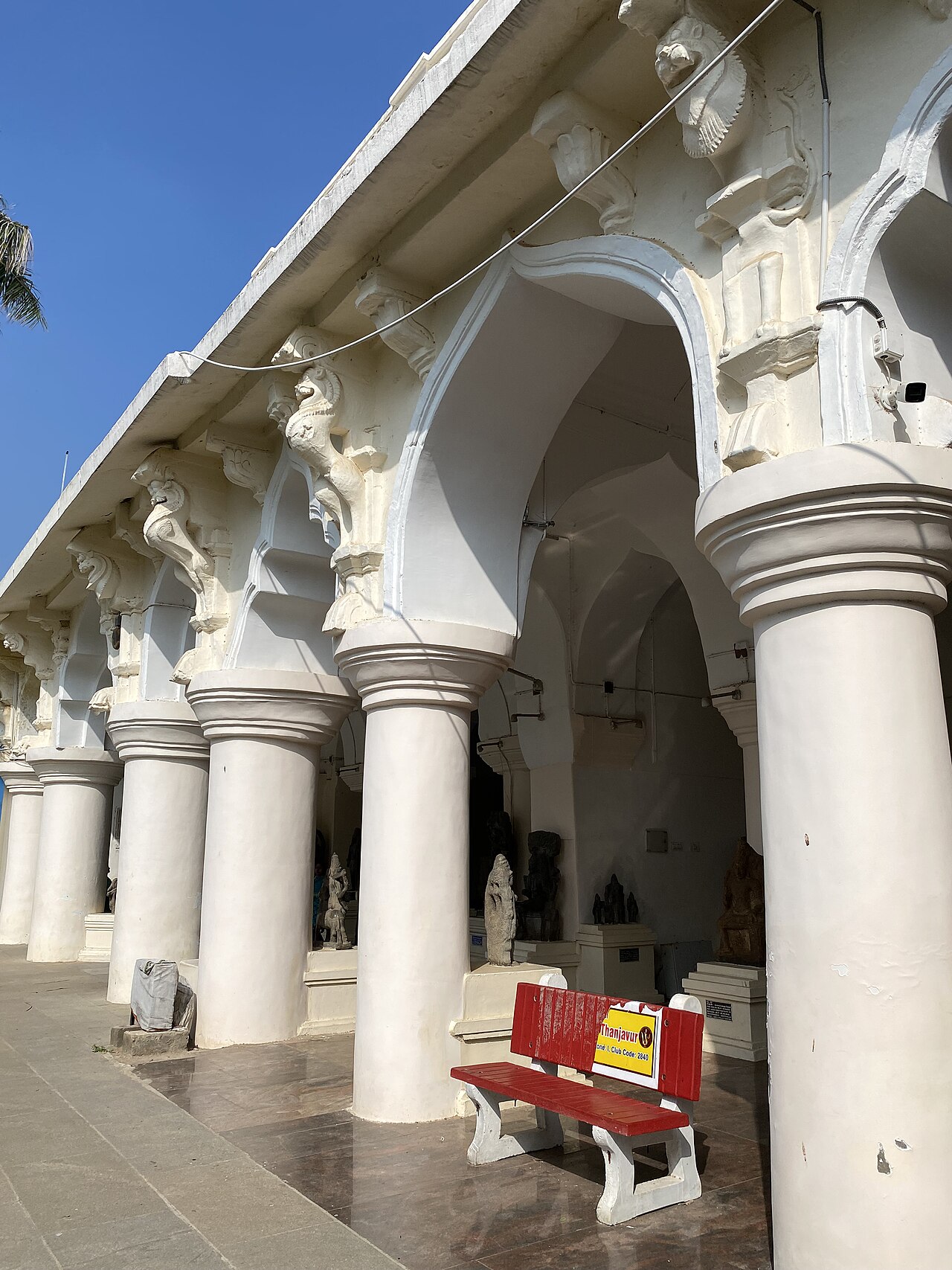
The Thanjavur Marathas were great patrons of art, music, literature and learning, and their court became one of the most cultured in all of India. The palace was the setting for this remarkable flourishing of the arts.
Under their rule, the complex was enriched with new halls, collections and institutions, and the city became a byword for culture and scholarship. The Maratha period was a golden age for Thanjavur.
Understanding this dynasty is essential to understanding the palace. The Thanjavur Marathas made the complex a treasure house of southern culture, and their legacy fills its halls to this day.
The blending of Deccan and Tamil traditions gave the court a distinctive richness found nowhere else in the south.
Under the Marathas, the palace became a magnet for scholars, artists and musicians from across India.
Their reign is remembered as a golden age for the arts in the Tamil country.
The Marathas governed with a light touch in matters of culture, allowing the traditions of the south to flourish alongside their own.
Their long rule gave Thanjavur a stability in which the arts could thrive.
The palace stands as the most eloquent monument to their enlightened patronage.
Their legacy, preserved in the palace, ensures that the Thanjavur Marathas are remembered among the great patrons of Indian culture.
Court chronicles from the period record a dazzling array of festivals, performances and scholarly gatherings.
The dynasty’s embrace of local traditions won them a lasting place in the affections of the Tamil country.
To this day the Maratha presence lends Thanjavur a cultural richness that sets it apart among the cities of the south.
Their court drew on the best of two great traditions, and the palace is the living proof of that fruitful union.
In the end, it is this fusion of traditions that gives the Thanjavur palace its singular and enduring character.
The Thanjavur Marathas are remembered as rulers who, though of Deccan origin, embraced and enriched the culture of the land they governed, leaving a legacy that endures in the palace’s every hall.
The Magnificent Durbar Hall
Among the glories of the palace is its durbar hall, a grand audience chamber richly decorated with painted and stuccoed ornament. Here the rulers of Thanjavur held court, surrounded by color and splendor, in one of the most beautiful ceremonial spaces in the south.

The hall is adorned with intricate decoration, its columns and ceilings alive with painting and fine plasterwork. The effect is one of rich, glowing magnificence, a fitting setting for the ceremonies of a cultured court.
Standing in the durbar hall, you can imagine the audiences and celebrations once held here, the ruler enthroned amid the splendor. It remains one of the most atmospheric and impressive spaces in the whole complex.
Take your time in the durbar hall, for it is among the highlights of any visit. It embodies the artistic ambition of the Thanjavur court at its most magnificent.
The painted decoration of the hall rewards close attention, its details revealing the skill of the artists who created it.
Few ceremonial spaces in southern India convey the splendor of a royal court so vividly.
The hall was the ceremonial heart of the palace, where the authority and culture of the court were displayed to all.
Its atmosphere, rich with the patina of age, makes it one of the most evocative spaces in the complex.
Generations of visitors have been struck by the hall’s glowing colors and intricate ornament.
It is widely regarded as one of the finest ceremonial interiors in the whole of southern India.
To linger beneath its painted arches is to feel the lingering presence of a brilliant court.
The hall’s blend of painting, plaster and architecture creates an effect of overwhelming richness.
It is the kind of space one does not merely see but experiences, stepping into the vanished world of the court.
Few who stand beneath its glowing ceilings leave without a sense of wonder at the artistry of the Thanjavur court.
The craftsmanship on display reflects the wealth and refinement that the Thanjavur court could command at its height.
The Great Tower and Halls
The palace complex is marked by its distinctive towers, including a great bell tower that rises high above the surrounding buildings. These towers are among the most recognizable features of the palace, visible across the city and lending the complex its dramatic skyline.

From the towers, visitors are rewarded with sweeping views over Thanjavur, including the great temple that dominates the city. The climb offers a memorable perspective on the palace and its setting.
Alongside the towers, the complex contains a variety of halls built for different purposes, from music and performance to ceremony and administration. Each reflects the many-sided life of the court.
Exploring the towers and halls reveals the scale and ambition of the complex. They are among its most striking and enjoyable features, rewarding the visitor who takes the time to climb and explore.
The towers served both practical and symbolic purposes, marking the palace as the seat of power in the city.
Climbing them is one of the most memorable experiences the complex offers.
From the heights, the whole layout of the palace and the city beyond is revealed in a single sweeping view.
The towers remain among the most photographed features of the complex.
The view from the top, taking in the great temple and the city, is one of the finest in Thanjavur.
Rising above the rooftops, the towers remain the signature image of the Thanjavur palace.
They speak of an age when height itself was a mark of authority and ambition.
For many visitors, the climb and the view are among the most enjoyable moments of a visit to the palace.
The bell tower in particular has become an emblem of Thanjavur, as recognizable in its way as the great temple nearby.
The Saraswathi Mahal Library
One of the greatest treasures of the Thanjavur palace is its celebrated library, among the oldest and most important in Asia. Built up by the scholarly rulers of Thanjavur, it preserves a vast collection of rare manuscripts and books of extraordinary value.

The library reflects the deep commitment to learning of the Thanjavur court, especially under its most scholarly kings. Its holdings span many languages and subjects, a treasure house of knowledge gathered over centuries.
Among its collections are rare palm-leaf and paper manuscripts, precious works that attract scholars from around the world. The library is a monument to the intellectual ambitions of the dynasty.
For the visitor interested in the deeper life of the court, the library is a fascinating and moving dimension of the palace, revealing Thanjavur as a great center of learning as well as power.
Scholars from around the world come to consult its holdings, a testament to its enduring importance.
The preservation of so vast and precious a collection is a remarkable achievement in itself.
It stands as a monument to a dynasty that prized knowledge as highly as power.
For scholars and visitors alike, it is one of the great treasures of the palace.
Its very existence is a testament to a culture that revered the written word above almost all else.
Among its treasures are works on medicine, music, literature and science, reflecting the breadth of the court’s interests.
The careful conservation of these fragile manuscripts is a labor of dedication and skill.
It is, by any measure, one of the great libraries of the world.
To stand among its shelves is to feel the weight of centuries of accumulated learning.
It is a place that rewards quiet reflection, a sanctuary of learning at the heart of a great palace.
Few institutions anywhere so vividly embody a civilization’s love of learning.
A Scholar King’s Legacy
The cultural glory of Thanjavur owes much to one ruler in particular, a king celebrated as a great scholar, patron and reformer. Under his enlightened rule, the court became a beacon of learning, art and science, admired across India and beyond.

This scholar king expanded the library, patronized the arts and sciences, and pursued knowledge with a passion rare among rulers. His interests ranged widely, and his legacy transformed Thanjavur into a center of culture of the first rank.
The palace preserves the memory of his achievements, from the collections he gathered to the institutions he nurtured. His reign stands as the high point of the Thanjavur court’s cultural life.
Understanding this figure enriches a visit. Much of what makes the palace so remarkable springs from the vision of a ruler who valued knowledge and beauty above all.
His curiosity embraced not only Indian traditions but also the learning of other lands, making his court remarkably cosmopolitan.
He is remembered as one of the most enlightened rulers of his age, a patron whose vision still shapes the palace.
The institutions he founded continue to preserve and share the knowledge he so valued.
His legacy ensures that Thanjavur is remembered not only for its rulers but for its contribution to learning and culture.
Under his patronage, the palace became a hive of scholarship, drawing learned men from far and wide.
His enlightened reign is remembered as a high point not only for Thanjavur but for Indian learning as a whole.
To walk the palace is, in part, to honor the memory of a king who made knowledge his kingdom’s greatest treasure.
His reign saw the founding of institutions whose influence reached far beyond the borders of his kingdom.
The breadth of his interests, from the arts to the sciences, marked him as a true man of the Enlightenment in the Indian context.
His enlightened spirit still seems to animate the palace he did so much to enrich.
His name endures wherever the learning and arts of the south are cherished.
To this day, scholars honor his memory as one of the great royal patrons of Indian learning.
The Art Gallery and Bronzes
The palace houses a renowned art gallery, famous above all for its collection of superb bronze sculptures. These masterpieces, including works of the great southern tradition, are among the finest examples of Indian art, and they draw visitors from around the world.
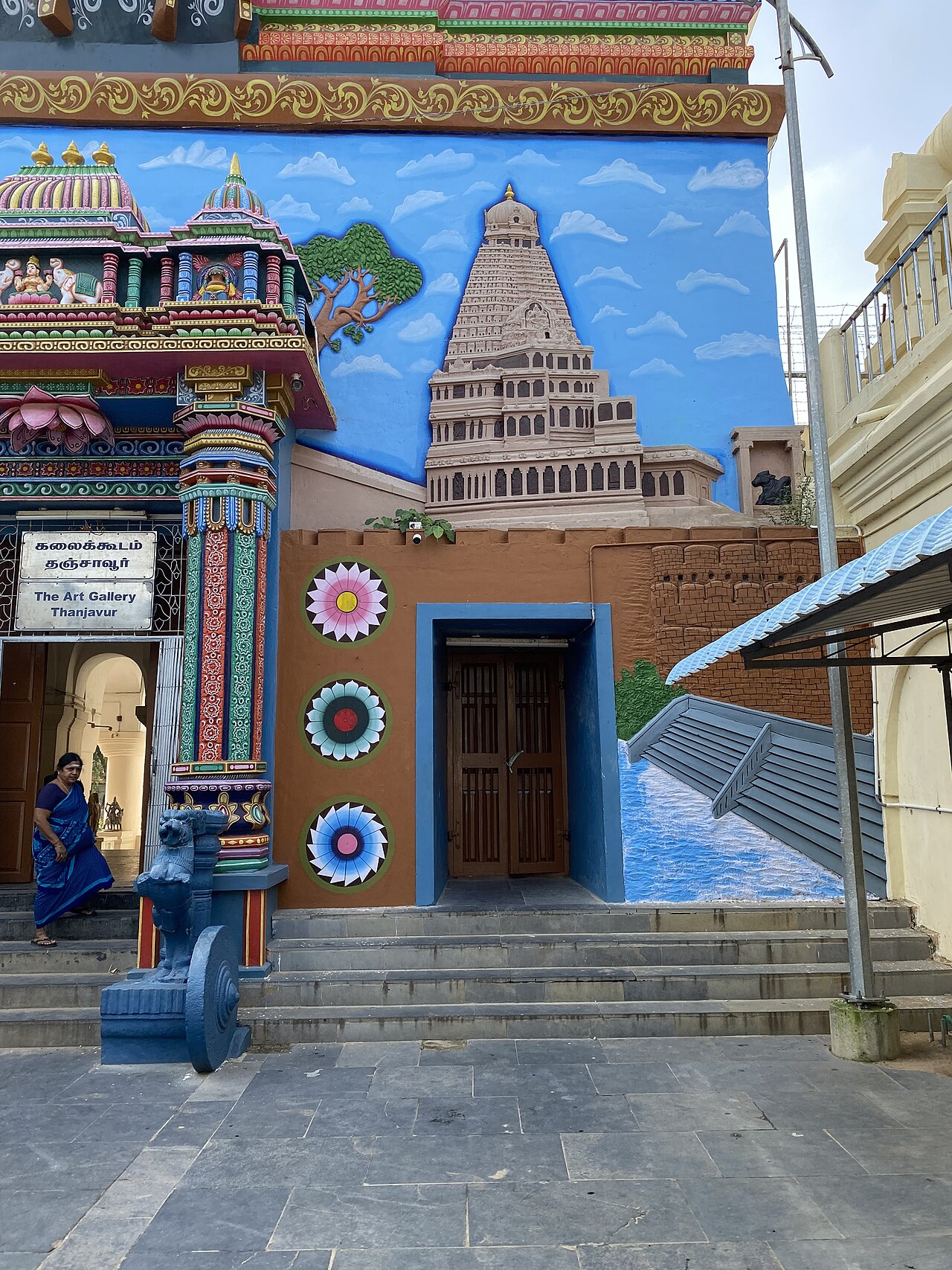
The bronzes, with their grace and expressive power, represent one of the supreme achievements of Indian sculpture. Displayed within the palace, they form a collection of national and international importance.
Alongside the bronzes, the gallery holds stone sculptures and other works of art that trace the rich artistic heritage of the region. Together they make the palace a treasure house of southern Indian art.
For the visitor, the art gallery is a highlight of any visit, offering an encounter with some of the greatest sculpture India has produced. It reveals the palace as a guardian of the region’s artistic soul.
The grace of the bronzes, their flowing lines and serene expressions, has made them famous among lovers of art worldwide.
Each piece reflects the extraordinary skill of the southern sculptors who created them.
To stand before them is to encounter the artistic genius of the region at its height.
The gallery alone would justify a visit, so remarkable is the quality of its collection.
The collection draws art lovers from around the world, eager to see these masterpieces in person.
It stands as a reminder that Thanjavur was a great center of art as well as of power and learning.
Each bronze seems to capture a moment of grace, frozen in metal by the hands of master craftsmen.
The bronzes represent a tradition of metal casting that reached its height in the south, admired the world over.
Displayed within the historic palace, they gain an added resonance from their royal setting.
For many visitors, the bronzes are the single most memorable sight in all of Thanjavur.
To linger among the bronzes is to witness the genius of southern sculpture at its very finest.
The gallery ensures that these masterpieces, once scattered, are preserved and shared with the world.
Together with the library, the gallery makes the palace a destination for lovers of culture from every corner of the globe.
A Hall of Music and Performance
The Thanjavur court was famous for its patronage of music and dance, and the palace contains halls built for performance and the arts. Thanjavur was a cradle of the classical traditions of the south, and the palace was central to their flourishing.
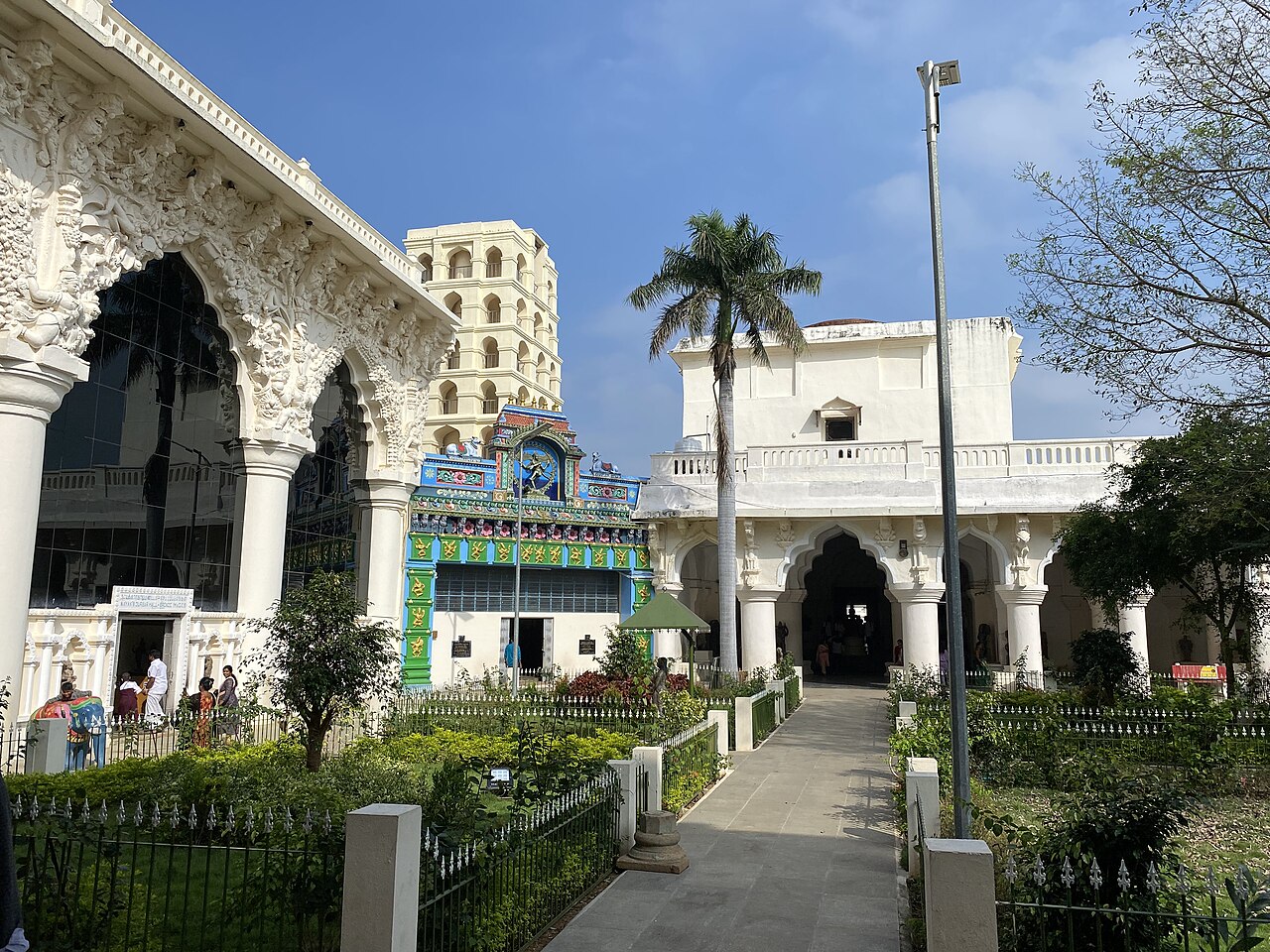
In these halls, musicians, dancers and scholars gathered under royal patronage, developing the rich artistic traditions for which the region remains celebrated. The palace was a living center of the performing arts.
The acoustics and design of these spaces reflect the importance placed on music and performance at the court. They were conceived as settings worthy of the great artistic traditions they hosted.
Understanding this dimension enriches a visit. The palace was not only a seat of power and learning but a cradle of the music and dance that remain among India’s greatest cultural treasures.
Thanjavur gave its name to important traditions of music and dance that endure to this day.
The patronage of the court nurtured generations of artists whose influence spread across the south.
The palace halls still echo, in memory, with the music that once filled them.
To understand Thanjavur is to understand its music, and the palace lies at the heart of that story.
In its halls, the classical arts of the south found a home and a champion.
The traditions nurtured here continue to shape Indian classical music and dance to this day.
The living traditions of Thanjavur’s music and dance remain among the proudest legacies of the court.
To know Thanjavur is to know the music it gave the world, and the palace is where that story was written.
A Blend of Styles and Eras
The architecture of the Thanjavur palace is a fascinating blend of styles and eras, reflecting the many dynasties and influences that shaped it. Nayak and Maratha traditions meet within its walls, producing a complex of great variety and character.

The buildings range from grand ceremonial halls to intimate chambers, from soaring towers to quiet courtyards, each reflecting the needs and tastes of different periods. The result is a rich architectural tapestry.
This layering of styles is part of the palace’s fascination, a physical record of the long and varied history of Thanjavur. Exploring it is like reading the story of the city written in stone and plaster.
Appreciating this blend enriches a visit. The palace is not a single unified design but a living accumulation of centuries, each era adding its own contribution to the whole.
Each dynasty left its mark, so that walking the complex is like moving through successive chapters of history.
The variety of its buildings is part of what makes the palace so rewarding to explore.
Few complexes so vividly embody the layered history of a great city.
In its variety and richness, the complex is a fitting monument to one of the great cultural cities of India.
The interplay of different eras gives the complex a depth and texture that a single-period palace could never achieve.
To explore it fully is to trace the long and varied history of one of India’s great cultural capitals.
A Palace in the Temple City
The Thanjavur palace is inseparable from the great temple city around it, one of the most celebrated in southern India. Nearby rises the towering Brihadisvara temple, a masterpiece of an earlier age, and the palace takes its place within this landscape of extraordinary heritage.

Thanjavur has been a seat of power and culture for over a thousand years, from the great Chola emperors to the Nayaks and Marathas. The palace is the later chapter in this long story, a worthy successor to the ancient grandeur of the city.
The relationship between palace and temple city tells you much about Thanjavur, a place where successive dynasties built upon the achievements of their predecessors. The palace belongs to a continuum of greatness stretching back through the centuries.
Set against the backdrop of the temple towers and the rich culture of the Tamil country, the palace holds a special place as the seat of its later rulers. It complements the ancient monuments of the city with its own treasures.
For the visitor, appreciating this setting enriches a visit. The palace is best understood as part of the wider heritage of Thanjavur, one of the great cultural cities of India.
The combination of ancient temple and later palace makes Thanjavur one of the richest heritage destinations in all of India.
Together, temple and palace make Thanjavur a destination of rare depth for anyone drawn to Indian history.
The palace completes the picture of Thanjavur as a city where art, faith and power have flourished together for a thousand years.
No visit to Thanjavur is complete without exploring both its ancient temple and its later palace.
The city itself, steeped in a thousand years of art and devotion, forms the perfect frame for so remarkable a palace.
It is this continuity of greatness, from temple to palace, that makes Thanjavur so endlessly rewarding.
A Closer Look on Film
To appreciate the full richness of the Thanjavur palace, from its durbar hall to its library and galleries, film offers a fine complement to a visit. The short video below helps bring the complex and its treasures to life.
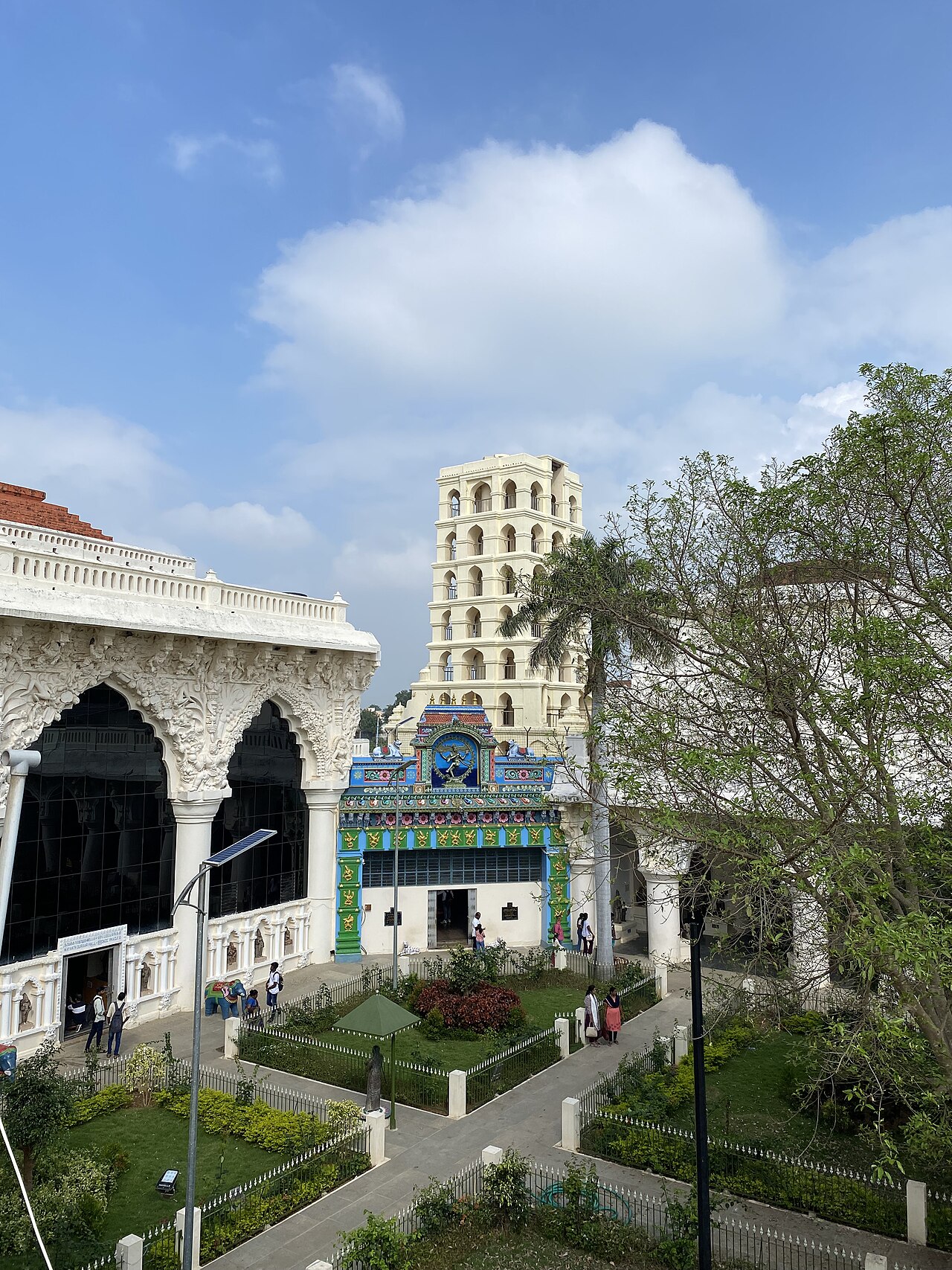
Watching it, you can better sense the scale of the complex, the splendor of its halls and the richness of its collections, details that reward a closer look. It makes an ideal companion to understanding this remarkable palace.
The Thanjavur Palace Today
Today the Thanjavur Maratha Palace endures as one of the great cultural treasures of southern India, a vast complex housing a celebrated library, a renowned art gallery and magnificent halls. Its courtyards, towers and collections continue to fascinate all who visit.
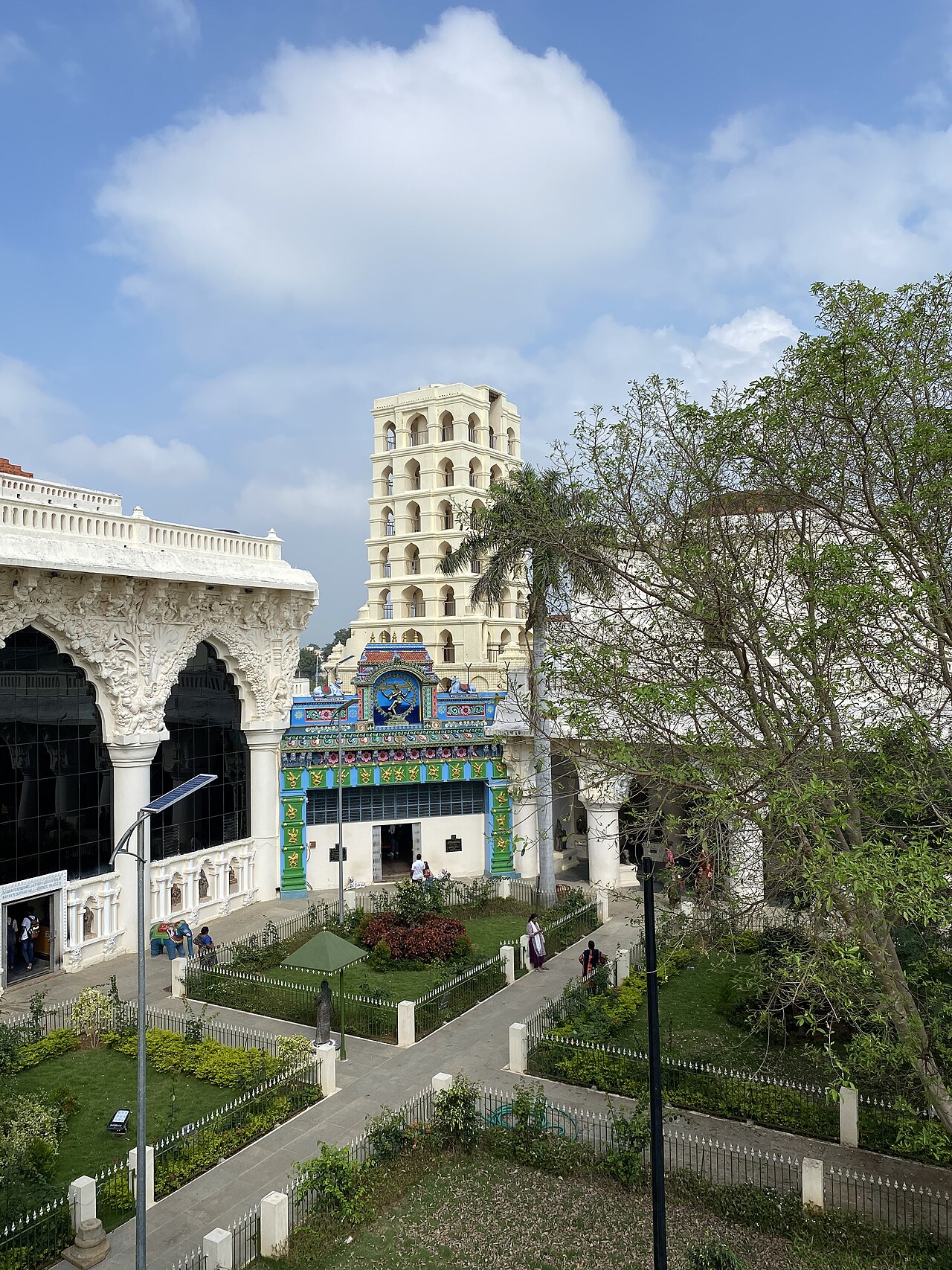
For travelers, the palace offers a rich and rewarding encounter with the layered history of the Tamil country, from the Nayaks to the Marathas. To explore its halls and treasures is to touch the cultural soul of the south.
There is a lesson in the endurance of Thanjavur. It shows how the heritage of successive dynasties can be preserved together in one great complex, kept alive as a living museum for future generations.
When you finally turn to leave, glance back at the weathered towers rising above the city. You will carry with you the memory of a durbar hall of painted splendor, a library of rare manuscripts and bronzes of surpassing beauty, and a vivid sense of the cultural glory of Thanjavur.
Long after leaving, travelers find the memory of its painted halls and graceful bronzes returning to mind.
For anyone drawn to the cultural depth of southern India, the palace is an essential destination.
It endures as proof that the cultural achievements of the south rank among the greatest in all of India.
Whatever route brings you here, the Thanjavur palace rewards the journey many times over.
It remains a place of pilgrimage for all who wish to understand the cultural glory of the Tamil country.
In its halls, library and galleries, the cultural soul of the south is preserved for all who come to explore it.
For the traveler willing to look closely, the palace offers an unmatched window into the culture of the south.
And so the Thanjavur palace endures, a treasure house of the south, keeping alive the glory of its many dynasties.
For anyone drawn to the layered history and living culture of India, the palace is an unforgettable destination.
In its weathered grandeur, the palace preserves the memory of a city that has been a beacon of culture for a thousand years.
For the traveler ready to look beyond the famous temple, the palace offers an equally rich and rewarding encounter with the soul of the south.
View the location on Google Maps
Palaces Nearby
If the layered splendor of the Thanjavur palace has deepened your love of India’s royal residences, two more palaces of the subcontinent make fitting companions to this one.
- Shaniwar Wada in Pune, the spiked-gate fortress and seat of the Peshwas of the Maratha Empire.
- Ramnagar Fort in Varanasi, the riverside home of the Maharajas of Benares on the banks of the Ganges.
You May Like
Konopiste the Bohemian Castle of a Doomed Archduke


One thought on “The Thanjavur Maratha Palace, a Southern Treasure House of Art and Learning”