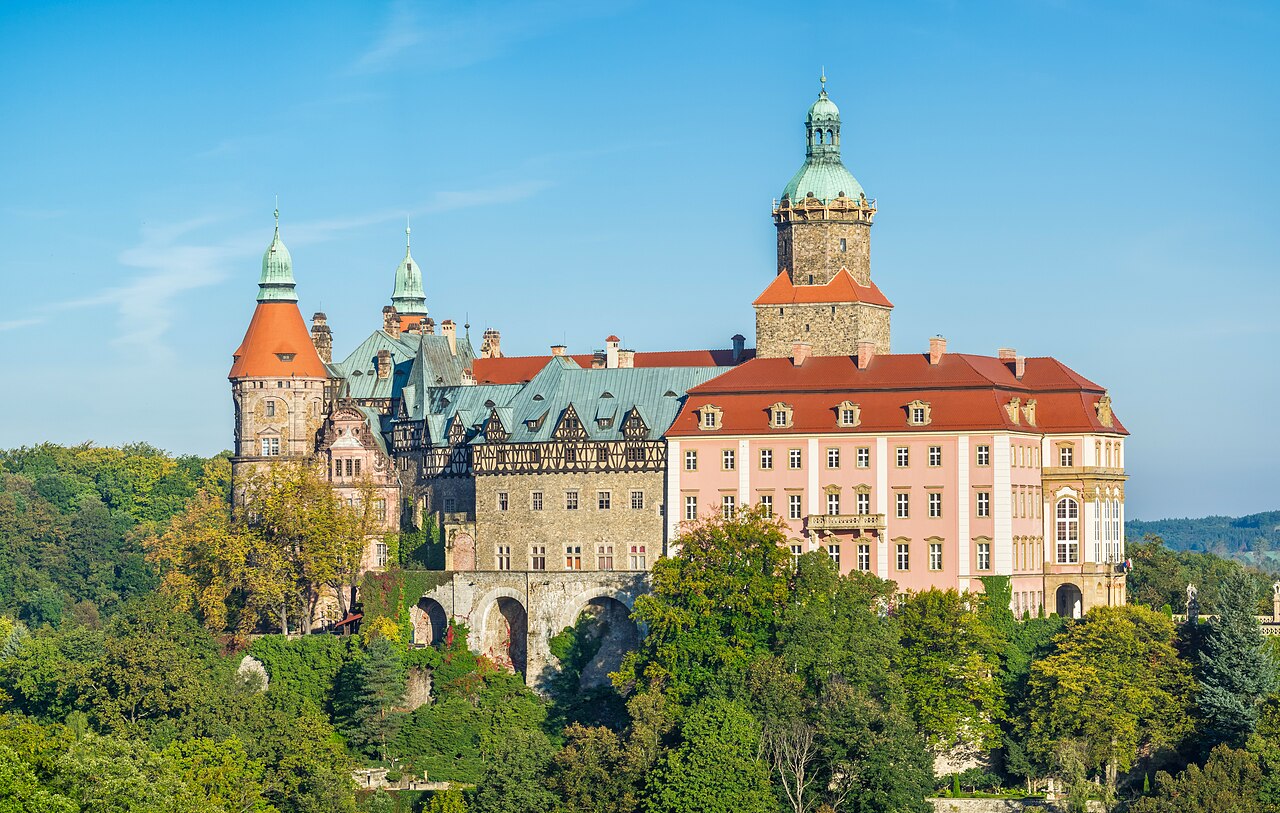
Perched dramatically on a rocky spur above a wooded gorge in Lower Silesia stands one of the largest and most romantic castles in Poland, Ksiaz. A fortress-palace of many centuries, it combines medieval origins with grand later additions, and its history runs from Silesian dukes through a glamorous princess to the dark mysteries of wartime tunnels dug deep beneath its foundations.
Ksiaz is a castle of superlatives, among the biggest in the country, set in a spectacular natural position and surrounded by terraced gardens that tumble down toward the ravine. Its long history has left layer upon layer of building and story, making it one of the most fascinating and atmospheric castles in central Europe.
This is the third and final article in a set on the grand palaces and castles of Poland, following the Palace on the Isle and Lancut Castle. Ksiaz crowns the series with its dramatic setting, its romantic history, and its wartime enigmas. By the end you will understand why this great clifftop castle, with its princess and its mysterious tunnels, is one of the most compelling places in all of Poland.
In This Article
- Arriving at the Clifftop Castle
- Medieval Origins
- A Spectacular Natural Position
- The Hochberg Family and the Princes of Pless
- Centuries of Building
- The Grand State Rooms
- The Glamorous Princess Daisy
- The Famous Terraced Gardens
- The Mysterious Wartime Tunnels
- Legends, Treasure, and Enduring Mysteries
- Decline and Revival
- Ksiaz on Film
- Visiting Ksiaz Today
Arriving at the Clifftop Castle

The first sight of Ksiaz is unforgettable, a vast castle rising on a rocky promontory above a deep, wooded gorge, its towers and walls seeming to grow from the living rock. The dramatic setting gives the castle an air of romance and grandeur, a fortress-palace commanding its spectacular natural position.
As one of the largest castles in Poland, Ksiaz spreads across its rocky spur in a complex of buildings from many periods, from medieval towers to grand later wings. The scale and the setting combine to make a powerful impression, announcing the long history and the importance of the castle.
The approach, through woods and gardens toward the clifftop, builds a sense of anticipation, and the first full view of the castle above its gorge is a highlight of any visit. The relationship between the castle and its dramatic landscape is central to its character, a stronghold set in a scene of natural beauty.
As you arrive, take in the spectacular setting and the scale of the castle. Understanding Ksiaz as a fortress-palace of many centuries, set dramatically above its gorge, prepares you for the layers of history and the remarkable stories that the castle has to tell.
The sense of drama on arriving at Ksiaz is heightened by the way the castle reveals itself gradually through the trees before coming into full view above the gorge. Few castles in Poland command such a spectacular position, and the first sight of it is one that stays with visitors long after they leave.
The castle’s position on a route through the scenic hills of Lower Silesia makes it a natural centerpiece of any tour of the region, and its dramatic appearance rewards the journey. Visitors arriving for the first time are rarely prepared for the full impact of the clifftop castle above its gorge.
Medieval Origins

The history of Ksiaz reaches back to the Middle Ages, when a castle was first built on this commanding rocky site by the dukes who ruled the region. The natural strength of the position, high above the gorge, made it an ideal site for a stronghold, and the earliest castle established the foundation for all that followed.
These medieval origins gave Ksiaz its character as a fortress, exploiting the defensive advantages of the clifftop site. Over the centuries the original castle would be expanded and transformed, but its medieval core and its dramatic position remained the heart of the complex, linking it to the deep history of the region.
The region had a complex history, passing between different rulers and powers over the centuries, and the castle reflected these changes. Its long history as a stronghold and residence connects it to the broader story of Silesia and central Europe, a region shaped by shifting borders and dynasties.
Understanding these medieval origins helps explain the character of the castle. Ksiaz began as a fortress exploiting a superb natural position, and this foundation shaped its later development into one of the great castle-palaces of the region, layering grandeur upon the strength of its medieval beginnings.
The strategic importance of the site in the Middle Ages, controlling routes through the region, made it a valuable possession fought over by rival powers. The castle’s early history is bound up with the turbulent politics of medieval Silesia, a borderland where cultures and kingdoms met and clashed.
A Spectacular Natural Position
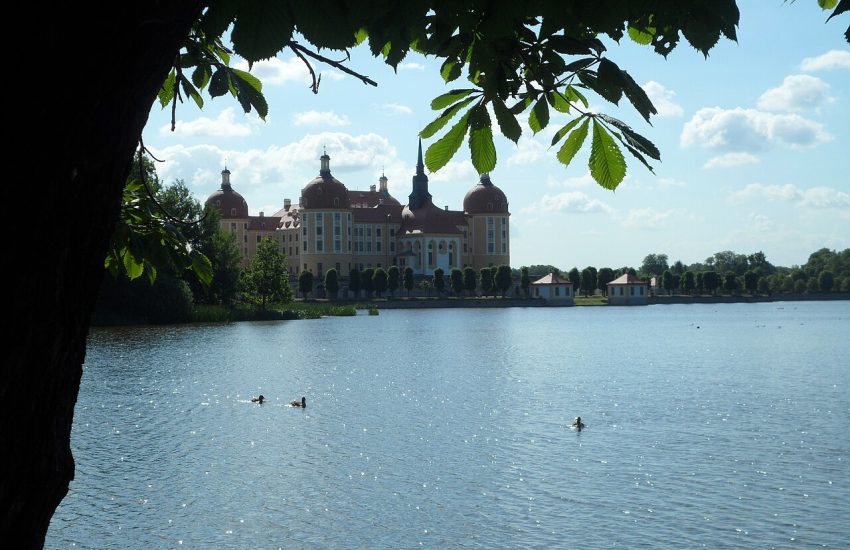
The setting of Ksiaz is one of its greatest glories, a rocky spur rising high above a deep, wooded gorge, giving the castle a dramatic and romantic position. This natural setting, combining defensive strength with scenic beauty, has shaped the castle throughout its history and remains central to its appeal.
The clifftop position provided natural defenses, making the castle difficult to attack and commanding the surrounding landscape. It also gave the castle its spectacular appearance, rising above the ravine in a scene of grandeur that has impressed visitors for centuries and inspired its romantic reputation.
The surrounding landscape of woods, hills, and the gorge adds to the beauty of the setting, creating an environment of natural drama around the castle. The relationship between the architecture and the landscape is a defining feature of Ksiaz, blending the works of man with the grandeur of nature.
For visitors, the spectacular setting is a highlight in itself, offering stunning views and a powerful sense of place. The castle above its gorge is an unforgettable sight, and the natural beauty of the surroundings greatly enhances the experience of a visit to this great clifftop stronghold.
The gorge below, carved by a river over millennia, adds to the sense of drama, separating the castle from the surrounding land and heightening its appearance of inaccessibility. This natural moat was a key part of the site’s defensive value and remains central to its scenic appeal.
Photographers and painters have long been drawn to the castle’s dramatic silhouette against the sky and the gorge, and it has become an emblem of the region. The interplay of architecture and landscape gives Ksiaz a timeless, romantic quality that few castles can match.
The Hochberg Family and the Princes of Pless

For much of its history Ksiaz was the seat of the Hochberg family, one of the wealthiest noble houses of the region, who held the title of Princes of Pless. Over generations this powerful family transformed the castle, expanding and embellishing it into the grand residence it became, and filling it with the splendor of a princely court.
The Hochbergs were immensely rich, their fortune built on the mineral wealth and industry of the region, and they used their resources to make Ksiaz one of the grandest residences in the area. Their ownership spanned centuries, during which they shaped the castle according to the changing tastes and ambitions of successive generations.
As one of the leading families of the region, the Hochbergs played important roles in its social and economic life, and their castle reflected their status and wealth. Ksiaz became a center of aristocratic life, a grand residence worthy of a princely family at the height of its power.
Understanding the Hochberg family is key to appreciating the castle in its grandest form. The Ksiaz of the great era was their creation, a residence shaped by their wealth and taste, and the castle is bound up with the story of this powerful family and their rise and eventual fall.
The wealth of the family, drawn largely from coal mining and heavy industry, was vast, placing them among the richest houses in the region and beyond. This fortune funded the great expansions of the castle and the lavish lifestyle of its owners, who entertained on a princely scale.
Their rise mirrored the industrial transformation of the region, and their fortunes were closely tied to its mines and factories. As the industrial age brought immense wealth, the family poured resources into their castle, making it ever grander, until changing times brought their long dominance to an end.
Centuries of Building
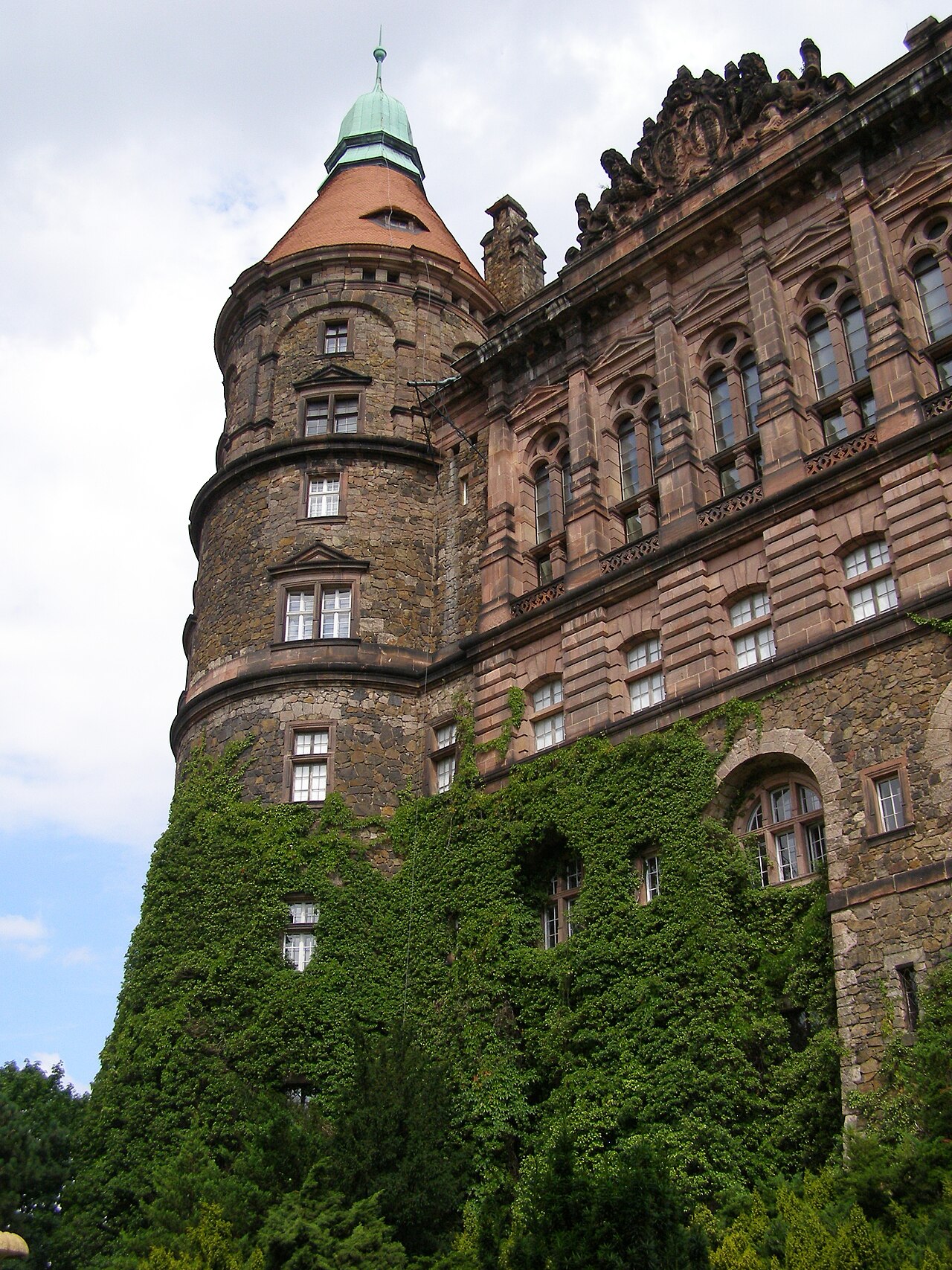
The castle visitors see today is the result of centuries of building and rebuilding, from its medieval core through baroque and later expansions. Each era added to the complex, transforming the original fortress into one of the largest and most magnificent castle-palaces in Poland, a layered record of changing styles and ambitions.
The baroque period in particular brought grand additions, including magnificent state rooms and ornamental facades that gave the castle much of its present splendor. Later generations continued to expand and modernize, adding wings and features that increased the scale and grandeur of the complex.
This long process of building gave Ksiaz its considerable size and its varied architectural character, combining elements of many periods within a single great complex. The result is a castle of remarkable scale and richness, reflecting the resources and ambitions of its owners over the centuries.
For admirers of architecture, the layered history of Ksiaz is fascinating, offering a journey through changing styles within one great building. The combination of medieval strength, baroque grandeur, and later additions makes the castle a rich and rewarding subject, a monument to centuries of building ambition.
The sheer size of the complex, among the largest castles in the country, reflects the ambitions and resources of its owners across the centuries. Walking through its many wings and courtyards, visitors sense the accumulated weight of history embodied in the great building.
The varied rooflines, towers, and facades that result from centuries of building give the castle a picturesque complexity, delightful to explore. No single style dominates; instead, the layers of history coexist, each contributing to the rich and romantic whole that is Ksiaz today.
The Grand State Rooms
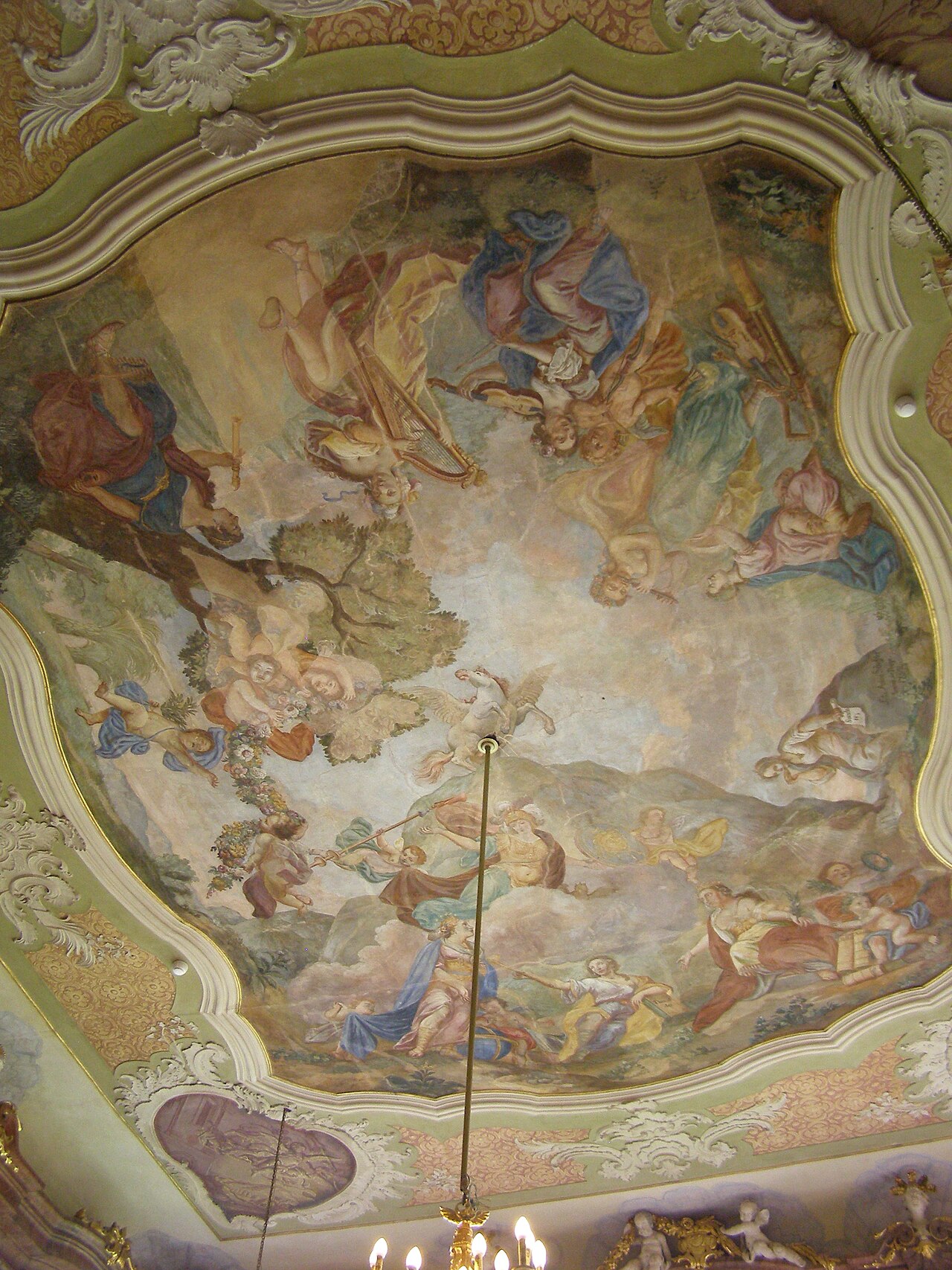
Among the glories of the castle are its grand state rooms, including a magnificent baroque hall that is one of the most splendid interiors in the region. Richly decorated with ornament, painting, and gilding, these rooms were created for the grand life of the princely owners, providing settings for ceremony and entertaining.
The great hall, with its lavish baroque decoration, is a highlight of the castle, a space of real magnificence that reflects the wealth and taste of the Hochberg family. Such rooms were essential to the grand way of life of the aristocracy, designed to impress guests and to display the splendor of the owners.
The state rooms reflect the ambitions of the family to create a residence worthy of their princely status, filled with beauty and luxury. Though the castle’s fortunes changed dramatically in the twentieth century, these grand interiors preserve the memory of its splendid heyday.
Walking through the state rooms, you gain a sense of the grand life once led at Ksiaz, the ceremony and entertaining of a princely court. The lavish interiors, especially the great baroque hall, remain among the chief attractions of the castle and a testament to its former magnificence.
The grandest of the baroque halls was designed to overwhelm visitors with its scale and decoration, a statement of the family’s wealth and status. Its restoration allows modern visitors to appreciate the splendor in which the princely owners once lived and entertained.
Beyond the great hall, a sequence of other state rooms and private apartments reflected the varied life of the castle, from public ceremony to domestic comfort. Together they conveyed the wealth and taste of the owners across the different eras of the castle’s grandeur.
The Glamorous Princess Daisy
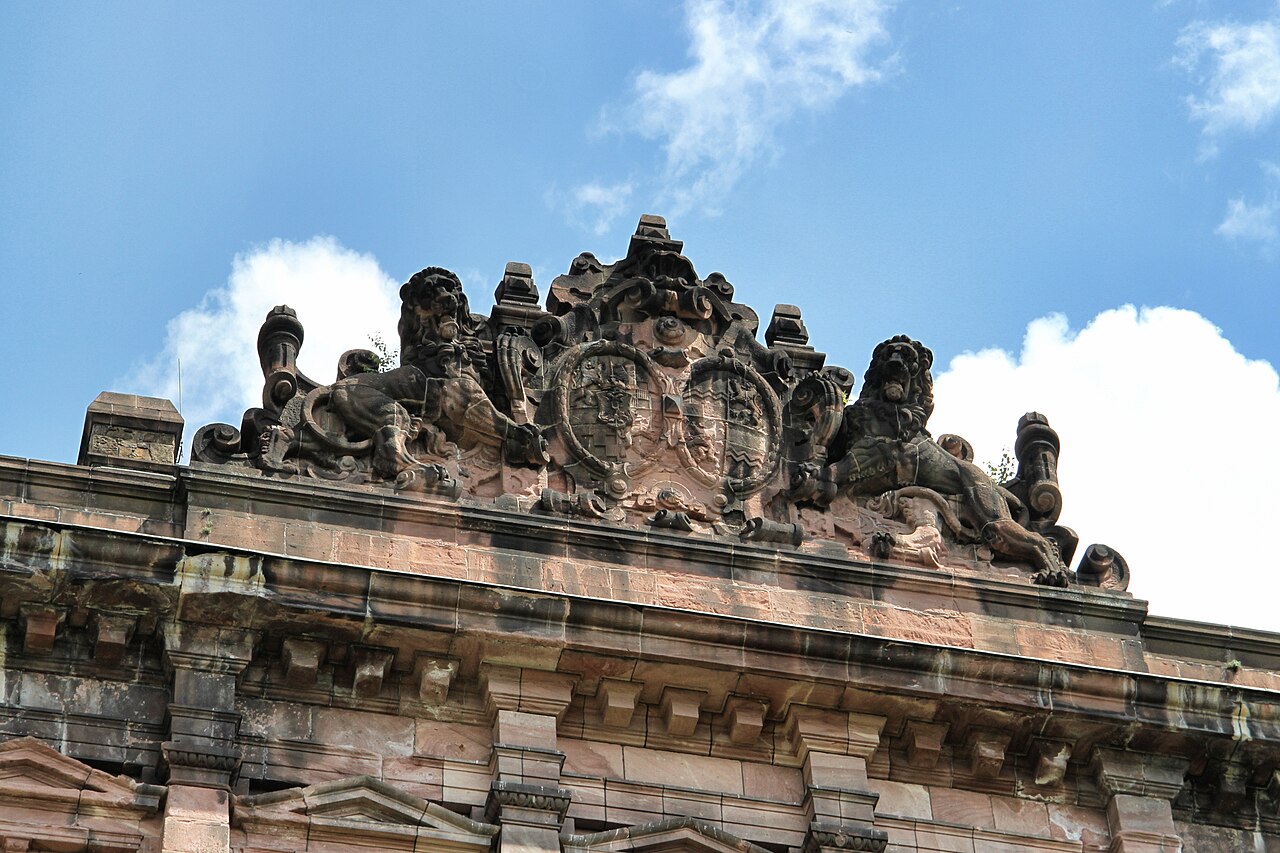
One of the most romantic figures associated with Ksiaz is Princess Daisy, a celebrated beauty of British origin who married into the Hochberg family and became one of the most famous chtelaines of the castle. Glamorous, cultured, and admired, she brought a cosmopolitan brilliance to Ksiaz in the early twentieth century.
Princess Daisy was renowned for her beauty, her charm, and her social connections, moving in the highest circles of European society. Her life at Ksiaz, with its grand entertaining and its glittering guests, marked a golden era for the castle, and her memory remains closely associated with it.
Her story, however, was touched by tragedy, as her later life was marked by personal difficulties and the upheavals of war and changing times. The contrast between her glamorous heyday and her sadder later years adds a poignant human dimension to the history of the castle.
For many visitors, the story of Princess Daisy is a key part of the appeal of Ksiaz, lending it a romantic and human interest beyond its architecture. Her life embodies the glamour and the tragedy of the castle’s history, and her memory pervades the grand rooms where she once reigned as its celebrated mistress.
She kept diaries and wrote of her life, leaving a vivid record of the glamorous and sometimes difficult world she inhabited. Her writings and her story have kept her memory alive, making her one of the most compelling figures associated with any Polish castle.
Her connections reached into the highest ranks of European royalty and society, and she used her position to promote charitable causes as well as to shine in the social world. The blend of glamour, influence, and compassion made her a remarkable and sympathetic figure, remembered with affection.
The Famous Terraced Gardens

Ksiaz is renowned for its beautiful terraced gardens, which descend in a series of levels around the castle, exploiting the dramatic topography of the site. These gardens, laid out over the centuries, are among the finest of their kind, combining formal design with the spectacular setting above the gorge.
The terraces create a sequence of garden spaces at different levels, with ornamental planting, fountains, and views that make the most of the castle’s position. The gardens were an integral part of the grand residence, providing beauty and pleasure and enhancing the setting of the castle.
The combination of the terraced gardens with the clifftop castle and the surrounding landscape creates an environment of exceptional beauty. The gardens frame the castle and connect it to its spectacular setting, blending architecture, horticulture, and natural drama in a harmonious whole.
For visitors, the terraced gardens are a highlight, offering beautiful spaces to explore and stunning views of the castle and the gorge. They are an essential part of the experience of Ksiaz, complementing the grandeur of the castle with the beauty of carefully designed landscape.
The gardens are especially beautiful in the warmer months, when the terraces are filled with greenery and flowers, but they offer rewarding views in every season. Their careful restoration has returned much of their original splendor, enhancing the experience of a visit.
Statues, fountains, and ornamental plantings adorn the terraces, creating a sequence of garden rooms that reward exploration. The descent through the levels offers ever-changing views of the castle and the surrounding landscape, a carefully composed experience of beauty.
The Mysterious Wartime Tunnels
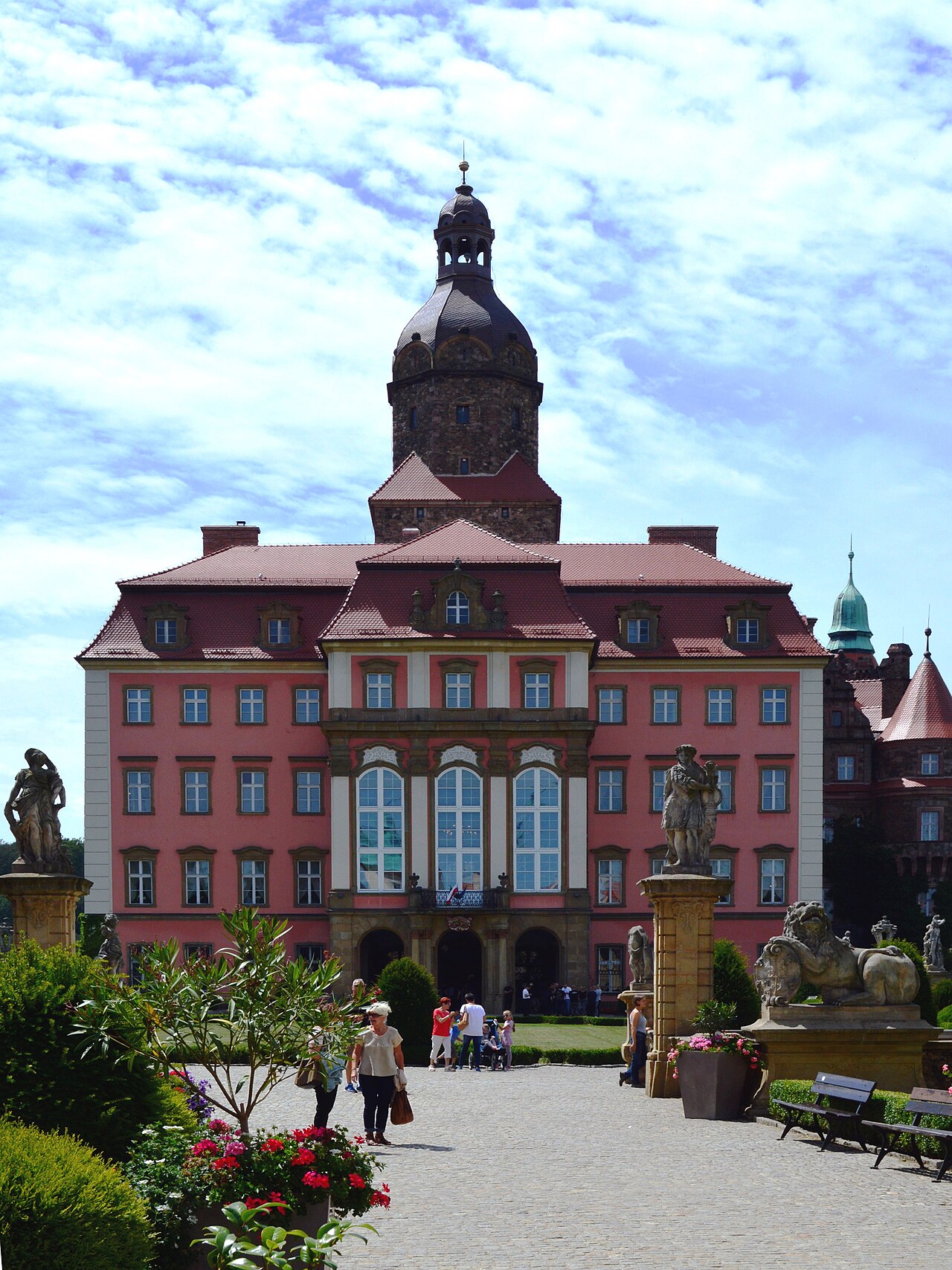
One of the most intriguing chapters in the history of Ksiaz came during the Second World War, when the castle was seized by the occupying regime and became the site of mysterious excavations. Deep tunnels were dug beneath and around the castle as part of a vast and secretive construction project whose full purpose remains debated.
The tunnels, part of a larger system of underground works in the region, were created using forced labor under harsh conditions, and their intended function has never been fully explained. Theories range from a planned headquarters or shelter to secret factories, and the mystery has given the castle a dark and enigmatic reputation.
The wartime seizure also saw the castle’s interiors stripped and altered, and the grand residence suffered greatly during this period. The contrast between its glamorous prewar heyday and its wartime fate is stark, and the tunnels remain a haunting reminder of the dark history of the era.
For visitors, the mysterious tunnels add a compelling dimension to Ksiaz, a layer of intrigue beneath the grandeur above. The unexplained excavations and the theories surrounding them have made the castle famous, drawing those fascinated by the mysteries and tragedies of the wartime past.
The scale of the underground works was enormous, involving the excavation of extensive tunnels at great human cost. The secrecy surrounding the project, and the failure to complete or fully document it, have ensured that the tunnels remain one of the great unsolved puzzles of the wartime era in the region.
The human cost of the excavations, carried out by prisoners under brutal conditions, is a sobering aspect of the castle’s history, and it is remembered as part of the darker legacy of the era. The tunnels stand as a reminder of the suffering as well as the mystery of those years.
Legends, Treasure, and Enduring Mysteries

The wartime tunnels beneath Ksiaz have given rise to persistent legends and theories, including tales of hidden treasures concealed in the underground works during the chaos of the war’s end. These stories, whether fact or fancy, have added to the castle’s mystique and drawn treasure hunters and the curious for decades.
Among the most famous legends are those connecting the region’s tunnels to rumors of lost art and valuables hidden by the retreating forces. While much remains unproven, the persistence of these stories reflects the genuine mystery surrounding the wartime excavations and the incomplete historical record.
The combination of a dramatic castle, a secretive wartime project, and tales of hidden treasure has made Ksiaz a subject of enduring fascination. The mysteries surrounding it continue to inspire investigation and speculation, adding to the romantic and enigmatic reputation of the castle.
For visitors, these legends add to the atmosphere of Ksiaz, a castle where grandeur and mystery intertwine. Whether or not the tales of hidden treasure are true, they capture the imagination and contribute to the compelling character of one of Poland’s most intriguing castles.
Expeditions and investigations over the years have sought to uncover the secrets of the tunnels, so far without definitive results, which only deepens the fascination. The enduring mystery has made Ksiaz a magnet for those drawn to the unexplained chapters of history.
Whatever the truth behind the stories, they have become part of the castle’s identity, drawing visitors fascinated by the interplay of documented history and enduring legend. The sense that secrets may still lie hidden beneath the castle adds an irresistible intrigue to any visit.
Decline and Revival

After the upheavals of the twentieth century, Ksiaz entered a period of difficulty, its grand life ended and its fabric damaged by the wartime seizure and the changes that followed. The castle that had been the glamorous seat of a princely family faced an uncertain future amid the turmoil of the age.
In time, however, efforts began to restore and revive the castle, repairing the damage and opening it to the public. Over the years, Ksiaz has been progressively restored and developed as a cultural attraction, recovering something of its former splendor and welcoming visitors to experience its history and beauty.
Today the castle serves as a museum and cultural center, with restored interiors, beautiful gardens, and facilities for visitors. The revival of Ksiaz has secured its future and allowed its remarkable history to be shared, from its medieval origins to its glamorous heyday and its wartime mysteries.
Knowing the castle’s difficult history makes its revival all the more welcome. The restored Ksiaz allows visitors to appreciate its grandeur and its spectacular setting while exploring the many layers of its fascinating story, a great castle brought back to life for new generations to enjoy.
The transformation of the castle from a damaged relic into a thriving cultural attraction is a notable achievement, reflecting the value placed on preserving the heritage of the region. Each phase of restoration has recovered more of the castle’s former glory.
Today the castle balances its role as a historic monument with its function as a living attraction, offering tours, exhibitions, and events. This combination keeps Ksiaz vibrant and accessible, ensuring that its remarkable story continues to be told to new generations of visitors.
Ksiaz on Film

Because Ksiaz is defined by its dramatic setting and its layered history, a video walkthrough is a fine way to appreciate it. On film you can take in the castle rising above its gorge, move through the grand state rooms, explore the terraced gardens, and glimpse the mysterious world of the tunnels below.
As you watch, notice the spectacular clifftop position and the combination of medieval, baroque, and later architecture that gives the castle its character. Seeing the castle and its setting in motion conveys the drama and romance of Ksiaz in a way that still images cannot fully capture.
Video also helps convey the many stories of the castle, from the glamour of Princess Daisy to the dark mysteries of the wartime tunnels. Following a camera through the castle and grounds, you gain a vivid sense of why Ksiaz is one of the most fascinating and atmospheric castles in Poland.
Visiting Ksiaz Today

Today Ksiaz Castle is open to visitors as a museum and cultural center, offering the chance to explore its grand interiors, its terraced gardens, its spectacular setting, and the mysteries of its wartime tunnels. Its combination of grandeur, romance, and intrigue makes it one of the most compelling castle visits in Poland.
The castle lies in Lower Silesia in southwestern Poland, reached by road and often visited as part of a tour of the region. Its many attractions, from the state rooms to the gardens and the tunnels, ensure a varied and engaging visit, with much to interest lovers of history, architecture, and mystery alike.
Because the castle offers various tours and attractions, including of the underground areas, it is worth checking current arrangements before visiting and allowing plenty of time. The gardens and the spectacular setting reward unhurried exploration, and the combination of beauty and intrigue makes for a memorable day.
You will find Ksiaz Castle in Lower Silesia in southwestern Poland; see the map below to help plan your route: see the map below. Whether you come for the grand interiors, the terraced gardens, the story of Princess Daisy, or the mystery of the wartime tunnels, Ksiaz offers one of the most dramatic and fascinating castle experiences in all of Poland.
For those exploring southwestern Poland, Ksiaz is an unmissable destination, combining architectural grandeur, natural beauty, and compelling history. Few castles offer so rich and varied an experience, and a visit rewards curiosity about both the splendor and the mysteries of the past.
Timing a visit to enjoy both the interiors and the gardens, and perhaps a tour of the underground areas, makes for a full and rewarding day amid some of the most dramatic scenery in Poland.
View the location on Google Maps
Palaces Nearby
If you are exploring the grand palaces of Poland, these two pair naturally with a visit here:
You May Like
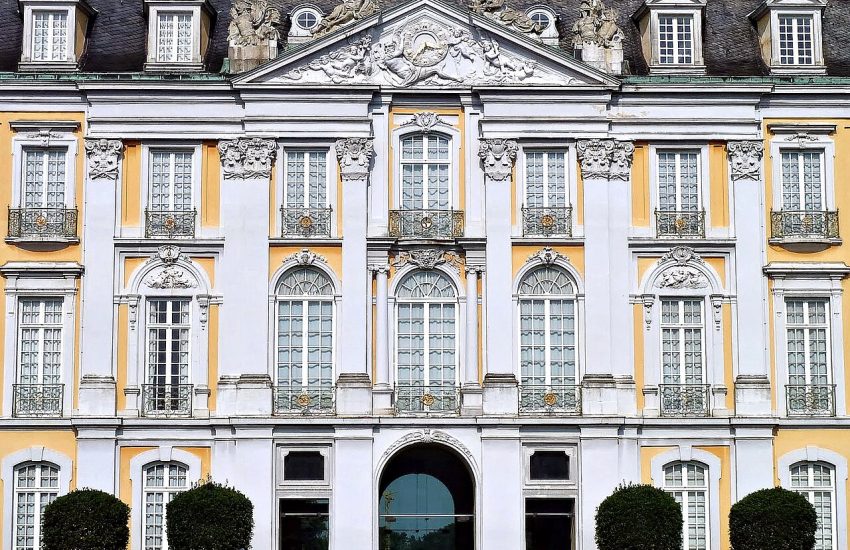
Konopiste the Bohemian Castle of a Doomed Archduke