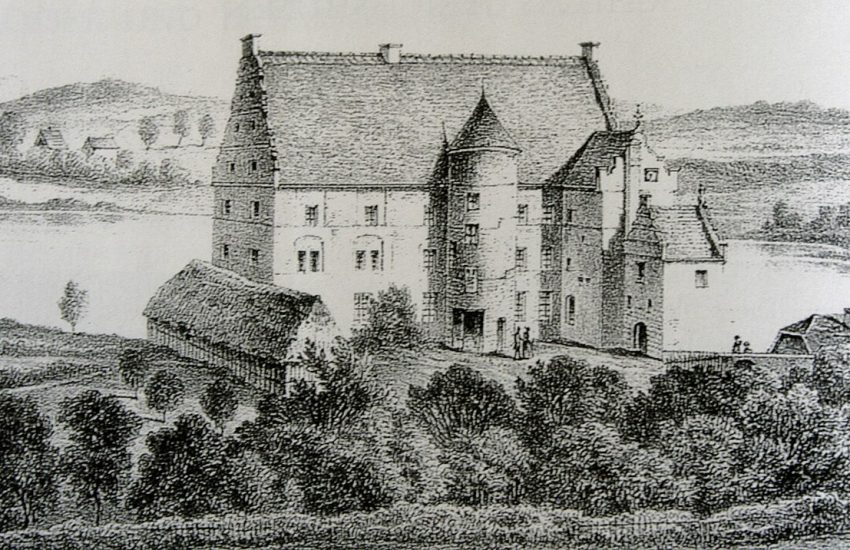
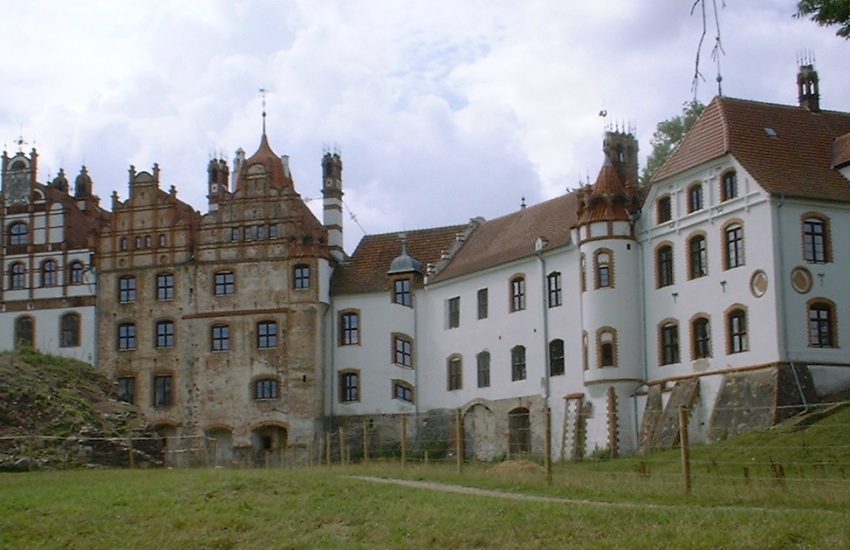
In the quiet hills of the Mecklenburg Lake District stands a simple, elegant country palace that holds one of the most touching stories in German history. Hohenzieritz was the summer residence of the dukes of Mecklenburg Strelitz, and in July 1810 Queen Louise of Prussia, the most beloved queen of her age, died here at the age of only thirty four while visiting her father.
Come along and I will show you the room where she died, the little temple her family built in her memory, and one of the earliest English landscape parks in Germany.
As always, we will finish with tips for your own visit to this peaceful corner of Mecklenburg.
In This Article
- A Quiet Palace in the Hills
- The Dukes of Mecklenburg Strelitz
- Queen Louise, the Beloved Queen
- The Summer of 1810
- The Memorial Room
- The Louise Temple
- One of the First English Parks
- A Remarkable Family
- The Palace Today
- Nature All Around
- Hohenzieritz on Video
- Visiting Hohenzieritz Today
A Quiet Palace in the Hills
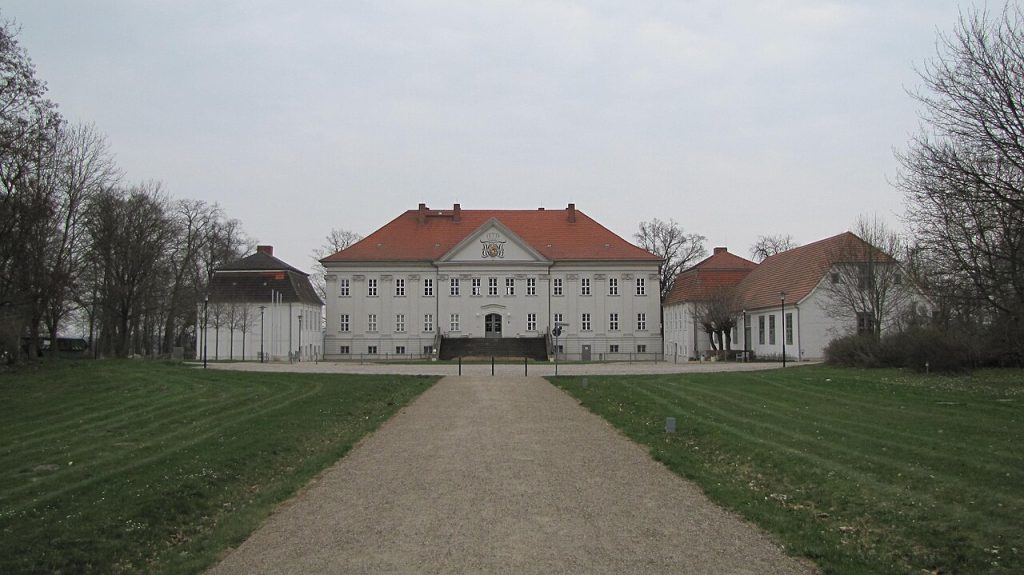
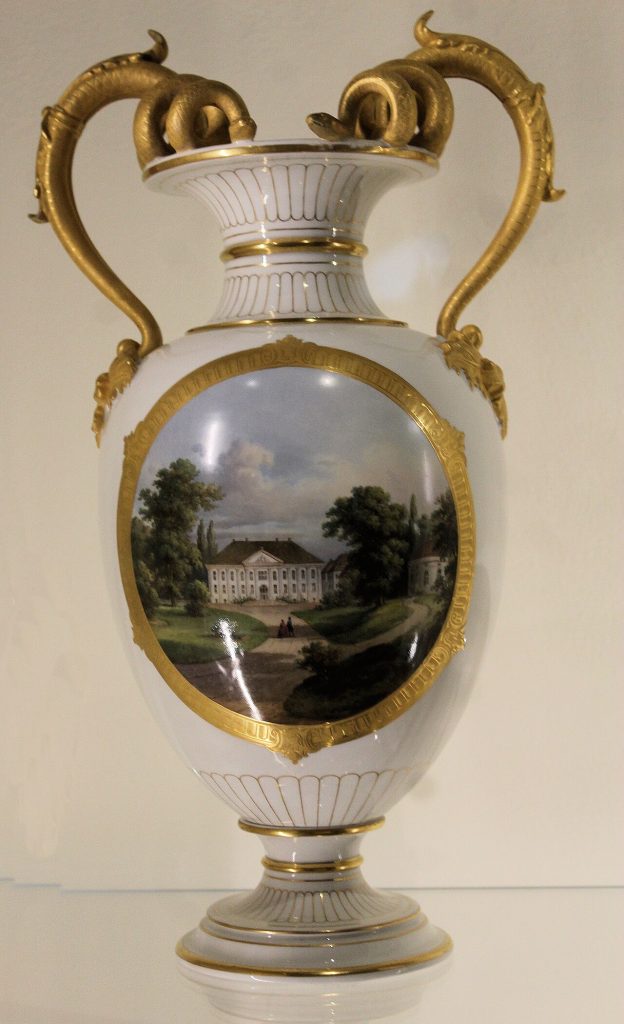
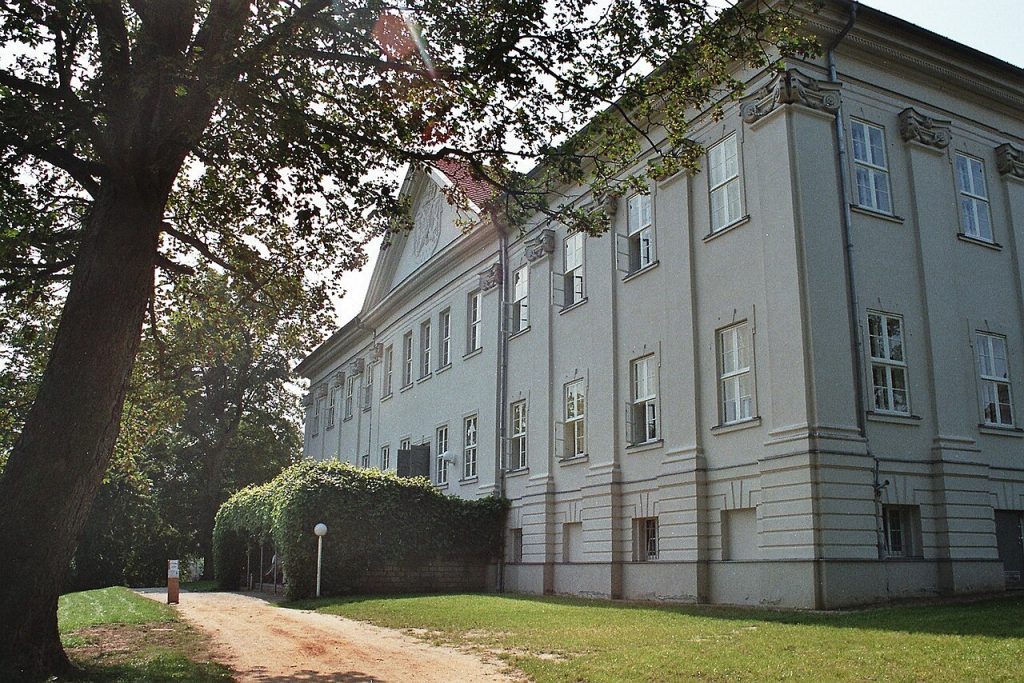
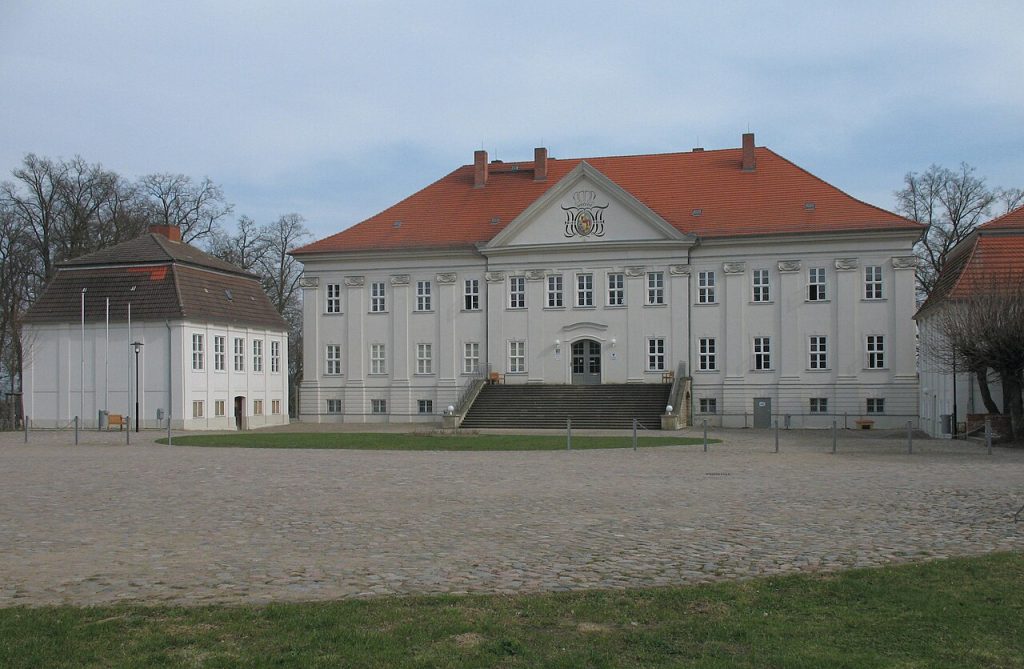
Arriving in the village of Hohenzieritz, you find a long, pale palace standing among old trees, with a gentle slope of lawn in front of it.
There is nothing showy about it. The palace is calm, classical and almost modest, more like a gracious country house than a royal residence.
That simplicity makes the story of what happened here all the more moving.
The Dukes of Mecklenburg Strelitz
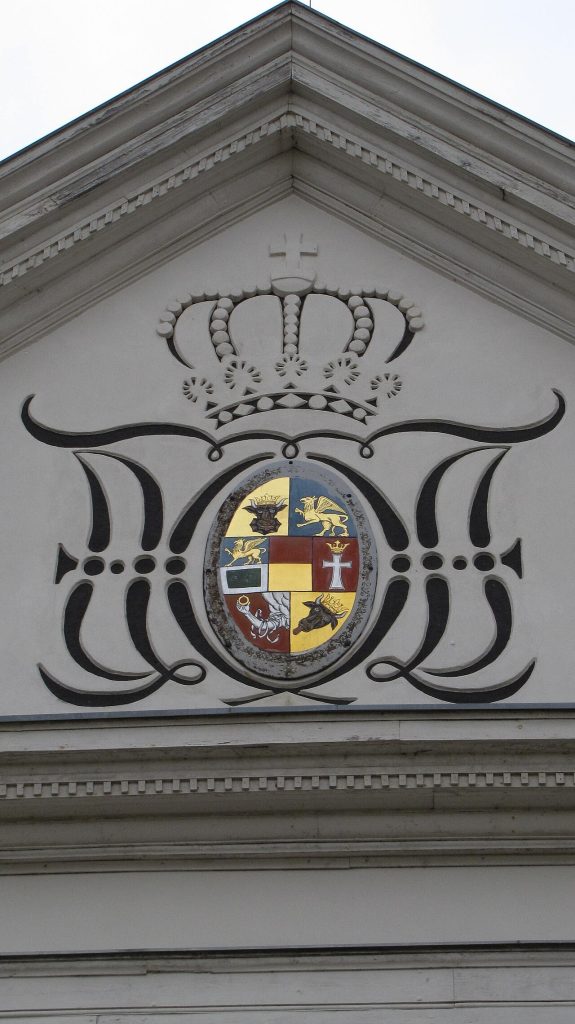
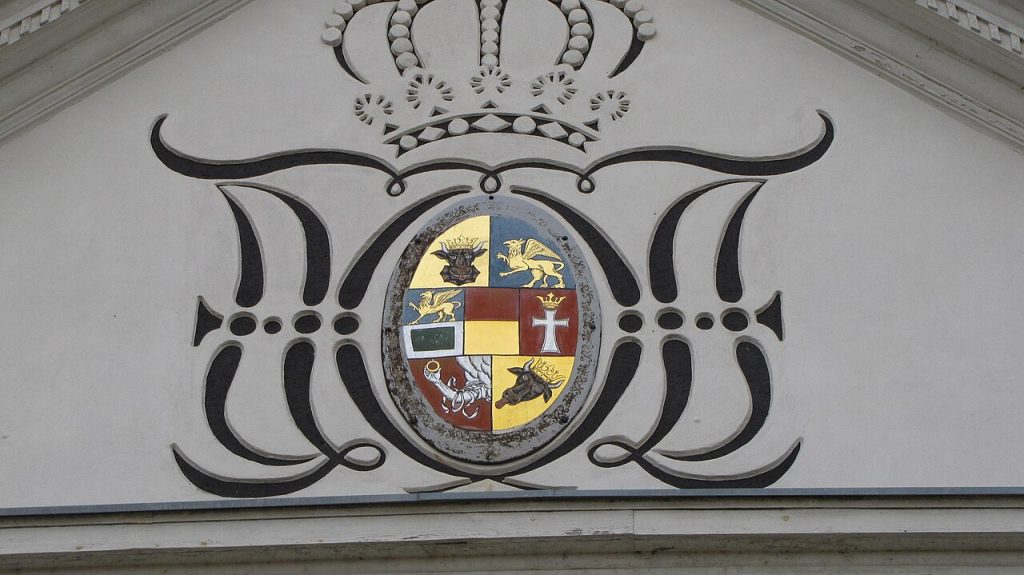
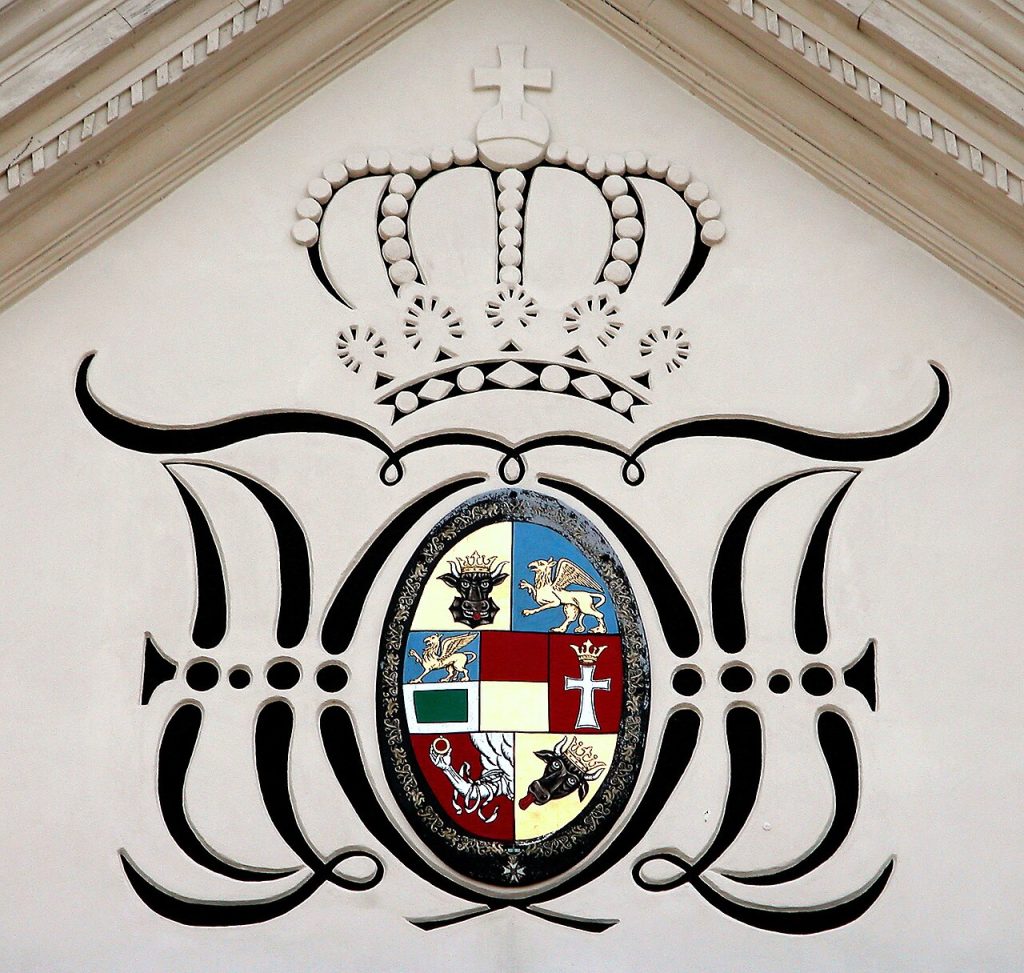
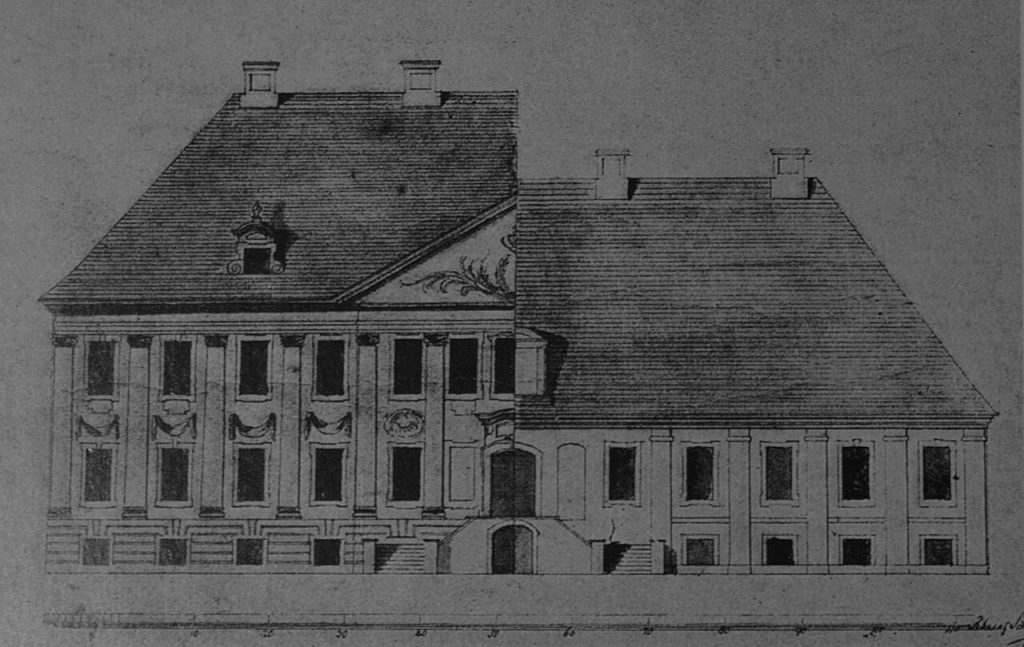
The palace was built in the mid eighteenth century and remodelled in the classical style for Duke Charles II of Mecklenburg Strelitz, who used it as his favourite summer residence.
Charles had a large and talented family. One of his daughters was Louise, who married the crown prince of Prussia and became queen in 1797.
The duke loved Hohenzieritz and spent his summers here, surrounded by his children and grandchildren.
Queen Louise, the Beloved Queen
Louise of Mecklenburg Strelitz was famous for her beauty, warmth and courage. When she married the future King Frederick William III of Prussia in 1793, Berliners fell in love with her.
In 1807, after Prussia’s defeat by Napoleon, she met the French emperor in Tilsit and pleaded with him for better peace terms for her country. Napoleon was impressed by her, but he did not give way.
Her bravery in the darkest days of Prussia made her a symbol of hope and national pride, and she became a legend in her own lifetime.
The Summer of 1810
In the summer of 1810, Louise travelled to Hohenzieritz to visit her father, happy to be back in her childhood surroundings. Soon after her arrival, she fell ill.
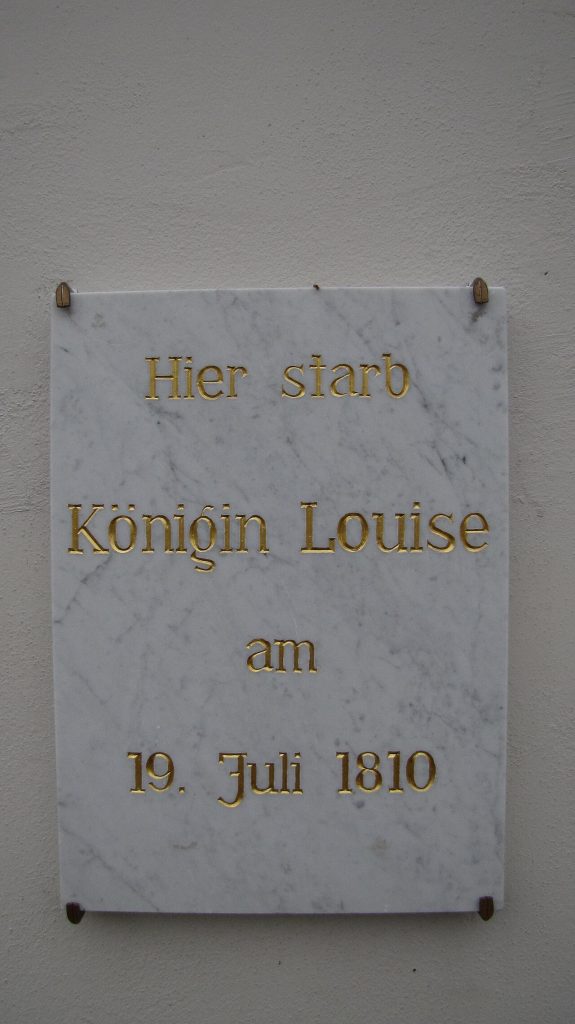
Her condition worsened over several weeks, and on 19 July 1810 she died here, with her husband and her father at her side. She was only thirty four years old.
All of Prussia mourned. Her body was taken to Berlin and later buried in the mausoleum in the park of Charlottenburg Palace, where her famous marble tomb by Christian Daniel Rauch can still be seen.
The Memorial Room
The room where Queen Louise died has been preserved as a memorial, furnished in the style of the time.
Standing here, in this simple room with its view of the park, many visitors feel the sadness of that summer more than in any grand museum.
Exhibitions in the palace tell the story of the queen, her family and her legacy.
The Louise Temple
In the park, the family built a small round temple in memory of the queen. Inside stands a copy of the famous marble figure of Louise by Rauch, showing her as if asleep.
The temple stands among the trees, a quiet place for remembrance, and visitors often leave flowers here.
One of the First English Parks
The park of Hohenzieritz is one of the earliest English landscape gardens in Germany, laid out in the late eighteenth century with winding paths, lawns, groups of trees and views across the countryside.
It was designed by the gardener Archibald Thompson, who came from Britain, and it reflects the ties between the Mecklenburg family and the British court through Queen Charlotte, Louise’s aunt.
Walk through the park and you will discover old trees, small monuments and sweeping views that change with every step.
A Remarkable Family
The family of Mecklenburg Strelitz was closely linked with the royal houses of Europe. Queen Charlotte of Great Britain was Louise’s aunt, and Louise’s sister Frederica later became queen of Hanover.
Through Louise’s children, the family line led to the German emperors, for her son became the first German emperor, Wilhelm I.
The Palace Today
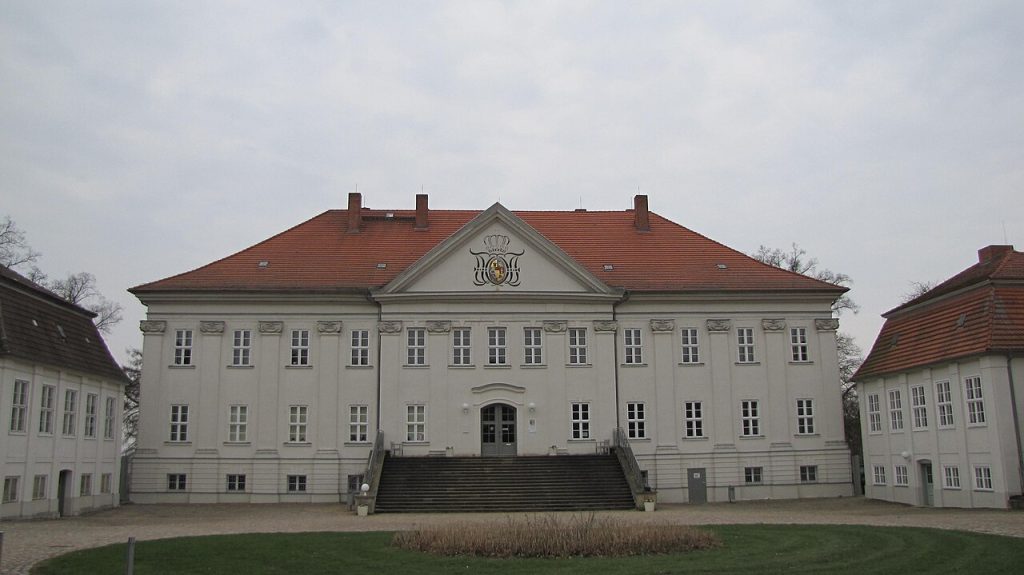
Today the palace houses the administration of the Muritz National Park, and parts of it are open to visitors, including the memorial rooms and exhibitions.
The building was restored in recent decades, and the park has been carefully maintained.
Nature All Around
Hohenzieritz lies on the edge of the Muritz National Park, one of the most beautiful nature reserves in Germany, with lakes, forests and rare birds such as ospreys and cranes.
A visit to the palace can easily be combined with a walk or bicycle ride in the national park.
Hohenzieritz on Video
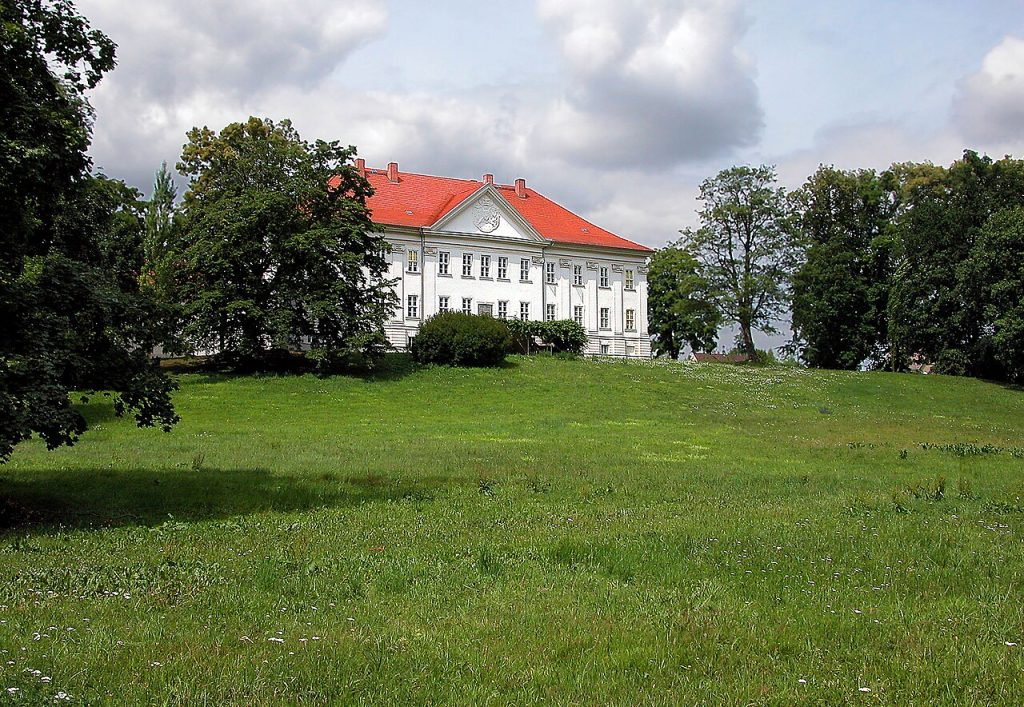
Here is a short video of the palace and its park.
If the video makes you want to visit, here are some practical tips.
Visiting Hohenzieritz Today
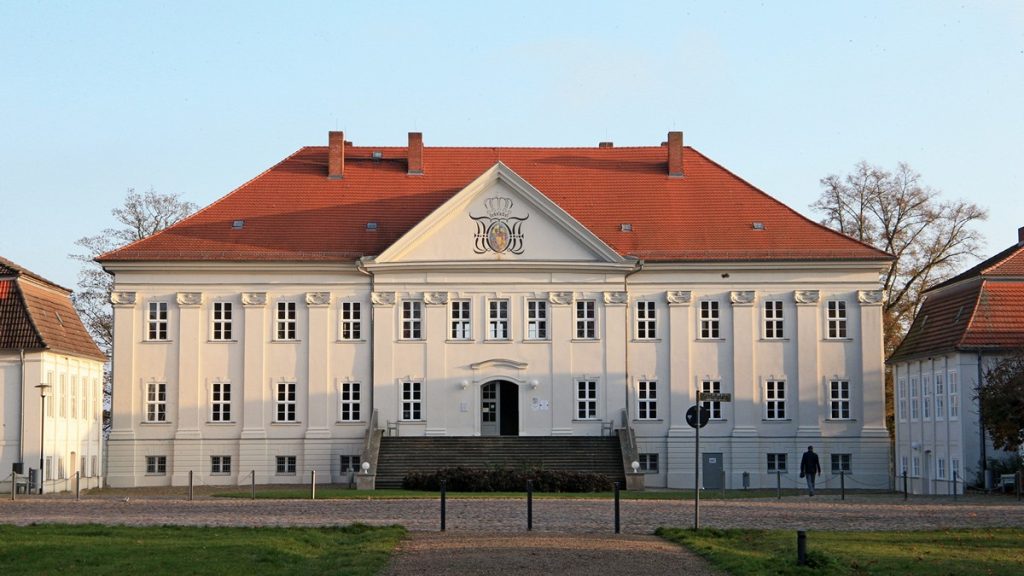
The memorial rooms are usually open from spring to autumn, and the park is open all year.
Hohenzieritz lies between Neustrelitz and Neubrandenburg in Mecklenburg and is best reached by car or bicycle.
Plan about an hour for the palace and another hour for the park, and combine your visit with Mirow and the Muritz National Park.
A local tip: come in the early morning, when mist rises from the meadows and the park is at its most peaceful.
View the location on Google Maps
Palaces Nearby
If you have enjoyed this palace, the region holds more remarkable residences. Here are two more well worth adding to your journey:
- Mirow Palace – the island palace of the dukes of Mecklenburg Strelitz.
- Rheinsberg Palace – the lakeside palace of the young Frederick the Great.