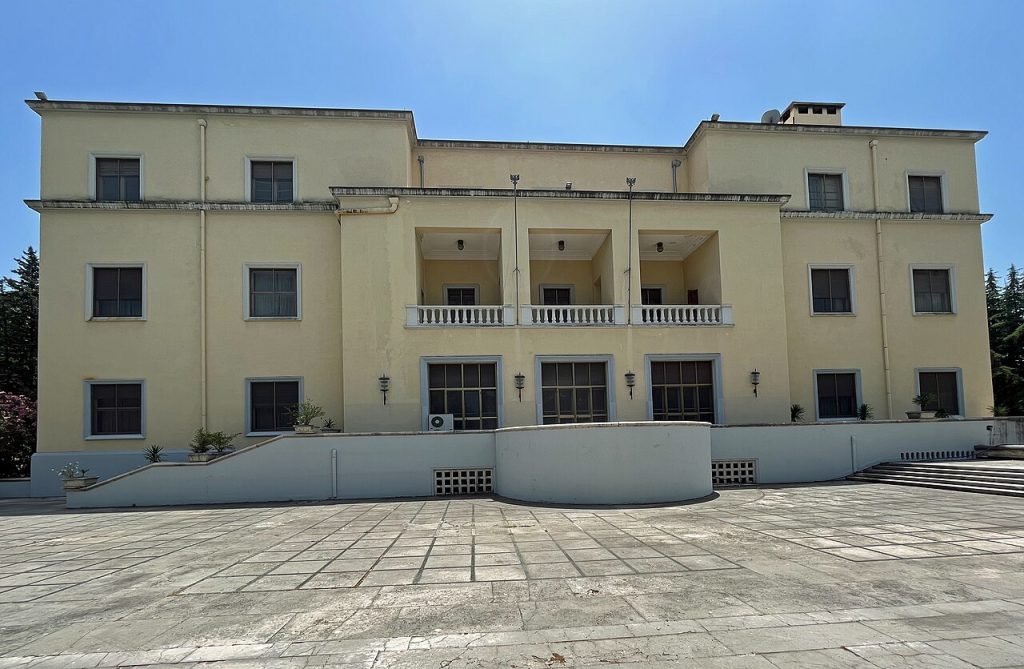
On a low hill at the eastern edge of Tirana, above the boulevard that runs out toward the mountains, stands a long pale palace of travertine and stucco in the stripped-down Italian classicism of the 1930s, with a columned entrance, a terrace over the city and a park of pines and palms. It is the Royal Palace, Pallati Mbretëror, commissioned by Ahmet Zogu, who had made himself President of Albania in 1925 and King Zog I in 1928, and designed by Italian architects when Italy was Albania’s patron and paymaster. Zog laid the foundation stone in 1936 and left Albania on the day the Italians invaded in April 1939, before the palace was finished.
The Italians completed it for their viceroy, the communists who took over in 1944 used it as the Palace of Brigades for the Central Committee’s receptions, and since 1991 it has been the Albanian state’s reception palace, where presidents receive foreign guests and the government holds its grandest dinners, under its old communist name. It is closed to the public except on open days, but the park and the terrace can be seen, and the building is the key to Albania’s twentieth century: a king who was a clan chief, an occupier who built the capital and a dictator who kept the palace and shot the courtiers.
Walk up the hill with me from the boulevard to the entrance, through the state rooms to the terrace, with Zog, the Italians and Hoxha in order. The contents are below.
In This Article
- A Hill at the End of the Boulevard
- Ahmet Zogu, From Clan Chief to President
- 1928: King of the Albanians
- Italian Money and Italian Architects
- The Design: Rationalism With a Crown
- Queen Geraldine and the Wedding of 1938
- April 1939: The King Leaves, the Italians Arrive
- A Palace for the Viceroy
- The Palace of Brigades
- The State Rooms and the Terrace
- The Park and the Boulevard Below
- 1991 and After: The Republic’s Reception Palace
- Zog’s Heirs and the Palace Today
- Tirana on Video
- Visiting the Royal Palace Today
- Palaces Nearby
A Hill at the End of the Boulevard
Tirana was a market town of twelve thousand people when it became the capital of Albania in 1920, and almost everything monumental in it was built afterwards: the great boulevard, the ministries, the university and the palace are Italian work of the 1930s, the Palace of Culture and the pyramid are communist, and the towers are post-1991. The Royal Palace stands apart from the centre, on a hill to the east where the Elbasan road leaves the city, in a park that Zog bought as the site for a residence away from the old town and above the summer heat.
Now, stop here on the road below and look up through the pines. The palace is long, low and pale, with a central block and two wings and a flat roof, and it looks like a ministry or a museum rather than a king’s house, which is what the Italian architects intended: a modern state’s modern palace, with just enough columns to suggest a crown.
Ahmet Zogu, From Clan Chief to President
Ahmet Zogu was born in 1895 in the castle of Burgajet in the Mati district, the hereditary chief of a Muslim clan of the central highlands, educated in Constantinople and thrown into politics by Albania’s independence in 1912 and the chaos of the First World War. He was minister of the interior at twenty-five, prime minister at twenty-seven, overthrown in 1924 by a democratic revolt led by the Orthodox bishop Fan Noli, and back within six months at the head of an army financed by Yugoslavia and White Russian mercenaries. In January 1925 he made himself President of the Republic of Albania with powers that were in practice absolute.
Zogu was tall, pale, chain-smoking and extremely cautious, having survived dozens of assassination attempts and blood feuds; he rarely left his residence, slept with a pistol and had his mother taste his food. He was also able, and he gave Albania its first roads, schools, civil code and stable currency, with money that came, increasingly, from Rome.
1928: King of the Albanians
On 1 September 1928 the Albanian assembly proclaimed Zogu King of the Albanians, Zog I, and he took the oath on both the Bible and the Koran in the parliament in Tirana, with Mussolini’s blessing and a constitution written to his requirements. The title claimed all Albanians, including those in Yugoslavia and Greece, which annoyed the neighbours, and the monarchy was a strange hybrid: a European-style court with chamberlains and orders, a royal family of Zog’s six sisters in uniforms of their own design, and a king who was still a clan chief with a highland bodyguard. He needed a palace, and the residence he had in the town, a converted villa, would not do.
Now, stop here in front of the entrance and think of the man who was going to live here: a self-made king, thirty-three at his coronation, with no royal blood, no money of his own and a patron in Rome who wanted Albania for himself.
Italian Money and Italian Architects
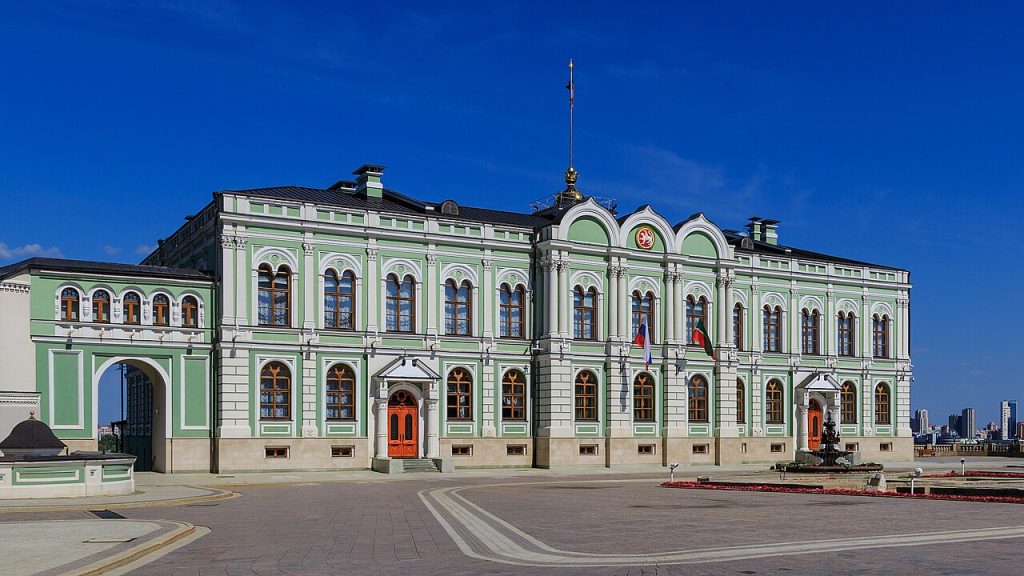
From 1925 Italy was Albania’s banker, builder and protector. The Society for the Economic Development of Albania lent Zog the money for roads, bridges and public buildings, Italian architects designed the capital’s new centre, the great boulevard with the ministries, the national bank and the university, and Italian advisers ran the army and the economy. The Pact of Tirana of 1926 and the alliance of 1927 made Albania an Italian protectorate in all but name, and Mussolini expected his money back in obedience. Zog took the money and tried to keep his independence, which was the whole of his foreign policy.
The palace was the last and grandest of the Italian projects. Zog commissioned it in 1936 from the Italian firm that was then completing the boulevard, and the design was by Gherardo Bosio, the Florentine architect who was the chief planner of Italian Tirana, with the Albanian architect Qemal Butka.
The Design: Rationalism With a Crown
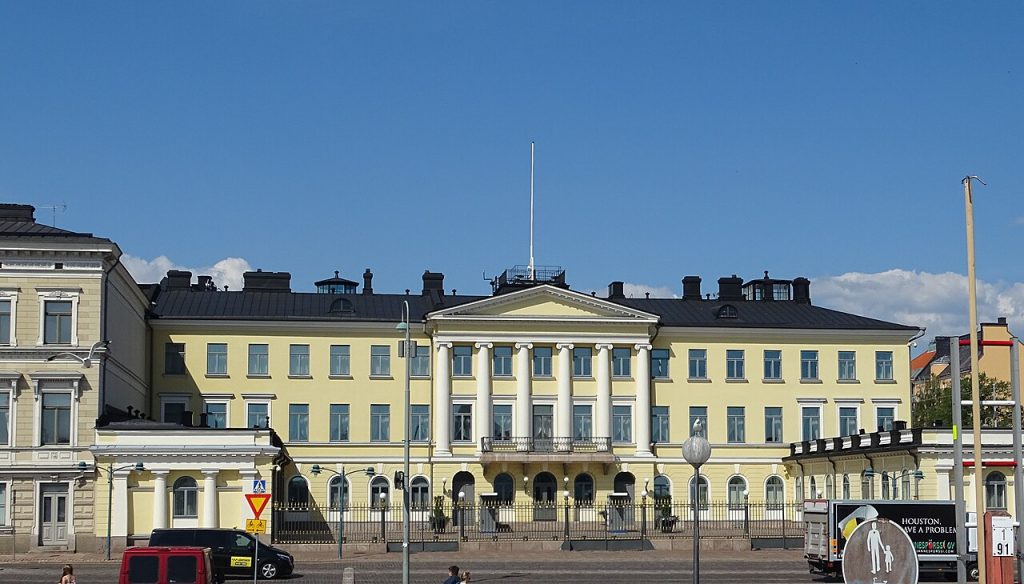
Bosio’s design was Italian Rationalism in its monumental mood: a long symmetrical block of two storeys faced in travertine and pale stucco, a central entrance with a loggia of square columns, a grand staircase, a throne room and a ballroom in the centre, the royal apartments in one wing and the guest and service rooms in the other, and a terrace along the south front looking over the city to the mountains. The interiors were to be in marble, walnut and bronze, with Italian furniture and Albanian textiles, and the park was planted with pines, cypresses and palms. The foundation stone was laid in 1936, and construction ran through 1937 and 1938.
The result is one of the best buildings of the Italian 1930s outside Italy, severe, well proportioned and finely finished, and it has survived three regimes because each found it useful. Now, stop here under the loggia and look at the stone: this travertine came from Tivoli, like the Colosseum’s.
Queen Geraldine and the Wedding of 1938
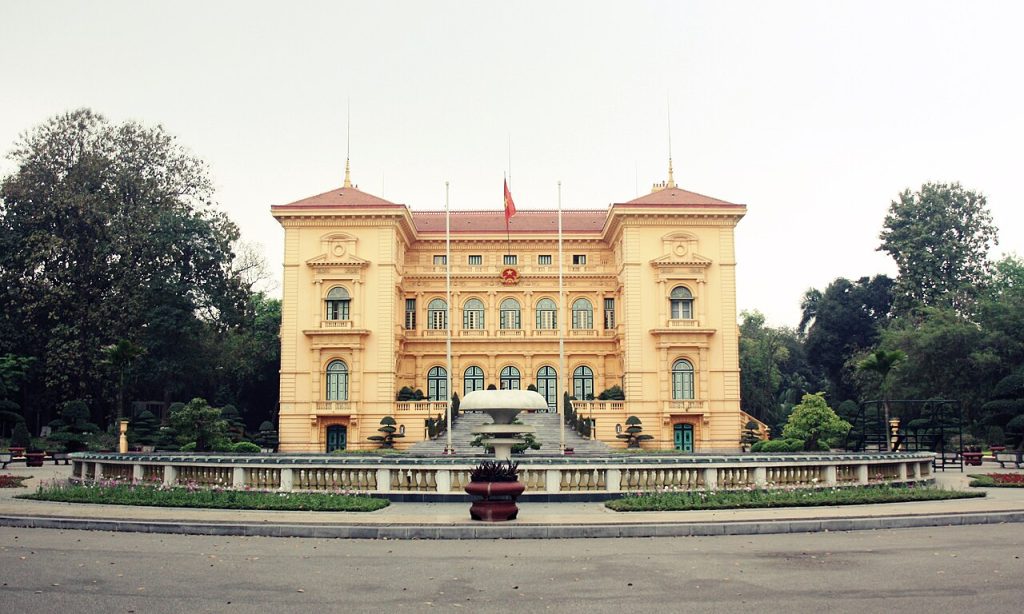
In April 1938 Zog married Geraldine Apponyi, a twenty-two-year-old Hungarian countess with an American mother, whom he had chosen from a photograph; she was beautiful, Catholic, penniless and willing, and the wedding in Tirana, with Count Galeazzo Ciano, Mussolini’s son-in-law and foreign minister, as the principal witness, was the grandest event in Albania’s short monarchy. The couple lived in the old royal villa while the new palace rose on the hill, and Geraldine, who was called the white rose of Hungary, planned its interiors with Italian decorators. On 5 April 1939 she gave birth to a son, Leka, the crown prince.
Two days later the Italian fleet appeared off Durrës.
April 1939: The King Leaves, the Italians Arrive
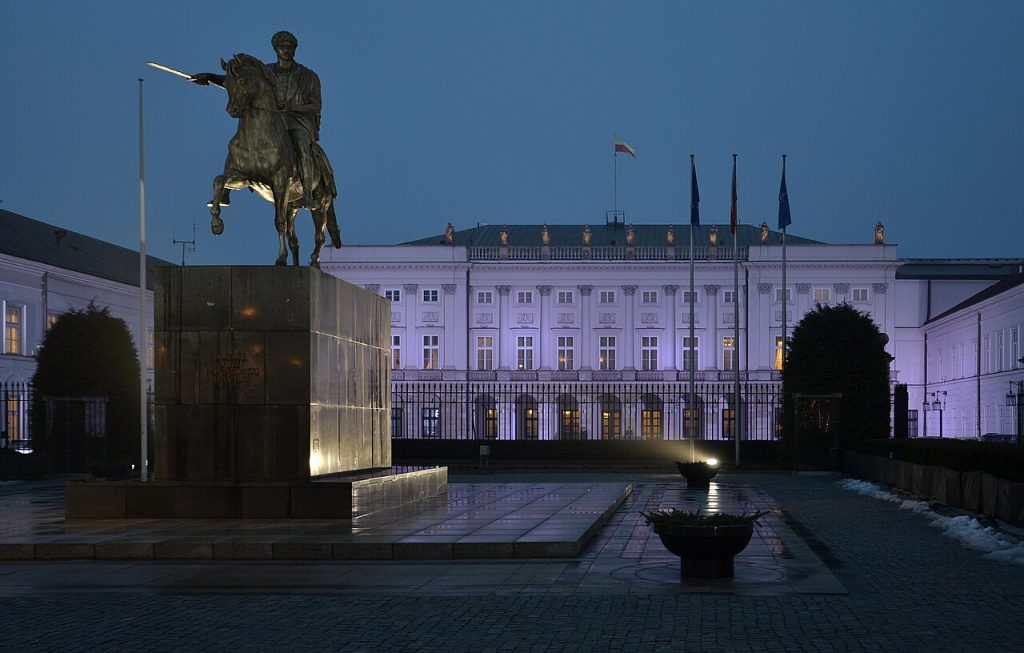
Mussolini had decided to annex Albania outright, and on Good Friday, 7 April 1939, Italian troops landed at Durrës, Vlorë, Sarandë and Shëngjin. The Albanian army barely resisted, and Zog, with Geraldine still in bed from the birth and the baby in a basket, left Tirana by car for the Greek border that same day, taking the gold of the national bank and a retinue of relatives and bodyguards. He never returned. The royal family went to Greece, Turkey, France and, in 1940, to England, where Zog lived at the Ritz and then in Buckinghamshire, and after the war to Egypt and France; he died at Suresnes in 1961.
The palace on the hill was almost finished when the Italians arrived, and they finished it for themselves. Now, stop here on the staircase and remember that the king it was built for never climbed it as king.
A Palace for the Viceroy
Victor Emmanuel III of Italy added King of Albania to his titles, and the palace was completed in 1940 and 1941 as the residence of his viceroy, the Lieutenant-General Francesco Jacomoni, who had been Italian minister in Tirana and had helped arrange the invasion. The interiors were finished to Bosio’s designs with Italian marble and furniture, the throne room received the Savoy arms and Jacomoni held his receptions here for the Albanian collaborationist government and the Italian command. After Italy’s surrender in 1943 the Germans occupied Tirana and used the palace until they withdrew in November 1944.
Bosio himself died in 1941, and the palace was his last major work; his boulevard, his stadium and his ministries make Tirana the most complete Italian fascist city plan outside Italy, and the palace is its crown.
The Palace of Brigades
The communist partisans under Enver Hoxha entered Tirana on 29 November 1944, and the palace was renamed the Palace of Brigades, Pallati i Brigadave, after the partisan brigades, and became the reception palace of the Central Committee and the Council of Ministers, where Hoxha received the few foreign guests his isolated regime admitted, Soviet delegations until 1961, Chinese until 1978 and almost nobody after. The throne room became a reception hall, the royal apartments guest rooms for visiting communists, and the park a guarded compound. Hoxha himself lived in the Blloku district in the city centre, in a villa, and used the palace only for ceremony.
The palace survived the regime intact because it was useful and because it was closed: for forty-seven years no ordinary Albanian entered it, and the Italian marble and walnut were preserved by neglect of the public rather than by care.
The State Rooms and the Terrace
The interiors are Bosio’s and Jacomoni’s: a marble entrance hall with a double staircase, the former throne room, now the main reception hall, with its coffered ceiling and bronze doors, a ballroom with chandeliers, a dining room for state dinners, a library and the royal apartments in the east wing, restored since 2000 with furniture from the 1940s and Albanian carpets. The south terrace runs the length of the building and looks over the city to Mount Dajti and, on clear days, to the Adriatic. The Savoy arms were removed in 1944 and the communist emblems in 1991; the rooms are now decorated with the Albanian eagle and portraits of national figures, including, since the 2000s, Zog himself.
Now, stop here on the terrace and look west over Tirana. When the palace was planned the city ended at the boulevard; today it runs to the horizon, and the view is the measure of a century.
The Park and the Boulevard Below
The park, laid out by Italian landscape designers in the 1930s with pines, cypresses, palms and lawns on the slope of the hill, is the largest green space in eastern Tirana and is partly open to the public outside the security perimeter; the inner garden with the fountain and the terrace is within the compound. Below the hill runs the Elbasan road, and across it the Grand Park of Tirana with its artificial lake and the presidential residence, so that the whole quarter is the state’s. The boulevard, Bosio’s great axis from the university to Skanderbeg Square, begins a kilometre to the west.
A walk from the palace down to the boulevard and along it to the square takes an hour and passes most of Italian Tirana: the university, the stadium, the ministries and the national bank, all of the 1930s and all still in use.
1991 and After: The Republic’s Reception Palace
After the fall of communism in 1991 the palace kept its function and, for a long time, its communist name, and it has been the state reception palace of the Republic of Albania ever since, used by the president, the prime minister and the parliament for state visits, dinners, the presentation of credentials and national ceremonies. It was restored in the 2000s, and in recent years it has been opened to the public on heritage days, when thousands of Albanians queue to see the rooms their grandparents were forbidden to enter. The name Royal Palace has been revived officially alongside the old one.
The palace has received every foreign leader who has visited Tirana since 1991, from Pope John Paul II to the presidents of the United States and the European Union’s summits, and it is, for a country that had no monarchy worth the name and no aristocracy, the one building with the dignity for the purpose.
Zog’s Heirs and the Palace Today
Zog’s son Leka, the baby in the basket of 1939, grew up in exile, tried to return in 1997 in a referendum on the monarchy that failed amid the chaos of that year, came back for good in 2002 and died in Tirana in 2011. His son, Leka II, lives in Tirana, works for the government and married there in 2016. In November 2012, on the centenary of Albanian independence, the remains of King Zog were brought from France and reburied with state honours in a mausoleum in Tirana, and Queen Geraldine, who had died in Tirana in 2002, lies beside him. The republic has made its peace with its king.
Now, stop here at the gate and look up at the house once more. It was built for a king who fled, finished by an occupier who lost, used by a dictator who died in his bed and inherited by a republic that opens it one day a year. In Albania that counts as continuity.
Tirana on Video
Visiting the Royal Palace Today
The Royal Palace is a working state building and is not open to the public on a regular basis; it opens on national heritage days, usually in spring and on 28 November, Independence Day, and for pre-arranged group visits through the presidency’s protocol office, and the open days are announced in the Albanian press and on the presidency’s site. The outer park is accessible, and the palace facade and the terrace are visible from the Elbasan road and the Grand Park across it. Allow half a day for the palace quarter, the Grand Park and the boulevard, and add the National History Museum on Skanderbeg Square, which has rooms on Zog’s monarchy and the Italian occupation, and the Bunk’Art museums for the communist period.
Tirana airport is twenty-five minutes from the centre; the palace is fifteen minutes by taxi from Skanderbeg Square or a forty-minute walk along the boulevard. Cetinje in Montenegro is four hours to the north by road; Corfu and the Achilleion are reached by road to Sarandë and a thirty-minute ferry. Here is the exact spot: Royal Palace of Tirana on Google Maps.
Palaces Nearby
You May Like
Verdala Palace and San Anton as the Summer Houses of Malta’s Rulers