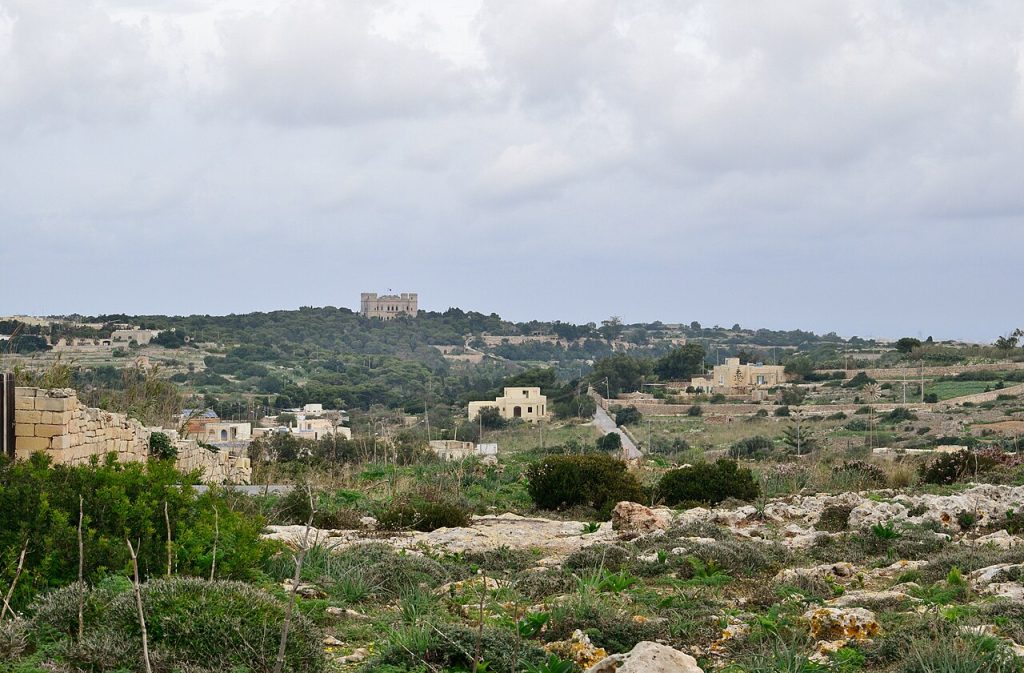
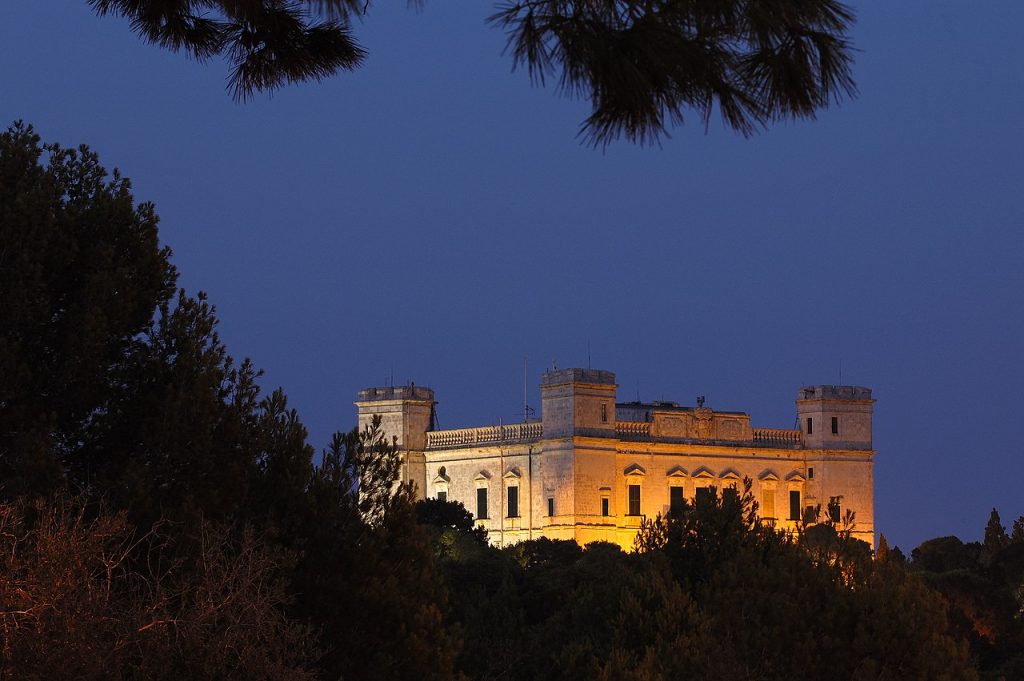
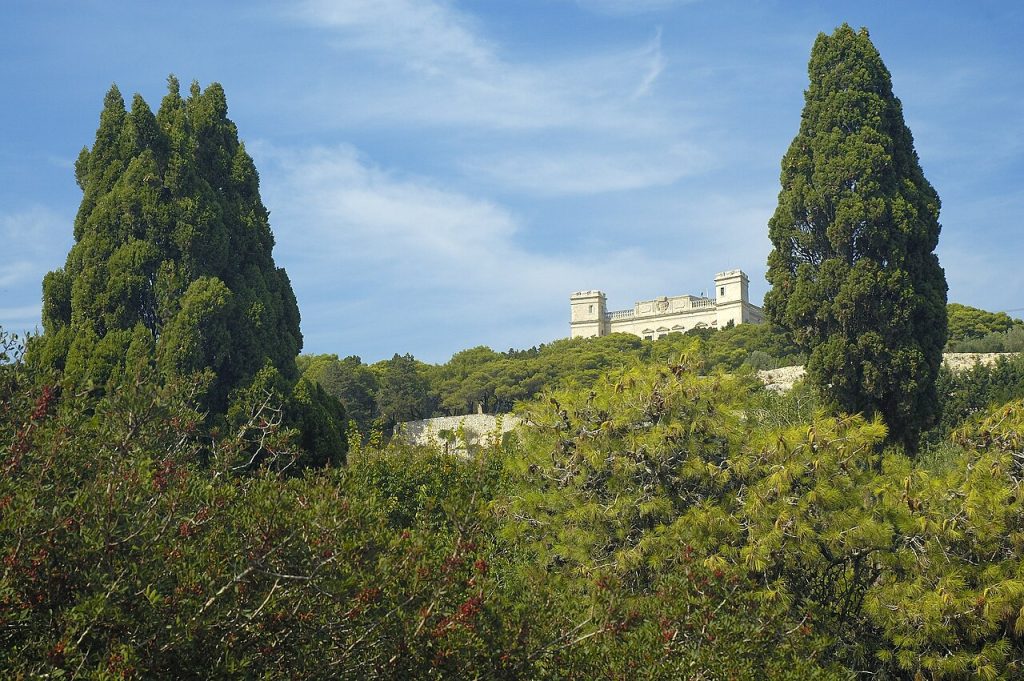
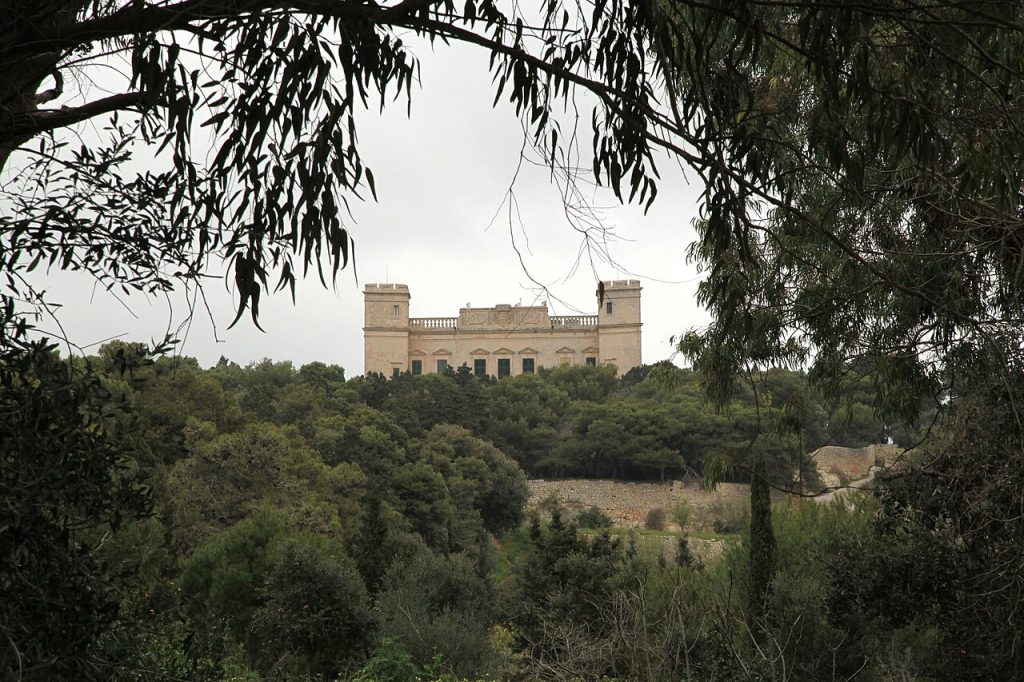
The Grand Masters of the Order of St John ruled Malta from the palace in Valletta, but they escaped it whenever they could, and the island’s centre holds the two houses they escaped to. Verdala Palace stands on a ridge above the Buskett woods, the only real woodland in Malta, south of Rabat: a square Renaissance castle of golden limestone with four corner towers, a moat and a fortified look, built in 1586 for Grand Master Hugues Loubenx de Verdalle, a Frenchman made a cardinal by the pope, as a hunting lodge and summer retreat. San Anton Palace lies in the village of Attard in the middle of the island, a long, irregular Baroque house around courtyards that Grand Master Antoine de Paule began in 1623 as a villa among orange groves and that grew into the island’s second palace, with the largest and most beautiful gardens in Malta.
Both houses passed from the Grand Masters to the British governors and from the governors to the presidents of the republic: San Anton is the official residence of the President of Malta, and Verdala the president’s summer palace and the setting for state entertaining. Their gardens, Buskett at Verdala and the San Anton Gardens at Attard, have been open to the public since the nineteenth century and are the island’s favourite green places. This is the second of the two Maltese articles in this series, after the Grandmaster’s Palace in Valletta.
Drive with me out of Valletta to Buskett and Verdala, then back to Attard and the gardens of San Anton, with the cardinal, the Grand Masters, the governors and the presidents in order. The contents are below.
In This Article
- Buskett, the Grand Masters’ Hunting Ground
- Cardinal Verdalle and His Castle of 1586
- Girolamo Cassar’s Square Palace
- The Frescoed Hall and the Spiral Stair
- Prisoners, Silk and the French
- A Governor’s Summer House
- The President’s Summer Palace
- Attard and the Orange Groves
- 1623: Grand Master de Paule Builds a Villa
- A Palace That Grew Room by Room
- The San Anton Gardens
- Governors, Royals and the Republic
- Two Palaces, One Island
- Malta on Video
- Visiting Verdala and San Anton Today
- Palaces Nearby
Buskett, the Grand Masters’ Hunting Ground
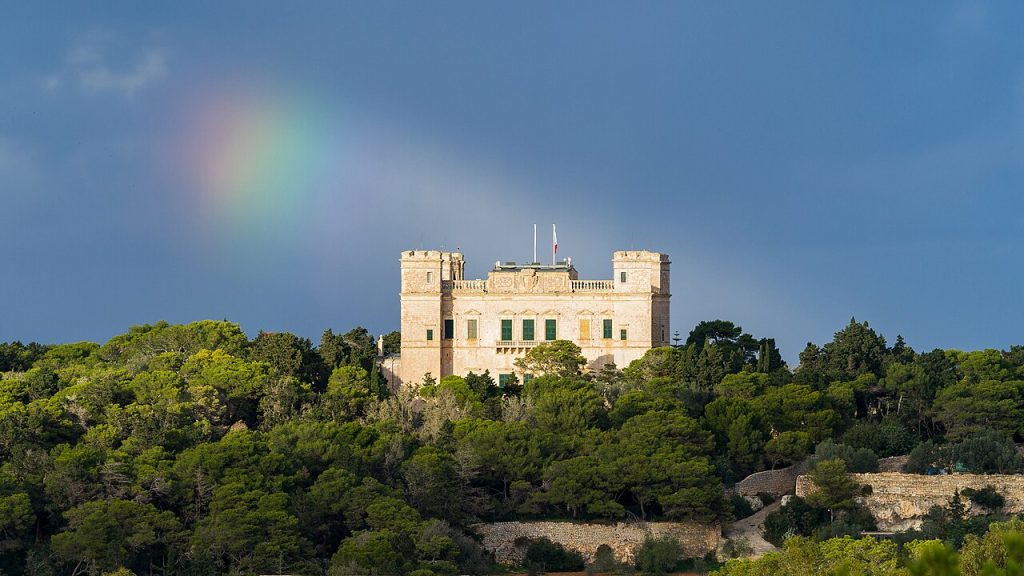
Malta is a dry limestone island with almost no trees, and Buskett, Il-Buskett, from the Italian boschetto, little wood, is the exception: a valley of Aleppo pines, cypresses, carobs, oaks and orange groves on the slopes below the Dingli cliffs, planted and watered by the Grand Masters in the sixteenth century as a hunting ground and preserve. The woods held deer, hares and game birds for the knights’ sport, and the Grand Master needed a lodge in them, which is why Verdala stands on the ridge above. Buskett has been a public garden since British times, and on the feast of St Peter and St Paul at the end of June the whole island picnics here for the Mnarja festival with rabbit stew, folk singing and races.
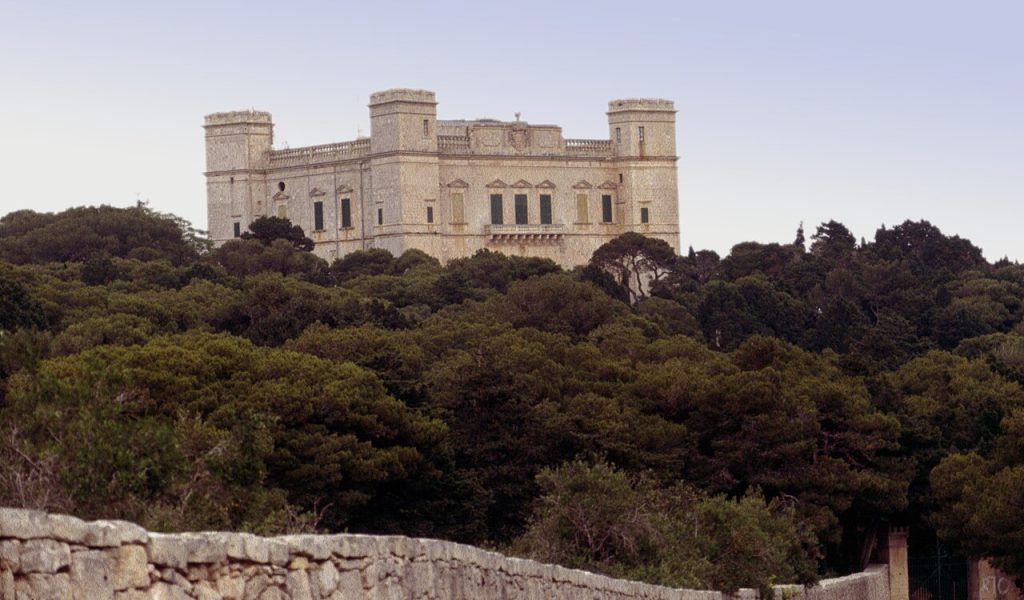
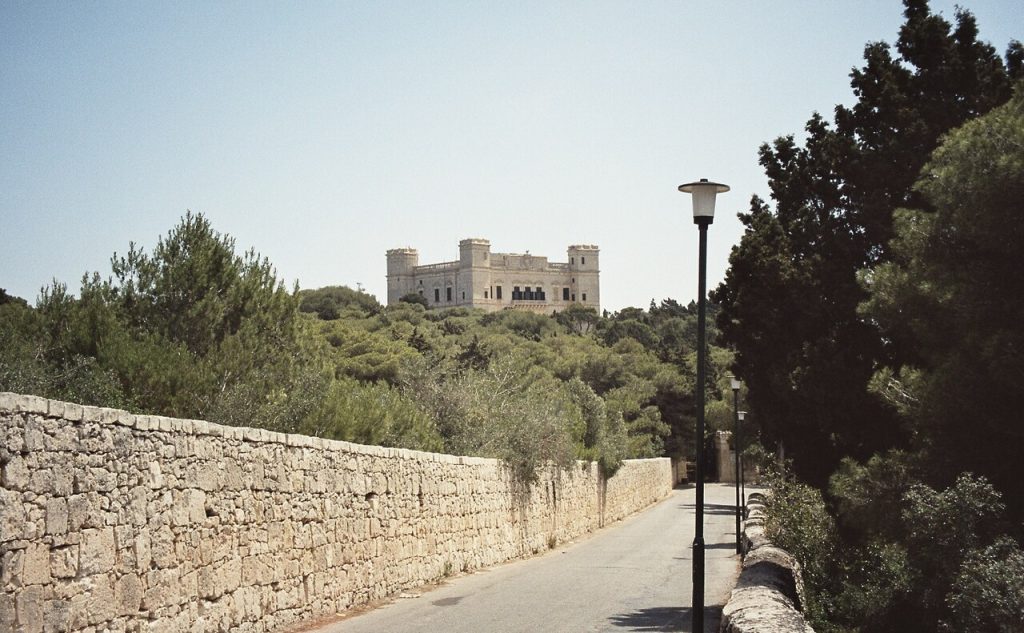
Now, stop here on the Buskett road and look up at the palace on its ridge. It is square, towered and fortified, and from below it looks like a castle; it was in fact a hunting lodge for a cardinal, and the towers were for show.
Cardinal Verdalle and His Castle of 1586
Hugues Loubenx de Verdalle, a knight of the langue of Provence, was elected Grand Master in 1582 and made a cardinal by Pope Sixtus V in 1587, the only Grand Master to hold both dignities, and he ruled the order with a prince-cardinal’s taste for display that the austere knights of the Great Siege generation disliked. He enlarged the palace in Valletta, built the Verdala hunting lodge in 1586 and commissioned the first history of the order from Giacomo Bosio. He was accused of luxury and of neglecting the fleet, and he died in 1595 with his reputation under attack; the palace is his monument, and it is a Renaissance cardinal’s villa dressed as a Maltese fort.
The palace was finished within a year of its start, and Verdalle entertained here with a magnificence that the order’s chroniclers recorded with disapproval.
Girolamo Cassar’s Square Palace
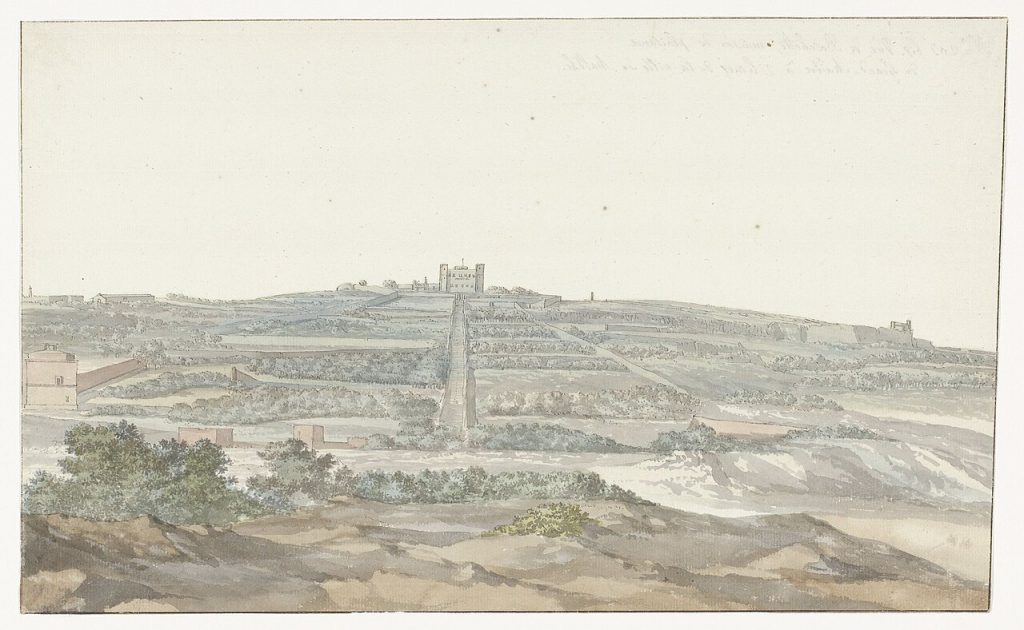
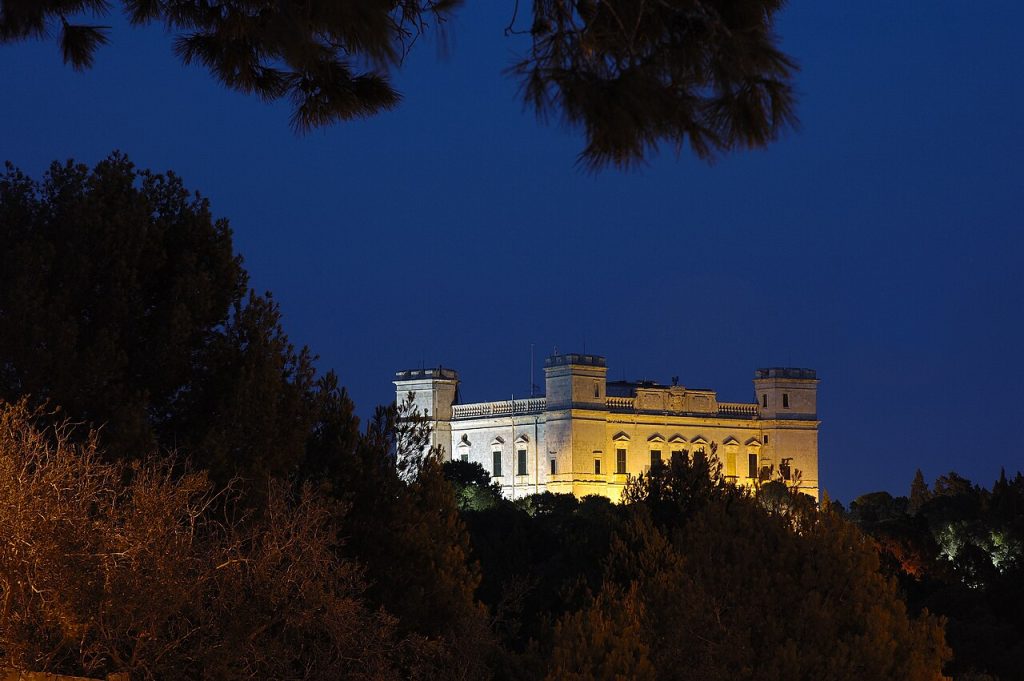
The architect was Girolamo Cassar, the builder of Valletta and the Grandmaster’s Palace, and his design is a near-perfect square of three storeys with a projecting tower at each corner, a dry moat crossed by a bridge, a single entrance with the Verdalle arms and a flat roof with a parapet, so that the house has the plan of a small Renaissance fortress of the kind the Italian military architects published. The stone is the golden Maltese globigerina limestone, the windows are regular and small and the whole is austere outside, with the decoration reserved for the interior. The moat was never meant for serious defence; the castle look was fashion, and the towers hold stairs and closets.
Cassar’s square recalls the Villa Farnese at Caprarola, which Verdalle would have known from Rome, reduced to a Maltese scale and stripped of ornament, and it is the finest Renaissance building on the island outside Valletta.
The Frescoed Hall and the Spiral Stair
Inside, the ground floor has the kitchens and the service rooms and the first floor the piano nobile: a great hall running the width of the house with a frescoed frieze of scenes from the life of Verdalle, his election, his cardinal’s hat, his reception by the pope, painted in the 1580s, and a chapel, a dining room and bedrooms around it. An elliptical spiral staircase of stone, wide enough, the story goes, for a horse to climb, rises in one of the towers to the upper floor and the roof, from which the view takes in Buskett, the Dingli cliffs, Mdina on its hill and the sea. The furniture is British and Maltese of the nineteenth and twentieth centuries, since the palace was refurnished by the governors.
Now, stop here in the hall before the fresco of the cardinal’s hat and consider a crusading monk-knight being made a prince of the Church and building himself a castle to celebrate. The order’s austerity was already wearing thin.
Prisoners, Silk and the French
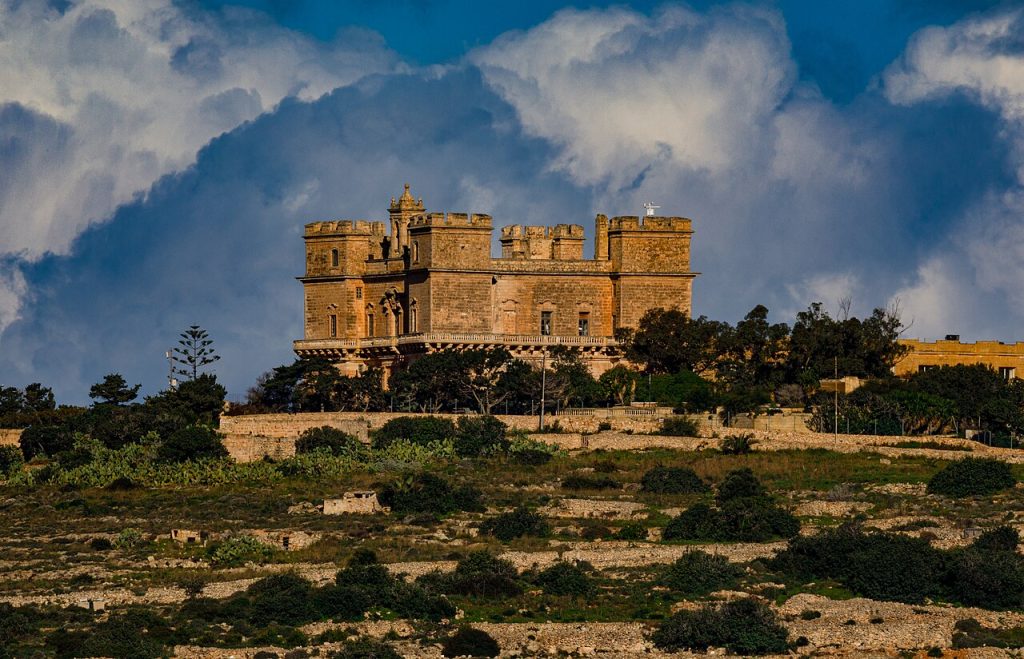
Verdala was used by the Grand Masters as a summer retreat for two centuries, with the chapel, the hunting and the receptions, but the later Grand Masters preferred San Anton and the palace was neglected. After the French took Malta in 1798 and the British took it from the French in 1800, Verdala was used to hold French prisoners of war, then as a silk factory in a British attempt to start an industry, then as a military store, and by 1850 it was semi-ruinous. The British governor Sir William Reid restored it in 1858 as a summer residence, and it has been the island’s second official residence ever since.
Reid also made Buskett a public garden and laid out the carriage road through the woods, and the palace and its park became the Maltese Windsor, used for garden parties and summer councils.
A Governor’s Summer House
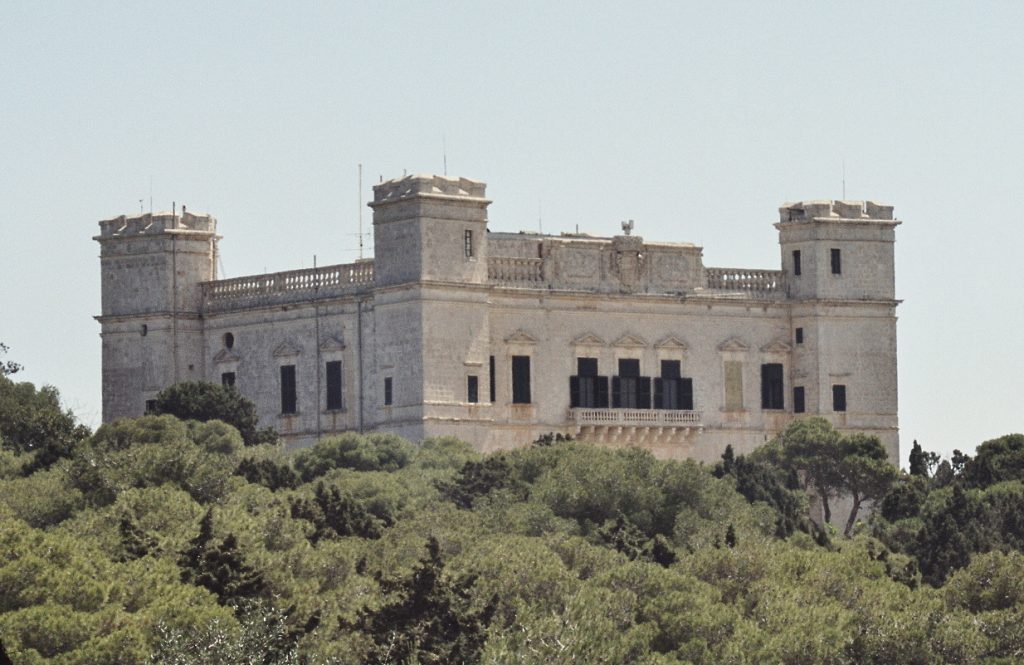
The British governors used Verdala every summer from 1858 to Malta’s independence in 1964, escaping the heat of Valletta for the cooler ridge, and they entertained here the royal visitors who passed through the island’s naval base: the future Edward VII and George V as naval officers, Queen Victoria’s grandchildren, and in the 1950s Princess Elizabeth and Prince Philip, who lived at Villa Guardamangia near Valletta while Philip served with the Mediterranean Fleet. The palace was refurnished in the country-house manner with British furniture, prints and chintz, and its chapel was used for the garrison’s services.
The governors also entertained at San Anton, which became their principal residence, so that the two palaces divided the year between them as they had for the Grand Masters.
The President’s Summer Palace
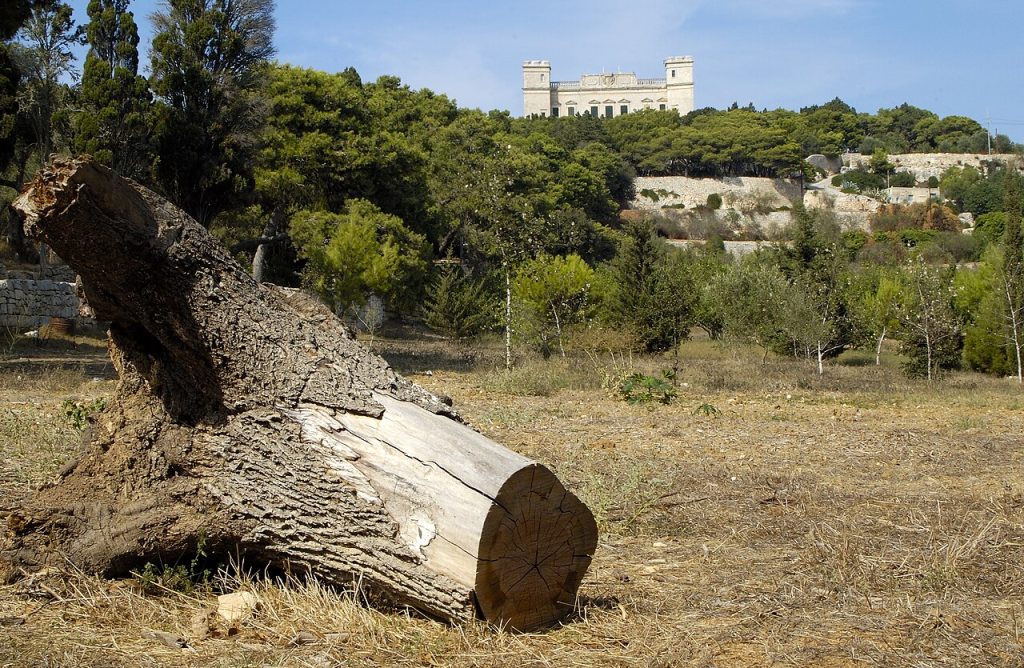
Since Malta became a republic in 1974 Verdala has been the official summer residence of the President of Malta and the setting for state receptions, dinners for visiting heads of state and the president’s annual August ball, which raises money for charity and is the island’s grandest social event. The palace is also used for conferences and for the entertaining of the European Union and Commonwealth summits that Malta has hosted. It is opened to the public on a few days a year, usually in spring, when guided tours show the hall, the chapel, the stair and the roof, and the queues reach down the Buskett road.
Now, stop here on the roof and look north to Mdina and south to the sea. The cardinal built this for the view and the hunting, and the republic uses it for the view and the entertaining. Not much has changed except the game.
Attard and the Orange Groves
Attard is a village in the centre of the island, between Mdina and Valletta, on fertile land watered by springs, and in the seventeenth century it was a place of orange groves and country houses of the knights. The Grand Masters acquired land here for a villa, and San Anton, named for the chapel of St Anthony that stood on the site, grew from a garden house into the order’s second palace over a century and a half. It is the opposite of Verdala: low, rambling, Baroque, hidden in trees and open to its gardens, a palace for living rather than for show.
The gardens are the reason most Maltese come to Attard, and they were opened to the public by the British in 1882, so that the palace has been the back of a park for a hundred and forty years.
1623: Grand Master de Paule Builds a Villa
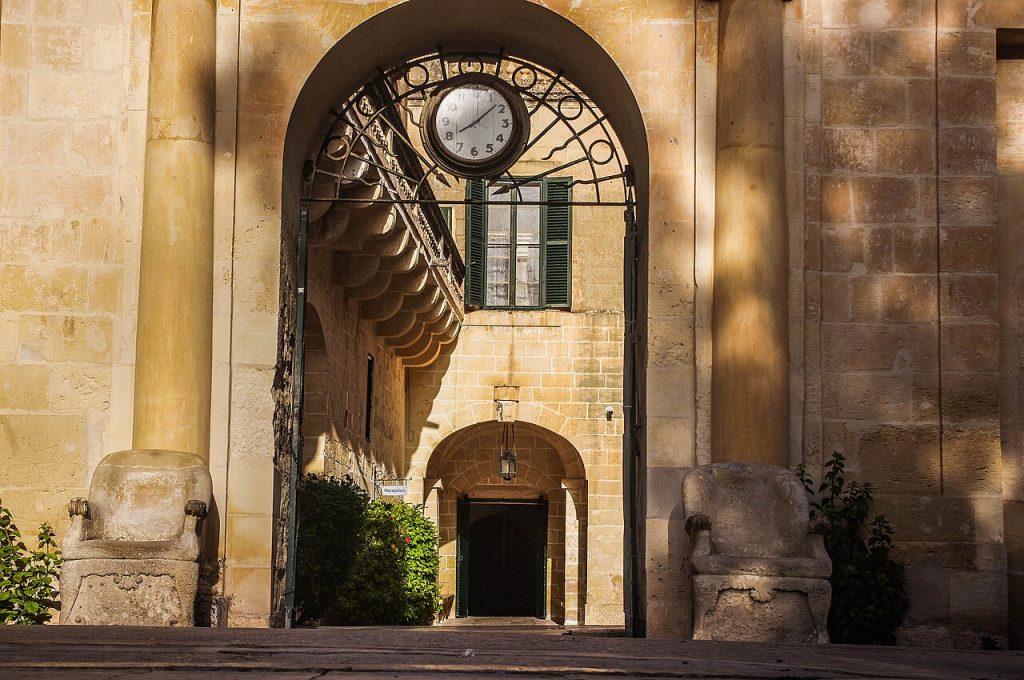
Antoine de Paule, a knight of Provence elected Grand Master in 1623, already owned a villa at Attard, and on his election he enlarged it into a residence worthy of his office, naming it San Anton after his patron saint and laying out the first formal gardens with orange trees, fountains and walks. De Paule was a worldly Grand Master who kept a large household, loved music and gardens and was criticised for living at San Anton rather than in Valletta; he died here in 1636 and his successors continued to use and enlarge the villa, each adding a wing, a courtyard or a garden.
De Paule’s villa is the core of the palace, with its loggia and its central courtyard, and his arms are over the door.
A Palace That Grew Room by Room
San Anton is not a designed palace but an accumulation: the Grand Masters of the seventeenth and eighteenth centuries, Lascaris, Cotoner, Perellos, Vilhena, Pinto, each added rooms, courtyards, a chapel, stables, a library and garden walls, so that the house is a maze of low wings around four courtyards with the gardens running off them, in the plain Maltese Baroque with carved doorways and enclosed balconies. The main rooms are the Grand Master’s apartments on the first floor, a long gallery, the chapel of St Anthony and the state dining room, furnished by the governors and the presidency with Maltese furniture, portraits of the Grand Masters and the governors and silver from the order.
The palace’s charm is its informality, which suited Grand Masters who wanted a country house and governors who wanted an English one.
The San Anton Gardens
The San Anton Gardens are the best in Malta: a walled park laid out by the Grand Masters and the governors with avenues of cypress and palm, ponds with ducks and swans, fountains, a maze, groves of orange and lemon, Norfolk pines, jacarandas, araucarias and trees planted by royal visitors with their names on plaques, from the Duke of Edinburgh in 1859 to Queen Elizabeth in 1992. The gardens hold the island’s annual horticultural show and open-air theatre in summer, and on any afternoon the paths are full of Attard families, schoolchildren and couples. The palace’s private garden, with the president’s own walks, lies behind a wall.
Now, stop here by the great fountain under the palms and listen to the water. In a limestone island with no rivers, running water is the Grand Masters’ real display of wealth, and San Anton was built around its springs.
Governors, Royals and the Republic
The British governors made San Anton their principal residence from the beginning of the nineteenth century, adding the ballroom and the English furnishings, and the palace received the royal visitors of the naval years: Queen Adelaide in 1838, the Prince of Wales in 1862, Queen Victoria’s grandsons, and Elizabeth and Philip, who dined here often in 1949 to 1951 when Philip was stationed in Malta and whom the Maltese remember as their royal neighbours. In 1964 the governor-general of independent Malta took the palace and in 1974 the President of the Republic, who lives and works here; the president’s office, receptions and the swearing-in of governments take place at San Anton, with Verdala for summer.
The palace has also housed, in its outbuildings, the Maltese parliament’s committees and a public chapel, and the president’s household keeps the gardens.
Two Palaces, One Island
Verdala and San Anton are the two faces of the Grand Masters’ rule: the cardinal’s castle on the ridge, square, towered and theatrical, built for hunting and display, and the villa in the orange groves, low, rambling and comfortable, built for gardens and quiet. The British took both and used them as a governor’s summer house and a governor’s home, and the republic has kept the division. The palaces are a few kilometres apart in the island’s green centre, and a day that takes in Buskett, Verdala’s ridge, Mdina on its hill and the San Anton Gardens is the best day Malta offers away from the sea.
Now, stop here on the Verdala roof as the sun goes down over the Dingli cliffs and look across the island to Valletta’s spires. The knights who built these three palaces came to Malta as exiles from Rhodes and stayed for two hundred and sixty-eight years; the houses they left are still the houses of the state.
Malta on Video
Visiting Verdala and San Anton Today
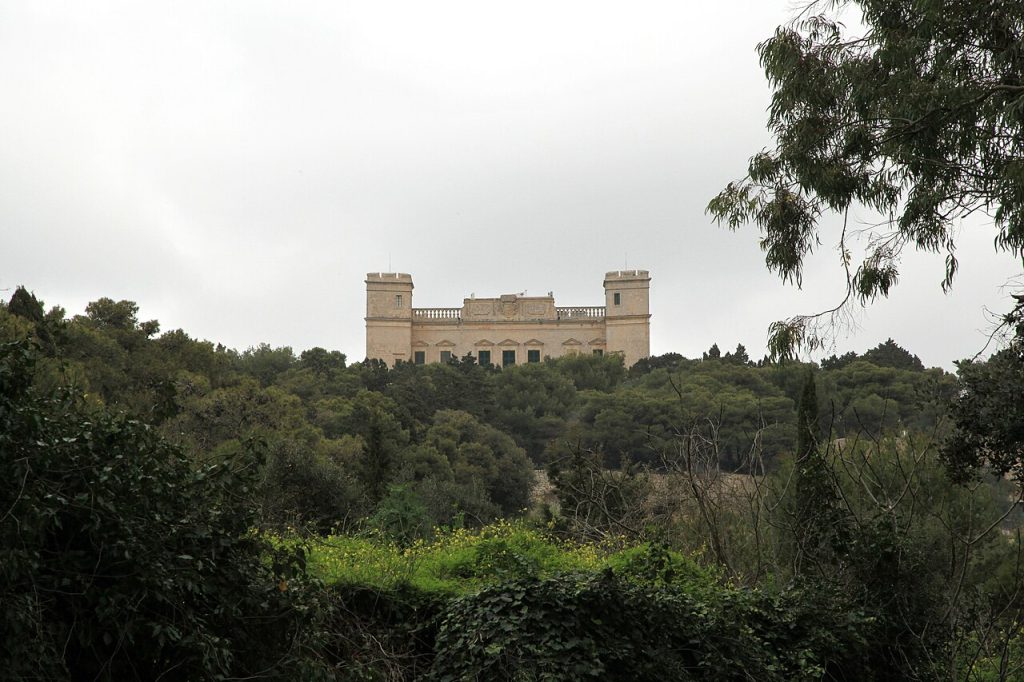
Verdala Palace is a working presidential residence and is open to the public only on announced open days, usually a weekend in spring, with free guided tours of the hall, chapel, stair and roof; the Buskett Gardens below it are open daily and free, and the palace’s exterior and moat can be seen from the Buskett road. San Anton Palace is likewise closed except on open days, but the San Anton Gardens are open daily from dawn to dusk, free, with the fountains, the ponds, the aviary and the royal trees; the president’s chapel is open for Mass. Allow two hours for Buskett and Verdala’s exterior and an hour for the San Anton Gardens, and add Mdina and Rabat, ten minutes from both, for the old capital and the catacombs.
Verdala and Buskett are twenty-five minutes from Valletta by car or bus 81 toward Dingli; San Anton is fifteen minutes from Valletta by bus to Attard, and the two palaces are ten minutes apart by road. The Grandmaster’s Palace in Valletta is the natural companion. Here is the exact spot: Verdala Palace on Google Maps.
Palaces Nearby
You May Like
The Ducal Palace of Mantua and the Gonzaga’s Five Hundred Rooms