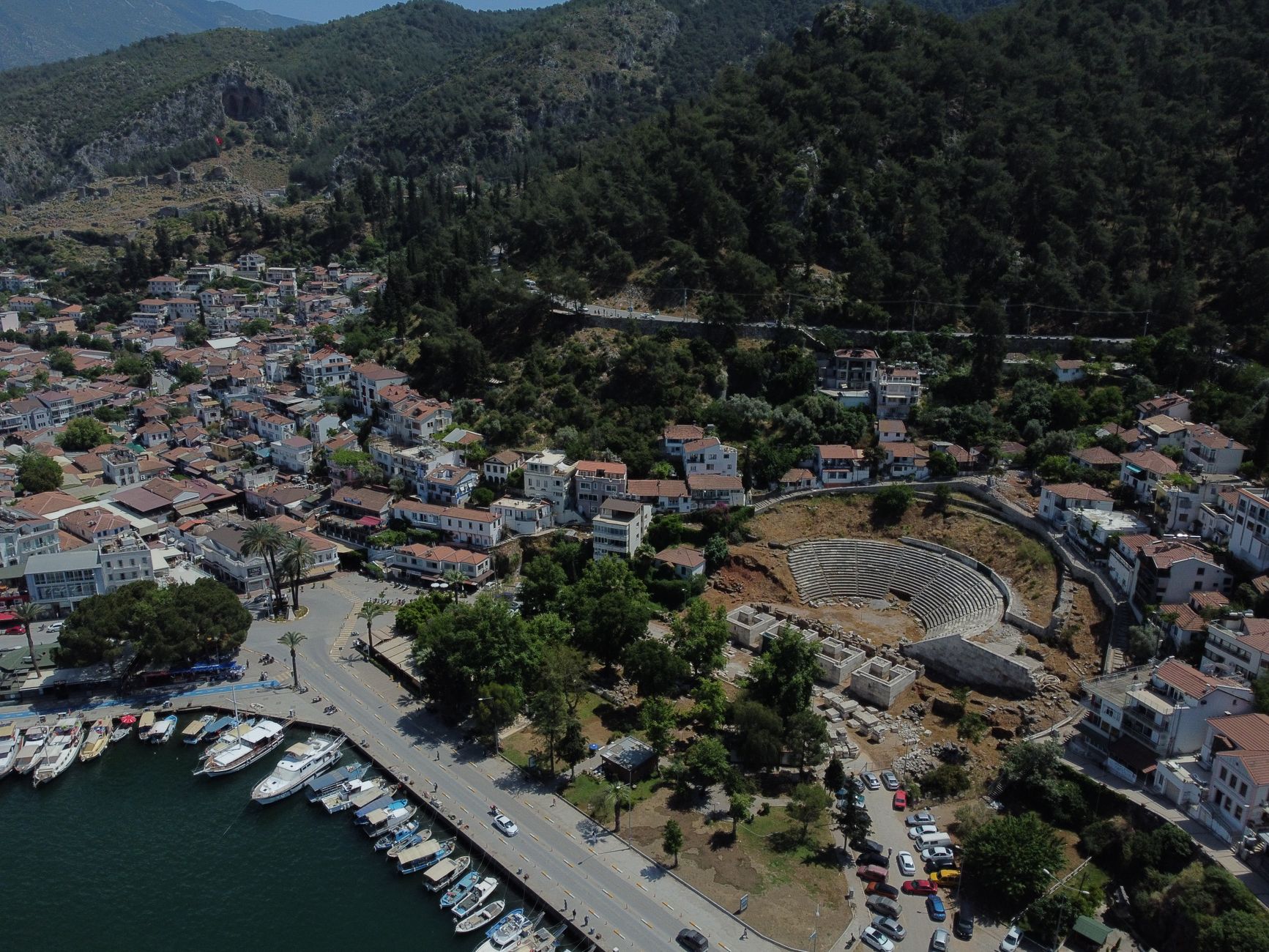
The history of Köyceğiz dates back to B.C. It dates back to 3400 BC. The first civilization to exist in this region was the Koryans. Then, respectively, Scythians, Assyrians, Ionians, Dorians, Achaeans, Persians, Hellenes, Seleucids, Romans, Seljuks, Menteşeoğulları and Ottomans dominated the region.
The first information about the history of Köyceğiz is given by historian Herodotus, geographer Strabon and British archaeologist Hoskin.
B.C. With the arrival of the Greeks and Achaeans to the Aegean coast by sea in 2000, new colonies were established on the coast, and development was achieved in the interior with the colonies of the Carians. Thus, the district B.C. It reached a very good position in the year 1000. The city of Kaunos, where Lake Köyceğiz meets the Mediterranean, became one of the important ports and trade centers of Caria.
The Acropolis, famous temples and Harab and Susan Castles are important historical monuments.
During the Ottoman Period, the district was moved to Yüksekkum, where it is today, when Hurşit Pasha was appointed Governor of Muğla (1884). It was attacked by the enemy in the War of Independence, and at the end of 1919, the Kuva-i Milliye Organization was established under the leadership of Tahirağa, Mehmet Zeki Osman Ağa and Tevfik Bey and was included in the defense of the country.
As for where the name Köyceğiz comes from: According to legends, Köyceğiz was founded on a plain above the lake. At an unknown time, the plain was flooded. When those who watched the disaster saw the few houses and people left in the eastern part of the lake, they said: “The whole city has sunk, only Köyceğiz remains on the shore.” they said. It is believed that there is still a sunken city under the lake today.
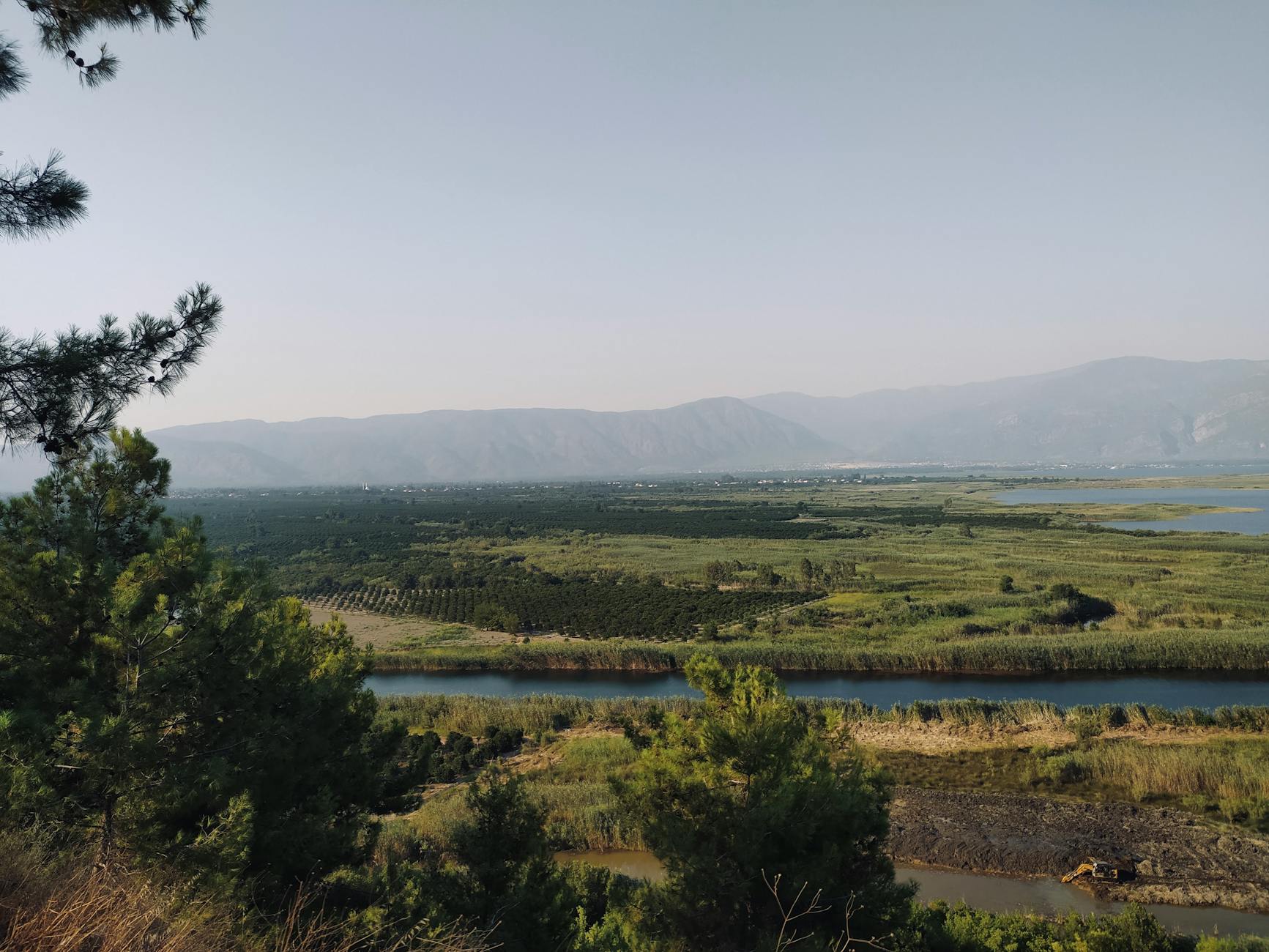
Köyceğiz District is a quiet tourist town at the junction of the Mediterranean and Aegean Regions, at the 60th km of the Muğla – Fethiye Highway, surrounded by rich natural beauties and citrus groves. The district is located in the north of Köyceğiz Lake, from which it takes its name, and has a surface area of 1,758 km².
85% of the district’s population lives in the village and makes a living from agriculture, animal husbandry, forestry and tourism. The district’s biggest source of income is agriculture. Polyculture agriculture is carried out in the district, and the climate and geographical structure are suitable for growing many products.
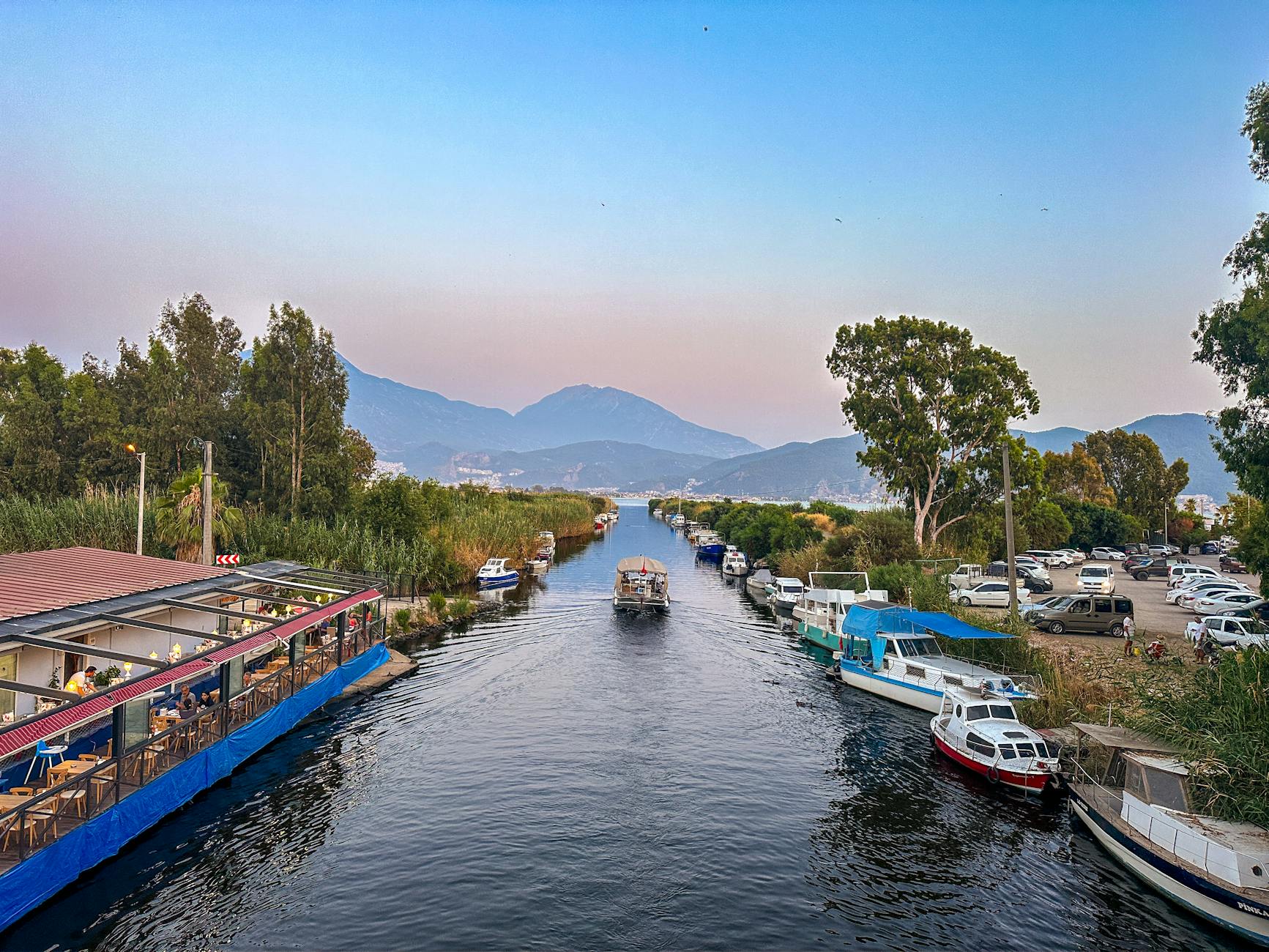
Another source of income in the district is migratory beekeeping. Mullet fish production is carried out in Köyceğiz Lake and the Dalyan Strait, which connects the lake to the Mediterranean. Trout facilities have been established in Beyobası town and continue their production.
There are three citrus washing, waxing, standardization and packaging factories established in the district, and exports are made from here. There is also a factory producing agricultural tools and machines in Köyceğiz Village, which bears the name of the district.
Lake Köyceğiz and the city of Kaunos, one of the important ports and trade centers of Caria, established in the region where the lake meets the coast, increase the importance of the district in tourism.
In addition, the Hot-Cold Thermal Springs in the Sultaniye Village of the district constitute an important center in terms of health tourism. On the other hand, Yayla Village and Gökçeova to the north attract attention with safari tourism. There are mud baths and facilities in the Horozlar area of Çandır Village.
Ekincik Bay, the village of Köyçeğiz on the Mediterranean coast, is one of the suitable places for water surfing, water skiing and swimming, with its long beach, beautiful bay and marina.
Köyceğiz Lake, Dalyan Canal, hot springs and mud baths, 10 km. 800 m away. The high altitude Ağla Plateau, Şelale and Yuvarlakçay are places worth seeing. Dalaman Stream is important for rafting and trekking. Plateau tourism studies are continuing for Ağla Plateau, and infrastructure works are also being carried out for a bicycle track around the lake, between Köyceğiz and Dalyan.
There are many thermal springs along the coast, within the borders of Sultaniye Village in the east of Ölemez Mountain in the west of Köyceğiz Lake. As a result of research and examinations commissioned by experts by the Ministry of Tourism and Health, many hot springs and drinking springs have been identified. The most important of these thermal resources and those operated for health purposes are the thermal springs called Hasan Çavuş Thermal Spring and Kokar Girme.
The history of Sultaniye Thermal Springs dates back to ancient times. It has been operated as a healing home since centuries before Christ. It was put into service for the public during the Roman, Byzantine, Ottoman and Seljuk periods. During the Roman period, it was an advanced hospital that could serve 400 patients at the same time. According to sources, at the entrance of the hospital it was written: “In the name of the Gods, death cannot enter here.” Ölemez Mountain also took its name from the hot springs.
You May Like
Aspendos Ancient Theater Travel Guide