Accommodation & logistics
While there are no hotels within the monasteries themselves, Mardin offers options ranging from boutique mansions to guesthouses. Many restored stone houses now operate as hotels with terraces overlooking the plains. Budget travellers can stay in teacher‑training lodges or municipal guesthouses. Midyat has simpler pensions near Mor Gabriel. Hotels generally include a generous Mardin breakfast of local cheeses and honey【552047796065405†L270-L284】. Book ahead during festivals and spring/Autumn weekends when tourism peaks—Mardin welcomed 2.15 million visitors in 2023 and aims to exceed 3 million in 2024【620884600494525†L21-L52】.
People & atmosphere
The residents of Mardin, often called Deyrulzafaran’s guardians, are known for their hospitality. Street musicians play songs in Turkish, Arabic, Kurdish and Syriac【620884600494525†L54-L59】, reflecting the city’s diverse heritage. Visitors should dress modestly, accept proffered cups of tea (a sign of welcome) and remove shoes when entering mosques or chapels【552047796065405†L348-L351】. Locals take pride in their city’s interfaith coexistence; you may meet Syriac families whose ancestors have lived here for centuries alongside Sunni and Yezidi neighbours. Purchasing handicrafts like silver filigree jewellery or handwoven shawls supports local artisans.
Sample itinerary
Day 1: Morning visit to Deyrulzafaran Monastery (join one of the hourly tours to learn about its history and the printing press). Afterwards, return to Mardin’s old town to wander through the maze of alleys, stopping at Kısımiye Medrese and rooftop cafés for lunch. In the afternoon, drive to the ancient city of Dara to explore its rock‑cut necropolis and Roman cisterns【620884600494525†L63-L76】.
Day 2: Take a dolmuş or hired car to Midyat. Visit Mor Gabriel Monastery, admiring its stone reliefs and peaceful courtyards. Have lunch in Midyat’s bazaar, famous for telkâri (silver filigree). On the way back, stop at Estel vineyards to taste local wines or explore the Beehive Houses of Savur.
Practical tips
- Dress modestly: both monasteries are active religious sites. Women should cover their hair and wear knee‑length skirts or trousers; men should avoid shorts.
- Respect prayer times: some rooms may be closed during liturgical services.
- Bring cash: entrance fees and local cafés rarely accept credit cards.
- Hire a guide: though signs are in Turkish and Syriac, a local guide will enrich your understanding of the architecture and history.
- Stay hydrated: carry water and a hat; summers are hot and there is little shade.
Conclusion
Mardin’s monasteries offer a window into one of the world’s oldest Christian communities. Deyrulzafaran and Mor Gabriel have survived for over 1,500 years, enduring invasions and political upheavals yet preserving liturgy, architecture and communal memory. Visiting them is not just a sightseeing excursion—it’s an opportunity to witness living history and to appreciate the cultural mosaic of southeastern Turkey. Whether you come for spiritual reflection, architectural admiration or simply to admire the golden glow of limestone at sunset, these monasteries are sure to leave an indelible impression.
You May Like
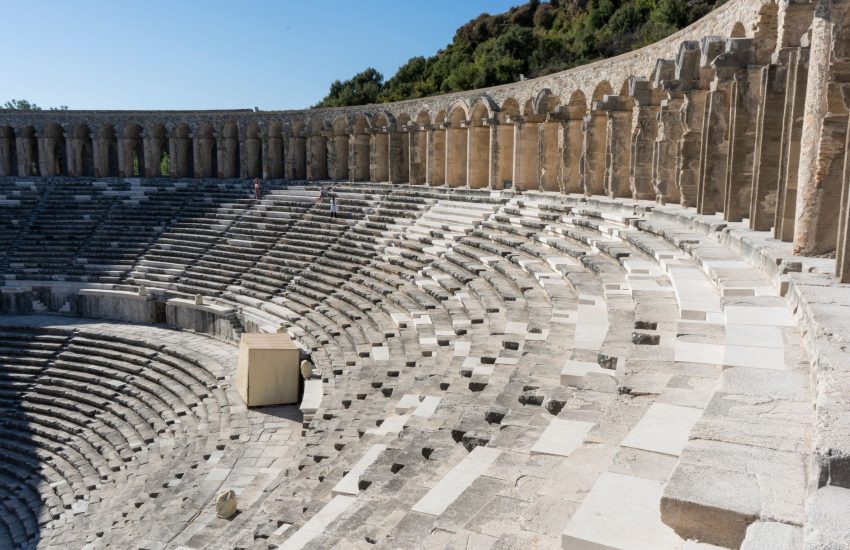
Aspendos Ancient Theater Travel Guide