
This is Part 2 of our vitamin series, and we begin with the very first letter of the alphabet — vitamin A. It was the first vitamin ever to be officially identified, which is how it earned its name, and it remains one of the most important. Best known for its role in vision, vitamin A actually works quietly across the whole body, from your eyes to your skin to your immune defenses. Let’s look at what it does, the two forms it comes in, and the foods that supply it.
What Vitamin A Does in the Body
Vitamin A is a fat-soluble vitamin, which means the body absorbs it together with dietary fat and can store it in the liver for later use. Within the body it carries out several essential jobs:
- Vision: vitamin A is a key part of the light-sensitive pigment in the eye, and it is especially important for seeing in dim light. A shortage is one of the leading causes of night blindness worldwide.
- Immune defense: it helps keep the skin and the linings of the airways and gut strong, forming a first barrier against infection, and it supports the immune cells that fight invaders.
- Skin and cell growth: vitamin A guides the healthy growth and renewal of cells, which is why it is so important for skin and for the surfaces lining the body.
- Growth and reproduction: it plays a role in normal growth and development, making it particularly important in childhood.
The Two Forms of Vitamin A
One of the most useful things to understand about vitamin A is that it reaches your plate in two different forms, from two different kinds of food.
- Preformed vitamin A (retinol): this is the “ready-to-use” form, found in animal foods such as liver, eggs, dairy, and fish. The body can use it directly.
- Provitamin A (carotenoids): this is found in plant foods, especially in the orange, yellow, red, and dark-green ones. The most famous is beta-carotene, the pigment that makes carrots orange. The body converts these carotenoids into active vitamin A as needed.
This second form explains a neat rule of thumb: many of the most vitamin-A-rich vegetables are brightly colored. That orange and deep-green pigment is a visible clue to the provitamin A inside.

Why Vitamin A and Your Eyes Are So Closely Linked
The connection between vitamin A and eyesight is one of the oldest pieces of nutritional knowledge — ancient healers reportedly treated night blindness with liver long before anyone knew why it worked. Today we understand the reason: the retina at the back of the eye uses vitamin A to make rhodopsin, the pigment that lets you see in low light. Without enough vitamin A, the eyes struggle to adjust to darkness, and over time a serious deficiency can damage the surface of the eye. Getting enough through food keeps this remarkable system running smoothly.

Foods Rich in Vitamin A
Because vitamin A comes in two forms, you can get it from both animal and plant foods — and a mix of the two is ideal. Good sources include:
- Orange and yellow vegetables: carrots, sweet potatoes, pumpkin, and winter squash.
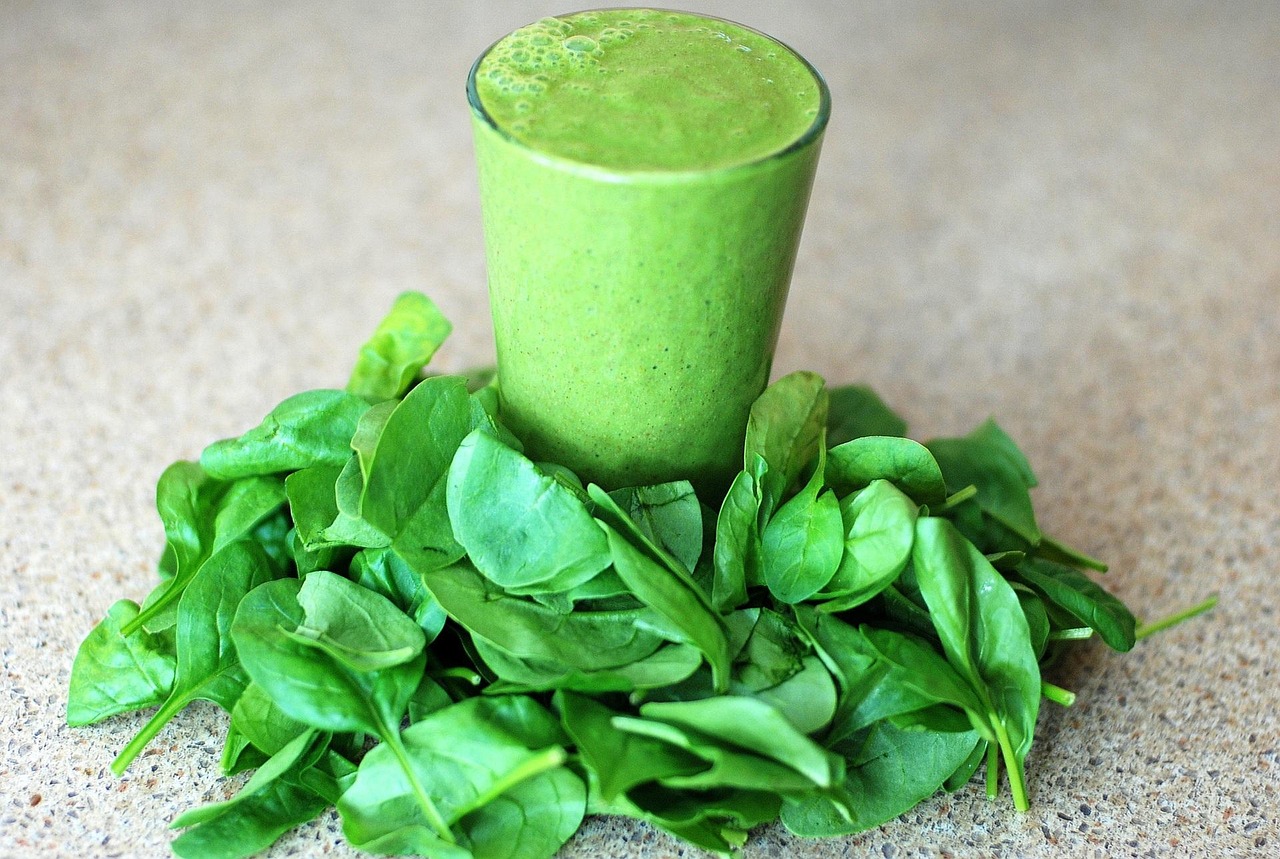
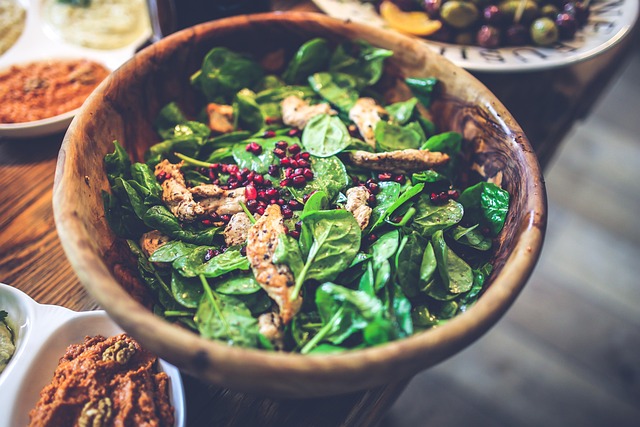
- Dark leafy greens: spinach, kale, and other deep-green leaves.
- Orange fruits: mango, apricots, and cantaloupe melon.
- Animal sources of retinol: eggs, liver, dairy products like milk and cheese, and oily fish.
Because vitamin A is fat-soluble, eating these foods alongside a little healthy fat — a drizzle of olive oil on your vegetables, for example — helps your body absorb it more effectively. This is a perfect illustration of a theme from earlier in the series: nutrients often work best as a team.
A Note on Balance
With vitamin A, more is not always better. Because the preformed form (retinol) is stored in the liver rather than flushed out, taking very high doses from supplements over time can build up to harmful levels. The plant-based carotenoids do not carry this risk in the same way, since the body only converts what it needs. For the vast majority of people, a varied diet rich in colorful vegetables, leafy greens, and a moderate amount of animal foods provides plenty of vitamin A safely — another reason to let food, rather than high-dose pills, be your main source.
Next in the series, we turn to the B vitamins — the busy group most directly involved in turning your food into usable energy.
This article is intended as general nutritional information and is not a substitute for personalized advice from a doctor or registered dietitian.