
We have already looked at the three big nutrients that give the body energy and building material — carbohydrates, proteins, and fats. But none of them would work properly without a quieter group of helpers working behind the scenes: the vitamins. This article begins a series dedicated to them, and it starts with the big picture — what vitamins actually are, and why your body cannot even use the food you eat without them.
Unlike the major nutrients, vitamins are needed only in tiny amounts, which is why they are called micronutrients. Yet those tiny amounts are non-negotiable. With only a few exceptions, the body cannot manufacture vitamins on its own, so they must come from the food you eat. A diet missing even one of them, over time, leads to real and sometimes serious health problems.
What Exactly Is a Vitamin?
A vitamin is an organic compound that the body needs in small quantities to grow, develop, and function normally. There are thirteen recognized essential vitamins: A, C, D, E, K, and the eight B vitamins (B1, B2, B3, B5, B6, B7, B9, and B12). Each one has its own specific jobs, and one vitamin cannot stand in for another. That is exactly why variety in the diet matters so much: no single food contains them all.

Why the Body Can’t Use Food Without Them
Here is the part that is easy to miss. Vitamins themselves contain no calories — they do not give you energy directly. Instead, their most important role is to unlock the energy and nutrients already in your food. Many vitamins act as coenzymes: small helper molecules that enzymes need in order to do their work. Without the right vitamin in place, the corresponding chemical reaction simply cannot proceed.
Think of it this way. The carbohydrates, proteins, and fats you eat are like fuel and raw timber, but they are useless until something turns them into usable energy and living tissue. That “something” is a vast network of enzyme reactions — and a great many of those reactions depend on vitamins to run. The B vitamins in particular are deeply involved in converting food into energy: they help break down carbohydrates into glucose, assist in handling proteins and fats, and keep the whole metabolic engine turning.
So when we say vitamins are essential to how the body uses food, this is what we mean. You could eat a perfectly balanced plate of macronutrients, but without vitamins your cells could not extract the energy, build the tissues, or carry out the repairs that the food is meant to make possible. The food and the vitamins only work as a team.
Beyond unlocking nutrients, vitamins do a great deal more: they support the immune system, protect cells from damage, help build bone and blood, keep the nervous system working, and maintain healthy skin, eyes, and more. We will explore each of these jobs vitamin by vitamin throughout this series.
The Two Families: Fat-Soluble and Water-Soluble
Vitamins fall into two broad groups based on what they dissolve in, and this difference shapes how the body absorbs, stores, and uses them.
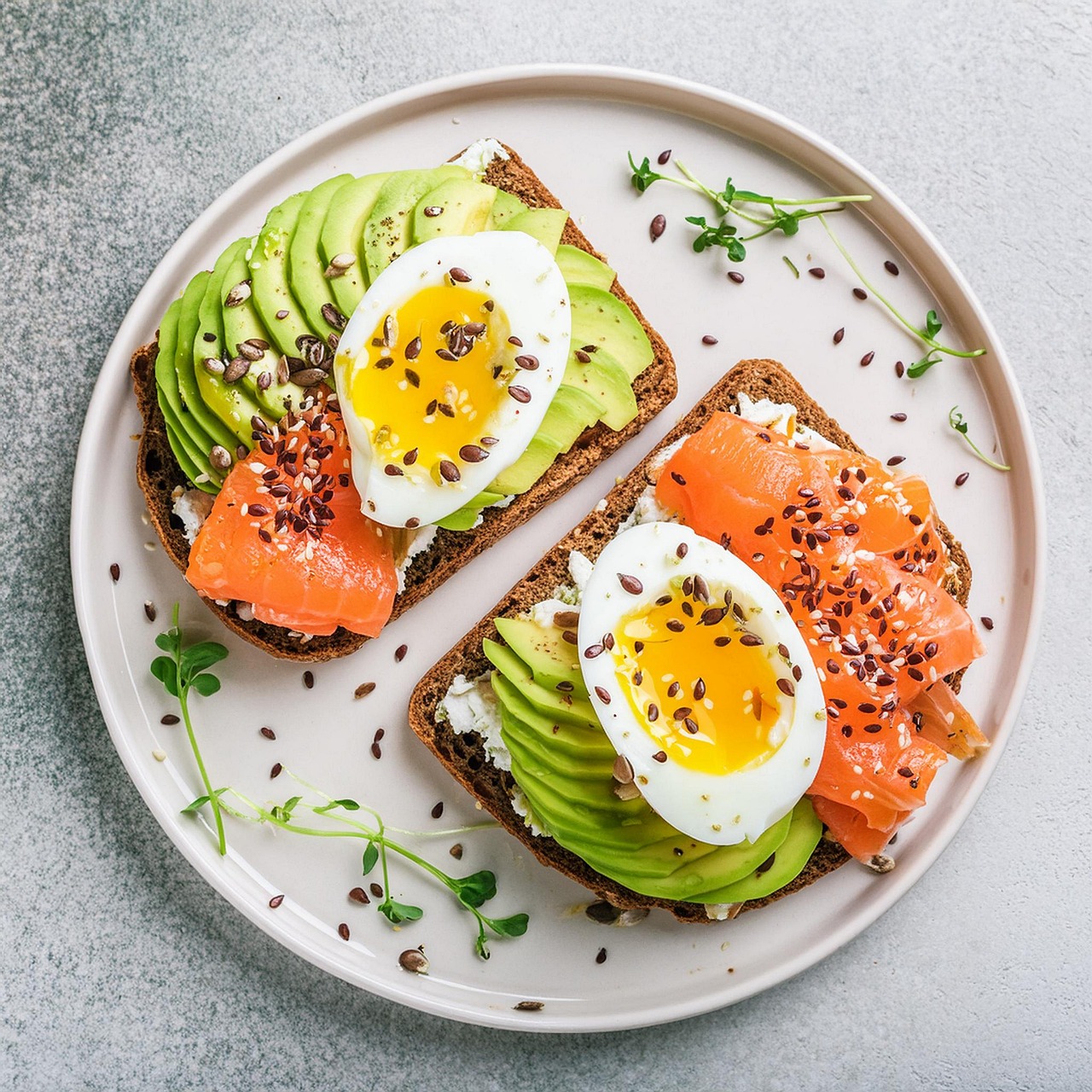
- Fat-soluble vitamins (A, D, E, and K) dissolve in fat. The body absorbs them alongside dietary fat — another reason healthy fats matter — and can store them in the liver and fatty tissue for later use. Because they are stored, you do not need them every single day, but very large doses can build up.
- Water-soluble vitamins (vitamin C and all eight B vitamins) dissolve in water. The body does not store them in any large amount, so a regular, steady supply from food is needed. Any excess is mostly passed out in the urine rather than stockpiled.
This split has a practical lesson built into it: because water-soluble vitamins are not stored and can be lost easily — for instance into cooking water or through overcooking — the way you prepare and store food has a real effect on how much vitamin actually reaches your body. That is a theme we will return to later in the series.
Where Vitamins Come From
The best way to meet your vitamin needs is through a varied, whole-food diet. Different colors and types of food tend to carry different vitamins, which is why “eat the rainbow” is more than a slogan. Leafy greens, orange and red vegetables, fruits, whole grains, legumes, eggs, dairy, fish, and lean meats together cover the full set. Supplements can help in specific situations — we will look at food versus supplements later on — but for most people, food remains the ideal source, because it delivers vitamins in their natural balance alongside fiber, minerals, and other beneficial compounds.

Coming Up in This Series
Now that the foundation is laid, the rest of this series will take the vitamins one at a time — starting with vitamin A and working through the B vitamins, vitamin C, and the fat-soluble vitamins D, E, and K, before turning to practical topics like preserving vitamins in cooking, vitamins for immunity and for skin and hair, and who is most at risk of running short. By the end, you will have a clear, food-first map of every essential vitamin and the role it plays in keeping you well.
This article is intended as general nutritional information and is not a substitute for personalized advice from a doctor or registered dietitian.