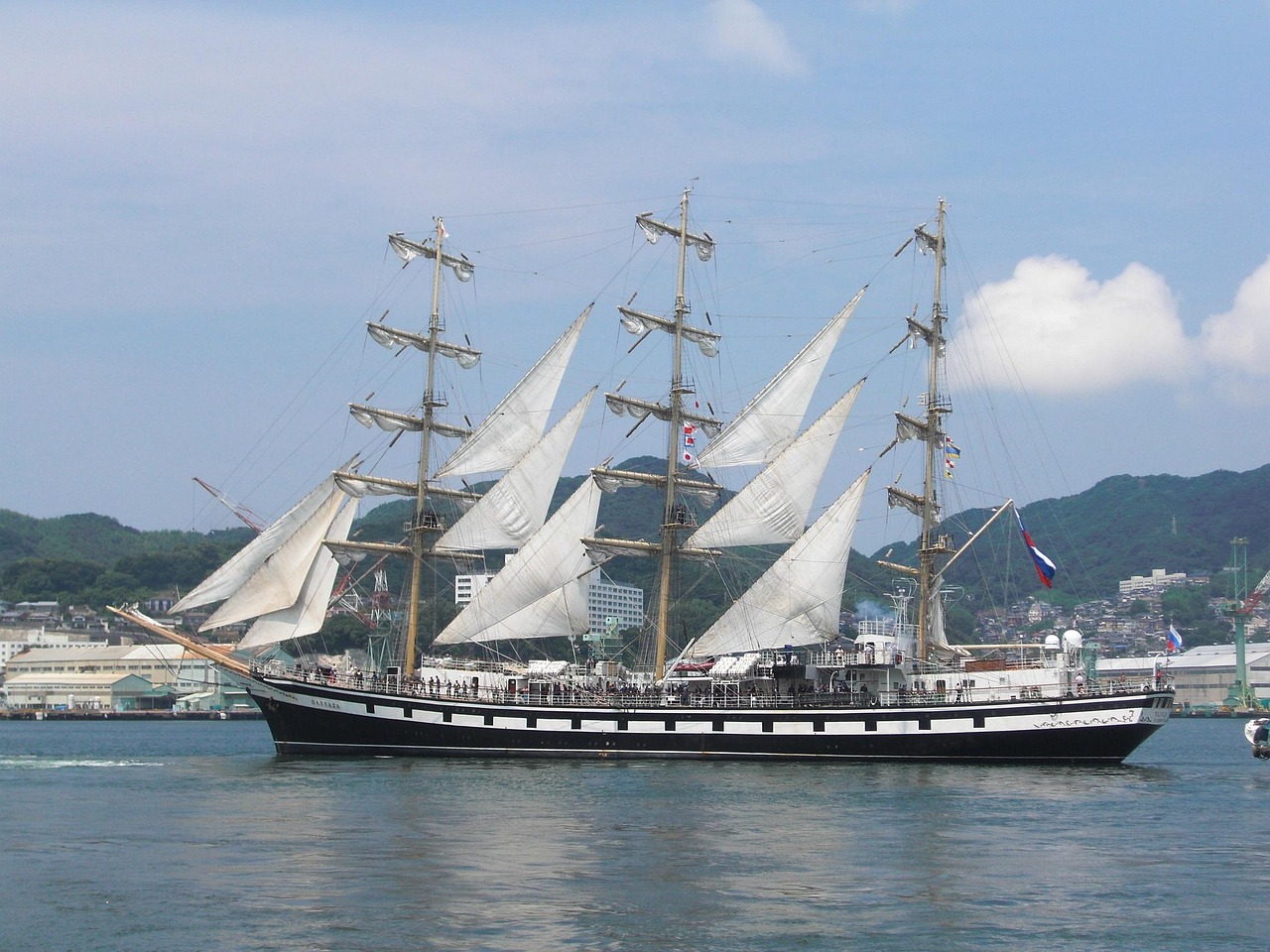
For centuries Nagasaki was Japan’s only window to the outside world, and that legacy is written all over its harbor. While much of the country was closed to foreigners, Dutch and Chinese traders did business here, leaving a cultural blend you still feel today. A walk along the waterfront ties together the city’s seafaring past, its international heritage, and its lively modern port.
A Cosmopolitan Past
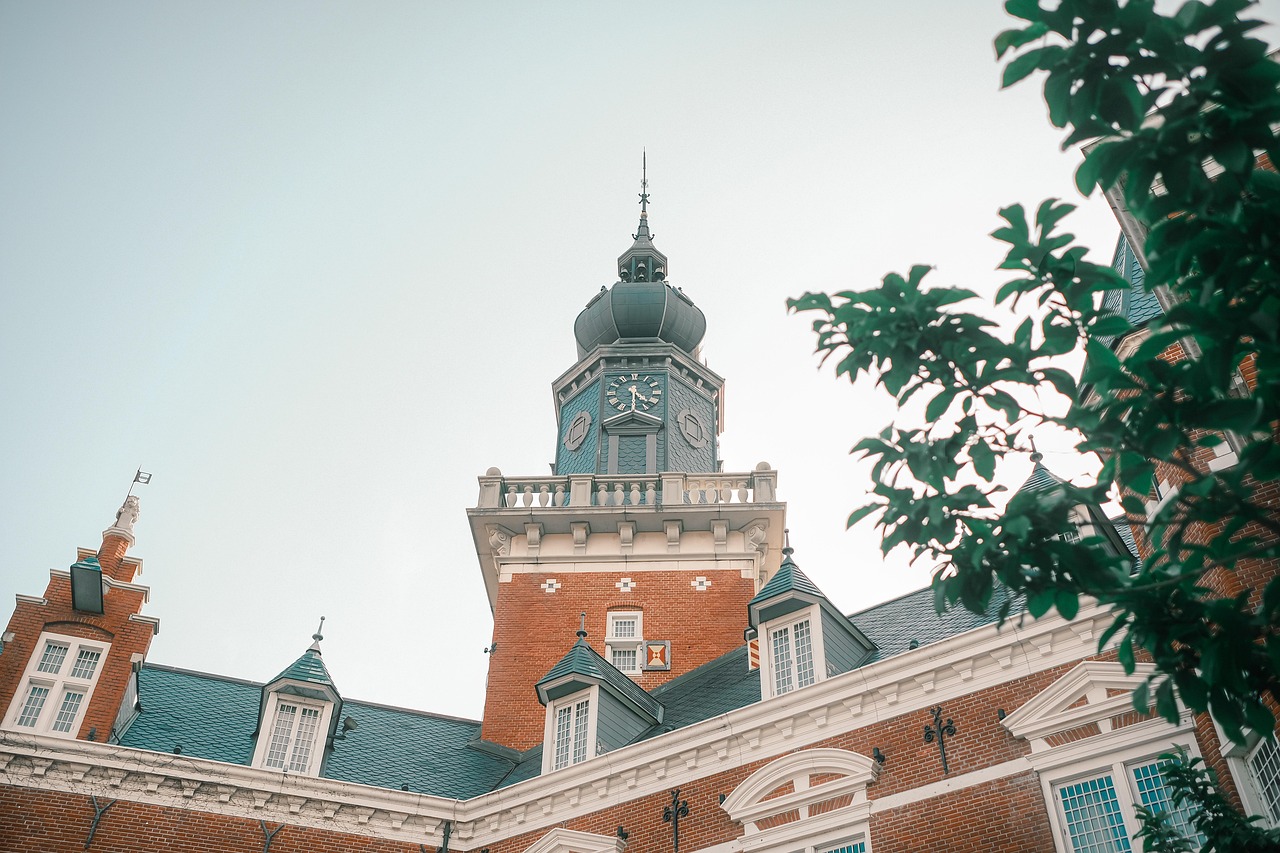
During Japan’s long period of isolation, Nagasaki’s harbor was the single official gateway for foreign trade. Dutch merchants were confined to the fan-shaped island of Dejima, while a Chinese quarter thrived nearby. This unusual openness brought new foods, ideas, and architecture, and the harbor remains the best place to sense that layered, outward-looking history.
The Modern Waterfront
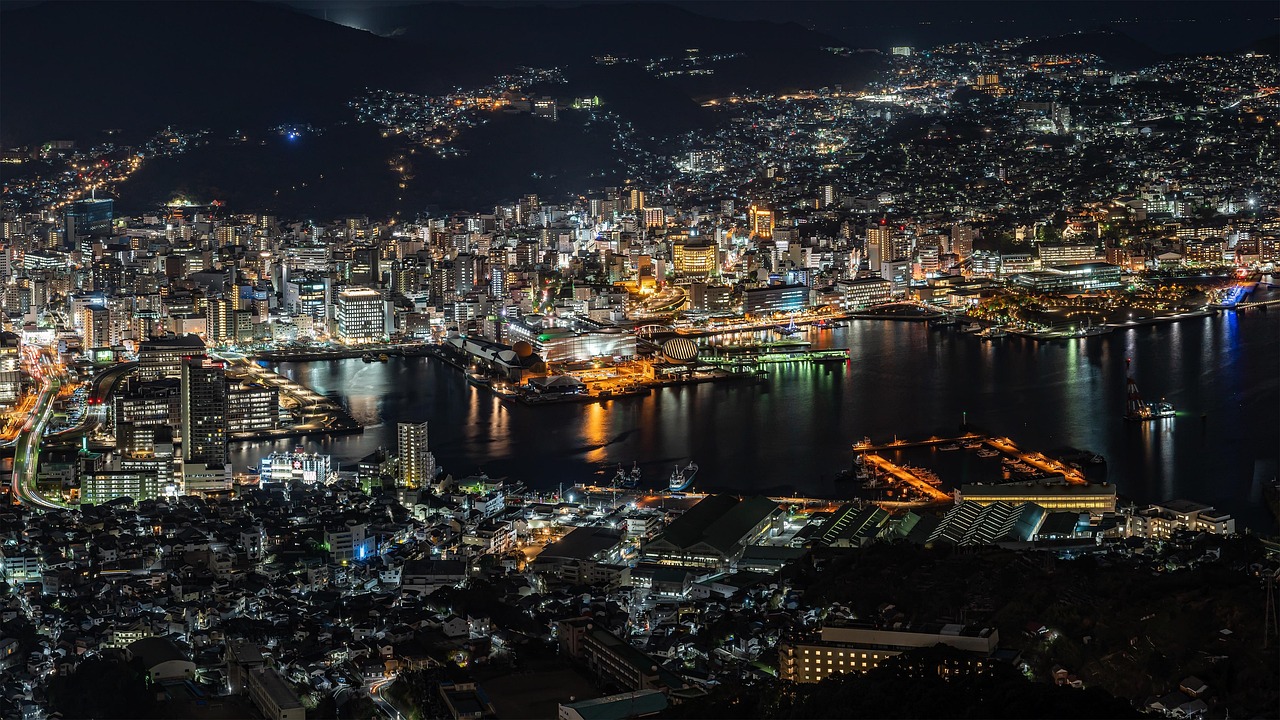
Today the seaside Dejima Wharf and the surrounding promenades are lined with restaurants, cafes, and open decks looking out over the water. It is a relaxed place to stroll, especially in the early evening when boats come and go and the lights begin to reflect on the harbor. Sightseeing cruises also depart from here, including the boats out to Gunkanjima.
International Flavors
Nagasaki’s mixed heritage shows up most deliciously on the plate. Champon and sara udon, born from Chinese influence, are local staples, while castella sponge cake arrived with Portuguese traders centuries ago. The waterfront and the nearby Shinchi Chinatown are ideal spots to taste this living history between sights.
Walking the Area
The harbor is easy to explore on foot and well connected by Nagasaki’s charming streetcars. Combine a waterfront walk with Dejima, Chinatown, and the historic slopes that climb away from the port. Late afternoon into evening is the most atmospheric time, ending with dinner overlooking the water.
Nagasaki’s harbor captures what makes the city special: an openness to the world that shaped its food, culture, and spirit. A waterfront walk is the perfect, gentle counterpoint to its more solemn historic sites.
More Nagasaki Travel Guides
- Nagasaki Peace Park & Atomic Bomb Museum: A Visitor’s Guide
- Gunkanjima (Hashima Island): Visiting Nagasaki’s Battleship Island
- Mount Inasa: Nagasaki’s World-Class Night View
See our full Nagasaki Travel Guide for an overview.
See also: The Complete Nagasaki Guide — sights, history, and where to stay.


One thought on “Nagasaki Harbor & Historic Waterfront: A Walking Guide”