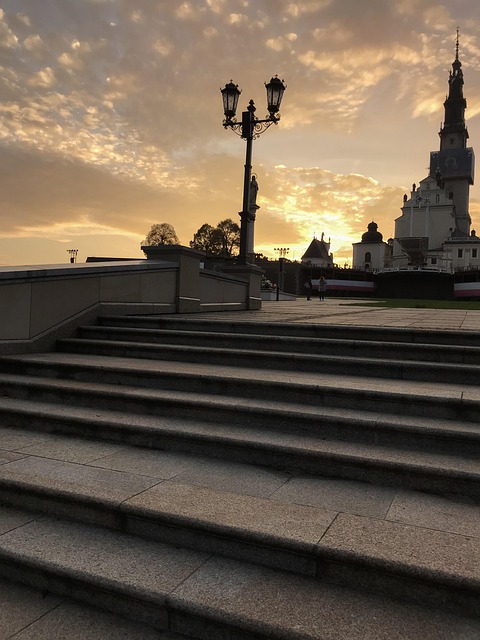
Częstochowa is the centre of pilgrimage life in Poland, and walking pilgrimages to Jasna Góra are among the country’s most cherished traditions. Each year hundreds of thousands of people make their way to the monastery on foot, by bus, or by train, gathering before the Black Madonna. Understanding these rhythms helps any visitor appreciate the living devotion of the place.
The Great Walking Pilgrimages
Every summer, groups set out from cities across Poland and beyond to walk to Częstochowa, some journeys lasting many days. The most famous sets off from Warsaw, a tradition stretching back centuries. Pilgrims walk in organised groups with prayer, song, and shared meals along the way, arriving at Jasna Góra around the major Marian feasts of August.
Key Times of Year
The busiest periods centre on the feasts of the Assumption in mid-August and the feast of Our Lady of Częstochowa in late August, when crowds swell enormously. May, the month of Mary, and other Marian feast days are also popular. Those who prefer a quieter visit may choose ordinary weekdays outside these peaks.
The Daily Unveiling
One of the most moving moments for visitors is the daily ceremony in which the icon of the Black Madonna is unveiled and later covered again, accompanied by a fanfare and prayer. Checking the schedule beforehand allows you to witness this ritual, which lies at the heart of devotion at Jasna Góra.
Getting There
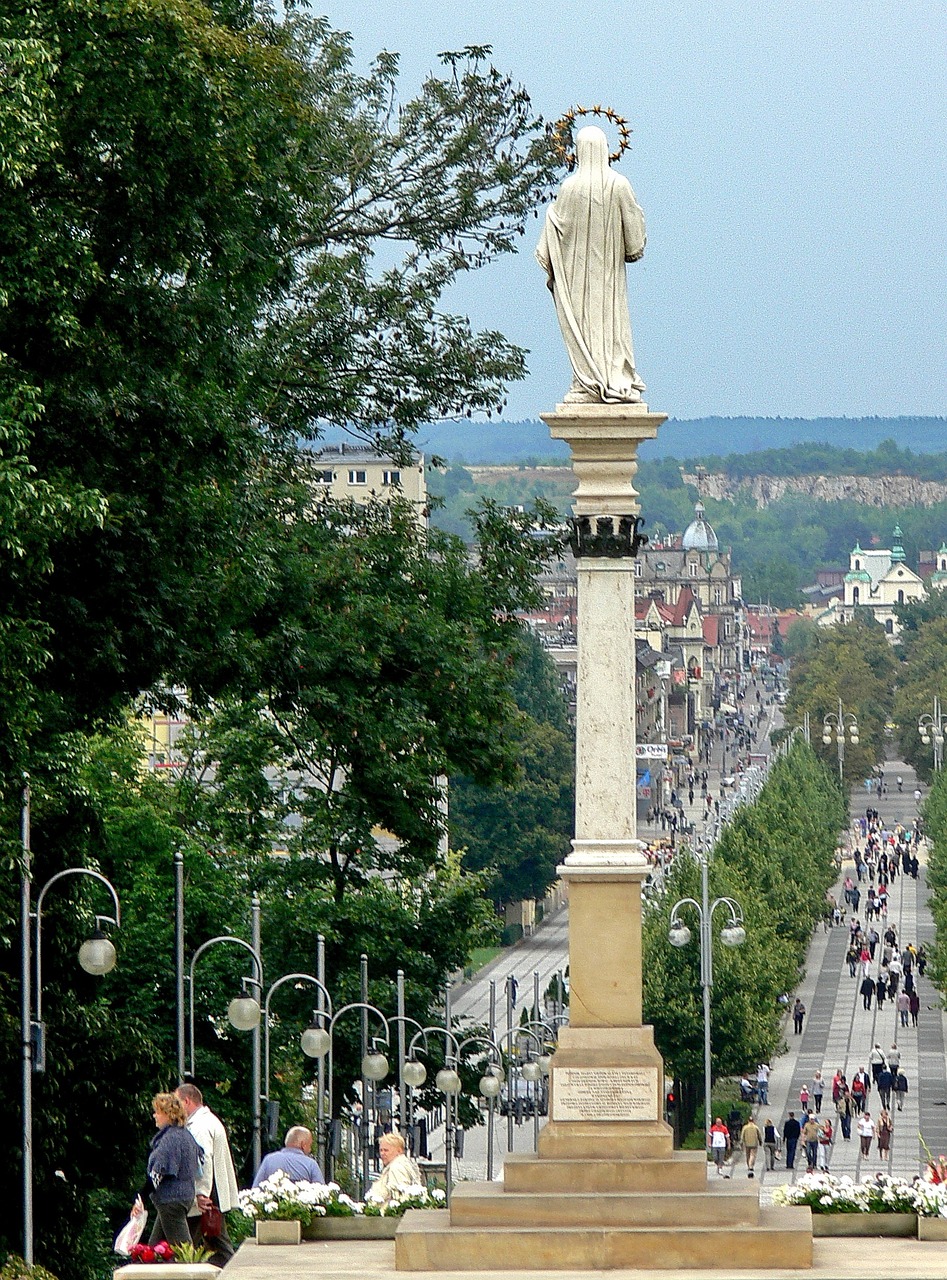
Częstochowa is well connected by train and bus from Warsaw, Kraków, and Katowice, making it an easy day trip or overnight visit. From the station, the monastery is a straightforward walk up the grand avenue, itself part of the pilgrim experience.


