

Ortahisar – Nevşehir / Turkey
Ortahisar is a town of Nevşehir located on the Nevşehir-Ürgüp highway, 6 kilometers from Ürgüp. The most prominent structure is Ortahisar Castle, which was carved in Etiler period, with an
Where the World’s Past Meets Your Next Journey
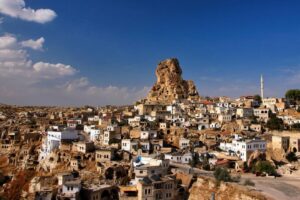
Ortahisar is a town of Nevşehir located on the Nevşehir-Ürgüp highway, 6 kilometers from Ürgüp. The most prominent structure is Ortahisar Castle, which was carved in Etiler period, with an
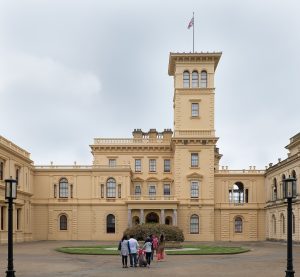
The Italian palazzo above the Solent that Victoria and Albert built for themselves from 1845 with their own money and their own architecture, with its two belvedere towers, its terraces of myrtle and orange trees, the children’s Swiss Cottage and miniature fort, the Indian splendour of the Durbar Room, the queen’s private bathing beach, and the bedroom where the longest reign in British history came to an end in January 1901.
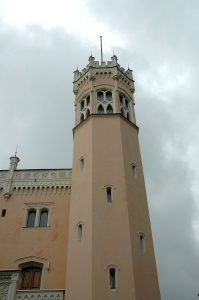
A small neo-Gothic pleasure palace on the Oslo fjord, built by a Swedish king for Norway, and filled with paintings of a nation imagining itself.

In the far south of India stands Padmanabhapuram, the largest wooden palace in Asia, the ancient capital of Travancore, whose kings ruled as servants of their god.
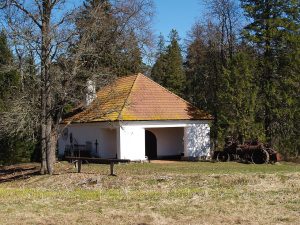
A baroque manor in an Estonian national park, home of a Baltic German family for three centuries, and the first manor restored in Soviet Estonia.
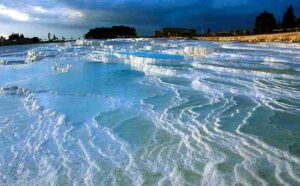
Pamukkale, which is an important tourism center with its white travertines, thermal springs and ancient cities, is in Denizli. PLACES TO VISIT Hierapolis (Pamukkale): 18 km from Denizli. The ancient

Patara Ancient City is located in today’s Gelemis village, between Fethiye and Kalkan. It is one of the most important and oldest cities of Lycia. Since it is the only

Discover Pavlovsk Palace south of Saint Petersburg, a refined neoclassical home shaped by Maria Feodorovna and set within one of Europe’s great landscape parks.
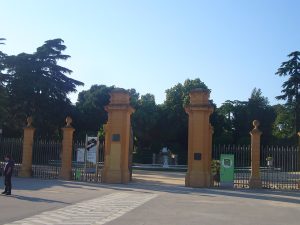
The newest royal palace in Spain, made in the 1920s from the Güell family’s estate as Barcelona’s residence for Alfonso XIII, with gardens by Forestier and Rubió under the Collserola hills, a fountain by the young Gaudí lost and found in the bamboo, a republican interlude as a decorative arts museum, Franco’s visits, and a new life hosting Mediterranean diplomacy.
The Neoclassical palace of the Counts Pejačević in the Slavonian town of Našice, seat of one of Croatia’s great families and the childhood home of Dora Pejačević, the first Croatian woman composer of note, whose music was written in these rooms and whose memory fills the museum today.


