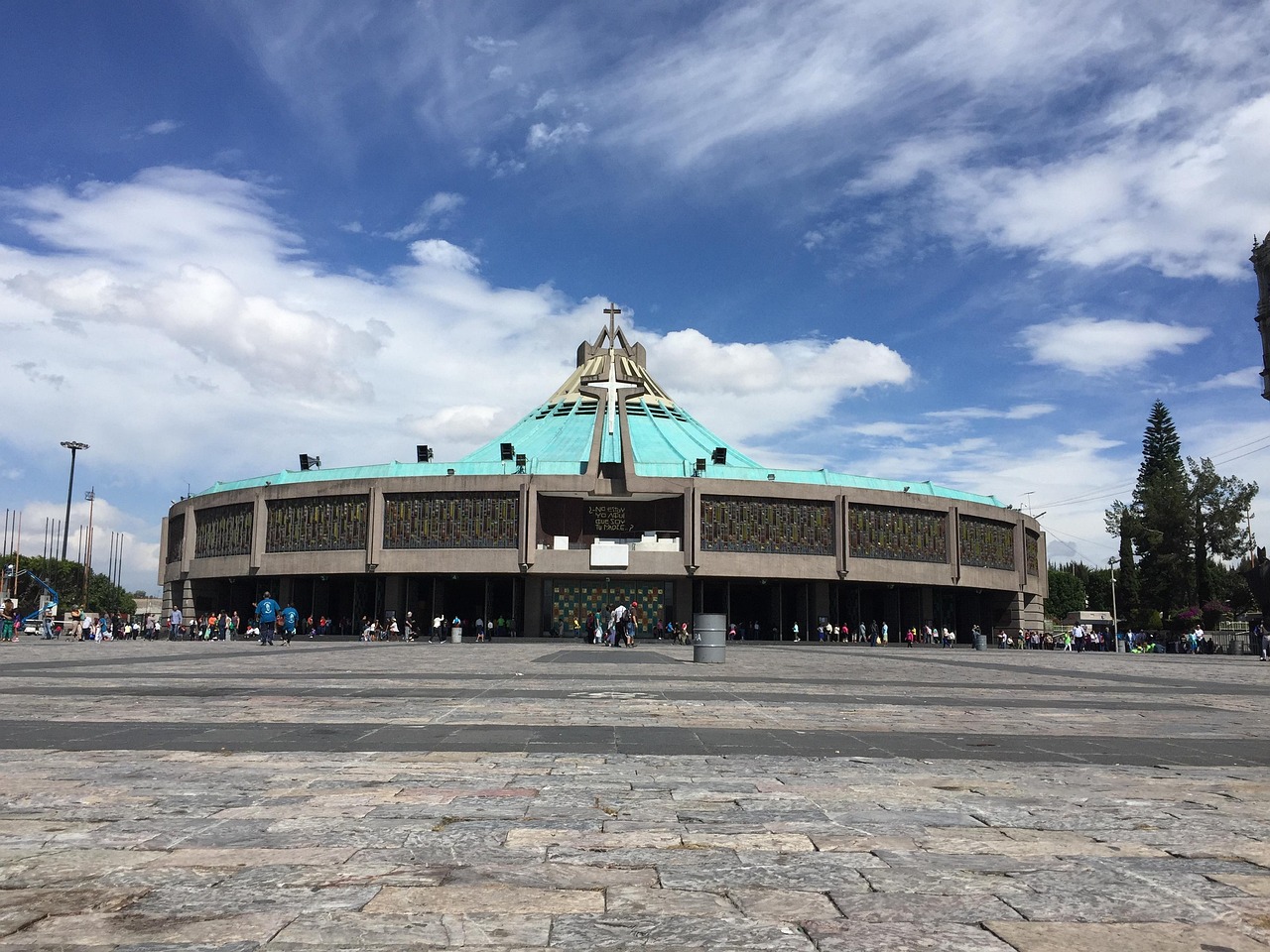
On a hill at the northern edge of Mexico City stands the Basilica of Our Lady of Guadalupe, the most visited Catholic shrine in the Americas and one of the busiest pilgrimage sites in the world. Each year millions of people come to honour the image of the Virgin of Guadalupe, a figure woven deeply into the faith and identity of Mexico and much of Latin America.
The Story Behind the Shrine
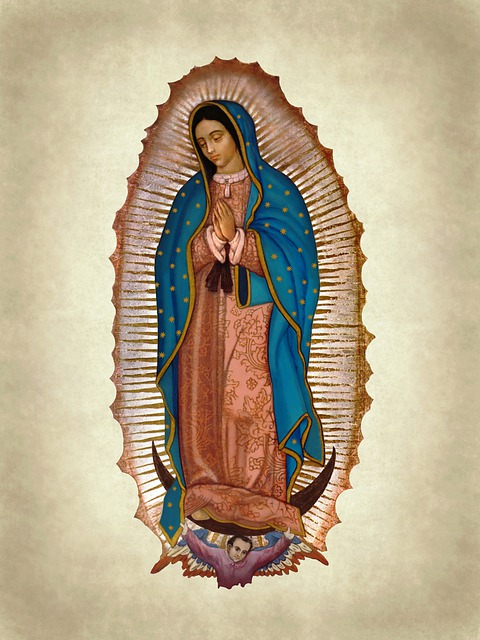
According to tradition, in December 1531 a man named Juan Diego encountered an apparition of the Virgin Mary on Tepeyac hill. The account relates that her image appeared imprinted on his cloak, or tilma, which is now displayed above the altar of the modern basilica. Whatever one’s beliefs, the story has had an immense cultural and spiritual influence, and Our Lady of Guadalupe became a unifying symbol for the peoples of Mexico.
Old and New Basilicas
The site actually holds several churches. The older basilica, built in the eighteenth century, gradually tilted and weakened over time. To accommodate the enormous crowds, a striking modern basilica was completed in 1976. Its circular design allows thousands of worshippers to see the revered image at once, and moving walkways carry visitors past it so the flow never stops.
A Place of Living Devotion
Guadalupe is not a quiet museum but a place of intense, living faith. Pilgrims arrive on foot from across the country, some covering the final stretch on their knees as an act of devotion. The atmosphere is warm and communal, filled with music, flowers, and prayer, especially in the days surrounding the feast of Our Lady of Guadalupe.
Visiting the Shrine
The complex is open daily and free to enter. Visitors are asked to dress modestly and to move respectfully, particularly near the image. The site sits within a large plaza with gardens, chapels, and the climb up Tepeyac hill, where smaller chapels mark the traditional site of the apparition.


