At the very point where the River Sava flows into the mighty Danube, on a great ridge above the meeting of the waters, stands one of the most fought-over fortresses in the history of the world. Belgrade Fortress, known together with its surrounding park by the name Kalemegdan, has guarded this strategic crossroads for some two thousand years, and its walls have witnessed the passage of empire after empire. It is a fortress whose history is nothing less than the history of the region itself, written in stone above the confluence of two great rivers.
From its origins as a Roman camp to its role as a medieval Serbian capital, from the famous siege that halted the Ottomans to the long struggle between the Ottoman and Austrian empires, Belgrade Fortress has stood at the heart of the great events of southeastern Europe. Besieged, by tradition, more than a hundred times and destroyed and rebuilt again and again, it is one of the most battle-scarred and layered monuments anywhere, and today it crowns the Serbian capital as a beloved park and a proud symbol. In this article you will explore the whole of its long story. Come and discover the fortress where two rivers and many empires met.
What makes Belgrade Fortress so compelling is the way it gathers the entire turbulent history of a region into a single site. Here on one ridge above the rivers you can trace the passage of Rome and Byzantium, of medieval Serbia and Hungary, of the Ottoman and Austrian empires, each of which held and fought over this ground and left its mark upon the walls. Few places anywhere let you touch so many layers of the past at once, and it is this extraordinary depth of history, set in a place of great natural beauty, that makes the fortress so unforgettable.

In This Article
- Where Two Rivers and Many Empires Met
- Singidunum, the Roman Origins
- The Most Fought-Over Ground in Europe
- Capital of the Serbian Despotate
- The Great Siege of 1456
- Under the Crescent
- Between Ottoman and Austrian
- The Upper and Lower Towns
- Towers, Gates, and the Nebojša Tower
- The Victor Above the Rivers
- Kalemegdan, the Great Park
- Exploring Belgrade Fortress Today
- Finding Belgrade Fortress
- Castles Nearby
Where Two Rivers and Many Empires Met
At the very point where the River Sava flows into the mighty Danube, on a great ridge above the meeting of the waters, stands one of the most fought-over fortresses in the history of the world. Belgrade Fortress, known together with its surrounding park by the name Kalemegdan, has guarded this strategic crossroads for some two thousand years, and its walls have witnessed the passage of empire after empire. Standing at the meeting of great rivers and at the crossroads of Europe, it is a fortress whose history is nothing less than the history of the region itself.
Belgrade Fortress is a place where the layers of the past are piled one upon another, for this ground has been fortified since ancient times, and every age has left its mark upon the walls above the rivers. Romans, Byzantines, medieval Serbs, Hungarians, Ottomans, and Austrians all held and fought over this vital point, and the fortress that survives is a patchwork of all their labours. Today it stands at the heart of the Serbian capital, a beloved park and monument crowning the ridge above the confluence. In this article you will explore its long and dramatic story. This is the tale of the great fortress where two rivers and many empires met.
There is a special power to a place that has stood at the crossroads of history for so long, and Belgrade Fortress possesses it in full measure. Standing on its walls above the confluence, one feels the weight of two thousand years of struggle and the passage of countless armies and empires. Few places anywhere are so saturated with history, and yet the fortress today wears its long and turbulent past with a certain serenity, its ancient walls now embracing a peaceful park where the people of Belgrade come to enjoy the views over the rivers.

Singidunum, the Roman Origins
The origins of Belgrade Fortress reach back into deep antiquity, to the time when this strategic ridge above the rivers was fortified by the Romans, who established a settlement and military camp here that they called Singidunum. As part of the great frontier of the Roman Empire along the Danube, the site was of real military importance, guarding the river and the crossing at the confluence, and the Roman foundations laid the deepest layer of the long history of fortification on this ground.
From those Roman beginnings, the fortress and the city that grew around it passed through the hands of many successive powers, each of whom recognised the immense strategic value of the site. The ridge above the meeting of the Sava and the Danube commanded a vital crossroads of land and water routes, a place where the great highways of trade and war converged, and so it was coveted and contested throughout the centuries. The ancient Roman origins of the fortress are the starting point of a history of unbroken importance stretching across two thousand years, a history written into the very ground on which the walls stand.
The Roman name of Singidunum is a reminder that Belgrade is one of the oldest continuously inhabited places in this part of Europe, its story reaching back to the very frontiers of the classical world. The Romans understood, as every power after them would, that whoever held this ridge above the confluence held the key to a vast region. The choice of this site by the Romans set the pattern for all that followed, and the deepest foundations of the fortress lie in that ancient world, a starting point for two millennia of unbroken strategic importance.
The Most Fought-Over Ground in Europe
Few places anywhere have seen so much warfare as Belgrade Fortress, which by long tradition is said to have been besieged more than a hundred times and destroyed and rebuilt on dozens of occasions across its long history. This extraordinary record of conflict is a consequence of its strategic position at the crossroads of empires and the meeting of great rivers, a place so valuable that it was fought over again and again by every power that sought to dominate the region. The fortress is, in a very real sense, one of the most battle-scarred pieces of ground in all of Europe.
This long history of siege and destruction, of capture and recapture, has shaped the whole character of Belgrade Fortress, for its walls are the product of many different builders across many different ages, each rebuilding what the last conflict had torn down. To walk the fortress is to walk through a landscape of endless struggle, where the traces of many wars and many rulers are layered upon one another. That so much of it survives, despite all the destruction it has suffered, is a testament to its enduring importance, for no matter how often it was ruined, it was always rebuilt, because whoever wished to control this region had first to control the fortress at the confluence.
To have been besieged more than a hundred times is a fate that few places on earth have shared, and it speaks with terrible eloquence of the strategic value of Belgrade and the endless conflicts that have swept across this region. Each siege brought destruction and suffering, and each rebuilding added a new layer to the fortress, so that the walls we see today are quite literally built upon the ruins of countless earlier struggles. This extraordinary history of repeated destruction and renewal is central to the identity of the fortress, and it makes Belgrade one of the great symbols of the turbulent history of the Balkans.
Capital of the Serbian Despotate
Among the many chapters in the history of Belgrade Fortress, one of the most glorious came in the early fifteenth century, when the city became the capital of the medieval Serbian state and its ruler undertook a great rebuilding of the fortress. Under this able and cultured prince, Belgrade was transformed and strengthened, its fortifications rebuilt and expanded, and the city flourished as the seat of the Serbian ruler. This was a golden age for the fortress, when it stood as the proud capital of a Serbian state seeking to hold its own against the rising power of the Ottomans.
The rebuilding of the fortress in this period gave it much of its medieval form, with strong walls and towers designed to defend the city against the growing threat from the south. The prince who ruled from Belgrade was a notable figure, a patron of learning and the arts as well as a builder of fortresses, and under him the city enjoyed a period of real prosperity and importance. This medieval Serbian chapter is a cherished part of the history of the fortress, a time when Belgrade stood as the capital of a Serbian state, and it left a lasting mark on the walls above the rivers.
The medieval Serbian period, when Belgrade served as the capital of the Serbian state, holds a special place in the national memory, for it was a time of cultural flowering and relative strength before the long centuries of Ottoman domination. The prince who rebuilt the fortress and made the city his capital is remembered as one of the notable rulers of medieval Serbia, and his work on the walls of Belgrade was part of a wider effort to strengthen and adorn his realm. This chapter gives the fortress a particular significance for Serbs as a monument to their medieval statehood.
The Great Siege of 1456
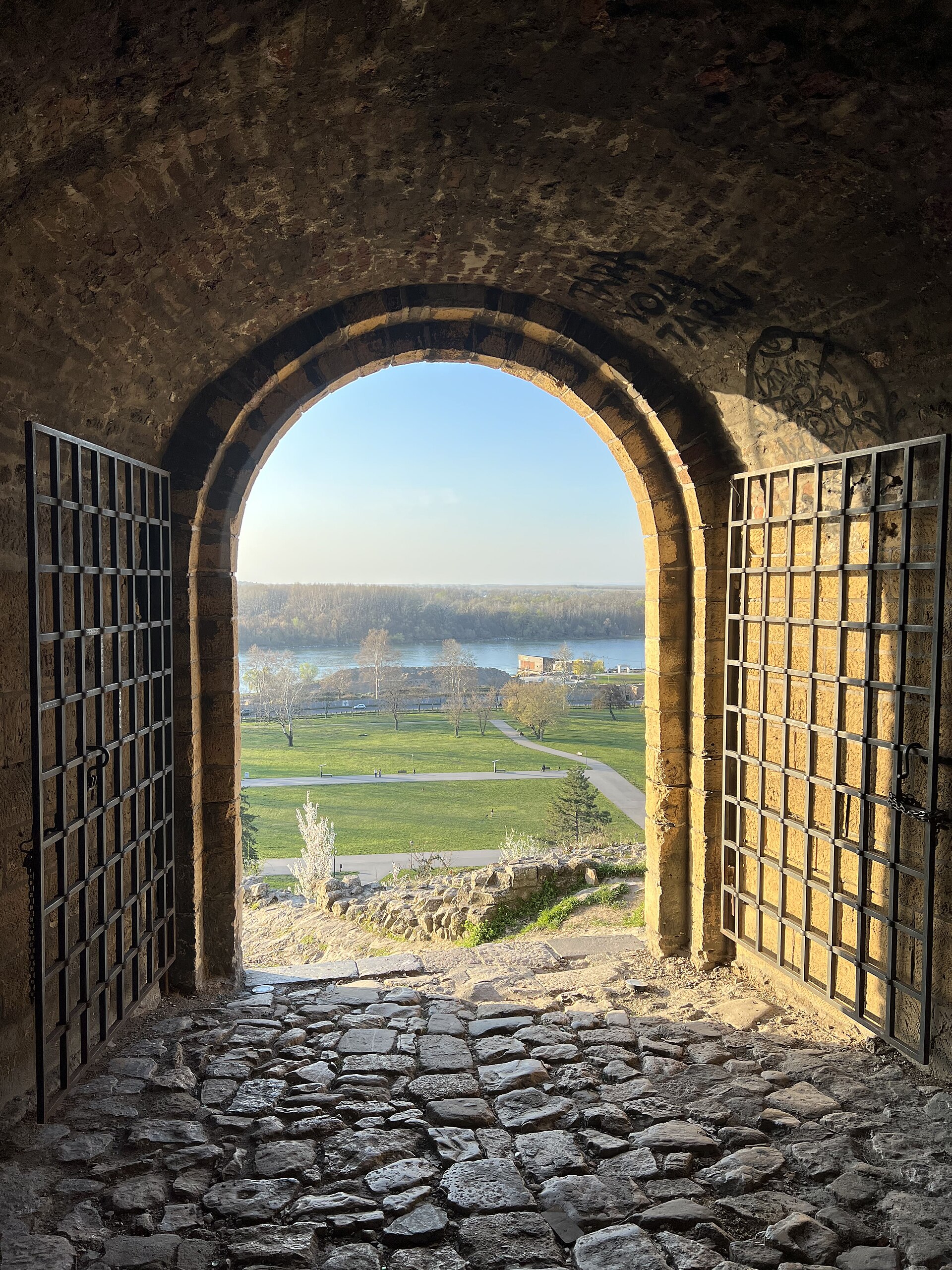
One of the most famous events in the entire history of Belgrade Fortress, and indeed one of the most celebrated in the history of Europe, came in the year 1456, when the fortress was the scene of a great siege that halted the advance of the Ottoman Empire. The Ottoman sultan, fresh from his conquest of Constantinople, brought a mighty army against Belgrade, determined to take this key fortress and open the way into central Europe. But the defenders, rallied by a great Hungarian commander and a fiery preacher, put up a heroic resistance and, against the odds, drove the Ottomans back in a stunning victory.
The successful defence of Belgrade in 1456 was celebrated throughout Christian Europe as a deliverance from the Ottoman threat, and it is remembered to this day. According to a famous tradition, the ringing of church bells at noon across the Christian world was ordered in commemoration of the victory, a custom that is sometimes said to endure even now. The great siege stands as one of the proudest moments in the long history of the fortress, a time when Belgrade held the gate against the greatest power of the age and won a victory that echoed across all of Europe.
The victory of 1456 resonated far beyond Belgrade, for it came at a moment of great fear in Europe, only a few years after the fall of Constantinople to the Ottomans, when it seemed that nothing could halt the advance of the sultan’s armies. The successful defence of the fortress was hailed as a miracle of deliverance, and it bought central Europe precious decades before the Ottoman tide reached it again. That so momentous a victory should have been won on the walls of Belgrade is one of the proudest facts of the fortress’s history, and its memory has echoed down the centuries.
The heroic defenders of 1456, rallied by a great commander and an old preacher who inspired the common people to take up arms, have become legendary figures in the history of the region, remembered for their courage in the face of overwhelming odds. Their victory saved not only Belgrade but, for a time, the whole of central Europe, and it is little wonder that it has been celebrated ever since. The great siege stands as a shining example of what determined defenders could achieve, and it remains one of the most inspiring chapters in the long history of the fortress.
Under the Crescent
Despite the great victory of 1456, the fate of Belgrade Fortress was ultimately bound up with the relentless expansion of the Ottoman Empire, and in the year 1521 the fortress at last fell to the Ottomans, taken by one of the greatest of all the sultans at the height of his power. The capture of Belgrade opened the way for the Ottoman advance deep into central Europe, and it marked the beginning of a long period of Ottoman rule over the fortress and the city, which would last, with interruptions, for centuries.
Under Ottoman rule, Belgrade became an important stronghold on the frontier of the empire in Europe, and the fortress was maintained and used as a key military base. The Ottomans left their own mark upon the fortress and the city, and Belgrade became a significant Ottoman town, its skyline dotted with mosques and its fortress garrisoned by the sultan’s troops. The long centuries of Ottoman control were a major period in the history of the fortress, part of the endless succession of empires that have held this vital ground above the confluence of the great rivers.
The fall of Belgrade in 1521 was a turning point in the history of Europe, for with this key fortress in his hands, the great sultan was able to press his armies deep into the heart of the continent in the years that followed. The loss of Belgrade removed the great shield that had protected central Europe, and its capture is remembered as a fateful moment in the long struggle between the Ottoman Empire and the Christian powers. For the fortress itself, it began a new era under the crescent that would shape its character for centuries to come.
Between Ottoman and Austrian
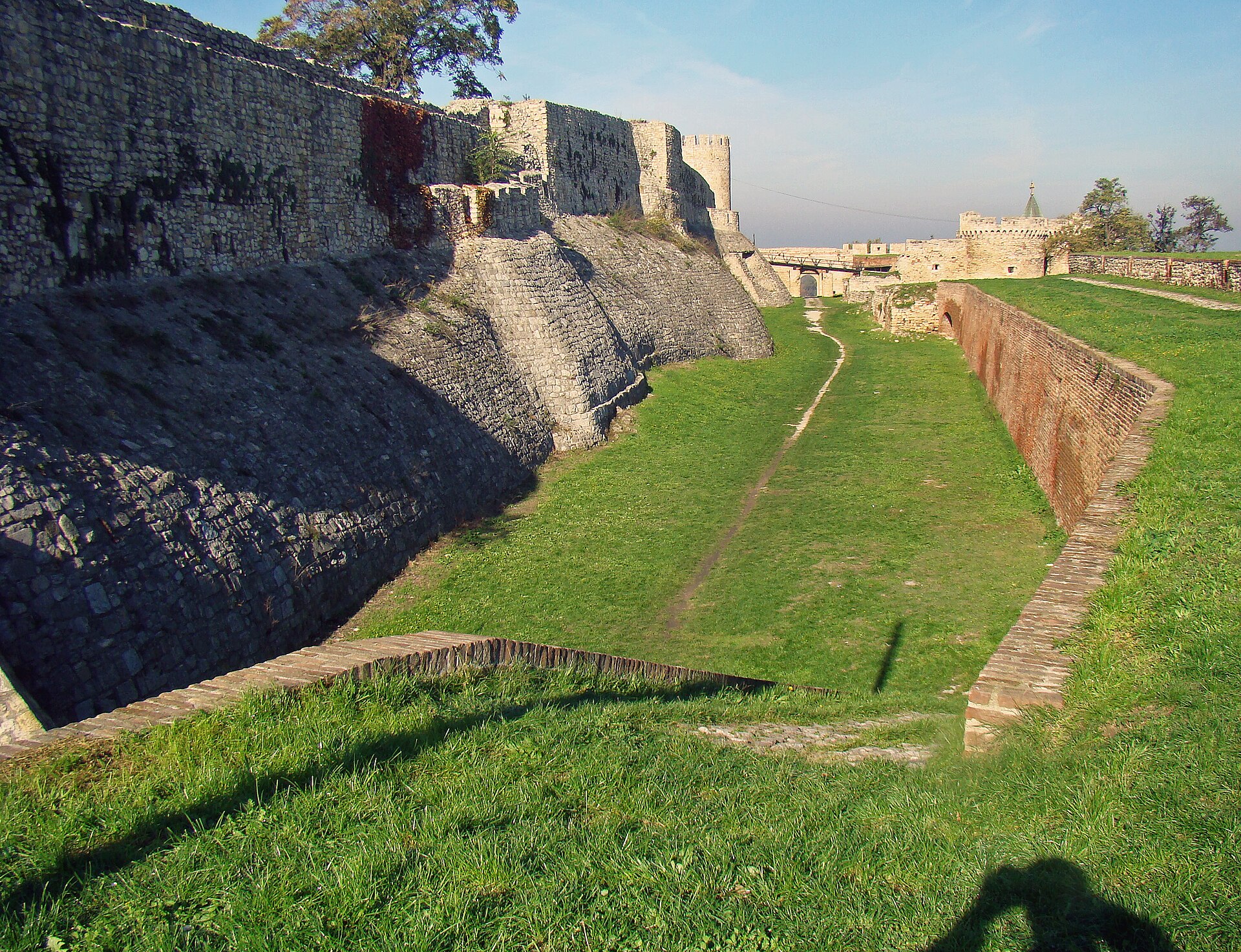
For much of its later history, Belgrade Fortress lay on the great frontier between the Ottoman Empire and the Habsburg Empire of Austria, and it was fought over between these two great powers again and again across the centuries. The fortress changed hands repeatedly, captured now by the Austrians and now retaken by the Ottomans, as the frontier between the two empires surged back and forth across the region. Each time the fortress changed hands, it was besieged, damaged, and rebuilt, adding yet more layers to its already complex history.
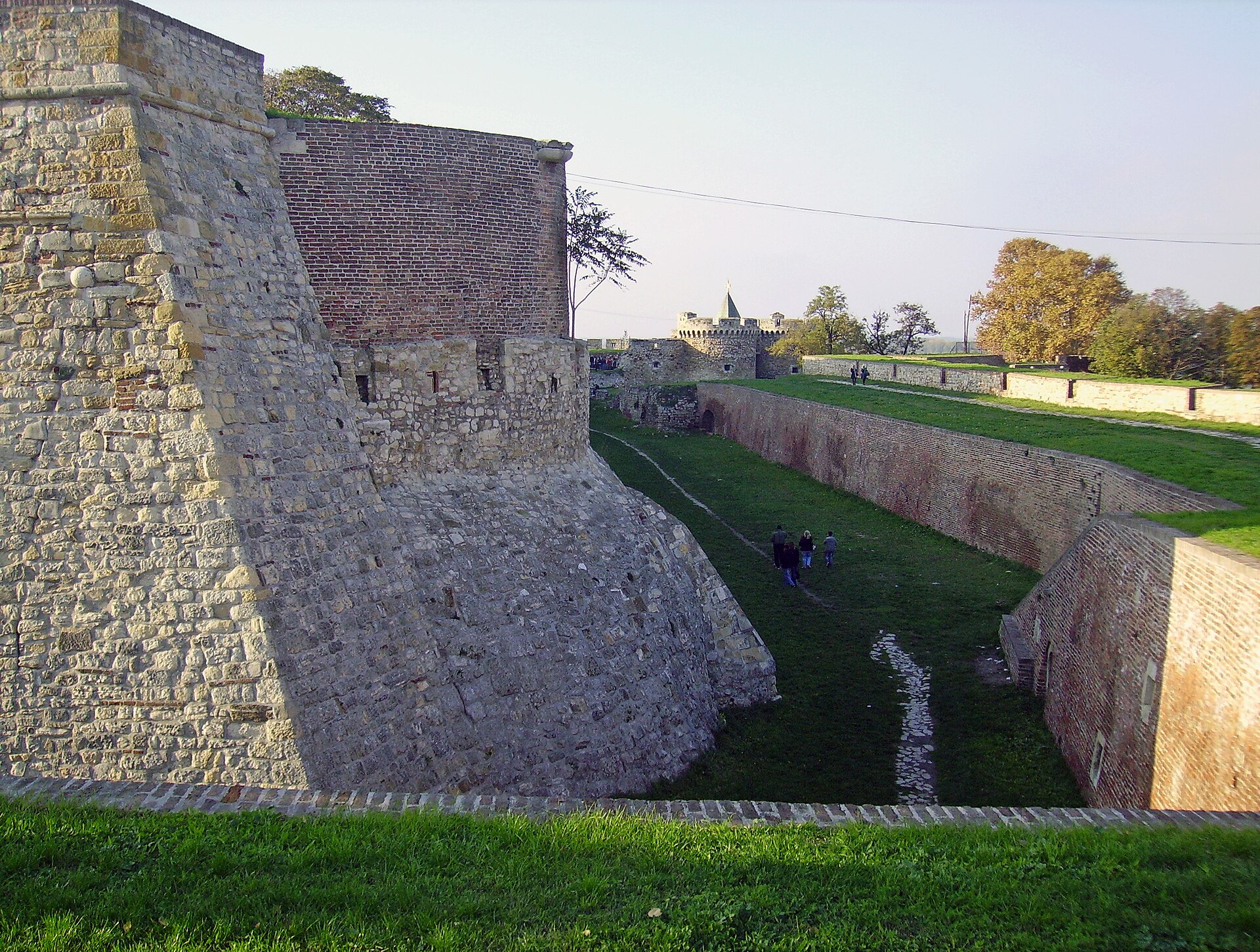
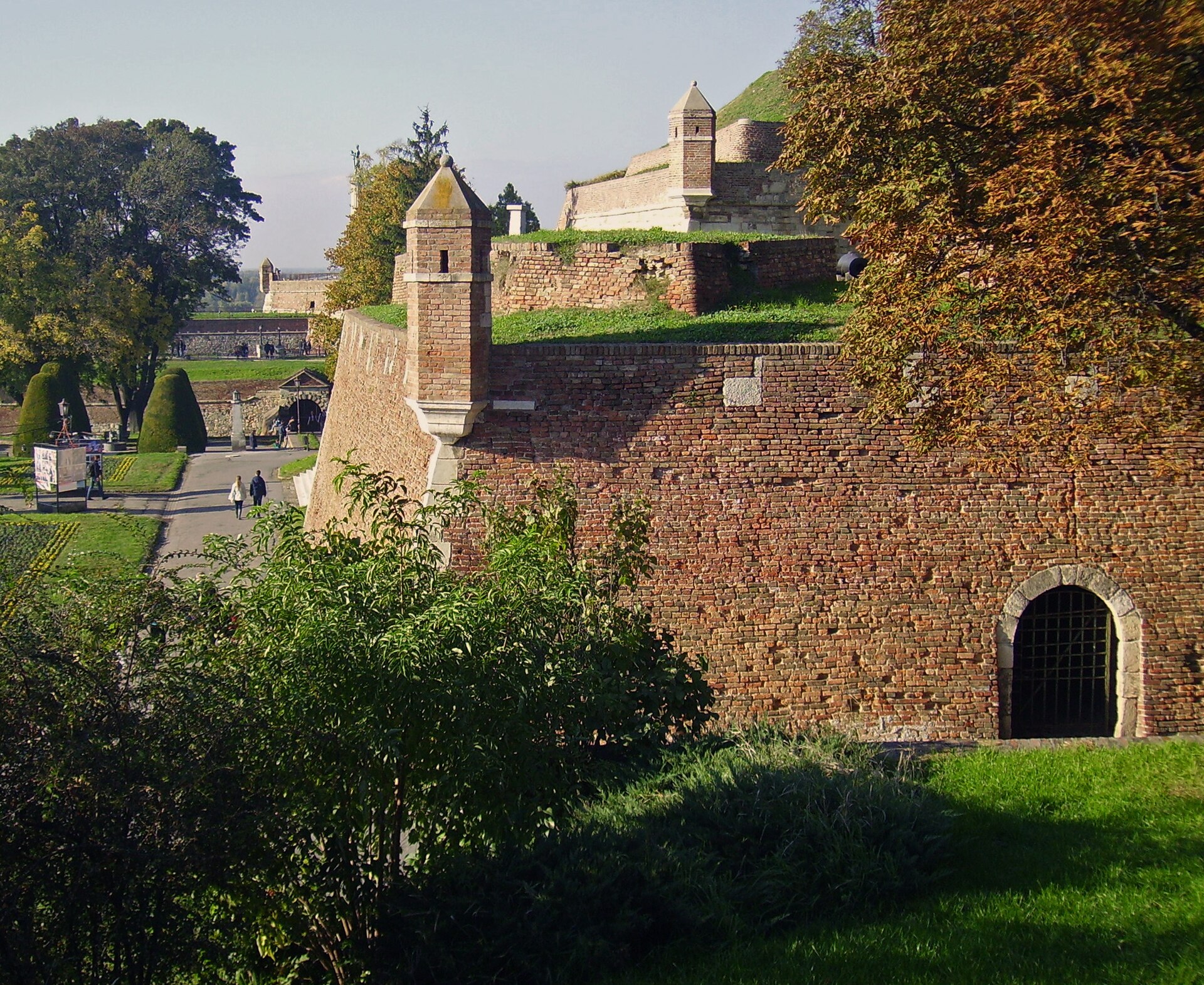
It was during this period of contention between the empires that much of the present fortress took shape, for the Austrians in particular rebuilt Belgrade as a modern artillery fortress, adding the great bastions and earthworks designed to withstand the cannon of the age. This transformation gave the fortress much of the form it wears today, a powerful early modern stronghold built around the older medieval and ancient core. The long struggle between Ottoman and Austrian for control of Belgrade is one of the central threads of its history, and it left the fortress the layered and fascinating monument that it is.
The repeated changes of hands between Ottoman and Austrian give the later history of Belgrade Fortress a dizzying complexity, for the great stronghold was won and lost many times as the frontier between the two empires shifted with the fortunes of war. Each new master rebuilt and refortified the fortress to suit the military needs of the age, and the great baroque bastions added by the Austrians transformed it into one of the most modern fortresses of its time. This layering of Ottoman and Austrian work upon the medieval and ancient core is what makes the fortress so richly various and so fascinating to explore.
The Upper and Lower Towns
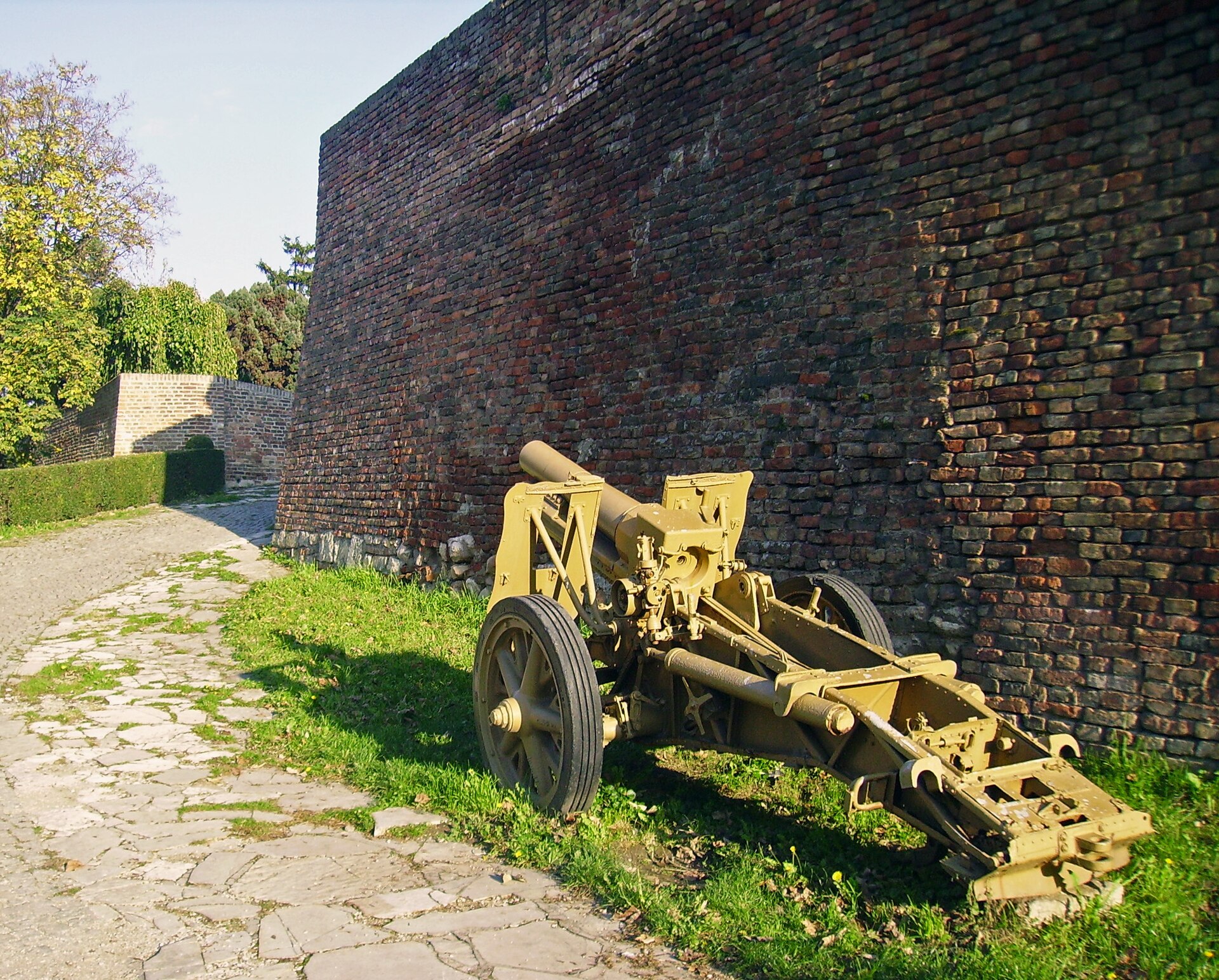
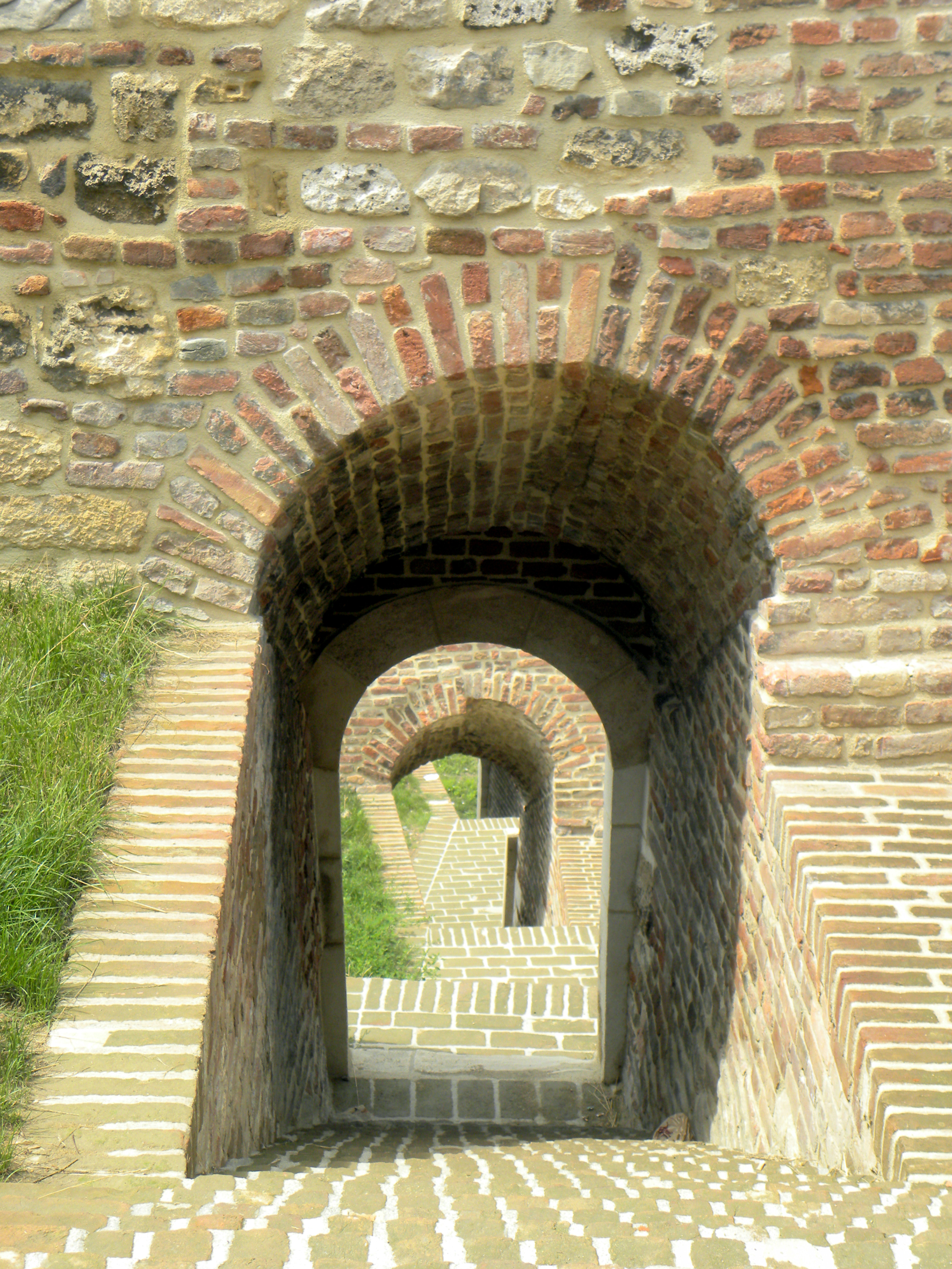
Belgrade Fortress is a vast and complex site, divided broadly into two main parts, the Upper Town on the height of the ridge and the Lower Town on the slopes below, descending toward the rivers. The Upper Town, crowning the ridge, was the main citadel and the heart of the defences, while the Lower Town, stretching down toward the waters, contained further fortifications, gates, and buildings. Together they made up one of the largest and most formidable fortress complexes in all of southeastern Europe.
Exploring the two parts of the fortress today, the visitor can appreciate the sheer scale and complexity of the stronghold, with its many walls, gates, towers, and open spaces spread across the ridge and the slopes. The division into Upper and Lower Towns reflects both the natural terrain and the long history of building on the site, and each part has its own character and its own points of interest. Wandering between them, from the heights with their sweeping views over the rivers to the lower fortifications near the water, is one of the great pleasures of a visit to this remarkable fortress.
The sheer size of Belgrade Fortress can come as a surprise to first-time visitors, for this is no compact castle but a vast fortified landscape spread across the ridge and its slopes, encompassing many separate structures and open spaces. The division into Upper and Lower Towns helps to make sense of this complexity, and exploring both gives a full appreciation of the scale and ambition of the fortress. It is a place that rewards a long and unhurried visit, with new discoveries around every corner and magnificent views opening out at every turn over the rivers and the city.

Towers, Gates, and the Nebojša Tower
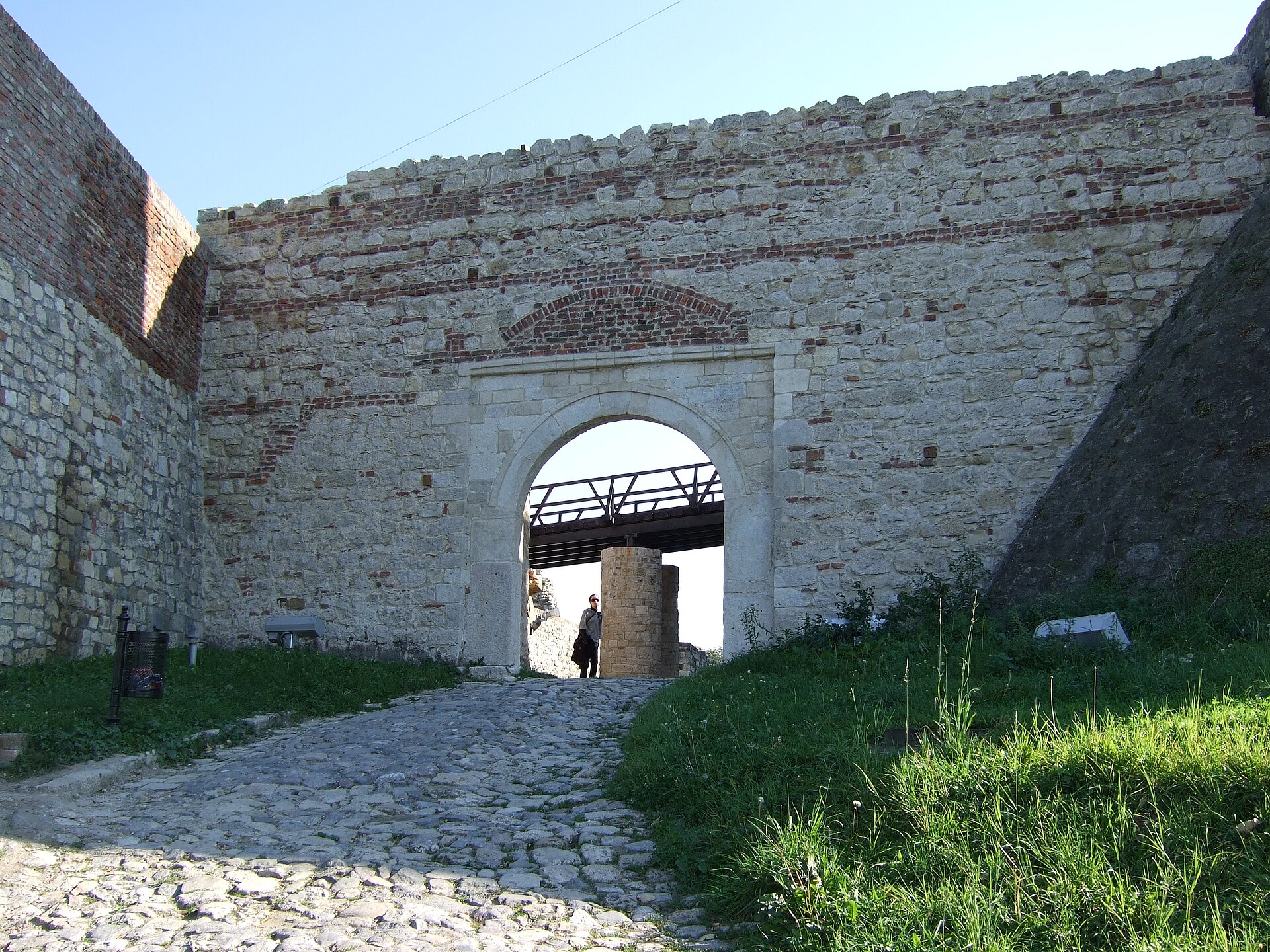
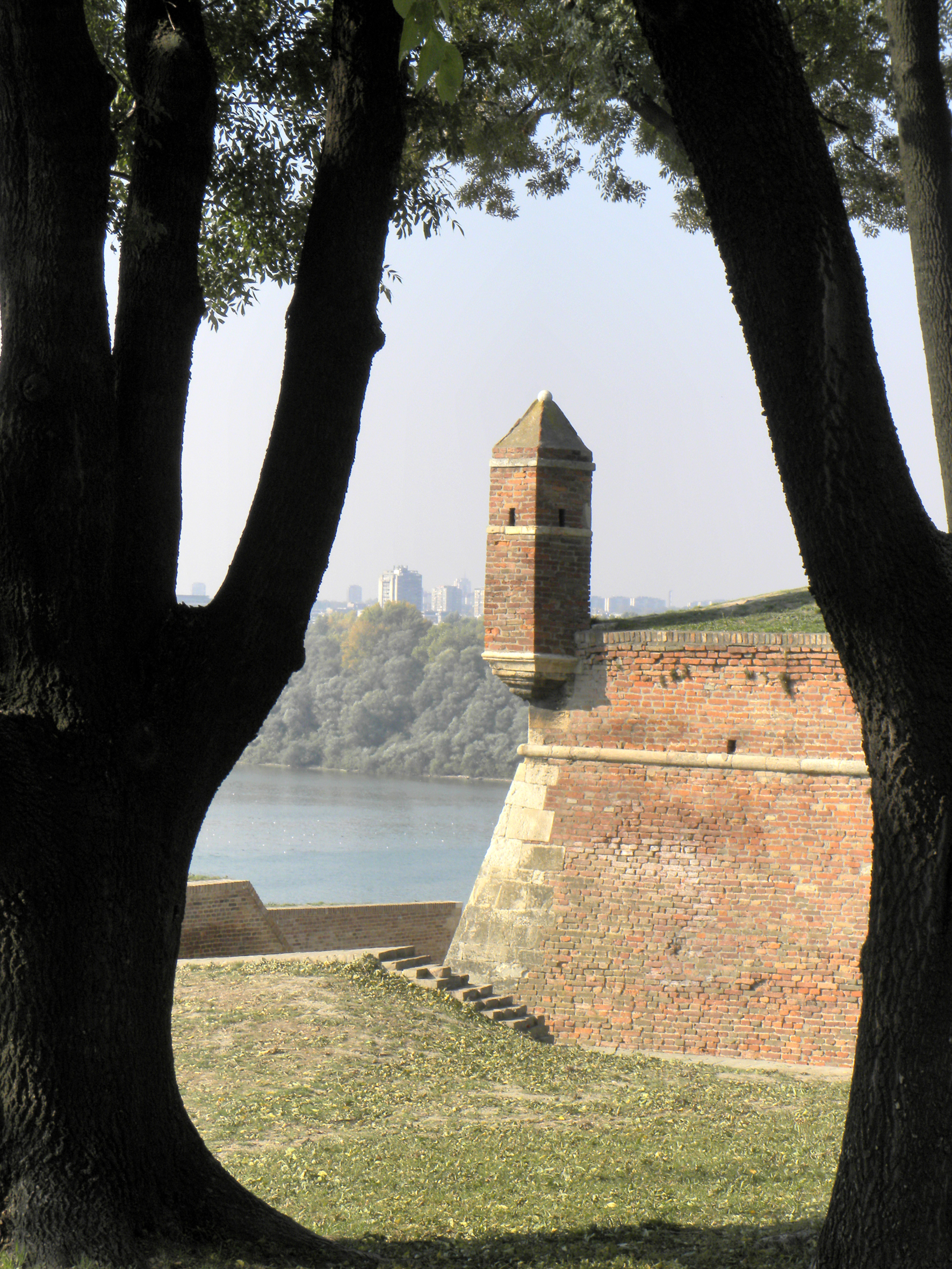
Belgrade Fortress is rich in historic structures from its many different periods, including a wealth of towers and gates that guarded its walls and controlled access to the stronghold. Among the most famous is a great tower near the river, a powerful medieval structure that has become one of the most celebrated landmarks of the fortress and a symbol of its long history. The many gates of the fortress, built and rebuilt across the centuries, each have their own stories and their own architectural character, from medieval arches to Ottoman and Austrian additions.
These towers and gates are among the most rewarding features of the fortress to explore, for each is a tangible link to a different chapter of the long and dramatic history of Belgrade. The great riverside tower in particular, with its formidable presence and its stirring history, is a highlight of any visit, and it embodies the martial character of the fortress across the ages. Together, the towers and gates give Belgrade Fortress much of its architectural richness, a treasury of military building spanning many centuries and many rulers, all gathered on the ridge above the confluence.
The great riverside tower, one of the most famous structures of the fortress, has its own dramatic history and has served many purposes across the centuries, from defence to darker uses in troubled times. It stands today as one of the most evocative landmarks of Belgrade, a powerful reminder of the martial past of the fortress. Structures like this, scattered across the Upper and Lower Towns, turn a visit into a journey through the many ages of the fortress, each tower and gate a chapter in the long story of the stronghold above the confluence.
The Victor Above the Rivers
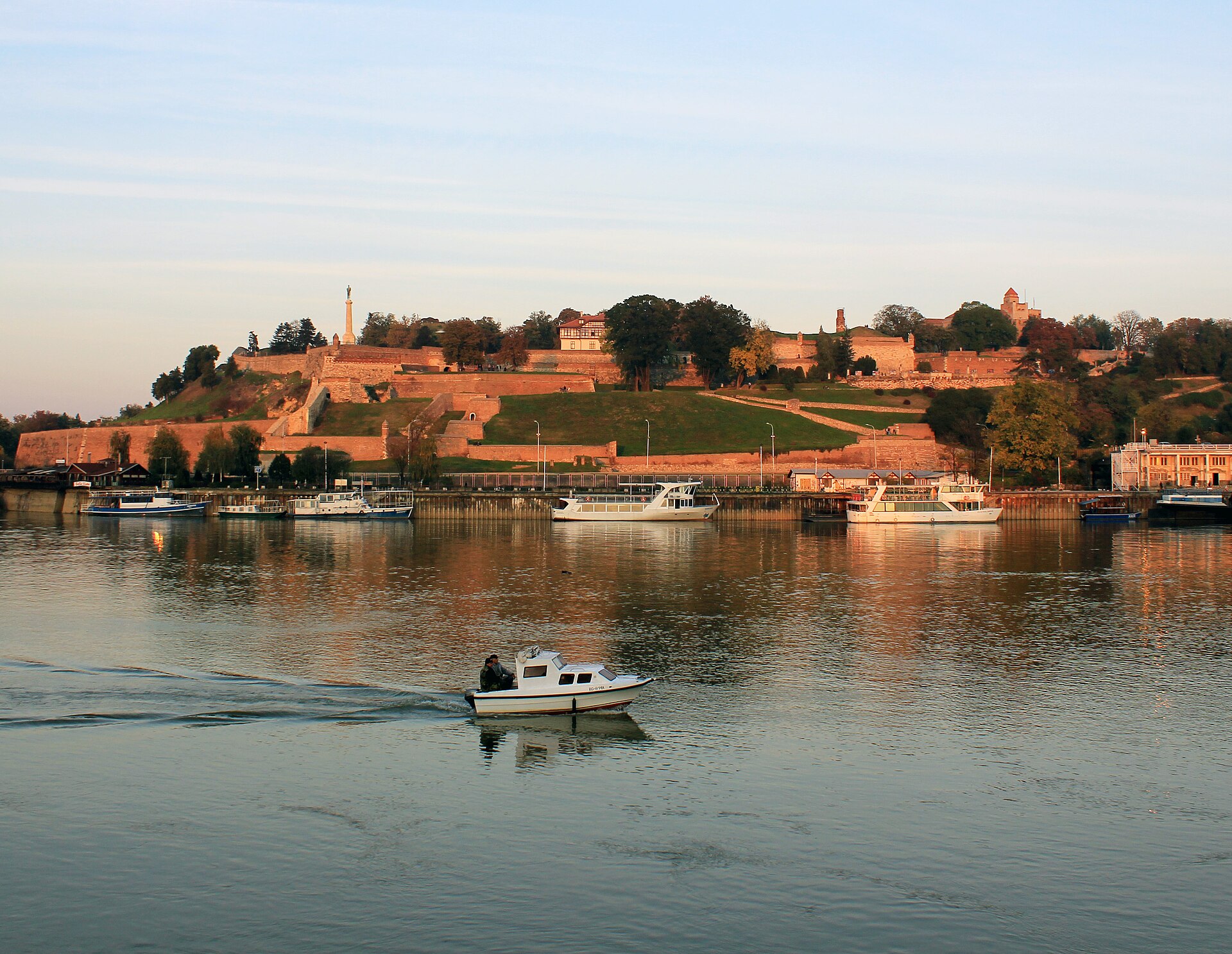
Standing on the heights of the Upper Town, gazing out over the meeting of the Sava and the Danube, is one of the most beloved monuments in all of Serbia, a great statue known as the Victor. This striking figure, raised in the early twentieth century, was created to commemorate the military triumphs of Serbia, and it stands proudly on the edge of the fortress, looking out across the rivers and the plains beyond. It has become one of the great symbols of Belgrade, and its image is known throughout the country and beyond.
The Victor occupies one of the finest viewpoints in the whole city, and the spot where it stands offers a magnificent panorama over the confluence of the two great rivers and the lands beyond. To stand beside the monument and take in the view is one of the essential experiences of a visit to Belgrade, a moment when the whole strategic significance and natural beauty of the fortress’s position is revealed at a glance. The Victor, gazing out over the rivers, has become the emblem of the fortress and the city, a proud symbol of Serbia standing guard above the meeting of the waters.
The Victor has become far more than a monument, for it is one of the great symbols of Belgrade and of Serbia itself, its image reproduced across the country and its silhouette instantly recognisable. That it stands at such a magnificent viewpoint, gazing out over the meeting of the rivers, only adds to its power, uniting a proud national symbol with one of the finest prospects in the whole city. For visitors and locals alike, the spot where the Victor stands is one of the essential places of Belgrade, a meeting point of history, art, and natural beauty.
Kalemegdan, the Great Park
Today the fortress is surrounded by the great park known as Kalemegdan, the largest and most beloved park in the city of Belgrade, which spreads across the grounds around the ancient walls. The very name Kalemegdan comes from the Turkish words for a fortress and a battlefield or square, a fitting name for a place that has seen so much warfare, and it is by this name that the whole fortress and park are most often known to the people of Belgrade. The park has become a green and peaceful retreat at the heart of the busy city.
The transformation of the once-embattled fortress into a beautiful public park is one of the happiest chapters in its long history, for where armies once clashed, the people of Belgrade now stroll, relax, and enjoy the views over the rivers. The park is dotted with monuments, museums, and historic structures, and it offers a wonderful blend of history and natural beauty in the heart of the capital. For the people of Belgrade, Kalemegdan is a cherished part of daily life, a place of recreation and pride, and it gives the ancient fortress a living role in the modern city.
The dual identity of the site, at once an ancient fortress steeped in war and a peaceful modern park, is one of the things that makes Kalemegdan so special and so beloved. In few places can one pass so easily from the martial grandeur of great walls and monuments to the gentle pleasures of a garden stroll, all within the same historic grounds. This blending of history and recreation, of the fortress and the park, gives Kalemegdan a unique character and makes it a place that the people of Belgrade cherish above almost any other in their city.

Exploring Belgrade Fortress Today
A visit to Belgrade Fortress today is a wonderful experience, for the vast site offers an extraordinary wealth of things to see and do, all set in the beautiful surroundings of the Kalemegdan park. Visitors can walk the ancient walls, explore the Upper and Lower Towns, admire the many towers and gates, visit the museums and monuments, and take in the magnificent views over the confluence of the rivers. The whole fortress is a treasury of history, its stones telling the story of two thousand years of war and empire.
Beyond its historical interest, the fortress and its park are simply a beautiful and enjoyable place to spend time, a green and peaceful oasis at the heart of a great city, filled with the sound of strolling visitors rather than the clash of arms. From the martial monuments to the quiet garden paths, from the sweeping river views to the hidden corners of the old walls, Belgrade Fortress rewards exploration at every turn. As the historic heart of the Serbian capital and one of the most fought-over places in Europe, it offers an experience of rare depth and beauty.
The combination of profound historical depth with the beauty and tranquillity of the park makes Belgrade Fortress a destination unlike almost any other, appealing equally to those drawn by its dramatic past and those seeking simply a beautiful place to relax. Whether your interest lies in the many layers of its history, the wealth of its monuments, or the magnificent views over the rivers, the fortress rewards every kind of visitor. It is this richness and variety, gathered on the historic ridge above the confluence, that makes a visit so memorable.

Finding Belgrade Fortress
Belgrade Fortress could hardly be easier to find, for it crowns the great ridge at the very heart of Belgrade, the capital of Serbia, above the meeting of the Sava and the Danube. The city is well connected by air, road, and river, and the fortress, at its centre, is the natural focus of any visit to the Serbian capital. From the old town, a short walk leads to the gates of the fortress and into the beautiful Kalemegdan park, and the whole site is freely open to explore.
The setting could hardly be more magnificent or more central, and a visit to the fortress can easily be combined with the many other attractions of Belgrade, a vibrant and historic city with much to offer. The fortress and its park are the green and historic heart of the capital, and they draw visitors and locals alike in great numbers. Here are the exact coordinates so you can find your way to the great fortress at the confluence of the rivers.
View on Google Maps: 44.8225, 20.4506
Castles Nearby
If Belgrade Fortress has drawn you into the history of the Balkan frontier, two more great strongholds of the region make a fine next stop.
- Golubac Fortress guards the Danube downstream at the Iron Gates.
- Tsarevets Fortress in Bulgaria was the royal stronghold of the Bulgarian tsars.
The Fortress at the Confluence
Few fortresses anywhere carry so long and so dramatic a history as Belgrade Fortress. Standing on its ridge above the meeting of the Sava and the Danube, it has guarded this vital crossroads for two thousand years, passing through the hands of Romans, Byzantines, medieval Serbs, Hungarians, Ottomans, and Austrians, and being besieged and rebuilt more times than almost any fortress in the world. In its walls the whole turbulent history of southeastern Europe is gathered together, layer upon layer, a monument to the endless struggle for control of this great strategic point.
That is what makes a visit to Belgrade Fortress so rewarding. You are not just exploring a great stronghold but standing at one of the historic crossroads of Europe, in a place where the fate of empires was decided again and again above the meeting of the rivers. To walk its ancient walls, to stand beside the Victor gazing out over the confluence, and to wander the beautiful Kalemegdan park is to feel the full depth of the region’s past. Once one of the most fought-over places on earth, Belgrade Fortress is now a beloved park and a proud symbol of Serbia, crowning the capital above the meeting of two great rivers.
If your travels ever take you to Serbia, a visit to Belgrade Fortress is essential. Walk up through the old town to the great walls above the rivers, explore the Upper and Lower Towns, stand beside the Victor and gaze out over the confluence, and wander the beautiful paths of the Kalemegdan park. Let the extraordinary depth of history and the beauty of the setting work upon you. The great fortress has guarded this crossroads for two thousand years, and today, at peace at last, it is ready to share its long and dramatic story with everyone who comes to the meeting of the rivers.
You May Like
Mafra, the Palace a King Built From a Vow