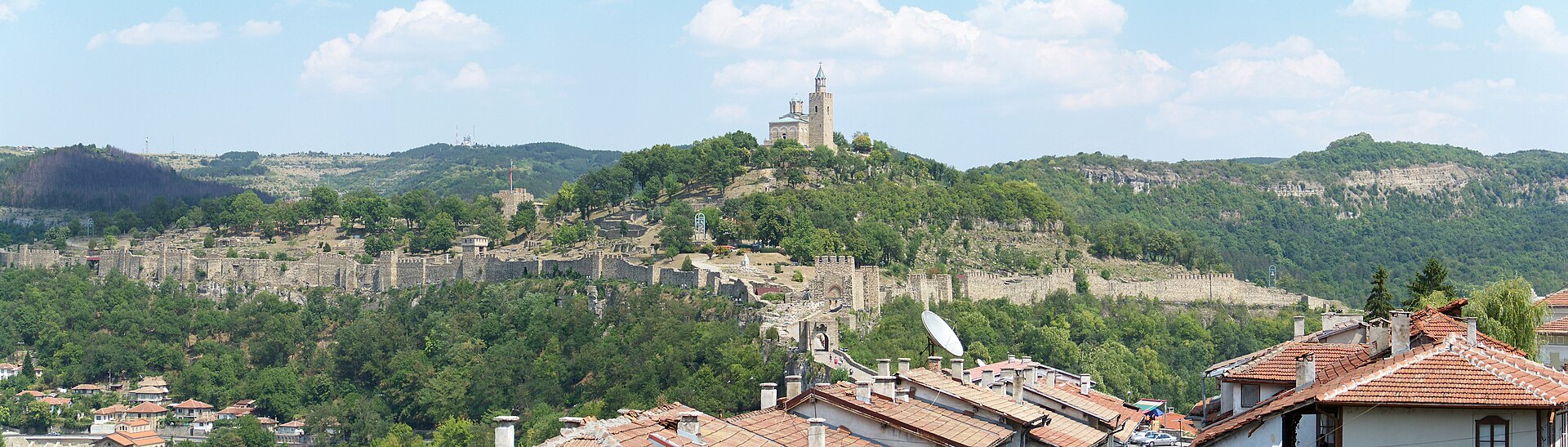
On a great hill wrapped almost entirely by a loop of the Yantra River, in the beautiful town of Veliko Tarnovo in northern Bulgaria, stands one of the most important fortresses in all of southeastern Europe. Tsarevets was the mighty royal stronghold of the medieval Bulgarian tsars, the heart of a great empire and the seat of both its rulers and its church. Within its walls once stood the palace of the emperors and the cathedral of the patriarchs, making this one of the holiest and most powerful places in the whole medieval Balkan world.
Tsarevets is far more than a picturesque ruin, for it was the very centre of the Second Bulgarian Empire, one of the great powers of medieval Europe, and its story is the story of the rise and fall of that mighty state. From this hill the Bulgarian tsars ruled a broad realm and the Bulgarian church had its supreme seat, and here medieval Bulgarian civilisation reached its golden summit before the empire fell to the Ottomans in a great siege. From imperial glory to tragic fall and glorious modern rebirth, its dramatic history is written into its walls. In this article you will explore the whole of it. Come and discover the fortress of the Bulgarian tsars.
What makes Tsarevets so compelling is the way it gathers the whole drama of a great civilisation into a single hill. Here in one place stood the throne of the tsars and the seat of the patriarchs, here scholars made the city a beacon of Orthodox culture, and here the medieval empire met its tragic end. To walk the fortress is to move through the entire arc of a nation’s golden age, and few places anywhere hold so much history and meaning within so dramatic and beautiful a setting.
In This Article
- The Fortress of the Bulgarian Tsars
- A Hill Wrapped by the Yantra
- Capital of the Second Bulgarian Empire
- The Royal Palace of the Tsars
- The Patriarchal Cathedral
- A Centre of Faith and Learning
- Baldwin’s Tower
- The Rock of Execution
- The Great Siege of 1393
- Centuries of Silence
- The Fortress Reborn
- Sound and Light on the Hill
- Finding Tsarevets Fortress
- Castles Nearby
The Fortress of the Bulgarian Tsars
On a great hill wrapped almost entirely by a loop of the Yantra River, in the beautiful town of Veliko Tarnovo in northern Bulgaria, stands one of the most important fortresses in all of southeastern Europe. Tsarevets was the mighty royal stronghold of the medieval Bulgarian tsars, the heart of a great empire and the seat of both its rulers and its church. Its walls and towers crown the steep hill, and within them once stood the palace of the emperors and the cathedral of the patriarchs, making this one of the holiest and most powerful places in the whole medieval Balkan world.
Tsarevets is far more than a picturesque ruin, for it was the very centre of the Second Bulgarian Empire, one of the great powers of medieval Europe, and its story is bound up with the whole rise and fall of that mighty state. From this hill the Bulgarian tsars ruled a broad realm, and here the Bulgarian church had its supreme seat, so that Tsarevets was at once a royal capital, a religious centre, and a mighty fortress. Its dramatic history, from imperial glory to tragic fall and modern rebirth, is written into its walls. In this article you will explore all of it. This is the story of the fortress of the Bulgarian tsars.
There is a special power to a place that holds the memory of a nation’s golden age, and for Bulgarians, Tsarevets is exactly such a place. To stand upon this hill is to stand where the medieval Bulgarian empire was at its most glorious, where tsars were crowned and patriarchs held sway, and where the fate of a great state was decided. Few monuments anywhere carry so heavy a burden of national meaning, and the fortress is cherished today not only for its beauty and its history but as the very symbol of medieval Bulgarian greatness.
A Hill Wrapped by the Yantra
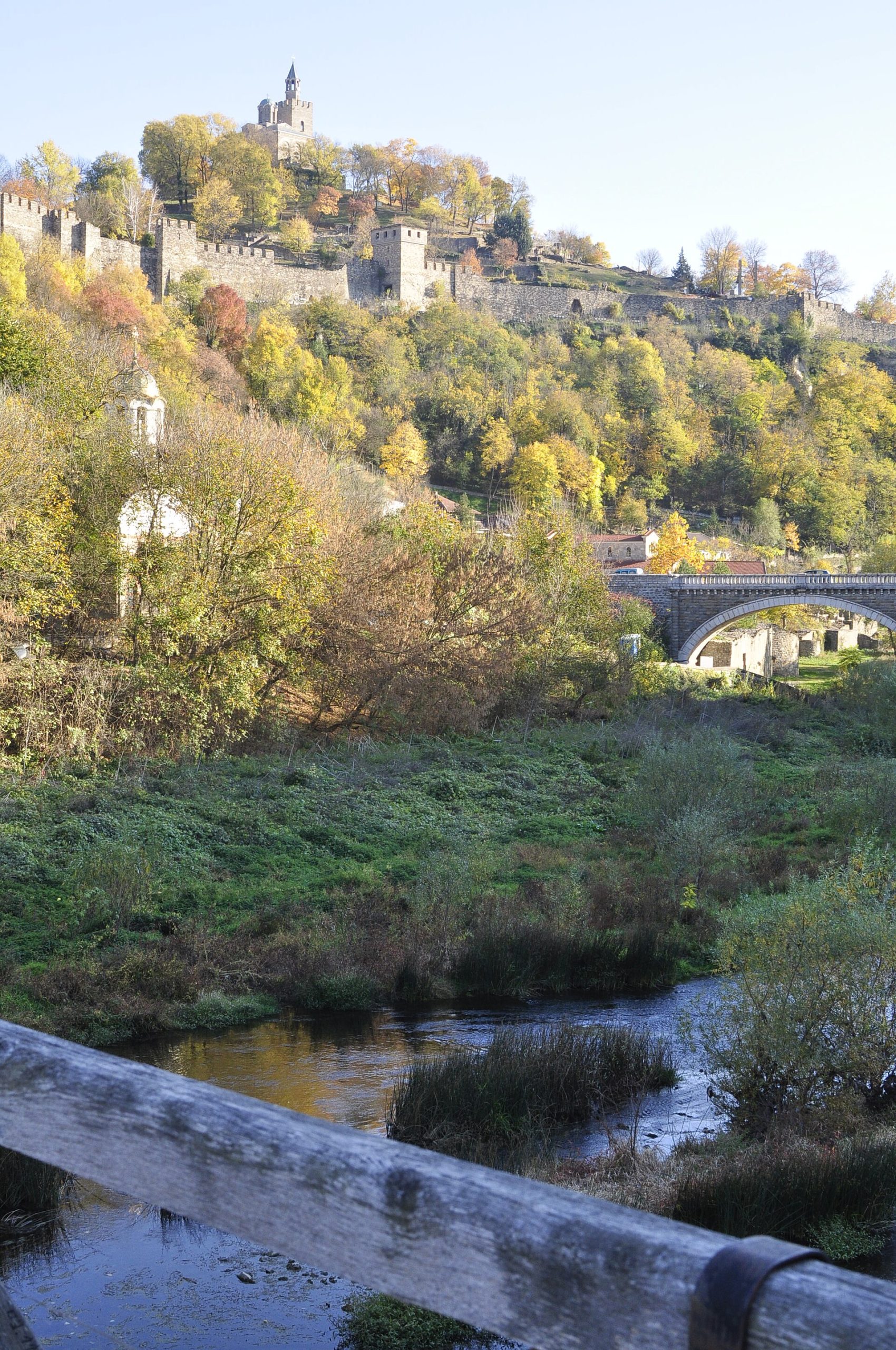
The strength of Tsarevets lay in its superb natural position, for the fortress crowns a steep hill that is almost entirely surrounded by a great loop of the Yantra River, which curls around the base of the hill to leave it connected to the surrounding land by only a narrow neck. This remarkable geography made the hill a natural fortress, protected on nearly every side by the steep slopes and the river below, and the builders of the medieval empire made full use of it, crowning the height with strong walls and towers.
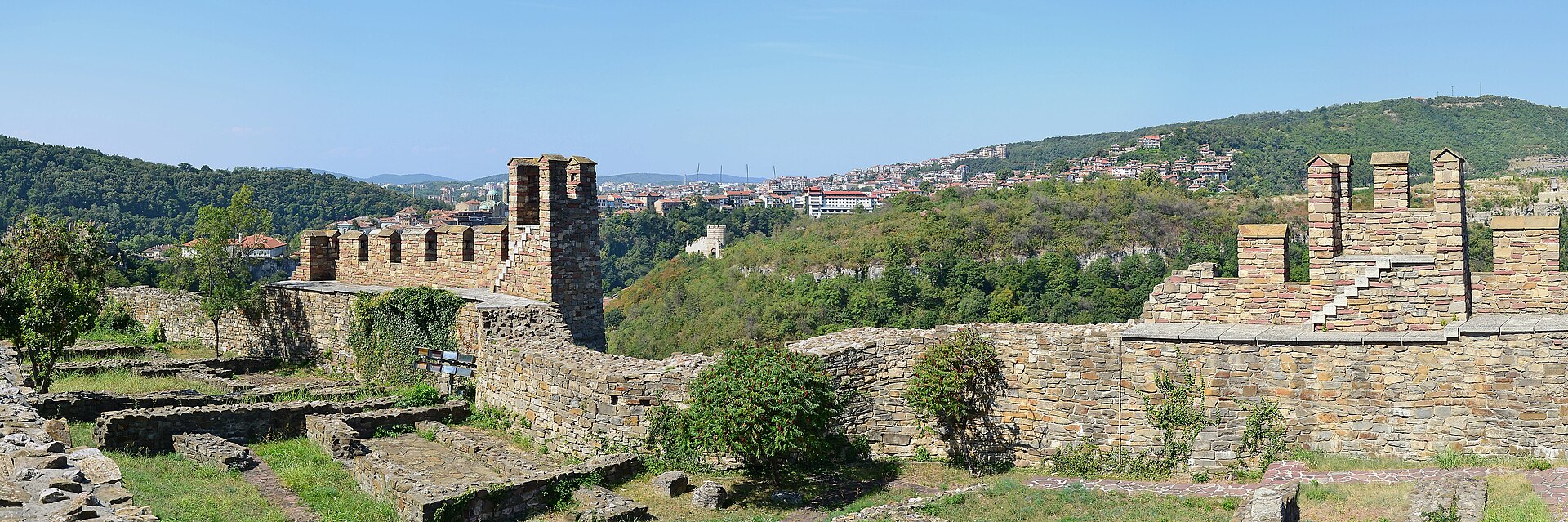
The town of Veliko Tarnovo, of which Tsarevets is the historic heart, is famous for its dramatic setting among steep hills divided by the winding Yantra, and it is one of the most beautiful towns in all of Bulgaria. The houses climb the slopes in tiers above the river, and the whole landscape has a wild and romantic beauty. In the midst of this striking setting, the fortress of Tsarevets rises supreme on its own great hill, commanding the town and the river, its position as magnificent as its history and one of the reasons it became the capital of a great empire.
The dramatic landscape of Veliko Tarnovo, with its hills and its river gorges, is one of the most striking of any historic town in the Balkans, and it provided the perfect setting for a medieval capital. The natural defences offered by the terrain, and the beauty of the site, made it a fitting seat for a great empire. Even today, the sight of the town climbing its hills above the winding Yantra, crowned by the fortress of Tsarevets, is one of the most memorable in all of Bulgaria, a landscape where nature and history are perfectly matched.
Capital of the Second Bulgarian Empire
To understand Tsarevets you have to understand the great state of which it was the heart, the Second Bulgarian Empire, which rose in the later twelfth century and endured for some two hundred years as one of the leading powers of the medieval Balkans. When the Bulgarians threw off foreign rule and re-established their own empire, they made the town on the Yantra their capital, and the fortress of Tsarevets became the royal and religious centre of the reborn Bulgarian state, a role it would hold until the empire’s tragic end.
As the capital of a great empire, the town grew into one of the most important cities in all of southeastern Europe, a centre of power, faith, culture, and learning that some contemporaries compared to the great cities of the age. From the fortress of Tsarevets, the Bulgarian tsars ruled their broad domains, and the town became a byword for the glory of the medieval Bulgarian state. This period, when Tsarevets stood at the summit of a mighty empire, was the golden age of the fortress, and it is the memory of this greatness that gives the ruins their profound significance for Bulgarians today.
The re-establishment of the Bulgarian empire after a period of foreign domination was a great achievement, and the choice of Tarnovo as the new capital marked the beginning of a brilliant era. Under the tsars who ruled from Tsarevets, Bulgaria once again took its place among the leading powers of the region, its influence reaching across the Balkans. This second age of Bulgarian greatness, centred on the fortress on the Yantra, is remembered as one of the high points of the nation’s history, and it is the source of the deep significance that Tsarevets holds to this day.
The Royal Palace of the Tsars
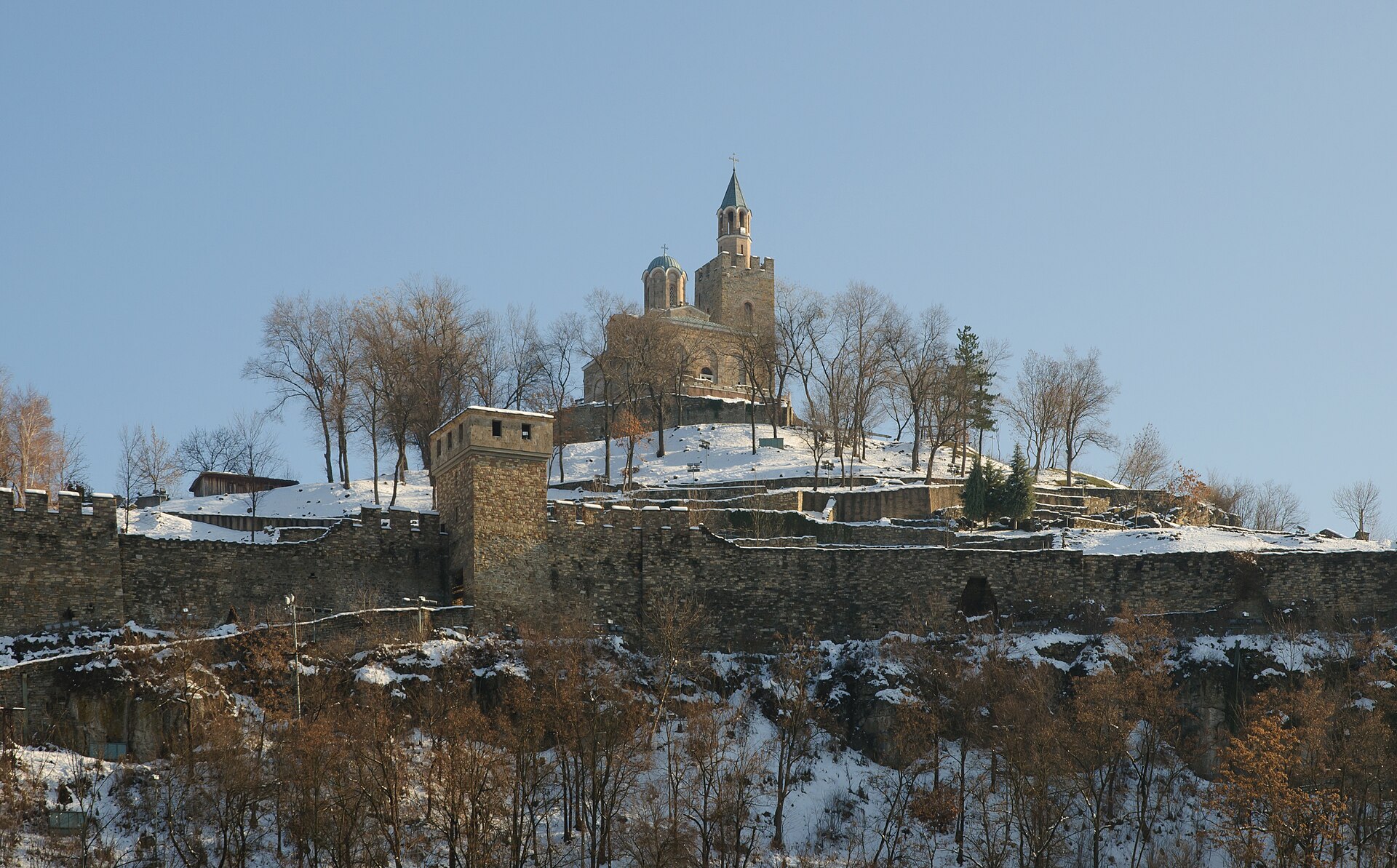
At the heart of Tsarevets stood the royal palace, the residence of the Bulgarian emperors and the seat of their government, from which they ruled the empire. This great palace complex, set within its own inner fortifications on the hill, was the centre of political power in the medieval Bulgarian state, a place of ceremony, administration, and courtly life. Here the tsars held court, received ambassadors, and conducted the affairs of the realm, surrounded by all the splendour befitting the rulers of a great empire.
The remains of the palace, uncovered and studied by archaeologists, allow us to trace something of the grandeur of the royal residence in its heyday, though much has been lost across the centuries of ruin. In its time, this was one of the great palaces of the medieval Balkans, the physical embodiment of the power and majesty of the Bulgarian tsars. To stand among its foundations today is to stand at the very centre of the vanished empire, in the place from which a great medieval state was governed for two hundred years, and to feel the weight of the history that unfolded on this hill.
The excavation and study of the royal palace has been one of the great achievements of Bulgarian archaeology, gradually revealing the layout and grandeur of the residence from which the empire was ruled. Piece by piece, the work has recovered the plan of the throne rooms, the chambers, and the churches of the palace complex, allowing a picture of the vanished splendour to emerge. For visitors, walking among these foundations offers a tangible connection to the tsars who once held court here, and to the political heart of the medieval Bulgarian state.
The Patriarchal Cathedral
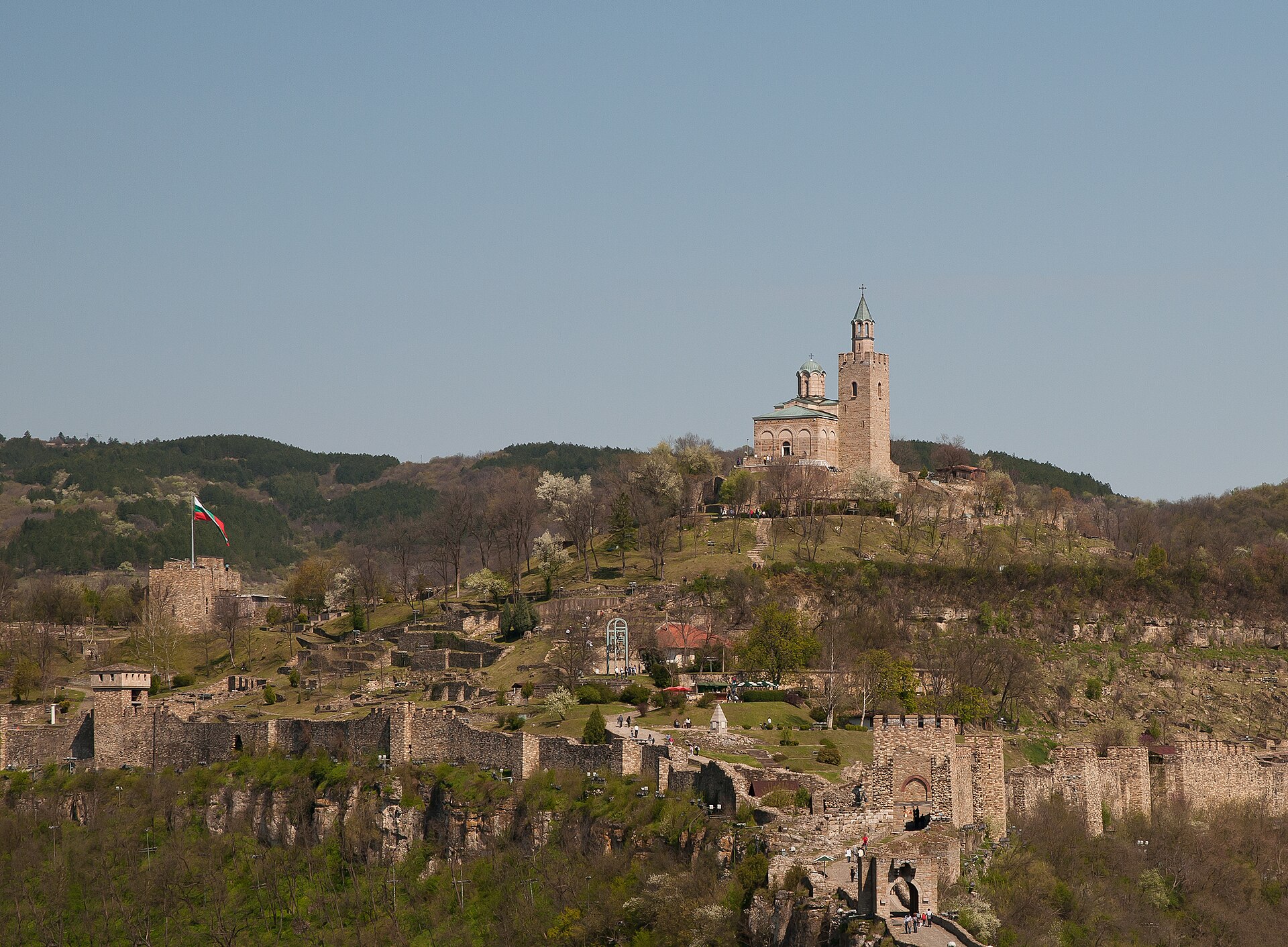
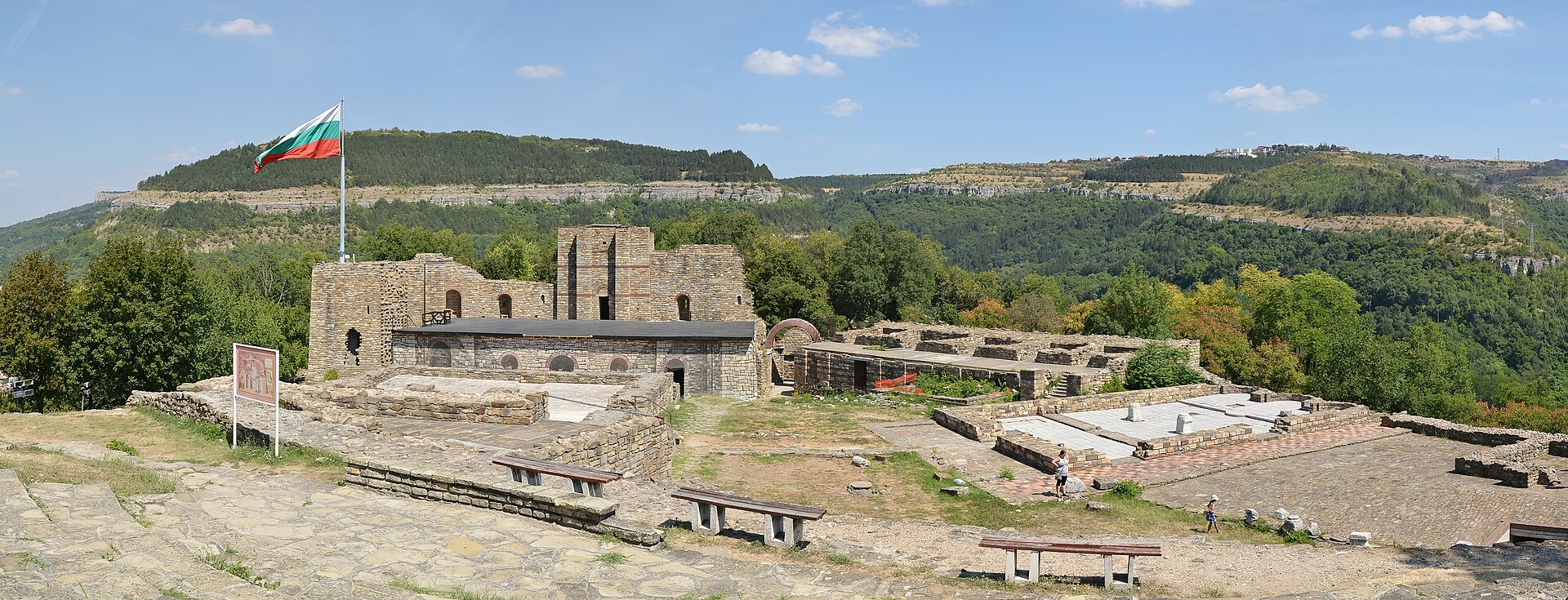
Crowning the very summit of the hill of Tsarevets stands the great cathedral, the most sacred building of the fortress and one of the most important churches in the whole medieval Bulgarian world. This was the patriarchal cathedral, the supreme seat of the Bulgarian church, for during the Second Bulgarian Empire the head of the Bulgarian church held the rank of patriarch, and his cathedral stood here at the heart of the royal fortress, its position at the highest point of the hill reflecting the exalted status of the Bulgarian church.
The union of the royal palace and the patriarchal cathedral within the single fortress of Tsarevets expressed the profound bond between church and state in the medieval Bulgarian empire, the two great pillars of the realm standing side by side on the sacred hill. The cathedral was the spiritual heart of the empire, the place where the church that gave the state its identity and its faith had its supreme seat. Rising above the walls at the summit of Tsarevets, it dominated the whole fortress and the town below, a powerful symbol of the union of earthly and heavenly authority that lay at the foundation of the Bulgarian state.
The placing of the patriarchal cathedral at the very highest point of the hill was no accident, for it expressed in the clearest possible way the exalted place of the church at the summit of the medieval Bulgarian world. Rising above even the royal palace, the cathedral proclaimed that the spiritual authority of the church stood at the very peak of the earthly and heavenly order. Its commanding position, visible from throughout the town and the surrounding country, made it a powerful symbol of the faith that lay at the heart of the empire and gave the Bulgarian state its deepest identity.

A Centre of Faith and Learning
Beyond its role as a royal and religious capital, medieval Tarnovo, with Tsarevets at its heart, became one of the great centres of learning and culture in the whole Orthodox Christian world. The city was home to a celebrated school of scholars, writers, and religious thinkers, who produced important works of literature, theology, and scholarship, and whose influence spread far beyond the borders of Bulgaria into the wider Slavic and Orthodox lands. In its golden age, Tarnovo shone as a beacon of medieval Bulgarian civilisation.
So great was the city’s prestige as a centre of Orthodox faith and culture that it came to be spoken of in the most exalted terms, and some saw in it a new great capital of the Christian world, an heir to the ancient centres of the faith. This cultural and spiritual flowering was one of the glories of the Second Bulgarian Empire, and the fortress of Tsarevets stood at its very heart, the seat of the tsars and the patriarchs who presided over this brilliant age. The memory of this greatness gives the fortress a significance for Bulgarians that goes far beyond its walls, for here was the summit of medieval Bulgarian civilisation.
The intellectual and artistic achievements of medieval Tarnovo had an influence that far outlasted the empire itself, spreading through the Orthodox and Slavic world and shaping the culture of many lands. The scholars and writers who worked here helped to preserve and develop the literary and religious traditions of their people, and their legacy endured through the difficult centuries that followed the fall of the empire. This cultural flowering is one of the proudest achievements of medieval Bulgaria, and it adds a further dimension to the significance of the fortress at its heart.
It is worth pausing to appreciate that Tsarevets was not only a place of power but of the mind and the spirit, a centre where the finest minds of the age gathered to write, to teach, and to worship. This union of political might, religious authority, and cultural brilliance is what made Tarnovo one of the truly great cities of medieval Europe, and it is why the fortress at its heart holds such a cherished place in the story of Bulgarian civilisation. The ruins on the hill are the monument to a whole vanished world of learning and faith.

Baldwin’s Tower
Among the towers of Tsarevets, one in particular is wrapped in famous history, for it recalls one of the most dramatic episodes in the story of the medieval Bulgarian empire. According to tradition, it was here that a captured foreign emperor was imprisoned, a ruler of the Latin state that the crusaders had established at Constantinople, who had been defeated and taken prisoner by the Bulgarian tsar in a great battle. The tower is named in his memory, a lasting reminder of the moment when the Bulgarian empire triumphed over one of the great powers of the age.
The story of the captured emperor, held and meeting his end in this tower on the hill of Tsarevets, is one of the most celebrated tales associated with the fortress, and it speaks of the might of the Bulgarian state at the height of its power, able to defeat and capture the ruler of a rival empire. Whatever the exact truth of the traditions surrounding the tower, it stands as a symbol of the great days of the Second Bulgarian Empire, when the tsars who ruled from Tsarevets were among the most powerful monarchs in all of southeastern Europe.
The great victory in which the foreign emperor was captured was one of the most celebrated triumphs of the Second Bulgarian Empire, a moment when the reborn Bulgarian state proved its strength against the crusader powers that had seized Constantinople. The imprisonment of so exalted a captive in a tower of Tsarevets was a powerful symbol of Bulgarian might, and it is little wonder that the episode has been remembered ever since. The tower stands today as a monument to that great age, when the tsars of Tarnovo could count emperors among their prisoners.
The Rock of Execution
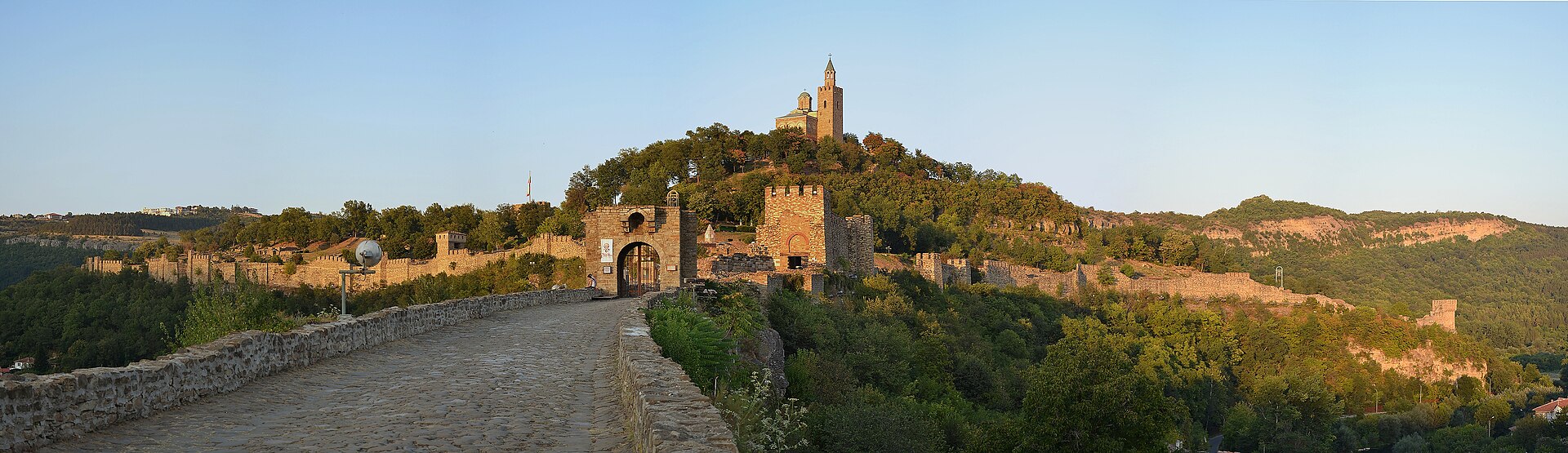
Not all the history of Tsarevets is one of glory, for the fortress has its darker legends too, among them the grim tradition of the rock of execution. According to the stories, there was a place on the hill from which those condemned as traitors to the empire were cast down to their deaths in the Yantra River far below. This dramatic and terrible custom, whether wholly historical or partly legend, speaks of the harsh justice of the medieval age and the fate that awaited those who betrayed the Bulgarian state.
Such traditions are a reminder that a great royal fortress was a place of power in all its aspects, including the power over life and death. The rock of execution has become one of the darker points of interest for visitors to Tsarevets, a place where the sterner realities of medieval rule are brought vividly to mind. It adds a note of grim drama to the history of the fortress, balancing the glory of the palace and the cathedral with a reminder of the harshness that underlay the exercise of power in the medieval world.
The darker traditions of Tsarevets, like the rock of execution, remind us that the medieval world was one of harsh realities as well as of glory and faith, and that the exercise of power carried a stern and often brutal edge. A great fortress was a place where the full authority of the state was concentrated, including its power to punish and to kill. These grimmer aspects of the fortress’s history give a fuller and more honest picture of medieval rule, and they lend the ruins an added depth and drama for the visitor who knows their stories.

The Great Siege of 1393
The golden age of Tsarevets came to a tragic end in the year 1393, when the fortress fell to the armies of the Ottoman Empire after a long and desperate siege. The Ottomans, expanding relentlessly into the Balkans, had set their sights on the Bulgarian capital, and after a siege lasting some three months, the great fortress on the hill was at last taken. The fall of Tsarevets meant the fall of the capital and effectively the end of the Second Bulgarian Empire, one of the most significant and sorrowful moments in the whole history of the Bulgarian people.
With the capture of the fortress, the medieval Bulgarian state that had flourished for two centuries came to an end, and Bulgaria passed under Ottoman rule that would last for centuries. The fall of Tsarevets in 1393 thus stands as one of the great turning points in Bulgarian history, the moment when the glory of the medieval empire was extinguished. For Bulgarians, the memory of this loss is deeply felt, and the ruins of the fortress became a powerful symbol of the vanished greatness of the medieval state and of the long night of foreign rule that followed.
The three-month siege of 1393 was a desperate and heroic defence, as the defenders of the capital held out against the overwhelming might of the Ottoman army for as long as they could. Their ultimate defeat, and the fall of the great fortress, was a catastrophe not only for the city but for the whole Bulgarian people, marking the extinction of their medieval state. The memory of that heroic and tragic last stand, and of all that was lost when the fortress fell, has echoed through Bulgarian history ever since, giving Tsarevets a profoundly emotional significance.

Centuries of Silence
After the catastrophe of 1393, the fortress of Tsarevets fell into ruin, its palace and cathedral destroyed or abandoned, its walls left to crumble on the hill above the Yantra. For centuries, through the long period of Ottoman rule, the great stronghold that had been the heart of a mighty empire lay silent and desolate, a haunting reminder of a vanished age of glory. The royal and religious capital of the medieval Bulgarians had become a field of ruins, its former splendour reduced to broken walls and buried foundations.
Yet even in ruin, Tsarevets never lost its hold on the imagination and the memory of the Bulgarian people, for it stood as the great symbol of their lost medieval empire and of the greatness they had once known. Through the long centuries of foreign rule, the ruins on the hill remained a powerful emblem of national identity and of the glorious past, and when at last Bulgaria won its freedom in the modern age, the recovery and celebration of Tsarevets became a matter of national importance. The centuries of silence would in time give way to a great rebirth.
The endurance of Tsarevets as a symbol through the long centuries of ruin and foreign rule is a testament to the deep hold that the fortress had on the Bulgarian national imagination. Even reduced to broken walls, it remained a powerful reminder of the greatness that had been lost and the freedom that was yearned for. When the movement for Bulgarian national revival gathered strength in the modern age, the memory of Tsarevets and the medieval empire it represented became a rallying point, and the eventual restoration of the fortress was an act of national reclamation.

The Fortress Reborn
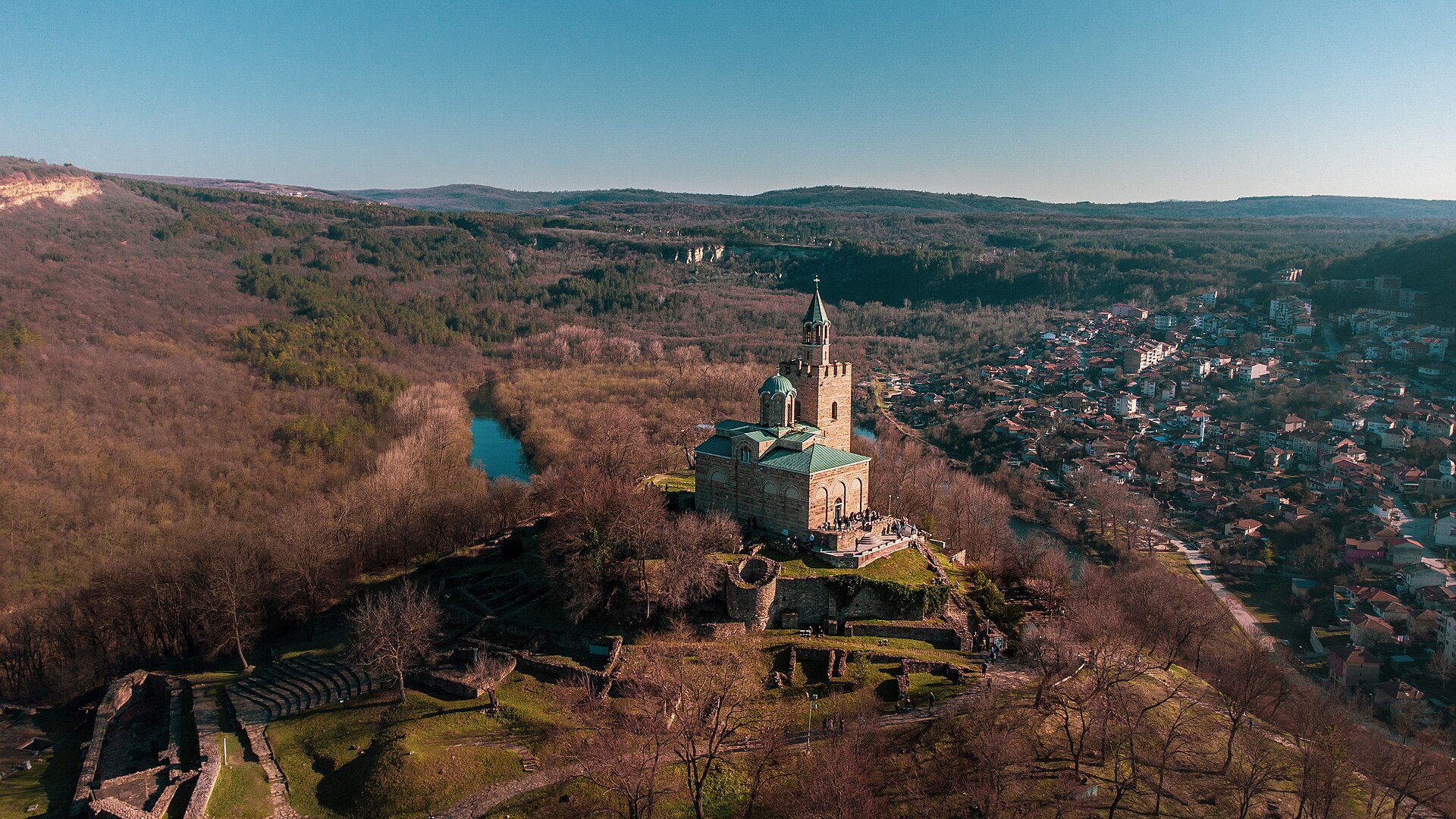
In the twentieth century, the fortress of Tsarevets was gloriously reborn, as the modern Bulgarian nation set about restoring and celebrating this greatest monument of its medieval past. Extensive archaeological work uncovered the palace, the cathedral, and the many other buildings of the fortress, and a great programme of restoration and reconstruction raised the walls and towers once more and returned the fortress to something of its former grandeur. The most striking part of this work was the rebuilding of the great cathedral at the summit of the hill.
The restored cathedral, rebuilt in the later twentieth century, is one of the most remarkable features of Tsarevets today, for while its exterior recalls the medieval church, its interior is decorated in a bold and strikingly modern style, with dramatic murals quite unlike traditional religious art. This unusual combination of the ancient and the modern makes the cathedral a fascinating and much-discussed monument, a distinctive symbol of the reborn fortress. Through the great work of restoration, Bulgaria reclaimed its most important medieval monument and gave it back to the nation and the world.
The bold decision to decorate the rebuilt cathedral in a strikingly modern style rather than a strict medieval reconstruction has made it one of the most distinctive and debated monuments in Bulgaria. Whatever one thinks of the choice, it ensures that the cathedral is no mere replica but a living monument, a meeting of the medieval and the modern that provokes thought and discussion. The rebuilt church, crowning the hill of Tsarevets, stands as a powerful symbol of the reborn fortress and of modern Bulgaria’s engagement with its medieval past.
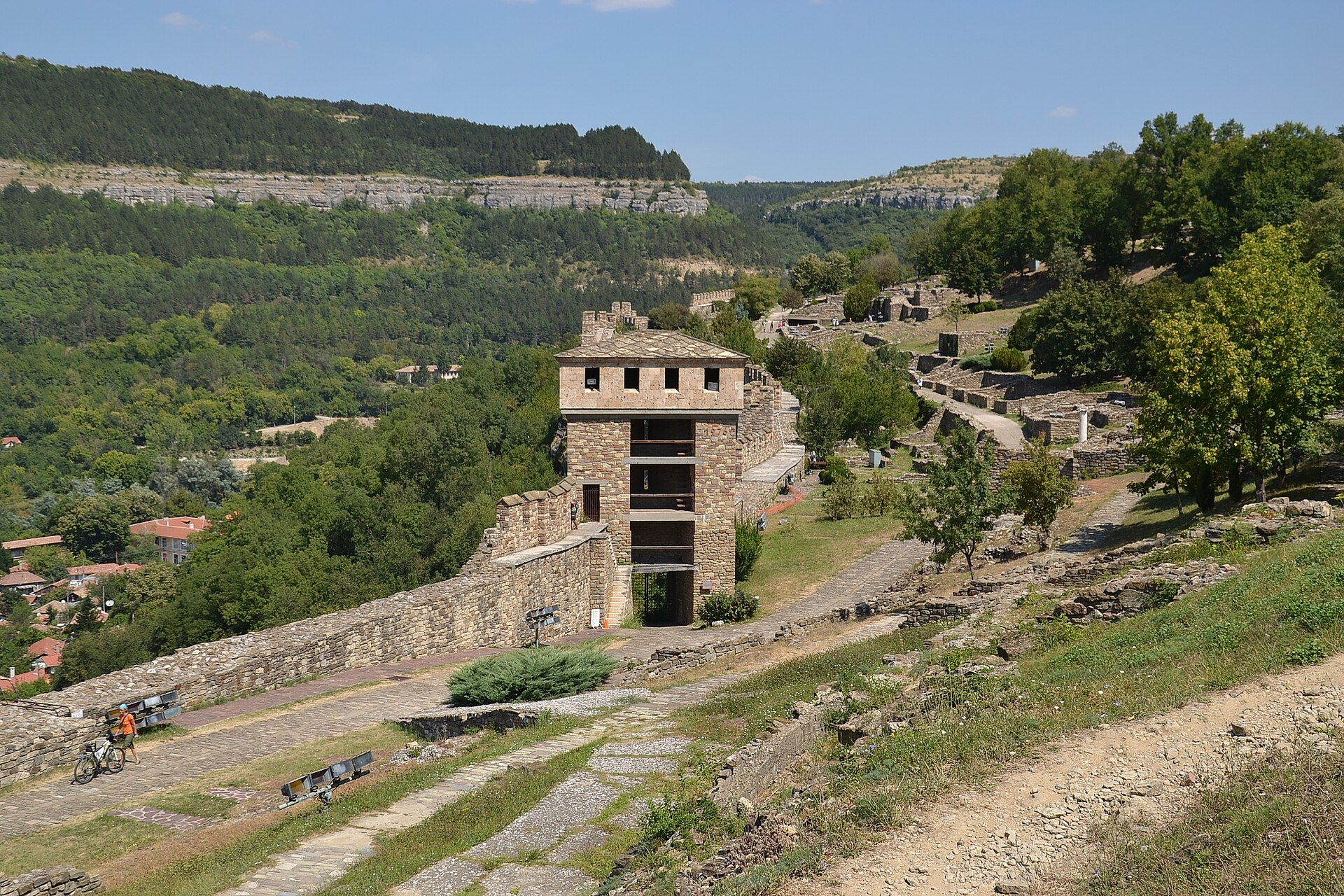
The restoration also recovered and presented the many other structures of the fortress, from the walls and gates to the churches and dwellings that once crowded the hill, giving visitors a far fuller sense of what the medieval stronghold was like in its prime. Walking the site today, you can trace the layout of a whole vanished world, a royal and religious capital brought back from centuries of ruin. This great work of recovery has made Tsarevets not only a monument to the past but a place where that past can be genuinely experienced and understood.
Sound and Light on the Hill
One of the most spectacular attractions of Tsarevets today is its famous sound and light show, a dramatic performance staged over the whole fortress and the hill on which it stands. Using lights, music, and the play of colour across the walls and towers, the show tells the story of the fortress and of Bulgarian history, bringing the ancient stronghold vividly and unforgettably to life after dark. It is a magnificent spectacle, and it has become one of the most beloved and celebrated experiences that Bulgaria has to offer.
By day, meanwhile, the fortress can be explored at leisure, its walls, towers, palace, and cathedral all open to visitors who come to walk the hill and take in its long and dramatic history. From the summit by the cathedral, magnificent views open out over the town of Veliko Tarnovo and the winding Yantra, and the whole fortress rewards exploration. Between the spectacle of the sound and light show and the pleasure of exploring the ruins by day, Tsarevets offers a rich and memorable experience, and it stands today as one of the great cultural and historical treasures of Bulgaria.
The sound and light show has become one of the signature experiences of a visit to Bulgaria, drawing visitors from across the country and beyond to witness the spectacle after dark. As the lights play across the ancient walls and the music swells, the whole dramatic history of the fortress and the nation seems to come alive on the hill, and the effect is deeply moving. It is a fitting modern tribute to so historic a place, ensuring that the story of Tsarevets is told anew to every generation in the most spectacular possible way.
Finding Tsarevets Fortress
Tsarevets Fortress lies in the town of Veliko Tarnovo, in the north-central part of Bulgaria, and it is easy to reach as the great historic centrepiece of one of the country’s most beautiful and important towns. Veliko Tarnovo is well connected within Bulgaria, and the fortress, rising on its hill at the heart of the old town, is impossible to miss. The approach through the dramatic, tiered streets of the town, with the fortress coming into view on its hill above the Yantra, is an experience in itself.
The setting could hardly be more beautiful or more historic, and a visit to Tsarevets can easily be combined with the exploration of the wider old town of Veliko Tarnovo, with its steep streets, its churches, and its many reminders of the medieval Bulgarian capital. The whole town is a treasure of Bulgarian history, and the fortress is its crowning glory. Here are the exact coordinates so you can find your way to the great fortress of the Bulgarian tsars.
View on Google Maps: 43.0817, 25.6553
Castles Nearby
If Tsarevets has drawn you into the history of the Balkan empires, two more great strongholds of the region make a fine next stop.
- Golubac Fortress in Serbia guards the Danube at the Iron Gates.
- Kamianets-Podilskyi Castle in Ukraine guards a peninsula in a dramatic river canyon.
The Fortress of the Bulgarian Tsars
Few fortresses anywhere carry so much of a nation’s history and pride as Tsarevets. Rising on its hill within the loop of the Yantra, it was the royal and religious heart of the Second Bulgarian Empire, the seat of the tsars and the patriarchs, and the summit of medieval Bulgarian civilisation. Here stood the palace and the great cathedral, here a captured emperor was held, and here, in the tragic siege of 1393, the medieval Bulgarian state met its end. In its walls the whole glory and sorrow of medieval Bulgaria is gathered together.
That is what makes a visit to Tsarevets so moving. You are not just exploring a spectacular hilltop fortress but standing at the very centre of a vanished empire, in the place that Bulgarians cherish as the heart of their medieval greatness. To climb to the cathedral at the summit, to walk the walls above the river, and to watch the sound and light show bring the ancient stronghold to life is to feel the full depth of the Bulgarian past. Gloriously reborn through restoration, Tsarevets stands once more as the proud fortress of the Bulgarian tsars, one of the great treasures of the Balkans.
If your travels ever take you to Bulgaria, a visit to Tsarevets is essential. Climb through the beautiful old town of Veliko Tarnovo to the great fortress on its hill, explore the palace and the cathedral, and gaze out over the winding Yantra from the summit. If you can, stay to see the sound and light show transform the ancient walls after dark. It is an experience of history and beauty unlike any other, and it leaves every visitor with a lasting sense of the glory and the sorrow of the medieval Bulgarian past.
You May Like
Mafra, the Palace a King Built From a Vow