Cayonu is a Pre-Pottery Neolithic settlement in southeastern Turkey where some of the world’s earliest farming, animal domestication, and organized architecture emerged nearly eleven thousand years ago. Long before pottery, writing, or metal tools existed anywhere on Earth, the people who lived on this low mound beside a tributary of the Tigris were already building rectangular houses in careful rows, cultivating wild grains toward domestication, and keeping some of the first tame sheep, goats, and pigs the world had ever seen.
Cayonu rarely appears in popular accounts of the ancient world, overshadowed by more famous Neolithic sites in the same region. Yet for archaeologists studying the origins of settled life, few places matter more. Its long, carefully excavated sequence of building levels captures, almost like time-lapse photography, the transition from small mobile groups to permanent farming villages, a change usually described as the Neolithic Revolution.
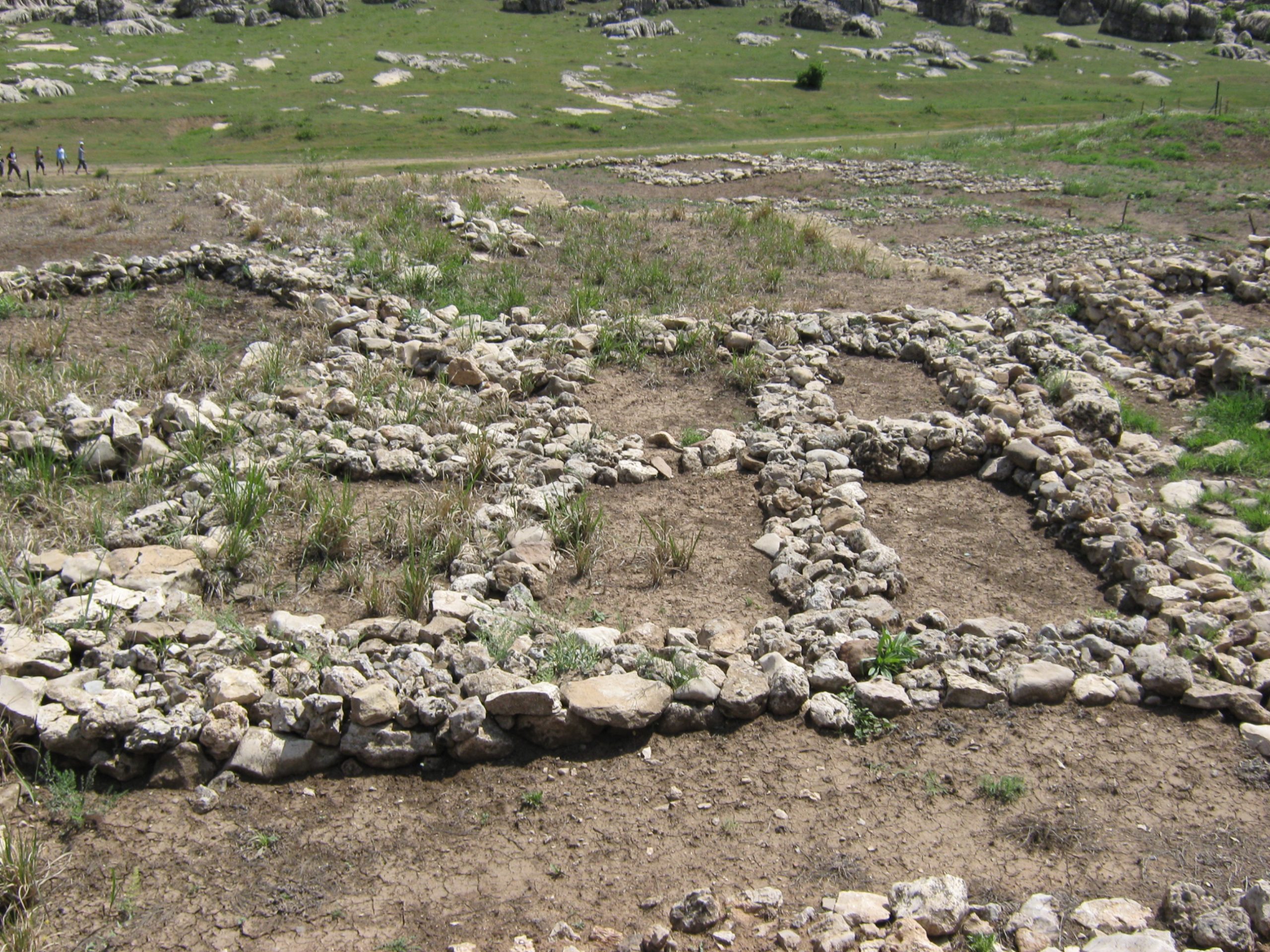
This is the story of that transition as Cayonu preserves it: the strange succession of building styles the villagers tried before settling on rectangular houses, the enigmatic skull building where the community kept its dead, the early hints of metalworking that predate the Bronze Age by thousands of years, and the long-distance trade in volcanic glass that connected this modest village to a much wider world.
Contents
- A Mound Beside the Tigris Headwaters
- Living Before Pottery Existed
- From Round Huts to Grid-Plan Houses
- The Grill-Plan and Cell-Plan Buildings
- Taming Wheat, Sheep, and Pigs
- The Skull Building and Its Dead
- Copper Before the Bronze Age
- Trading in Obsidian
- Excavating a Founding Village
- Visiting Cayonu Today
- Nearby Places to Explore
- Why Cayonu Matters
A Mound Beside the Tigris Headwaters
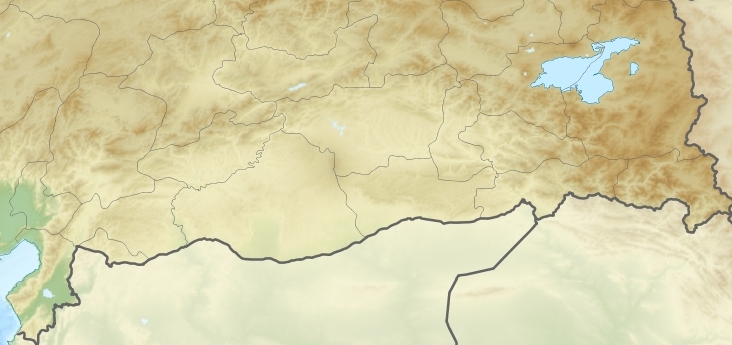
The site lies in the province of Diyarbakir in southeastern Turkey, near the town of Ergani, on a low mound beside a small stream that feeds into the upper reaches of the Tigris river system. The surrounding landscape sits at the northern edge of the Fertile Crescent, the arc of well-watered land across the Near East where agriculture first developed, and Cayonu occupies a favorable spot within it, close to hills that once supported wild cereals and wild game.
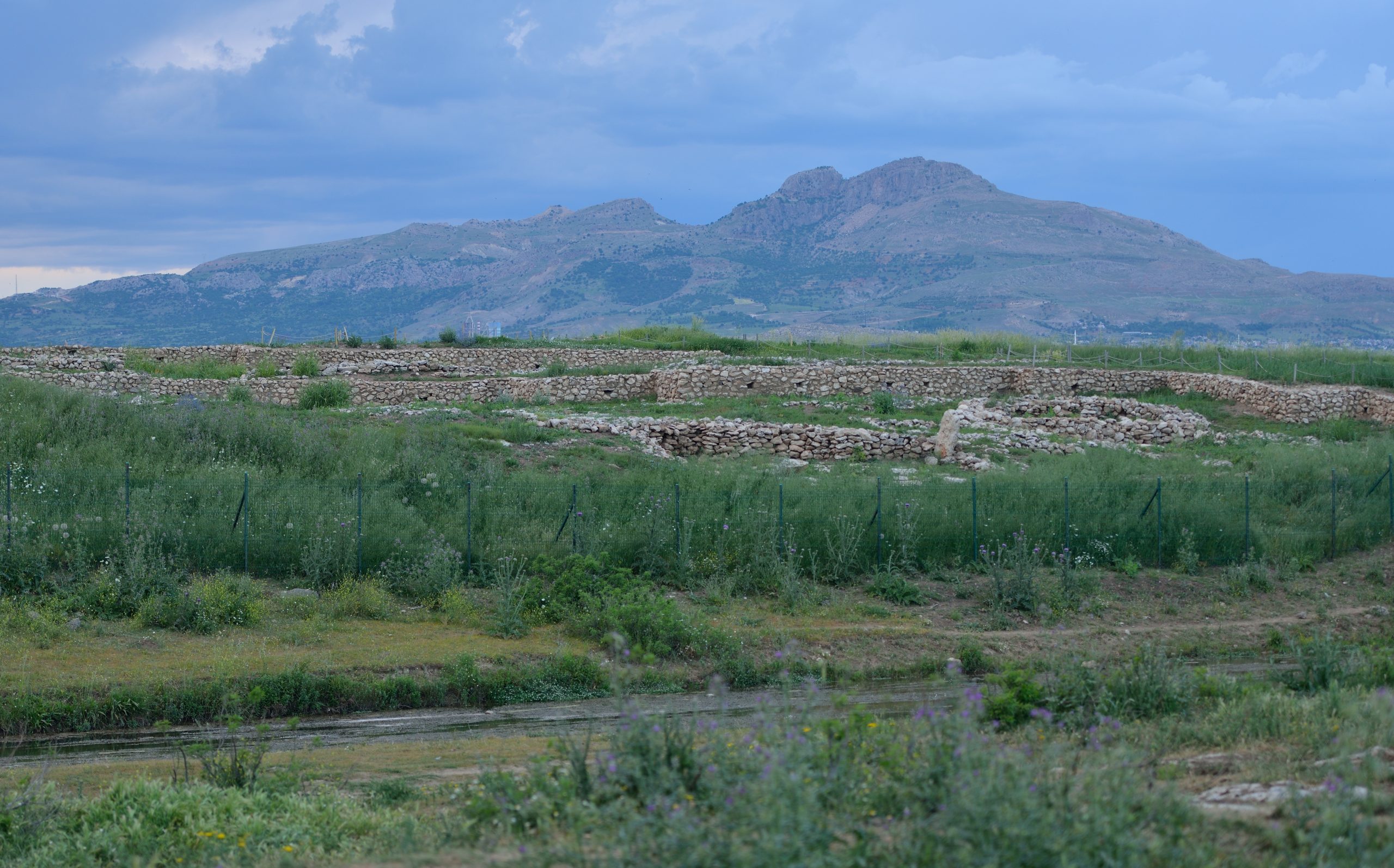
Like so many sites of its kind, Cayonu takes the form of a tell, a mound built up gradually as generation after generation constructed, dismantled, and rebuilt their houses on the same spot. Excavators have identified a long sequence of occupation levels here, spanning roughly two thousand years across the Pre-Pottery Neolithic period, an extraordinarily long run of continuous village life for a community still without pottery, metal, or writing.
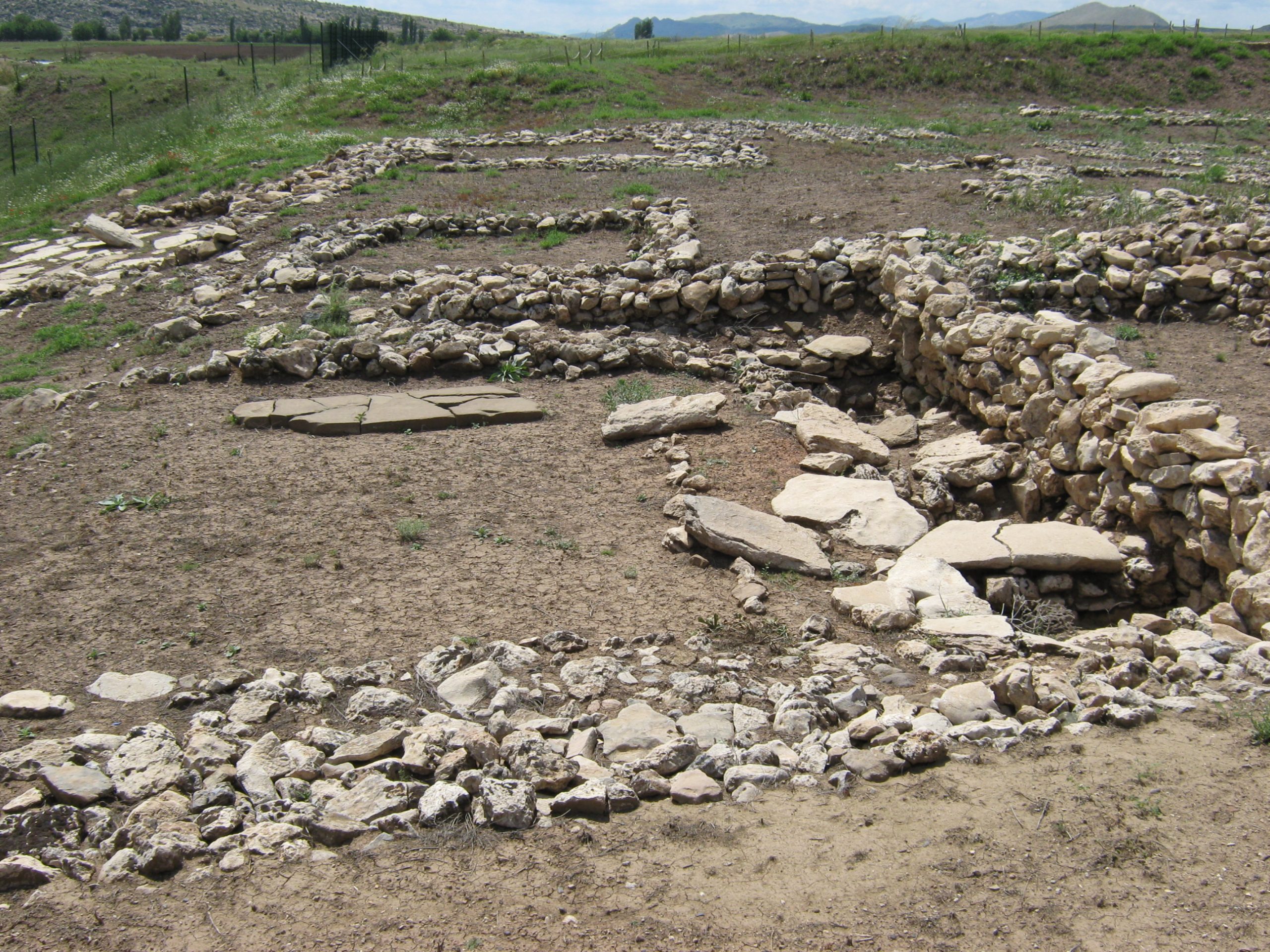
What makes the location especially significant is its position relative to other early sites of the same era. Cayonu lies within a cluster of settlements across upper Mesopotamia and southeastern Anatolia where the transition to farming first took hold, a network of villages experimenting, in roughly the same centuries, with many of the same innovations that would eventually remake human life across the planet.
Today the mound is unassuming, a gentle rise in cultivated countryside, and nothing about its outward appearance hints at the significance of what excavation has revealed beneath the surface. That contrast between modest appearance and profound historical importance is, in fact, typical of many of the world’s most consequential early village sites.
Modern visitors sometimes struggle to reconcile the modest scale of the mound with the significance attached to it, and that gap between appearance and importance is worth dwelling on. Nothing about the gentle rise of earth suggests that it holds one of the most complete architectural sequences from the very dawn of settled life, a reminder that in archaeology, the most consequential places are rarely the most visually dramatic.
Living Before Pottery Existed
Cayonu belongs to the period archaeologists call the Pre-Pottery Neolithic, the phase of early village life that came before the invention of fired clay pottery. It can be easy to forget how significant this absence is. Communities at Cayonu stored, cooked, and transported their food using baskets, skins, wooden containers, and stone vessels, all without the durable ceramic technology that later became one of archaeology’s most useful tools for dating and classification.
The Pre-Pottery Neolithic is itself divided by specialists into earlier and later phases, and Cayonu’s long occupation spans this development, allowing researchers to trace how life changed even before pottery arrived. The community’s tools were of chipped and ground stone, their ornaments were of bone and shell, and their buildings, as later sections describe, evolved through several distinct architectural styles across the centuries.
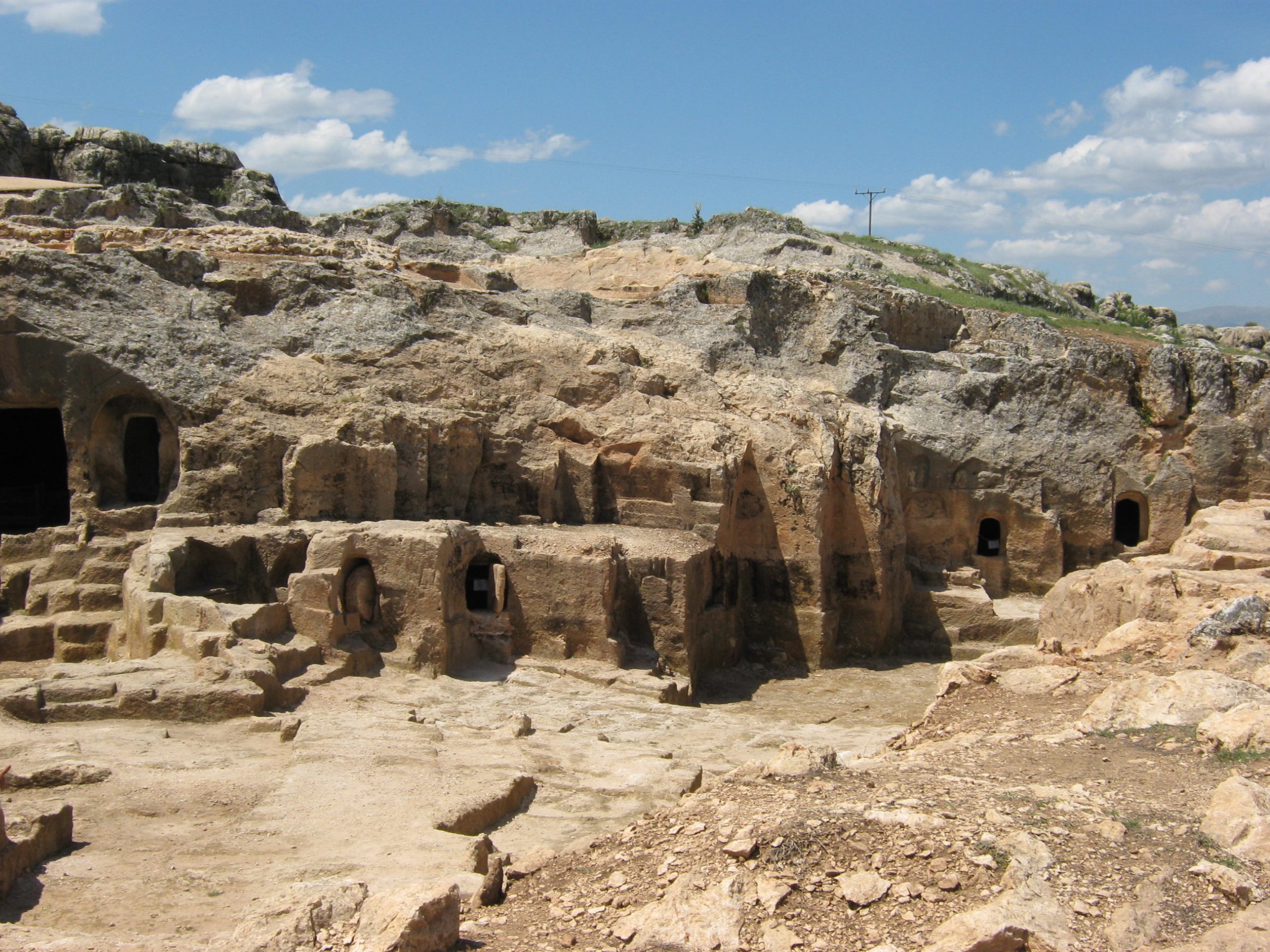
Living without pottery did not mean living simply. The excavated remains at Cayonu show a community capable of sophisticated architecture, planned building layouts, and, as later discoveries revealed, even early experiments with metal, well before the supposedly more advanced technology of fired ceramics became part of daily life. It is a useful reminder that technological history rarely proceeds in the tidy, linear order that simplified narratives suggest.
For archaeologists, the absence of pottery actually sharpens the value of a site like Cayonu, since dating and interpretation must rely on architecture, stone tools, animal bones, and plant remains rather than the pottery styles used to sequence later periods. The site has become a reference point precisely because its story had to be pieced together from these more difficult, but ultimately richer, kinds of evidence.
It is worth pausing to appreciate just how long this pre-ceramic phase lasted. Communities across the region lived without pottery for many centuries after adopting farming and permanent architecture, which shows that the familiar checklist of Neolithic inventions did not arrive as a single package. Instead, each technology, from cultivation to building to ceramics, developed and spread along its own separate timeline.
Understanding a world without ceramics also requires a certain imaginative effort from modern readers, accustomed as we are to a material culture saturated with fired clay, glass, and plastic. At Cayonu, virtually every container, tool, and ornament had to be coaxed from stone, bone, wood, or hide, a testament to the ingenuity such constraints could still produce.
From Round Huts to Grid-Plan Houses
One of the most remarkable things Cayonu preserves is a visible architectural evolution, a sequence of different house forms built one after another on the same spot as the community’s building traditions changed over the centuries. Early levels show round or oval huts of a kind common across many early Neolithic sites, modest structures suited to small, possibly still partly mobile, groups.
Over time, the settlement shifted decisively toward rectangular buildings arranged in ordered rows, a change that reflects not just a new construction technique but a new way of organizing communal space and, very likely, communal life. Rectangular houses can be added to, subdivided, and arranged in planned layouts far more easily than round ones, and their appearance at Cayonu marks a significant step toward the dense, planned villages that would become common across the Neolithic Near East.
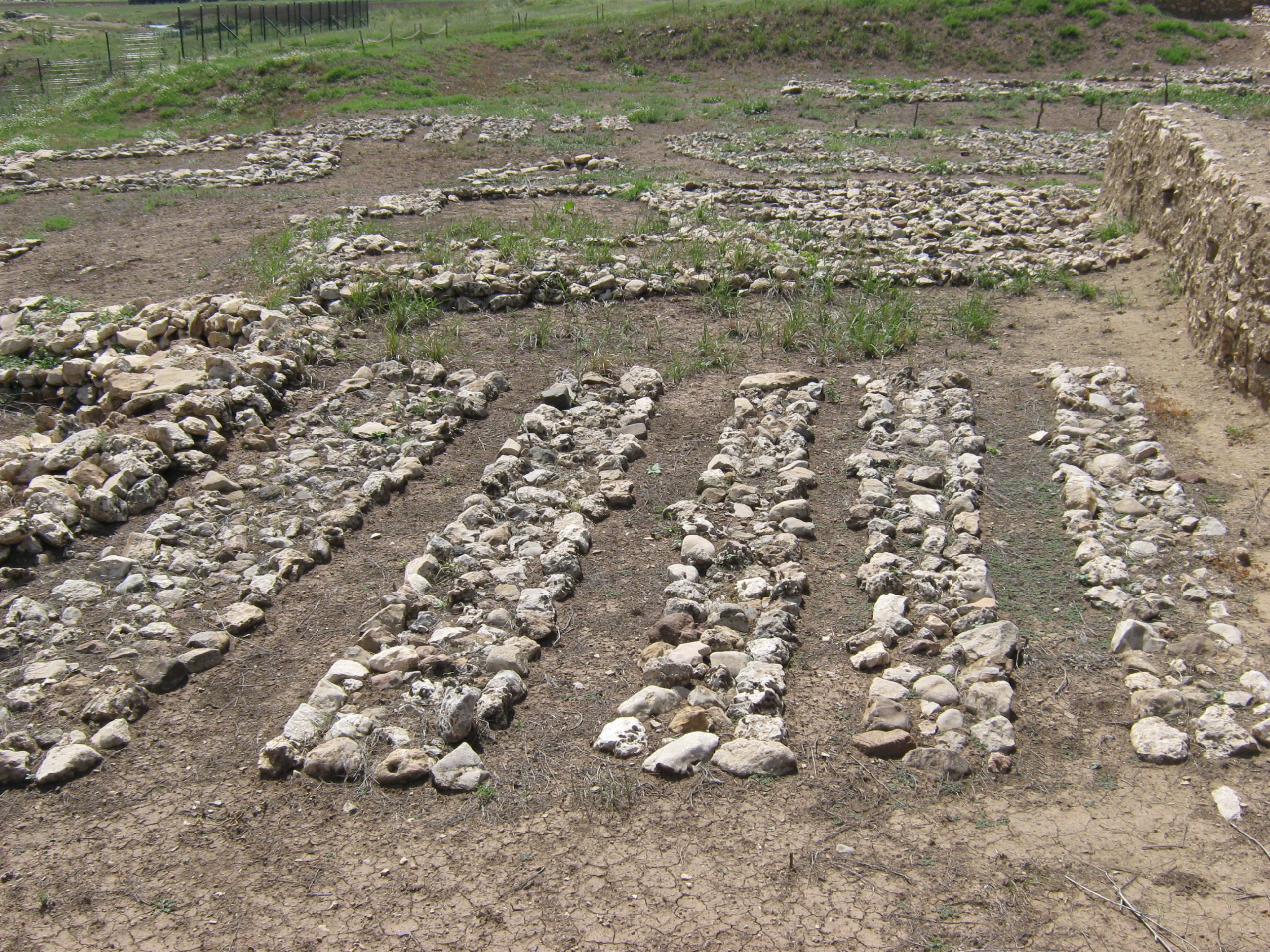
Between these two extremes, the excavators identified several transitional building types, each with its own descriptive name based on its floor plan. These transitional phases are part of what makes Cayonu so valuable, since few other sites preserve such a clear, stratified record of architectural experimentation across so many centuries in one place.
Taken together, the sequence at Cayonu offers a rare, almost step-by-step view of how early communities worked out the practical and social problems of living together in growing numbers, arriving through trial and adjustment at solutions, like the rectangular grid-plan house, that would go on to shape village architecture across the ancient Near East for millennia.
The shift in house shape likely carried social consequences well beyond construction technique. Round huts tend to stand as separate, self-contained units, while rectangular buildings can be joined wall to wall, packed into denser settlements, and subdivided internally. That change in geometry may reflect, or even have encouraged, a shift toward more interconnected, cooperative forms of community life.
The Grill-Plan and Cell-Plan Buildings
Among the distinctive building types identified at Cayonu, two have become especially well known to specialists: the grill-plan buildings and the cell-plan buildings. The grill-plan structures get their name from a foundation of closely spaced parallel stone walls, resembling the bars of a grill, which likely supported a raised wooden floor above, keeping the living space dry and insulated from the ground.
The cell-plan buildings, meanwhile, consist of small, regularly sized rooms or cells arranged together, possibly used for storage or specialized activities rather than as ordinary living spaces. Their neat, repetitive layout suggests a level of planning and perhaps communal or specialized use that goes beyond simple domestic housing, hinting at emerging complexity in how the community organized its space and its labor.
These building types did not appear at Cayonu alone. Similar grill-plan and cell-plan structures have been identified at other early Neolithic sites in the region, suggesting that these architectural solutions circulated among neighboring communities as shared technical knowledge, part of a broader Neolithic building tradition rather than a purely local invention.
For visitors and readers alike, these names can sound abstract, but the underlying achievement is concrete and impressive: communities without metal tools, wheels, or draft animals were nonetheless solving genuine engineering problems, raising foundations, managing damp ground, and creating specialized spaces for storage and activity, using nothing but stone, mudbrick, timber, and accumulated experience passed down through generations.
Reconstructing how these buildings were actually used draws on more than architecture alone. Traces of ash, tools left in place, and the distribution of animal bones and plant remains across different rooms all help archaeologists infer which spaces were used for cooking, storage, sleeping, or specialized work, slowly turning bare foundations back into something resembling a lived-in village.
Taming Wheat, Sheep, and Pigs
Cayonu sits within the broader story of one of the most important transformations in human history: the shift from hunting and gathering to farming. Analysis of plant remains and animal bones from the site shows a community in the midst of this transition, still exploiting wild resources but increasingly managing and eventually domesticating some of them.
Wild cereals related to wheat were present in the surrounding landscape, and the inhabitants of Cayonu, like their neighbors across the region, appear to have been part of the long, gradual process by which such plants were selected, cultivated, and eventually transformed into the domesticated crops that would underpin settled agriculture. This was not a single invention but a slow accumulation of small choices repeated across many generations and many villages.
Animal remains tell a similarly revealing story. Cayonu has produced some of the significant early evidence for the domestication of animals in the region, with changes in the size and characteristics of sheep, goat, and especially pig bones over the site’s long sequence suggesting a shift from hunting wild animals toward managing and breeding tamed populations. Few sites offer such a clear window onto this pivotal moment in animal domestication.
Taken together, the plant and animal evidence place Cayonu among the constellation of early sites, spread across the northern arc of the Fertile Crescent, where the foundations of agriculture were laid. It was not the only such place, and it did not act alone, but its long, well-documented sequence makes it one of the clearest single windows we have onto how farming life actually took shape on the ground.
None of this happened quickly or deliberately in the way a modern reader might imagine an invention being announced. The shift toward domestication likely unfolded across many human lifetimes, through countless small decisions about which seeds to plant, which animals to keep, and which to eat, with no single generation fully aware of the transformation their choices were setting in motion.
The Skull Building and Its Dead
Among the most striking discoveries at Cayonu is the so-called skull building, a special structure that stood apart from the ordinary houses of the village and appears to have served a ritual or communal function connected to death and memory. Within and around it, excavators found a large number of human skulls and other human remains, deliberately collected and, in some cases, arranged.
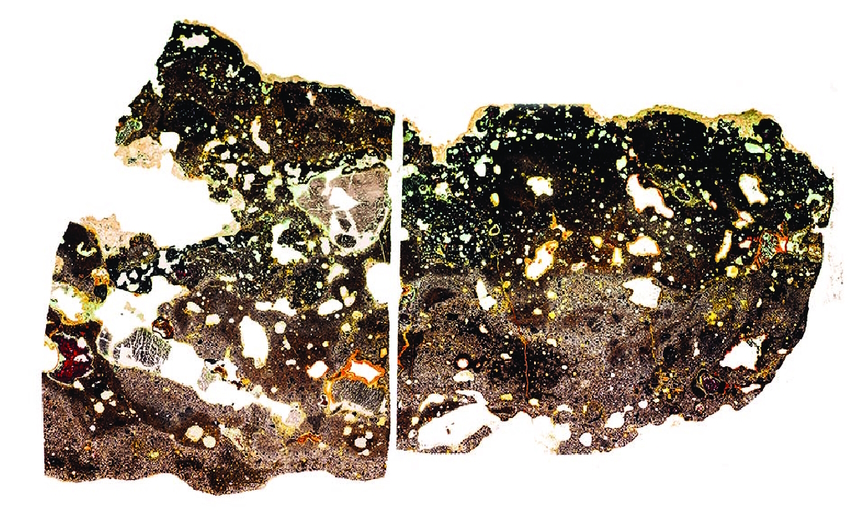
The building went through several phases of use and rebuilding, and beneath its floors, excavators also found evidence interpreted by some researchers as involving both human and animal remains in contexts suggesting ritual activity, one of several difficult and debated pieces of evidence from the structure that have generated ongoing scholarly discussion about its precise significance.
Whatever their exact meaning, the practices associated with the skull building point to a community with an organized, sustained relationship to its dead, one that involved a dedicated space, repeated visits, and the deliberate curation of human remains over a long period. Such practices appear at other early Neolithic sites in the region as well, suggesting a shared set of beliefs about ancestry, memory, or the dead that spread across the early farming communities of the area.
The skull building remains one of the most evocative and least fully explained features of Cayonu, a reminder that alongside the practical innovations in architecture and farming, the community also developed a rich symbolic and ritual life whose precise meaning may always remain partly out of reach, described from the outside more easily than understood from within.
Comparable special buildings devoted to the dead or to communal ritual appear at other early sites in the region, suggesting that Neolithic communities across a wide area shared certain religious or symbolic concerns even as their everyday architecture and subsistence strategies varied. The skull building at Cayonu is one clear, well-documented example of that broader and still only partly understood spiritual world.
Copper Before the Bronze Age
One of the most surprising discoveries at Cayonu concerns metal. Long before the Bronze Age, and even before more widespread copper use elsewhere, the inhabitants of this village were experimenting with native copper, the metal found in a naturally occurring, workable state rather than smelted from ore. Small copper objects and evidence of cold-working the metal by hammering have been recovered from the site’s Pre-Pottery Neolithic levels.
This matters because it pushes the story of human metal use back into a period usually associated only with stone tools. The copper worked at Cayonu was not smelted in furnaces or alloyed into bronze; it was shaped by hammering naturally occurring metal, a modest but genuine first step on the long road that would eventually lead to full metallurgy thousands of years later.
Finding this kind of early metalworking at a farming village, alongside evidence for domestication and architectural innovation, reinforces a broader point about the Neolithic period: it was an age of experimentation across many fields at once, not simply a story about crops and animals. The people of Cayonu were tinkering with materials of every kind available to them, and metal was one of the many things that caught their attention.
Specialists studying the origins of metallurgy regard sites like Cayonu as essential evidence for the earliest, most tentative phase of human engagement with metal, long before smelting technology made copper and later bronze widely available. It is a small but telling chapter in the much longer history of metal that would eventually transform warfare, tools, and trade across the ancient world.
It is tempting to imagine a Cayonu smith consciously anticipating the Bronze Age, but the reality was almost certainly far more modest and exploratory. A community member noticed an unusual, malleable stone, perhaps beautiful in color, and worked it by hand into an ornament or small tool. That simple act of curiosity, repeated and refined, was itself the seed of an entire technological era still thousands of years in the future.
Trading in Obsidian
Villages like Cayonu were not isolated. Among the objects recovered from the site is obsidian, a volcanic glass prized in the ancient Near East for its ability to be worked into extremely sharp blades and tools. The nearest sources of obsidian lay a considerable distance away, in the volcanic regions of central and eastern Anatolia, meaning that the material at Cayonu had traveled far to reach the village.
The presence of this imported obsidian shows that Cayonu participated in exchange networks that stretched well beyond its immediate valley, connecting early farming communities across a wide swath of the Near East. Such networks likely carried not only raw materials like obsidian but also ideas, building techniques, domesticated plants and animals, and perhaps even people, moving between villages that shared similar ways of life.
Tracing the sources of obsidian through modern scientific analysis allows researchers to map these ancient exchange routes with real precision, matching the chemical signature of stone tools to specific volcanic outcrops hundreds of kilometers away. The picture that emerges is of a Neolithic world far more interconnected than the modest size of individual villages like Cayonu might suggest.
This exchange in raw materials also hints at emerging specialization and social complexity. Communities able to access and distribute a valued resource like obsidian may have gained influence or status through that role, an early glimpse of the economic relationships between settlements that would become steadily more elaborate as Near Eastern societies grew larger and more complex in the millennia that followed.
Long-distance exchange in obsidian also implies some shared understanding between communities, whether through direct travel, chains of intermediaries, or periodic gatherings where goods changed hands. However it worked in practice, the presence of obsidian at Cayonu is concrete proof that this small farming village was never truly cut off from the wider Neolithic world developing around it.
Excavating a Founding Village
Cayonu was investigated through a long-running program of archaeological excavation conducted over several decades by international teams working in careful stratigraphic detail. The patient, methodical nature of that work is precisely what allowed the site’s long architectural sequence, from round huts through grill-plan and cell-plan buildings to rectangular houses, to be identified and understood.
Excavating a Pre-Pottery Neolithic site presents particular challenges, since the usual dating tool of pottery styles is unavailable for the earliest levels. Researchers instead relied on radiocarbon dating of organic remains, careful analysis of stone tools, and painstaking attention to the sequence of building levels to construct a reliable chronology for the site’s long occupation.
The excavation also required close collaboration between archaeologists and specialists in other fields, including botanists studying ancient plant remains, zoologists analyzing animal bones, and metallurgical specialists examining the early copper finds. This interdisciplinary approach became something of a model for how Neolithic sites are studied today, reflecting the recognition that understanding the origins of farming requires expertise well beyond traditional excavation alone.
The results of this long research program have made Cayonu one of the standard reference sites cited in any serious account of the origins of agriculture, architecture, and metallurgy in the Near East, its name appearing regularly in academic literature even though it remains little known to the wider public.
Publishing and interpreting the results of such long-running excavations is itself a multigenerational undertaking, with successive teams of researchers building on earlier work, refining interpretations, and occasionally revising earlier conclusions as new techniques become available. The picture of Cayonu available today is the product of this cumulative, evolving scholarship rather than any single dig season.
Visiting Cayonu Today
Visiting Cayonu today requires more effort and more imagination than visiting a site with standing monuments. The location near Ergani in Diyarbakir province is accessible, but the mound itself presents a low, low-lying profile rather than dramatic ruins, and much of what once stood on the site has been documented and, in some cases, reburied for its protection after excavation, as is common archaeological practice.
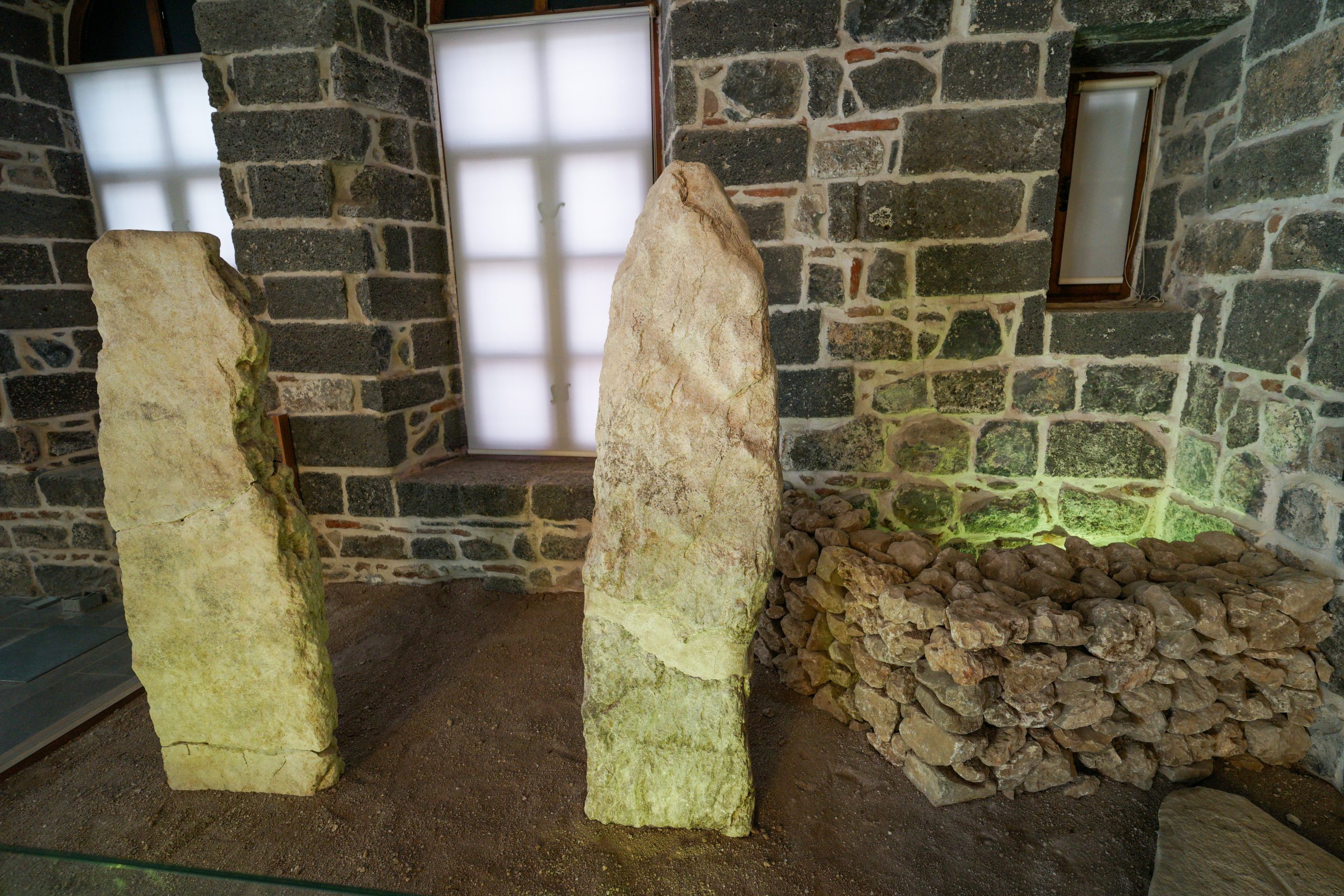
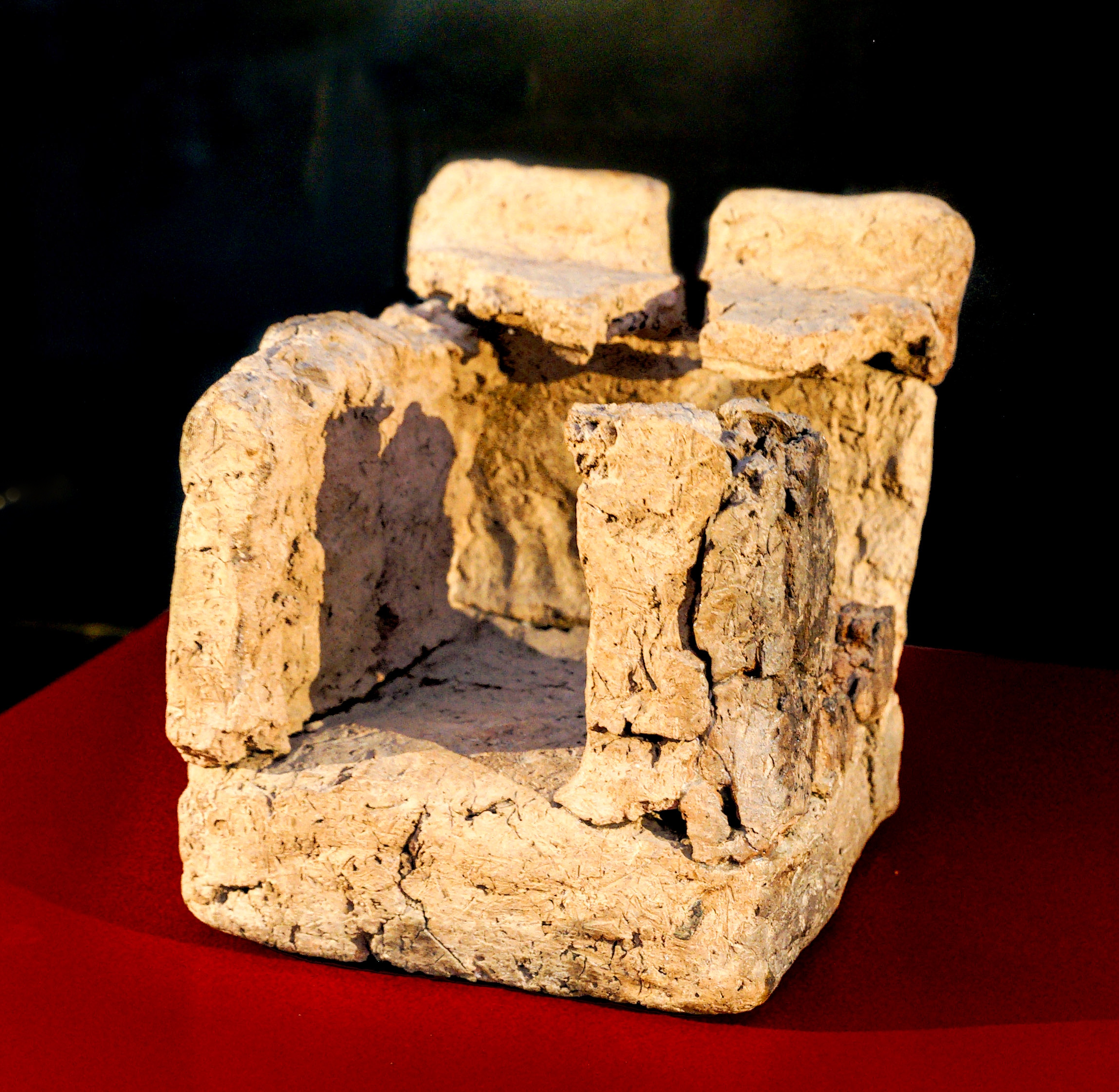
For visitors interested in the site’s discoveries rather than dramatic ruins, the Diyarbakir Archaeology Museum is an essential complement to any visit, displaying artifacts recovered from Cayonu alongside material from other sites in the region, including the standing stones and model house that give a tangible sense of the community’s daily life and beliefs.
Approaching Cayonu rewards those who come prepared with background knowledge, since the significance of the place lies almost entirely beneath the surface and in the story that excavation has recovered rather than in what meets the eye. A visitor who understands the long architectural sequence, the skull building, and the early metalworking will see far more in the quiet mound than one who arrives without that context.
In this sense, Cayonu is a site that asks to be understood before it is seen, a place whose true monument is not a standing wall or a colossal statue but a patiently reconstructed sequence of human choices, stretching across two thousand years, that helped set humanity on the path toward farming, architecture, and eventually the more familiar shape of settled civilization.
None of this diminishes the value of the trip for a curious traveler. Quite the opposite: understanding that farming, permanent architecture, organized ritual, and even the first tentative steps toward metallurgy all converged on this single unassuming mound gives the visit a weight that few more famous ruins can match, however much less impressive the physical remains may first appear.
Nearby Places to Explore
Southeastern Turkey and the surrounding region hold some of the world’s most important early sites, and several make natural companions to a visit centered on Cayonu and its Neolithic story.
- Arslantepe — a mound on the upper Euphrates that preserves some of the earliest evidence for organized states, following many centuries after villages like Cayonu laid the groundwork for settled life.
- Alalakh — a Bronze Age city near Antakya whose archives and royal statue show how the region’s early farming communities eventually gave rise to literate kingdoms.
- Hattusa — the mountain capital of the Hittite empire, a later Anatolian superpower built on foundations laid by early farming villages such as Cayonu.
Together these sites trace a single connected story across many thousands of years, from the first farming villages of the Neolithic through the early states of the Bronze Age to the great empires of the Iron Age, all within a relatively compact stretch of Anatolia and northern Syria.
Why Cayonu Matters
Cayonu rarely draws crowds, and it offers no dramatic skyline or colossal statue to photograph. What it offers instead is something arguably more valuable: a clear, patiently excavated record of the very transition that made later history possible, the shift from small mobile groups to settled farming communities capable of building, planning, and eventually inventing metal tools and long-distance trade.
Standing on this quiet mound in southeastern Turkey, it is worth remembering that the great cities, empires, and monuments celebrated elsewhere in this series all rest, ultimately, on the foundations first laid by villages like this one. Cayonu’s rectangular houses, its skull building, its early copper, and its imported obsidian are modest by the standards of later civilizations, but they represent some of the first steps on the long road that led to everything that came after.
In the end, the true monument at Cayonu is not made of stone or metal at all, but of an idea: that a settled, planned, cooperative way of life was possible, workable, and worth pursuing. Everything that followed in the long history of the Near East, from the first cities to the great empires, rests in some measure on the patient, largely anonymous experimentation carried out on this quiet mound so many thousands of years ago.


One thought on “Cayonu: The Neolithic Village Where Farming Life Began”