Alalakh, the Bronze Age city at Tell Atchana near Antakya in southern Turkey, has yielded royal archives, a king’s inscribed statue, and Aegean-style frescoes over three thousand years old. To a casual passerby it looks like little more than a swell in the land, the kind of gentle rise that farmers have plowed around for generations. But this mound, known today as Tell Atchana, is one of the most important archaeological sites in the region, for beneath its grassy surface lie the remains of the ancient city of Alalakh, a royal capital that flourished during the Bronze Age at the meeting point of some of the greatest powers of the age.
Alalakh was never as famous as Troy or as monumental as Hattusa, and it has no towering ruins to draw the eye. Yet the city has given historians something arguably more valuable than spectacle: a rich archive of clay tablets, a remarkable royal statue that tells its own story, and a deep sequence of building levels that lets archaeologists trace the life of a single place across many centuries. Alalakh is a city that speaks, and what it says illuminates a whole world of Bronze Age diplomacy, trade, and art.
Its location was the source of both its wealth and its vulnerability. Sitting in the plain of the Orontes near the routes that linked Anatolia, Syria, and the Mediterranean coast, Alalakh lay squarely in the path of empires. Kings of Yamhad, of Mitanni, and of the Hittites all cast their shadow over the city, and its history is in large part the story of a middling kingdom trying to survive among giants. This is the tale of that city, the people who ruled it, and the extraordinary records they left behind.
Contents
- A Mound in the Plain of Antioch
- A City on the Road Between Empires
- The Layered Life of Tell Atchana
- The Runaway King Who Told His Own Story
- Palaces, Frescoes, and a Taste for the Aegean
- The Archives That Made a Kingdom Legible
- Caught Between Yamhad, Mitanni, and the Hittites
- How the City Fell Quiet
- Rediscovery and Modern Excavation
- Visiting Alalakh Today
- Nearby Places to Explore
- Why Alalakh Matters
A Mound in the Plain of Antioch
The mound of Tell Atchana sits in the Amuq plain, the broad and fertile lowland watered by the Orontes river and its tributaries in what is now Turkey’s Hatay province. This was rich agricultural country in antiquity, well suited to supporting a substantial population, and it lay along natural corridors of movement between the Anatolian plateau to the north, the Syrian interior to the east, and the Mediterranean to the west.
A tell, or settlement mound, forms when people live in the same place for a very long time, building in mudbrick, tearing down and rebuilding on the rubble of what came before, so that the ground level slowly rises over the centuries. Tell Atchana is a classic example, its modest height concealing a deep stack of superimposed cities, each one built on the flattened remains of its predecessor.
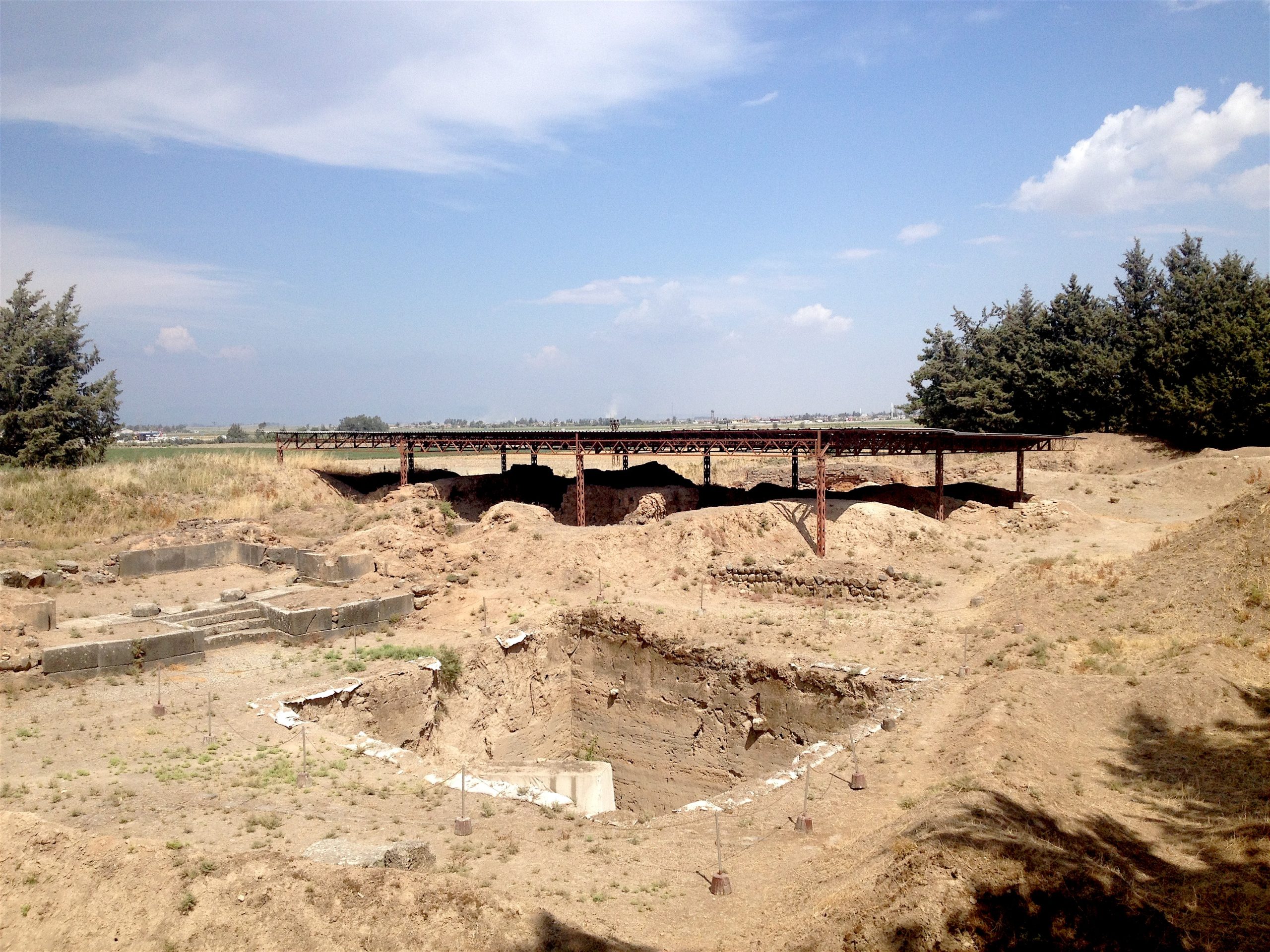
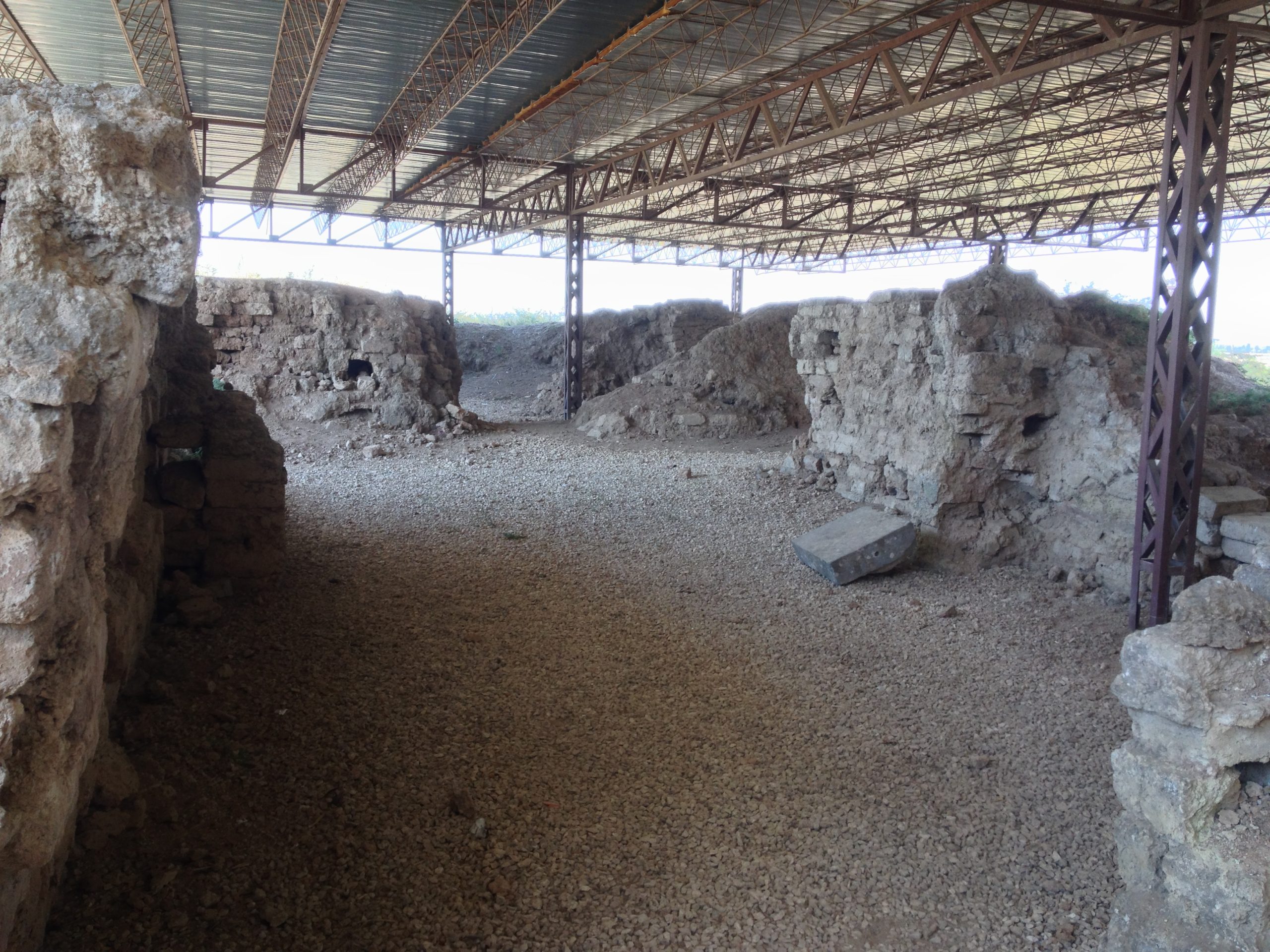
To the archaeologist, this layering is a gift. By digging down through the levels, excavators can read the history of the site like the pages of a book, from the most recent city at the top to the earliest settlement at the bottom. Each level preserves the buildings, objects, and sometimes the destruction debris of its period, allowing the long life of Alalakh to be reconstructed phase by phase.
The site does not overwhelm the visitor with grandeur, and that is part of its character. Alalakh is a place for the imagination as much as the eye, where low mudbrick walls and excavation trenches mark out palaces and temples that must be pictured rather than simply seen. Its importance lies less in what stands above ground than in what its patient excavation has revealed about a pivotal age.
There is a quiet lesson in the modesty of the mound. So much of what we know about the ancient world comes not from grand monuments but from places like this, unremarkable to look at yet crammed with information for anyone patient enough to dig and read. Alalakh teaches the visitor to value substance over spectacle, and to see a low rise in a plowed field as the compressed record of centuries.
A City on the Road Between Empires
Everything about Alalakh’s history flows from its position. The city sat near the point where routes from the Anatolian highlands descended toward the Syrian plains and the sea, making it a natural node for trade and a natural prize for any power seeking to control the flow of goods and armies through the region. Timber, metals, textiles, and luxury goods all moved along these roads, and a city astride them could grow rich.
That same centrality made Alalakh a frontier city in the political sense, sitting on the shifting boundaries between the great kingdoms of the second millennium before the common era. Its rulers were rarely fully independent; more often they were vassals or junior partners of a greater king, holding their throne at the pleasure of an overlord whose power dwarfed their own. The art of survival for an Alalakh king was the art of choosing the right master.
This in-between status is exactly what makes the city so illuminating. Great capitals tend to record their own triumphs; a middling city on a frontier records the realities of the wider system, the treaties and tributes and shifting allegiances that actually held the Bronze Age world together. Alalakh gives us a worm’s-eye view of high politics, seen from the level of a kingdom that had to navigate rather than command.
The connections ran in every direction. Alalakh’s material culture shows links with the Syrian world to which it belonged, with the Anatolian powers to the north, with Mesopotamian traditions of writing and law, and, strikingly, with the Aegean world across the sea. Few sites so vividly capture the interconnectedness of the eastern Mediterranean in the age before the great collapse at the end of the Bronze Age.
The city’s brokered survival also complicates the simple picture of conquest that dominates many ancient narratives. Alalakh reminds us that between the famous battles and the fall of great capitals lay a vast middle ground of vassalage, negotiation, and coexistence, where most people actually lived. Its documents preserve that ordinary machinery of power far better than the triumphal boasts of the great kings do.
The Layered Life of Tell Atchana
Excavation has revealed a long sequence of building levels at Tell Atchana, numbered from the top down, tracing the city through much of the second millennium before the common era and with earlier occupation reaching back further still. The two levels that have drawn the most attention are the ones that preserved the great palaces and the tablet archives, which have become the anchor points for understanding the whole site.
In these levels archaeologists uncovered substantial palaces, temples rebuilt again and again on the same sacred spot, city fortifications, and the ordinary houses of the people. The rebuilding of the temple across many successive levels is especially telling, showing a continuity of religious life on a single hallowed location across centuries of political change above it.
Each level tells its own story of prosperity or crisis. Some show flourishing construction and wealth; others end in burning and destruction, the char and collapse marking a moment when the city was sacked or fell in war. Reading these transitions, excavators can trace the rhythm of Alalakh’s fortunes, its periods of confidence and its moments of catastrophe, written in mudbrick and ash.
This depth of stratified evidence is what makes Alalakh so valuable for dating and for understanding change over time. Because the levels are stacked in clear order, objects and building styles can be placed in sequence, and the site has become a key reference point for the chronology and material culture of the northern Levant during the Bronze Age.
The temple sequence in particular offers a rare chance to watch continuity and change unfold together. As dynasties shifted and overlords came and went in the levels around it, the sacred spot was maintained and rebuilt, generation after generation, on the same footprint. Religion, it seems, could outlast politics, anchoring the community’s sense of place even as the wider world turned over above it.
The Runaway King Who Told His Own Story
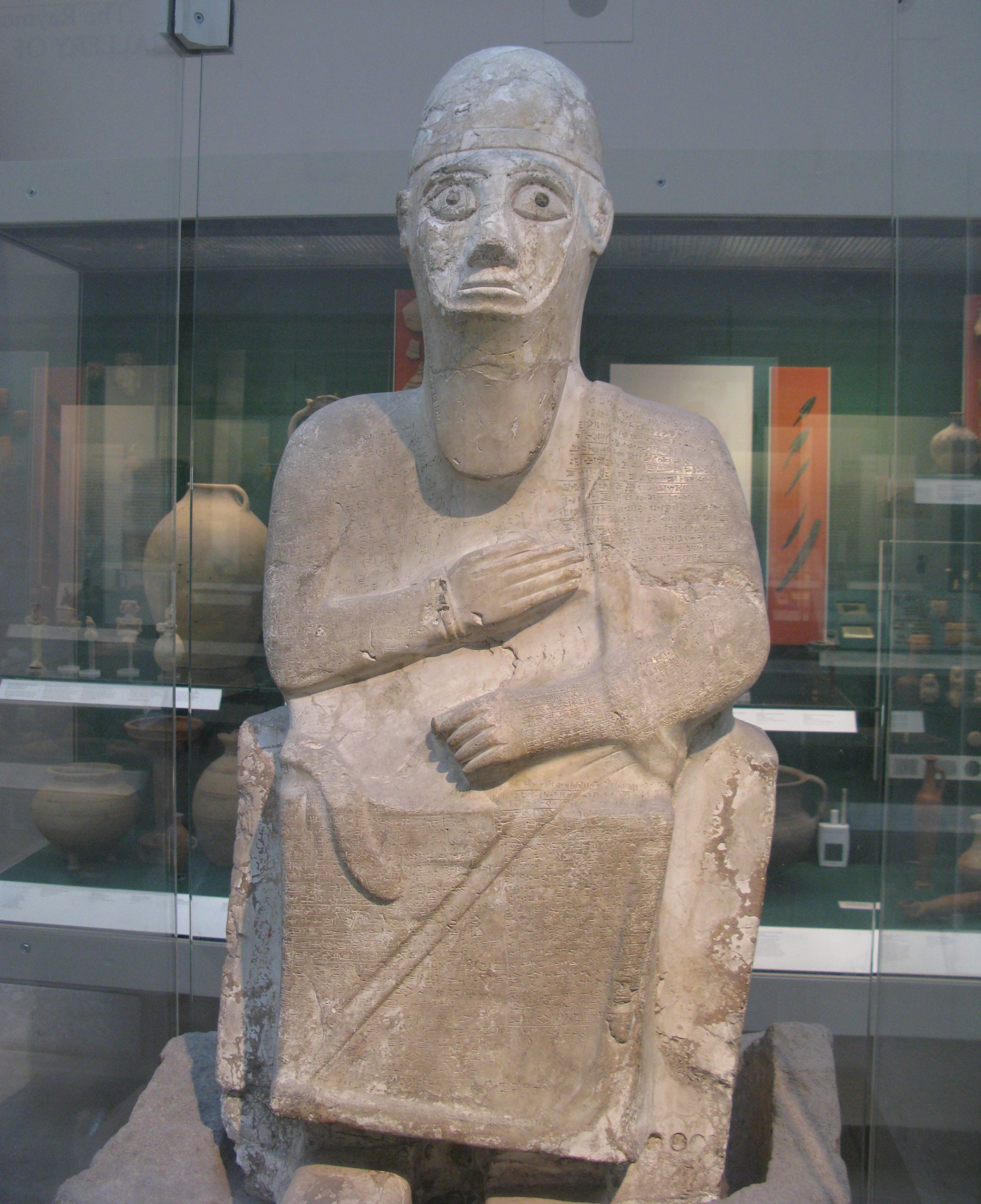
The single most celebrated find from Alalakh is a statue of a seated king named Idrimi, carved in stone and covered almost entirely with a long cuneiform inscription. What makes it extraordinary is that the inscription is written in the first person, as if the king himself is speaking, telling the story of his life in a way almost unique in the ancient Near East.
The tale Idrimi tells is a dramatic one of misfortune and recovery. According to the inscription, he was forced to flee after trouble struck his family’s royal house, living for a time in exile among other peoples, gathering support, and eventually returning by sea and land to reclaim a throne and establish himself as king of Alalakh. Whether every detail is literally true or polished for effect, it is a vivid piece of royal self-presentation, a king narrating his own rise from exile to power.
The statue and its text have become emblematic of the site. They give Alalakh a human voice, a named individual with a story, in a way that most Bronze Age cities cannot offer. Idrimi steps out of the anonymous mass of ancient rulers as a personality, a man who claims to have overcome adversity, and his statue lets modern audiences meet him across more than three thousand years.
The inscription is also historically precious. It names places, peoples, and political relationships, sheds light on the wider world of the period, and links Alalakh into the network of kingdoms around it. For historians it is both a literary curiosity and a documentary source, a rare case where a single object carries a substantial narrative from a ruler’s own perspective.
Scholars still debate how much of Idrimi’s autobiography reflects real events and how much is shaped to justify his rule, but that debate is itself revealing. A king who felt the need to explain and legitimize his path to the throne tells us something about the precariousness of power in his world. The statue is as much a political argument as a memoir, carved to persuade as well as to commemorate.
Palaces, Frescoes, and a Taste for the Aegean
The palaces of Alalakh were the seats of its kings and the administrative hearts of the city, and their excavation revealed not only architecture but art. Fragments of painted wall plaster, or frescoes, were found in the palace levels, and their style has attracted particular interest because it echoes the painting traditions of the Aegean world, especially the vivid frescoes known from the Minoan culture of Crete and the wider Bronze Age Mediterranean.
This Aegean connection is one of the most intriguing threads in Alalakh’s story. It suggests that artistic ideas, and perhaps artists themselves, moved across the eastern Mediterranean, carrying techniques and motifs from the islands and coasts of the Aegean to inland Syrian courts. A palace at Alalakh decorated in a manner reminiscent of Crete is a striking illustration of just how connected this world was.
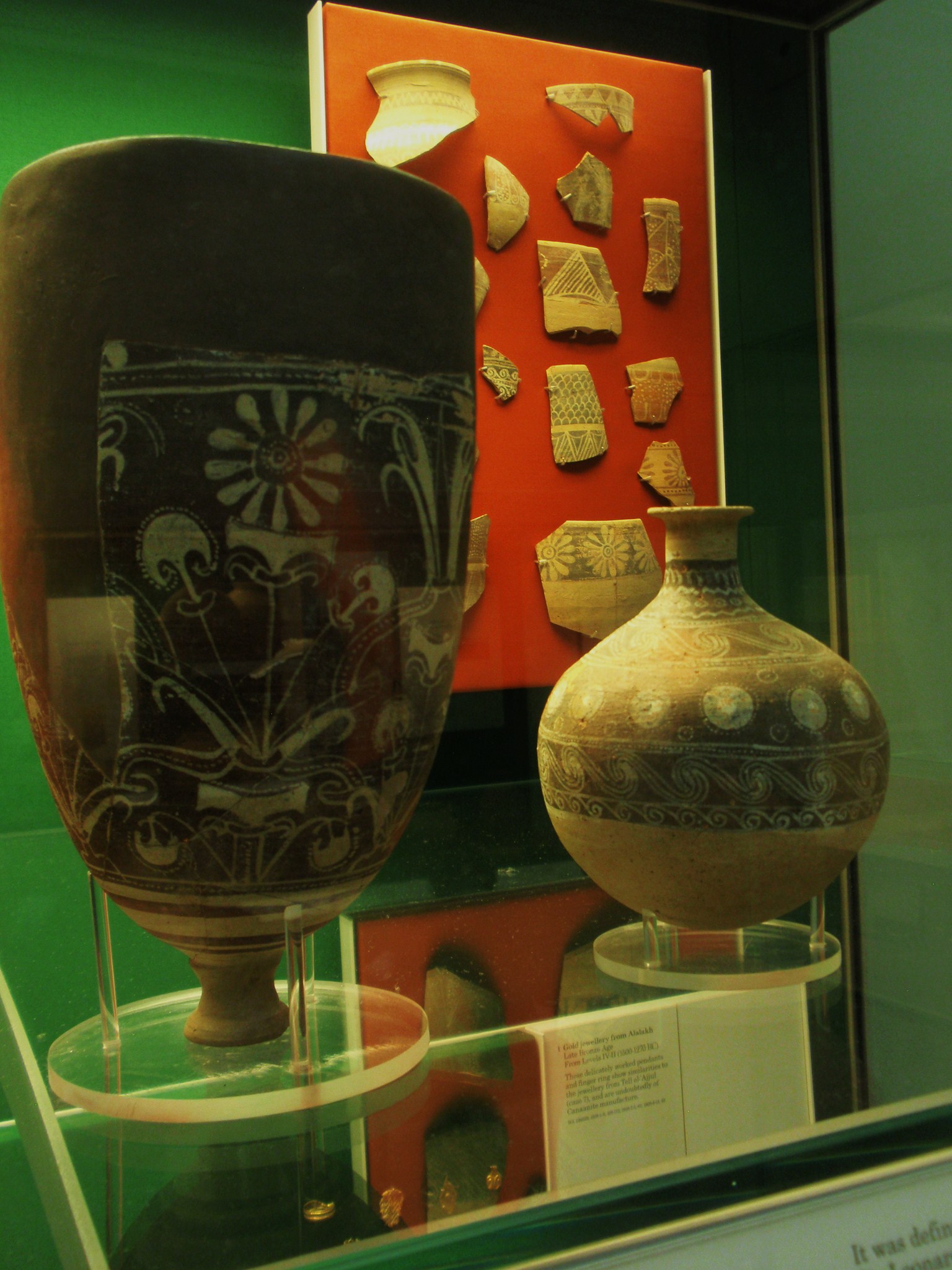
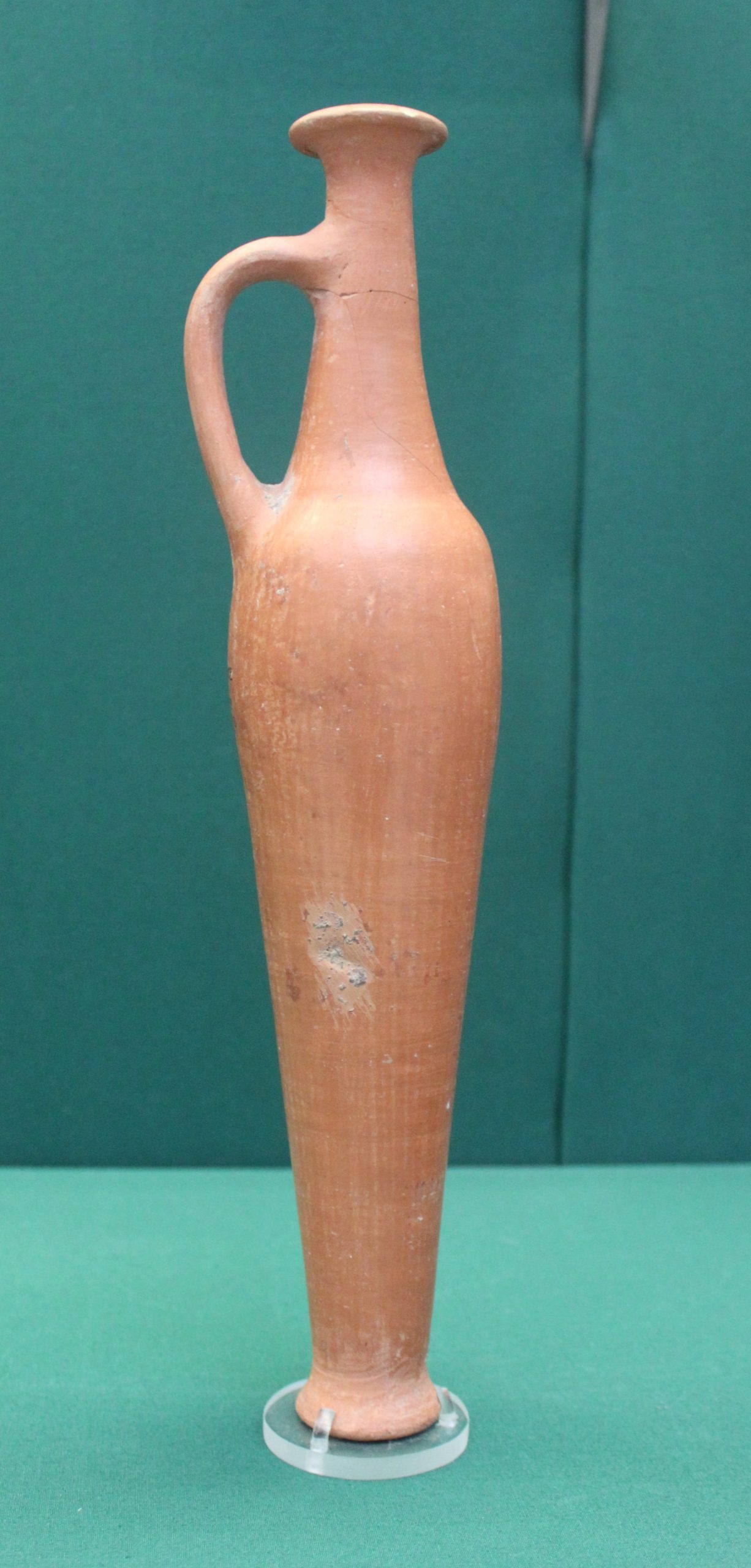
The palaces also yielded the everyday and luxury objects of court life, from fine pottery to imported goods, painting a picture of an elite that participated in the cosmopolitan material culture of the age. Distinctive painted wares and other finds show a society plugged into far-reaching networks of exchange, consuming and producing goods that circulated across the region.
Taken together, the architecture and the art reveal Alalakh as a place of some sophistication, a royal center whose rulers commanded resources, patronized craftsmen, and expressed their status through fine buildings and decoration. It was not a rustic backwater but a participant in the shared high culture of the Bronze Age Near East and Mediterranean.
It is worth remembering how much such art depended on peace and prosperity. Frescoes and fine imported goods are the fruits of a settled, wealthy court with the leisure and resources to invest in beauty. Their presence at Alalakh marks the high points of the city’s fortunes, the intervals of stability during which its rulers could look outward and adorn their halls rather than merely defend their walls.
The Archives That Made a Kingdom Legible
Perhaps the greatest treasure of Alalakh, more valuable to historians than any statue or fresco, is its archive of clay tablets written in cuneiform. Hundreds of these documents were recovered from the palace levels, and they open a direct window onto the workings of the kingdom in a way that physical remains alone never could.
The tablets are overwhelmingly practical rather than literary. They record legal transactions, contracts, lists of people and property, administrative accounts, treaties, and the myriad details of running a kingdom. From them scholars can reconstruct how land was held, how people were organized, how justice was administered, and how the palace managed its economy, giving a granular picture of Bronze Age society rarely available elsewhere.
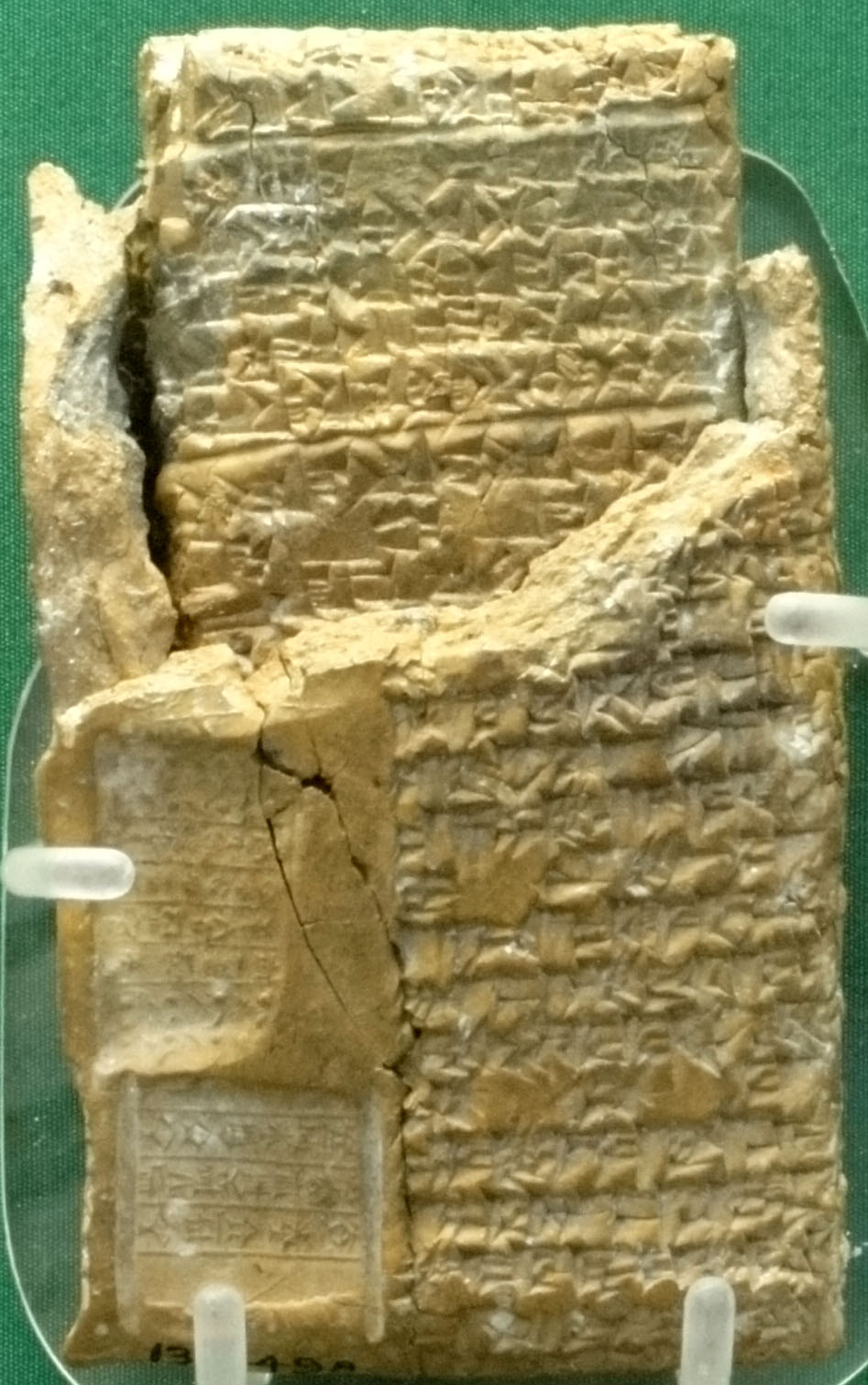
Legal documents and their clay cases, letters between rulers, and records of obligations reveal a society bound together by written agreements and careful accounting. They show a world of contracts and disputes, of loans and debts, of the movement of people between statuses, all set down in the wedge-shaped signs of cuneiform pressed into clay and preserved by the very fires that destroyed the buildings around them.
It is one of history’s ironies that destruction preserves. The clay tablets, sun-dried or lightly baked when written, were hardened into near-permanence by the flames when the palaces burned, so that the catastrophes which ended a level of the city also fixed its records for posterity. The archives of Alalakh survive because the city, more than once, went up in fire.
The value of such archives is hard to overstate. A single well-preserved cache of administrative tablets can reveal more about how a society actually functioned than a shelf of royal inscriptions, because it records the unglamorous realities of daily governance. In the tablets of Alalakh the abstractions of Bronze Age history acquire names, quantities, and dates, and a vanished kingdom becomes concrete.
Caught Between Yamhad, Mitanni, and the Hittites
Alalakh’s political life was shaped by its powerful neighbors. For part of its history it fell within the orbit of Yamhad, the great Amorite kingdom centered on Aleppo, which dominated northern Syria and to which Alalakh’s rulers were subordinate. The city was in effect a regional center within a larger realm, its kings holding local power under a mightier overlord.
Later the region came under the sway of Mitanni, the kingdom of the Hurrians that rose to dominate a wide swath of the northern Near East, and Alalakh became part of that political world. The Hurrian element in the population and culture of the city was significant, reflecting the broader ethnic and linguistic mix of the region and the influence of the Mitannian state to which it belonged.
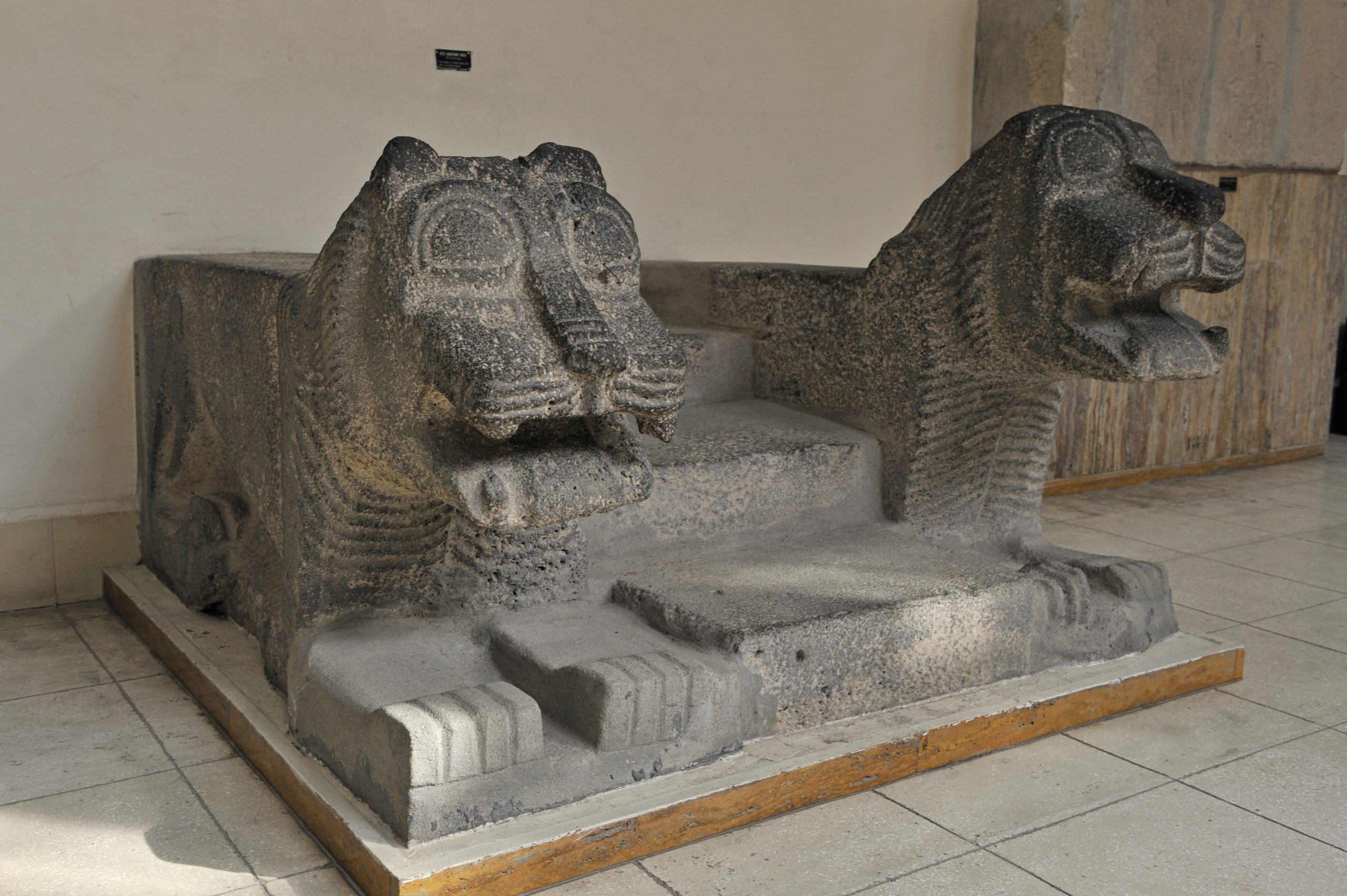
Then came the Hittites. As the Hittite empire, ruled from Hattusa on the Anatolian plateau, expanded southward, it clashed with Mitanni and drew the lands of northern Syria, including the region of Alalakh, into its sphere. The city thus passed through the hands of successive great powers, each rise and fall registering in its levels and its records as changes of master far away reshaped its fortunes.
Living among such powers demanded constant diplomacy. The treaties and political documents from the site reflect a world in which a smaller kingdom secured its position through carefully negotiated relationships, oaths of loyalty, and the acceptance of a superior king’s authority. Alalakh’s survival for so long is testimony to the skill with which its rulers played this dangerous game.
The layering of Amorite, Hurrian, and Hittite influence in the city’s history also left its mark on its people and their culture. Names, languages, and customs from these different worlds mingled at Alalakh, producing the kind of blended, cosmopolitan society that frontier cities so often become. The result was a community that belonged fully to no single great power yet drew something from each of them.
How the City Fell Quiet
Like many cities of the Bronze Age, Alalakh did not last forever. Its later levels show the strains of a turbulent age, and the city eventually declined and was abandoned as a major center. Its end belongs to the broader story of upheaval that engulfed the eastern Mediterranean around the close of the Late Bronze Age, when many great cities and kingdoms fell within a relatively short span of time.
The causes of that wider collapse are debated and were surely complex, involving some mixture of warfare, the movements of peoples, disruption of trade, and perhaps environmental stress. Whatever the precise combination at Alalakh, the city that had thrived on the connections of a stable, interconnected world could not survive the unraveling of that world, and it faded from importance as the systems that had sustained it broke down.
After its decline, the focus of settlement in the region shifted, and the great mound of Tell Atchana was gradually left to the fields. The name Alalakh, once known to kings and scribes across the Near East, slipped out of use, and the city that had recorded so much of its own life in clay and stone fell silent, its archives buried under the accumulating soil.
The abandonment, though, was in its way a preservation. Because the site was not built over by a major later city, its Bronze Age levels lay relatively undisturbed beneath the mound, waiting for the excavators who would one day dig down and recover the buried voice of Alalakh from the ground.
The silence that fell over Alalakh was part of a chorus of silences across the region, as center after center went dark within a few generations. Historians still work to explain how a whole interconnected civilization could unravel so quickly, and sites like Alalakh, with their clear final levels, are crucial evidence. The city’s quiet end is a small but telling piece of one of history’s great puzzles.
Rediscovery and Modern Excavation
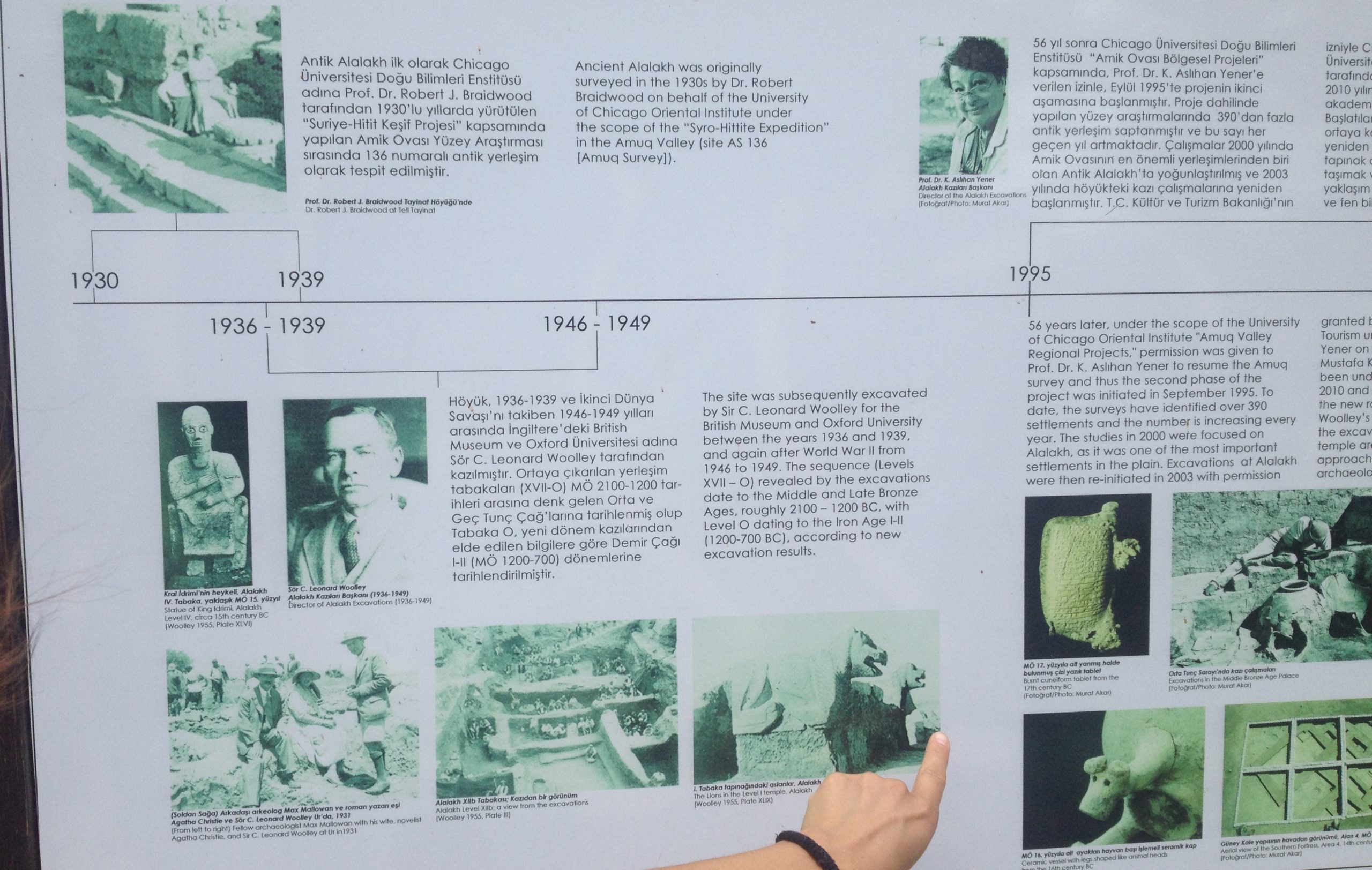
The modern rediscovery of Alalakh came through excavation in the twentieth century, when archaeologists identified Tell Atchana as the site of the ancient city and began the long work of digging into its layers. The recovery of the palaces, the temples, the Idrimi statue, and above all the tablet archives transformed Alalakh from an unknown mound into a key site for the study of the Bronze Age Near East.
The early campaigns established the basic sequence of levels and brought the great finds to light, and later work has continued to refine and expand our understanding, using modern archaeological methods to extract far more information than the pioneers could. Ongoing excavation and study keep adding detail to the picture, from the analysis of the tablets to the examination of the city’s construction, economy, and daily life.
Interpreting a deeply stratified site like Alalakh is painstaking work. Correlating the levels, dating the phases, matching the tablets to the buildings in which they were found, and fitting the whole into the wider history of the region all require careful, cumulative scholarship. The result is one of the best-documented urban sequences of its kind, a laboratory for understanding how a Bronze Age city lived and changed.
That scholarly attention has also raised the profile of the site and the artifacts it produced. The Idrimi statue and other finds have become well known, displayed and studied far from the mound where they were buried, and Alalakh has taken its place in the standard accounts of the ancient Near East as a city whose modest ruins yielded outsized historical rewards.
Visiting Alalakh Today
Visiting Alalakh today means coming to the Hatay region of southern Turkey, near the city of Antakya, the ancient Antioch. The site itself is an open archaeological area where the excavated remains of the ancient city can be seen, and visitors should arrive prepared to read the low mudbrick walls and trenches as the palaces, temples, and streets they once were, rather than expecting standing monuments.
An interpretive panel and signage at the site help visitors make sense of what they are looking at, orienting them among the excavated structures and explaining the significance of the different areas. A little background reading beforehand greatly enriches the visit, since the importance of Alalakh lies so much in its history and its finds rather than in dramatic surviving architecture.
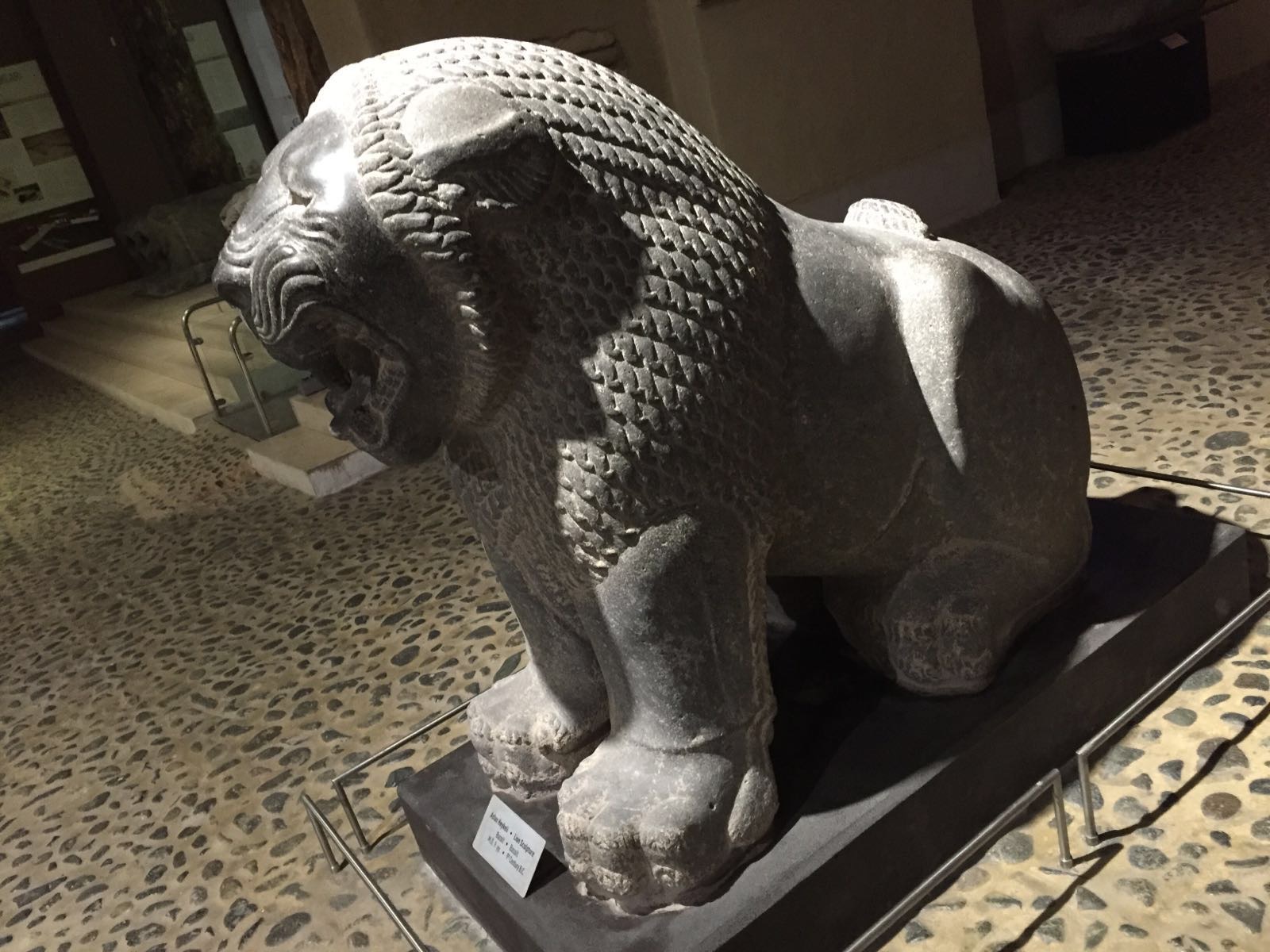
The archaeological museum in Antakya is an essential companion to the site, housing artifacts from Alalakh and the wider region and providing the context and the objects that bring the ancient city to life. Seeing the finds in the museum and then standing on the mound where they were unearthed gives a fuller sense of the place than either could alone.
For the traveler willing to engage with it on its own terms, Alalakh offers a quiet but profound encounter with the deep past. It is a place that rewards knowledge and imagination, where the significance of the ground underfoot far exceeds its outward appearance, and where a modest mound in a fertile plain turns out to hold the memory of a city that once mattered across the whole Bronze Age world.
Recent years have brought their own hardships to the wider region, including natural disasters that affected Hatay and its heritage. Such events are a sobering reminder that the preservation of ancient sites and their treasures is never guaranteed, and that the work of recording, studying, and safeguarding places like Alalakh remains as urgent as the original excavation ever was.
Nearby Places to Explore
Anatolia preserves the traces of many of the powers that shaped the Bronze Age world in which Alalakh rose and fell, and several sites make natural companions to a visit. Each opens a different window onto that deep and interconnected past.
- Hattusa — the mountain capital of the Hittite empire, the great Anatolian power that eventually drew the lands of Alalakh into its sphere.
- Arslantepe — an ancient mound on the upper Euphrates that preserves some of the earliest evidence for organized states and elite power in the region.
- Gordion — the later Phrygian royal city, whose great burial mound and citadel show how Anatolian centers of power endured into the Iron Age.
Why Alalakh Matters
Alalakh is a reminder that historical importance is not the same as visible grandeur. The mound of Tell Atchana offers no soaring walls or dramatic skyline, yet through its stacked levels, its royal statue, its palace frescoes, and above all its archives of clay tablets, it has told us more about the texture of Bronze Age life than many a more imposing ruin. It is a city that recorded itself, and whose records survived the fires that ended it.
Standing on the quiet mound in the Amuq plain, it takes an act of imagination to see the palaces and temples that once stood there and to hear the scribes at their tablets and the king Idrimi telling the story of his exile and return. But the effort is repaid, for Alalakh preserves, better than almost anywhere, the everyday reality of a middling kingdom navigating a world of giants. In its patient accumulation of ordinary records lies an extraordinary gift: the chance to know a lost city not through legend, but in its own careful, documented words.
You May Like
Mafra, the Palace a King Built From a Vow


2 thoughts on “Alalakh: The Bronze Age City That Wrote Down Its Own History”