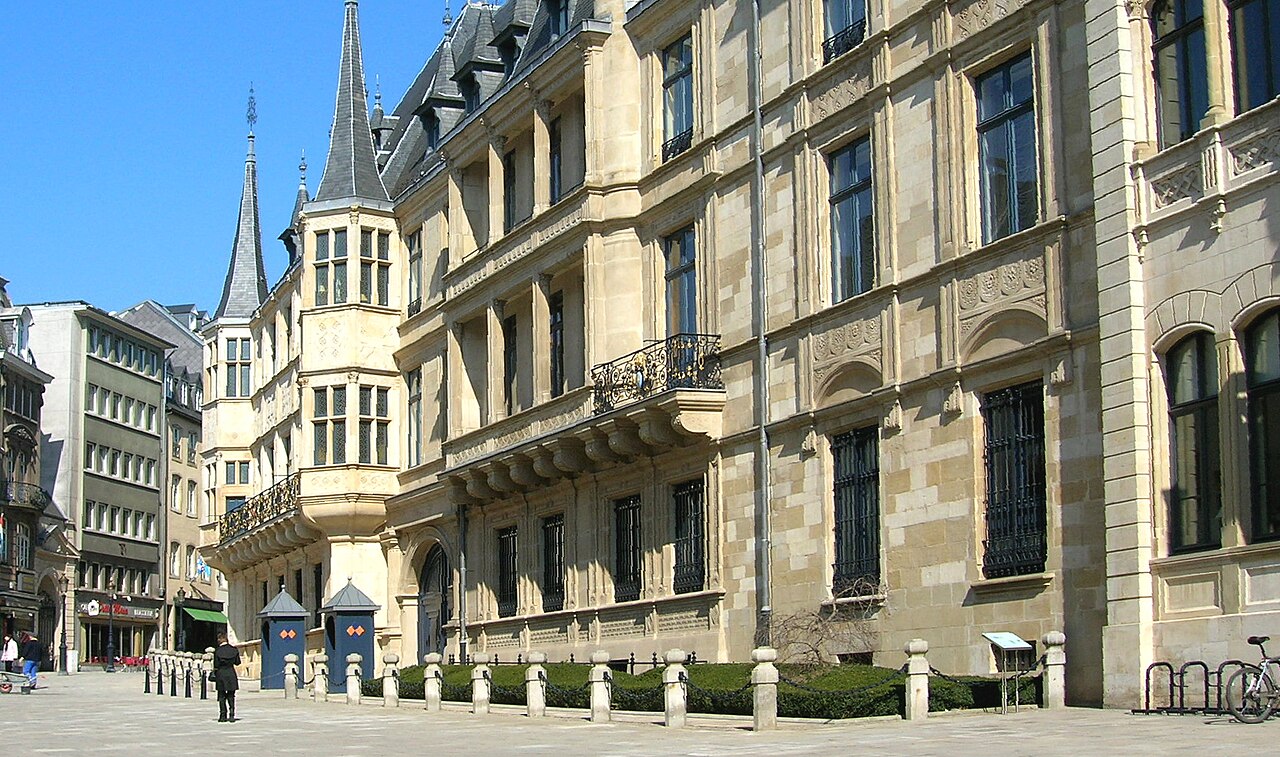
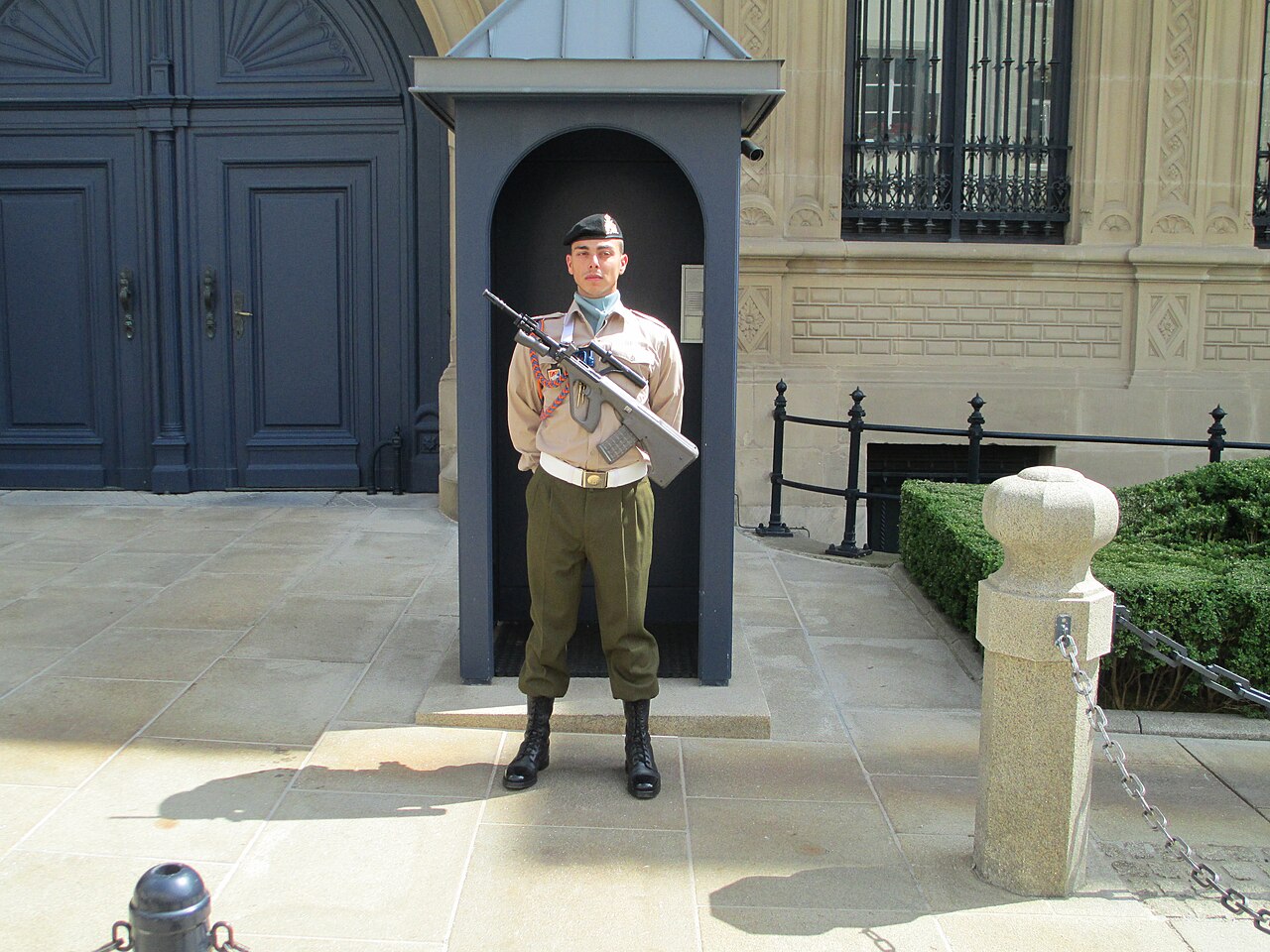
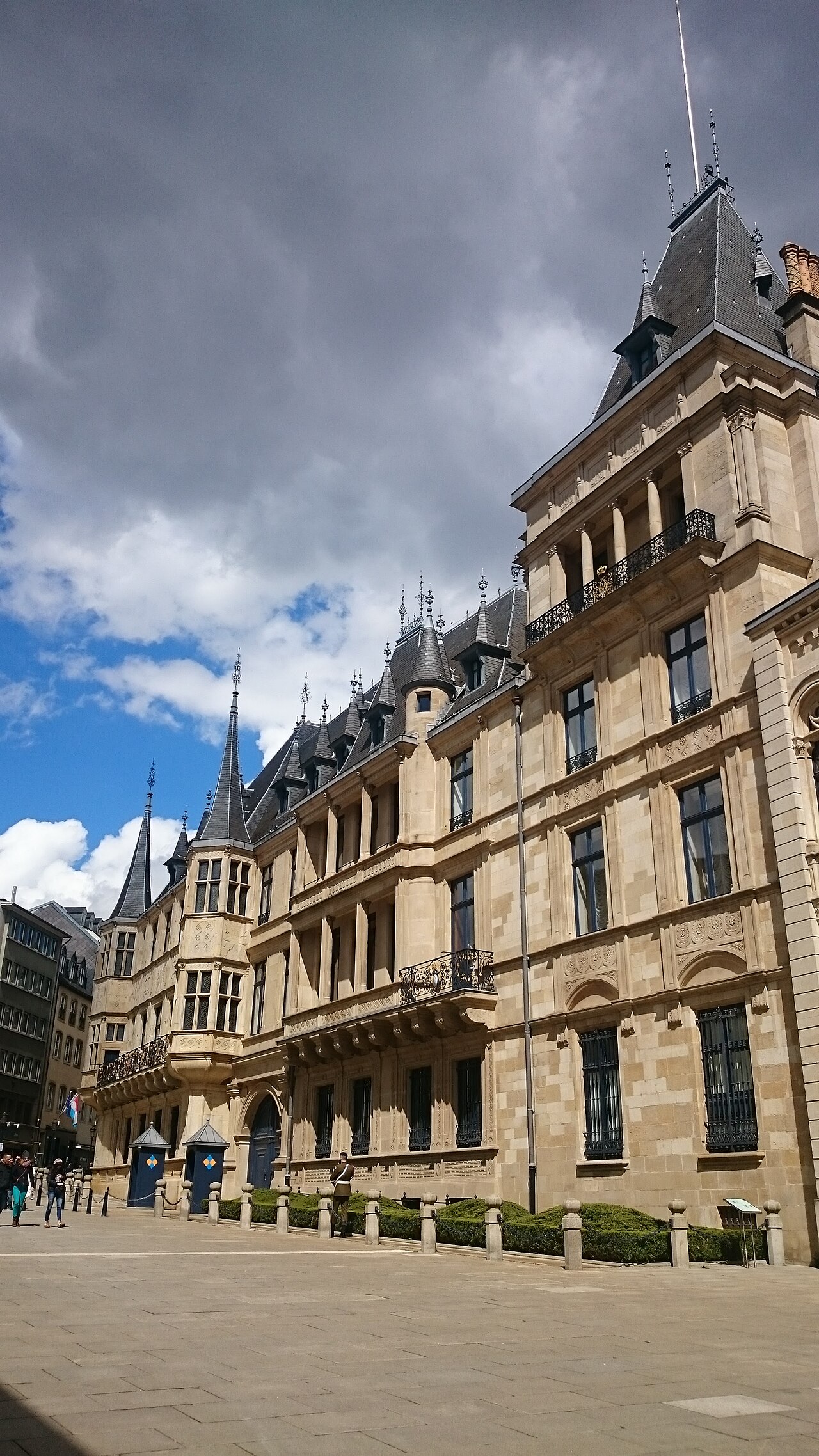
In the heart of the old town of Luxembourg City, along a narrow historic street, stands a building whose richly carved facade stops passersby in their tracks. The Grand Ducal Palace, with its ornate Renaissance front of turrets, arcades, and intricate stonework, is one of the most beautiful buildings in the city and the ceremonial seat of one of Europe’s last grand duchies. A guard stands watch outside, a reminder that this is a living palace of state.
Luxembourg is a small country with a long and distinctive history, and its monarchy, headed by a grand duke rather than a king, is unique in the modern world. The Grand Ducal Palace is the town residence and official seat of this monarchy, the place where the grand duke carries out his official duties and where the ceremonial life of the state unfolds amid surroundings of great charm and historic beauty.
The palace has worn several identities across its long life, beginning as a very different kind of building before becoming the seat of the monarchy. Its splendid facade and its interiors reflect the layered history of the building and of Luxembourg itself, and it stands today as one of the most cherished landmarks of the capital and a symbol of the grand duchy.
In this guide you will explore the Grand Ducal Palace from its origins, through its remarkable Renaissance facade, its role as the seat of the grand dukes, its state rooms and ceremonial functions, and its place in the life of the old town, to what it is like to visit. By the end you will understand why this jewel of a palace holds such a special place in the heart of Luxembourg.
In This Article
- From City Hall to Grand Ducal Seat
- The Ornate Flemish Renaissance Front
- The Grand Dukes of Luxembourg
- The Town Residence of the Grand Duke
- The Guard and the Changing Ceremony
- Inside the State Rooms
- The Ballroom and Grand Occasions
- A Palace in the Old Town
- A Careful Restoration
- The Palace and Luxembourg’s Ceremony
- A Symbol of a Small Grand Duchy
- Planning Your Visit
- See the Grand Ducal Palace for Yourself
From City Hall to Grand Ducal Seat
The Grand Ducal Palace did not begin life as a royal residence at all. Its oldest and most beautiful part was built in the sixteenth century as the city hall of Luxembourg, a seat of municipal government for the growing town. This origin as a civic building gives the palace a character quite different from residences built from the first for royalty.

For a long period the building served the administration of the city, its splendid facade proclaiming the pride and prosperity of the town. Over the centuries it was extended and altered, and its functions changed with the shifting fortunes of Luxembourg, which passed under the control of various powers during its long and complex history.
The transformation of the building into a residence and seat of the monarchy came as Luxembourg developed into a grand duchy in the nineteenth century. As the country gained a distinct status and its own ruling house, the historic building in the heart of the old town was adapted to serve as the town palace of the grand duke, giving the monarchy a fitting seat in the capital.
Thus the palace, like several of the great buildings of Europe, made the journey from civic to royal use, its origins as a city hall giving way to its role as a grand ducal residence. This layered history is part of what makes the building so interesting, a structure that has served the city and then the crown across the centuries of Luxembourg’s eventful past.
The building’s journey from city hall to palace mirrors the larger story of Luxembourg, which passed through the hands of many powers before emerging as an independent grand duchy. As the town changed masters and status over the centuries, so its finest building changed roles, and the palace we see today carries within it the memory of all these transformations, a survivor of a long and turbulent history at the crossroads of Europe.
It is worth remembering that a building can carry meaning through its very continuity. That the same walls have served the town and then the crown for four and a half centuries gives the palace an authority that no new building could match, and this deep rootedness in the history of Luxembourg is part of why it was chosen and cherished as the seat of the monarchy.
The Ornate Flemish Renaissance Front
The glory of the Grand Ducal Palace is its facade, one of the finest examples of Flemish Renaissance architecture in the region. Richly decorated with intricate stone carving, turrets, arcades, and ornamental detailing, the front of the building is a masterpiece of the decorative architecture of its age, a feast for the eye that rewards close attention.
The Flemish Renaissance style, which flourished in the Low Countries and neighbouring regions, delighted in elaborate ornament and lively surfaces, and the facade of the palace displays these qualities to the full. The intricate patterns of the stonework, the graceful arcades, and the picturesque turrets combine to create an effect of great richness and charm.
This ornate facade dates largely from the building’s origins as a city hall, when the town wished to proclaim its wealth and status through a splendid public building. The decoration reflects the prosperity and civic pride of Luxembourg in that era, and it has been preserved and celebrated as one of the treasures of the city’s architecture.
The facade remains the defining feature of the palace and one of the most photographed sights in Luxembourg City. Its beauty and intricacy set the palace apart from the plainer buildings around it, and it gives the monarchy a seat of real architectural distinction, a Renaissance jewel at the heart of the historic capital.
Look closely at the facade and you find a wealth of detail rewarding patient attention, from the rhythm of the arcades to the ornamental patterns worked into the stone. This was architecture meant to be read as well as admired, proclaiming the wealth and taste of those who built it. Few facades of its kind survive in such fine condition, and it remains a textbook example of the Flemish Renaissance manner at its most accomplished.
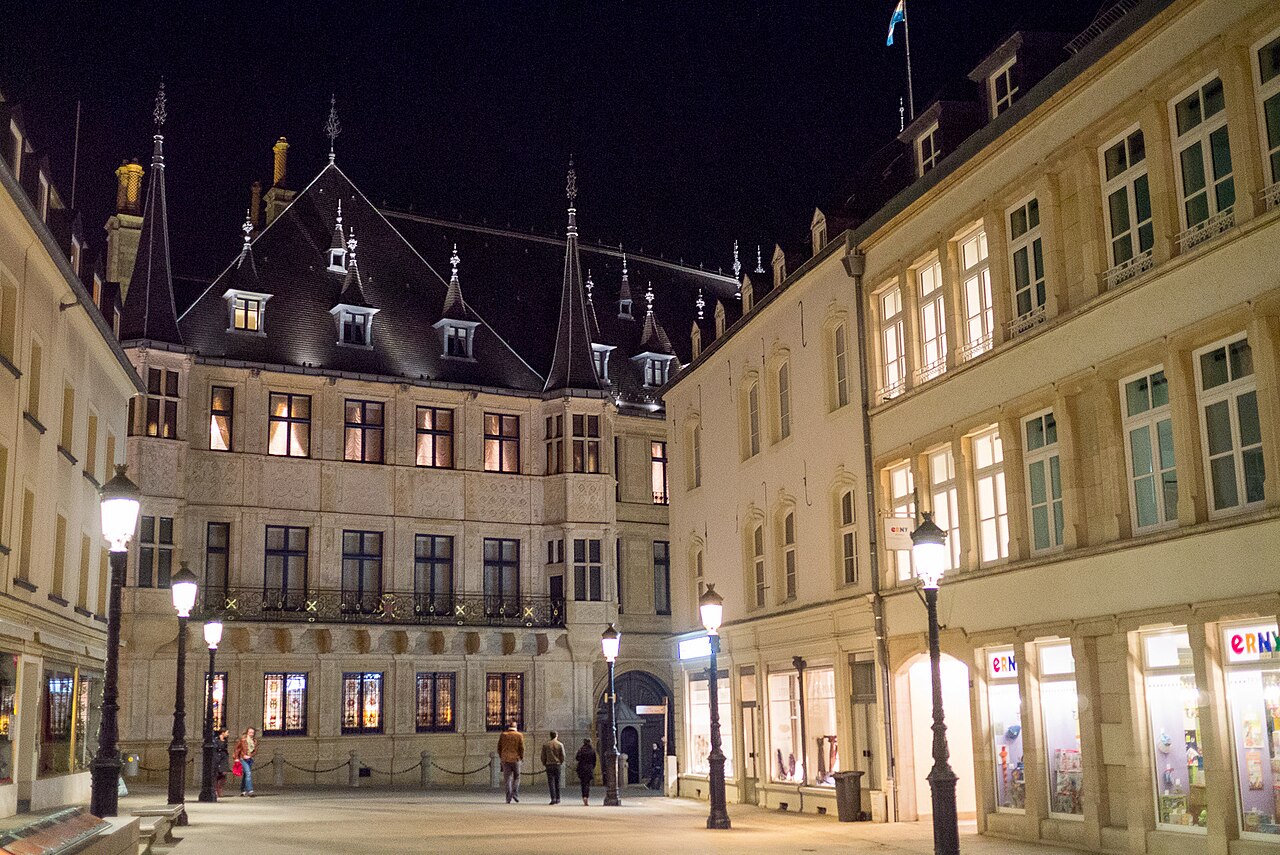
At night, when the facade is illuminated, its carved surfaces take on a new drama, the shadows deepening the intricate detail and the turrets standing out against the dark sky. The lit palace is one of the memorable sights of an evening walk through the old town, and it shows how the beauty of the building changes with the light, offering a different face by day and by night.
The Grand Dukes of Luxembourg
Luxembourg holds a unique place among the monarchies of the world as the only remaining grand duchy, ruled by a grand duke rather than a king or queen. This distinctive status reflects the particular history of the country, which emerged as a grand duchy in the nineteenth century and has maintained its monarchy ever since.

The grand ducal family has become closely identified with the identity and independence of Luxembourg, a small country that has preserved its distinct character despite being surrounded by powerful neighbours. The monarchy has served as a focus of national unity and continuity, and the grand dukes have played an important role in the life of the nation.
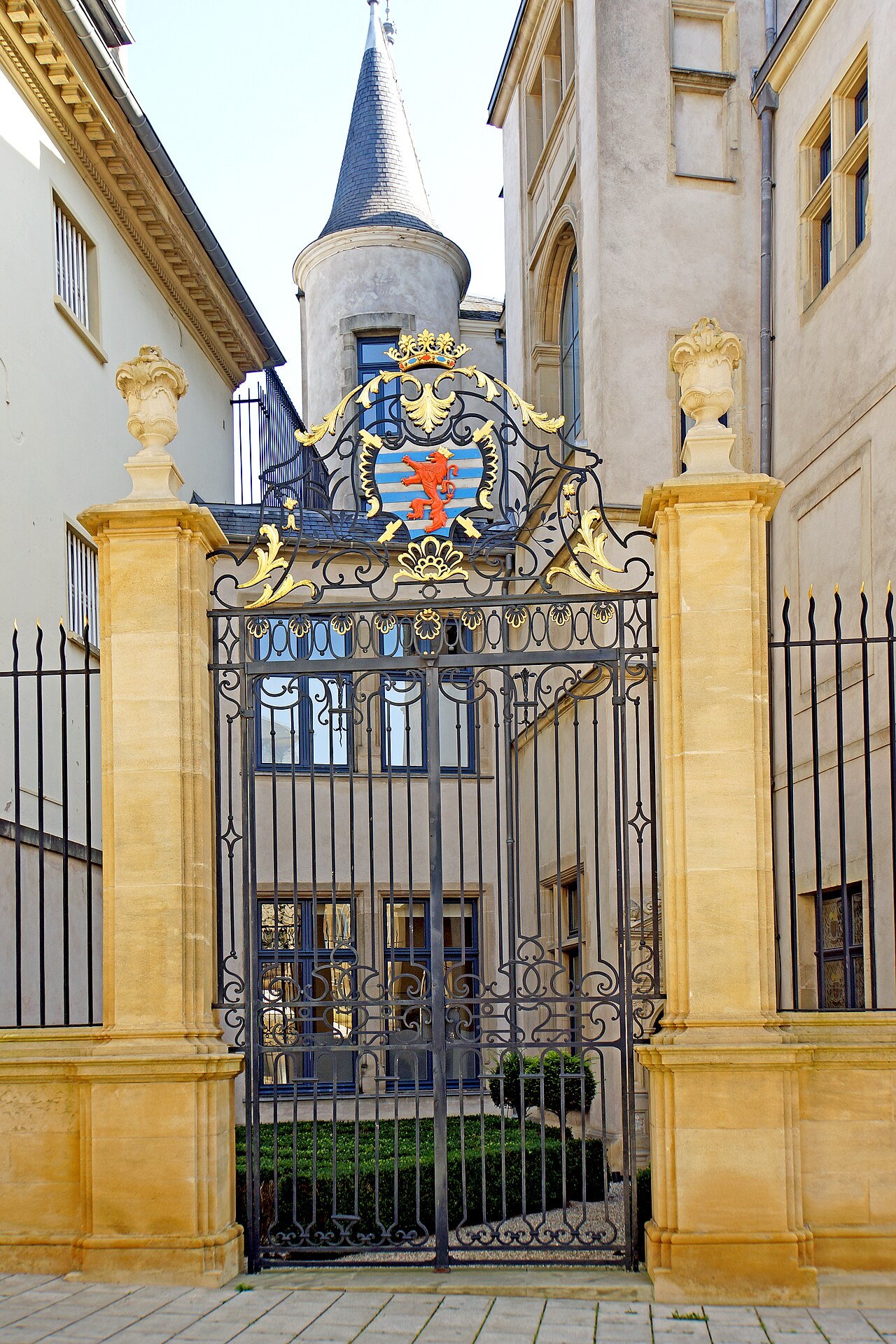
The Grand Ducal Palace is the principal seat of this monarchy in the capital, the place where the grand duke carries out his official functions as head of state. From here the monarchy conducts much of its public and ceremonial life, and the palace has become inseparable from the identity of the grand ducal house and the country it represents.
The continuity of the monarchy through the dramatic events of modern European history, including periods of occupation and hardship, has made the grand ducal family a symbol of the resilience and independence of Luxembourg. The palace, as the seat of that monarchy, shares in this symbolic importance, standing as an emblem of the endurance of the small grand duchy.
The distinctiveness of Luxembourg’s monarchy is worth dwelling on, for the title of grand duke places it in a category all its own among the reigning houses of the world. This singular status is a source of quiet pride, and it reflects the particular path by which Luxembourg came to independence. The palace, as the grand duke’s seat, gives visible form to this unique constitutional identity at the heart of the capital.
The grand ducal family remains closely engaged with the life of the nation, and the palace is the visible centre of that engagement. From the balcony and forecourt to the state rooms within, the building provides the settings where the monarchy meets the people and the world, and it anchors the family’s role at the heart of Luxembourg’s public life across the generations.
The Town Residence of the Grand Duke
Like several modern monarchies, the grand ducal family does not actually live in the Grand Ducal Palace but maintains it as an official town residence and workplace. The family’s private home lies elsewhere, while the palace in the old town serves as the ceremonial and administrative seat of the monarchy in the capital.

This arrangement means that the palace is devoted to the official and public functions of the monarchy. It is here that the grand duke has his offices, receives official visitors, holds audiences, and carries out the constitutional duties of head of state. The palace is thus a working seat of the monarchy rather than a private family home.
The building also serves as the setting for the ceremonial life of the grand duchy, hosting receptions, official events, and the entertainment of distinguished guests. Its historic rooms provide a dignified backdrop for these occasions, combining the charm of the old building with the requirements of a modern head of state.
During certain periods the grand duke may stay at the palace, and it functions as the official residence for representational purposes, but its primary role is as the ceremonial and working seat of the monarchy. This distinction between the palace and the family’s private home reflects the practical arrangements of a modern constitutional monarchy operating from a historic building.
The separation of the working palace from the family’s private home follows a pattern common among modern European monarchies, balancing the demands of public duty with the desire for a measure of private life. It allows the historic palace to be devoted fully to the representation of the state, while the family enjoys a home away from the ceremonial spotlight, an arrangement well suited to a modern, approachable monarchy.
The Guard and the Changing Ceremony
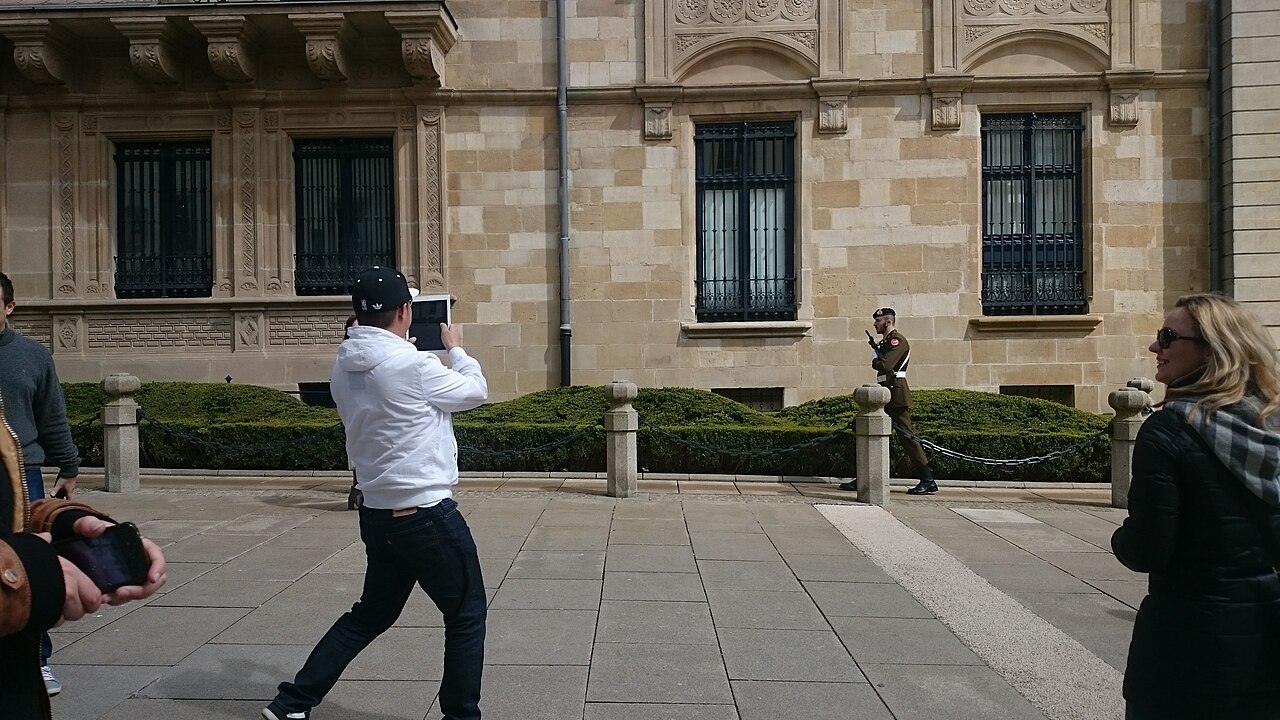
One of the most visible features of the Grand Ducal Palace is the soldier who stands guard outside, a colourful and dignified reminder of the building’s role as the seat of the monarchy. The guard is a familiar sight to residents and a popular subject for the cameras of visitors, and the changing of the guard is a small ceremony that draws onlookers.

The presence of the guard connects the palace to the ceremonial traditions of the monarchy and to the wider world of royal pageantry. Though Luxembourg is a small country, its monarchy maintains the customs and dignity appropriate to a head of state, and the guard outside the palace is part of this ceremonial tradition.
The changing of the guard, performed with due formality, brings a touch of ceremony to the historic street outside the palace. Visitors often pause to watch the ritual, which adds to the sense that this is a living palace of state, watched over as befits the seat of the grand duke and the country’s head of state.
For visitors, the guard is one of the charms of the palace, a living link between the beautiful historic building and its role in the modern monarchy. The sight of the sentry before the ornate Renaissance facade captures the character of the palace as both a treasured monument and a functioning seat of the grand ducal state.
The single sentry pacing before the great facade has become an emblem of the palace, a small human figure that brings the grand building to life. In a country as compact as Luxembourg, the accessibility of such sights is part of their charm, and visitors can watch the guard and admire the palace from close at hand, without the barriers and distances that keep the public far from grander royal seats elsewhere.
Inside the State Rooms
Behind its splendid facade, the Grand Ducal Palace contains a series of state rooms used for the official functions of the monarchy. These interiors, decorated and furnished over the centuries, provide the setting for the ceremonial life of the grand duchy and reflect the taste and history of the ruling house.

The rooms range from grand reception halls to more intimate chambers, decorated in the styles favoured by the monarchy over the years. Fine furnishings, works of art, and rich decoration create an atmosphere of dignified elegance, appropriate to the seat of a head of state, while the historic character of the building lends the interiors a particular charm.
Over time the interiors have been maintained and enhanced to serve the needs of the modern monarchy while preserving their historic character. The rooms are used for audiences, receptions, and official events, and they retain the atmosphere of a working palace rather than a mere museum, kept ready for the ceremonial occasions of the state.
For the visitors able to tour the palace, the state rooms offer a glimpse into the ceremonial world of the grand duchy. The combination of historic architecture and elegant decoration provides a rich experience, revealing the private grandeur behind the famous facade and deepening the appreciation of the palace and its role in the life of Luxembourg.
The relative intimacy of the palace’s interiors, compared with the vast state apartments of larger monarchies, suits the scale of the grand duchy and lends the rooms a human warmth. This is a palace on a manageable scale, dignified without being overwhelming, and its interiors reflect the character of a monarchy that is grand in status but modest in size, close to the people it represents.
The Ballroom and Grand Occasions
Among the finest spaces in the palace is its ballroom, a grand hall designed for the most splendid occasions of the monarchy. Richly decorated and spacious, the ballroom provides a magnificent setting for the receptions, banquets, and celebrations that form part of the ceremonial life of the grand ducal court.
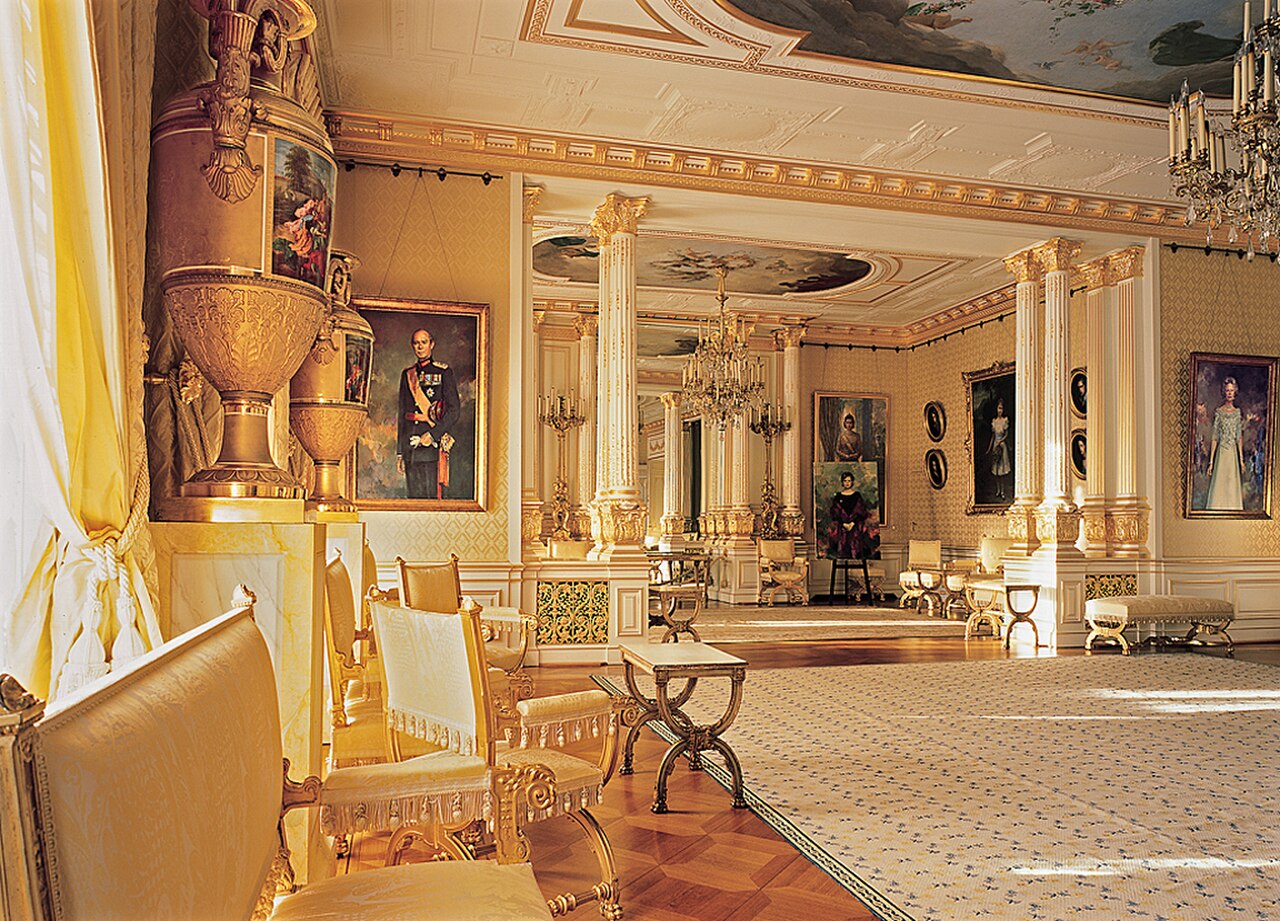
The ballroom reflects the desire of the monarchy to provide surroundings of appropriate grandeur for its most important events. Its decoration and scale set it apart from the other rooms of the palace, making it the natural setting for the grandest gatherings and the entertainment of distinguished guests on formal occasions.
Such a hall was essential to the functioning of a court, providing the space for the great social occasions that were an important part of royal and diplomatic life. The ballroom of the Grand Ducal Palace continues to serve this purpose, hosting the formal events of the modern monarchy in surroundings of historic splendour.
For visitors fortunate enough to see it, the ballroom is one of the highlights of the palace, a space that captures the ceremonial grandeur of the grand duchy. It represents the palace at its most magnificent, and it embodies the role of the building as the setting for the great occasions of the monarchy and the state.
Grand occasions at the palace bring together the worlds of ceremony and diplomacy, for a small country’s monarchy plays an outsized role in representing the nation abroad and welcoming the world to Luxembourg. The ballroom and the state rooms have hosted heads of state and dignitaries from across the globe, and in these moments the modest grand duchy takes its place among the nations with full ceremonial dignity.
The contrast between the intimate scale of the palace and the grandeur of its ballroom is striking, a reminder that even a compact residence made room for the splendour that great occasions demand. In this the palace is true to the character of Luxembourg, a small country that rises to the full dignity of statehood when the moment calls for it.
A Palace in the Old Town
Unlike many palaces set apart in their own grounds, the Grand Ducal Palace stands directly on a street in the heart of Luxembourg City’s old town, woven into the fabric of the historic capital. This urban setting gives the palace a distinctive character, closely integrated with the life of the city around it.

The old town of Luxembourg is a place of great beauty and history, with its narrow streets, historic buildings, and dramatic setting above deep valleys. The palace is a central part of this historic quarter, and its splendid facade is one of the highlights of any walk through the old town, encountered directly along the street rather than across a grand square or park.
This close relationship between the palace and the surrounding town reflects the character of Luxembourg itself, a small and intimate capital where the seat of the monarchy stands among the everyday life of the city. The palace is not remote or forbidding but part of the living heart of the old town, accessible and present in the daily life of the capital.
The setting of the palace within the historic old town, which is celebrated for its outstanding heritage, enhances its appeal and its importance. Together with the other treasures of the quarter, the palace forms part of one of the most beautiful and historic urban landscapes in Europe, a fitting home for the seat of the grand ducal monarchy.
The dramatic topography of Luxembourg City, built on rocky heights above deep gorges, gives the whole old town an air of romance, and the palace shares in this setting. To come upon its ornate facade while wandering the historic streets is one of the pleasures of a visit to the city, a moment of unexpected splendour amid the winding lanes of one of Europe’s most striking capitals.
A Careful Restoration
Over its long life the Grand Ducal Palace has undergone various campaigns of maintenance and restoration to preserve its historic fabric and adapt it to the needs of the monarchy. In recent times, in particular, the palace has benefited from a thorough restoration that returned it to its full splendour.

The restoration addressed both the famous facade and the interiors, repairing the effects of time and renewing the decoration of the state rooms. Such work requires great care to preserve the historic character of the building while ensuring that it can continue to serve its function as the seat of a modern head of state.
The result of these efforts is a palace that combines its historic beauty with the practical requirements of contemporary use. The restoration has ensured that the ornate Renaissance facade and the elegant interiors can be enjoyed by future generations, and that the palace remains a worthy seat for the grand ducal monarchy.
The care devoted to the restoration reflects the importance of the palace to Luxembourg, both as a symbol of the monarchy and as a treasured monument of the nation’s heritage. The continued investment in its preservation ensures that this jewel of the old town remains in excellent condition, ready to serve the state and to welcome those who come to admire it.
Modern restoration work also brought the palace up to date in practical terms, discreetly incorporating the facilities a contemporary head of state requires while preserving the historic character of the building. This balancing of old and new is one of the challenges of keeping a historic palace in active use, and at Luxembourg it has been managed with care, ensuring the building serves both heritage and function.
The Palace and Luxembourg’s Ceremony
As the official seat of the monarchy, the Grand Ducal Palace is central to the ceremonial life of Luxembourg. It is here that the grand duke carries out many of his duties as head of state, from receiving ambassadors and holding audiences to hosting official events and marking the great occasions of the national calendar.
The palace comes to particular prominence during national celebrations, when the monarchy plays a central role in the life of the country. The grand duke and his family are closely associated with these occasions, and the palace serves as a focus for the expression of national identity and unity in a small but proud country.
The building also plays a role in the constitutional life of the grand duchy, as the place where the grand duke performs his official functions as head of state. In this sense the palace is a working part of the machinery of government, a place where the ceremonial and constitutional roles of the monarchy are carried out.
Through these functions the palace remains a living institution at the heart of Luxembourg’s public life. It is the stage on which the monarchy performs its public role, connecting the modern constitutional grand duchy to the long traditions of the ruling house and keeping the historic palace vital and relevant in the life of the nation.
National Day in particular sees the monarchy at the centre of the country’s celebrations, with the grand ducal family greeting the public and taking part in festivities that unite the nation. On such occasions the palace becomes a focal point of shared joy and identity, and the bond between the monarchy and the people of Luxembourg is renewed in a spirit of celebration.
A Symbol of a Small Grand Duchy
The Grand Ducal Palace stands as one of the foremost symbols of Luxembourg and its unique monarchy. As the seat of the only remaining grand duchy in the world, it embodies the distinctive identity of the country and the continuity of its ruling house through the centuries of its eventful history.
For a small country surrounded by powerful neighbours, symbols of independence and identity carry special importance, and the palace and the monarchy it houses have served as focal points of national pride. The building represents the endurance of Luxembourg as an independent state and the resilience of its distinctive institutions.
The palace also reflects the character of the grand duchy as a small, prosperous, and cultured nation with a long history and a strong sense of identity. Its beautiful facade and its role as the seat of the monarchy express the dignity and self-confidence of a country that has preserved its independence and its traditions against considerable odds.
As a symbol, the palace carries the weight of the nation’s history and the dignity of its monarchy. It is a place where the past and present of Luxembourg meet, a treasured monument that is also a working seat of state, and one of the most important and beloved buildings in the whole of the grand duchy.
The survival of the monarchy through the ordeals of the twentieth century, including foreign occupation during wartime, deepened the bond between the grand ducal family and the people. The return of the monarchy after such trials made it a lasting symbol of the nation’s freedom and continuity, and the palace, as its seat, carries something of that hard-won meaning within its walls.
Planning Your Visit
The Grand Ducal Palace stands in the heart of Luxembourg City’s old town, easily reached on foot and surrounded by the many other attractions of the historic capital. Its central location makes it a natural stop on any exploration of the city, and its splendid facade can be admired from the street at any time of year.
View the Grand Ducal Palace on Google Maps
For those wishing to see inside, the palace is generally open to the public for guided tours during the summer months, when the grand duke is away. These tours offer a rare chance to see the state rooms and to learn the history of the palace and the monarchy, and they are the only way to experience the interiors of the building.
Because access to the interior is limited to the summer tour season and places are in demand, it is important to check the dates and to book in advance for those hoping to see inside. Outside this period, visitors can still enjoy the facade and the atmosphere of the old town, and watch the guard outside the palace.
You can find the palace and plan your route using the map link below. Whether you time your visit for the summer tours to see the interiors, or simply admire the magnificent facade during a walk through the old town, the Grand Ducal Palace offers a memorable encounter with the monarchy and heritage of Luxembourg. The beautiful old town all around makes the visit part of a wider pleasure.
Visitors often remark on how the palace, for all its grandeur, feels approachable and human in scale, a reflection of Luxembourg itself. A visit rewards those who take time to appreciate the detail of the facade and, in season, the elegance of the interiors, and it pairs naturally with a wider exploration of the old town, whose beauty makes the whole experience one of the highlights of a trip to the grand duchy.
See the Grand Ducal Palace for Yourself
A palace as charming as the Grand Ducal Palace is best appreciated in motion, and the short film below offers a closer look at its famous facade, its state rooms, and its setting in the old town of Luxembourg City. It conveys the beauty of the Renaissance stonework and the dignity of the building as the seat of the grand ducal monarchy.
As you watch, keep in mind the story behind it: a Renaissance city hall that became the seat of a unique grand duchy, a small country that has preserved its independence and its monarchy through the centuries, and a palace that remains at the heart of the nation’s life. The Grand Ducal Palace is a jewel of the old town and a proud symbol of Luxembourg.
Palaces Nearby
If the Grand Ducal Palace has drawn you into the royal heritage of the Low Countries, two more palaces of the region make natural companions, each with its own character.
- The Amsterdam Town Hall That Turned Into a Royal Palace — a golden-age Dutch classicist masterpiece on Dam Square, later made a royal palace.
- The Working Palace at the Heart of the Belgian Crown — the neoclassical Brussels seat of the Belgian king, with its famous beetle-wing ceiling.
You May Like
The Bardo, a Palace of the Beys Filled With Roman Mosaics