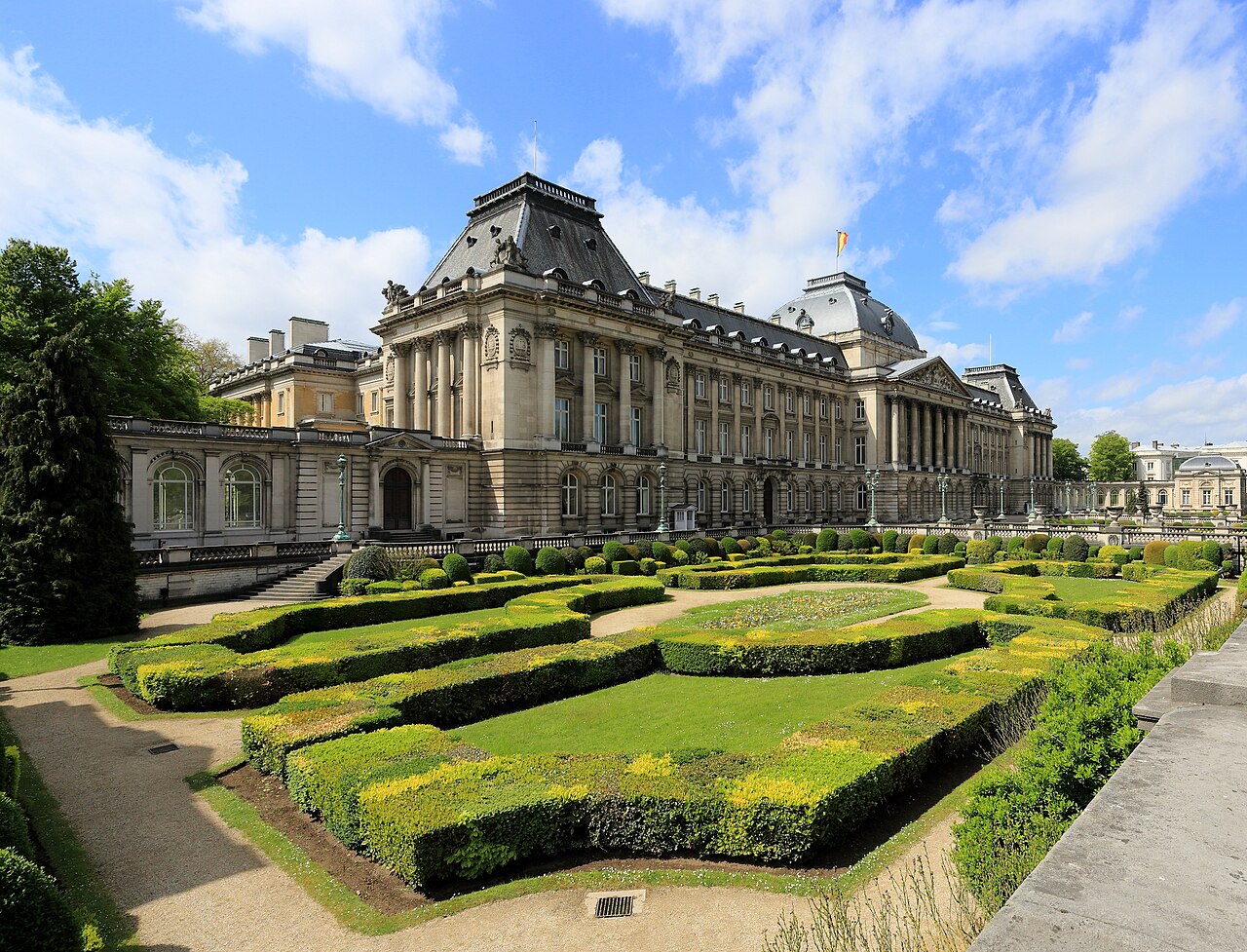
Facing the green expanse of Brussels Park, in the ceremonial heart of the Belgian capital, stands the long and stately facade of the Royal Palace of Brussels. Its neoclassical front, with rows of columns and a crowning balustrade, presents an image of calm authority to the city, the official face of the Belgian monarchy. It is here, rather than in a distant residence, that much of the public life of the crown unfolds.
The Royal Palace is not where the Belgian royal family lives, but it is where the king works and where the monarchy performs its official functions. This makes it a working palace in the truest sense, the administrative and ceremonial seat of the crown, where the king receives visitors, holds audiences, and conducts the daily business of the monarchy amid surroundings of great splendour.
Behind its dignified exterior lie some of the most remarkable interiors in Belgium, from the grand throne room and sweeping staircase to a hall whose ceiling shimmers with the wing cases of countless beetles, a startling work of contemporary art amid the historic splendour. The palace is a place where tradition and modernity meet, and where the story of the Belgian monarchy is written in stone and decoration.
In this guide you will explore the Royal Palace from its origins on the site of an older palace, through its architecture and its role in the life of the monarchy, its magnificent state rooms, and its remarkable modern additions, to what it is like to visit. By the end you will understand why this working palace holds such a central place in the life of Belgium.
In This Article
- From the Coudenberg to a New Palace
- Leopold II and the Grand Facade
- A Neoclassical Front on the Park
- The Palace Where the King Works
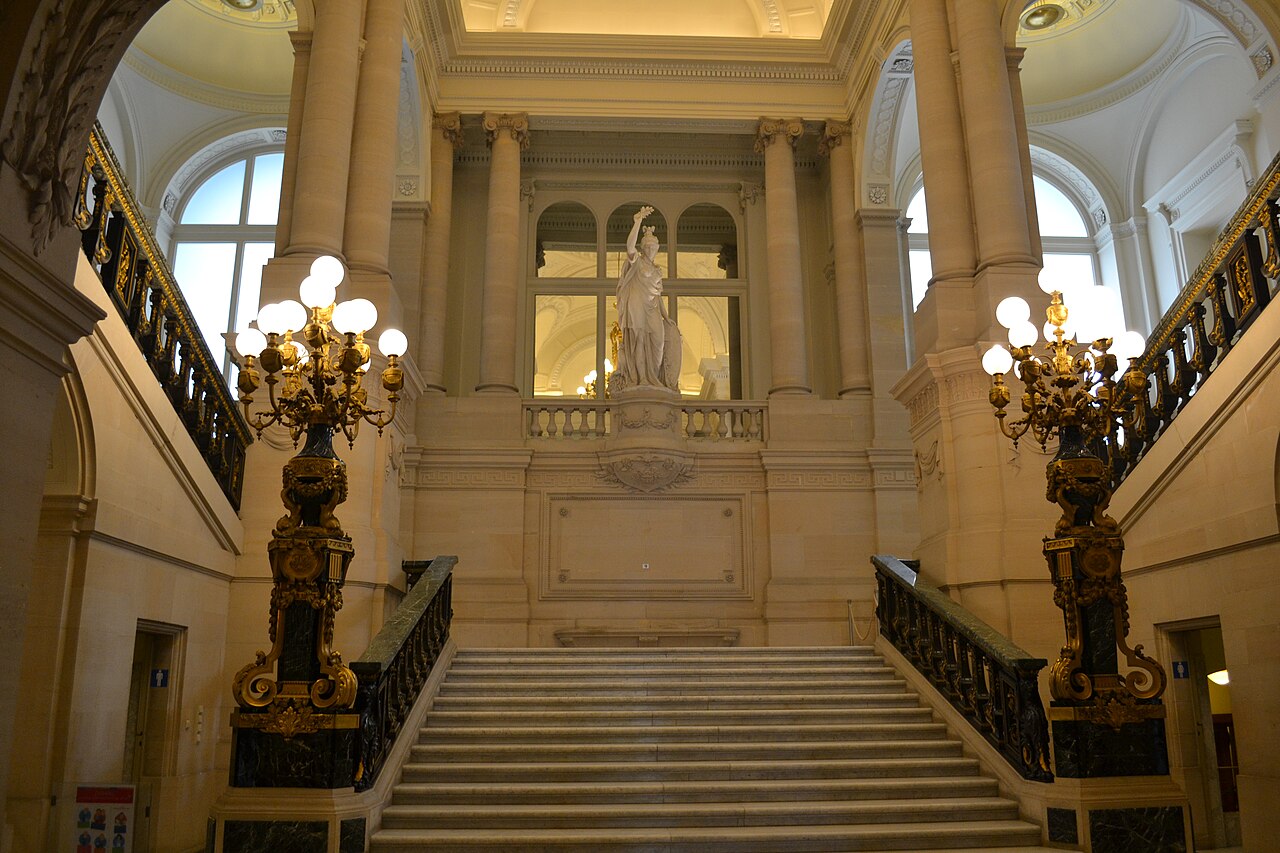
- The Throne Room and Grand Staircase
- The Hall of Mirrors and Its Beetle Ceiling
- The State Rooms in Detail
- The Buried Palace Beneath
- The Palace and Belgian Ceremony
- The Summer Opening
- A Symbol of the Belgian Monarchy
- Planning Your Visit
- See the Royal Palace for Yourself
From the Coudenberg to a New Palace
The site of the Royal Palace has been associated with power for many centuries. Long before the present building, this hill in Brussels was crowned by the Coudenberg Palace, one of the great residences of Europe, home to the dukes of Brabant and later to the rulers of the Low Countries, including some of the most powerful figures of their age. For centuries it was among the most important palaces on the continent.
That older palace met a dramatic end when it was destroyed by fire in the eighteenth century, leaving the great site vacant. The ruins were eventually cleared and built over, and the area was redeveloped, but the location retained its association with authority and its central place in the life of the city, waiting for a new role in a new age.
When Belgium became an independent kingdom in the nineteenth century, the young monarchy needed an official palace in the capital, and the historic site facing Brussels Park was the natural choice. Existing buildings on the site were adapted and expanded to create a royal palace worthy of the new state, establishing the crown at the symbolic heart of Brussels.
Thus the Royal Palace of Brussels rose on ground layered with history, the successor to the great Coudenberg Palace and the seat of a new monarchy. The continuity of the site links the modern Belgian crown to the long history of power in Brussels, and the palace stands as the latest chapter in a story of royal residence stretching back many centuries.
The Coudenberg was no minor residence but one of the seats of the Holy Roman Empire’s most powerful rulers, a palace whose halls once hosted the great political dramas of Europe. Its loss to fire was keenly felt, and for a time the hill it had crowned lay diminished. That the site should eventually rise again as the seat of a new monarchy gives the story a satisfying continuity, power returning to the ground it had always occupied.
Leopold II and the Grand Facade
The Royal Palace as it appears today owes much to King Leopold II, the ambitious monarch who reigned in the late nineteenth and early twentieth centuries and who transformed much of Brussels with grand building projects. Under his direction the palace was substantially enlarged and given the monumental facade that defines it today.
Leopold II had a passion for grand architecture and urban splendour, and he devoted great resources to embellishing his capital and its royal buildings. The imposing neoclassical front of the palace, with its columns and classical detailing, dates from this era of ambitious construction, giving the building the dignified and monumental character it now presents to the park.
The king’s building programme reflected his desire to make Brussels a capital worthy of comparison with the great cities of Europe, and the Royal Palace was a central part of this vision. The grand facade was intended to project the prestige and permanence of the Belgian monarchy and to give the crown a suitably impressive seat in the heart of the capital.
The transformation under Leopold II gave the palace its present grandeur, turning a collection of adapted buildings into a unified and monumental royal palace. His legacy is visible in the stately front that faces the park, a lasting expression of the ambitions of a monarch who left a profound mark on the architecture of his capital.
Leopold II’s building ambitions were vast and not without controversy, funded in part by the wealth drawn from his colonial ventures, a dimension of his reign that casts a long shadow over his architectural legacy. The grand palace facade, like his other projects, must be understood in the context of this complex and troubling history, even as it stands today as an accomplished work of monumental architecture at the heart of the capital.
A Neoclassical Front on the Park
Architecturally, the Royal Palace is a fine example of the neoclassical and academic styles that dominated grand public architecture in the nineteenth century. Its long facade is composed with classical dignity, its rhythms of columns and windows creating an impression of order and authority appropriate to the seat of a monarchy.
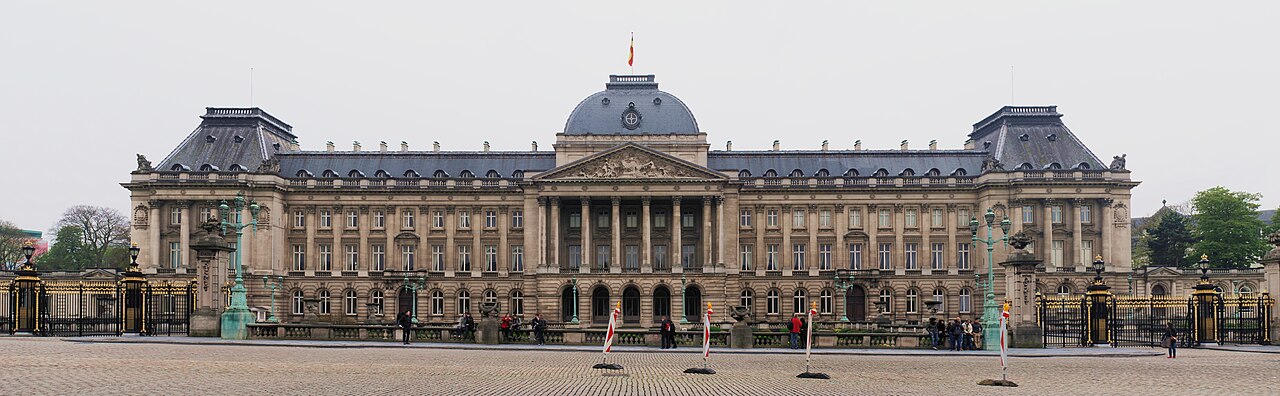
The palace faces Brussels Park across a broad open space, and this relationship between building and park is central to its effect. The green expanse provides a fitting foreground for the monumental facade, and the ensemble of palace, park, and the parliament building beyond forms one of the great civic compositions of the capital.
The design emphasises horizontal grandeur, the long facade stretching across its site with a sense of stability and permanence. Classical detailing, sculpture, and the crowning balustrade add richness without disturbing the overall impression of restraint and dignity, qualities well suited to a constitutional monarchy that rules by consent.
Though assembled and expanded over time, the palace presents a coherent and impressive whole, its grand front unifying the various parts of the building behind it. The result is a residence of real architectural distinction, a worthy seat for the Belgian crown and a landmark of the capital that expresses the dignity of the monarchy in the language of classical architecture.
The ensemble of the palace, the park, and the parliament building facing it across the green was conceived as a coherent expression of the constitutional order, with crown and legislature facing one another across a shared public space. This arrangement gives physical form to the balance of the Belgian state, and it makes the palace part of a larger civic composition rather than an isolated monument.
Seen at night, when the facade is illuminated, the palace takes on a particular grandeur, its columns and detailing thrown into relief against the dark. The lighting transforms the building into a glowing landmark at the heart of the city, and it is a favourite sight for evening visitors, who find in the illuminated facade a different and equally memorable face of the Belgian crown.
The Palace Where the King Works
One of the most interesting facts about the Royal Palace of Brussels is that it is not the home of the Belgian royal family. The king and his family actually live at another palace on the outskirts of the city, and the Royal Palace in the centre serves instead as the official workplace and ceremonial seat of the monarchy.
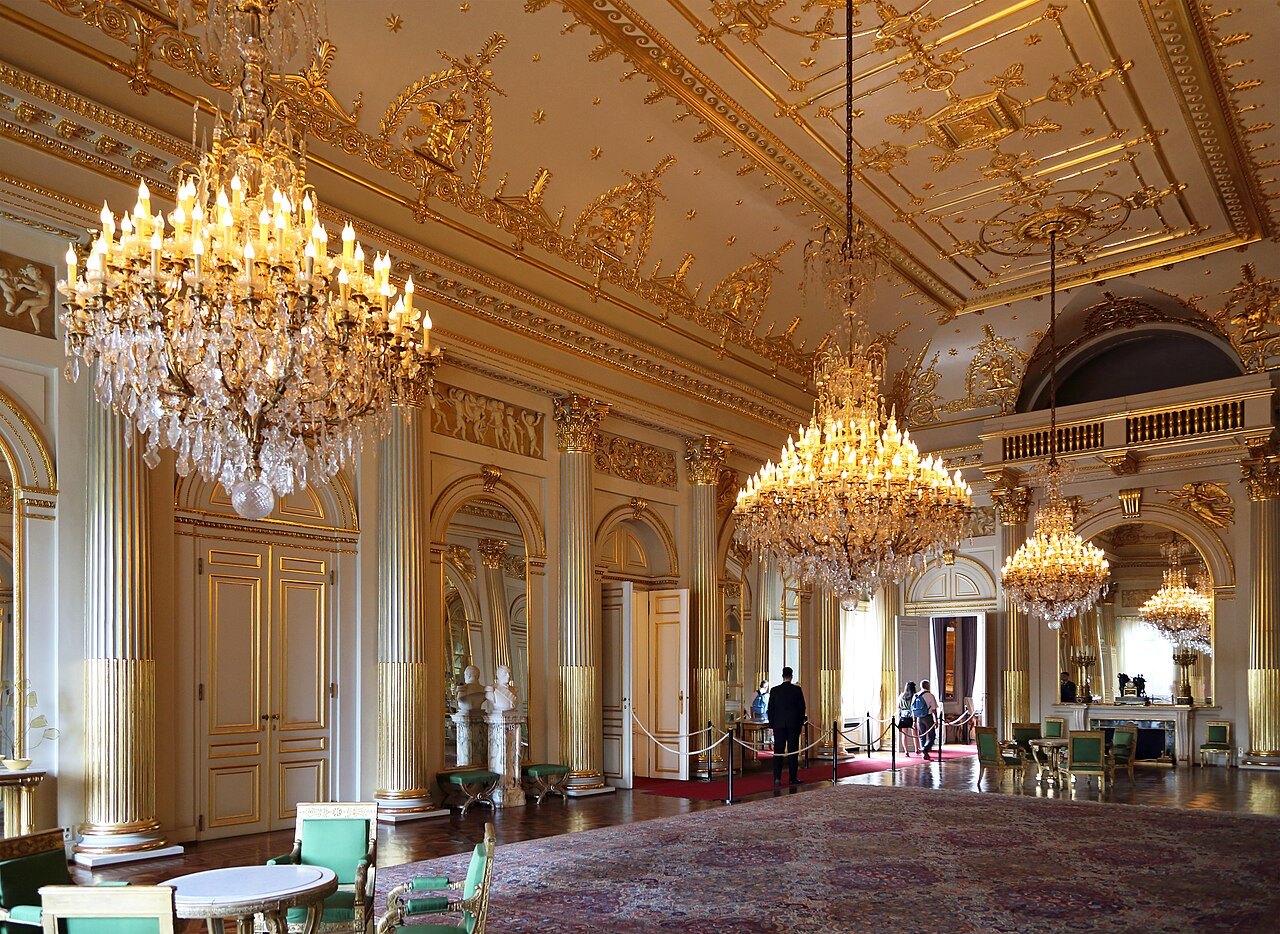
This distinction between residence and workplace is important to understanding the building. The Royal Palace is where the king carries out his official duties, receiving heads of state, holding audiences with officials, and conducting the constitutional business of the crown. It is the administrative and ceremonial heart of the monarchy, even though no one sleeps there.
This arrangement, separating the working palace from the family residence, is not unusual among modern monarchies, which often maintain both official and private residences. It allows the grandeur of the Royal Palace to be devoted entirely to the public and ceremonial functions of the crown, unencumbered by the needs of daily family life.
For visitors, this means that the Royal Palace can be understood as the public face of the Belgian monarchy, the setting for its most formal and important functions. Its splendid state rooms exist to serve these occasions, and to enter them is to step into the working ceremonial world of the crown, a place designed for the great public moments of the monarchy rather than for private domestic life.
The choice to keep the family residence separate from the working palace also reflects a modern sensibility about the balance between public duty and private life. It allows the royal family a measure of normality away from the ceremonial spotlight, while ensuring that the official palace can be devoted wholly to the representation of the state. This separation has become a settled feature of how the Belgian monarchy operates.
The Throne Room and Grand Staircase
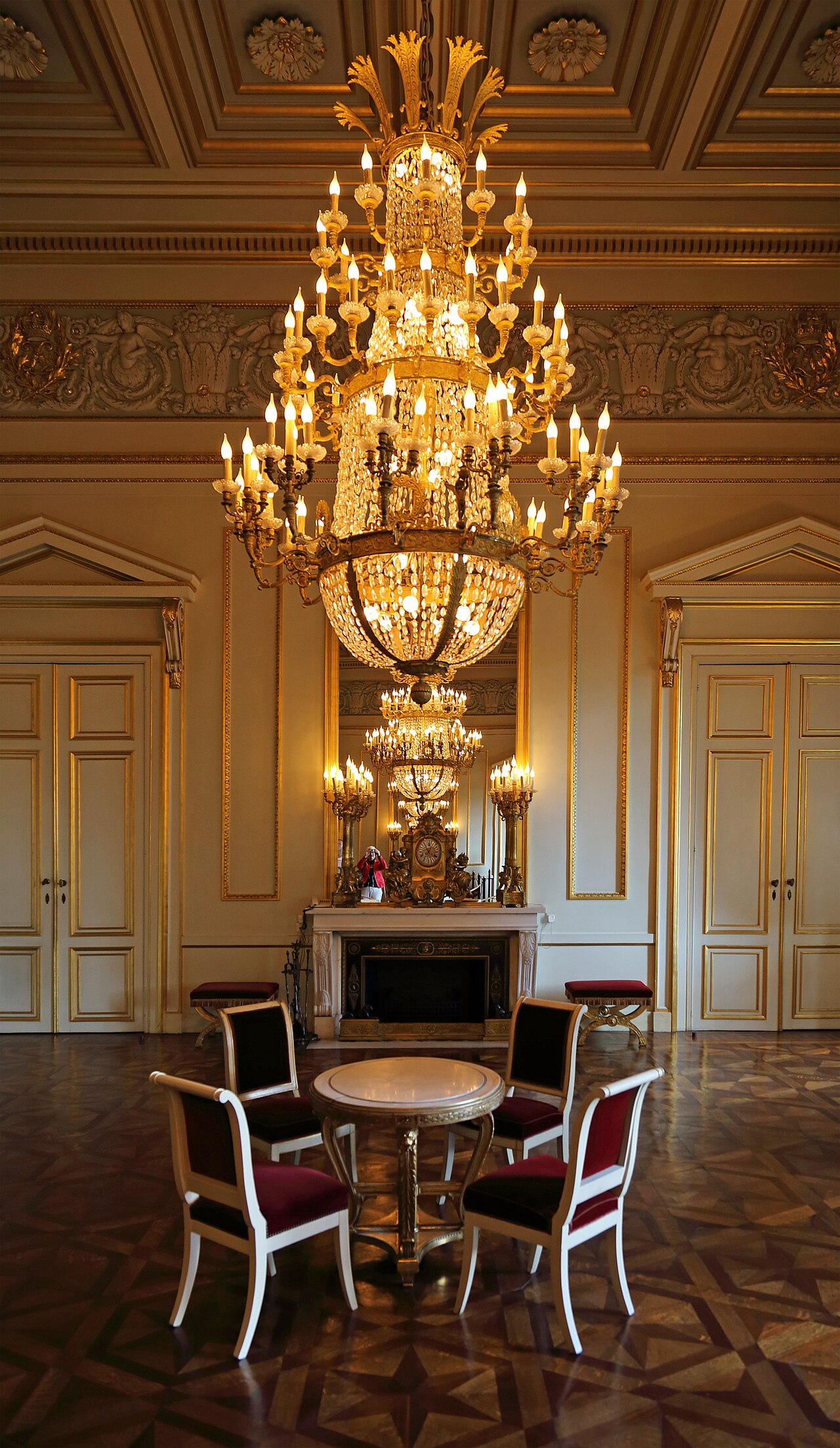
Among the most magnificent spaces in the palace are the throne room and the grand staircase, the ceremonial core of the building. The throne room is a vast and richly decorated hall, designed for the most formal occasions of the monarchy, its splendour intended to convey the dignity and authority of the crown.
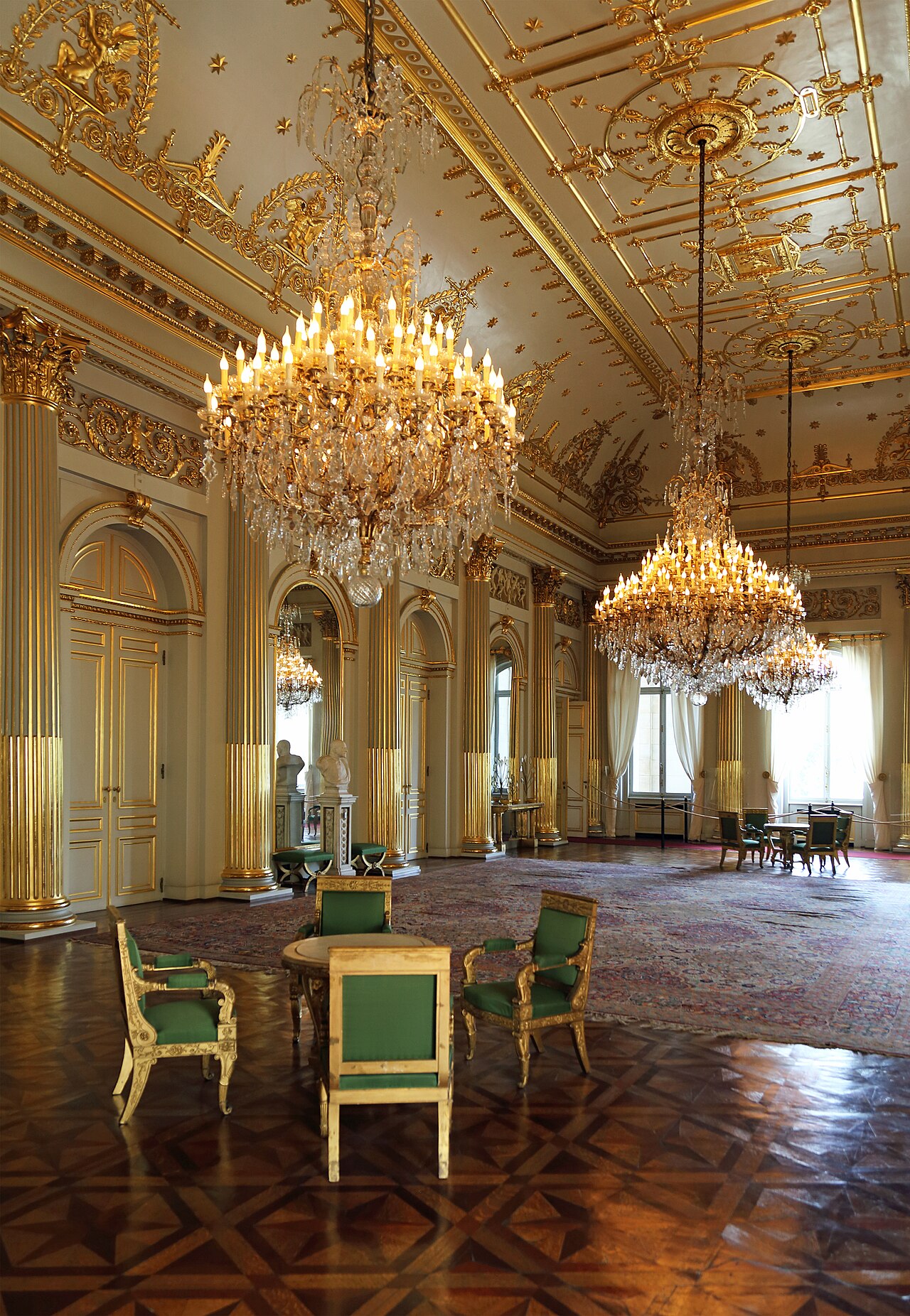
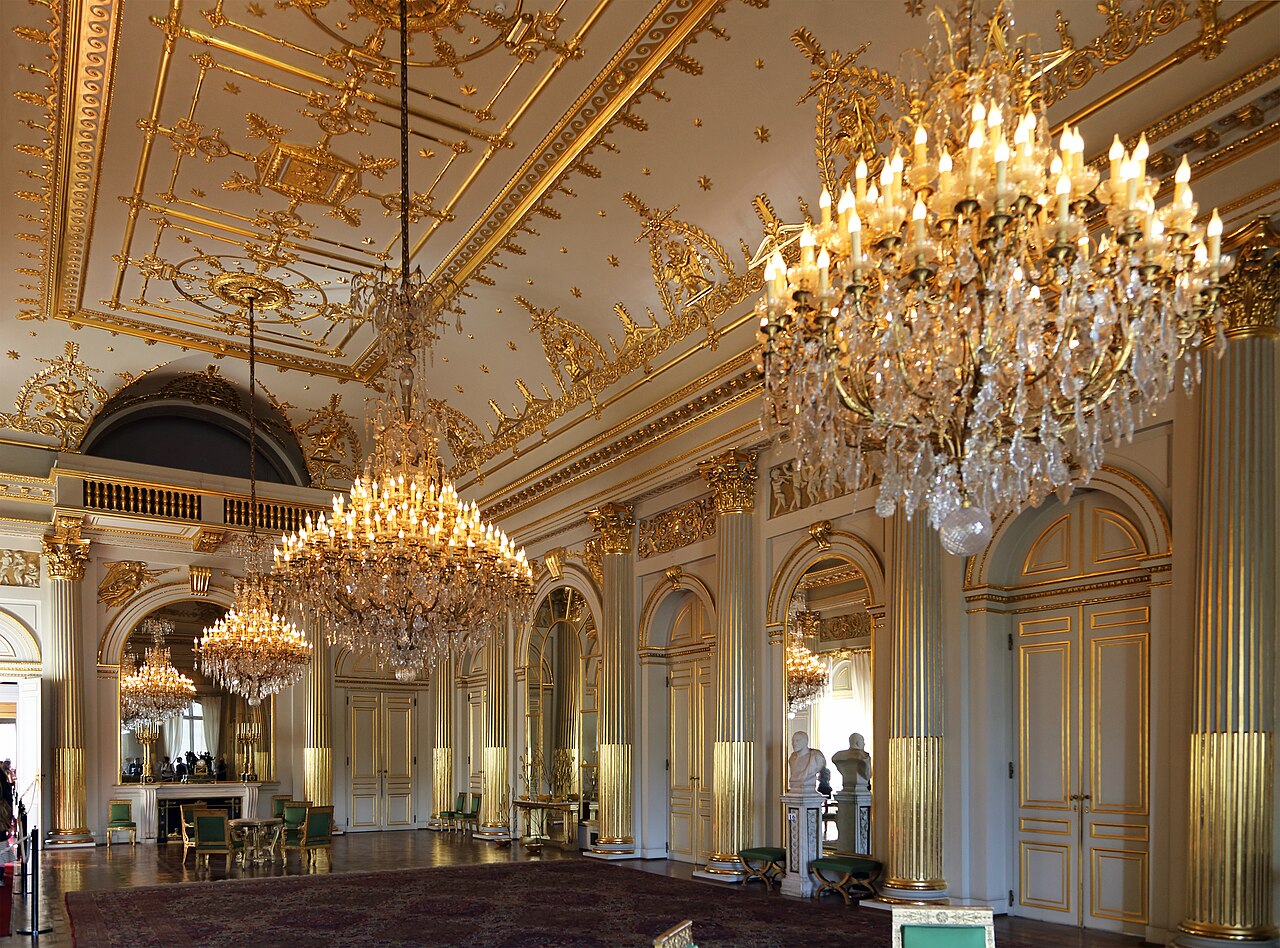
The throne room is adorned with great chandeliers, rich decoration, and the throne itself, and it serves as the setting for important ceremonies and receptions. Its scale and magnificence make it one of the highlights of the palace, a space that embodies the ceremonial grandeur of the Belgian monarchy at its most impressive.
The grand staircase provides a suitably majestic approach to the state rooms, its sweeping form and rich decoration setting the tone for the splendour that awaits above. Like the great staircases of other palaces, it was designed to impress visitors and to lend a sense of occasion to the ascent toward the ceremonial heart of the building.
Together the throne room and the staircase form the ceremonial spine of the palace, the route and the setting for its grandest occasions. They represent the palace at its most magnificent, and they capture the role of the building as the ceremonial seat of the monarchy, where the crown displays itself to the nation and to the world.
The throne room has been the setting for some of the most significant moments in the life of the Belgian monarchy, from grand receptions to solemn ceremonies of state. Its decoration, dominated by great chandeliers and rich ornament, was designed to convey the continuity and dignity of the crown, and standing within it visitors can sense the weight of the occasions it has hosted over the generations.
The grand staircase, with its marble and ironwork, offers one of the finest photographic moments in the palace during the summer opening, and visitors often pause there to take in the sweep of the design before ascending to the state rooms. It is a reminder that in a great palace even the act of moving between floors was conceived as an occasion for beauty and ceremony.
The Hall of Mirrors and Its Beetle Ceiling
One of the most famous and surprising spaces in the palace is its Hall of Mirrors, a grand room inspired by the great mirrored galleries of European palaces. But this hall holds a remarkable secret: its ceiling is covered with an extraordinary work of contemporary art unlike anything found in any other palace.
The ceiling of the Hall of Mirrors was decorated in the early twenty-first century by a celebrated Belgian contemporary artist, who covered it with the iridescent green wing cases of well over a million beetles. The result is a shimmering, jewel-like surface that changes colour with the light, a startling and beautiful fusion of nature, art, and palace decoration.
This bold commission brought a work of striking modernity into the heart of the historic palace, a gesture that reflects the willingness of the Belgian monarchy to embrace contemporary art. The beetle ceiling has become one of the most talked-about features of the palace, drawing visitors eager to see this unique meeting of tradition and innovation.
The Hall of Mirrors with its beetle ceiling captures something of the character of the modern Belgian monarchy, respectful of tradition yet open to the new. It is a space where the grandeur of the past and the creativity of the present come together, and it has become one of the most memorable sights in the entire palace, a jewel in every sense.
The beetle-wing ceiling is more than a spectacle; it carries meaning, evoking themes of nature, transformation, and the fragile beauty of the living world. The artist drew on the tradition of using precious and unusual materials in decoration, but turned to a material of startling originality, and the result invites reflection as well as wonder. It has become a symbol of the dialogue between heritage and contemporary creativity.
That such a boldly modern work should have been welcomed into a historic royal palace says much about the confidence of the institution that commissioned it. Rather than treating the palace as a museum to be preserved unchanged, the monarchy chose to let it live and evolve, adding a masterpiece of its own age to the layers of history within its walls. The gesture has been widely admired as a model of how heritage can embrace the contemporary.
The State Rooms in Detail
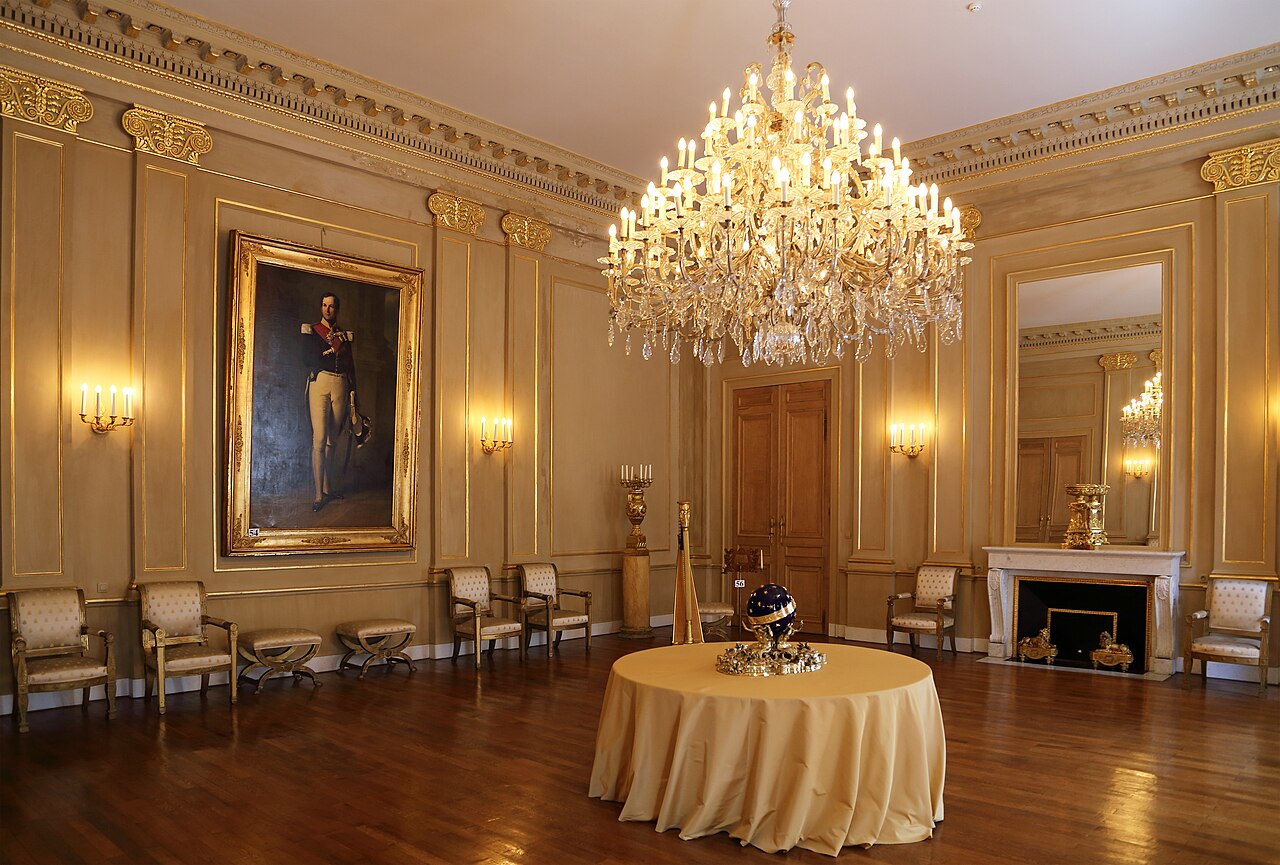
Beyond its most famous spaces, the palace contains a sequence of state rooms of great beauty and variety, each decorated and furnished to serve the ceremonial functions of the monarchy. These rooms range from grand galleries to more intimate salons, and together they form a rich ensemble of interiors reflecting the taste and history of the Belgian crown.
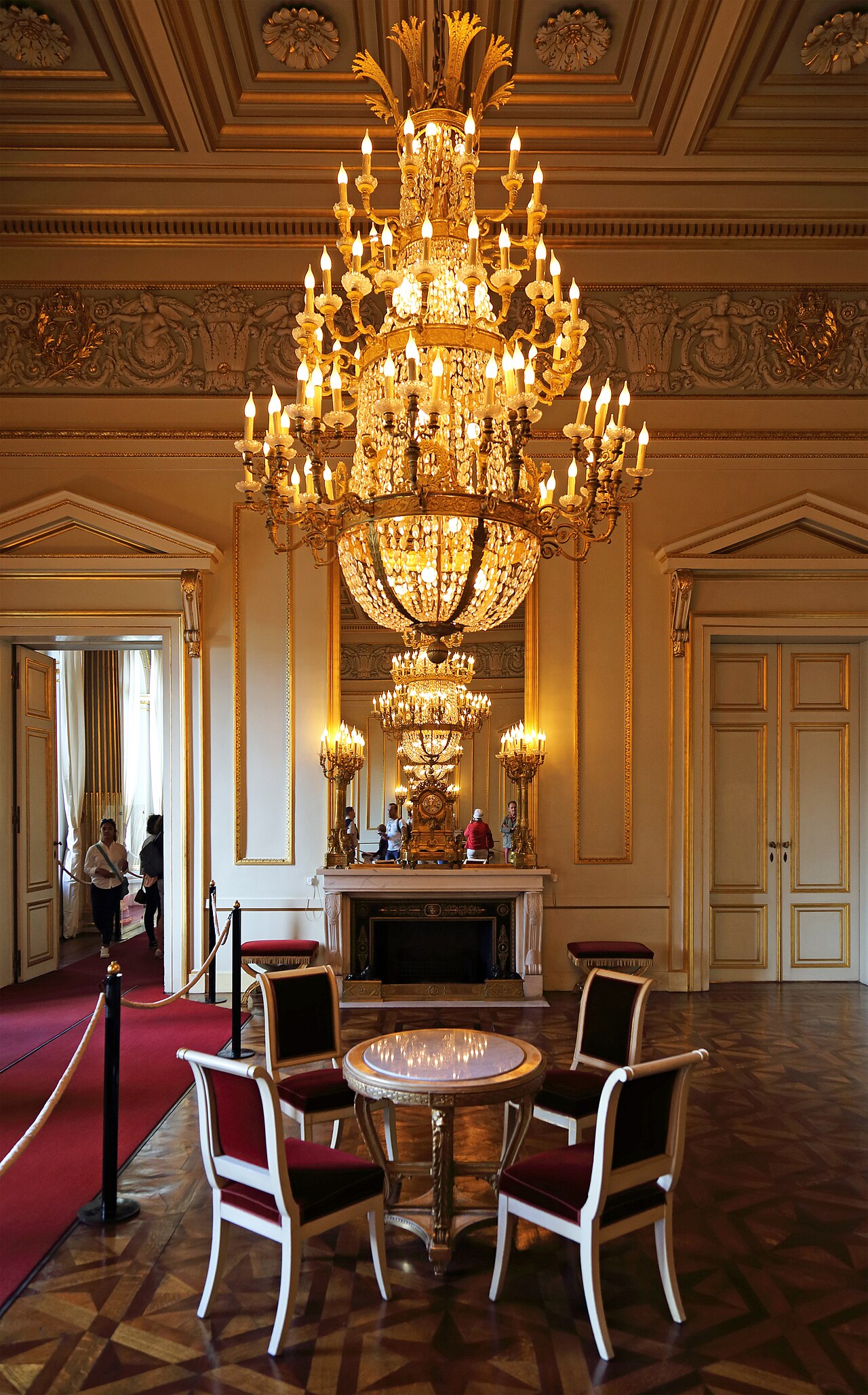
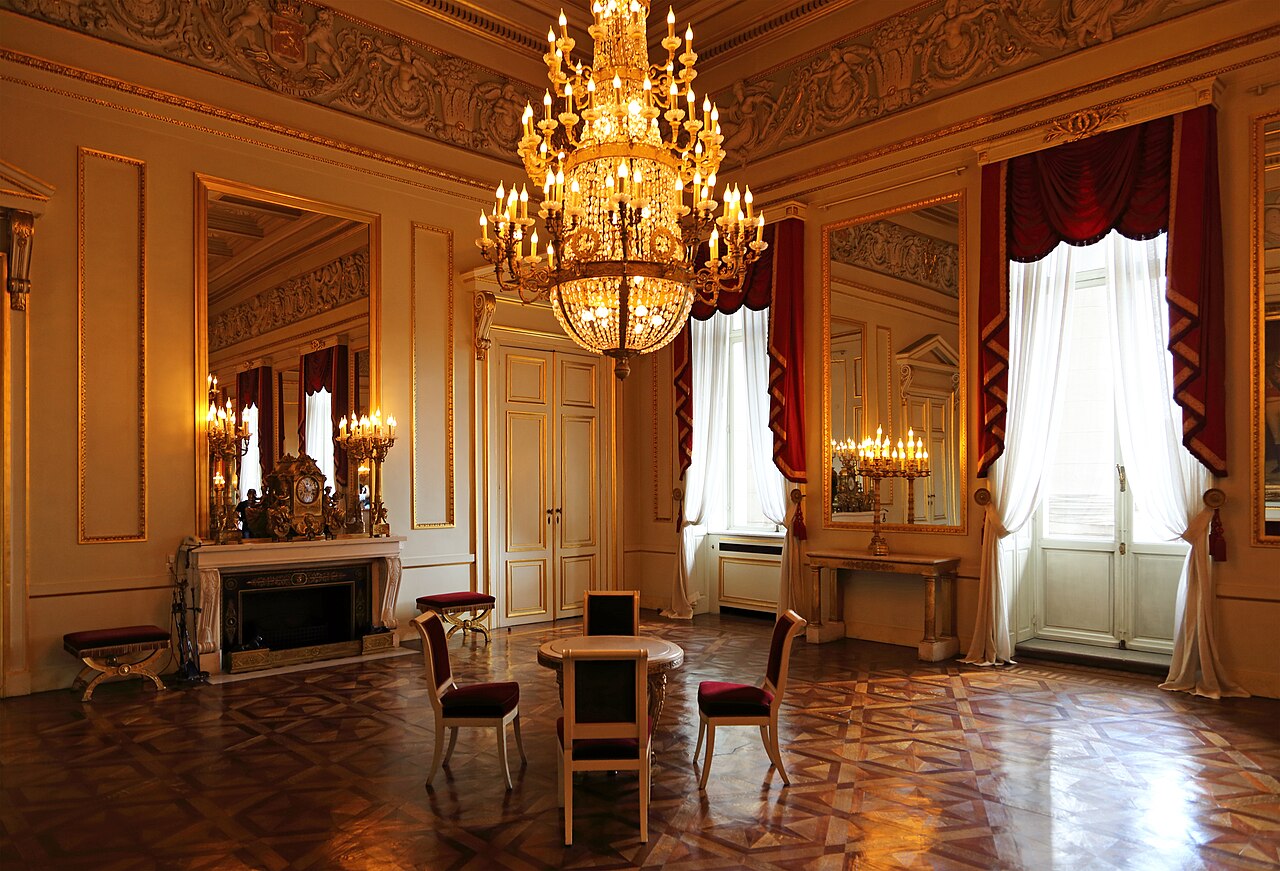
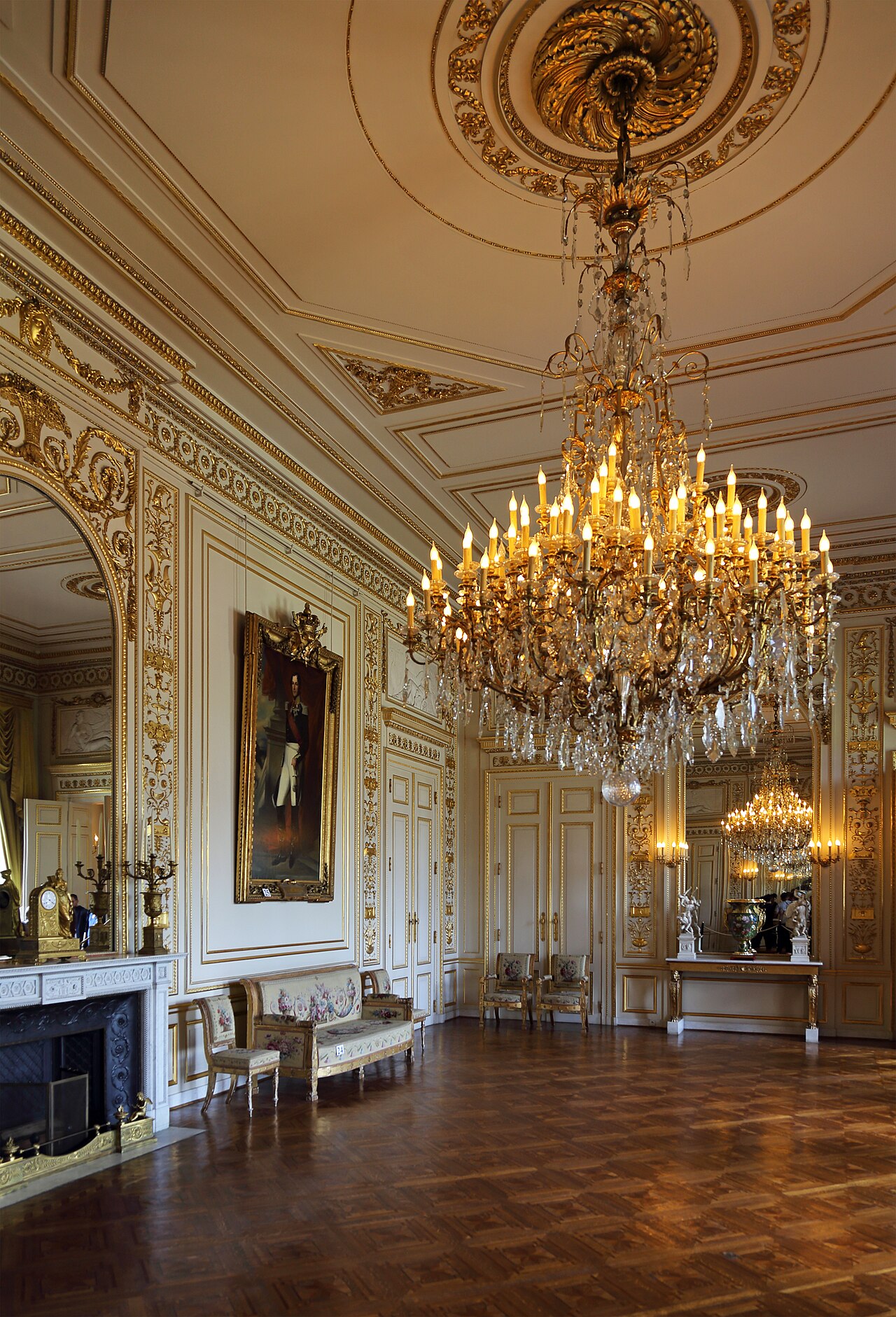
The decoration of the rooms draws on the classical and academic styles of the nineteenth and early twentieth centuries, with fine plasterwork, gilding, chandeliers, and works of art creating an atmosphere of dignified splendour. Many rooms are named for their dominant colours or decorative themes, and each has its own distinct character and purpose.
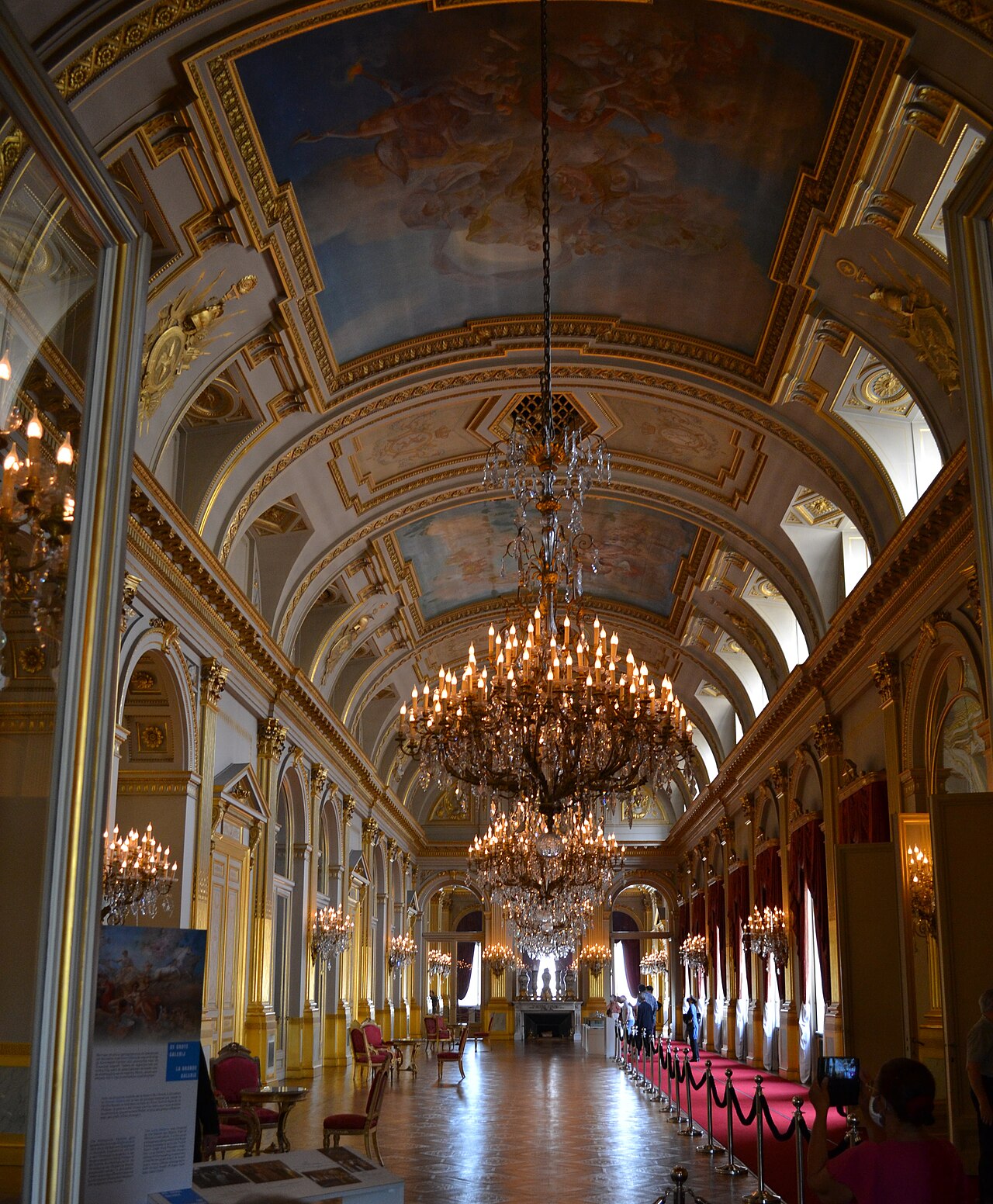
The great gallery of the palace is particularly impressive, a long and splendid space used for receptions and the display of the monarchy at its most magnificent. Such galleries, common in the great palaces of Europe, provided settings for the grand processions and gatherings that were part of court ceremony, and they remain among the highlights of the building.
The state rooms are used for the official functions of the monarchy, from receptions and banquets to the ceremonies that mark the calendar of the crown. Their splendour provides a fitting backdrop for these occasions, and for visitors they offer a rich experience of the ceremonial world of the Belgian monarchy and the art and history it embodies.
The furnishings and works of art within the state rooms reflect the history of the Belgian monarchy and its connections across Europe. Portraits, tapestries, clocks, and decorative objects fill the rooms, and among them are pieces of considerable artistic and historical value. Together they turn the palace into a kind of museum of the monarchy, preserving the material culture of the crown alongside its ceremonial function.
The Buried Palace Beneath
One of the most fascinating aspects of the palace’s site is what lies beneath it. The great Coudenberg Palace that once stood here was destroyed by fire, but its foundations and lower levels survived buried underground, and in recent times these remains have been excavated and opened to the public as an archaeological site.
Descending beneath the modern buildings, visitors can explore the remains of the medieval and Renaissance palace, including sections of walls, chambers, and a great hall where the powerful rulers of the past once held court. These underground remains offer a direct connection to the long history of power on this site, hidden beneath the streets of modern Brussels.
The excavated Coudenberg is a remarkable survival, preserving the physical traces of one of the great palaces of European history. The great hall in particular, where emperors and rulers once gathered, evokes the grandeur of the vanished palace and the importance of Brussels as a centre of power in earlier centuries.
The presence of these buried remains adds an extraordinary depth to the story of the site. Above ground rises the modern Royal Palace, seat of the Belgian monarchy; below lies the buried palace of earlier rulers. Together they span many centuries of history, making the site one of the most historically layered in the whole of Brussels.
Visiting the Coudenberg remains and then emerging into the modern palace above offers a powerful sense of the depth of history on this single site. Few places allow such a direct journey from the medieval and Renaissance world to the present day, and the contrast between the buried ruins and the living palace makes the continuity of power on the hill vivid and tangible for the visitor.
The excavation and opening of the Coudenberg has enriched the whole area as a destination, allowing visitors to experience nearly a thousand years of history within a small compass. From the buried great hall of emperors to the throne room of the modern king, the site tells a continuous story of power in Brussels, and it has become one of the most rewarding historical experiences the city offers.
The Palace and Belgian Ceremony
As the official seat of the monarchy, the Royal Palace is central to the ceremonial life of Belgium. It is here that the king carries out many of his constitutional duties, from receiving the credentials of ambassadors to holding audiences with political leaders and hosting official events of national importance.
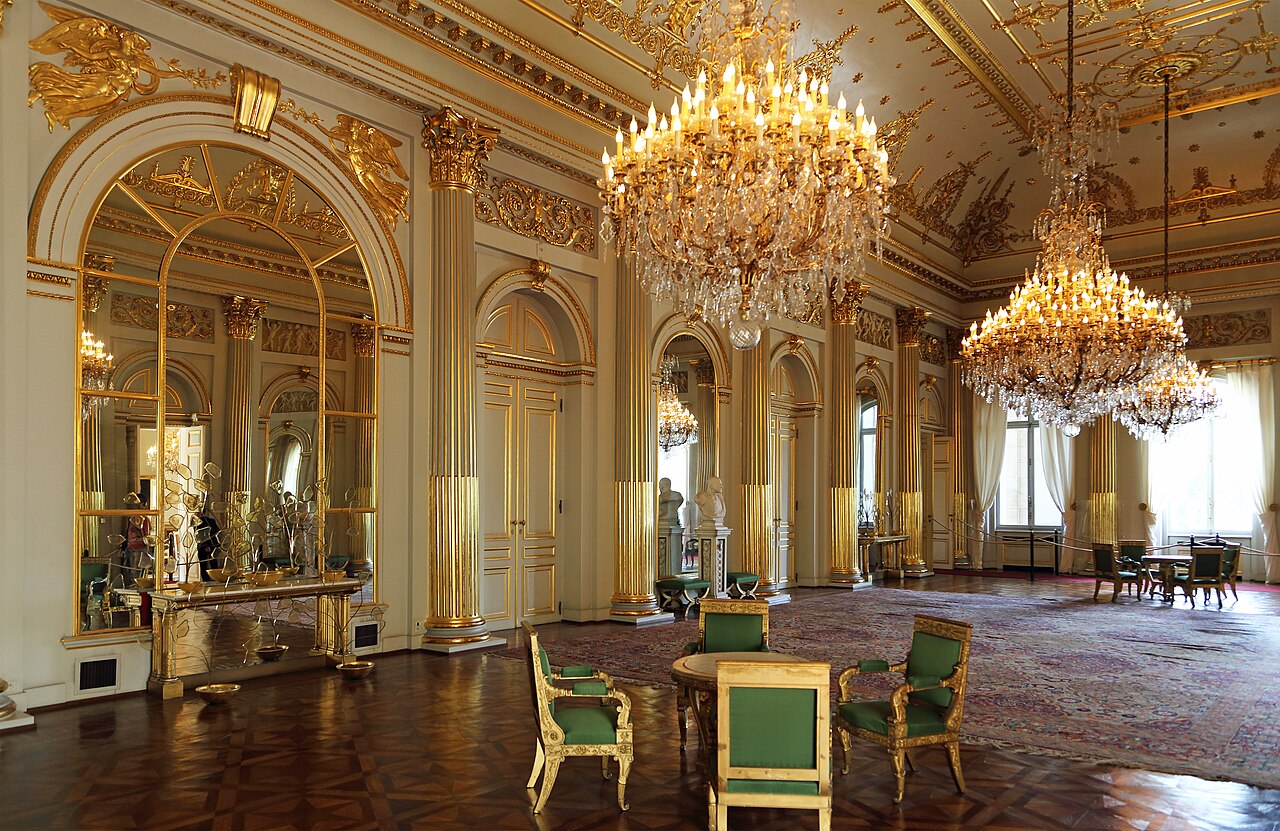
The palace serves as the setting for many of the great occasions of the Belgian state, providing a backdrop of appropriate grandeur for receptions, ceremonies, and the entertainment of distinguished guests. Its state rooms are designed precisely for these functions, and they come alive during the official events that punctuate the calendar of the monarchy.
The building also plays a role in the constitutional functioning of the country, as the place where the king performs his official duties as head of state. In this sense the palace is not merely a monument but a working part of the machinery of the Belgian state, a place where the ceremonial and constitutional roles of the monarchy are carried out.
Through these functions, the palace remains a living institution at the heart of Belgian public life. It is the stage on which the monarchy performs its public role, and its ceremonies connect the modern constitutional crown to the long traditions of royal display, keeping the palace vital and relevant in the life of the nation.
The rhythm of ceremony at the palace follows the calendar of the Belgian state, with certain occasions bringing the building to particular prominence. National celebrations, the reception of foreign dignitaries, and the constitutional duties of the king all animate the palace at different times, ensuring that it remains a working seat of state rather than a static monument, its grand rooms regularly filled with the business of the crown.
The Summer Opening
For most of the year the Royal Palace is closed to the public, given over to the official work of the monarchy, but each summer it opens its doors, allowing visitors to explore its magnificent state rooms. This annual opening has become a cherished tradition, offering a rare chance to see inside the working seat of the Belgian crown.
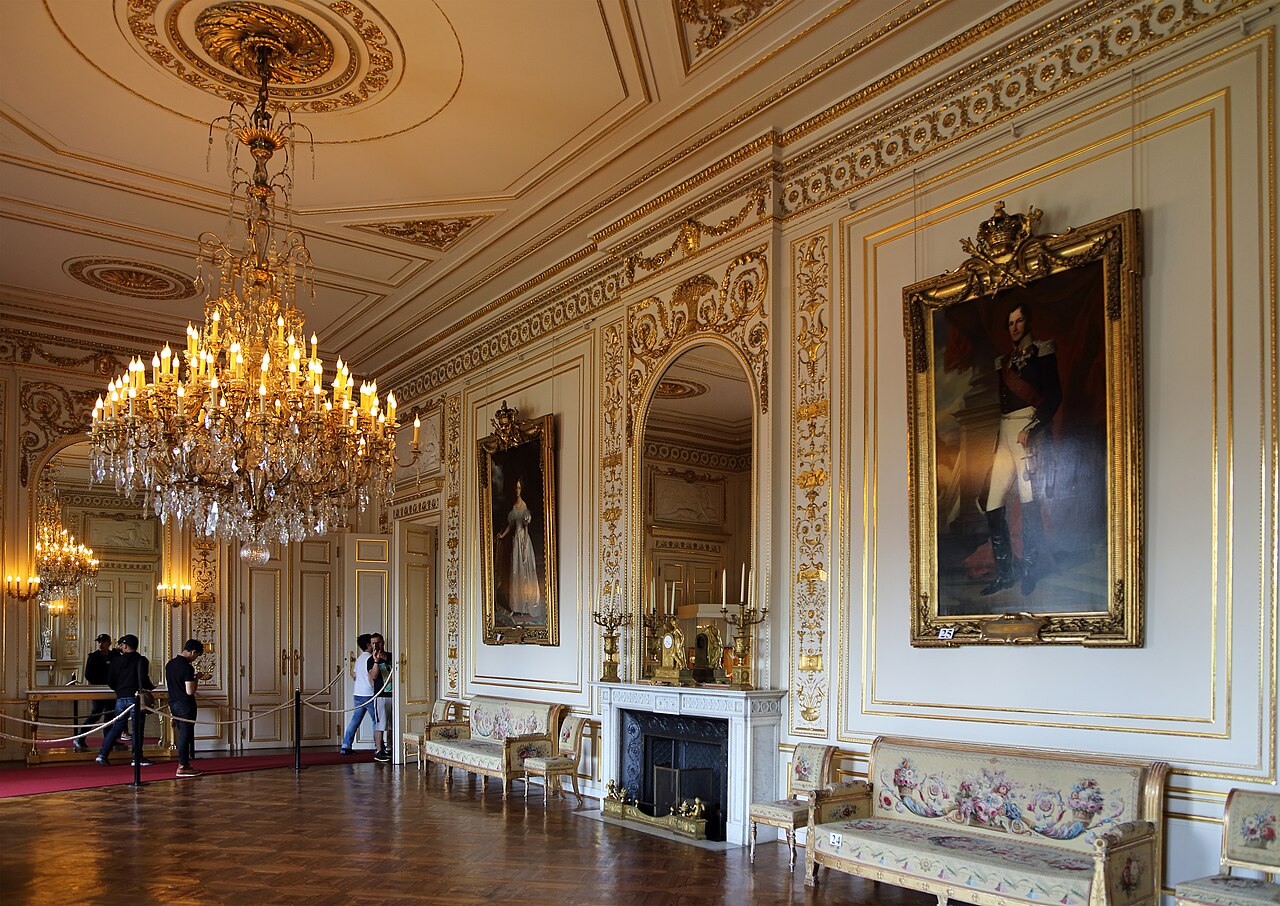
During the weeks of the summer opening, the public is welcomed into the palace to admire the throne room, the great gallery, the Hall of Mirrors with its famous beetle ceiling, and the other splendid interiors. The opening is free of charge, reflecting a spirit of openness and a desire to share the heritage of the monarchy with the people.
The summer opening is a popular event, drawing many visitors eager to experience the grandeur of the palace and to see its celebrated rooms. It has become a fixture of the Brussels summer, and it often features special exhibitions or themes that add interest to the visit and highlight different aspects of the monarchy and its history.
This tradition of opening the palace embodies the accessible character of the modern Belgian monarchy, which seeks to remain connected to its people. By welcoming the public into its official seat each year, the crown shares its splendour and its heritage, turning the working palace into a place of encounter between the monarchy and the nation it serves.
The free summer opening reflects a deliberate philosophy of accessibility that distinguishes the modern Belgian monarchy. Rather than guarding its splendour behind closed doors, the crown chooses to share it, and the annual event has become a moment of connection between the institution and the public. For many Belgians and visitors alike, it is the one chance each year to step inside the working heart of the monarchy.
A Symbol of the Belgian Monarchy
The Royal Palace stands as one of the foremost symbols of the Belgian monarchy and of the modern Belgian state. As the official seat of the crown, it embodies the continuity and dignity of the monarchy, and its presence at the heart of the capital underlines the central place of the crown in the life of the nation.
Belgium is a relatively young country, and its monarchy has played an important role in the development and unity of the state. The Royal Palace, as the seat of that monarchy, has been a witness to and a participant in the history of the nation, from its founding through the great events of the modern era.
The palace also reflects the character of the Belgian monarchy as a constitutional institution, dignified but accessible, traditional but engaged with the modern world. The combination of historic grandeur and contemporary art within its walls captures this dual character, as does the annual opening of the palace to the public.
As a symbol, the Royal Palace carries the weight of the nation’s identity and the dignity of its crown. It is a place where the history and the present of the Belgian monarchy meet, a working seat of state that is also a monument to the country’s journey, and one of the most important buildings in the whole of Belgium.
In a country marked by linguistic and regional diversity, the monarchy has often been seen as a unifying institution, and the palace stands as a visible emblem of that unifying role. As the shared seat of a crown that belongs to all Belgians regardless of region or language, the building carries a symbolic weight beyond its architecture, representing the common bonds of a diverse nation.
Planning Your Visit
The Royal Palace stands in the centre of Brussels, facing Brussels Park and close to the Belgian parliament and other important institutions, making it easy to include in any exploration of the capital. Its central location means it can be readily combined with the many other attractions of the city centre.
View the Royal Palace of Brussels on Google Maps
The key thing to know for planning a visit is that the palace is open to the public only during the summer, generally for a period of several weeks. Outside this time the building is closed, given over to the official work of the monarchy, so timing a visit to coincide with the summer opening is essential for those wishing to see the interiors.
During the summer opening, admission is free, and visitors can explore the state rooms, including the throne room, the great gallery, and the Hall of Mirrors with its famous ceiling. It is worth checking the exact dates of the opening and any special exhibitions before planning a visit, as these can vary from year to year.
You can find the palace and plan your route using the map link below. Whether you time your visit for the summer opening to see the splendid interiors, or simply admire the grand facade across the park at any time of year, the Royal Palace of Brussels offers a memorable encounter with the Belgian monarchy. The nearby Coudenberg archaeological site makes a fascinating complement to a visit.
Visitors who cannot time their trip to the summer opening still find much to appreciate in the palace’s setting, for the grand facade and the surrounding park form one of the finest urban ensembles in Brussels. A walk across the park toward the palace, with the parliament building behind, offers a memorable sense of the ceremonial heart of the Belgian capital even when the doors are closed.
See the Royal Palace for Yourself
A palace as splendid as the Royal Palace of Brussels is best appreciated in motion, and the short film below offers a closer look at its state rooms, its famous beetle ceiling, and its setting on Brussels Park. It conveys the grandeur of the throne room and gallery and the surprising beauty of the palace’s contemporary art.
As you watch, keep in mind the story behind it: a palace risen on the site of a great vanished residence, transformed by an ambitious king, and serving as the working seat of a modern constitutional monarchy. The Royal Palace of Brussels is a place where history and the present meet, a grand and living symbol of the Belgian crown at the heart of the capital.
Palaces Nearby
If the Royal Palace of Brussels has drawn you into the royal heritage of the Low Countries, two more palaces of the region make natural companions, each with its own character.
- The Amsterdam Town Hall That Turned Into a Royal Palace — a golden-age Dutch classicist masterpiece on Dam Square, later made a royal palace.
- Luxembourg’s Grand Ducal Palace, a Renaissance Jewel of the Old Town — the ornate old-town seat of the world’s only grand duchy.
You May Like
The Bardo, a Palace of the Beys Filled With Roman Mosaics


One thought on “The Working Palace at the Heart of the Belgian Crown”