Off the shore of the tiny island of Pohnpei, in the middle of the western Pacific Ocean, lies one of the most extraordinary and least-known ancient cities on earth. Nan Madol is a city built entirely on the sea, a network of nearly a hundred artificial islets, laced with canals and walled with colossal stacked columns of black basalt.
Often called the Venice of the Pacific, Nan Madol was the ceremonial and political centre of a dynasty that once ruled the island. How its builders quarried and moved the enormous stones to this remote reef remains one of the great mysteries of Oceania.
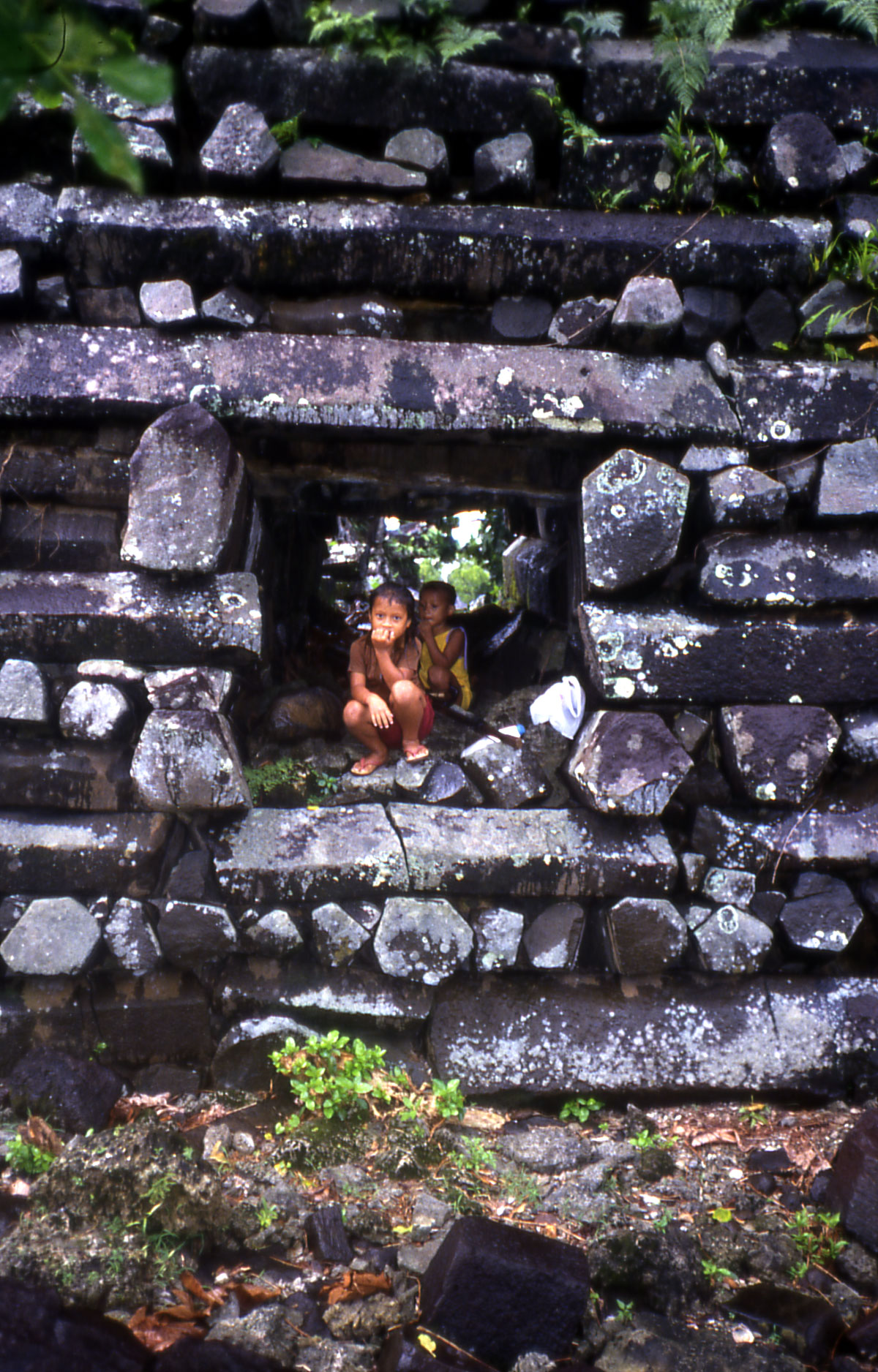
Table of Contents
- The Venice of the Pacific
- A City Built on the Reef
- The Saudeleur Dynasty
- Islets and Canals
- Walls of Stacked Basalt
- The Royal Tombs of Nandauwas
- Moving the Megaliths: An Enduring Mystery
- Legends and the Fall of the Saudeleur
- Abandonment, Preservation, and UNESCO
- Getting There
- Nearby Places
- Closing Thoughts
The Venice of the Pacific
Nan Madol is unlike any other ancient site. It was built on a shallow reef and lagoon on the edge of Pohnpei, with its structures raised on nearly a hundred small artificial islands separated by a maze of water channels.
Because the city could only be crossed by canoe along its canals, it earned the nickname the Venice of the Pacific. Its name is said to mean the spaces between, referring to the waterways that thread through it.
A City Built on the Reef
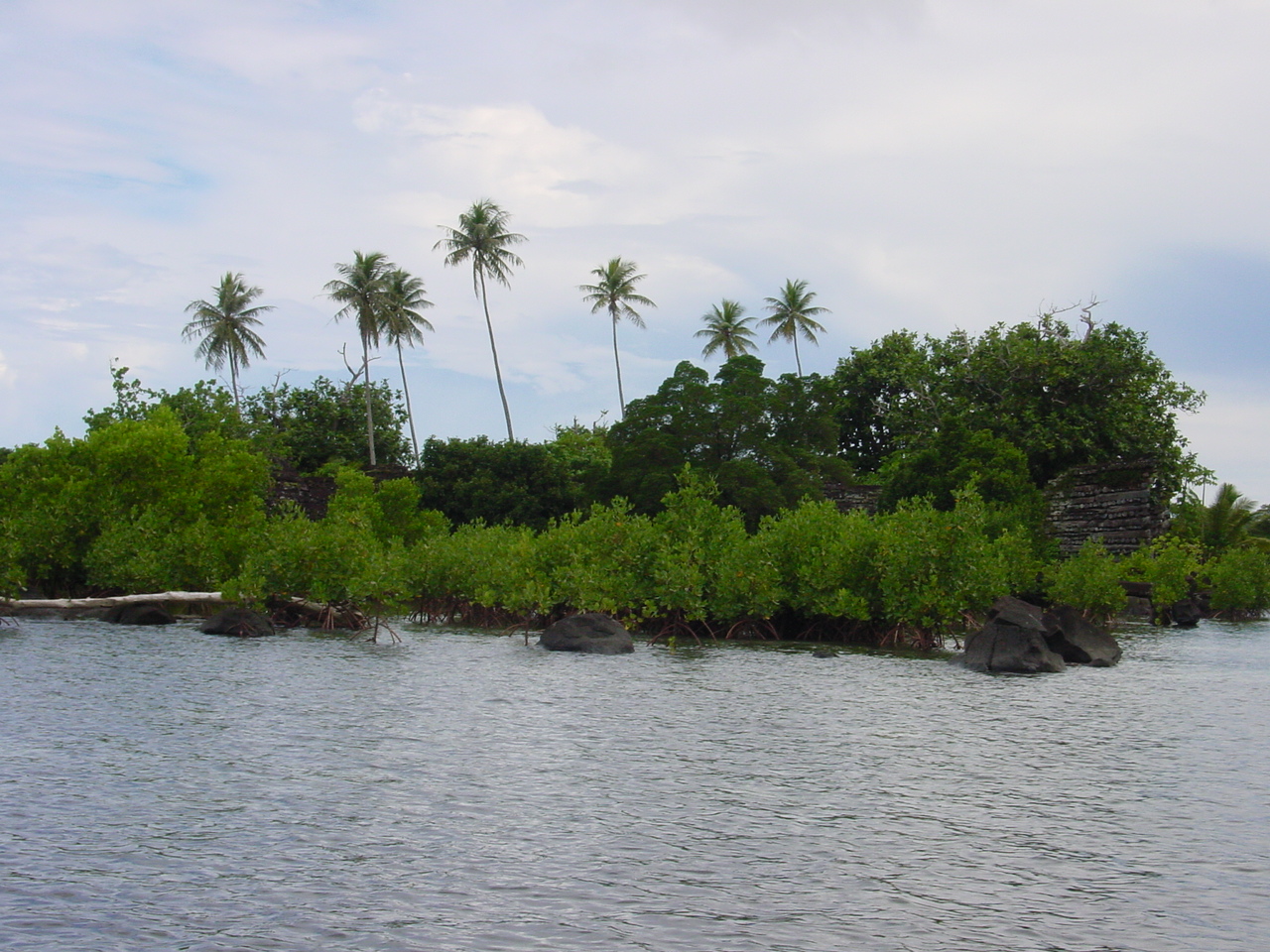
Pohnpei is a lush volcanic island in what is now the Federated States of Micronesia. Nan Madol sits just off its coast, built out over the tidal flats rather than on dry land.
The islets were formed by piling up coral rubble to make platforms, then edging and building them up with massive basalt stones. Constructing an entire city on the sea in this way was a staggering feat of organisation and labour.

The Saudeleur Dynasty
Nan Madol was the seat of the Saudeleur dynasty, rulers who unified and governed Pohnpei for centuries. From this island city they controlled the population and gathered tribute from across the island.
The site was both a royal residence and a sacred centre, with areas for the living elite and others devoted to religious ritual and the burial of the dead. It was the heart of power on Pohnpei for many generations.
Islets and Canals
The city is divided into distinct sectors, one for the dwellings of the nobility and priests, another for tombs and religious activity. Between them run the canals that gave Nan Madol its unique character.
Moving through the city meant travelling by canoe along these waterways, past high stone walls. The layout combined the practical, the ceremonial and the symbolic in a way found nowhere else in the Pacific.
Walls of Stacked Basalt
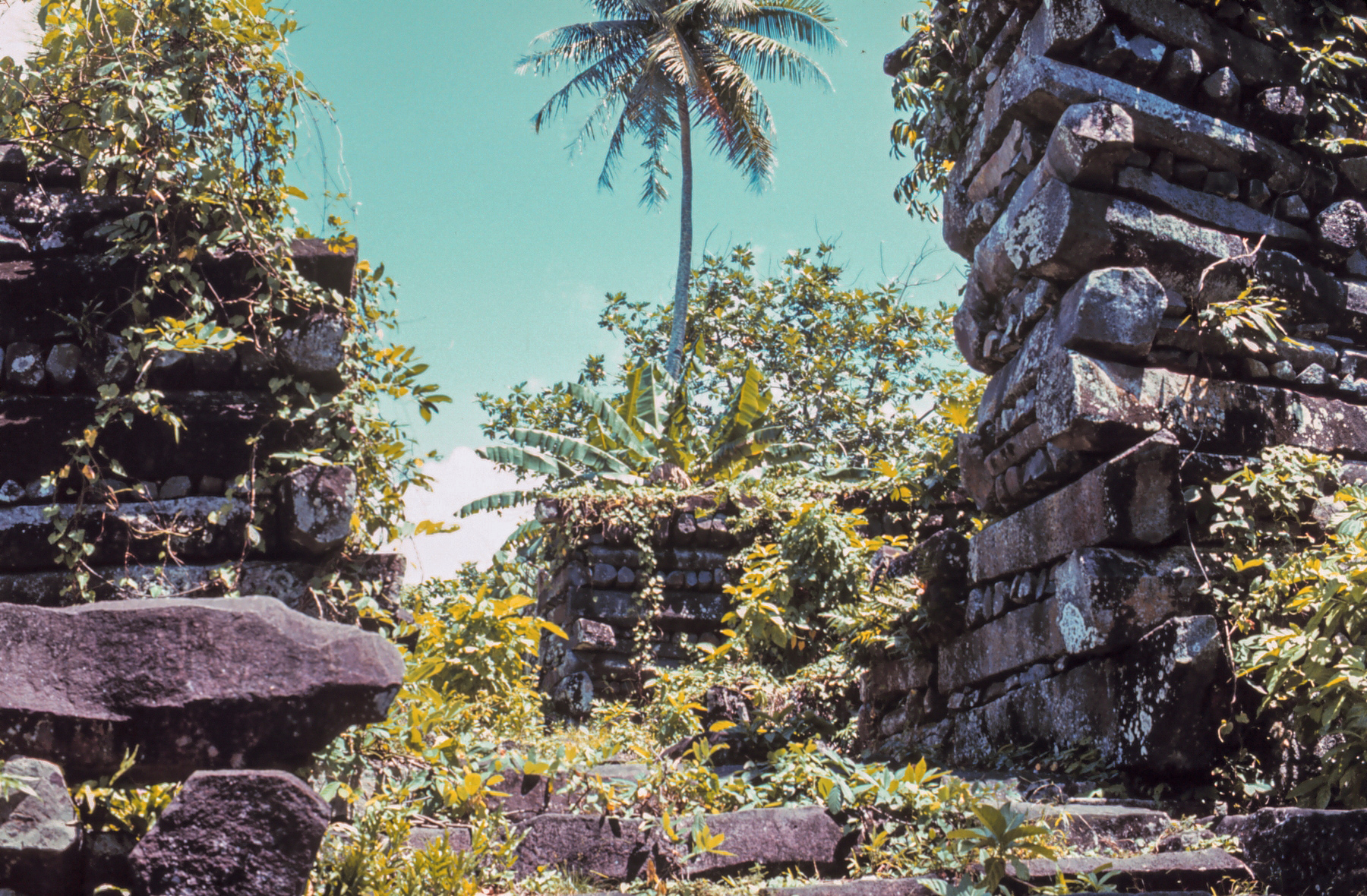
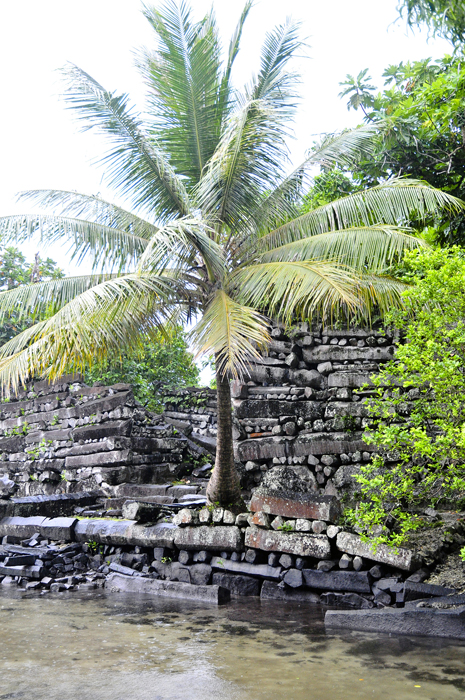
The walls of Nan Madol are built from long columns of basalt, a volcanic rock that naturally forms in prism-like shafts. These were stacked like giant logs in alternating layers to build up massive, stable walls.
Some of the stones are enormous, weighing several tonnes, and the tallest walls rise many metres high. The total amount of stone moved to build the city is immense, rivalling other great ancient monuments.

The Royal Tombs of Nandauwas
The most impressive structure at Nan Madol is a great walled enclosure that served as the royal mortuary complex. Its towering outer walls surround a central tomb where the rulers of Pohnpei were laid to rest.
This funerary precinct was the sacred core of the city. Its scale and the effort lavished on it show the importance of the dead rulers and the beliefs that surrounded them.
Moving the Megaliths: An Enduring Mystery
One of the great puzzles of Nan Madol is how its builders transported the huge basalt columns, quarried elsewhere on Pohnpei, to the reef and lifted them into place. The stones are far too heavy to carry by hand.
They were probably floated on rafts and manoeuvred with ropes, levers and great numbers of people, but no one knows exactly how. Local legend held that the stones were flown into place by magic, a measure of how astonishing the achievement seemed.
Legends and the Fall of the Saudeleur
Pohnpeian oral tradition preserves rich stories about Nan Madol, including the tale of how the Saudeleur dynasty grew tyrannical and was finally overthrown by a culture hero from outside the island.
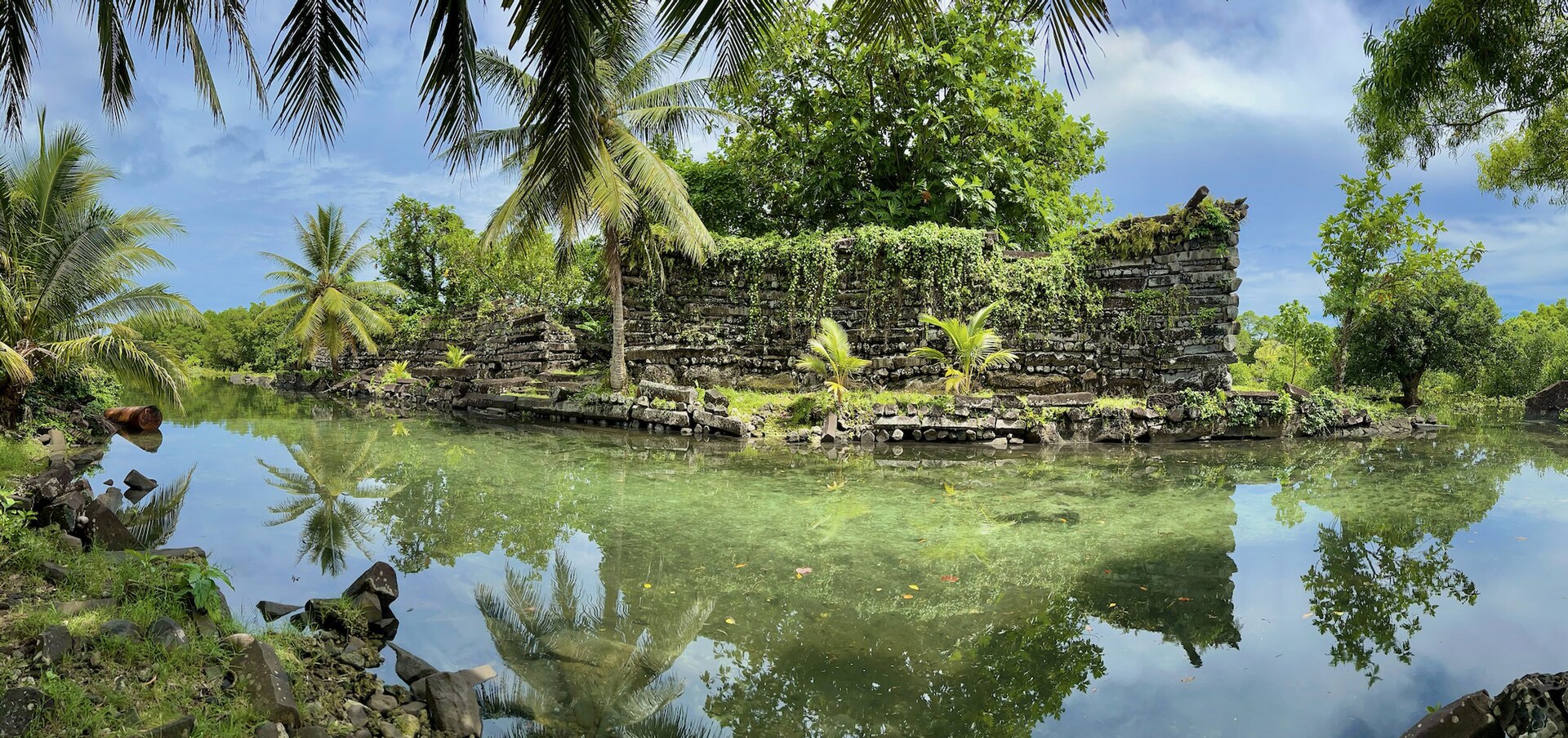
After the fall of the dynasty, the city gradually lost its central role. Its islets and tombs were slowly abandoned, and the jungle and mangrove began to reclaim the walls.
Abandonment, Preservation, and UNESCO
By the time European visitors arrived, Nan Madol was already an overgrown ruin, its purpose remembered only in legend. Its remoteness protected it, but also left it exposed to the encroaching sea and vegetation.
Nan Madol was inscribed on the UNESCO World Heritage List in 2016, and at the same time placed on the list of sites in danger, because of threats from silting, mangroves and erosion. Protecting this fragile ocean city is a pressing challenge.
Getting There
Nan Madol lies off the eastern shore of Pohnpei, one of the main islands of the Federated States of Micronesia, in the western Pacific. Pohnpei has an international airport served by flights that hop across the Pacific islands.
From the main town of Kolonia, the site is reached by road to the coast and then usually by boat, and often requires local permission and a guide. Its remoteness makes reaching it an adventure in itself.
Coordinates: 6.8447, 158.3347 — open Nan Madol in Google Maps.
Nearby Places
- Easter Island — another remote Pacific society that moved colossal stones to build monuments to its rulers and gods.
- Great Zimbabwe — another mortarless stone city, long underestimated, built by a people mastering monumental construction.
- Sacsayhuaman — a site that poses the same question of how ancient people moved and stacked enormous stones.
Closing Thoughts
Nan Madol is one of the most astonishing achievements of the ancient Pacific: a whole city of stone raised on the reef, its walls of stacked basalt rising from canals in the open ocean.
Built by a people without metal or the wheel, on one of the most isolated islands on earth, it remains wrapped in mystery and legend. Threatened now by the very sea it was built upon, this ocean city stands among the wonders of Oceania.
You May Like

Mafra, the Palace a King Built From a Vow