Near the Mediterranean coast of southern Turkey lie the extensive ruins of Perge, one of the great cities of ancient Pamphylia. With its distinctive round-towered gate, its long colonnaded streets, its huge stadium and its fine baths, Perge offers one of the most complete pictures of a prosperous Greco-Roman city in Anatolia.
Once famous for its temple of Artemis and for producing the great mathematician Apollonius, Perge grew wealthy under Greek and Roman rule and was beautified by generous citizens. Its spacious, well-preserved ruins make it a rewarding place to explore the everyday grandeur of the Roman world.

Table of Contents
- A Great City of Pamphylia
- The Round Towers of the Hellenistic Gate
- The Colonnaded Main Street
- The Stadium
- The Theatre
- Baths and Roman Comforts
- Fountains and the Agora
- Plancia Magna, Benefactress of Perge
- Saint Paul and Early Christianity
- Rediscovery and Heritage
- Getting There
- Nearby Places
- Closing Thoughts
A Great City of Pamphylia
Perge was one of the leading cities of Pamphylia, the fertile coastal plain of southern Anatolia. Set a little inland for protection from pirates, it grew rich from farming and trade and boasted a famous sanctuary of the goddess Artemis.
The city had a long history reaching back before Greek and Roman times, and it produced notable figures, including the mathematician Apollonius, whose work on conic sections influenced science for centuries.

The Round Towers of the Hellenistic Gate
One of the most striking monuments of Perge is its old city gate, flanked by two great round towers dating from Hellenistic times. Passing between them, visitors enter a grand horseshoe-shaped courtyard that was later richly decorated with statues.
This gateway was the ceremonial entrance to the city, and its towers remain an emblem of Perge. It set the tone for the monumental streets and squares that lay beyond.
The Colonnaded Main Street
From the gate, a broad colonnaded avenue runs through the heart of the city, lined with columns, shops and public buildings. Down its centre ran a channel of flowing water, fed from a fountain at the top of the street.
This water channel cooled and beautified the avenue, and its gentle flow would have been a welcome sight in the southern heat. The long, column-lined street is one of the most evocative features of Perge.

The Stadium
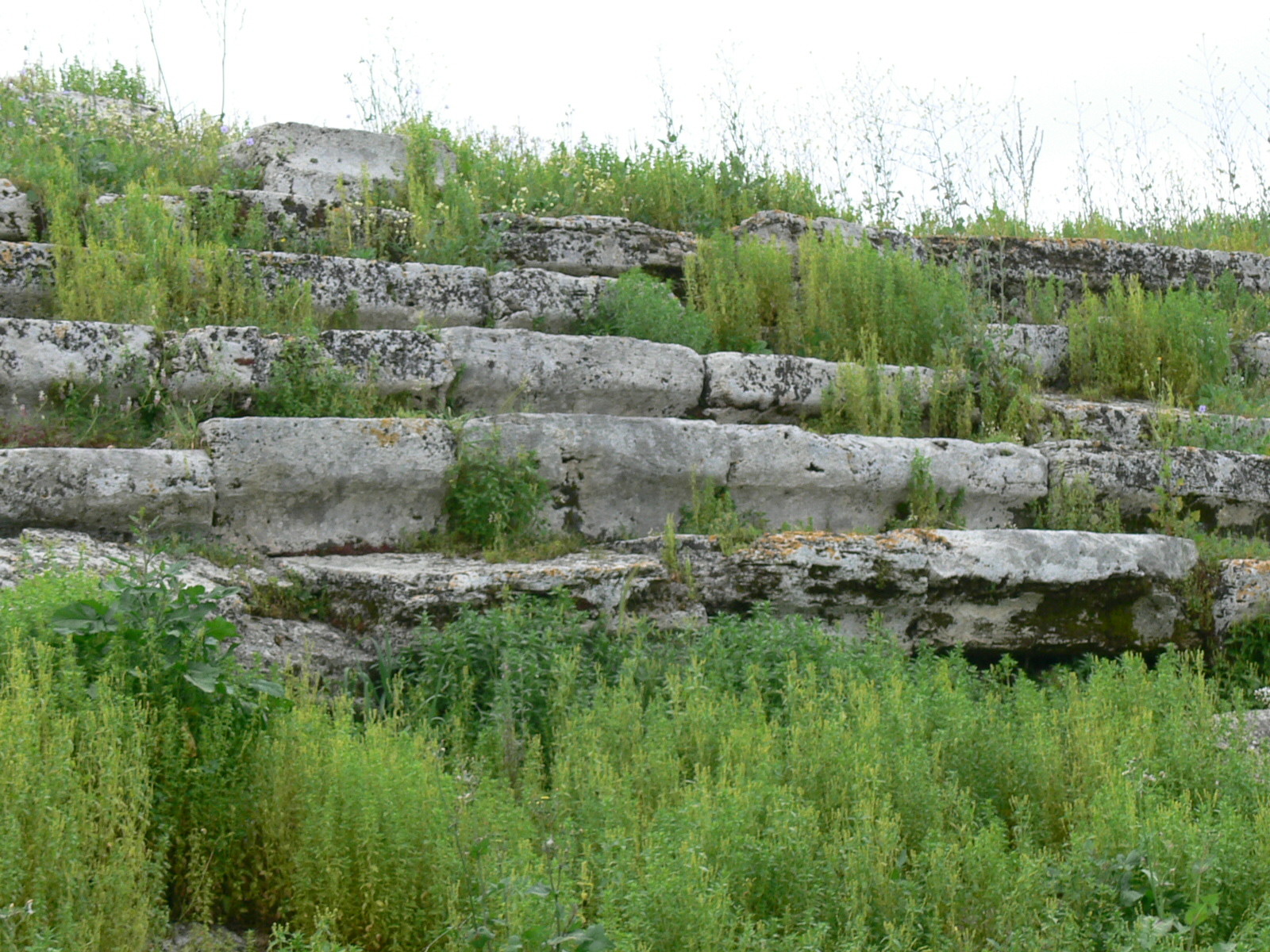
Perge possessed one of the best-preserved stadiums of the ancient world, a long structure able to seat many thousands of spectators for athletic contests. Its rows of stone seats, raised on vaulted chambers, survive in excellent condition.
The chambers beneath the seats served as shops and storerooms, a practical use of the space. The stadium is a powerful reminder of the importance of games and public spectacle in ancient city life.
The Theatre
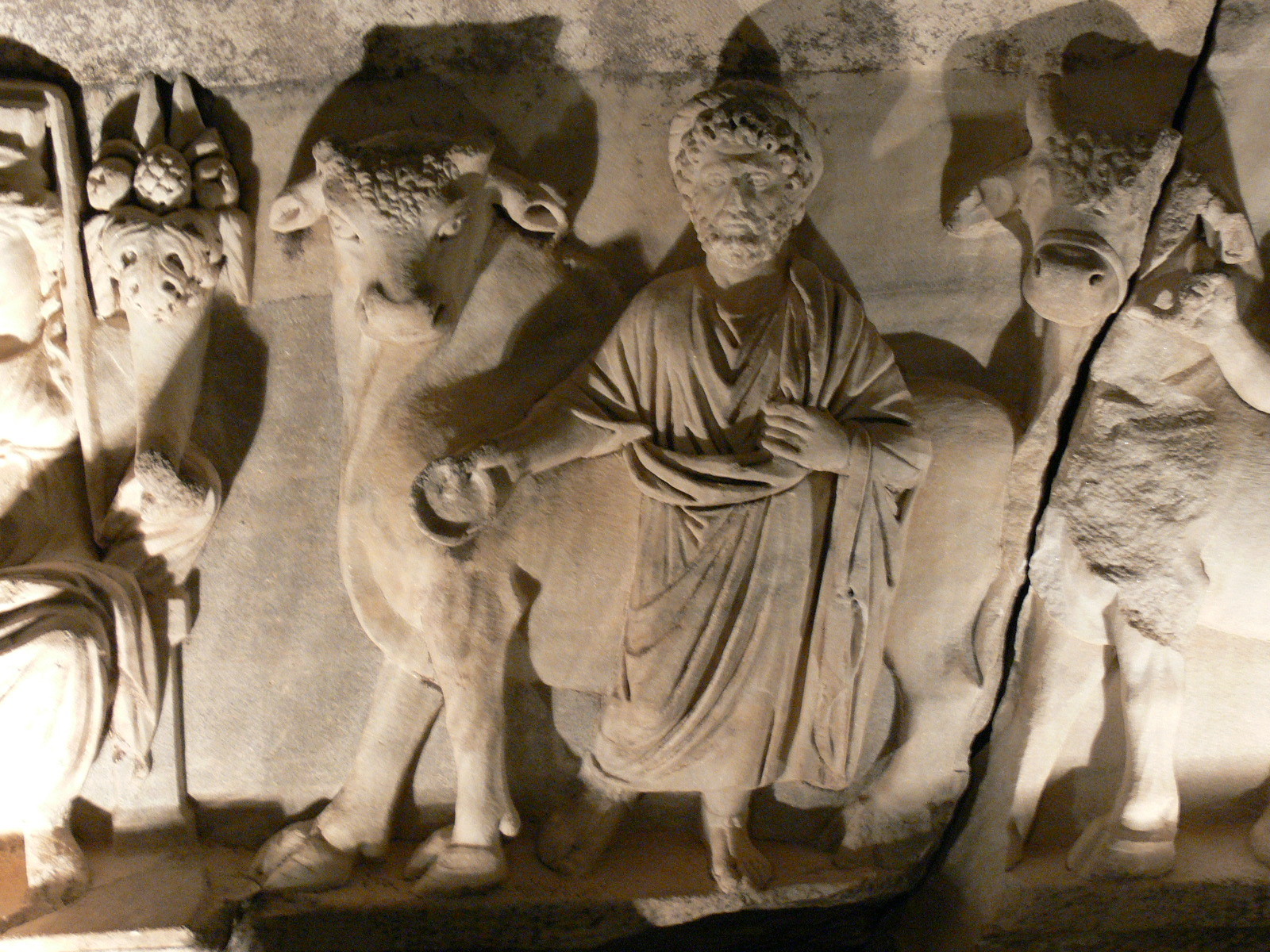
Just outside the city stood the theatre, able to hold many thousands and richly decorated with carved reliefs showing mythological scenes, including the life of the god Dionysus. It hosted plays and public gatherings.
The combination of theatre and stadium shows that Perge, like other great cities, offered its people the full range of Greco-Roman entertainment and culture.
Baths and Roman Comforts
Perge was well supplied with bath complexes, where citizens washed, exercised and socialised. Their heated rooms, pools and changing areas survive, along with fragments of the marble that once faced them.
These baths, together with the city’s water system, reflect the Roman devotion to comfort, cleanliness and public leisure, brought to this corner of Anatolia.

Fountains and the Agora
Water was central to the life and beauty of Perge, and the city had monumental fountains, or nymphaea, that fed its streets and delighted its citizens. One great fountain stood at the head of the main avenue.
The city also had a fine agora, a colonnaded marketplace with shops around a central court, where trade and daily business were conducted. Together these show the prosperity and civic pride of Perge.

Plancia Magna, Benefactress of Perge
Perge is notable for the prominence of a woman, Plancia Magna, one of its leading citizens in the Roman period. A priestess and civic benefactress, she paid for the grand decoration of the city gate and other works.
Statues and inscriptions honouring her survive, a rare and vivid record of a powerful woman in the Roman world. Her generosity helped shape the monumental face of the city.

Saint Paul and Early Christianity
Perge appears in the New Testament as one of the cities visited by the apostle Paul on his missionary journeys. It later became an important centre of early Christianity in the region.
Churches were built here in the Byzantine period, and the city remained significant for centuries before its eventual decline. Its Christian history adds another layer to the long story of Perge.
Rediscovery and Heritage
Excavated over many decades, Perge has yielded a wealth of fine sculpture, much of it now displayed in the museum at nearby Antalya. Its spacious ruins are among the most visited in the region.
The site is on the tentative list for full UNESCO World Heritage status. Its well-preserved streets, gate, stadium and baths make it one of the finest ancient cities to explore on Turkey’s southern coast.
Getting There
Perge lies in Antalya Province on the Mediterranean coast of southern Turkey, only about eighteen kilometres east of the city of Antalya. Antalya has a large international airport.
From Antalya the site is a short drive away and is easily combined with the nearby ancient cities of Aspendos and Side. The excellent Antalya Museum, which displays statues from Perge, is well worth visiting too.
Coordinates: 36.9611, 30.8539 — open Perge in Google Maps.
Nearby Places
- Aspendos — the neighbouring Pamphylian city with the finest Roman theatre in the world.
- Ephesus — another great city of Roman Anatolia, also linked to Artemis and the travels of Saint Paul.
- Hierapolis and Pamukkale — another well-preserved ancient city of southern Turkey.
Closing Thoughts
Perge is a Greco-Roman city preserved on a generous scale: a round-towered gate, a watered colonnaded street, a great stadium and fine baths, all set in the warm plain of Pamphylia.
Beautified by proud citizens like Plancia Magna and touched by the travels of Saint Paul, it offers one of the most complete and spacious ancient cities to walk through in Turkey. Perge brings the everyday grandeur of the Roman world vividly to life.