On a great stone terrace in the highlands of southern Iran stand the ruins of Persepolis, the ceremonial capital of the mighty Persian Empire. Its soaring columns, monumental gateways and superb carved reliefs were built to display the power of the kings who ruled the largest empire the world had yet seen, stretching from the Aegean to the Indus.
Persepolis was the showpiece of the Achaemenid dynasty, a place of splendid ceremony where subject peoples from across the empire came to honour the king. Burned by Alexander the Great and buried for centuries, its magnificent ruins still convey the grandeur of ancient Persia.
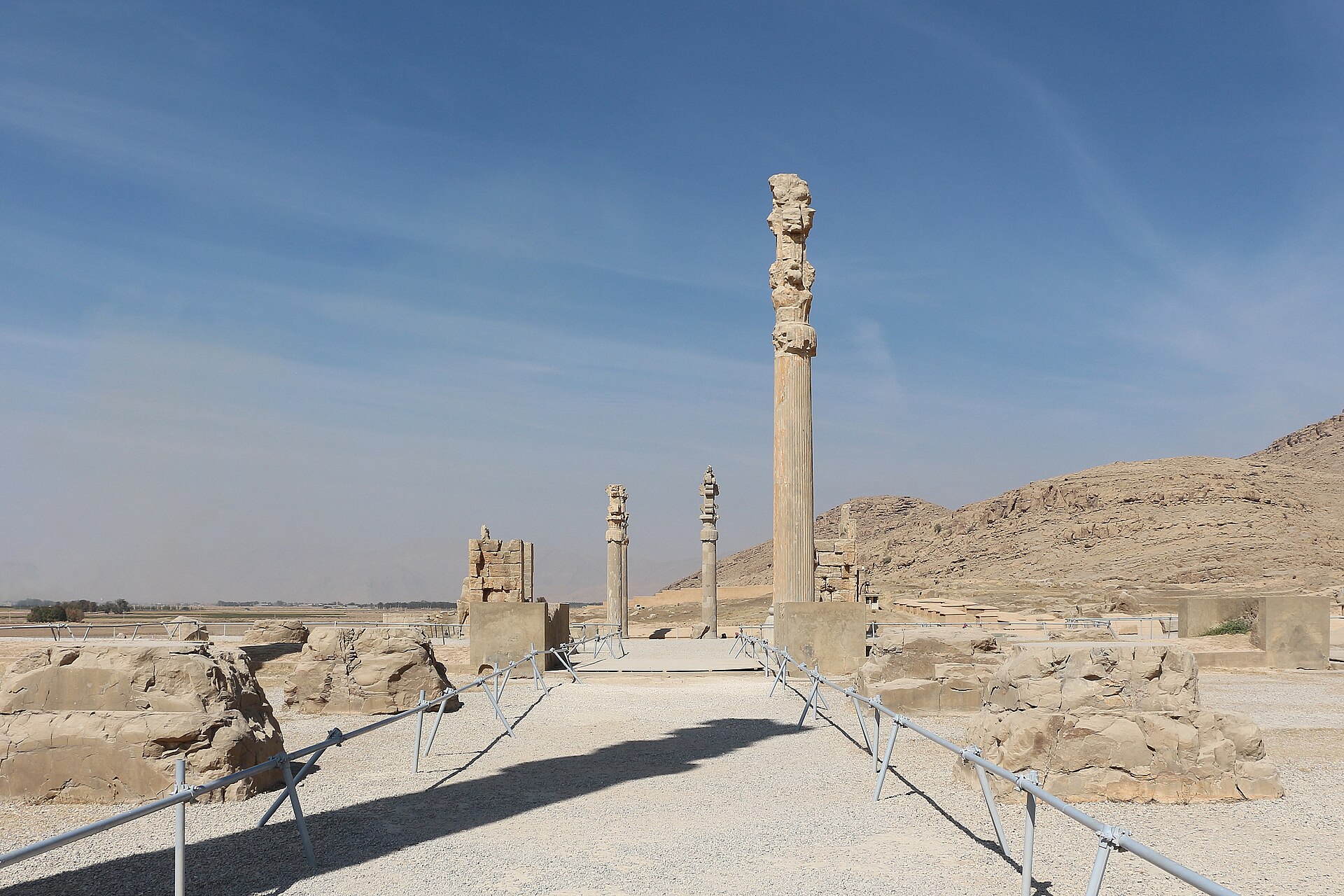
Table of Contents
- The Ceremonial Capital of Persia
- The Achaemenid Empire
- The Great Terrace and Its Palaces
- The Gate of All Nations
- The Apadana: The Great Audience Hall
- The Tribute Bearers of the Empire
- Columns and the Bull Capitals
- The Lion and the Bull
- The Royal Tombs
- Alexander, the Fire, and Rediscovery
- Getting There
- Nearby Places
- Closing Thoughts
The Ceremonial Capital of Persia
Persepolis, known in Persian as Takht-e Jamshid, was founded by King Darius the Great around 518 BC as a magnificent ceremonial capital. It was not the everyday seat of government but a place for grand state occasions.
Above all it hosted the great New Year festival, when representatives of the empire’s many peoples came bearing gifts to honour the king. Its architecture was designed to overwhelm visitors with the majesty of Persian power.
The Achaemenid Empire
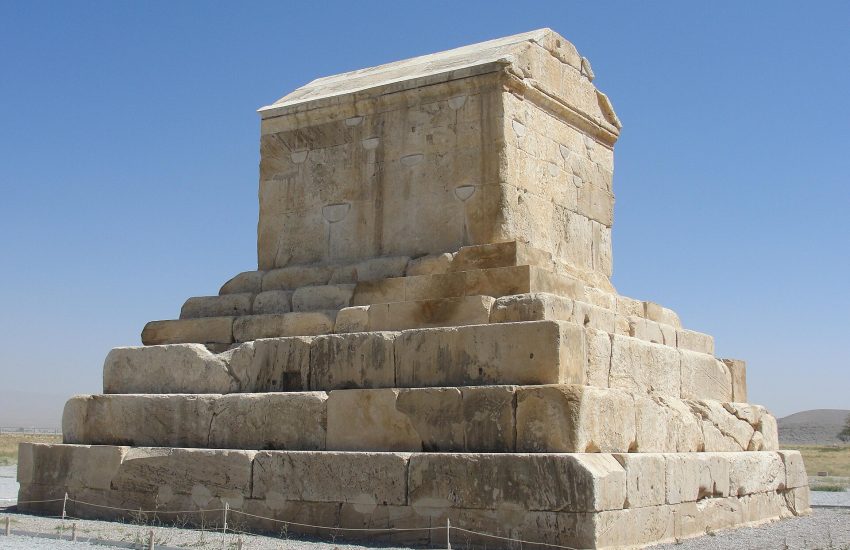
Persepolis was the jewel of the Achaemenid Empire, founded by Cyrus the Great and expanded by his successors into the largest empire the ancient world had known. At its height it ruled tens of millions of people across three continents.
The empire was famous for its tolerance and organisation, linking diverse peoples through roads, administration and a policy of respecting local customs. Persepolis expressed the unity and grandeur of this vast realm.
The Great Terrace and Its Palaces
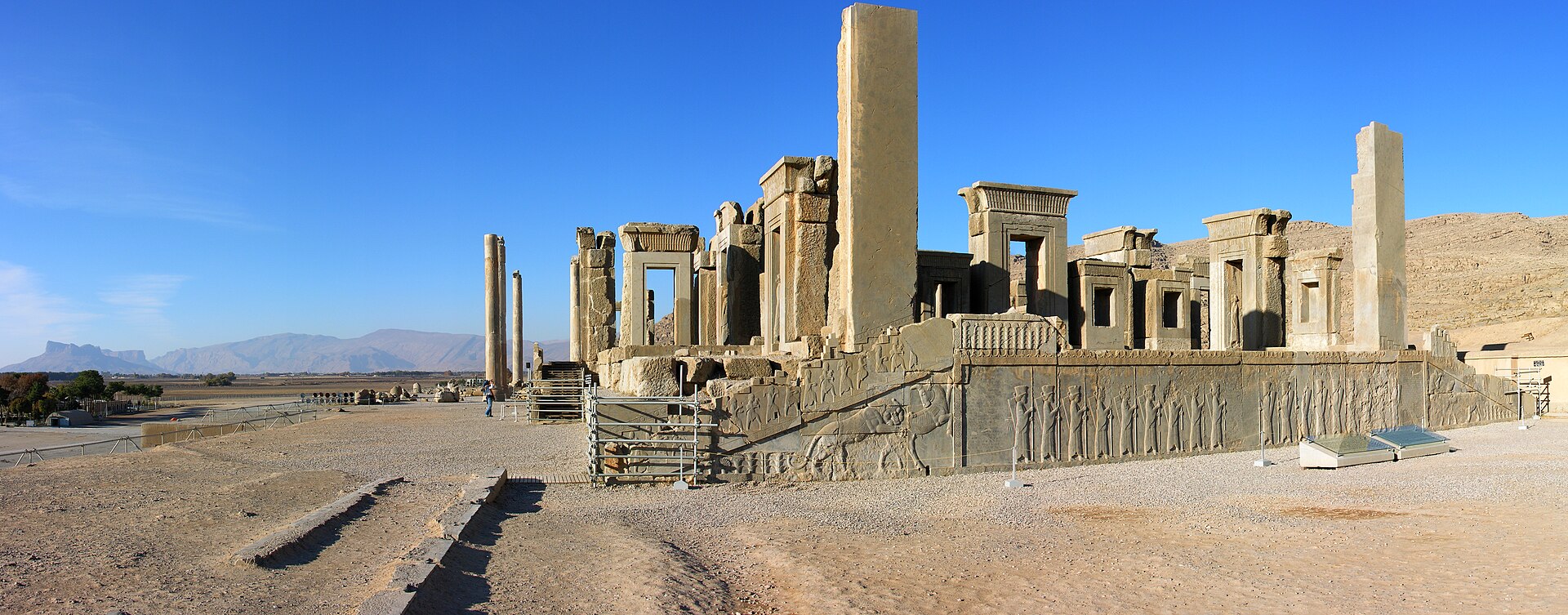
The whole city was built on a huge artificial terrace, raised against a mountainside and reached by a monumental double staircase gentle enough for horses to climb. On this platform stood a complex of palaces, halls and treasuries.
Successive kings, from Darius to Xerxes and beyond, added their own palaces, each richly decorated with carved stone. The terrace was a stage for the ceremonies of empire.
The Gate of All Nations
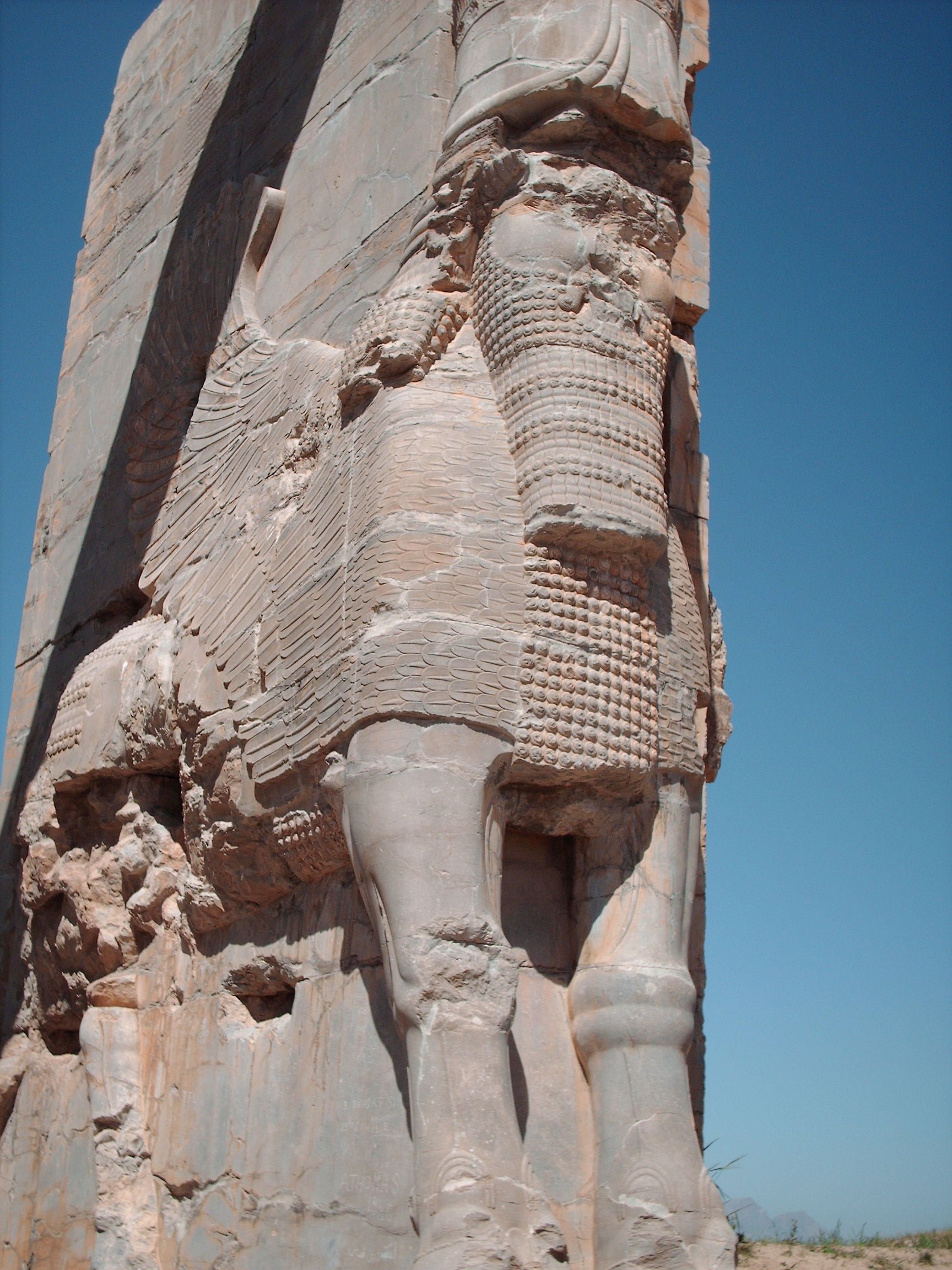
Visitors entered through the Gate of All Nations, a grand hall guarded by colossal winged bulls with human heads, inspired by the art of Assyria. Through it passed the delegations of the empire’s many peoples.
An inscription proclaims that the king built the gate to welcome all nations. It set the tone of the whole site: a meeting place of the diverse peoples united under Persian rule.
The Apadana: The Great Audience Hall
The grandest building at Persepolis was the Apadana, the great audience hall of Darius and Xerxes. Its roof was supported by dozens of slender columns of extraordinary height, some of which still stand.
Here the king received the homage of his subjects amid overwhelming splendour. The scale and elegance of the Apadana made it one of the most impressive interiors of the ancient world.
The Tribute Bearers of the Empire
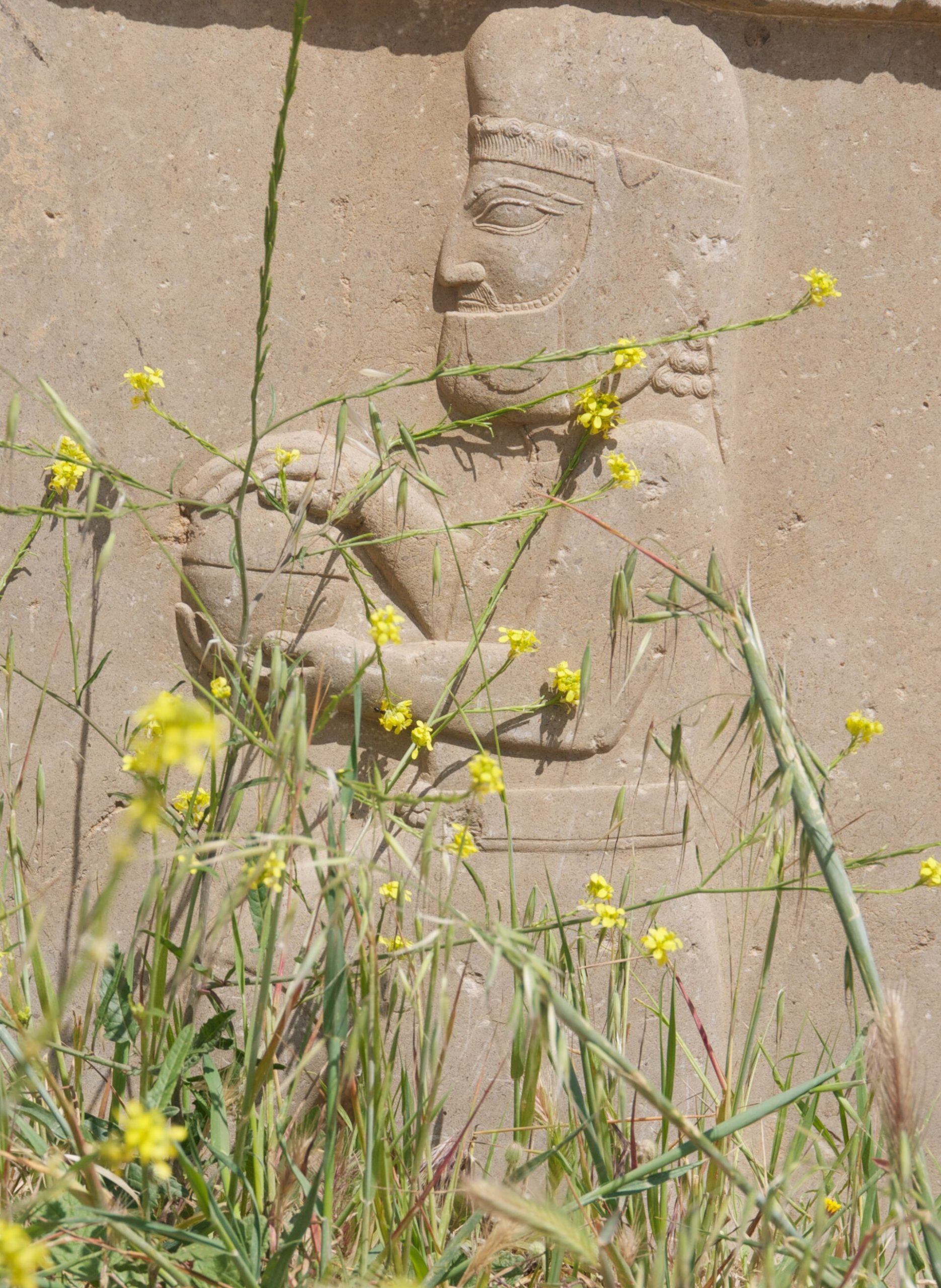
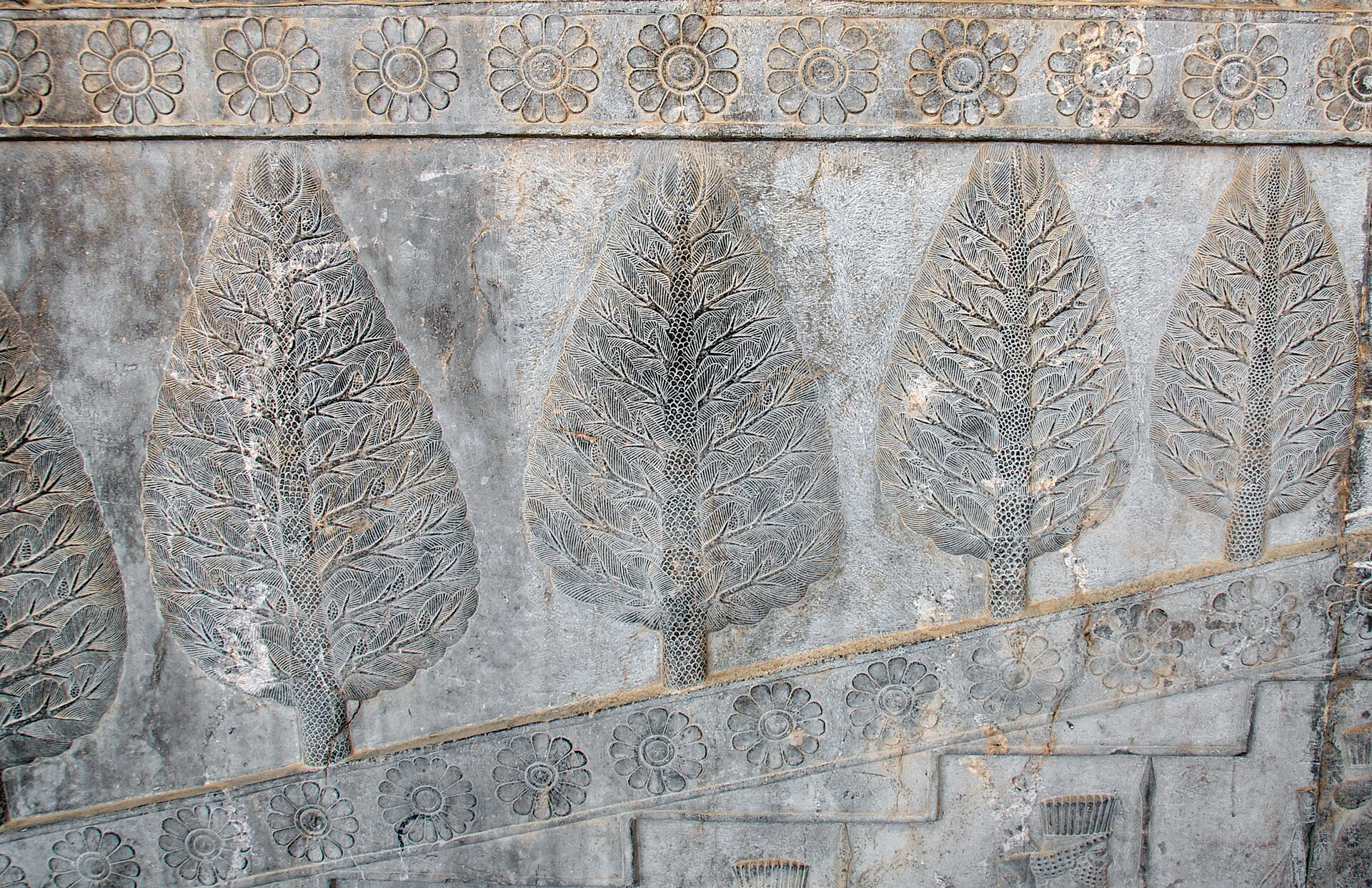
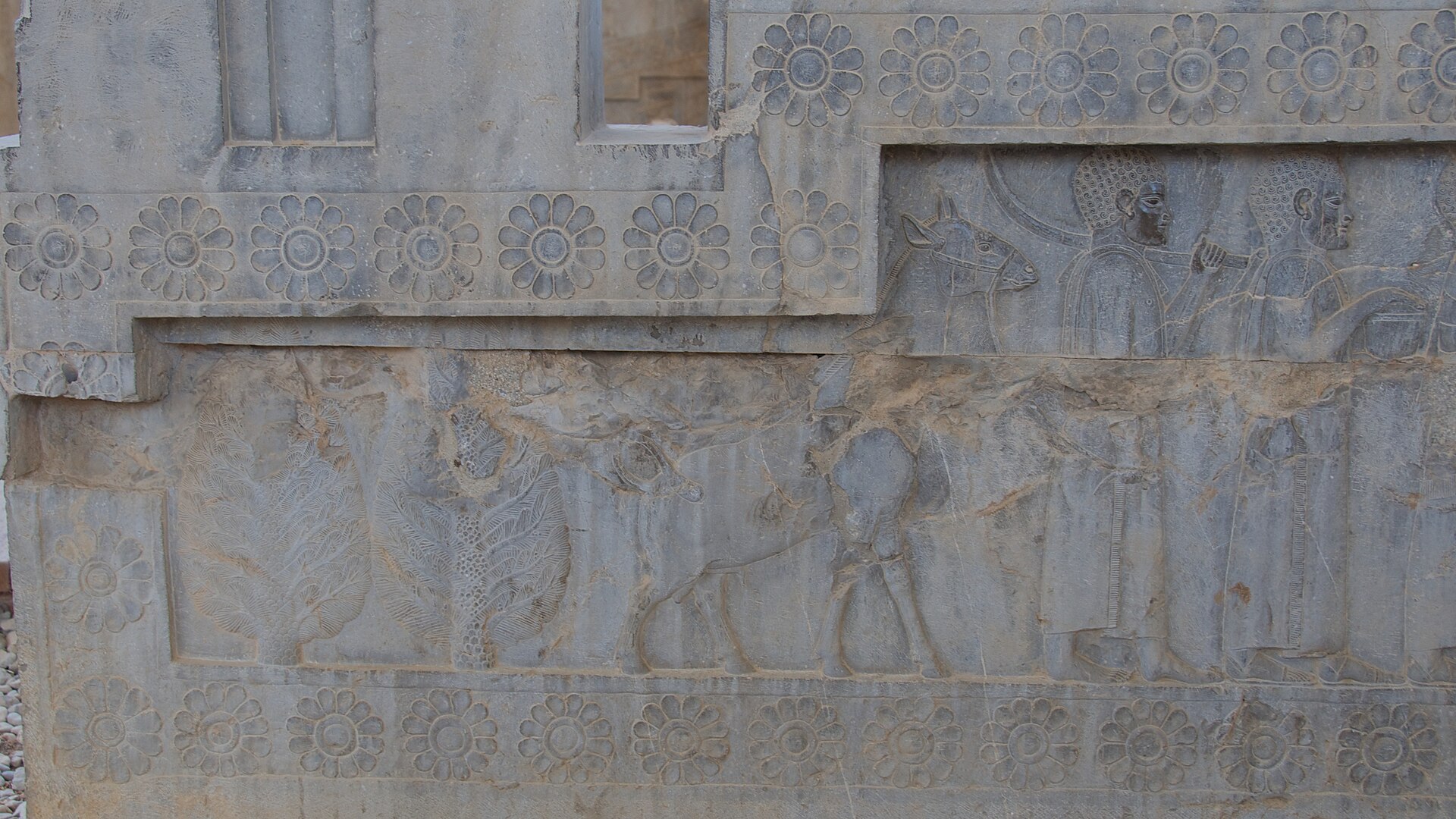
The staircases of the Apadana are decorated with one of the greatest series of reliefs in ancient art. They show long processions of delegations from across the empire, each bringing gifts appropriate to their land.
Medes, Elamites, Egyptians, Indians, Ethiopians and many others are depicted in their own dress, leading animals and carrying treasures. These carvings are a vivid record of the many peoples of the Persian world.
Columns and the Bull Capitals
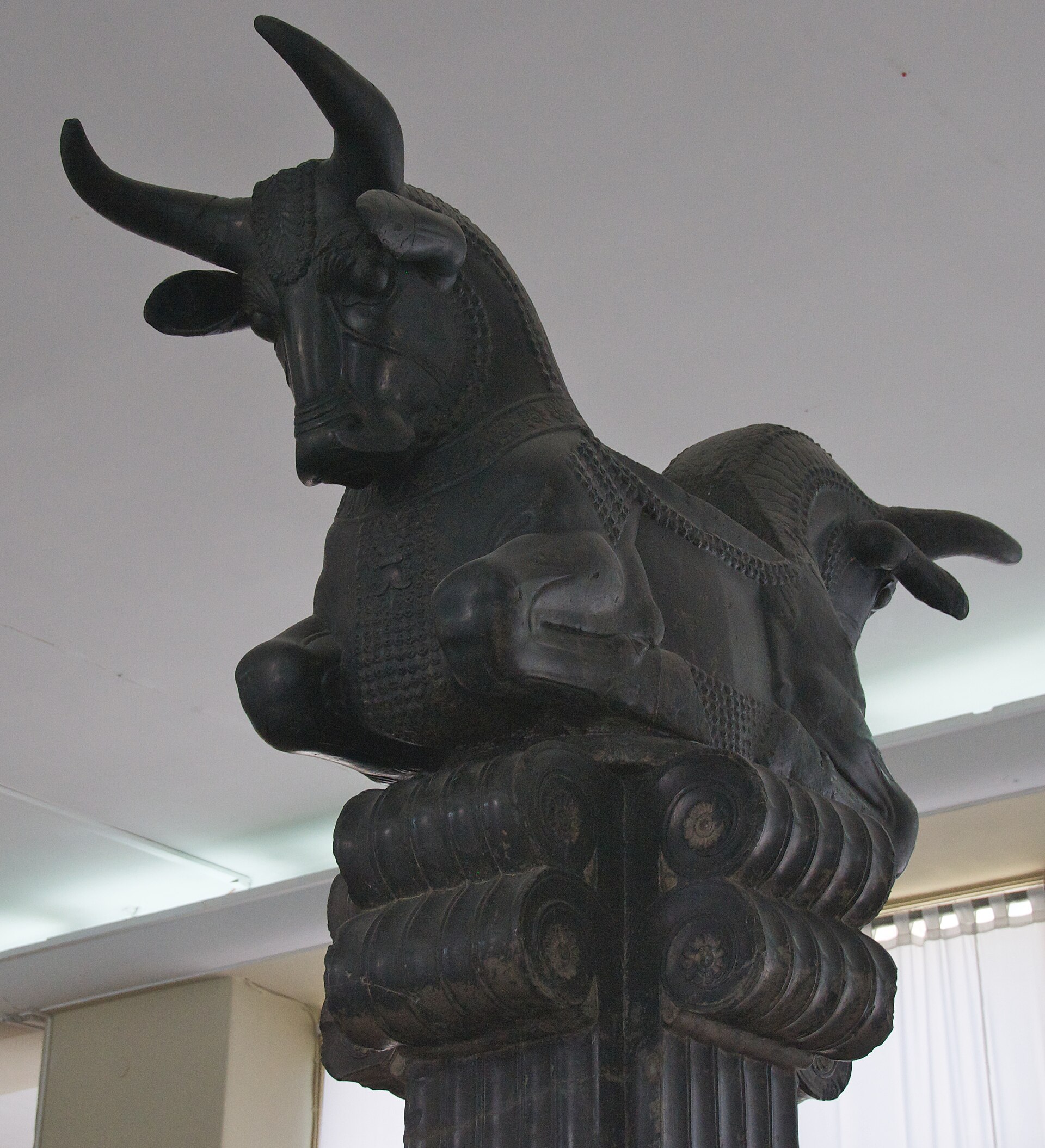
The columns of Persepolis were crowned with distinctive capitals, often in the form of paired bulls or other creatures, on which the wooden roof beams once rested. These striking column tops are among the most recognisable features of Persian architecture.
Persepolis blended influences from across the empire, combining Mesopotamian, Egyptian, Greek and Persian ideas into a unique and harmonious style. The result was an architecture that was distinctly imperial and Persian.
The Lion and the Bull
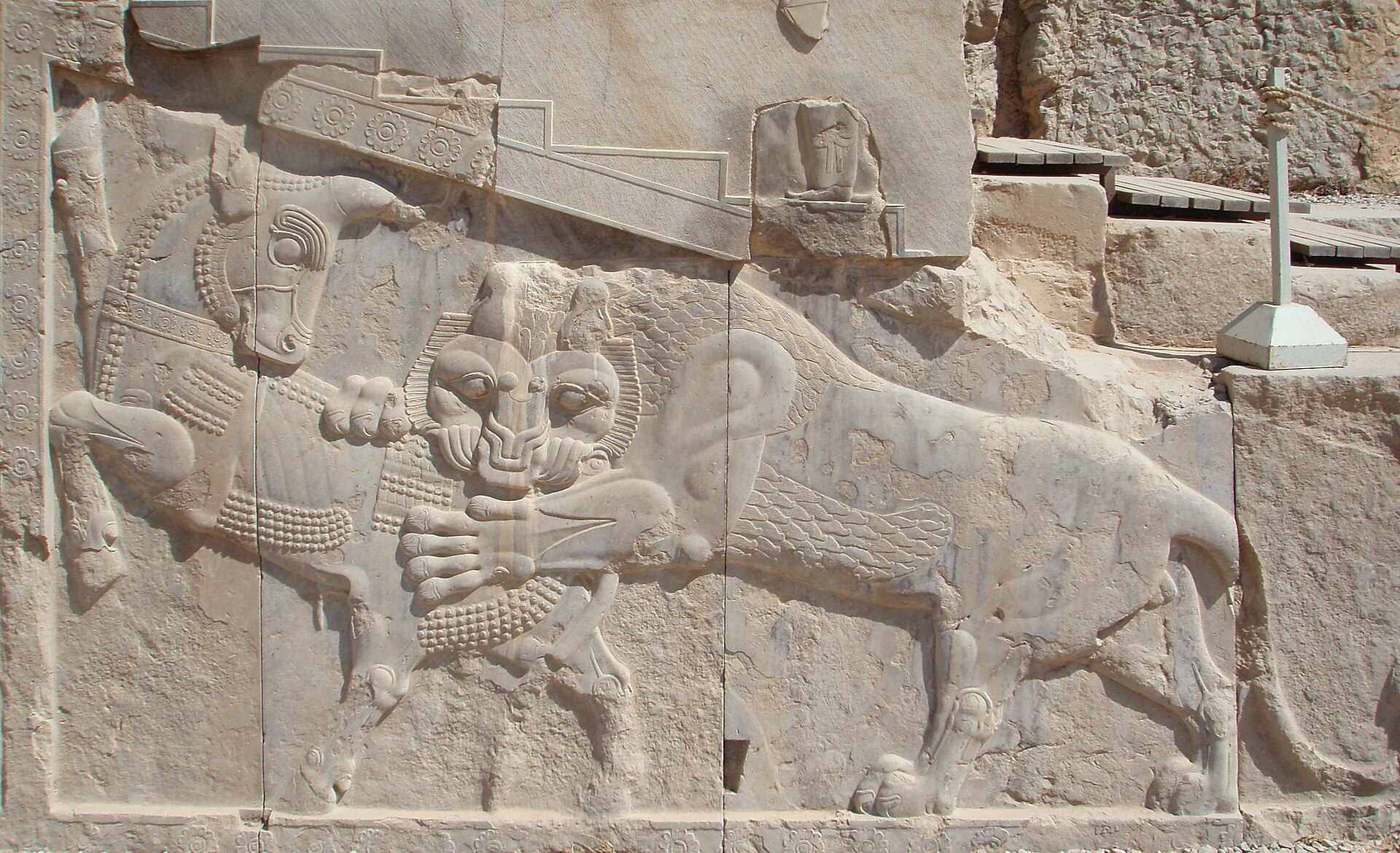
A recurring image at Persepolis is a lion attacking a bull, carved in relief on staircases and walls. Its exact meaning is debated, but it may symbolise the turning of the seasons, royal power, or the triumph of strength.
Such symbolic reliefs, alongside images of the king, guards and mythical creatures, covered the buildings of Persepolis, turning the whole site into a great statement of order, power and kingship.
The Royal Tombs
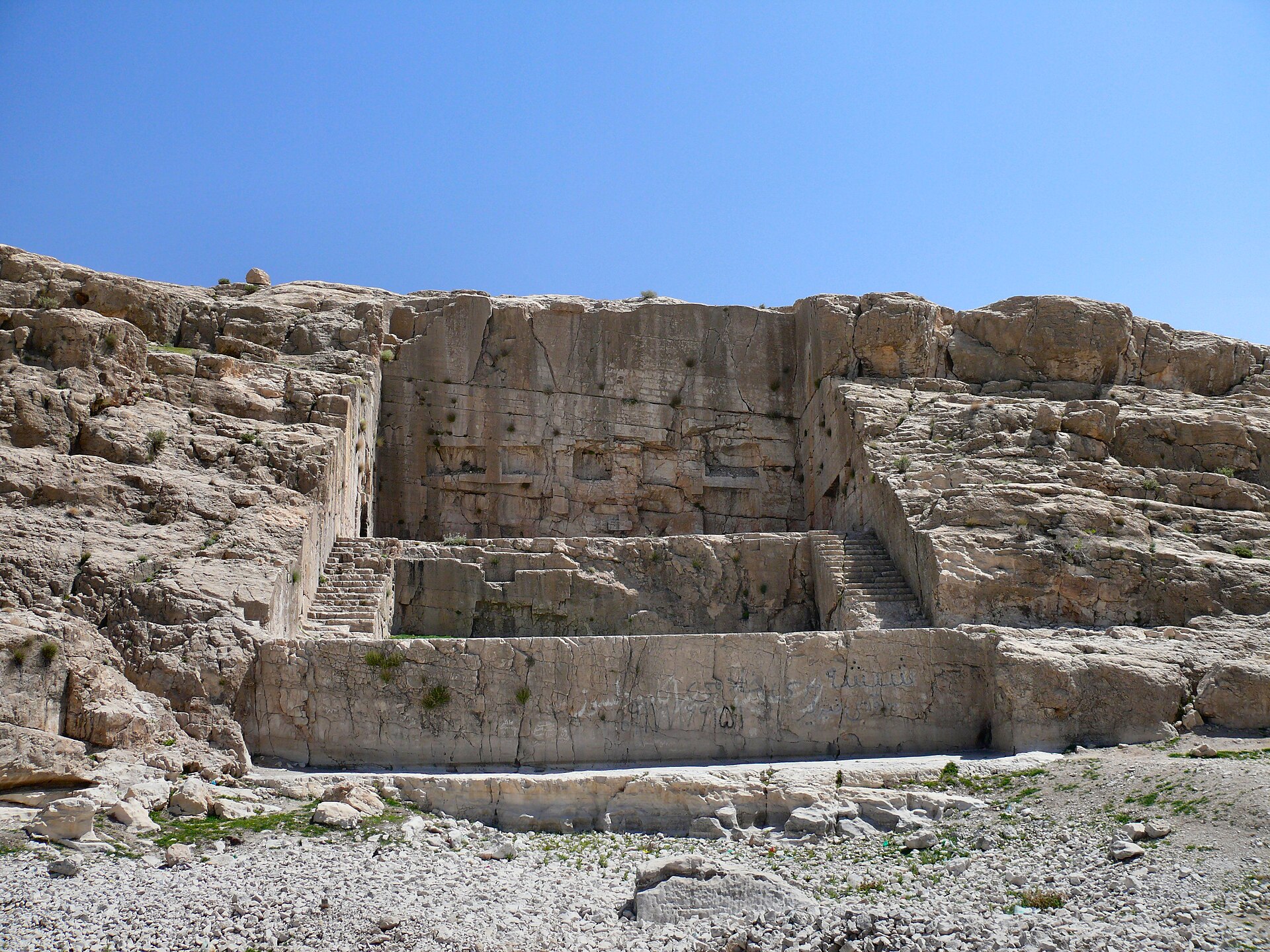
Cut into the cliff behind Persepolis, and at the nearby site of Naqsh-e Rustam, are the great rock-cut tombs of the Persian kings. Their facades, carved high in the rock, show the king worshipping before a fire altar, upheld by the peoples of his empire.
These monumental tombs express the same ideas as the palaces below: the king as the just ruler, supported and honoured by all his subjects, under the protection of the divine.
Alexander, the Fire, and Rediscovery
In 330 BC Alexander the Great captured Persepolis and, after his army occupied it, the great palaces were burned to the ground. Whether the fire was an accident, an act of revenge, or deliberate policy is still debated.
The burning marked the end of the Achaemenid Empire. Buried and half-forgotten for centuries, Persepolis was excavated in modern times, and in 1979 it became one of the first sites in Iran inscribed on the UNESCO World Heritage List.
Getting There
Persepolis lies in Fars Province in southern Iran, about sixty kilometres northeast of the city of Shiraz. Shiraz has an international airport and is the usual base for a visit.
From Shiraz the site is reached by road, often on a day trip that also takes in the nearby royal tombs of Naqsh-e Rustam and the earlier capital of Pasargadae. Travellers should check current entry and travel requirements for Iran in advance.
Coordinates: 29.9356, 52.8916 — open Persepolis in Google Maps.
Nearby Places
- Babylon — the great Mesopotamian city that the Persian kings conquered and ruled from Persepolis.
- Nineveh — the Assyrian capital whose colossal winged bulls inspired the gateways of Persepolis.
- The Acropolis of Athens — the heart of the Greek world that fought, and was once burned by, the Persian Empire.
Closing Thoughts
Persepolis is the grandeur of ancient Persia made permanent in stone: soaring columns, a gate of all nations, and endless reliefs of the peoples of a vast empire bringing tribute to their king.
Burned by Alexander but never erased from memory, its ruins still express the ambition and tolerance of the Achaemenid world. Few sites so powerfully evoke a great empire at the height of its splendour.