Across the Tigris from the modern city of Mosul lie the ruins of Nineveh, once the greatest city on earth and the capital of the mighty Assyrian Empire. For a brief, brilliant period it was the centre of a state that dominated the ancient Near East from Egypt to the mountains of Iran.
Nineveh is remembered both for the terror of its armies and for the sophistication of its culture, above all a royal library whose clay tablets preserved the literature and learning of Mesopotamia. Its dramatic fall became a legend of the ancient world.
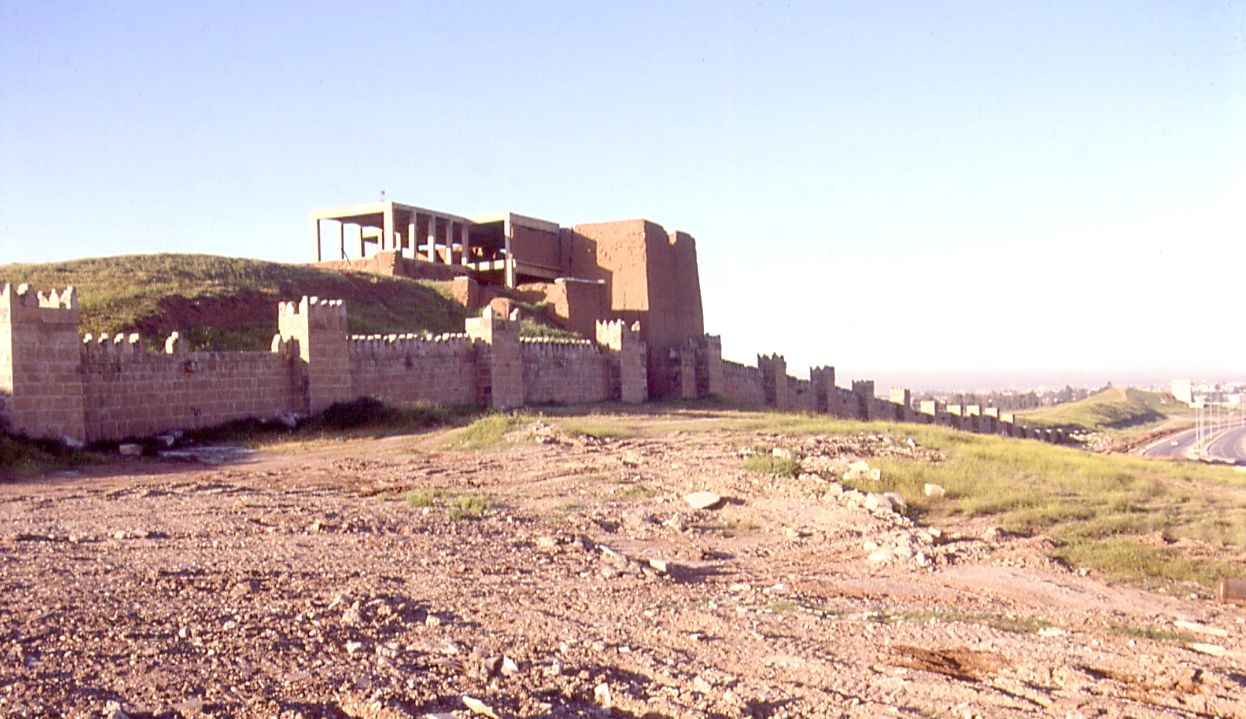
Table of Contents
- The Great Capital of Assyria
- Nineveh on the Tigris
- Sennacherib and the Palace Without Rival
- The Lamassu: Guardians of the Gates
- Assyrian Reliefs and the Art of War
- The Lion Hunt of Ashurbanipal
- The Library of Ashurbanipal
- Walls, Gates, and Waterworks
- The Fall of Nineveh in 612 BC
- Rediscovery, Damage, and Nineveh Today
- Nearby Places
- Closing Thoughts
The Great Capital of Assyria
The Assyrians built one of the first true empires, held together by a formidable army and an efficient administration. In the seventh century BC, under a series of powerful kings, Nineveh became their principal capital and the largest city of its day.
Ringed by massive walls and filled with palaces and temples, Nineveh embodied the wealth and reach of Assyrian power. Tribute and plunder from conquered lands flowed into the city, funding its monuments and its splendour.

Nineveh on the Tigris
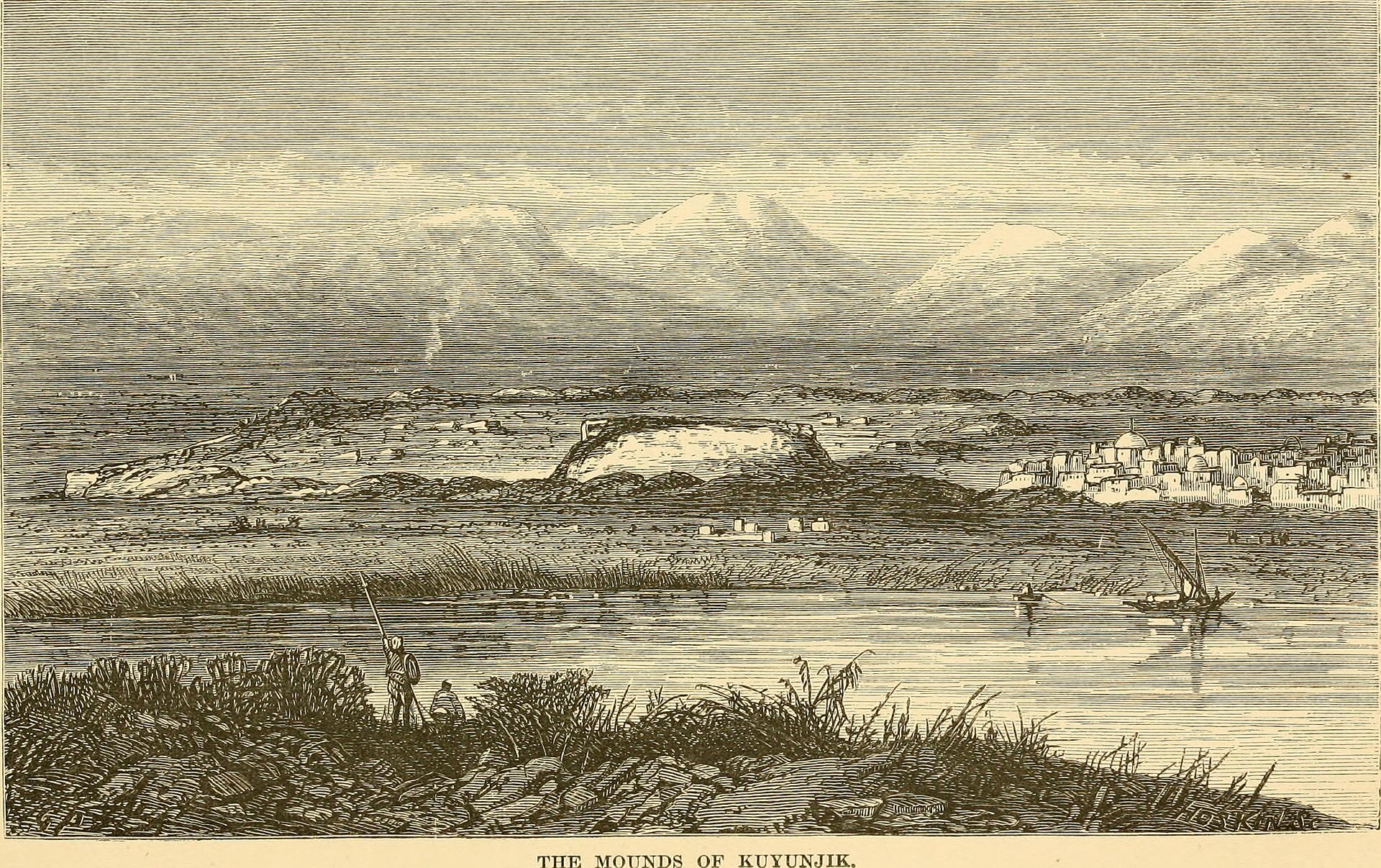
Nineveh stood on the eastern bank of the Tigris, its citadel raised on great mounds now known as Kuyunjik and Nebi Yunus. Around them spread a vast walled city, one of the most heavily fortified of the ancient world.
The site was ancient even in Assyrian times, a place of worship for the goddess Ishtar for many centuries. Its position on the river and on important trade routes helped it grow into a great capital.

Sennacherib and the Palace Without Rival
It was King Sennacherib who made Nineveh the imperial capital and rebuilt it on a grand scale around 700 BC. He constructed what he called the Palace Without Rival, an enormous residence decorated with miles of carved stone reliefs.
He also engineered an elaborate system of canals and aqueducts to bring water to the city and its gardens from the surrounding hills. These works were among the most ambitious feats of engineering in the ancient Near East.
The Lamassu: Guardians of the Gates
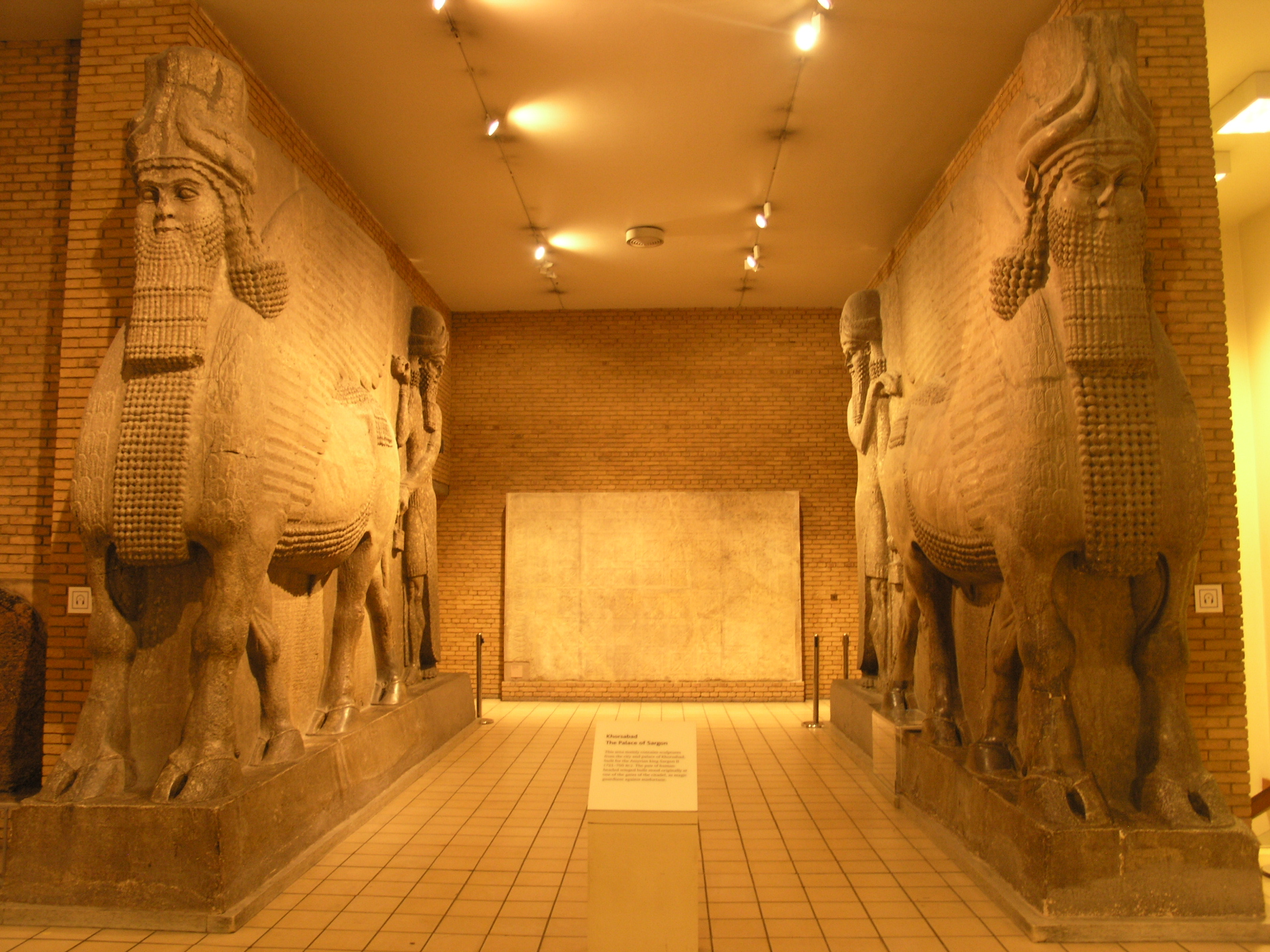
Guarding the gateways of the Assyrian palaces stood the lamassu, colossal winged bulls or lions with human heads. Carved from single blocks of stone, they combined the strength of the bull, the freedom of the eagle and the intelligence of a man.
These imposing figures were both protective spirits and symbols of royal power, meant to awe all who entered. Several now stand in the great museums of the world, among the most recognisable images of Assyrian art.
Assyrian Reliefs and the Art of War
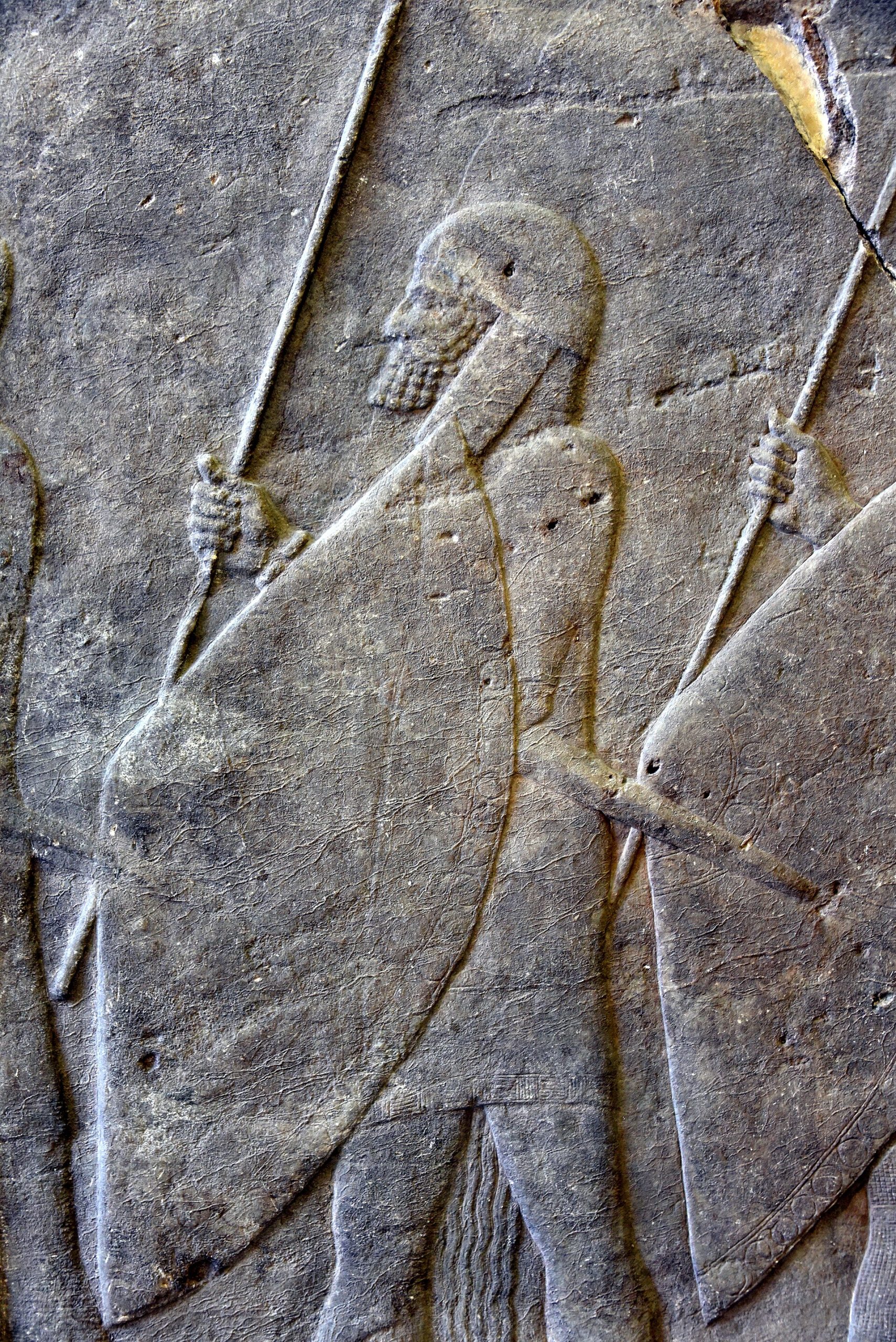
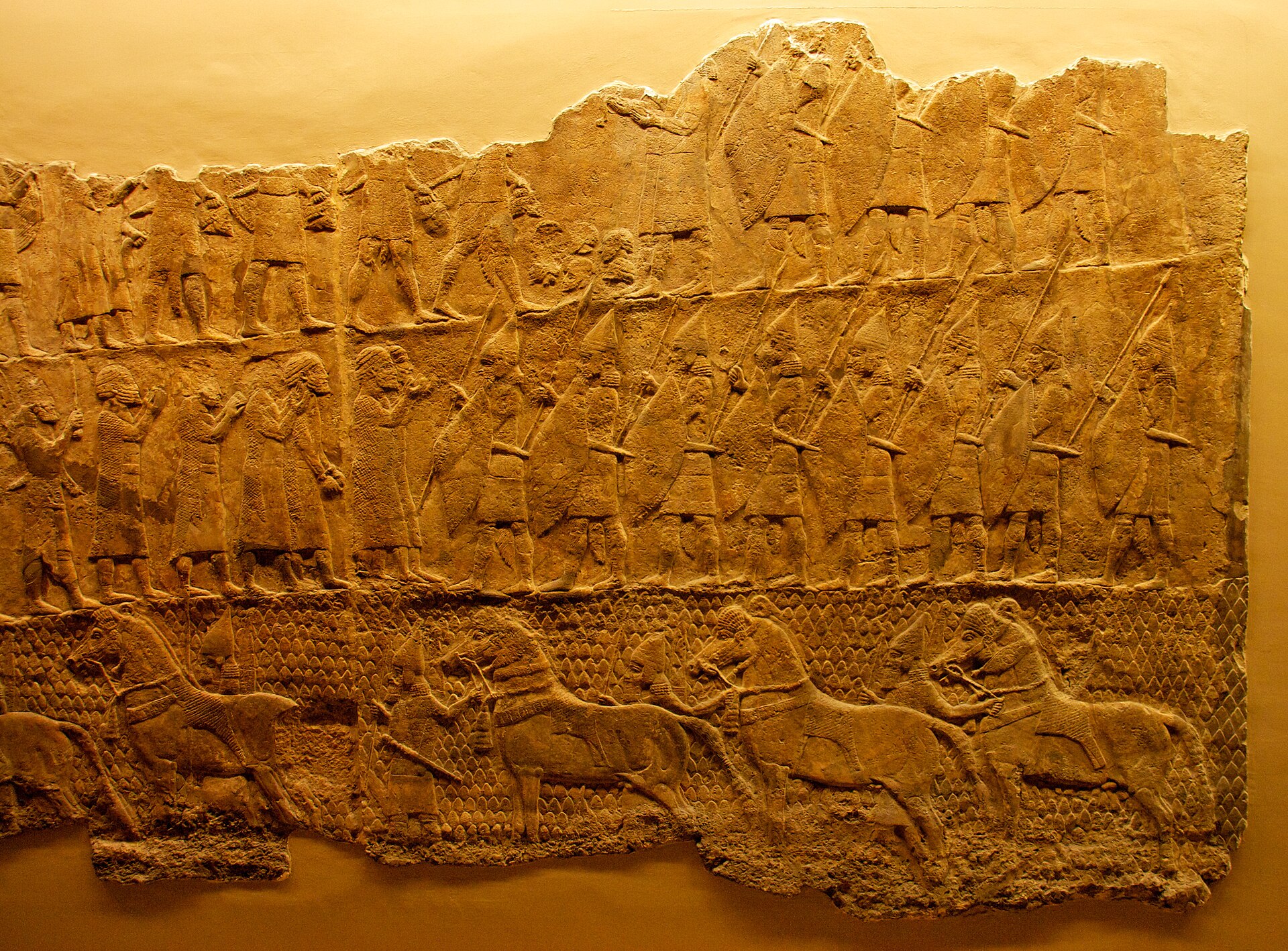
The walls of the Assyrian palaces were lined with detailed carved reliefs that served as royal propaganda. Many depict the king’s military campaigns in vivid, sometimes brutal, detail, showing sieges, battles and the fate of the defeated.
The most famous is the Lachish relief, which records the Assyrian capture of a fortified city, complete with siege engines and long lines of captives. Such scenes celebrated the power of the king and struck fear into his enemies.
The Lion Hunt of Ashurbanipal
Under King Ashurbanipal, Assyrian relief carving reached its artistic peak. The reliefs of the royal lion hunt, showing the king confronting and killing lions, are among the greatest works of art to survive from the ancient world.
The dying animals in these scenes are rendered with astonishing power and sympathy, their pain and struggle vividly captured. The hunt was a royal ritual, symbolising the king’s duty to protect his people from chaos and danger.

The Library of Ashurbanipal
Ashurbanipal was not only a warrior but a scholar, and he gathered at Nineveh one of the earliest known libraries. It held tens of thousands of clay tablets covering literature, religion, science, law and history.
Among its treasures was the Epic of Gilgamesh, one of the oldest surviving works of literature, including a flood story strikingly similar to that in the Bible. The library is one of our most important windows onto the entire civilisation of Mesopotamia.

Walls, Gates, and Waterworks
Nineveh was defended by a great double wall many kilometres long, pierced by numerous monumental gates, some of which have been partly reconstructed. Behind them lay a city large enough to house well over a hundred thousand people.
Sennacherib’s canals and a remarkable stone aqueduct carried water across the countryside to sustain the city and its gardens. These waterworks reveal the scale of planning that lay behind Nineveh’s greatness.
The Fall of Nineveh in 612 BC
For all its power, the Assyrian Empire made many enemies, and it collapsed with startling speed. In 612 BC a coalition of Babylonians and Medes besieged and captured Nineveh, sacking and burning the great city.
The fall was so complete that Nineveh never recovered, and in time its very location was half-forgotten. The destruction was remembered in the Bible and by ancient writers as a byword for the sudden downfall of a proud and mighty power.
Rediscovery, Damage, and Nineveh Today
In the nineteenth century, excavators uncovered the palaces of Nineveh and shipped many of its reliefs and the tablets of the great library to European museums, especially in London, sparking a wave of fascination with Assyria.
In recent years the site has suffered fresh destruction during conflict in Iraq, when several monuments were deliberately damaged. Efforts to protect and restore Nineveh continue, so that the memory of Assyria’s great capital may endure.
Nearby Places
- Babylon — the southern Mesopotamian rival whose armies helped bring down Nineveh in 612 BC.
- Thebes — the Egyptian capital that the armies of Assyria once sacked at the height of their power.
- Masada — a fortress of the Near Eastern world shaped by the empires that rose after Assyria fell.
Closing Thoughts
Nineveh was a city of extremes: the fearsome heart of a conquering empire, and at the same time the home of one of the ancient world’s great libraries. Its reliefs and tablets have taught us more about Mesopotamia than almost any other single site.
Though it fell in a single catastrophic season more than two and a half thousand years ago, Nineveh still speaks through the carved lions of Ashurbanipal and the clay tablets of Gilgamesh, keeping alive the memory of mighty Assyria.
You May Like
Mafra, the Palace a King Built From a Vow