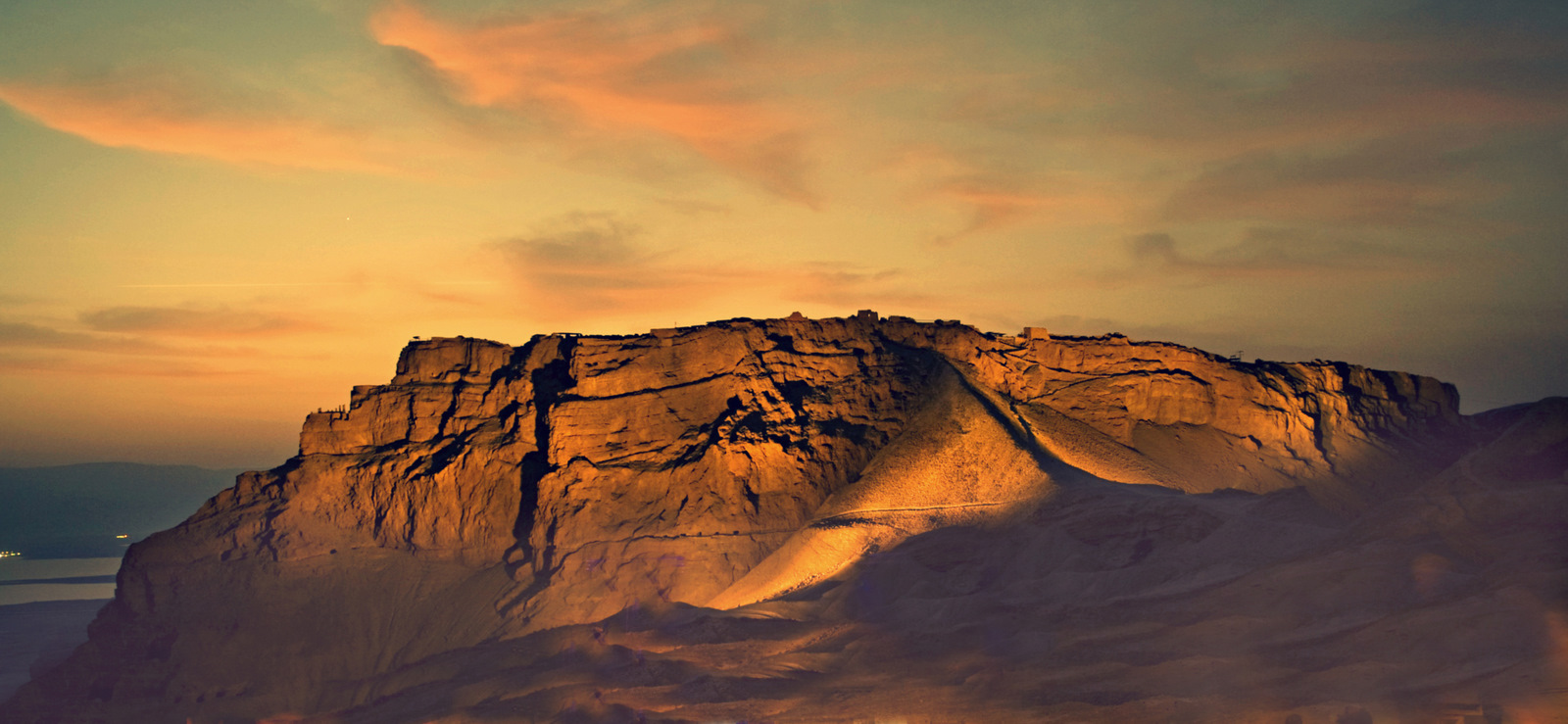
High above the shore of the Dead Sea, on an isolated plateau of rock ringed by sheer cliffs, stand the ruins of Masada. Once a lavish desert fortress of King Herod the Great, it became the setting for one of the most famous and debated last stands in ancient history.
Masada joins spectacular natural drama to a story of defiance and tragedy. Its palaces, storerooms and walls survive on the mountaintop, while below, the outlines of Roman siege camps and a great assault ramp still scar the desert floor.
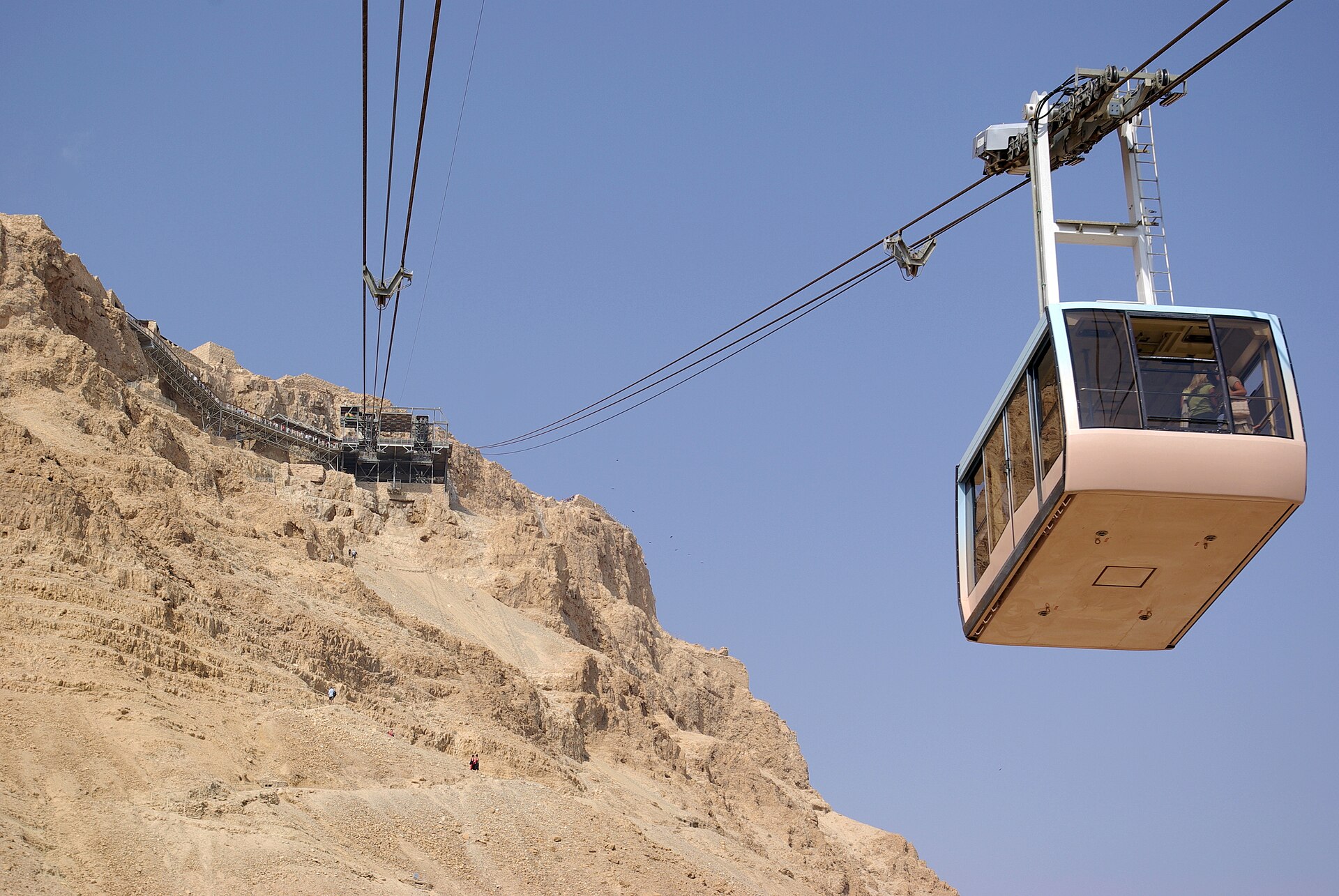
Table of Contents
- A Desert Fortress on an Isolated Rock
- Herod the Great’s Desert Refuge
- The Northern Palace on the Cliff
- Surviving a Siege: Cisterns and Storerooms
- Baths and Luxury in the Desert
- The Jewish Revolt and the Rebels of Masada
- The Roman Siege and the Great Ramp
- The Last Stand and the Account of Josephus
- Rediscovery, Excavation, and a National Symbol
- Masada Today and UNESCO
- Nearby Places
- Closing Thoughts
A Desert Fortress on an Isolated Rock
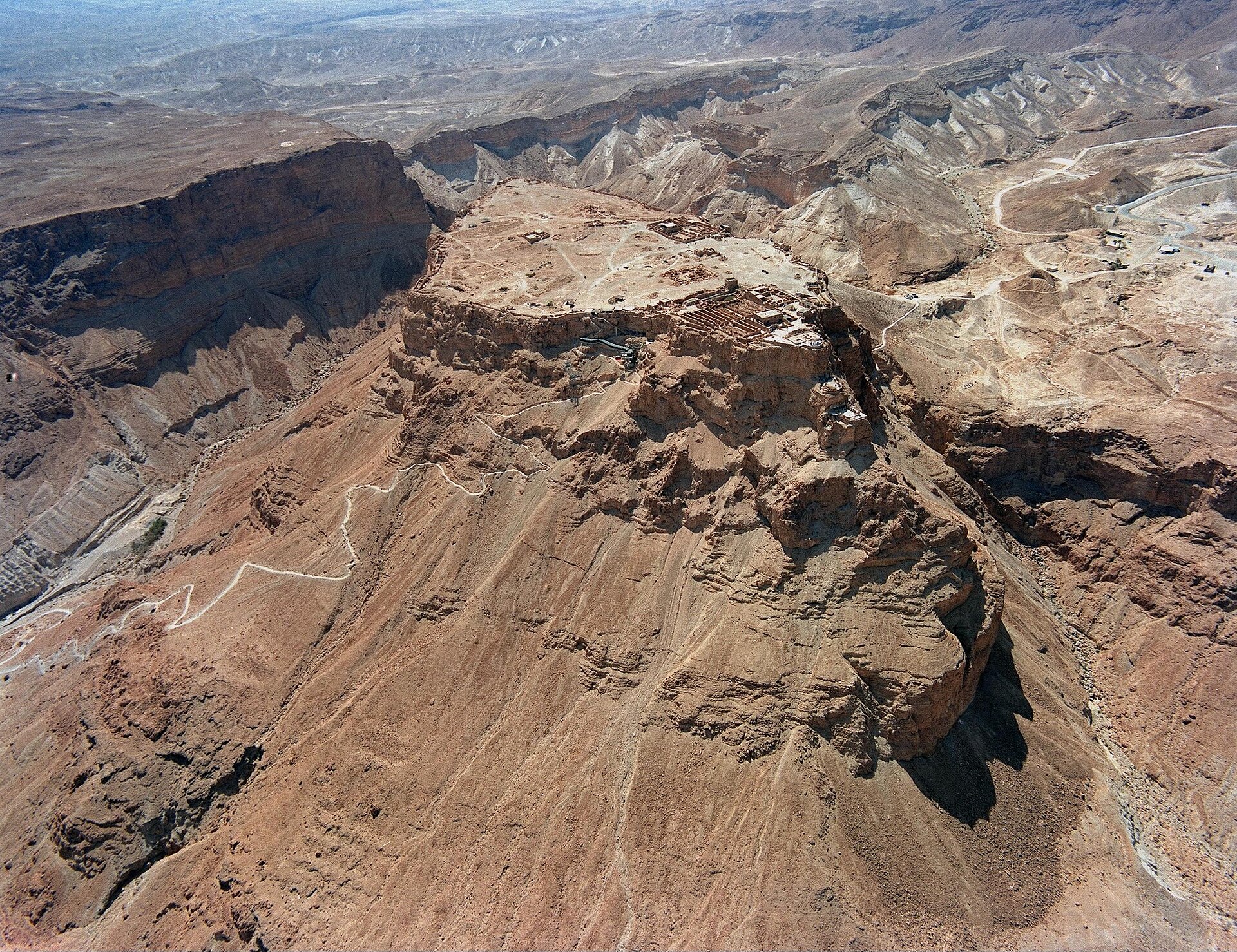
Masada is a natural stronghold. The flat summit sits atop a steep-sided mesa that rises hundreds of metres above the surrounding desert, accessible only by narrow, difficult paths. To any attacker it presented a daunting obstacle.
The setting is as harsh as it is dramatic. Overlooking the lowest point on the earth’s surface, the fortress commands sweeping views across the Judaean Desert and the Dead Sea, in a landscape of stark and waterless beauty.
Herod the Great’s Desert Refuge
The Masada we see was largely the work of Herod the Great, the Roman-backed king of Judaea, in the decades before the Common Era. Fearing both foreign enemies and his own subjects, he fortified the rock as a secure refuge in case of revolt.
He ringed the summit with a defensive casemate wall studded with towers and equipped the fortress to withstand a long siege. Within these defences he built palaces and stores worthy of a king.
The Northern Palace on the Cliff
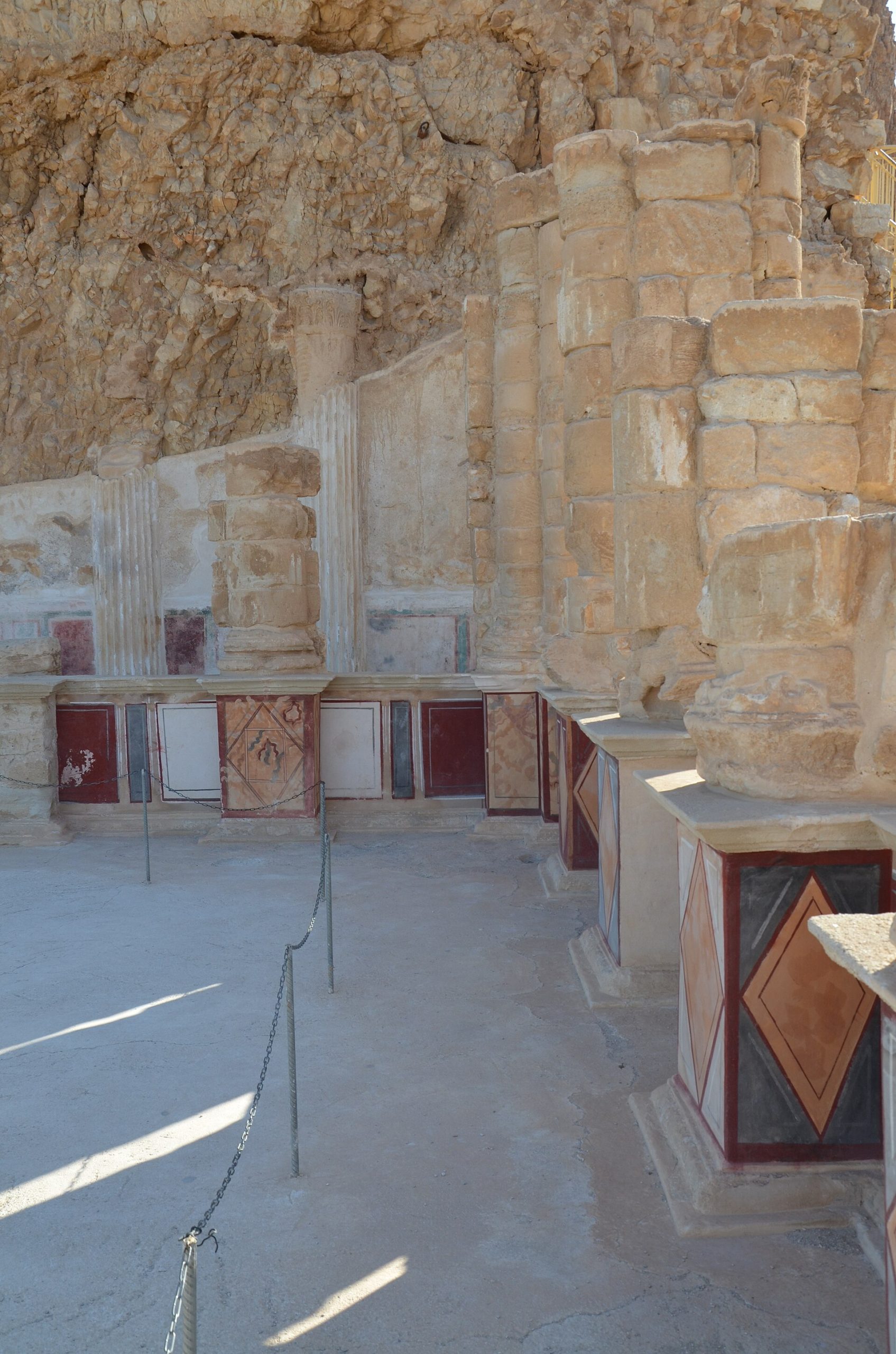
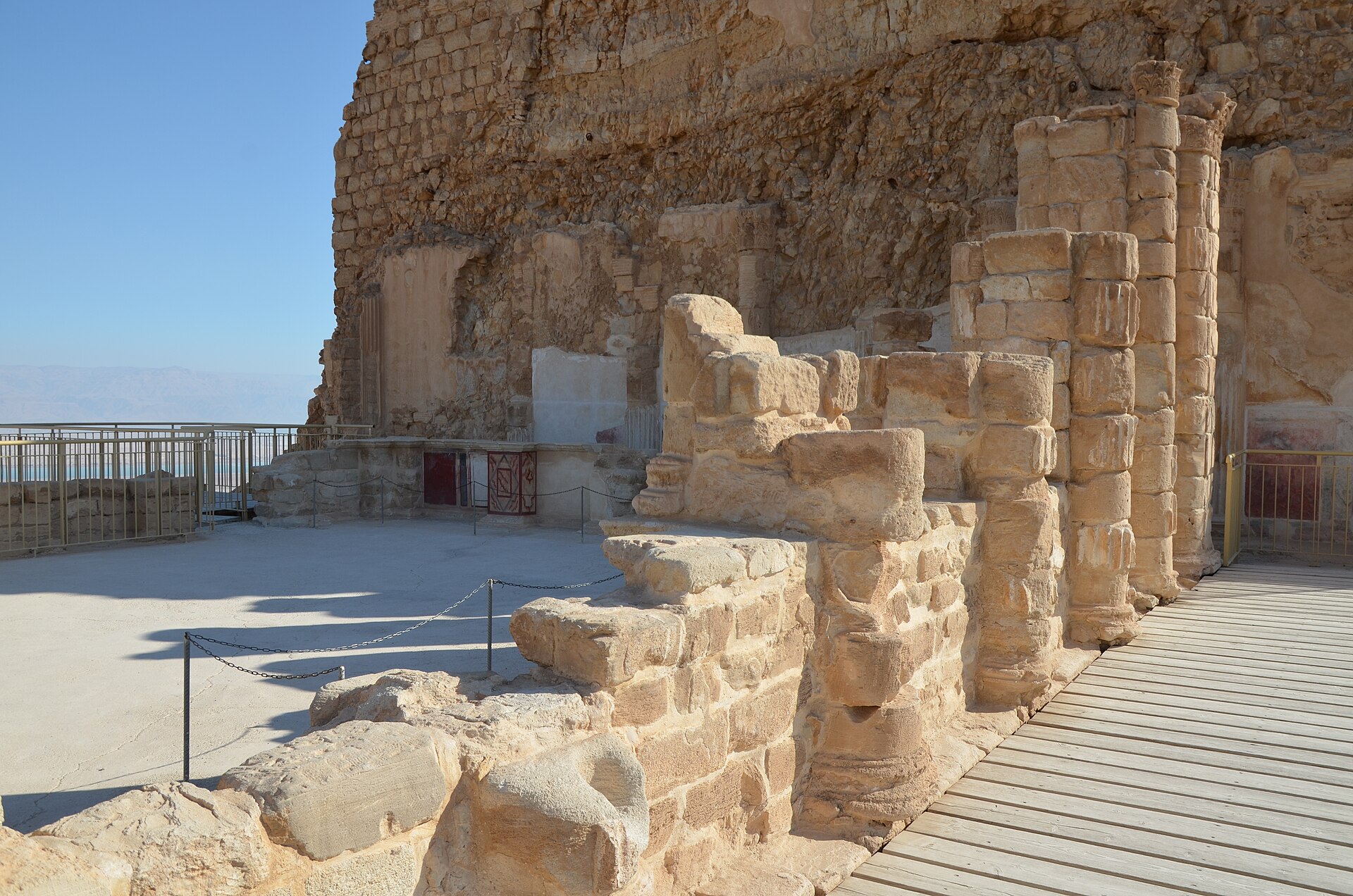
Herod’s most spectacular building was the Northern Palace, a luxurious private residence built on three natural terraces cascading down the northern tip of the cliff. Clinging to the rock, it offered shade, cool breezes and breathtaking views.
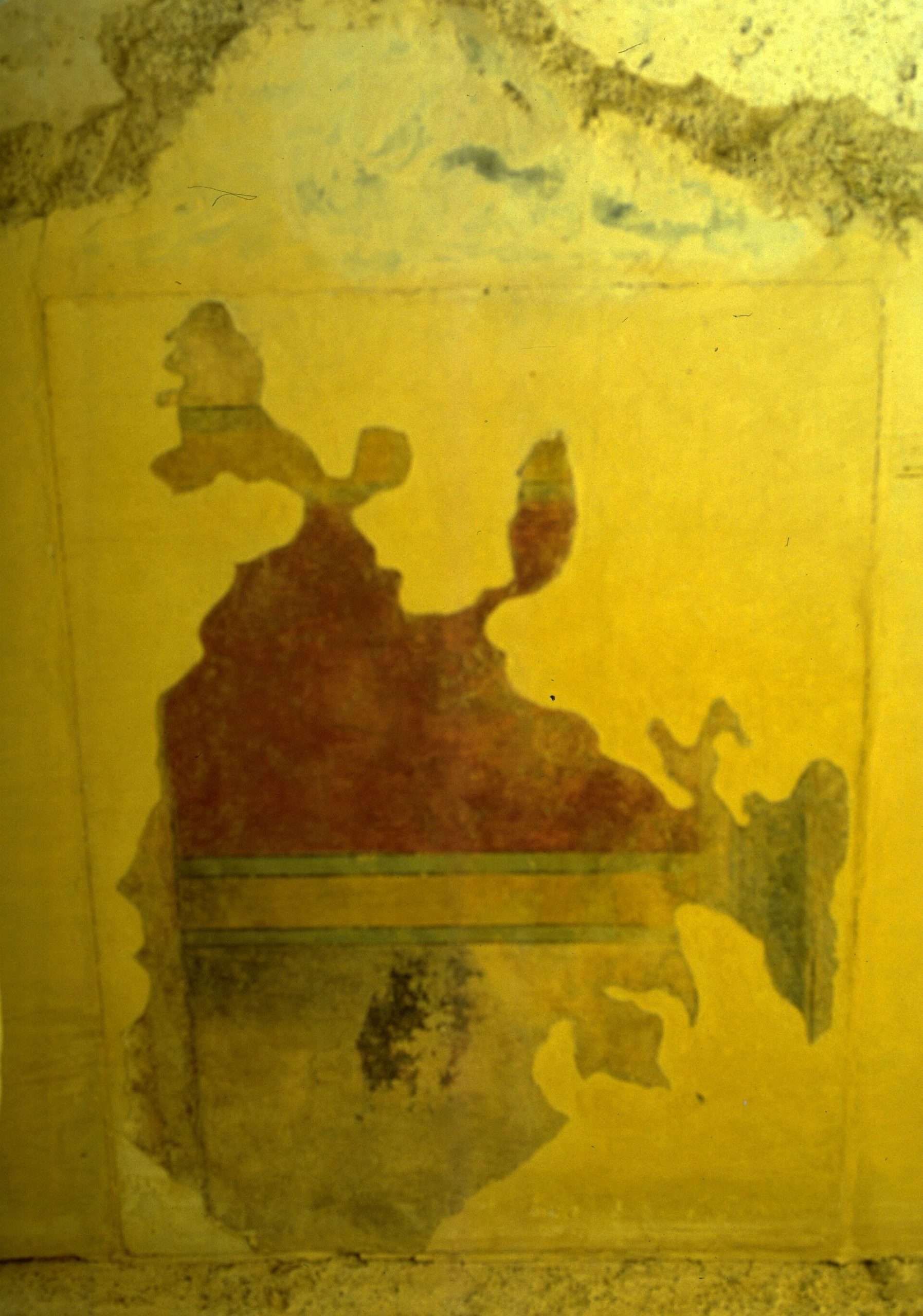
Decorated with columns, frescoes and fine mosaics, the palace brought the comforts of the Roman world to one of the most inhospitable spots imaginable. Its daring position remains one of the marvels of ancient architecture.
Surviving a Siege: Cisterns and Storerooms
A fortress in the desert lives or dies by its supplies. Herod’s engineers cut huge cisterns into the rock and built an ingenious system to channel the rare flash floods into them, storing vast quantities of water on the arid summit.
Long rows of storerooms held food, wine and oil in quantities meant to last for years. This careful provisioning is what allowed the later defenders of Masada to hold out against Rome for so long.
Baths and Luxury in the Desert
For all its military purpose, Masada was also a place of royal luxury. Herod built a Roman-style bathhouse on the summit, complete with a heated room whose floor was raised on small pillars to let hot air circulate beneath.
Fine plaster, painted walls and imported comforts turned the fortress into a palace as much as a stronghold. It is a striking reminder of the wealth and Romanised tastes of Herod’s court.
The Jewish Revolt and the Rebels of Masada
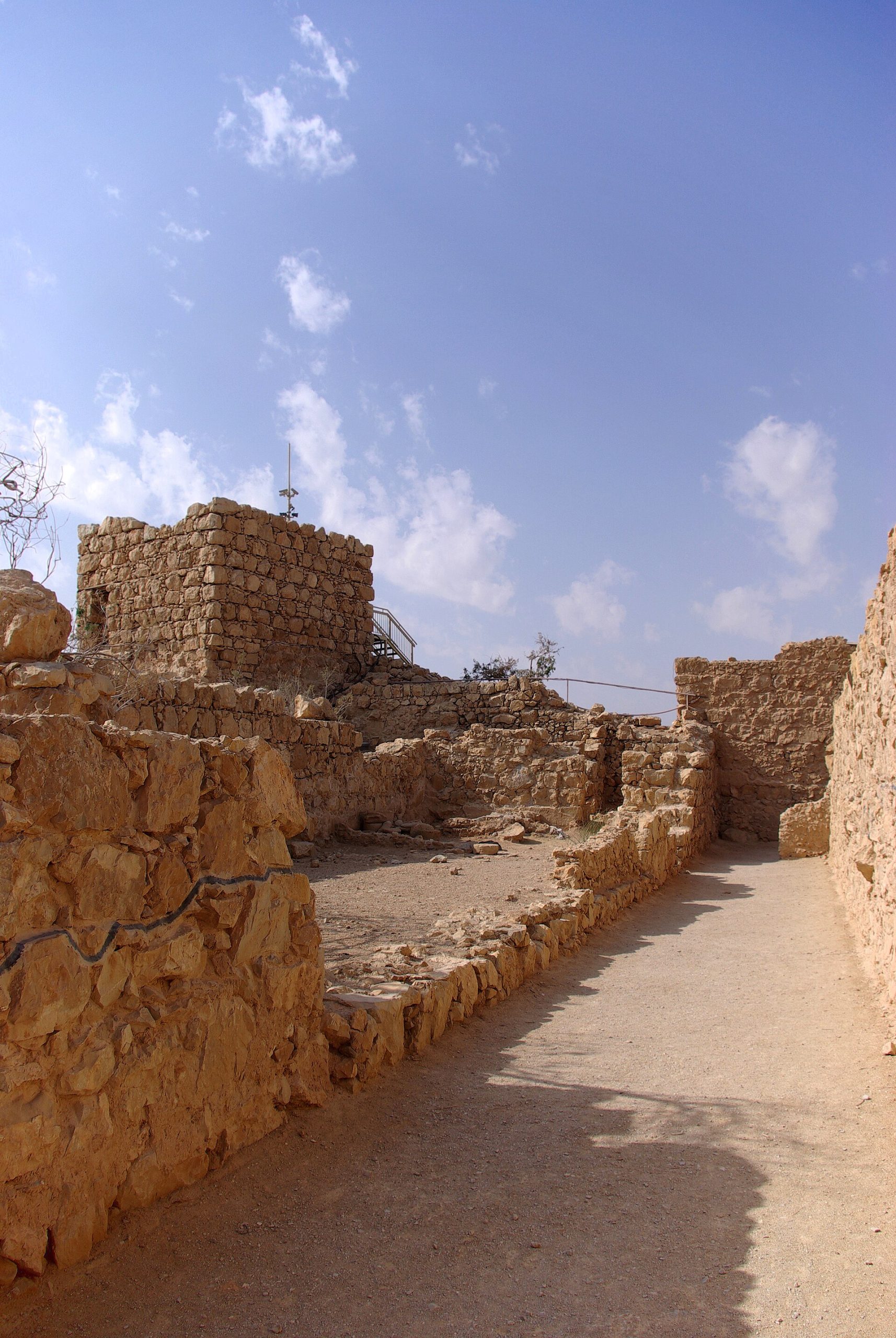
Decades after Herod’s death, Judaea rose against Roman rule in the great Jewish Revolt. As Rome crushed the rebellion and destroyed Jerusalem, a group of Jewish rebels seized Masada and made the old fortress their refuge.
On the summit they adapted Herod’s buildings to their own needs, and among the ruins archaeologists have found one of the oldest synagogues yet discovered, a poignant trace of the community that made its last home here.
The Roman Siege and the Great Ramp
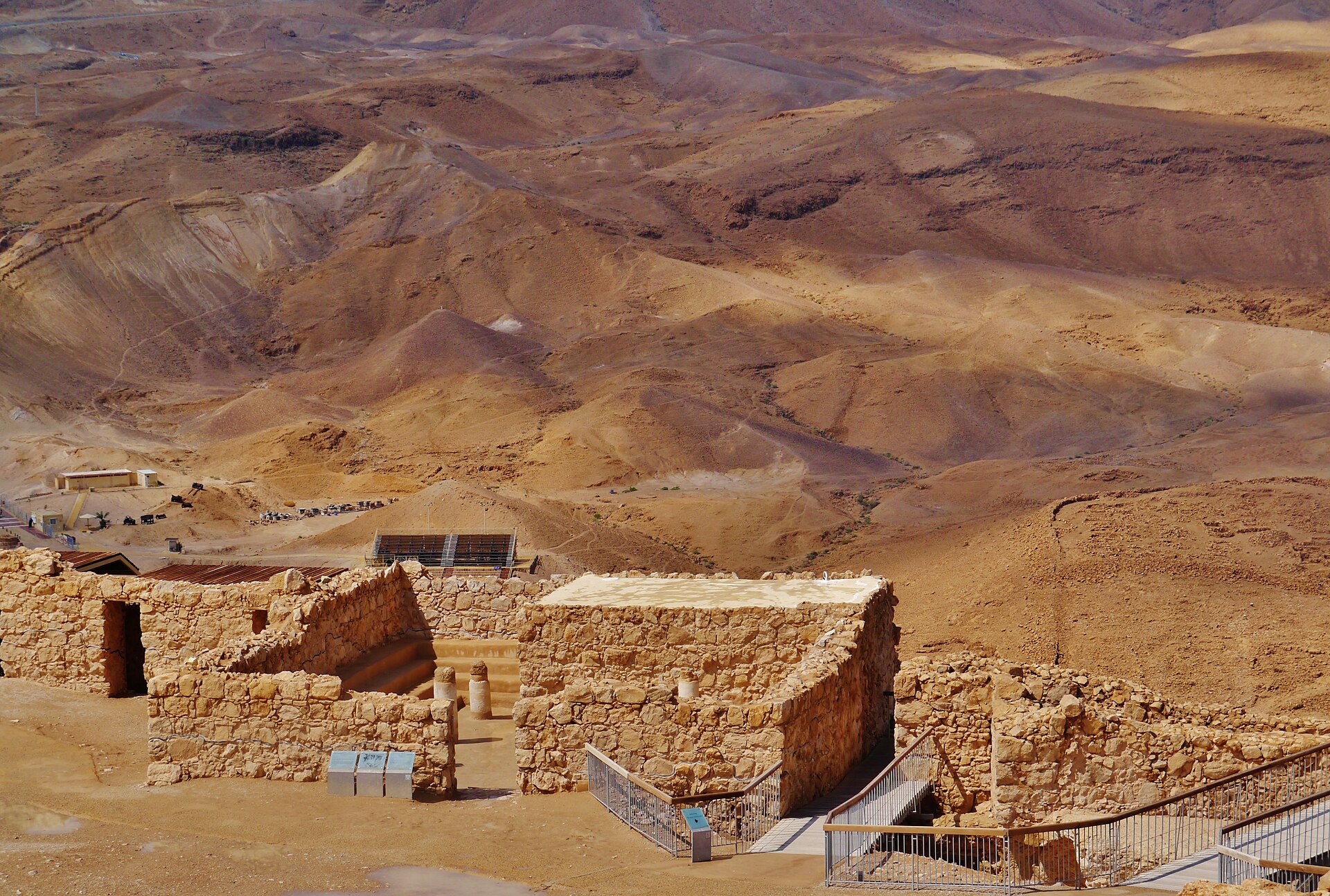
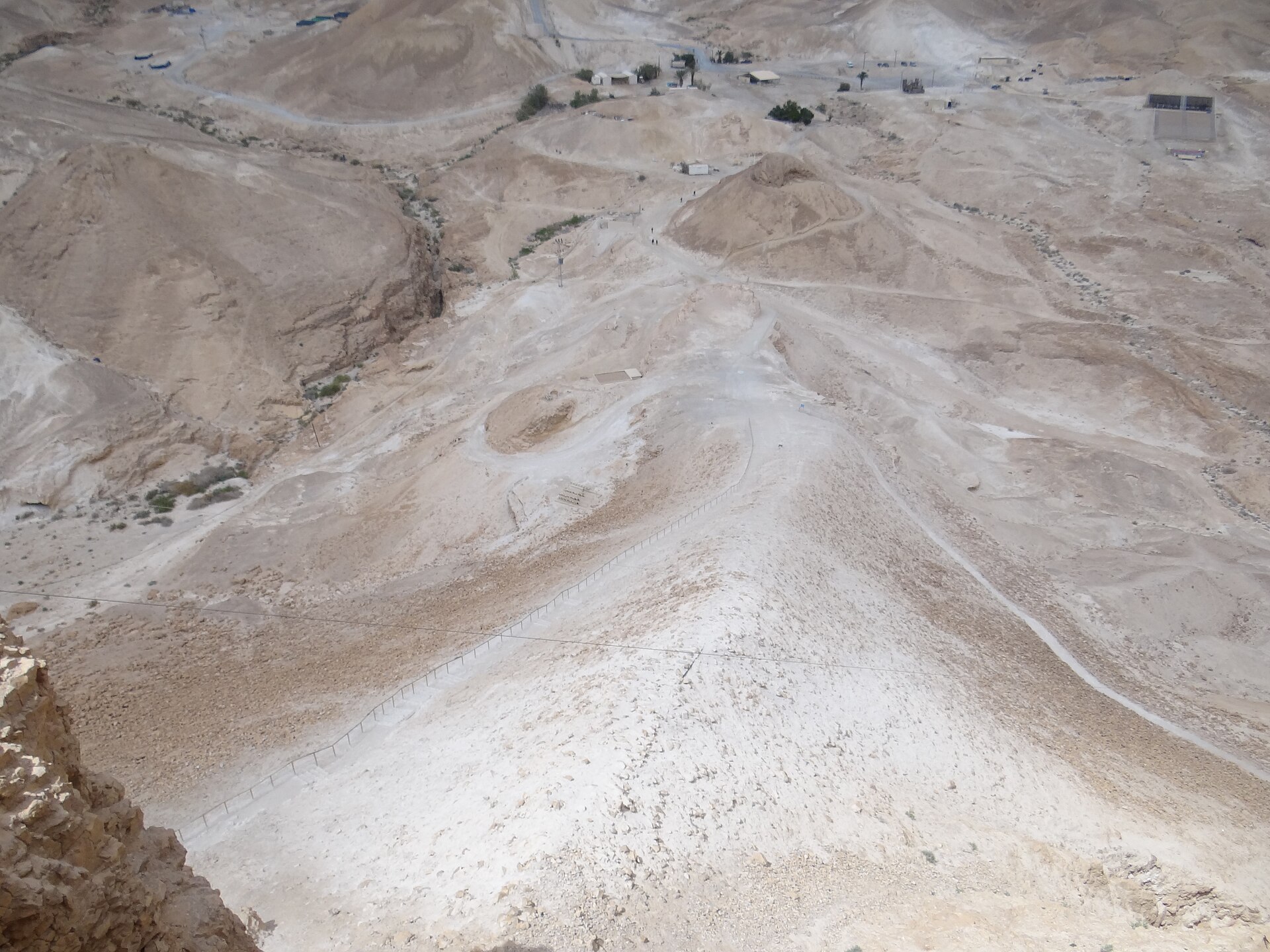
Around 73 AD the Roman army came to end the resistance. Legionaries surrounded the mountain with a wall and a ring of camps, whose outlines are still clearly visible below, and then set about the enormous task of building a ramp up the western slope.
Piling earth and stone against the cliff, they raised a great assault ramp that let them push a siege tower and battering ram up to the walls. After months of labour, the Romans finally breached the defences of Masada.
The Last Stand and the Account of Josephus
According to the ancient historian Josephus, when the defenders saw that the wall would fall, they chose death over slavery. He describes how the rebels took their own lives rather than be captured, so that the Romans entered to find the fortress silent.
Josephus is the only source for these events, and modern scholars debate how much of his dramatic account is literally true. Whatever the details, the story of Masada’s final night has become one of the most powerful in ancient history.
Rediscovery, Excavation, and a National Symbol
Masada was identified and studied in the nineteenth and twentieth centuries, and major excavations in the 1960s uncovered its palaces, walls and everyday objects, bringing the ancient story vividly to life.
In modern Israel the site became a powerful national symbol of resistance and endurance. Visitors climb the steep Snake Path or take a cable car to reach the summit and walk among the ruins.
Masada Today and UNESCO
Masada was inscribed on the UNESCO World Heritage List in 2001, recognised both for the grandeur of Herod’s architecture and for the dramatic history of its siege. The Roman siege works around it are among the best-preserved anywhere in the world.
Today the fortress is one of the most visited archaeological sites in the region. Many climb before dawn to watch the sun rise over the Dead Sea from the summit, standing where kings once feasted and rebels made their stand.
Nearby Places
- Jerash — a great Roman city of the same eastern provinces, flourishing in the century after Herod built Masada.
- Petra — the desert capital of the Nabataeans, Herod’s neighbours in the deserts south of Judaea.
- The Roman Forum and the Colosseum — the heart of the empire whose legions besieged and stormed Masada.
Closing Thoughts
Masada unites the natural and the human in a single unforgettable image: a sheer desert rock crowned with the palaces of a king and marked by the last stand of a people who would not surrender.
Whether one reads its final night as history or as legend, the fortress endures as a symbol of defiance against overwhelming odds. Few places so completely fuse dramatic landscape, royal ambition and the memory of a struggle for freedom.
You May Like
Mafra, the Palace a King Built From a Vow