In the centre of modern Rome, ringed by traffic and crowds, lies a valley of broken columns, arches and marble foundations. This is the Roman Forum, and beside it looms the vast curved shell of the Colosseum. Together they are the surviving heart of a city that once ruled most of the known world.
For centuries this small stretch of ground was the political, religious and social centre of an empire that stretched from Britain to the deserts of the Middle East. To walk among its ruins is to move through the ambitions, triumphs and cruelties of ancient Rome.
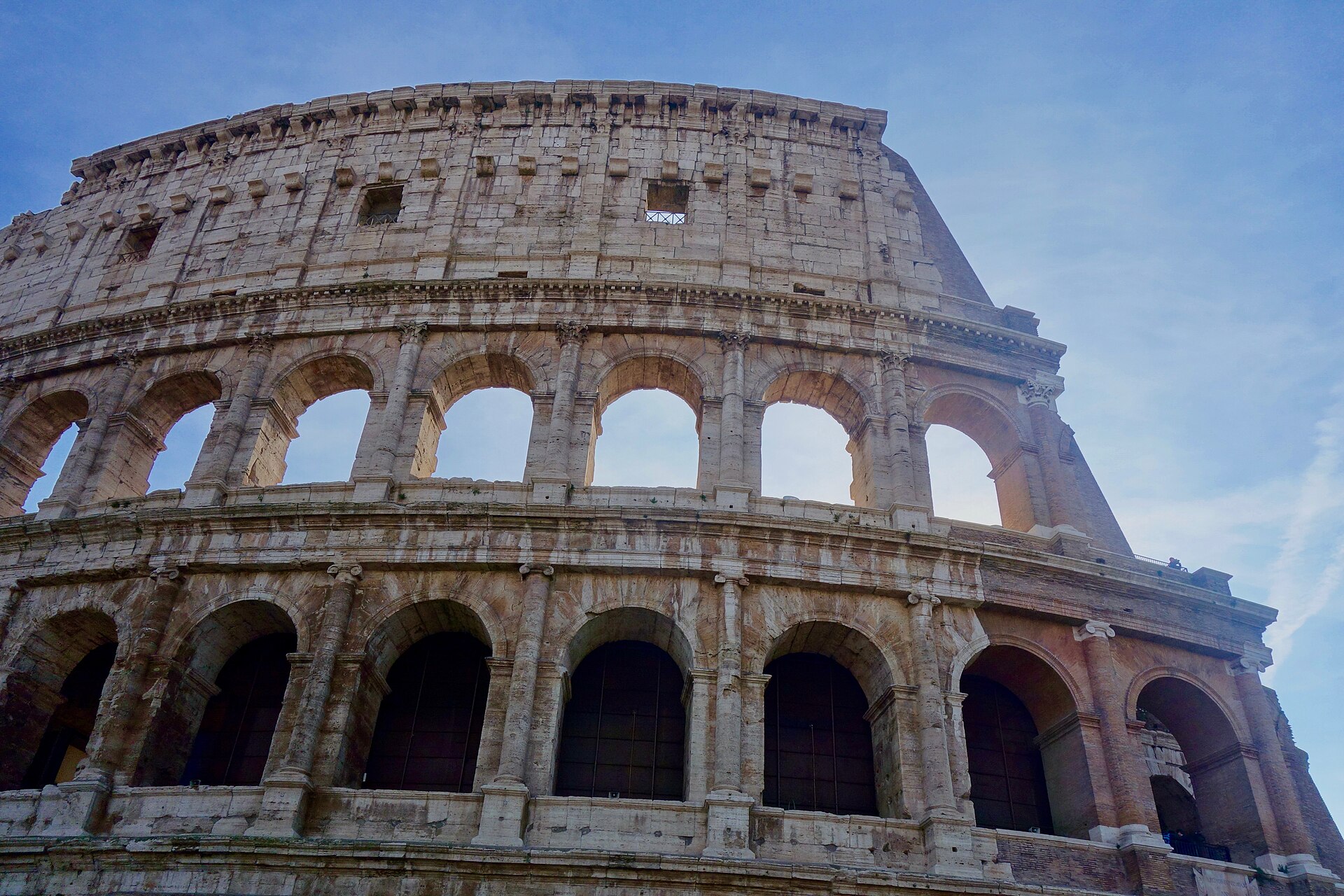
Table of Contents
- The Heart of an Ancient Empire
- The Roman Forum: Stage of Public Life
- Temples, Basilicas, and the Sacred Centre
- The Colosseum: The Arena of Rome
- Inside the Colosseum: Spectacle and the Hypogeum
- Triumphal Arches and the Memory of Victory
- The Palatine Hill: Home of the Emperors
- The Imperial Forums and Trajan’s Column
- From Ruin to Quarry: The Afterlife of Ancient Rome
- Rediscovery, UNESCO, and Rome Today
- Nearby Places
- Closing Thoughts
The Heart of an Ancient Empire
Rome grew from a cluster of villages on seven hills beside the Tiber into the capital of a Mediterranean empire. The low ground between the hills, drained in early times, became the Forum, the meeting place where the life of the city was concentrated.
Here Romans came to trade, to vote, to worship, to hear speeches and to watch triumphs. As Rome conquered the Mediterranean, the wealth of the world flowed back into this valley in the form of temples, monuments and marble.
The Roman Forum: Stage of Public Life
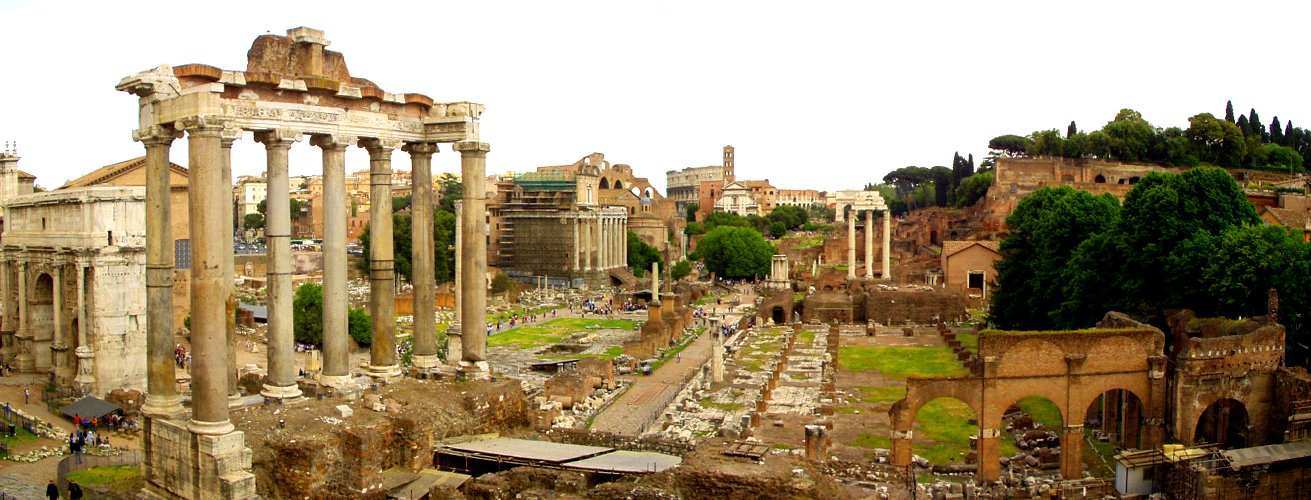
The Forum was the beating heart of the Roman state. Along its edges stood the Senate house, or Curia, where senators debated, and the speaker’s platform, the Rostra, from which orators such as Cicero addressed the crowds.
Elections, trials, funerals and public ceremonies all took place here. Every important road in the empire was measured from a golden milestone in the Forum, so that in a real sense all roads did lead to this one place.

Temples, Basilicas, and the Sacred Centre
The Forum was crowded with temples to the gods who protected Rome. The Temple of Saturn, whose tall columns still stand, held the state treasury, while the round Temple of Vesta guarded the sacred flame tended by the Vestal Virgins.
Alongside the temples rose great basilicas, roofed halls used for law courts and business. These vast public buildings would later give their shape and name to the earliest Christian churches.

The Colosseum: The Arena of Rome
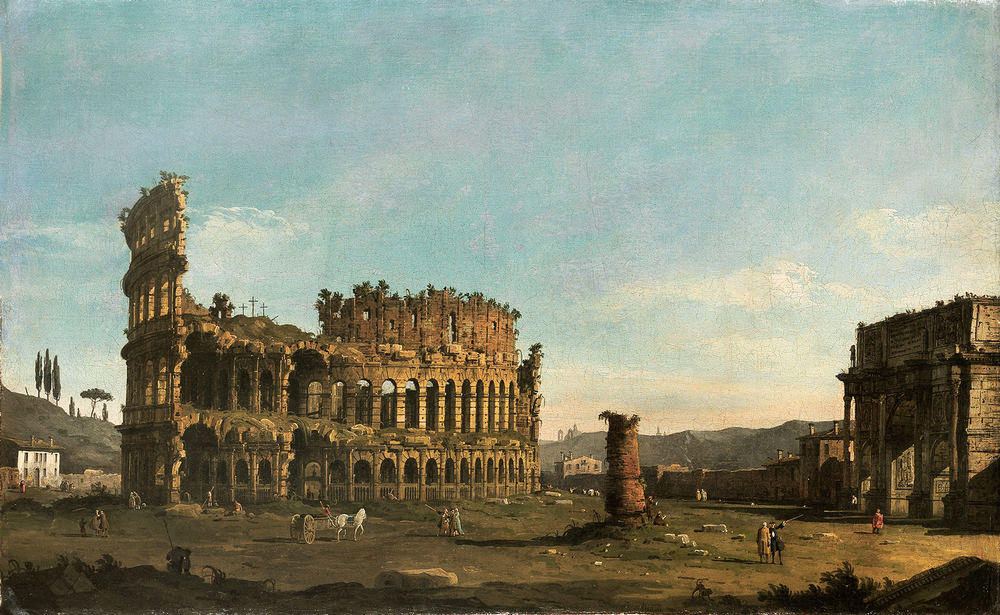
Just beyond the Forum stands the Colosseum, properly the Flavian Amphitheatre, begun under the emperor Vespasian and opened around 80 AD. It could seat tens of thousands of spectators and remains the largest amphitheatre ever built.
Its outer wall of arches, rising in tiers of different column styles, was an engineering marvel of concrete and stone. Beside it once stood a colossal statue of the emperor, from which the building probably took its popular name.
Inside the Colosseum: Spectacle and the Hypogeum
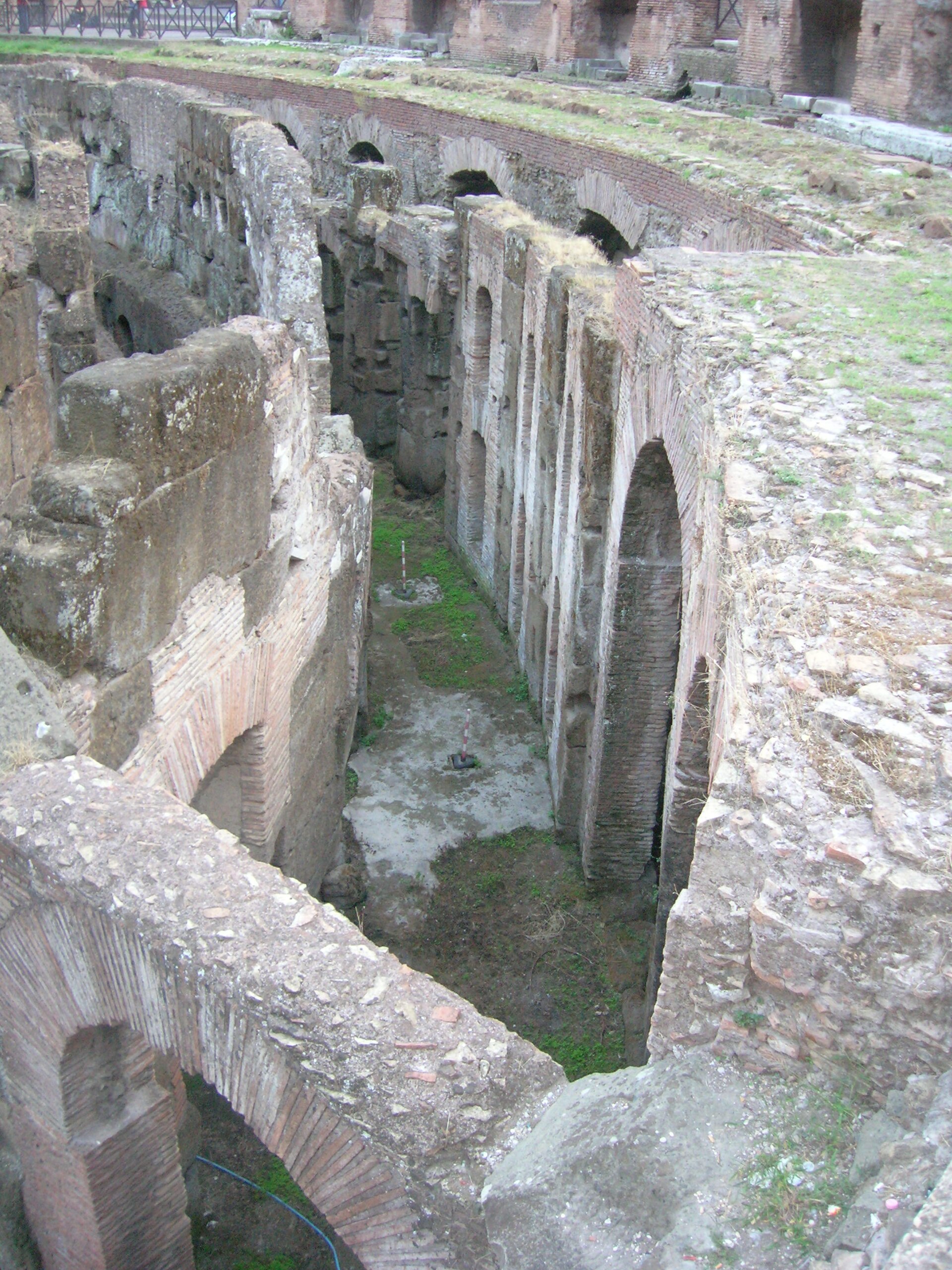
The Colosseum was built for spectacle. Here Romans watched gladiators fight, criminals be executed and wild animals hunted, all staged with elaborate scenery and machinery for a public that expected to be entertained on a grand scale.
Beneath the arena floor lay the hypogeum, a maze of tunnels, cages and lifts where beasts and fighters waited before being raised into the arena. What look today like open trenches were once hidden below a wooden stage covered in sand.
Triumphal Arches and the Memory of Victory
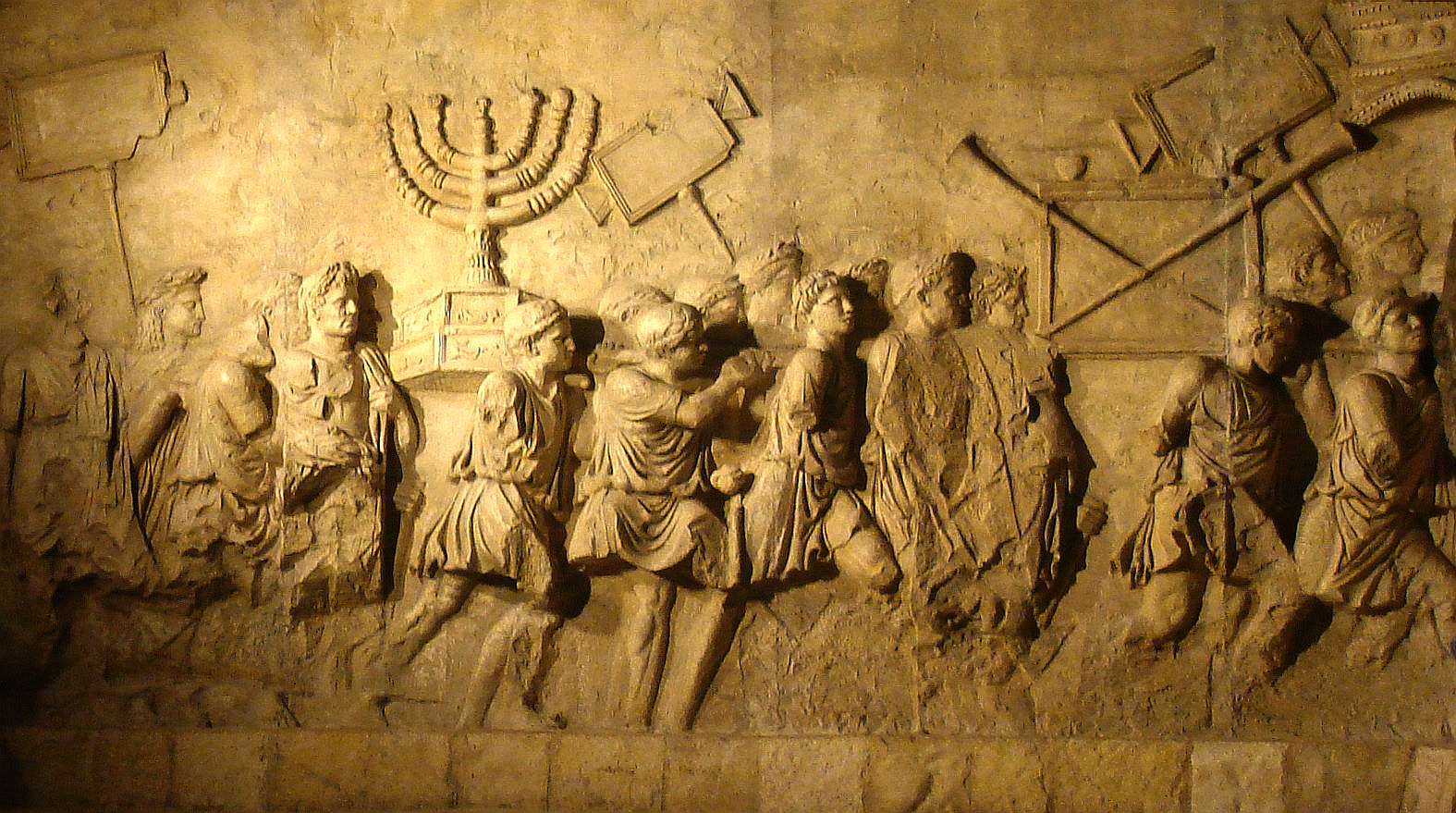
Scattered through the Forum and around the Colosseum stand great triumphal arches, raised to celebrate Rome’s victories. The Arch of Titus records the sack of Jerusalem, its reliefs showing Roman soldiers carrying off the treasures of the Temple.
Nearby, the Arch of Constantine commemorates the battle that made Constantine sole emperor and set the empire on the road to Christianity. Such arches turned military triumph into permanent public memory.
The Palatine Hill: Home of the Emperors
Rising directly above the Forum is the Palatine Hill, where Rome was said to have been founded and where its emperors chose to live. Over generations they covered it with palaces so lavish that our very word palace comes from its name.
From these heights the rulers of the empire looked down on the Forum below and the Circus Maximus on the other side, physically above the people they governed. Today the hill is a green expanse of ruins, gardens and broken vaults.

The Imperial Forums and Trajan’s Column
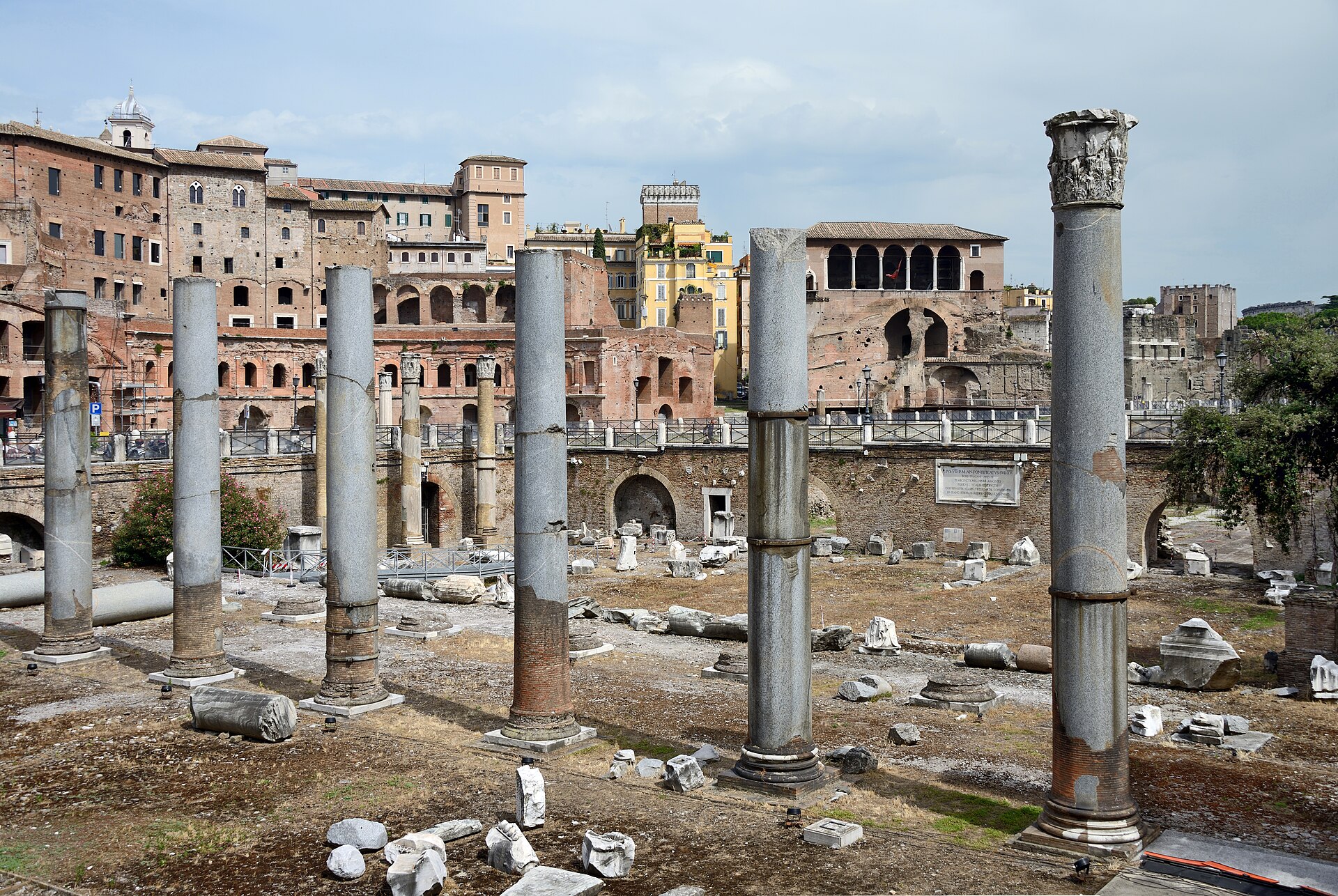
As the old Forum grew crowded, emperors built a series of grander new forums alongside it. The most splendid belonged to Trajan, complete with a great market complex that has been called an ancient shopping centre.
At its heart rose Trajan’s Column, still standing, wrapped in a spiral band of carving that tells the story of his wars in Dacia. It is both a monument and one of the most detailed pictorial records to survive from the ancient world.
From Ruin to Quarry: The Afterlife of Ancient Rome
When the western empire fell, its monuments did not vanish overnight but slowly decayed. The Forum silted up and became pasture, earning the melancholy nickname of the Cow Field, while temples were turned into churches or left to crumble.
For centuries the ruins served as a convenient quarry. Marble was burned for lime and stone was carried off to build the palaces and churches of medieval and Renaissance Rome, so that much of the ancient city survives inside later buildings.
Rediscovery, UNESCO, and Rome Today
From the Renaissance onward, scholars and artists began to study and admire the ruins rather than merely plunder them, and systematic excavation eventually cleared the Forum back down to its ancient level.
The historic centre of Rome was inscribed on the UNESCO World Heritage List in 1980. Today millions walk each year among the columns of the Forum and the arches of the Colosseum, standing where the history of the western world was so largely decided.
Nearby Places
- The Acropolis of Athens — the Greek marble monuments whose architecture Rome so admired and adapted.
- Thebes: The Egyptian City of a Hundred Gates — the ancient temple-city of a land Rome would one day rule as a province.
- Abu Simbel — the colossal Egyptian temples whose obelisks and monuments Rome would later carry home in triumph.
Closing Thoughts
The Forum and the Colosseum are not just ruins but the physical memory of Rome itself: the place where laws were passed and emperors made, and the arena where a whole civilisation came to be entertained.
To stand in the Forum at sunset, with the Colosseum glowing at its edge, is to sense how completely one city once dominated its world, and how much of that world still echoes in our laws, languages and buildings today.
You May Like
Mafra, the Palace a King Built From a Vow


One thought on “The Roman Forum and the Colosseum: Standing in the Ruined Heart of an Empire”