In the south of Siberia, on the high steppes of Tuva, stretches an area called the “Valley of the Kings.” Here, at the foot of the mountains, stand giant heaps of stone arranged in circles: the kurgans. One of the oldest and most magnificent of these is Arzhan. Built at the dawn of the Scythian world, around the ninth century BCE, the Arzhan kurgan holds one of the earliest and most striking pieces of evidence for goldwork, horse culture, and steppe aristocracy. In this article we will discover this magnificent burial monument of the Siberian steppe, the treasures that came out of it, and the lost world it represents.
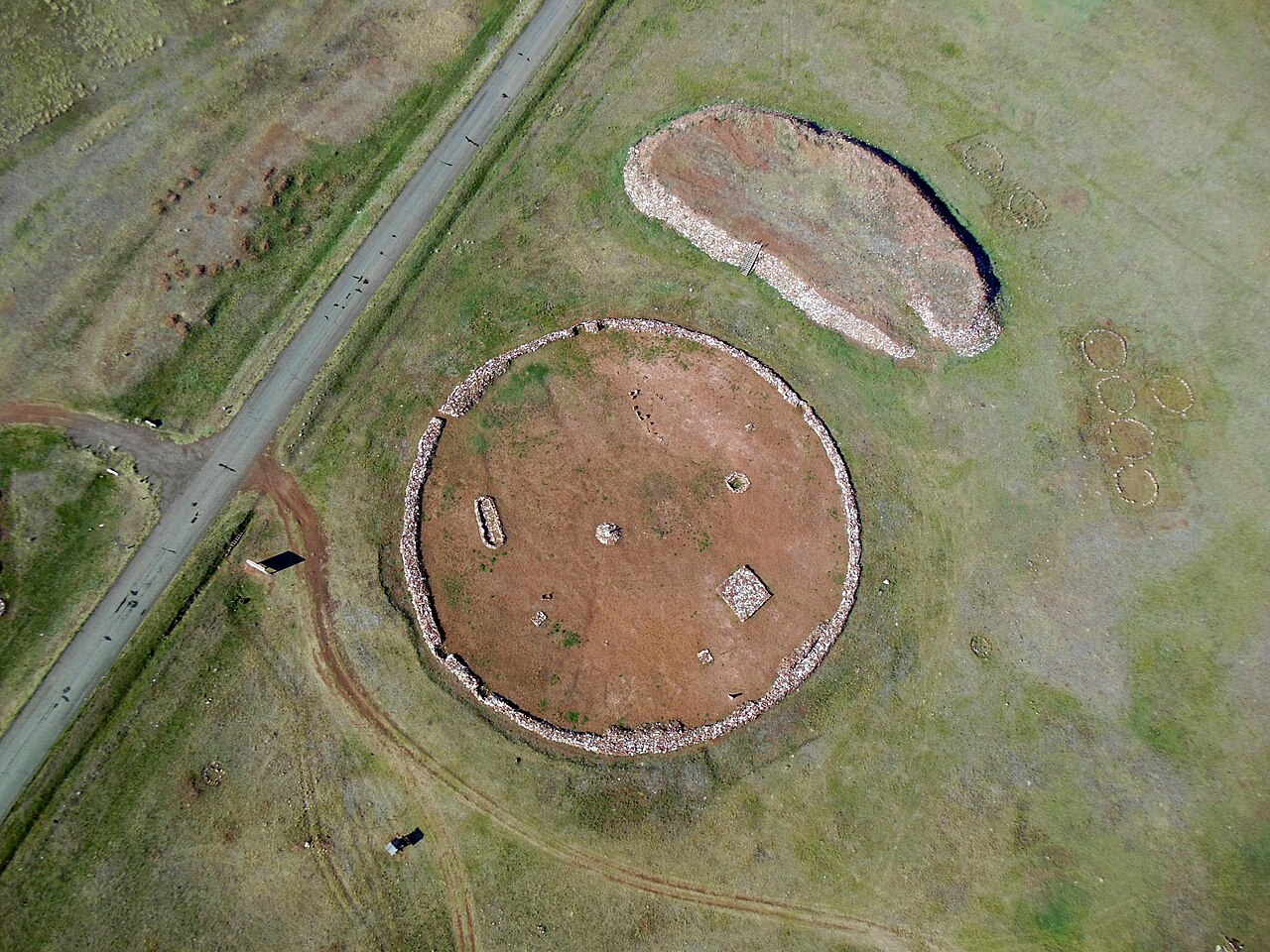
Table of Contents
- The Valley of the Kings
- The Anatomy of a Kurgan
- The Scythian Dawn
- A World Buried in Gold
- The Birth of the Animal Style
- The Sacrifice of the Horses
- The Steppe Aristocracy
- The Story of the Excavation
- Frozen Ground as a Time Capsule
- Herald of an Empire
- Geography of the Tuvan Steppe
- Death, Ritual, and Belief
- A Bridge Between West and East
- Nearby Places
The Valley of the Kings
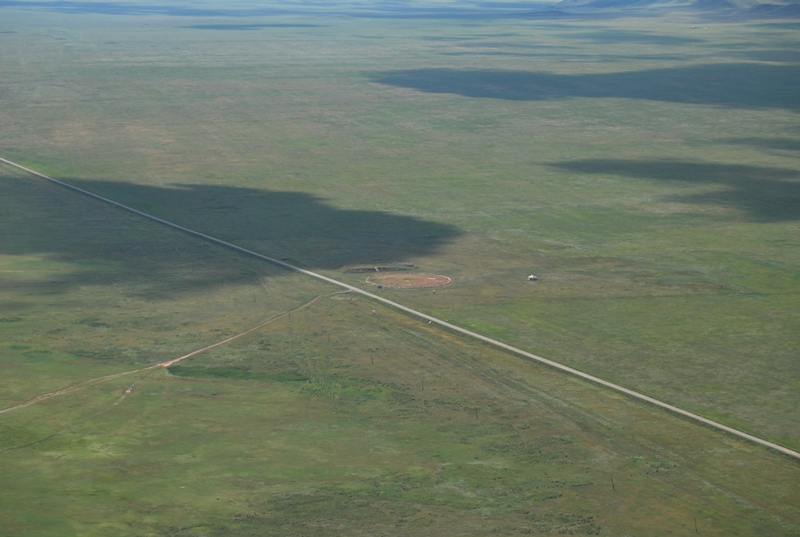
This region in Tuva is known as “Siberia’s Valley of the Kings” because of its densely clustered kurgans. Dozens of great burial mounds show that this was, for a long time, a sacred burial ground for the steppe elite. Arzhan is the earliest large monument of this valley.
The choice of this valley was no accident; high, open, and ringed by mountains, this area held both strategic and symbolic importance. The communities who buried their dead here seem to have aimed at leaving a permanent mark on the landscape.
The kurgans rising in the landscape of this valley look, from a distance, like giant monuments scattered across the steppe. Each one proclaims in the language of stone the power of the person lying beneath it and the respect the society felt for him. That burials continued in this area for centuries shows that its sanctity was passed down from generation to generation; the Valley of the Kings is less a burial ground than a ledger of steppe memory carved into stone.
Even today the Valley of the Kings greets its visitors with the grandeur of the past, as one of the most impressive archaeological landscapes of the steppe.
That this area was held sacred for centuries shows how long-lived the memory of the steppe peoples was; a place once consecrated continued to receive the same respect for generations. In this sense the Valley of the Kings is not merely a geographic area but a site of collective memory.
Someone who goes there today can still hear the breath of a kingdom in the silence of the steppe.
The existence of this magnificent burial ground also reveals the strong relationship the steppe peoples had with place; for them the landscape was not merely somewhere they lived but a meaningful world intertwined with ancestors and the sacred. The Valley of the Kings is one of the most impressive examples of this relationship poured into stone, and even today it makes visitors feel this deep bond.
And every mound rising on the horizon of this valley is a silent envoy carrying the grandeur of the past into the present.
Walking through the Valley of the Kings, one is deeply moved by the contrast between the vastness of the steppe and the grandeur of these monuments; on a plain that seems endless, these mounds raised by human hands are the traces of an elegant struggle for remembrance against nature. This landscape makes one feel how alive and how near the past can be.
And this valley still patiently keeps the most magnificent secrets of the steppe; perhaps the greatest discoveries still wait beneath the soil. In the end, the story of the Valley of the Kings is a small summary of the whole story of steppe civilization; power, art, belief, and death all come together in this narrow space and offer us the most honest portrait of a lost world. Its greatest power, perhaps, lies in its silence, which leaves the visitor alone with the past and whispers the ancient story of the steppe in its own words. And that valley waits patiently for the day it will tell its new stories.
The Anatomy of a Kurgan
The Arzhan kurgan is an immense structure of stone and timber piled layer upon layer. At the center is a chamber of wood, surrounded by radial compartments, and on the outermost edge a ring of stone. This complex internal arrangement shows that kurgans were not merely heaps of earth but carefully designed monuments.
Building the structure must have required tremendous labor; moving and setting thousands of tons of stone points to a powerful organization. This scale reflects the extraordinary position of the buried person in society.
The construction of a kurgan was in fact the collective work of an entire society; from hauling stone to working timber, from staging ceremonies to preparing sacrifices, the labor of many hands came together in this monument. For this reason the kurgan was not merely one person’s grave but a stage on which a community displayed its own power and solidarity. The radial arrangement of the structure may also carry a cosmological meaning; center and periphery were perhaps a map of this world and the next.
These monumental structures are among the oldest and most magnificent expressions of humankind’s desire to make sense of death and to be remembered.
To stand before a kurgan is, in truth, to experience a silent meeting with the people who hauled these stones, staged this ceremony, and raised this monument thousands of years ago; their labor and their faith still live within that heap of stone. These monuments are the most patient and magnificent narrators of time.
The engineering knowledge behind these monuments should not be underestimated either; the moving of enormous masses of stone, the construction of timber chambers, and the design of the whole structure to stand for centuries all point to serious technical accumulation. Arzhan reveals the level the steppe civilization reached in engineering as much as in art.
These heaps of stone are monuments to the belief in the power of remembrance, as a way of defeating death. Their scale and durability prove that those who built them were a community both powerful and far-sighted; they built thinking not only of the present but of centuries to come. That Arzhan still stands is the most concrete proof of this foresight and reminds us how deliberately the people of the past acted.
These heaps of stone are the most magnificent memories that defy time. To stand before these grand monuments reminds one of both the greatness of the past and the patience of time; these stones have witnessed the rise and fall of many empires since they were built, yet still they stand upright. In this sense Arzhan is not merely a grave but a monument erected to time itself—humankind’s most magnificent answer to time and oblivion. These grand heaps of stone go on telling today the story they have kept faithfully for millennia; they are the most honest witnesses of time.
The Scythian Dawn
Arzhan dates to the earliest phase of the Scythian-type cultures. The finds here already carry, at that early date, the characteristic features of the wide Scythian world that would later stretch from the Black Sea to China: animal-style art, horse gear, and warrior burials.
This strengthens the idea that Scythian culture may have been born not in the west but in the east, on the Siberian steppes. Arzhan thus sheds light on the starting point of a civilization.
Debates about the origin of Scythian culture have gone on for a long time, and Arzhan stands at the very center of that debate. The early finds here suggest that the characteristic Scythian elements may have emerged in the east, on the Siberian steppes, and spread westward. This is an exciting possibility that reverses the classic narrative and redraws the map of steppe history.
If the Scythian world truly was born here, on the high steppes of Siberia, it profoundly changes our understanding of the flow of history; for then the source of the great nomadic tradition that connected Eurasia from one end to the other lies not at the edge of the classical world but in this seemingly desolate valley. With this possibility, Arzhan becomes a candidate for the birthplace of one of the most influential cultural currents in world history.
This debate about origins represents one of the most exciting aspects of archaeology: the finds of a single site can rewrite the story of an entire civilization. Arzhan is one of the rare sites with this power, and every new analysis sharpens the picture of the birth of the Scythian world a little more.
Today Arzhan stands at the center of every serious debate about the origin of the Scythian world, and it owes this position to the early and rich finds it offers; it is almost like the birth certificate of a civilization.
With Arzhan, the story of the Scythians now begins much earlier and much farther east. The importance of these early finds lies not only in their age but also in their completeness and richness; Arzhan shows how developed and refined Scythian culture already was from the very beginning, and this makes it one of the cornerstones of steppe history.
For this reason, to understand Arzhan is in fact to understand that first spark from which the whole story of the Scythians began. And this story, growing a little richer with every new find, continually refreshes our understanding of the birth of the Scythian world. Arzhan thus documents not only the end of a civilization but its most exciting moment—its birth—and this birth story proves once again that the steppe was not merely a corridor of passage but also a cradle of great civilizations. The story that began at Arzhan went on echoing across the steppe.
A World Buried in Gold
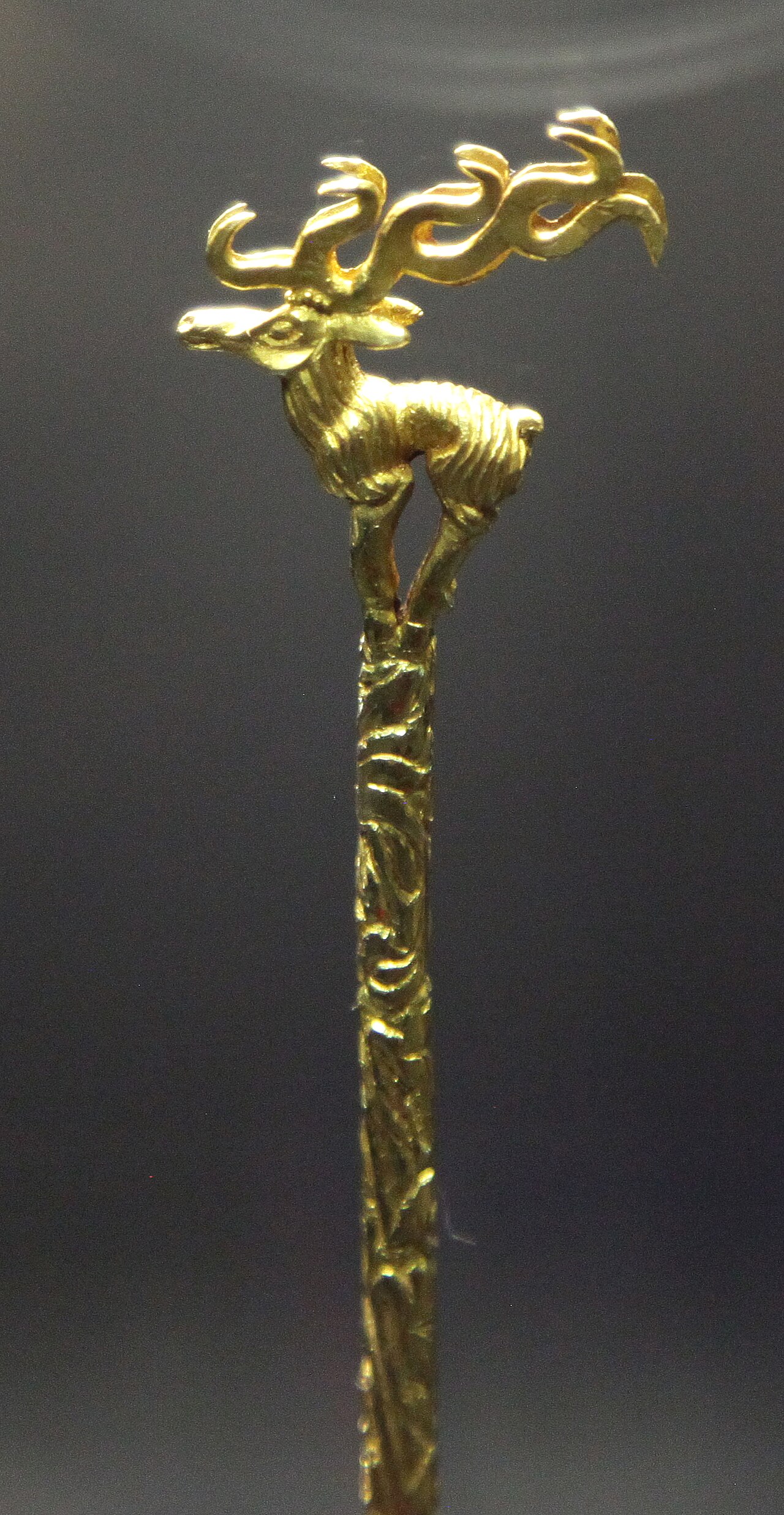
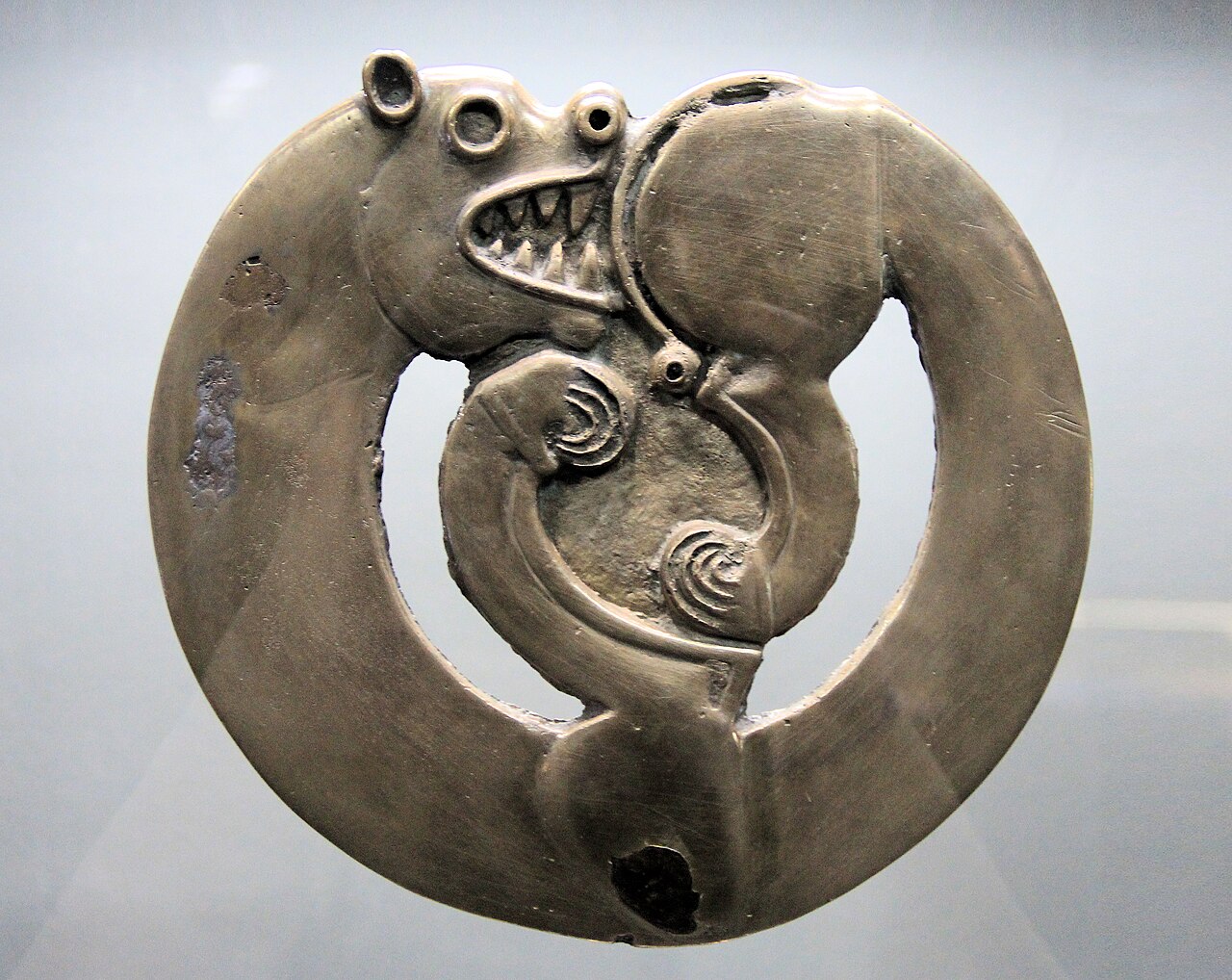
In the most famous of the Arzhan kurgans, thousands of gold objects were found. A ruler and his consort were buried in garments adorned with gold from head to foot. These finds lay bare the wealth and aesthetic refinement of the steppe aristocracy.
The quality of the goldwork is astonishingly high; tiny animal figures and intricate patterns prove the extraordinary skill of the craftsmen. These treasures are not merely wealth but also the expression of a worldview.
The abundance and refinement of these gold objects completely shatter the cliché of steppe societies as “rough nomads.” On the contrary, here there was an extremely refined aesthetic sense, an advanced craft tradition, and a culture that turned wealth into art. Every gold figure was both a piece of fortune and an expression of belief and identity; this glitter wrapping the ruler’s body proclaimed his position both in this world and in the next.
These glittering treasures are the most concrete and most enchanting proof of a civilization shining in the heart of the steppe.
Faced with these treasures, one cannot help but admire the imagination and skill of the masters of four thousand years ago.
This goldwork also represents one of the peaks of the refinement and technical mastery of steppe art; each piece was carefully designed in both aesthetic and symbolic terms. That golden glitter continues to shine in the heart of the steppe even four thousand years later.
That thousands of pieces of gold came together is also proof of an immense economic and organizational power; to gather, work, and devote such a precious metal to a single burial could only be the achievement of an extremely powerful and wealthy society.
These treasures are the brightest reflection on the steppe of humankind’s search for beauty and immortality. The human stories behind this gold are far more moving than any figure of wealth; each piece carries the trace of a life, a belief, and a society. For this reason the treasure of Arzhan is not only valuable but also deeply human. This glitter is the most enduring and most enchanting legacy of a civilization shining in the heart of the steppe, and as one of the brightest pages of humankind’s shared cultural heritage it carries a beauty and meaning that transcend the ages. That glitter still lights up the darkness of the past.
The Birth of the Animal Style
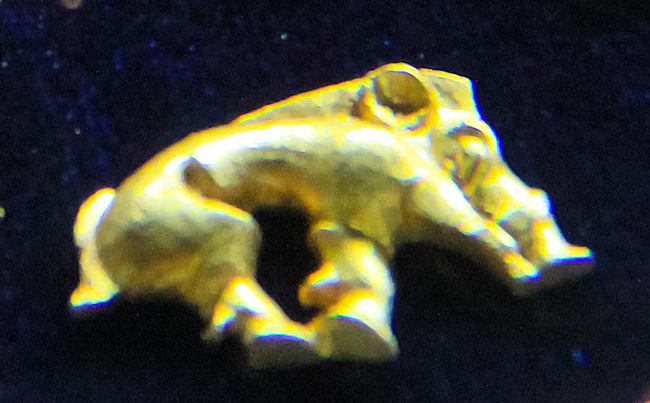
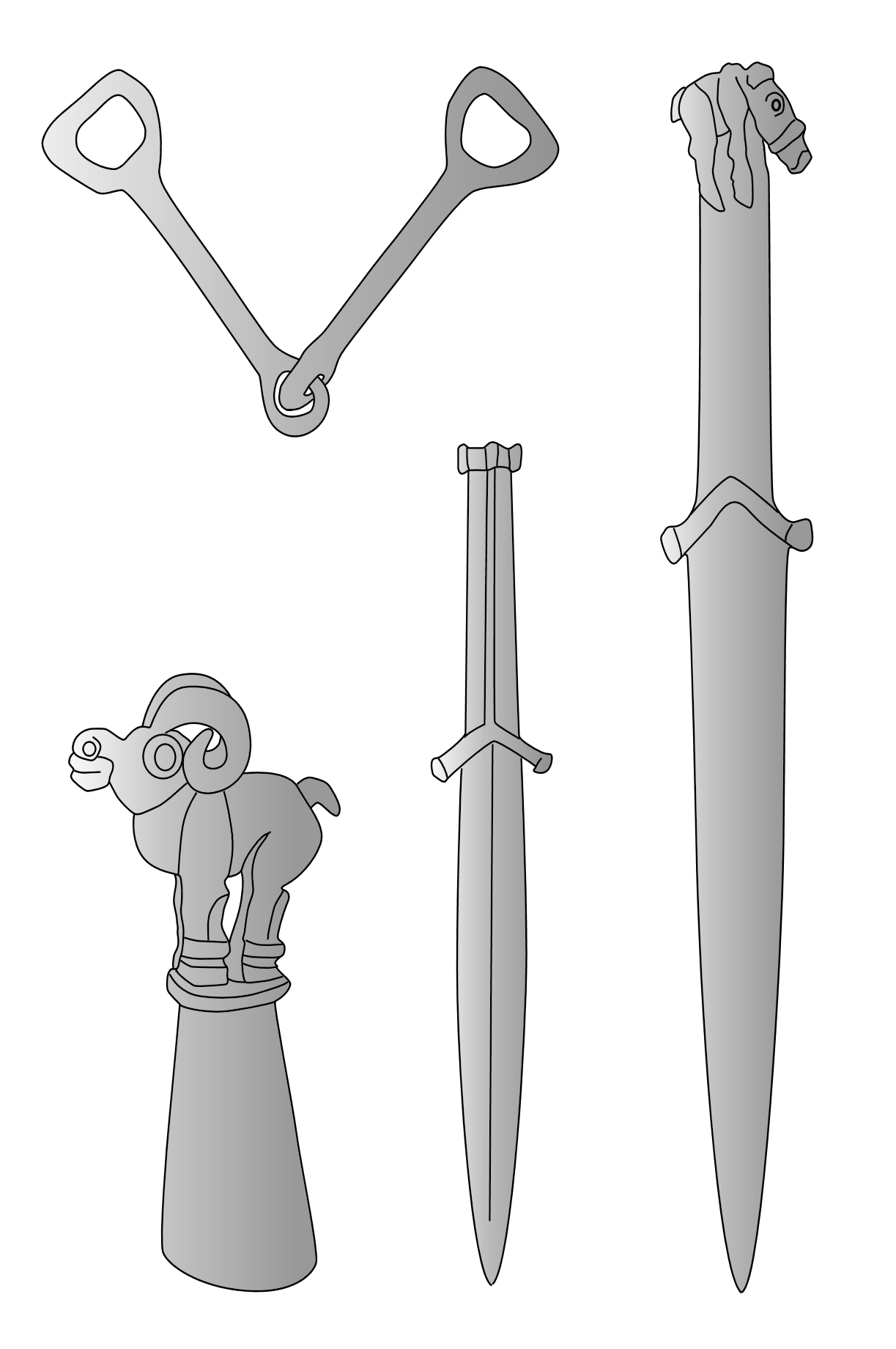
The most recognized feature of Scythian art is the “animal style,” full of coiled deer, panthers, and eagles. The Arzhan finds contain the earliest examples of this style. Here the animals are not merely ornament but symbols charged with power and belief.
These figures reflect the deep relationship the steppe people had with nature. The themes of the hunt, of power, and of transformation were worked into metal and gold and made immortal.
The animal style is a key to understanding how the steppe people perceived nature. Animals such as the deer, the panther, and the eagle were symbols of power, speed, and transformation; to work them onto the body and onto objects was like hoping these qualities would pass to their owner. These earliest examples from Arzhan are the first sentences of an artistic language that would cover the entire Scythian world in the centuries to come.
The power of this art lies in the balance between the abstract and the concrete; the animals are depicted in a form both recognizable and stylized, building a bridge between reality and symbol. This style was so effective that its echo continued in the art of the steppe peoples even centuries later, and it became the visual signature of Scythian identity.
And these animals seem, even today, to whisper to us the ancient spirit of the steppe.
These animal figures became an inseparable part of Scythian identity, as the finest visual expression of the spiritual bond the steppe peoples had with nature. These figures are like poems carved into stone and gold.
This artistic language was so powerful that it crossed the borders of the Scythian world and influenced neighboring cultures too, becoming the most recognizable signature of steppe aesthetics; Arzhan is the place where the first sentences of this influential language were written.
And these animals, though carved into stone, still seem to move as if alive. The elegance and power of these figures make steppe art one of the most original and impressive chapters of world art history. And those golden animals still seem to run in the wind of the steppe.
The Sacrifice of the Horses
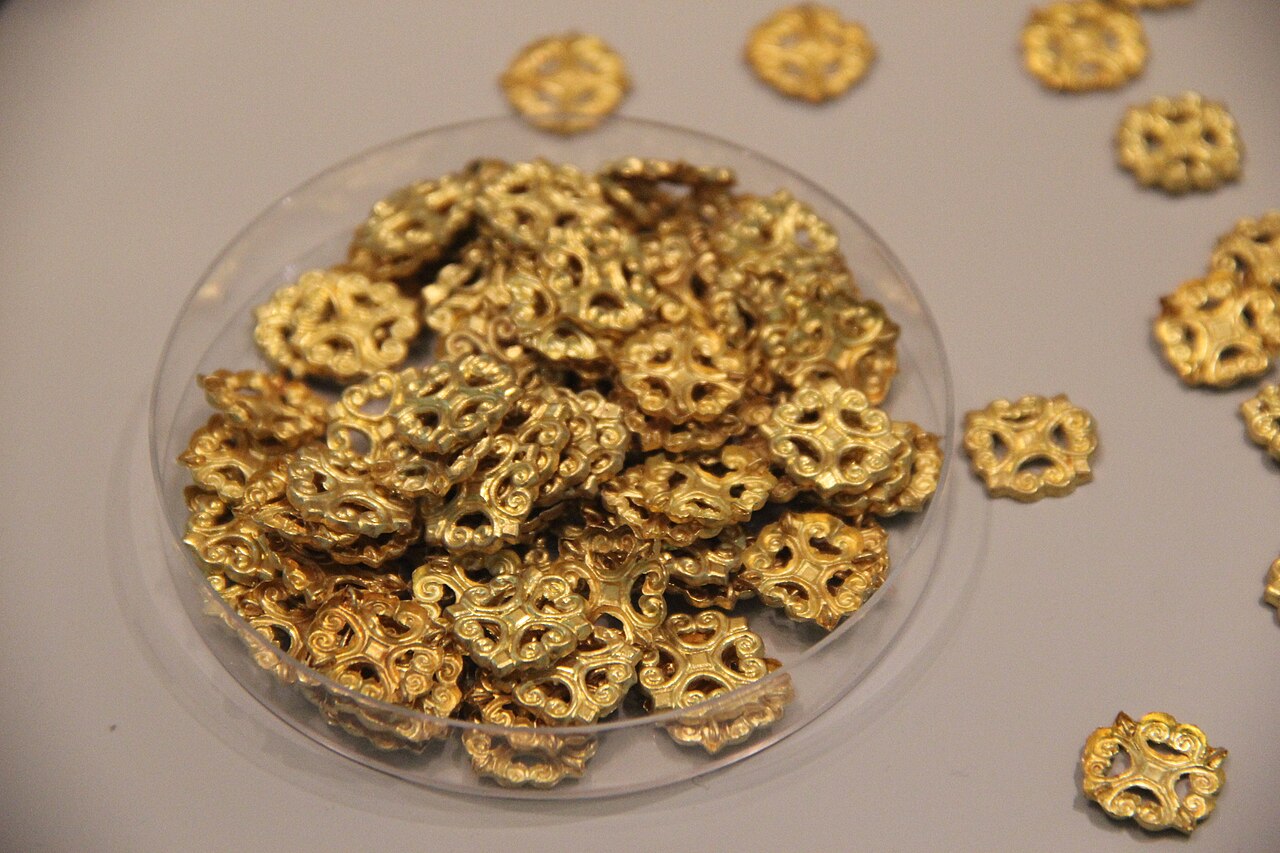
Many horse skeletons were found in the Arzhan kurgans; in some graves dozens of horses were sacrificed and carefully buried. This emphasizes once again the central place of the horse in steppe society.
The sacrificed horses symbolized the ruler’s power and mobility in the other world. Horse harnesses and ornaments show that these animals were not merely instruments but beings that carried status and sanctity.
The sacrifice of dozens of horses in a single burial was both the giving up of a great fortune and the expression of a deep faith. In steppe society the horse was the measure of wealth and power; for this reason burying horses together with the ruler was the highest display of respect and status. The carefully adorned harnesses of these horses show that they were not merely sacrifices but precious companions taken into the other world.
These magnificent horse burials also remind us how horse-centered the steppe economy was; without the horse this society could have had neither war, nor trade, nor migration. The horses of Arzhan are proof of how precious this vital partnership was seen to be, in both life and death.
That a steppe ruler was buried together with his horses captures the very essence of a way of life; for horse and rider were an inseparable whole in the next world as in this one.
The burial of these animals was also an expression of the deep, almost sacred relationship the steppe people had with nature and with animals; the horse was less a possession than a part of life and of identity. For this reason the horses of Arzhan tell us not merely of a burial custom but of an entire worldview.
A steppe without horses was unthinkable; and so was an Arzhan without horses. This final journey of the horses symbolizes the essence of the steppe spirit—the inseparable togetherness of human and nature.
The Steppe Aristocracy
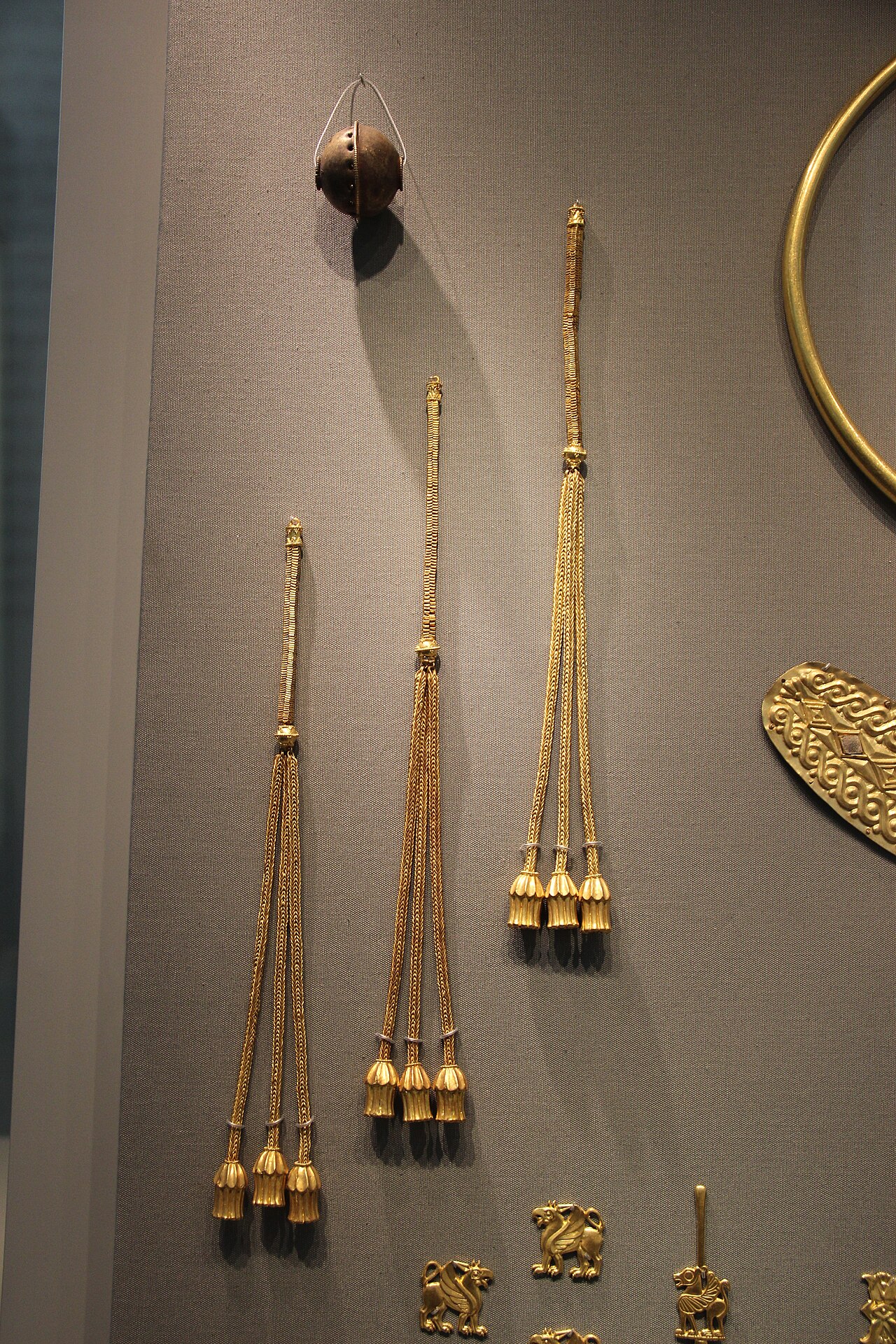
Arzhan’s magnificent burials point to the existence of a highly stratified society. The difference between the richly equipped central graves and the simpler peripheral burials reveals a distinct hierarchy.
This aristocracy was probably built on a wealth resting on herds, pastures, and warrior power. Arzhan tells us how this elite stratum saw itself and how it wished to be remembered by later generations.
The social stratification that Arzhan reveals invalidates the simple assumption that the steppe was egalitarian. Here there was a powerful elite stratum that could mobilize resources and people; this stratum rested on both warrior power and the wealth of the herds. The magnificent kurgans are the concrete proof of this aristocracy’s desire to set itself apart from ordinary people even in death.
This magnificent hierarchy is proof that the steppe, just like settled civilizations, could produce complex social structures.
The power of this aristocracy rested not only on wealth but also on the ability to gather people around great common projects; the construction of a kurgan was the most concrete proof of exactly this organizing power. Arzhan shows how an entire society could be mobilized behind a single leader.
In the end, Arzhan proves to us that the steppe too, just like the great river civilizations, was a rich world with its own kings, its own art, and its own magnificent monuments; this world may be different, but it is never less impressive.
The kings of the steppe prove their power to us even with their graves. This powerful aristocracy, ruling the resources and people of the steppe, proved that the nomadic world too could produce its own magnificent, state-like structures.
This powerful social structure is also proof of the political and organizational abilities of the steppe peoples; they did not merely migrate but also ruled, organized, and left behind enduring works. Arzhan is the most magnificent document of this ability. And this grandeur is the undeniable proof that the steppe too was a civilization—indeed a great one. The kings of the steppe go on ruling even in their graves.
The Story of the Excavation
The Arzhan kurgans were excavated systematically from the second half of the twentieth century onward. The opening of an undisturbed kurgan in particular created great excitement in archaeology, because most steppe graves had been looted over the centuries.
These untouched finds fundamentally enriched our knowledge of the Scythian world. Arzhan went down in history as one of the most important excavations in steppe archaeology.
The opening of an unlooted kurgan is a rare and priceless moment for archaeologists, because most steppe graves have been plundered by treasure hunters over the centuries. The discovery of an undisturbed burial at Arzhan offered the chance to see the material culture of the Scythian world at first hand and in full. This discovery is remembered as one of the brightest moments in steppe archaeology.
The results of these excavations reshaped not only Russian archaeology but Scythian studies across the whole world; Arzhan is now one of the starting points of every account of Scythian history.
Thanks to the window Arzhan opened, the Scythians—whom we once knew only from the accounts of ancient writers—now come before us with their own works and their own treasures.
After these excavations, our knowledge of the Scythian world now rests not only on the accounts of distant ancient writers but on the concrete evidence the soil itself offers; Arzhan became one of the most important sources of this transformation and permanently enriched steppe archaeology. Every new find adds a new page to this magnificent story.
The Arzhan excavations also played a decisive role in making steppe archaeology a focus of international interest; today experts from all over the world work to solve the secrets of this valley. The soil of Arzhan goes on telling us a new story each time it is excavated.
Arzhan is living proof of how many surprises archaeology can still hold for us. And this discovery reminds us that the past never entirely vanishes but only waits to be found again. Every excavation loosens this knot a little more.
Frozen Ground as a Time Capsule
Siberia’s cold climate and the frozen ground in some graves allowed organic materials to be preserved in extraordinary ways. Objects that would normally rot and vanish—wood, leather, and cloth—survived here.
This preservation offered archaeologists rarely seen details of steppe life. In this sense Arzhan is like a time capsule that freezes and keeps the past.
The preserving effect of the frozen ground turned Arzhan and the surrounding graves into genuine time capsules. Wooden carvings, leather goods, and textiles that would normally leave not even a trace were preserved for thousands of years in this cold. Thanks to this, researchers became aware of steppe life not only through metal and stone but also through its organic richness.
Thus the cold of Siberia became, rather than destructive, a faithful guardian of the past.
Thanks to this extraordinary preservation, Arzhan tells us not only what was buried but also how these things were made, which techniques were used, and how daily life looked; the frozen ground is almost an archive that keeps the past alive.
In this way the cold of Siberia gave a lost world back to us almost in living form. The frozen ground kept the past alive not in the cold but in memory.
Here the cold became an instrument not of destruction but of remembrance. And thanks to this faithful guardian, a lost world came closer to us than it ever had been.
Herald of an Empire
Beyond being a single grave, Arzhan symbolizes the birth of an entire steppe civilization. The cultural motifs that spread from here influenced nomadic peoples across all of Eurasia in the following centuries.
Today the Arzhan finds are displayed in museums as the brightest evidence of the golden age of the Siberian steppe. These kurgans, despite their silence, still tell us of the grandeur of a lost world.
Arzhan’s legacy far exceeds the bounds of a single grave; the art, belief, and way of life that spread from here shaped the cultural fabric of the Eurasian steppe for centuries. Today these kurgans continue to enchant both scholars and visitors as the most magnificent witnesses of a lost civilization.
And this legacy continues to live, far beyond the museum showcases, in the cultural memory and identity of the steppe peoples.
These magnificent monuments remind us that the nomadic world was not “primitive” at all but, on the contrary, built a rich and impressive civilization of its own.
And this magnificent legacy continues to live today as part of both the cultural pride of the Tuvan people and a priceless treasure of world archaeology. And this legacy is valuable not because it fell silent but because it goes on speaking.
Thus Arzhan ceases to be a relic of the past and becomes a living, fruitful field of research in today’s scientific world. Arzhan’s gold may fade, but its story never grows old.
And this legacy continues to shine as one of the most magnificent golden bridges built between past and present. The story of Arzhan is a never-fading echo of the golden age of the steppe. And as long as this legacy lives, the kings of Arzhan too will go on living in memory. And this legacy remains a treasure that never grows old.
Geography of the Tuvan Steppe
Tuva, where Arzhan lies, is a high steppe plateau ringed by mountains. With its harsh continental climate and long, freezing winters, this region offers an environment that both makes life difficult and, under certain conditions, preserves the past in extraordinary ways. Rivers and pastures formed the basis of nomadic herding.
This geography was also a crossroads; this area where the steppes of Siberia, Mongolia, and Central Asia meet was a corridor along which ideas and peoples moved. Arzhan’s cultural richness is partly a result of this geographic position.
This balance between the sheltering embrace of the mountains and the openness of the steppe provided both defense and mobility. That the Valley of the Kings was established here seems a natural consequence of this favorable geography.
The harsh beauty of this high plateau created an environment that both challenged and rewarded; as those who lived here learned to adapt to the constraints of nature, that same nature offered the conditions to carry their story to future generations. Tuva’s position made it a strategic node in the cultural exchange of the steppe world.
In the end, the geography of Tuva is like an invisible hand that wrote both Arzhan’s fate and its story; the mountains protected it, the steppe nourished it, and the cold carried it into the future.
This trilogy of steppe, mountain, and sky lent Arzhan’s world both simplicity and grandeur; here life was harsh but meaningful, and even death was celebrated as part of this vast landscape. Tuva’s unique position made it both a refuge and a crossroads; peoples met here, goods changed hands here, and ideas were blended here. Arzhan’s richness is the accumulated fruit of these encounters.
And the stage for all of this was Tuva’s unique, harsh, and beautiful steppe. The steppe of Tuva is both the stage of this great story and its faithful guardian.
Death, Ritual, and Belief
The Arzhan kurgans were not merely graves but the stage of complex rituals. Horse sacrifices, funeral ceremonies, and probably great gatherings accompanied the construction of these monuments. Here death was not an individual event but a social spectacle.
The forms of burial reflect strong beliefs about the afterlife. The horses, weapons, and gold objects buried with the dead suggest that death was seen not as an end but as a passage. The ruler was sent off to the other world equipped and in splendor.
These rituals were also instruments that reinforced the social order. A magnificent funeral proclaimed both the power of the dead leader and the legitimacy of the order that followed him.
The grandeur of these rituals shows how central a place death held in steppe society; the funeral was at once a display of power, a social gathering, and a declaration of belief. The stones of Arzhan have reached us as the silent witnesses of these great ceremonies.
Thus each kurgan becomes as much a monument summarizing the worldview of an entire society as it is a grave.
Though thousands of years have passed since the ceremonies of Arzhan ended, those stones still carry the echo of those great moments. These great funeral ceremonies were probably social events lasting for days, bringing together guests, herds, and gifts from distant regions; thus death became a force that united rather than divided the society. The monumental scale of Arzhan still makes us feel how great and important these ceremonies were.
The echo of these ceremonies still seems to wander among those stones. And behind these magnificent ceremonies lay a deep faith that saw death not as an end but as a moment of transformation and of honoring; Arzhan is one of the most impressive expressions of this faith poured into stone and gold. And the spirit of those ancient ceremonies still wanders in this sacred valley today. And the grandeur of these rituals shows that in steppe culture death was not a moment of fear but of honoring and exaltation.
A Bridge Between West and East
The finds of Arzhan lay bare the Scythian world’s connection between east and west. The motifs here share elements with both Central Asian and more western steppe cultures.
This connection shows that the steppe did not have a single cultural continuity but was in constant interaction. Arzhan is one of the easternmost and earliest bright points of this wide network.
Thus Arzhan is not merely a local monument but also a witness to an intercontinental cultural exchange; its gold and its art are part of a much wider world.
Arzhan’s position, connecting east and west, proves that the steppe was never an isolated world but, on the contrary, a constant network of exchange and interaction; every gold figure here is a knot in this wide network.
Arzhan’s gold and art are among the earliest and brightest syllables of the common language of this wide world.
These invisible threads reaching from east to west turned the steppe into a single cultural ocean, and Arzhan was one of the clearest sources of this ocean.
Thus Arzhan ceases to be a silent monument lying in a distant valley and becomes the starting point of a great story that connects continents and ages. Arzhan is the brightest proof that the steppe was never alone.
In the end, Arzhan stands at the heart of a story as narrow as a valley yet as wide as a continent. East and west are bound together at Arzhan by a golden thread. Thus Arzhan becomes a unique witness that tells, at the same moment, both the story of its own valley and that of the whole Eurasian steppe. Arzhan is a golden knot binding the continents together.
Nearby Places
- The Frozen Tombs That Preserved a 2,500-Year-Old World in Ice: The Story of Pazyryk
- The Steppe Forts That Gave the World Its First War Chariots: The Story of Sintashta
- A Perfect Circle on the Steppe, Burned by Its Own People: The Story of Arkaim
Final Word
Arzhan is far more than a heap of stone rising in the middle of the steppe; it is the birth certificate of a civilization where gold, horse, and power came together. These treasures, preserved in the cold of Siberia, prove how rich, organized, and creative a world thought to be merely nomadic really was. In the silence of the Valley of the Kings, the first breath of an empire can still be heard.
You May Like
Norse Explorers Reached Canada 500 Years Before Columbus


2 thoughts on “Arzhan: Siberia’s Valley of the Kings, Buried in Scythian Gold”