On the high plateaus of the Altai Mountains, beneath the ice and the frozen ground, a miracle was kept for two thousand five hundred years. In the Pazyryk kurgans, everything that would normally rot and vanish—carpets, tattooed skins, furs, wooden carvings, and even the whole bodies of horses—was preserved as if frozen inside the ice. These frozen graves open an unparalleled window onto the world of the Scythian-age steppe nomads. Pazyryk offers one of the most extraordinary finds in all of archaeology: a living past that has reached us with its texture, its color, and its tattoos. In this article we will discover, step by step, this lost world preserved by the ice.
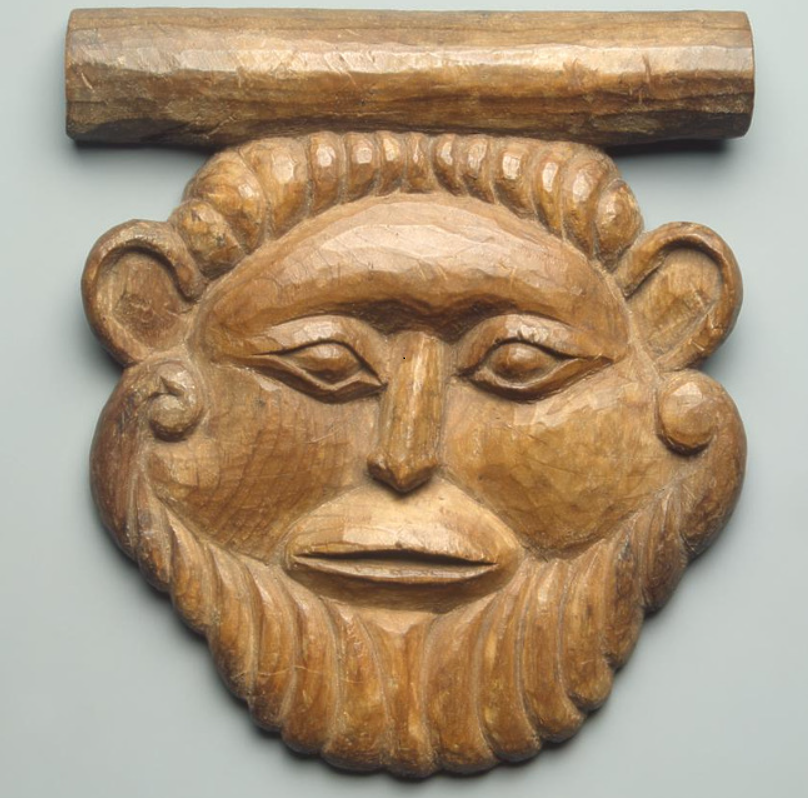
Table of Contents
- The High Plateaus of the Altai
- A World Preserved by Ice
- The World’s Oldest Knotted Carpet
- Stories Carved into Skin
- Buried with Their Horses
- The Peak of the Animal Style
- Distant Connections
- The Adventure of the Excavation
- The Everyday World of the Nomads
- The Value of a Frozen Legacy
- Where the Altai Borders Meet
- Science’s Trial by Ice
- Death, Body, and Belief
- Nearby Places
The High Plateaus of the Altai
The Pazyryk kurgans lie in the high reaches of the Altai Mountains, where the borders of Russia, Kazakhstan, Mongolia, and China meet. This cold, windy, and remote plateau was home to nomadic peoples in the Scythian age. The landscape is at once harsh and enchanting.
This altitude and climate are the source of Pazyryk’s greatest gift. The ice that stayed deep in the ground even during the summer months preserved the contents of the graves in a unique way and turned this region into an archaeological treasure.
To live on these high plateaus meant to be in constant negotiation with nature; the short summers were a season of abundance, the long winters a test of endurance. Yet it was precisely these harsh conditions that created the ice which would turn Pazyryk into a unique archaeological treasure. The cold of the Altai was a challenge for the nomads and a priceless gift for future generations.
And this altitude created the conditions that made Pazyryk unique in the eyes of both its own age and ours.
The height of the Altai was both a test and a gift; those who lived here bent their lives to the rhythm of the mountains, and in return the mountains kept their story with a faithfulness matched almost nowhere else on earth. There is a strange justice in this: the very cold that made survival so difficult became the reason a whole world survived intact.
The plateau’s thin air and endless horizons also shaped the character of the people who lived there. Mobility was everything; herds moved with the seasons, and the felt tents of the living could be struck and raised again as the pastures demanded. Only the graves of the dead were meant to stay in one place forever.
For the archaeologist, this landscape is a paradox: a place so difficult for the living that it became perfect for the dead. The same isolation that kept the region thinly peopled also kept its tombs undisturbed for millennia, sealed beneath the frozen soil.
And so the Altai, austere and beautiful, became not merely the home of the Pazyryk people but the guardian of their memory, holding their world in cold storage until the day it could be read again.
A World Preserved by Ice
The secret of Pazyryk lies in a happy accident. Soon after the kurgans were built, water seeped into the burial chambers and froze, and the frozen ground of the plateau kept that ice from ever fully melting. What was meant to be a tomb became, in effect, a natural freezer.
Because of this, materials that decay within a few years at most—wood, leather, textiles, fur, and flesh—survived here for two and a half thousand years. Where other steppe graves leave only metal and bone, Pazyryk preserved almost everything.
This preservation gives us a picture of steppe life of a completeness found almost nowhere else. We can see not only the weapons a warrior carried but the clothes he wore, the felt that lined his tent, and the food left for his final journey.
The ice, in a sense, stopped time. Objects that were placed in the graves in a single season of mourning emerged looking as though they had been made only recently, their colors still vivid and their surfaces still soft.
This is what makes Pazyryk so precious: it does not merely tell us what these people owned but shows us how their world looked, felt, and even smelled. The frozen ground turned a burial into an archive of an entire way of life.
Ironically, this same ice has made excavation extraordinarily difficult. To reach the contents, archaeologists have had to thaw the frozen chambers slowly and carefully, racing against decay the moment the objects meet the open air.
Yet the reward has been immense. Few sites anywhere offer such a direct, tactile connection to a vanished people; at Pazyryk the past is not a faint outline in the soil but a tangible, colorful reality.
The world preserved by the ice reminds us how much of the human story is normally lost to us—and how much richer that story becomes when, by some rare gift of climate, it survives.
The World’s Oldest Knotted Carpet
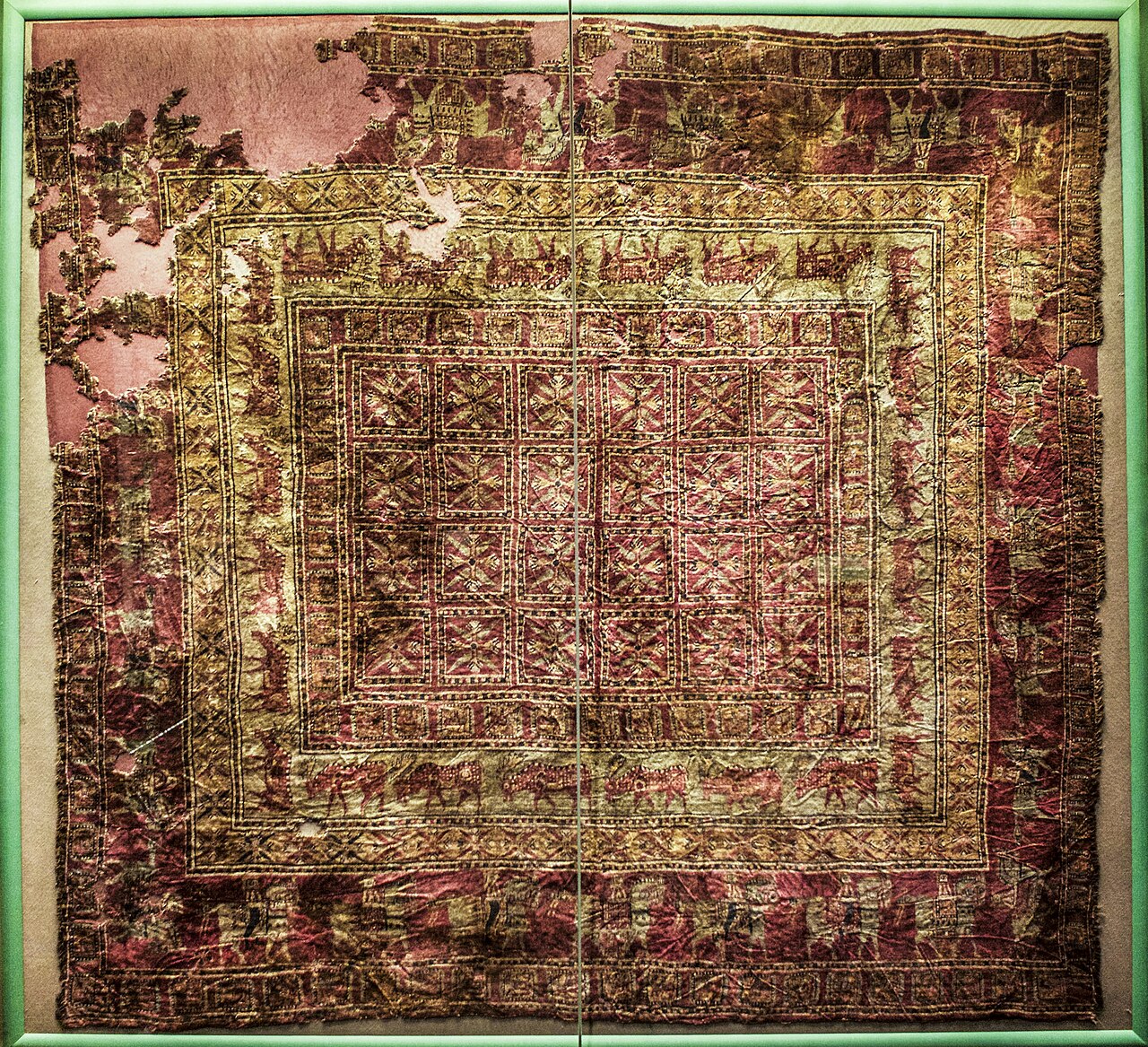
Among the treasures pulled from the Pazyryk ice is the oldest surviving knotted pile carpet in the world. Woven roughly two and a half thousand years ago, it survived only because the frozen ground protected its wool from the decay that would have destroyed it anywhere else.
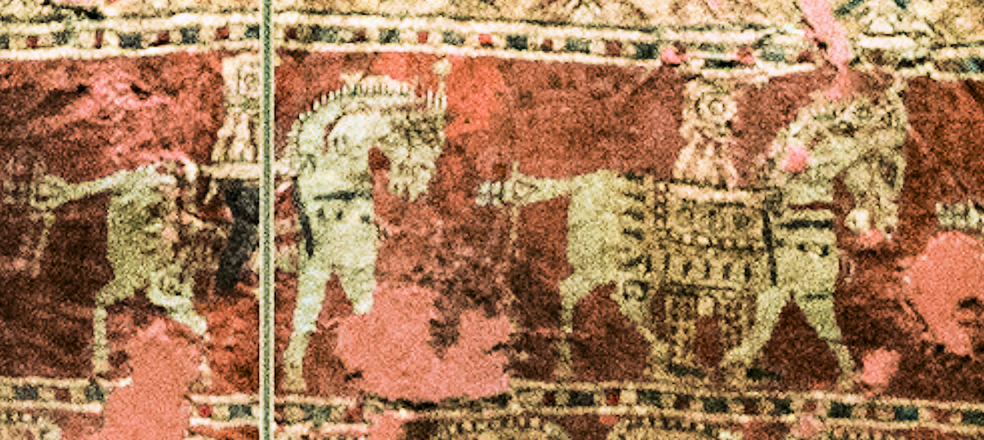
The carpet is a masterpiece of design. A central field of geometric motifs is framed by borders showing files of horsemen and grazing deer, all rendered with a precision that speaks of a long and sophisticated weaving tradition.
Its very existence overturns assumptions about steppe craft. This is not the rough work of a marginal people but a refined textile whose density of knots rivals fine carpets of far later ages, proof of an advanced artistic culture.
Scholars still debate where exactly the carpet was made. Some see in its motifs the influence of the great civilizations to the south; others argue it is a local product of the steppe itself. Either way, it testifies to the connections that linked Pazyryk to a wider world.
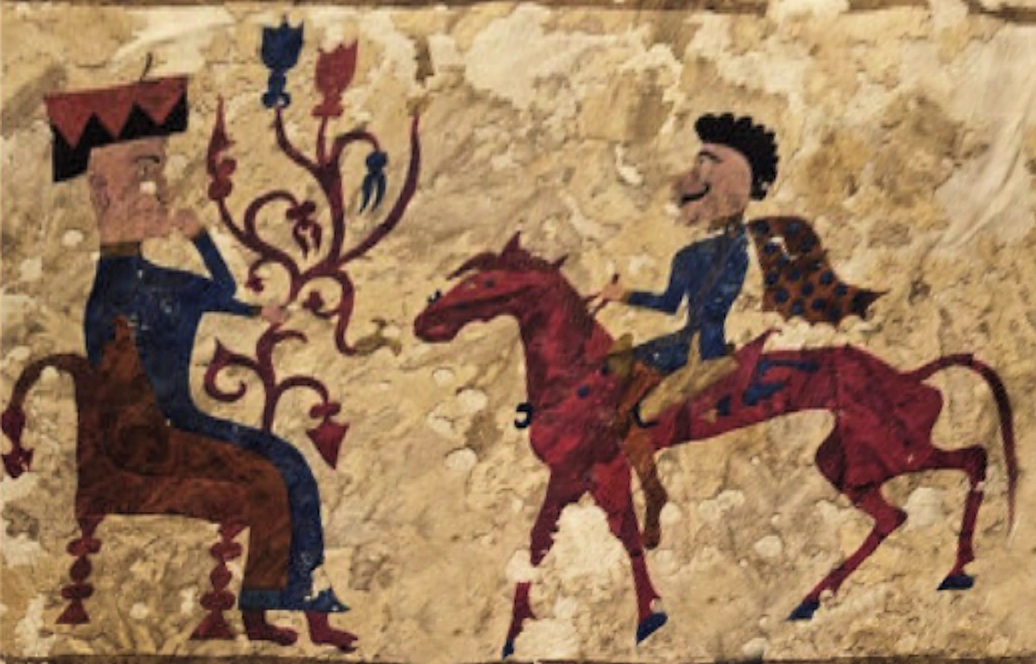
The horsemen woven into its border are especially telling, for they show us how these people saw themselves: mounted, mobile, and proud, with the horse at the very center of their identity.
That such a fragile object survived at all is a small miracle. A carpet is among the first things to perish in an ordinary grave; here, sealed in ice, it outlasted empires and came down to us almost intact.
Displayed today, the carpet draws crowds who marvel at its colors and detail. It is easy to forget that they are looking at an object older than most of the monuments of the classical world, preserved by nothing more than cold.
The oldest knotted carpet in the world is thus not only a beautiful artifact but a symbol of everything Pazyryk offers: the survival of the fragile, the refinement of the nomad, and the surprising reach of a culture on the roof of Asia.
Stories Carved into Skin
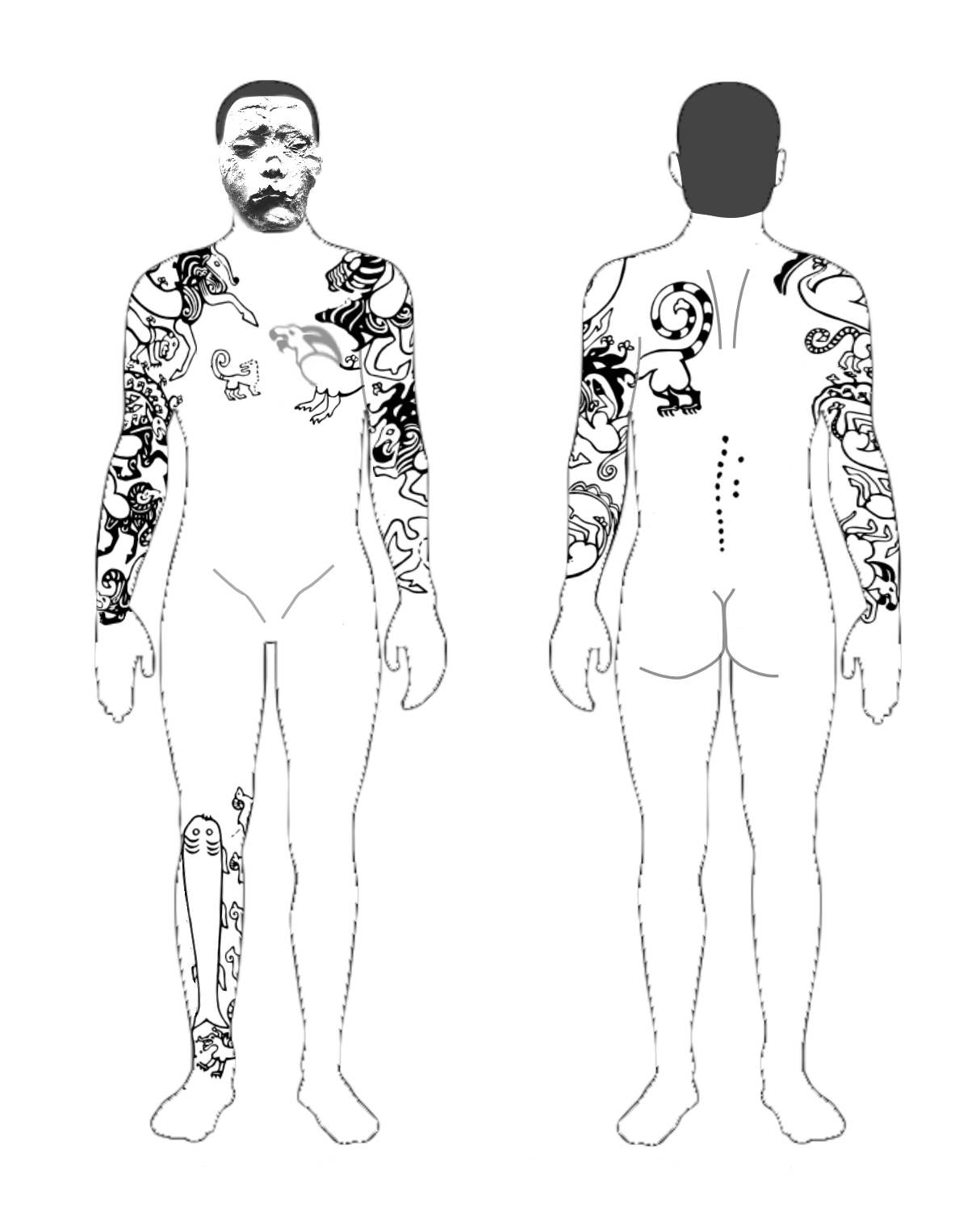
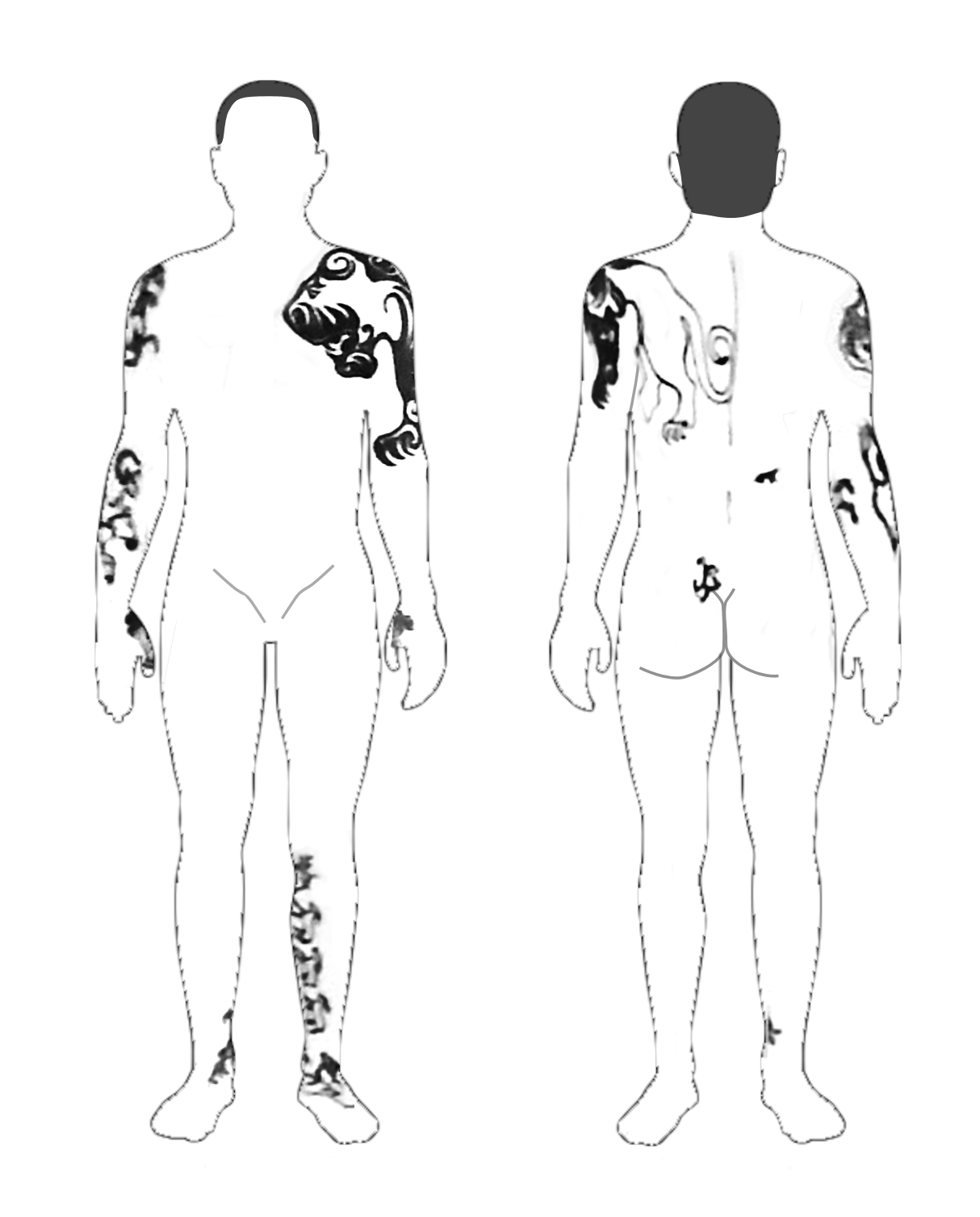
Perhaps the most haunting discovery at Pazyryk is the tattooed skin of the buried dead. Because the ice preserved their bodies, the elaborate tattoos that covered them survived as well, offering a rare glimpse of an art form that almost never leaves a trace.
The tattoos depict animals—real and fantastic—rendered in the same coiled, dynamic style seen in the goldwork and carvings of the steppe. Deer, big cats, and mythical beasts wind across shoulders and arms in flowing, interlocking designs.
These were not casual marks. Their placement and complexity suggest that tattoos carried meaning: they may have signaled status, marked achievements, or offered protection, binding the wearer to the animal powers depicted on the skin.
The famous burial of a high-status woman, richly tattooed and elaborately dressed, has become one of the most celebrated finds of steppe archaeology, sparking intense interest in the roles that women held in these societies.
To see these tattoos is to meet the Pazyryk people almost face to face. Where other cultures leave us only bones, here we see the very art they chose to carry on their bodies for life and into death.
The animal imagery of the tattoos also links skin to the wider visual world of the steppe, where the same motifs appear on felt, wood, metal, and leather. The body itself became a canvas for the culture’s central symbols.
Modern imaging techniques have revealed tattoos that were invisible to the naked eye, showing that the practice was even more widespread than first thought. Each new study adds detail to our picture of this intimate art.
Stories carved into skin are, by their nature, almost always lost to time. That Pazyryk preserved them is a reminder of just how much the ice has given us—and of how vivid and personal the vanished world of the steppe truly was.
Buried with Their Horses
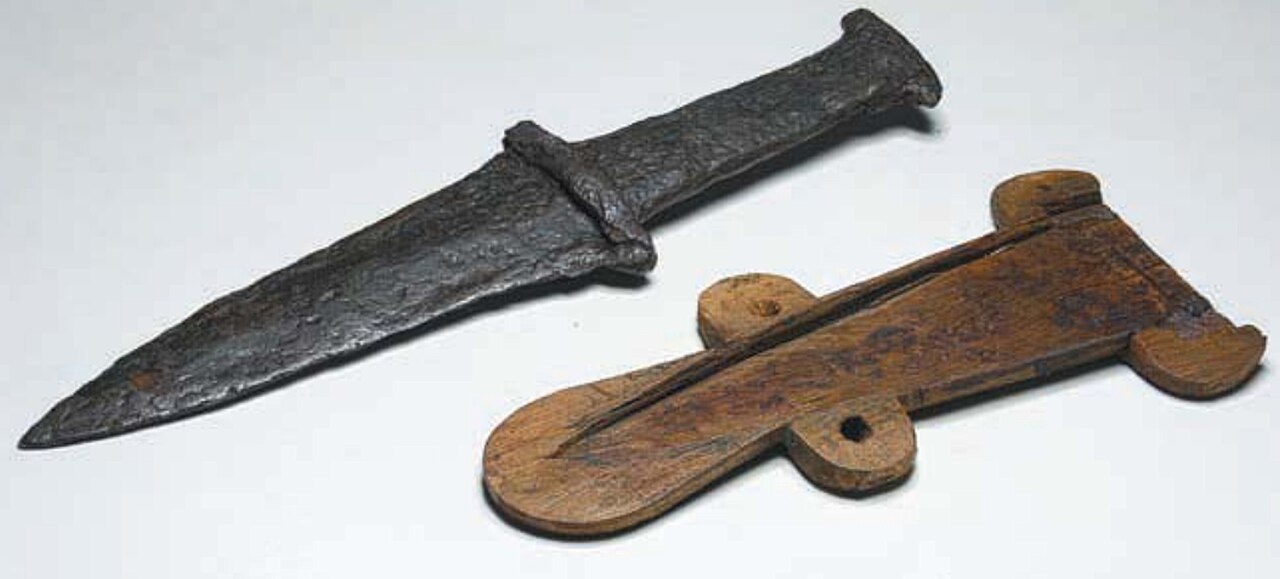
Horses lie at the heart of the Pazyryk burials, just as they lay at the heart of Pazyryk life. In the frozen chambers, whole horses were found, sacrificed and laid to rest alongside their owners, their bodies preserved down to hide and mane.
These were not ordinary animals. Many were adorned with elaborate harness, masks, and decorations, some crowned with fantastic headgear that transformed them into almost mythical creatures for their final journey.
The care lavished on the horses reflects their central role in steppe society, where they were the measure of wealth, the means of war, and the engine of migration. To bury a horse was to send a companion, not merely to sacrifice a beast.
The preserved horses have given researchers extraordinary information about the breeds, diets, and health of steppe animals, details that would be entirely lost in any ordinary grave. Even the contents of their stomachs have told scientists about the season of burial.
The elaborate horse gear, worked in leather, felt, and gold, is itself a treasure. It shows a society that poured its artistry into the trappings of its most valued animals, blurring the line between tool and ornament.
In the imagery of Pazyryk, horse and rider are inseparable. The tattoos, the carpet, and the carvings all return again and again to the mounted figure, a reflection of a world in which identity itself was bound to the horse.
The masked and decorated horses of Pazyryk also hint at ritual and belief, suggesting that the animals played a role in ceremonies whose meaning we can only partly recover.
To be buried with one’s horses was, for these people, the natural order of things; in death as in life, the steppe rider and his mount belonged together, and the ice has let us witness that bond intact.
The Peak of the Animal Style
Pazyryk represents one of the high points of the steppe animal style, that distinctive art in which beasts coil, leap, and devour one another in endless dynamic motion. Here the style appears not only in metal but in felt, wood, leather, and skin.
The artists of Pazyryk had a genius for capturing energy. A deer’s antlers curl into elaborate scrolls, a predator’s body twists back on itself, and scenes of combat between animals crackle with tension, all rendered with confident, flowing lines.
These images were far more than decoration. The animals carried meaning—power, speed, ferocity, transformation—and to wear or carry them was to draw on those qualities. Art and belief were woven together inseparably.
What sets Pazyryk apart is the range of media the ice preserved. Elsewhere we know the animal style mainly from gold; here we see it in soft materials that almost never survive, revealing the full richness of the tradition.
The felt hangings and appliqués found in the graves are especially striking, showing large, bold compositions of mythical creatures that would have decorated the interiors of the living as well as the tombs of the dead.
This art also connects Pazyryk to the wider Scythian world, from the Black Sea to Mongolia, where the same visual language appears again and again. The steppe was united less by a state than by a shared way of seeing.
Yet Pazyryk has its own local accent within that shared style, a particular fondness for elaborate, almost baroque compositions that mark its art as distinct even as it belongs to a broader family.
To study the animal style at Pazyryk is to watch a culture think in images. These beasts are the language through which the steppe expressed its deepest ideas about power, nature, and the passage between worlds.
Distant Connections
For all their isolation, the people of Pazyryk were not cut off from the world. The graves have yielded objects and materials that could only have come from far away, proof that the high Altai lay on the threads of a vast web of exchange.
Silk from China, textiles and motifs echoing Persia, and materials drawn from across Central Asia all found their way into these tombs. The nomads were middlemen and travelers, moving along routes that would later crystallize into the Silk Road.
These distant connections reshape how we think of the steppe. Far from being a backwater, it was a corridor through which goods, ideas, and images flowed between the great civilizations to east and west.
The famous carpet, with its debated origins, is itself a monument to this exchange, blending motifs in a way that suggests the meeting of several artistic worlds on the roof of Asia.
Such trade also helps explain the wealth displayed in the burials. Control of the routes that crossed the mountains could bring prestige goods and precious materials to those who commanded them.
The presence of foreign luxuries alongside local craft shows a society confident in its own identity yet open to the wider world, adopting exotic goods without losing its distinctive character.
These connections remind us that the ancient world was more tightly linked than we often imagine. A tomb in the remote Altai can contain silk woven thousands of kilometers away, carried by hands we will never know.
Pazyryk thus stands at a crossroads, a small but vivid node in a network that stretched across a continent, and its treasures speak of a world in constant, restless motion.
The Adventure of the Excavation
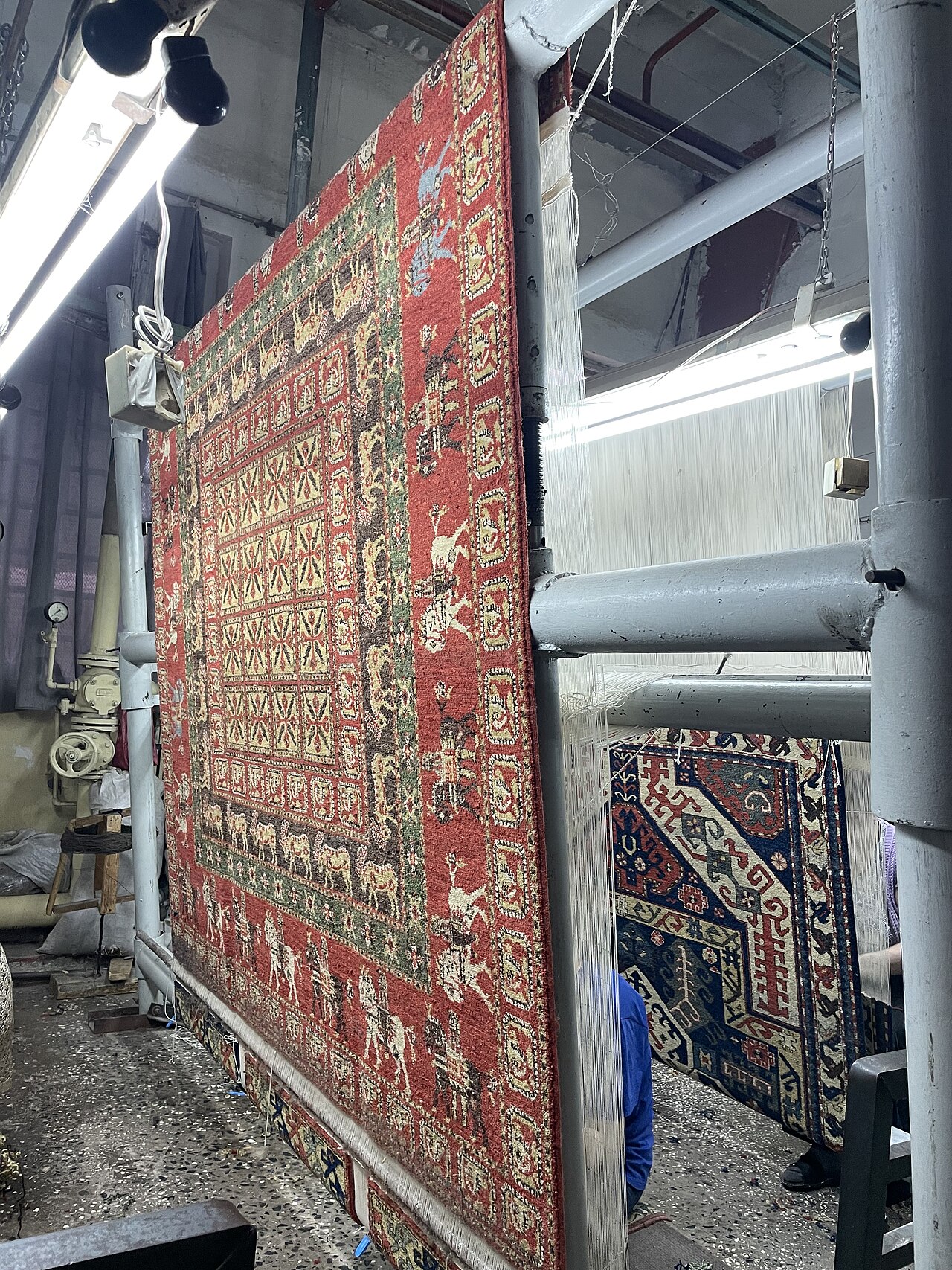
The scientific exploration of Pazyryk unfolded largely in the twentieth century, when archaeologists began to open the great kurgans of the Altai and discovered, to their astonishment, that the frozen ground had preserved far more than anyone expected.
Excavating a frozen tomb is unlike any ordinary dig. The chambers had to be thawed slowly, often by pouring warm water, so that the fragile contents could be freed from the ice without being torn apart or exposed too suddenly to the air.
Every object recovered was a race against time. The moment leather, felt, or flesh left the protective cold, it began to decay, and the excavators had to work quickly to record and conserve what the ice had guarded for millennia.
The discoveries transformed the study of the steppe. Suddenly researchers could see textiles, tattoos, and whole horses, filling in a picture that had previously been sketched only from metal and bone.
Many of the greatest finds came from tombs that had, in fact, been robbed in antiquity. Ironically, the very holes the robbers dug sometimes let in the water that froze and preserved what they left behind.
The results reshaped not only Russian archaeology but the wider understanding of Scythian-age cultures, and Pazyryk became a reference point in every account of the ancient steppe.
New generations of scientists have returned to the finds with modern tools, from imaging to chemical analysis, extracting information the original excavators could never have obtained. The adventure of discovery is far from over.
Each season and each study adds another chapter, and the frozen tombs of the Altai continue to surrender their secrets, reminding us how much the earth can keep and how patiently it waits to be asked.
The Everyday World of the Nomads
Beyond the drama of gold and tattoos, the Pazyryk finds let us reconstruct the texture of everyday life. Clothing, tools, food, and furnishings survived, giving us a rare, intimate look at how these people actually lived.
Their clothing was practical yet finely made: garments of wool, leather, and fur, decorated with appliqué and trim, designed to endure the harsh climate while still displaying skill and status.
Food remains and vessels show a diet built around herds—meat and dairy—supplemented by what the plateau and trade could provide. The rhythm of the seasons dictated abundance and scarcity alike.
The felt that lined tents and covered floors survived in the graves, letting us glimpse the interiors in which these people lived, warm and colorful spaces decorated with the same bold animal imagery seen everywhere in their art.
Tools and domestic objects reveal a self-sufficient household economy in which most needs were met by the family and the herd, with craft skills passed down through generations.
Even small personal items—combs, mirrors, containers—have survived, the ordinary belongings that rarely outlast their owners, here preserved as if their owners had set them down only yesterday.
This everyday world reminds us that the Pazyryk people were not merely warriors and chiefs but families living out their days on a demanding landscape, finding comfort and beauty where they could.
It is this ordinary humanity, preserved along with the treasures, that makes Pazyryk so moving; the ice kept not only the splendor of the elite but the daily life of a whole community.
The Value of a Frozen Legacy
The legacy of Pazyryk is measured not in gold alone but in knowledge. Few sites anywhere have added so much to our understanding of an ancient people, precisely because the ice preserved what time normally destroys.
These finds turned the steppe nomads from a shadowy people, known mostly from the accounts of outsiders, into a vivid, tangible culture with faces, clothes, art, and belongings we can see and study directly.
The frozen legacy also carries a warning. As the climate warms, the permafrost that preserved these tombs is beginning to thaw, threatening the survival of finds that have lasted for millennia and lending new urgency to their study.
For scholars, Pazyryk remains a benchmark, the standard against which the preservation and richness of other steppe sites are measured. Its treasures fill museums and its data fill libraries.
For the peoples of the Altai today, the kurgans are part of a living heritage, connecting the modern inhabitants of the region to a deep and distinguished past.
The value of this legacy lies partly in its completeness. Where other sites offer fragments, Pazyryk offers a whole world, allowing us to see how the pieces fit together into a way of life.
It also reminds us of the fragility of the record. Everything we learned here could easily have been lost; only a rare accident of climate let it survive for us to study.
The frozen legacy of Pazyryk is, in the end, a gift from the cold—a chance to know a vanished people not as a rumor but as a reality, and a responsibility to preserve what remains.
Where the Altai Borders Meet
The Altai is a place where borders converge: today Russia, Kazakhstan, Mongolia, and China all meet in this tangle of mountains and high valleys. In antiquity, of course, no such lines existed, and the region was a single cultural landscape.
This convergence made the Altai a natural crossroads. Peoples, herds, and goods moved through its passes, and the region absorbed influences from every direction while developing a character distinctly its own.
The mountains offered both shelter and challenge. Their high valleys provided summer pasture and defensible ground, while their harsh climate tested the endurance of all who lived among them.
It is no accident that a culture as rich as Pazyryk arose here. The Altai gathered the threads of the steppe world, and its position let its people draw on the wealth and ideas of a vast surrounding region.
The same geography that made the Altai a crossroads in life made it a treasure house in death, for its frozen ground preserved what the movement of peoples might otherwise have scattered and lost.
Standing at the meeting point of modern nations, the Altai reminds us how artificial such borders are against the deep time of human settlement. The Pazyryk people knew no such divisions.
For archaeologists, this shared landscape has meant cooperation across borders, as researchers from several countries work to understand a culture that belongs to all of them and to none.
Where the Altai borders meet, then, is not only a point on a modern map but the heart of an ancient world, a place whose mountains both divided and united the peoples of the steppe.
Science’s Trial by Ice
Pazyryk has become a laboratory for the modern sciences of the past. The organic materials the ice preserved offer a wealth of data that stone and metal alone can never provide, and each new technique unlocks another layer of the story.
DNA analysis has begun to reveal the origins and relationships of the buried people, tracing their connections to other populations across the steppe and beyond, and adding a genetic dimension to the archaeological picture.
Isotopic studies of bones and teeth show what these people ate and where they lived and traveled, turning silent skeletons into biographies written in chemistry.
Advanced imaging has recovered tattoos invisible to the naked eye and revealed the construction of textiles and objects without destroying them, letting researchers look inside the finds in ways the first excavators could not imagine.
The preserved horses have proven especially valuable to science, offering data on ancient breeds, diets, and even the season of burial, reconstructed from the contents of their stomachs.
Yet science here faces a hard trial: the same warming that opens new questions also threatens the permafrost itself. Researchers work in a race against the thaw, knowing that what melts may be lost forever.
This urgency has spurred international efforts to document and conserve the frozen tombs before they degrade, a rare case where the study of the deep past is bound up with the pressing concerns of the present.
Science’s trial by ice is thus twofold: to extract all it can from these extraordinary finds, and to save what remains while there is still time. Pazyryk is both a treasure and a warning.
Death, Body, and Belief
The burials of Pazyryk are windows onto belief. The care taken over the dead—the elaborate embalming, the rich grave goods, the sacrificed horses—speaks of strong convictions about what lay beyond death.
The bodies themselves were prepared with striking care. Evidence of embalming shows a desire to preserve the physical form, suggesting that the body mattered to whatever journey the dead were thought to make.
The horses, weapons, clothing, and food placed in the graves imply a belief that the dead would need such things, that death was a passage into another existence rather than a simple end.
The tattoos, too, may have carried spiritual weight, binding the wearer to the animal powers depicted on the skin and perhaps accompanying them into the world beyond.
The animal imagery that saturates Pazyryk art likely reflects a worldview in which beasts were more than prey or property—they were symbols of the forces that governed life, death, and transformation.
The scale of the burials and the labor they required suggest that funerals were major communal events, occasions on which the whole society affirmed its beliefs and its bonds.
Though we cannot read the exact myths of the Pazyryk people, the grammar of their belief is legible in what they buried and how, a language of objects and images that still speaks across the centuries.
In death, body, and belief, Pazyryk offers not doctrine but atmosphere—the sense of a people facing mortality with care, artistry, and conviction, sending their dead into the ice and, unknowingly, into our understanding.
Nearby Places
- Siberia’s Valley of the Kings, Where an Empire Was Buried in Gold: The Story of Arzhan
- The Steppe Forts That Gave the World Its First War Chariots: The Story of Sintashta
- A Perfect Circle on the Steppe, Burned by Its Own People: The Story of Arkaim
Final Word
Pazyryk is a gift from the cold. Beneath the frozen ground of the Altai, a whole world survived that time should have erased—carpets and tattoos, horses and felt, the ordinary and the magnificent alike. These frozen tombs let us meet the steppe nomads not as a rumor from ancient books but as a living, colorful reality. As the permafrost that preserved them begins to thaw, Pazyryk stands as both one of archaeology’s greatest treasures and a quiet reminder of how fragile the memory of the past can be.
You May Like
Mafra, the Palace a King Built From a Vow


2 thoughts on “Pazyryk: The Frozen Tombs That Preserved an Age in Ice”