On the far shores of the Black Sea, where the Sea of Azov opens toward the endless grasslands, Greek settlers founded a city that would become one of the great metropolises of the ancient world: Phanagoria. Colonists from the Aegean built it more than two and a half thousand years ago, and over the centuries it grew into a wealthy port and a second capital of the Bosporan Kingdom, a meeting point of Greek civilization and the world of the steppe. Today much of it lies beneath land and sea, but its ruins still speak of a vanished grandeur. In this article we will discover this remarkable city, from its Aegean founders to its long twilight.
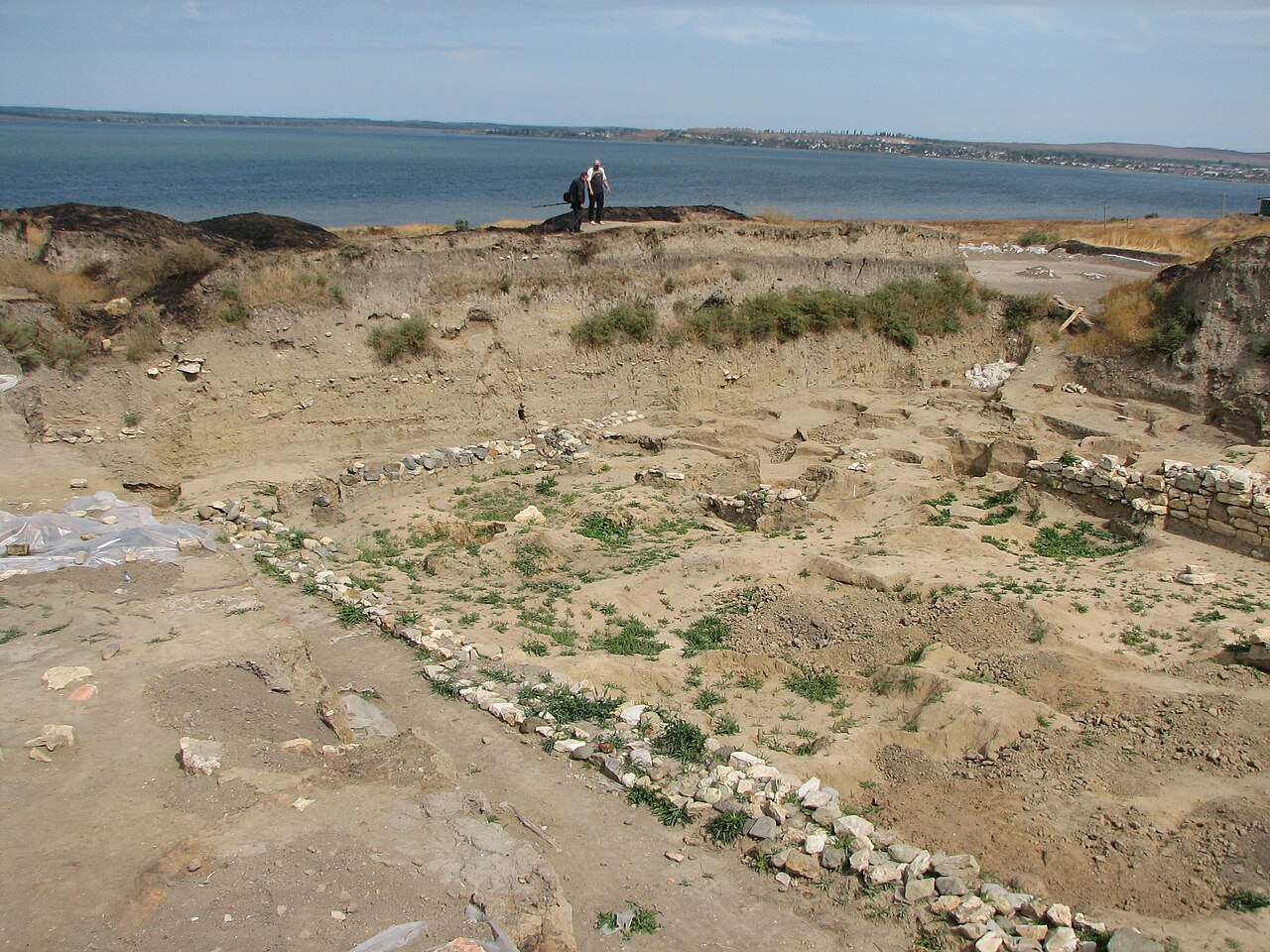
Table of Contents
- Emigrants from the Aegean
- Between Two Seas
- The Second Capital of a Kingdom
- Grain, Fish, and Wine
- Where Greek and Steppe Met
- Gods and Temples
- Beneath Earth and Sea
- Rise and Silence
- The Voice of a Lost Metropolis
- Daily Life in a Port City
- Kings, Wars, and Alliances
- In the Light of Modern Archaeology
- Nearby Places
Emigrants from the Aegean
Phanagoria was founded by Greek colonists from the Aegean world, part of the great wave of colonization that carried Greek settlers to the shores of the Black Sea. They came seeking land, trade, and opportunity on a coast far from their mother cities.
The settlers named their new home and set about recreating the institutions of a Greek city on this distant frontier: an agora, temples, and the civic life they had known in the Aegean, transplanted to the edge of the steppe.
Colonization was no simple matter. The settlers had to negotiate with the local peoples, adapt to an unfamiliar climate, and build a functioning community from scratch, all while maintaining ties to the Greek world they had left behind.
What drew them was above all the promise of trade. The Black Sea coast offered access to grain, fish, and the goods of the steppe, and a well-placed port could grow rich as a middleman between two worlds.
From these beginnings Phanagoria grew quickly. Its founders had chosen their site well, and the little colony soon developed into one of the most important Greek settlements on the northern Black Sea.
The act of founding a city so far from home speaks to the confidence and ambition of the Greek colonists, who carried their civilization across the sea and planted it on foreign soil.
In time, Phanagoria would become more than a colony. It grew into a metropolis in its own right, a center whose wealth and influence radiated across the region.
But its story began with a group of emigrants from the Aegean, stepping ashore on a distant coast and deciding to build a new life where the Greek world met the grasslands.
The precise date of the founding is debated, but ancient tradition and archaeology together place it firmly among the earliest Greek ventures onto this coast, part of a movement that would ring the entire Black Sea with Hellenic cities.
The settlers’ decision to plant a city here rather than merely a trading depot shows that they came intending to stay, to build permanence on a coast that must at first have seemed impossibly remote from home.
Between Two Seas
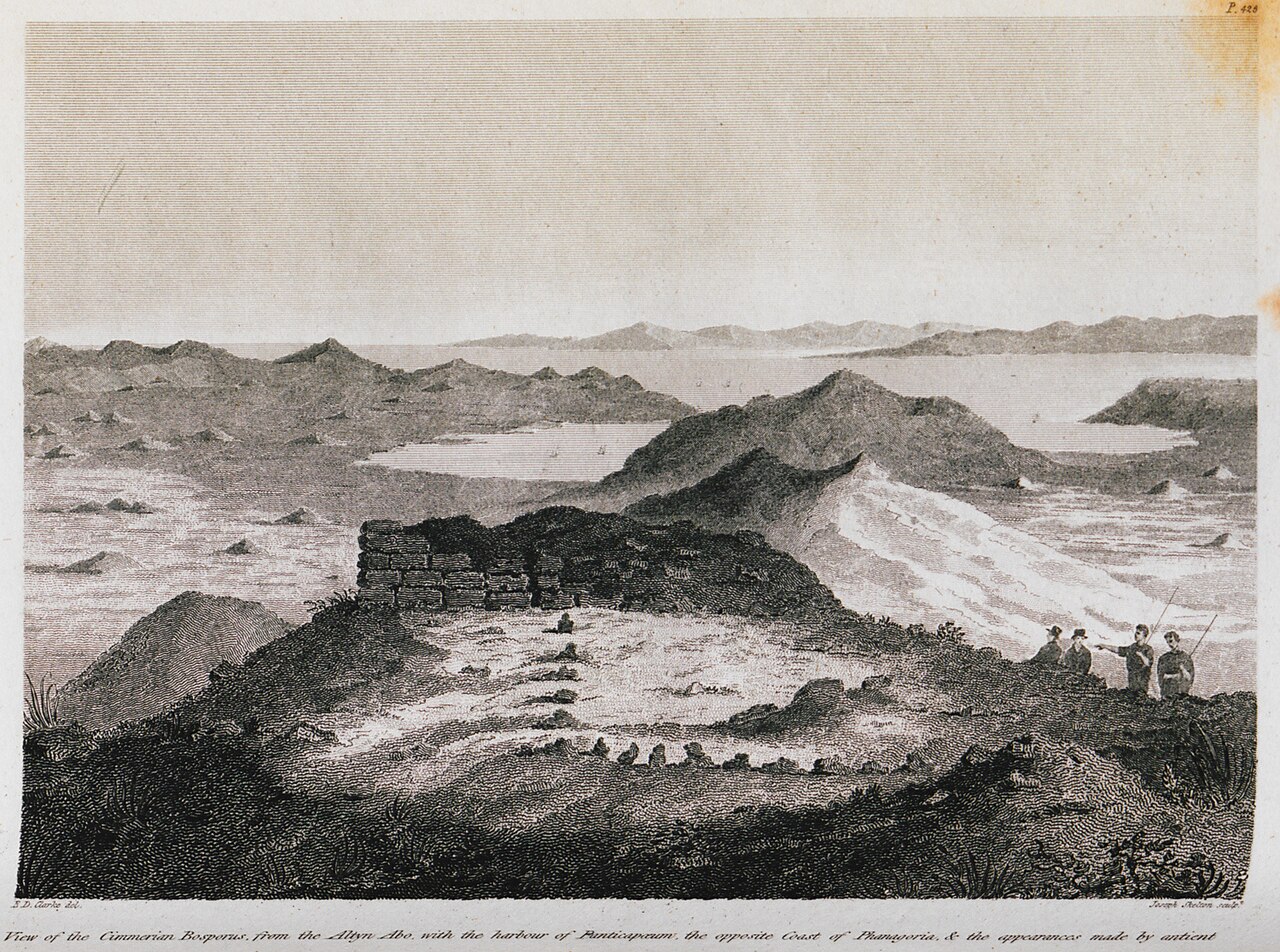
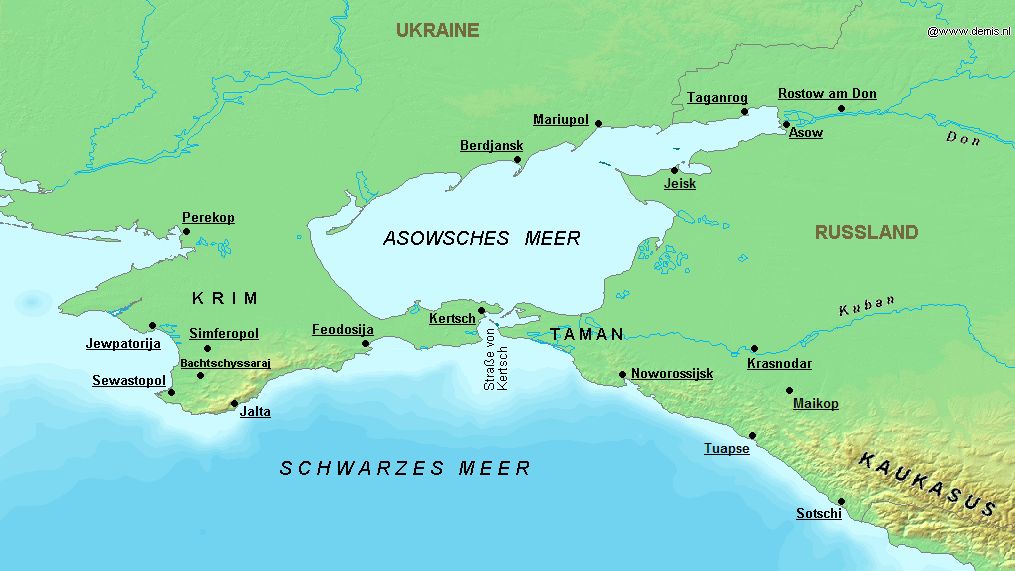
Phanagoria stood in a strategic position on the Taman Peninsula, near the strait that links the Black Sea to the Sea of Azov. This location placed it at a crossroads of maritime routes and made it a natural gateway between the Mediterranean world and the northern steppe.
The two seas gave the city its livelihood. The rich fisheries of the Azov and the trade that flowed through the strait filled its harbors, while the surrounding land offered grain and grazing.
Geography made Phanagoria a meeting point. Ships from the Aegean, goods from the steppe, and peoples of many origins converged here, giving the city a cosmopolitan character from its earliest days.
The strait itself was a source of both wealth and danger. Whoever controlled it could tax and channel the trade between the seas, and Phanagoria’s position gave it a share in that lucrative traffic.
The low-lying coast, with its lagoons and shifting shoreline, has changed greatly over the centuries. Part of the ancient city now lies beneath the waters that once carried its ships.
This intimate relationship with the sea shaped every aspect of life in Phanagoria, from its economy to its religion, in a city where the horizon was always water.
Between two seas and at the edge of a continent, Phanagoria occupied one of the great natural crossroads of the ancient world, a place where routes and cultures inevitably met.
It was this position, more than anything, that determined the city’s destiny, making it rich, cosmopolitan, and contested throughout its long history.
Ancient geographers took note of the city’s position, and its harbors appear in the itineraries that guided sailors around the treacherous but lucrative shores of the northern Black Sea.
Over the long centuries the very shape of the coast shifted, and reconstructing the ancient shoreline is now one of the tasks that occupies researchers seeking to understand how the city once related to its two seas.
The Second Capital of a Kingdom
As the Greek cities of the region coalesced into the Bosporan Kingdom, Phanagoria rose to become effectively its second capital, the chief city of the kingdom’s Asian side, balancing the European capital across the strait.
This dual structure gave the kingdom a foothold on both shores of the strait, and Phanagoria served as the administrative and economic heart of its eastern territories.
As a royal city, Phanagoria enjoyed wealth and prestige. Its buildings, its institutions, and its role in the kingdom’s affairs marked it as a center of power, not merely a trading post.
The Bosporan Kingdom was a peculiar hybrid, a Greek dynasty ruling a mixed population of Greeks and steppe peoples, and Phanagoria embodied that blend at the highest level.
The city’s status made it a stage for royal politics. Kings, pretenders, and factions all had interests here, and its loyalty could tip the balance of power within the kingdom.
Its position as second capital also made it a target. In times of conflict, control of Phanagoria was a prize worth fighting for, and the city changed hands more than once in the kingdom’s turbulent history.
Yet through it all, Phanagoria retained its importance. Even as dynasties rose and fell, the city remained a cornerstone of the Bosporan state.
To understand Phanagoria is thus to understand the Bosporan Kingdom itself, a state built on the meeting of Greek and steppe, with this city as one of its twin hearts.
The relationship between the two capitals was one of both partnership and rivalry, the strait between them serving as both a link and a divide within a single kingdom.
Grain, Fish, and Wine
The wealth of Phanagoria rested on trade, and above all on grain. The fertile lands around the northern Black Sea produced enormous surpluses of wheat, which the Greek cities shipped south to feed the hungry cities of the Aegean.
Fish was the second pillar of the economy. The rich waters of the Azov teemed with sturgeon and other species, and salted fish from the region was exported across the ancient world.
Wine flowed in the other direction. The city imported and produced wine, and the countless amphorae found in its ruins testify to a brisk trade in this staple of Greek life.
This commerce made Phanagoria a bustling port. Its harbors received ships from across the Mediterranean, and its warehouses stored the goods that passed between the steppe and the sea.
Trade also brought coinage, and the Bosporan cities struck their own currency to lubricate this busy exchange, a sign of their economic sophistication.
The grain trade in particular gave the region strategic importance far beyond its size. Cities that depended on Black Sea wheat had a vital interest in the stability of ports like Phanagoria.
Beyond these staples flowed a host of other goods: slaves, hides, metals, and luxury items, all passing through the markets of the city on their way between worlds.
Grain, fish, and wine were thus the lifeblood of Phanagoria, the everyday commodities whose trade built a metropolis on the edge of the steppe.
Archaeologists have recovered vast quantities of amphorae, coins, and imported wares that document this trade in concrete detail, allowing the ancient economy of the city to be reconstructed almost transaction by transaction.
Where Greek and Steppe Met
Phanagoria was a place where two worlds met and mingled. Greek settlers lived alongside and among the peoples of the steppe, and over generations the sharp line between colonist and local blurred into something new.
This blending shows in the material culture of the city. Greek forms mixed with steppe motifs, and objects found in the graves combine the tastes of the Aegean with those of the grasslands.
The population itself was mixed. Intermarriage, trade, and shared life produced a society that was neither purely Greek nor purely steppe but a hybrid drawing on both.
The ruling dynasty of the Bosporan Kingdom reflected this blend, adopting Greek culture while maintaining ties to the steppe peoples on whom their power partly rested.
Religion, too, mixed. Greek gods were worshipped alongside local deities, and cults blended elements from both traditions in ways that were distinctly Bosporan.
This meeting of cultures was not always peaceful. Relations between the Greek cities and the steppe peoples ranged from trade and alliance to raid and war, a constant negotiation across the frontier.
Yet the overall pattern was one of exchange and synthesis. Phanagoria thrived precisely because it stood at this junction, drawing wealth and vitality from the contact between worlds.
The result was a culture unique to the region, a Greco-steppe civilization that flourished on the shores of the Black Sea and left its distinctive mark in the finds of Phanagoria.
Nowhere is this synthesis clearer than in the art of the region, where Greek craftsmanship was turned to steppe subjects, producing objects that belong fully to neither world and beautifully to both.
Gods and Temples
Religion was central to life in Phanagoria, as in every Greek city. Temples and sanctuaries dotted the urban landscape, dedicated to the gods the settlers had brought with them from the Aegean.
Aphrodite held a special place in the city’s devotion, and Phanagoria was home to an important sanctuary associated with her cult, a focus of worship that drew reverence across the region.
Alongside the Olympian gods, local and blended cults flourished. The religious life of the city reflected its mixed population, combining Greek and steppe elements into distinctive forms of worship.
Religious festivals structured the civic calendar, binding the community together in shared ritual and marking the rhythms of the year with processions, sacrifices, and celebrations.
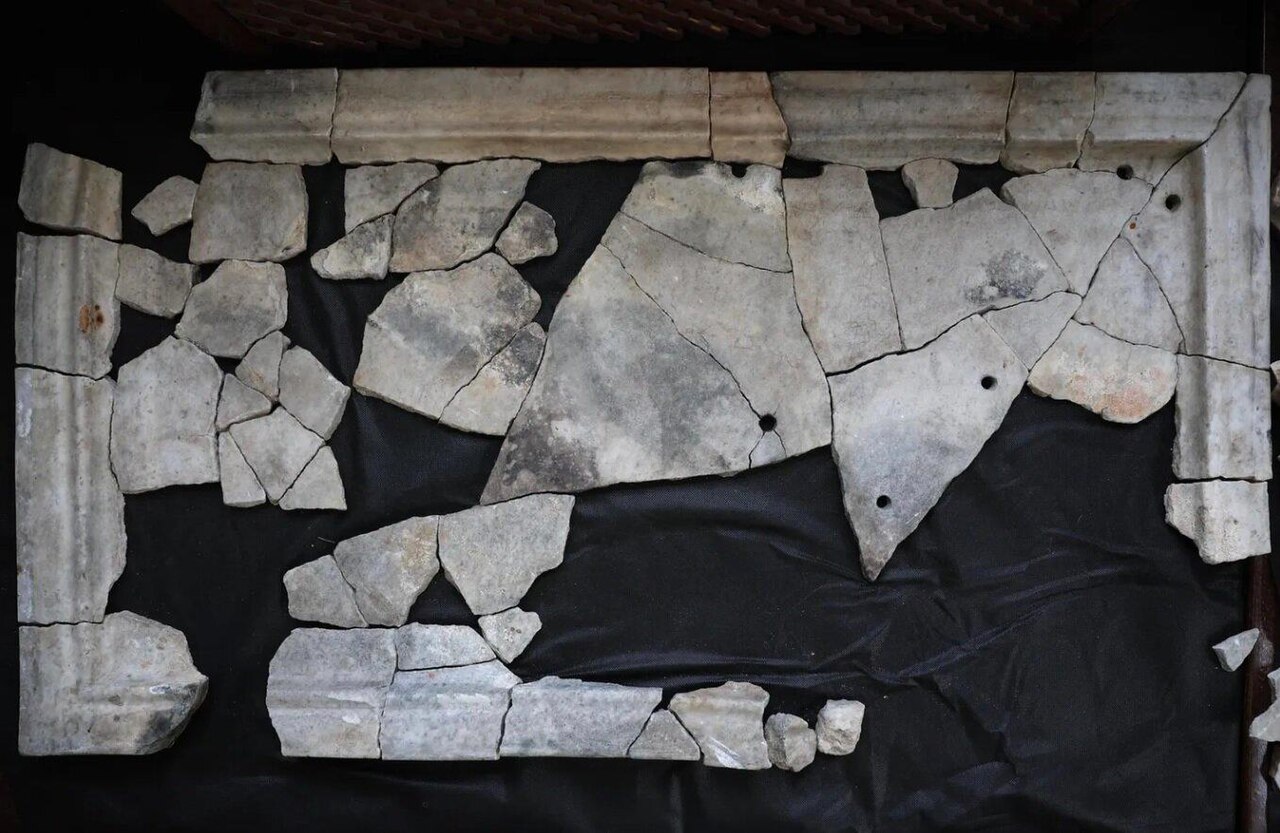
The temples were not only places of worship but statements of wealth and identity, built and adorned to proclaim the city’s prosperity and its devotion to the gods.
Funerary religion was especially prominent, as the rich graves of the region show. Beliefs about the afterlife shaped elaborate burials that combined Greek and steppe practices.
Priesthoods and cult offices carried prestige, and religious authority was interwoven with civic and political power in ways typical of the ancient Greek world.
Through its gods and temples, Phanagoria expressed its identity as a Greek city on a distant shore, holding fast to the religion of its origins even as it absorbed the influences of the steppe.
Votive offerings and dedications recovered from the sanctuaries reveal the personal piety of ordinary citizens, who turned to the gods for the everyday hopes and fears of life in a busy port.
Beneath Earth and Sea
Phanagoria presents archaeologists with a rare double challenge, for the ancient city lies partly beneath the modern soil and partly beneath the waters of the strait, which have risen to cover a portion of its ruins.
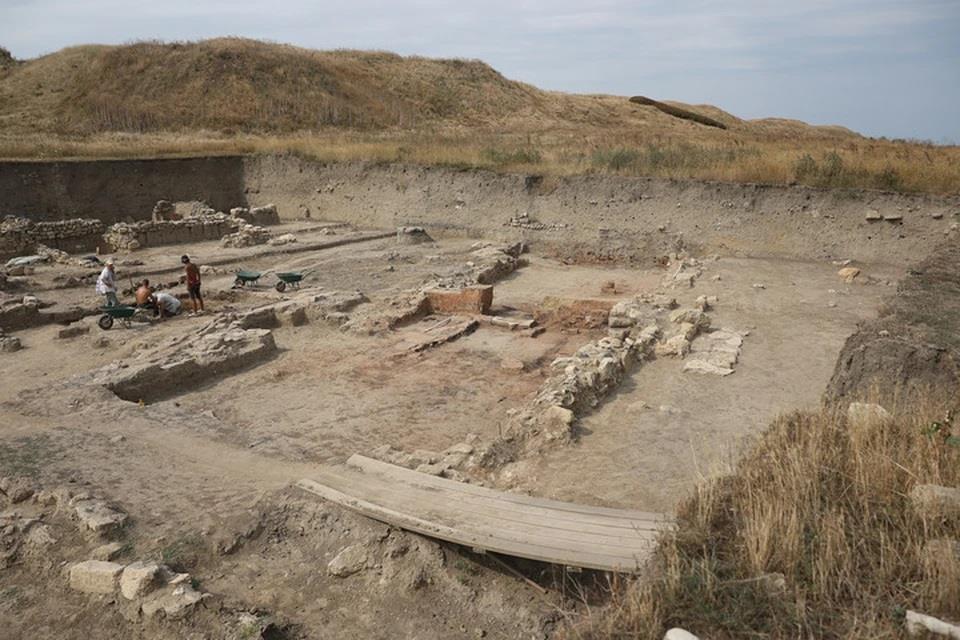
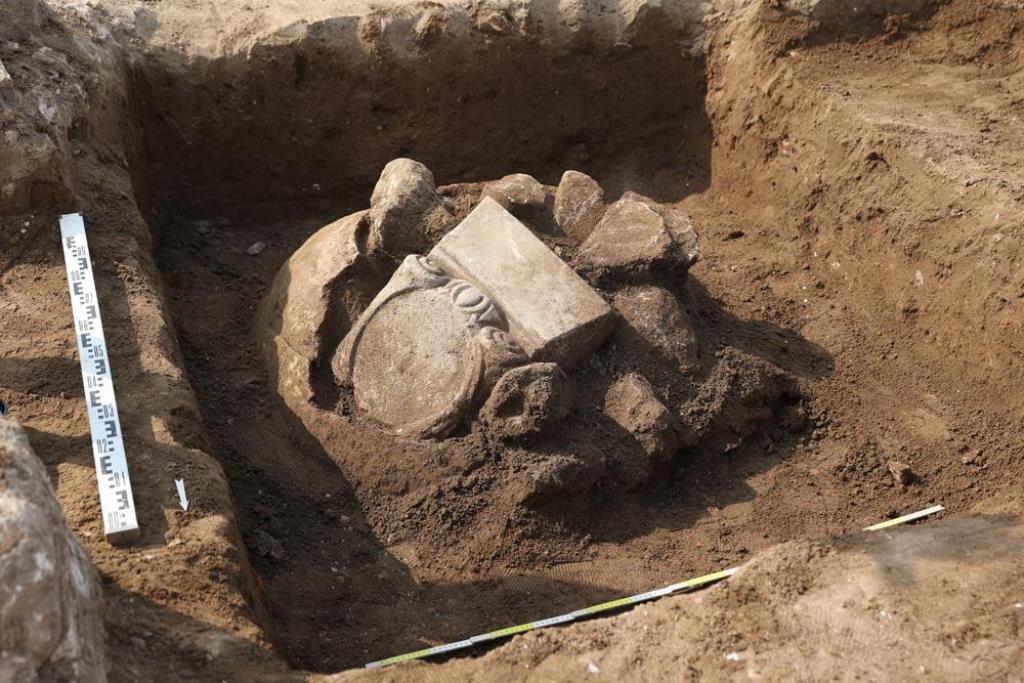
Excavations on land have revealed streets, houses, public buildings, and the deep stratigraphy of a city occupied for over a thousand years, layer upon layer of history stacked in the earth.
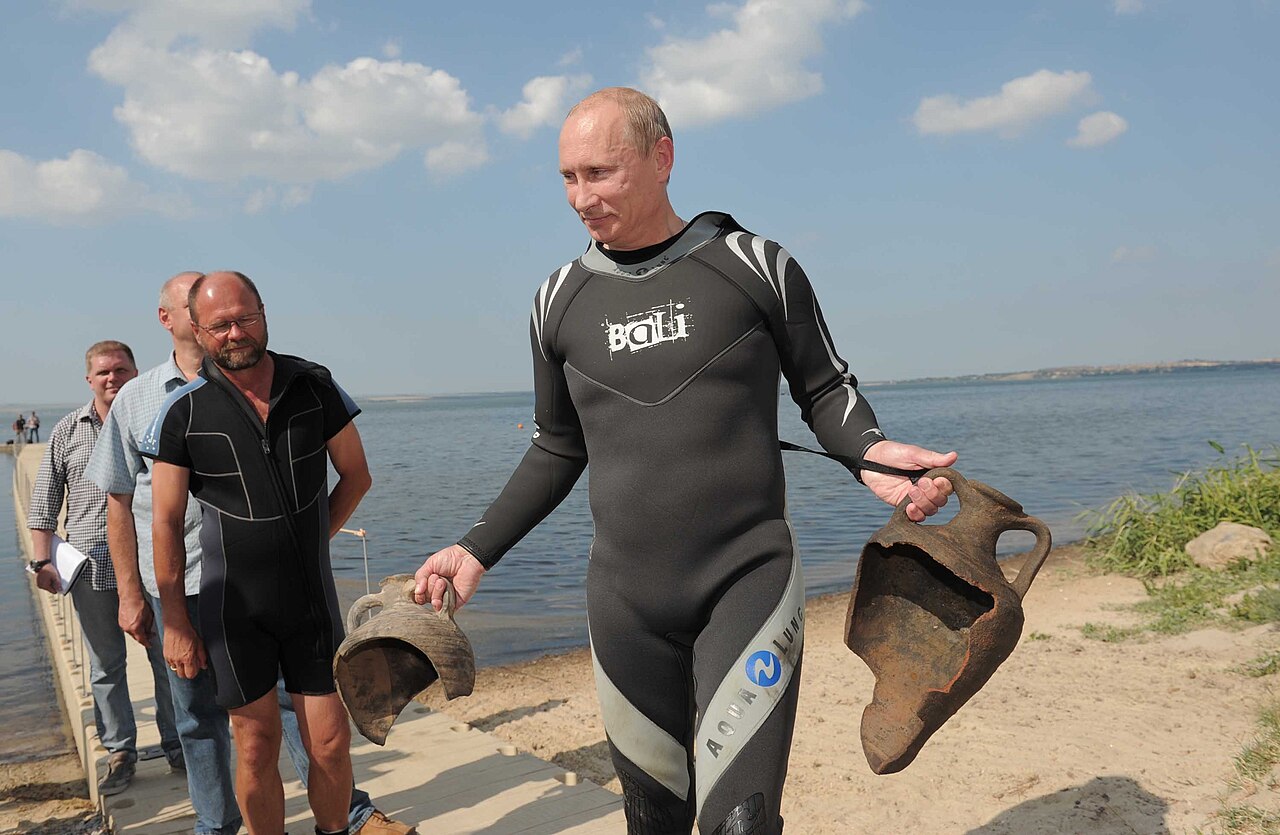
Underwater archaeology has explored the submerged part of the city, recovering structures and objects from the seabed and mapping the extent of what the water has claimed.
Together these investigations have made Phanagoria one of the most thoroughly studied ancient sites of the northern Black Sea, a place where both land and sea guard fragments of the past.
The finds range from monumental architecture to the smallest personal objects, from inscriptions that name kings and officials to the everyday debris of ordinary life.
Among the most significant discoveries are inscriptions and artifacts that illuminate the political history of the Bosporan Kingdom, giving names and dates to the city’s long story.
The submerged portion holds special promise, for the sea can preserve materials that decay on land, and each dive adds to our knowledge of the lost quarters of the city.
Beneath earth and sea, then, Phanagoria endures, its ruins slowly yielding their secrets to the archaeologists who probe both the soil and the waters that cover this vanished metropolis.
The interplay of terrestrial and underwater evidence is itself a lesson in method, showing how a single ancient city can demand the full range of archaeological techniques to be understood.
Rise and Silence
Phanagoria’s history was one of long prosperity followed by gradual decline. For centuries it flourished as a major port and royal city, but the ancient world around it was changing, and no city endures forever.
The Bosporan Kingdom passed through many phases, at times independent, at times under the shadow of greater powers, and Phanagoria’s fortunes rose and fell with those of the state it helped to anchor.
Waves of upheaval swept the region over the centuries. Wars, invasions, and shifting trade routes eroded the foundations of the city’s prosperity, and its former grandeur slowly faded.
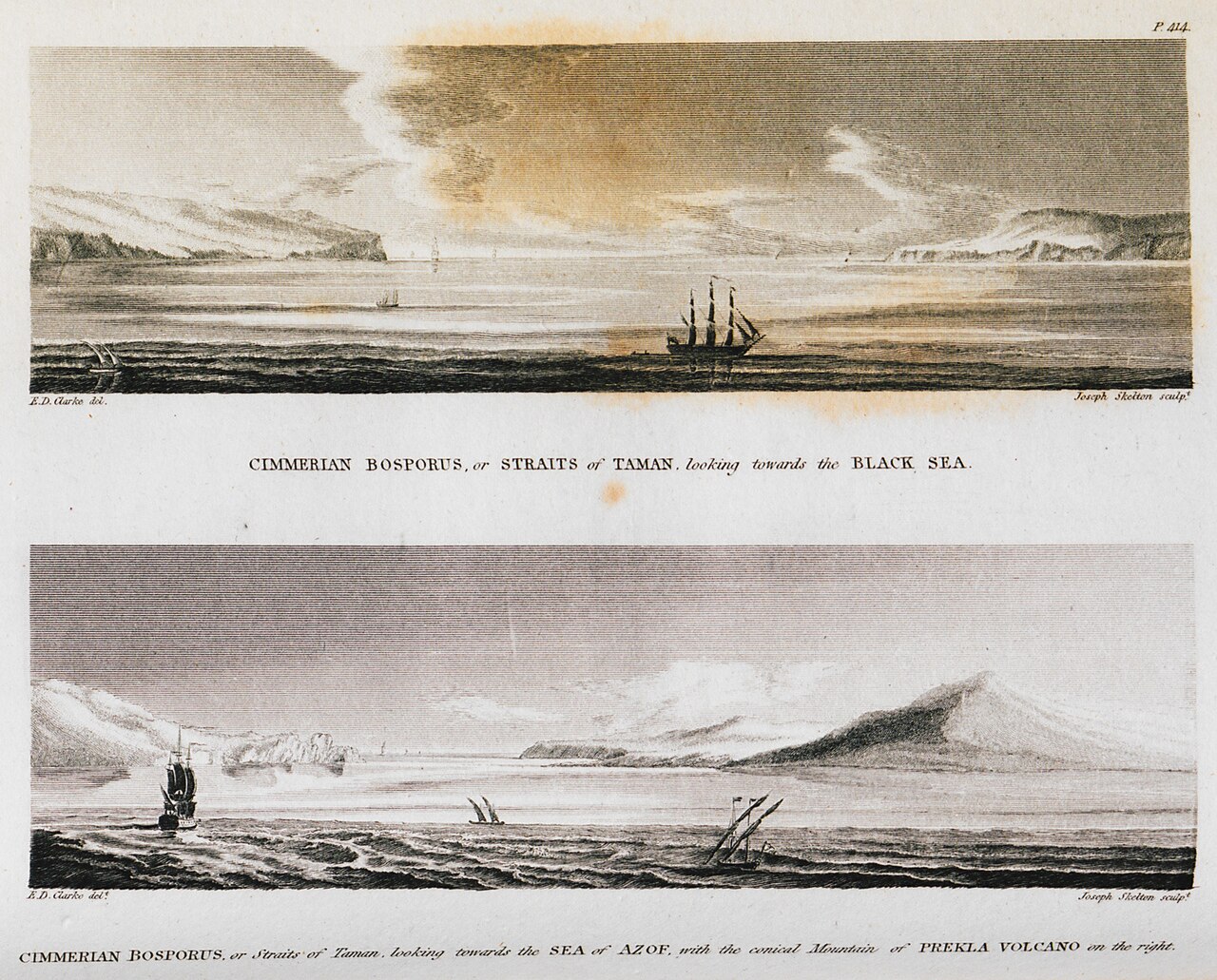
The rising sea played its part as well, swallowing portions of the city and reshaping the coastline on which it had been built, a slow geological pressure added to the human turmoil.
By the end of antiquity and into the medieval period, Phanagoria had diminished from a great metropolis to a shadow of its former self, its population and importance ebbing away.
Eventually the city was abandoned, its ruins left to the earth and the sea, its name preserved in ancient texts but its streets fallen silent.
The silence that settled over Phanagoria was the silence of many ancient cities, whose greatness passed and whose stones were left to the archaeologists of a distant future.
Yet the story did not end entirely, for what fell silent above ground was preserved below it, waiting for the day when excavation would let the lost metropolis speak again.
The gradual nature of the decline meant that there was no single dramatic fall, but rather a long ebbing, as the city slowly surrendered its greatness to the combined pressures of war, trade, and the encroaching sea.
The Voice of a Lost Metropolis
Though Phanagoria fell silent long ago, archaeology has given it back its voice. The finds recovered from its soil and its submerged quarters let this lost metropolis tell its story once more.
The city’s legacy is a window onto a whole civilization, the Greco-steppe world of the Bosporan Kingdom, which flourished for centuries on the meeting ground of the Aegean and the grasslands.
Inscriptions, coins, and monuments recovered from the site have filled gaps in the political history of the region, giving substance to a kingdom otherwise known mainly from scattered ancient references.
The everyday objects, too, speak eloquently, revealing how ordinary people lived, worked, worshipped, and died in this port city on the edge of two worlds.
As one of the great cities of the ancient northern Black Sea, Phanagoria holds a significant place in the history of Greek colonization and of the cultures that grew from it.
Its ruins are also a reminder of impermanence, of how even great metropolises can be swallowed by earth and sea and remembered only through patient recovery.
For modern scholars, the site remains an inexhaustible source, each season of excavation adding new pages to the story of the city and its people.
The voice of this lost metropolis, once silenced, now carries again across the centuries, telling of a world where Greek civilization met the steppe and built something wholly its own.
In this way a city that vanished from the surface of the earth has become one of the most eloquent witnesses to a lost world, its silence broken at last by the tools of modern research.
Daily Life in a Port City
Everyday life in Phanagoria unfolded to the rhythm of the sea and the market. As a busy port, the city was always in motion, its harbors crowded with ships and its streets full of merchants, sailors, and craftsmen.
Homes ranged from modest dwellings to comfortable houses, reflecting a society with clear distinctions of wealth. The finds from these homes reveal the domestic world of pottery, tools, and personal ornaments.
The agora was the heart of civic life, a place of commerce, politics, and gossip where citizens gathered to trade goods and exchange news from across the ancient world.
Craft workshops produced pottery, metalwork, and other goods, both for local use and for export, and the debris of their production has helped archaeologists reconstruct the city’s economy.
Food reflected the city’s setting and trade: grain, fish, and wine formed the staples, supplemented by the produce of the surrounding land and the goods that flowed through the port.
The mixed population gave daily life a cosmopolitan flavor, with Greeks and steppe peoples living side by side, their customs and tastes blending in the streets and markets.
Religious festivals, public spectacles, and the routines of trade structured the year, binding the community together and marking the passage of time in a busy commercial city.
In its daily life, Phanagoria was a typical yet distinctive Greek port, its ordinary routines shaped by its extraordinary position between the Mediterranean world and the steppe.
Personal names scratched onto pottery and preserved in inscriptions give us fleeting glimpses of individual citizens, tiny fragments of the countless lives lived out in the streets of the city.
Kings, Wars, and Alliances
The political history of Phanagoria was bound up with that of the Bosporan Kingdom, a state whose fortunes were shaped by kings, wars, and shifting alliances across the northern Black Sea.
As one of the kingdom’s chief cities, Phanagoria was often at the center of political drama, its loyalty courted and its control contested by rival claimants to power.
The kingdom navigated relations with a succession of greater powers, and Phanagoria felt the effects of every shift, from periods of independence to phases of subjection and alliance.
Famous episodes of revolt and warfare touched the city directly, and ancient sources record moments when Phanagoria rose against its rulers or suffered in the kingdom’s conflicts.
Alliances with the steppe peoples were a constant feature of Bosporan politics, and the kingdom’s security often depended on managing relations with the powerful nomads beyond its borders.
The city’s strategic position made it a piece on the chessboard of regional politics, valuable to whoever sought to control the trade and territory of the strait.
Inscriptions recovered from the site name kings and officials, giving flesh to the political narrative and anchoring the city in the documented history of the ancient world.
Through kings, wars, and alliances, Phanagoria lived out the turbulent history of a frontier metropolis, prosperous yet perpetually caught up in the struggles of a contested region.
The kingdom’s long survival, through so many changes of fortune, is itself remarkable, and Phanagoria’s persistence at its heart testifies to the resilience of this frontier state.
In the Light of Modern Archaeology
Modern archaeology has transformed our understanding of Phanagoria, turning a name from ancient texts into a richly documented city whose streets, buildings, and inhabitants can be studied in detail.
Systematic excavation over many years has uncovered vast areas of the site, revealing the layout of the city and the deep stratigraphy that records its long history of occupation.
Underwater investigation has added a whole dimension, mapping the submerged quarters and recovering finds from the seabed that complement those from the land.
Scientific techniques—from the analysis of materials to the study of environmental remains—have extracted information the earliest excavators could never have obtained, deepening the picture year by year.
The discovery of significant inscriptions and monuments has clarified the political history of the Bosporan Kingdom, giving names, dates, and events to a once-shadowy narrative.
The scale of the work has made Phanagoria a flagship of Black Sea archaeology, a site whose study advances the understanding of the whole region and its ancient cultures.
Each season brings new finds and new questions, and the city continues to surprise researchers with the richness and variety of what it preserves.
In the light of modern archaeology, Phanagoria has emerged from the mists of antiquity as one of the great cities of its world, its story reconstructed piece by piece from the evidence beneath earth and sea.
The collaboration of specialists from many fields—epigraphers, numismatists, ceramicists, and environmental scientists—has made the modern study of Phanagoria a model of interdisciplinary research, with each discipline illuminating a different facet of the ancient city.
Nearby Places
- The Northern Capital Where Greek Columns Met Scythian Gold: The Story of Panticapaeum
- The Greek City That Survived Two Thousand Years on the Crimean Shore: The Story of Chersonesus
- The Northernmost Greek City, Where Wine Met the Steppe: The Story of Tanais
Final Word
Phanagoria was a metropolis born where the Aegean met the steppe, a Greek city that grew rich on grain, fish, and wine and rose to become a second capital of the Bosporan Kingdom. Much of it now lies beneath land and sea, its grandeur claimed by time and the rising waters, yet archaeology has given the lost city back its voice. In its ruins we hear the story of a whole civilization—Greek in origin, steppe in flavor, and wholly its own—that flourished on the far shores of the Black Sea and left behind one of the great buried cities of the ancient world.
You May Like
Norse Explorers Reached Canada 500 Years Before Columbus


2 thoughts on “Phanagoria: The Greek Metropolis on the Edge of the Steppe”