On a hill above a strait at the eastern edge of Crimea, Greek colonists from Miletus founded a city that would rise to rule an entire kingdom: Panticapaeum. Established more than two and a half thousand years ago, it became the capital of the Bosporan Kingdom, minting its own coins, exporting the grain that fed distant cities, and standing at the crossroads where Greek columns met Scythian gold. Its acropolis looked out over a realm that fused the Aegean and the steppe, and its rulers were buried in kurgans heaped with treasure. In this article we will discover the northern capital of the Greek world, from its Milesian founders to the empires that later cast their shadow over it.
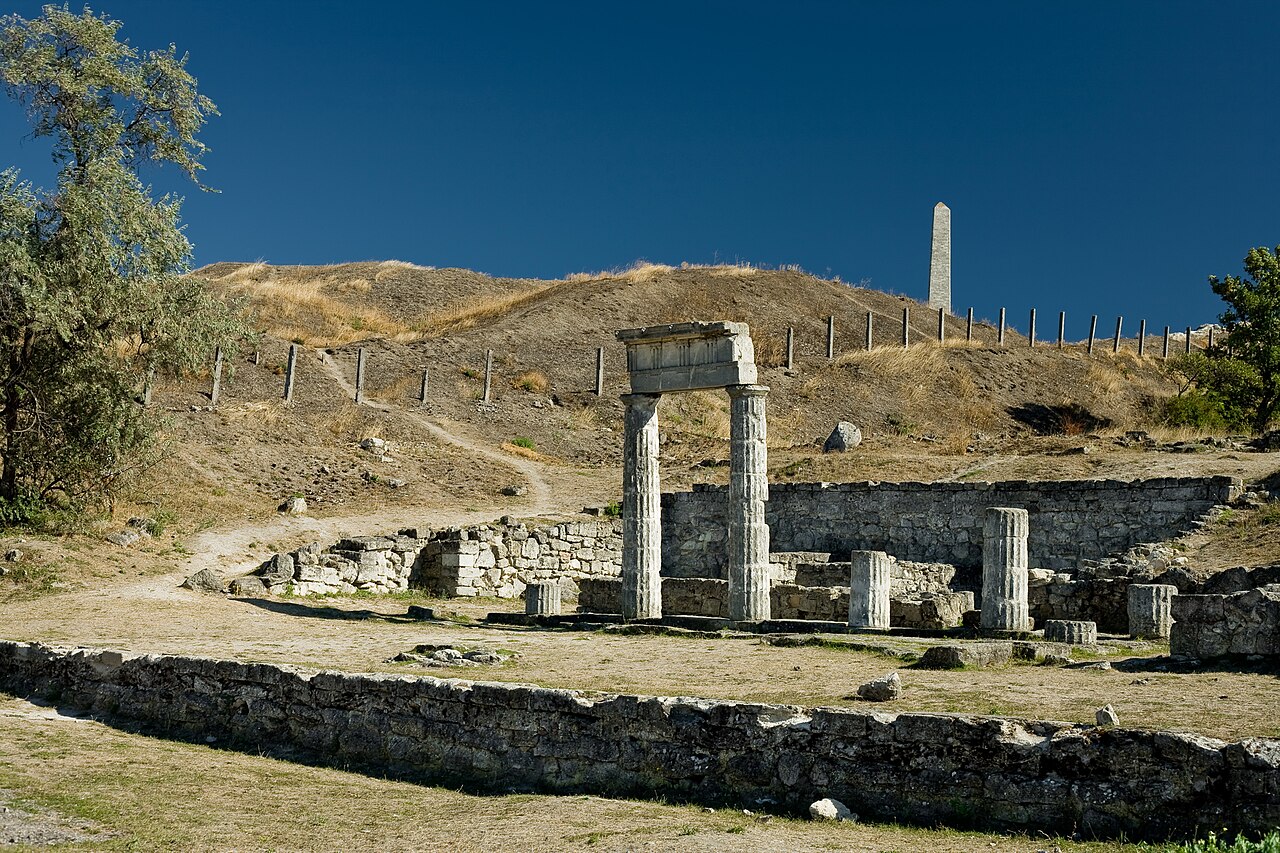
Table of Contents
- A Distant Child of Miletus
- The Capital of a Kingdom
- The Breadbasket of the Ancient World
- The City That Minted Its Own Coin
- The Crossroads of Greek and Scythian
- Kurgans Full of Gold
- Beneath a Modern City
- In the Shadow of Empires
- The Greek Capital of the North
- The Architecture of a Capital
- The Rulers of the Bosporus
- Art, Religion, and Daily Life
- Nearby Places
A Distant Child of Miletus
Panticapaeum was founded by colonists from Miletus, the great Ionian city that sent settlers to found more colonies around the Black Sea than perhaps any other Greek city. It was one of the most ambitious of these distant offspring.
The settlers chose a commanding site: a hill rising above the strait that separates the Crimean shore from the Taman Peninsula, controlling the passage between the Black Sea and the Sea of Azov.
On this hill they built their acropolis, and around it grew a city laid out in the Greek fashion, with temples, an agora, and the institutions of civic life transplanted from the Aegean.
The choice of location was inspired. The strait was a natural chokepoint for trade, and whoever held the heights above it commanded the traffic between two seas and two worlds.
From its founding, Panticapaeum grew rapidly, its favorable position drawing trade and settlers and setting it on the path to dominance over the other Greek cities of the region.
As a child of Miletus, the city carried the culture, gods, and ambitions of its mother city to this far frontier, becoming a beachhead of Greek civilization on the edge of the steppe.
Yet it soon developed a character of its own, shaped by its unique setting and by its contact with the peoples of the grasslands who lived beyond the Greek coast.
This distant child of Miletus would in time outgrow its origins, rising from a colony into the capital of a kingdom that spanned both shores of the strait.
The settlers of Panticapaeum arrived during the era when the Greek world was expanding vigorously outward, seeking land and trade beyond the crowded shores of the Aegean, and this hill above the strait must have seemed a prize worth crossing the sea for.
The very name of the city passed into the ancient geographies, and it appears in the works of classical writers as one of the notable Greek foundations of the distant north.
The Capital of a Kingdom
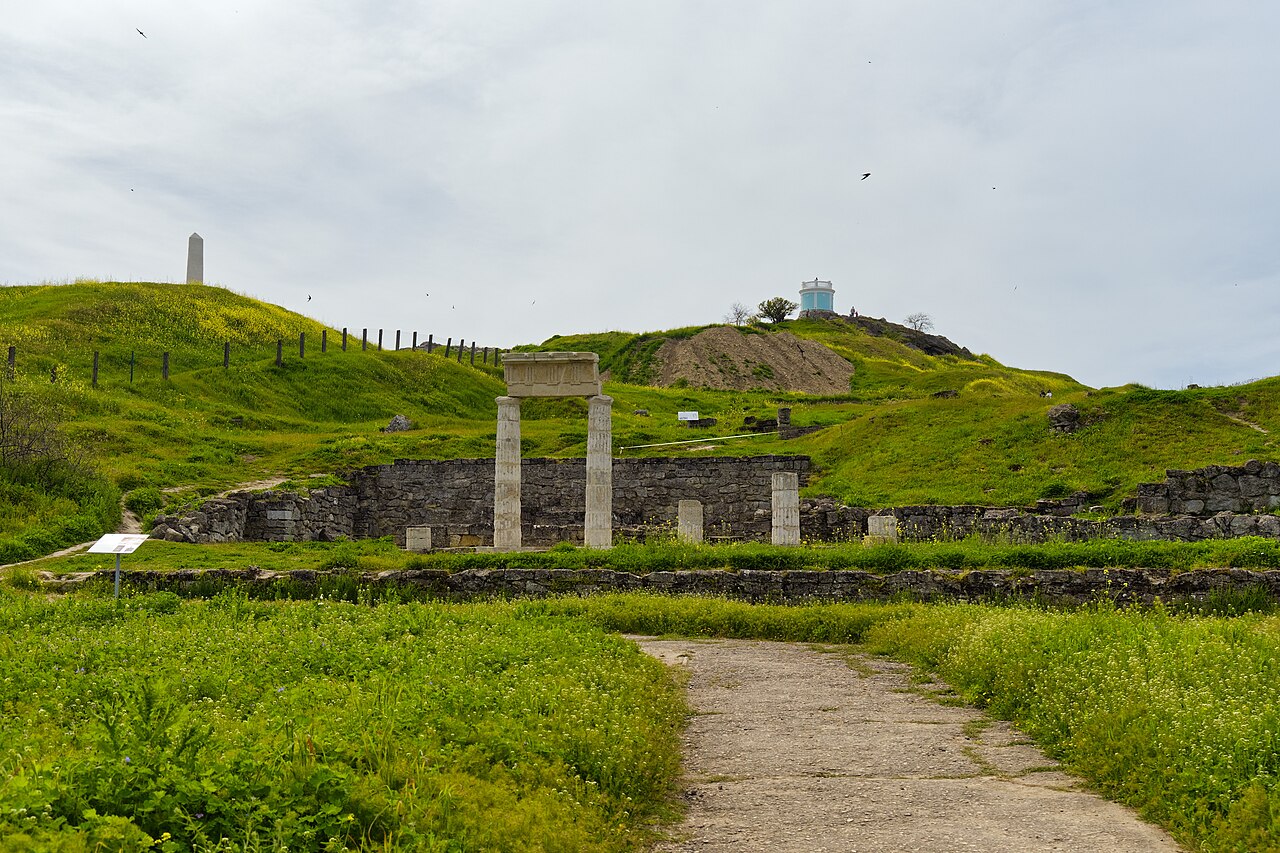
Panticapaeum rose to become the capital of the Bosporan Kingdom, the dominant power among the Greek cities of the northern Black Sea. From its acropolis, the kingdom’s rulers governed a realm that stretched across both sides of the strait.
As capital, the city was the political, economic, and religious heart of the kingdom, the seat of its dynasty and the stage on which its history was played out.
The Bosporan Kingdom was a remarkable hybrid state, a Greek dynasty ruling a mixed population of Greeks and steppe peoples, and Panticapaeum embodied that fusion at its highest level.
The city’s wealth and power were reflected in its monuments, its coinage, and the splendor of its royal burials, all proclaiming its status as a capital of consequence.
Its position gave the kingdom control over the vital grain trade and the passage between the seas, the twin foundations of Bosporan prosperity and influence.
As the capital, Panticapaeum attracted people, goods, and ideas from across the region and beyond, becoming a cosmopolitan center where many worlds met.
The fortunes of the city were the fortunes of the kingdom, and its long history mirrored the rise, endurance, and eventual decline of the Bosporan state.
For centuries, Panticapaeum reigned as the northern capital of the Greek world, a city whose authority rested on trade, on strategic position, and on the meeting of Greek and steppe.
The consolidation of the scattered Greek colonies under a single ruling house was a gradual process, and Panticapaeum’s emergence at the head of that arrangement confirmed its primacy on the strait.
From this capital radiated the authority that held together a realm of many cities and peoples, a considerable achievement of statecraft on a turbulent frontier.
The capital thus served as the nerve center of a whole system—economic, political, and religious—that bound together the diverse territories of the kingdom under a single crown.
The Breadbasket of the Ancient World
The wealth of Panticapaeum rested above all on grain. The fertile hinterland of the northern Black Sea produced enormous surpluses of wheat, and the city became the great hub through which this grain reached the wider Greek world.
Cities of the Aegean, and Athens above all, depended heavily on this northern grain to feed their populations, making the Bosporan trade a matter of strategic importance far beyond the Black Sea.
Through the harbors of Panticapaeum flowed the wheat of the steppe, loaded onto ships bound for the hungry cities of the south, in one of the great trade flows of the ancient world.
This commerce made the city and its kings rich and gave them leverage in the wider Greek world, for those who controlled the grain held a form of power that reached across the seas.
The grain trade shaped the whole economy of the region, from the farmers of the hinterland to the merchants of the port and the officials who taxed and organized the flow.
Ancient sources record the arrangements by which Bosporan kings supplied grain to Greek cities, and these dealings were a central feature of the kingdom’s diplomacy.
The breadbasket role also tied the fate of distant cities to the stability of the Bosporus, giving them a stake in the security of this far northern realm.
As the breadbasket of much of the ancient Greek world, Panticapaeum wielded an influence out of all proportion to its distance from the Aegean, a capital made great by wheat.
The rhythm of the sailing season governed this trade, with fleets carrying the northern harvest south before the winter storms closed the sea lanes and cut the Bosporus off from the Aegean.
So central was this grain to the great southern cities that disruptions in the Bosporan supply could send prices soaring and provoke anxiety in distant marketplaces.
This dependence gave the Bosporan kings a quiet but real influence in the affairs of the great Greek cities, an influence exercised not through armies but through the steady flow of wheat.
The City That Minted Its Own Coin
A mark of Panticapaeum’s wealth and independence was its coinage. The city struck its own coins, a privilege that signaled economic sophistication and political autonomy in the ancient world.
Its gold and silver coins are among the finest produced anywhere in the Greek world, celebrated for their artistry and prized by collectors and scholars alike.
The imagery on the coins—including the famous depictions associated with the city—reflects both its Greek identity and the distinctive character of the Bosporan realm.
Coinage lubricated the busy trade of the port, providing a reliable medium of exchange for the grain, fish, wine, and luxury goods that passed through the city.
The minting of high-quality gold coins in particular testifies to the immense wealth flowing through Panticapaeum, wealth built on the grain trade and the passage between the seas.
These coins are also historical documents, their images and inscriptions shedding light on the rulers, the religion, and the self-image of the Bosporan state.
The survival of so many fine coins has made Panticapaeum a key site for the study of ancient numismatics and of the economy of the northern Black Sea.
In minting its own splendid coinage, the city announced to the world that it was no mere colony but a wealthy and independent capital, a power in its own right on the edge of the Greek world.
Numismatists have traced the evolution of the city’s coinage over the generations, reading in its changing types the shifting fortunes and self-presentation of the Bosporan state.
The Crossroads of Greek and Scythian
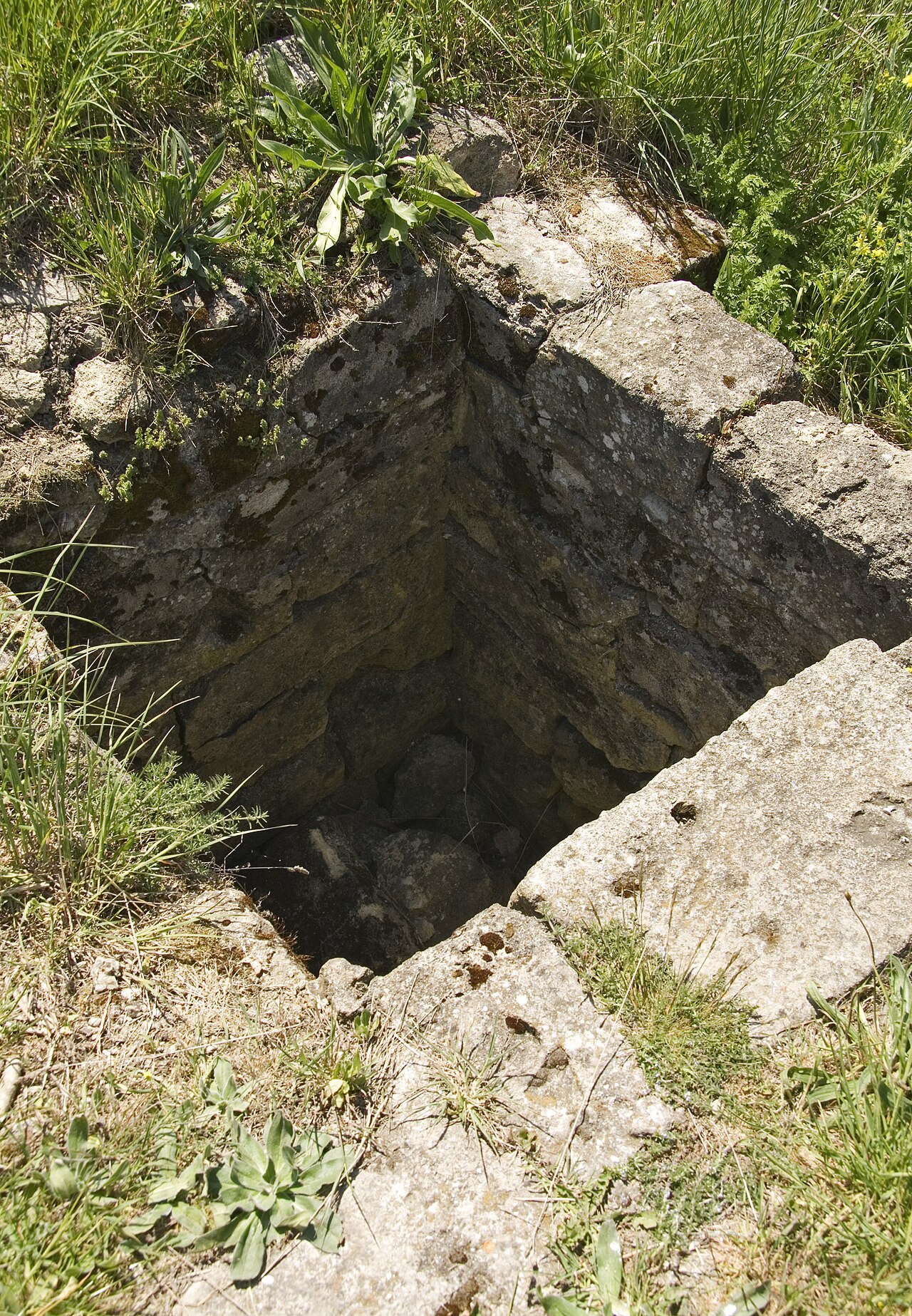
Panticapaeum stood at the crossroads where the Greek world met the Scythian steppe, and this meeting shaped every aspect of its life. Greek settlers and steppe peoples traded, intermarried, and influenced one another over generations.
The result was a distinctive hybrid culture, neither purely Greek nor purely Scythian, visible in the art, the burials, and the everyday objects recovered from the city and its surroundings.
The ruling dynasty itself reflected this fusion, adopting Greek forms while maintaining ties to the steppe peoples whose alliance and trade were vital to the kingdom.
Nowhere is the blend more spectacular than in the goldwork, where Greek craftsmen worked Scythian subjects, producing objects of astonishing beauty that belong to both worlds.
Religion too mingled, with Greek gods worshipped alongside local deities and cults that combined elements from both traditions in forms unique to the Bosporus.
This crossroads position was the source of the city’s wealth and vitality, for it drew prosperity from the contact and exchange between the settled Greek coast and the nomadic interior.
The relationship was not always harmonious; trade and alliance alternated with tension and war along the frontier between the Greek cities and the steppe powers.
Yet the overall pattern was one of synthesis, and Panticapaeum flourished as the capital of a civilization born from the meeting of Greek columns and Scythian gold.
The blending was a two-way exchange: as much as the steppe adopted Greek luxuries, the Greek settlers absorbed the tastes, techniques, and sometimes the gods of the peoples among whom they lived.
Kurgans Full of Gold
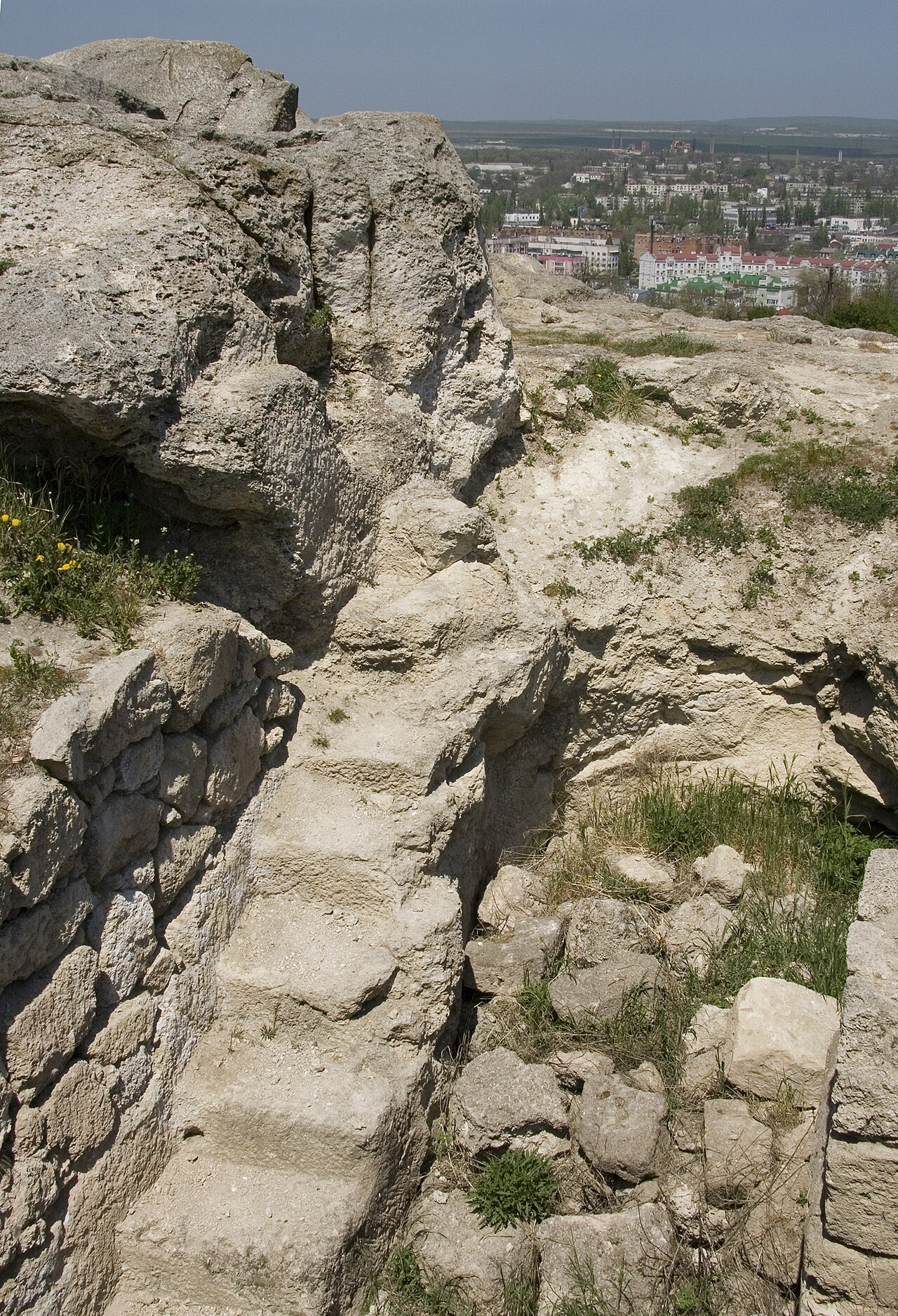
Around Panticapaeum rise the great burial mounds, the kurgans, in which the elite of the Bosporan world were laid to rest. Some of these tombs have yielded treasures that rank among the most spectacular finds of the ancient world.
The famous kurgans of the region contained gold ornaments, jewelry, and objects of extraordinary craftsmanship, buried with the dead to accompany them into the afterlife.
These treasures blend Greek artistry with steppe taste, and many were made by Greek craftsmen for steppe patrons, embodying the cultural fusion at the heart of the Bosporan world.
The scale and richness of the burials reveal a wealthy and hierarchical society, one whose elite commanded the resources to be buried in such magnificence.
The monumental construction of some kurgans, with their vaulted stone chambers, testifies to advanced engineering and to the importance placed on honoring the dead.
These tombs have been a focus of archaeology for generations, and the treasures recovered from them fill museums and define our image of Bosporan wealth.
Sadly, many kurgans were looted in antiquity and in later times, and much of their treasure was lost before archaeologists could record it, a recurring tragedy of the region.
Still, the kurgans full of gold remain among the great glories of the Bosporan world, monuments to a society that fused Greek and steppe in life and in death alike.
Excavating these mounds is a formidable undertaking, for their sheer scale and complex internal construction demand painstaking work to record before the fragile contents are disturbed.
Beneath a Modern City
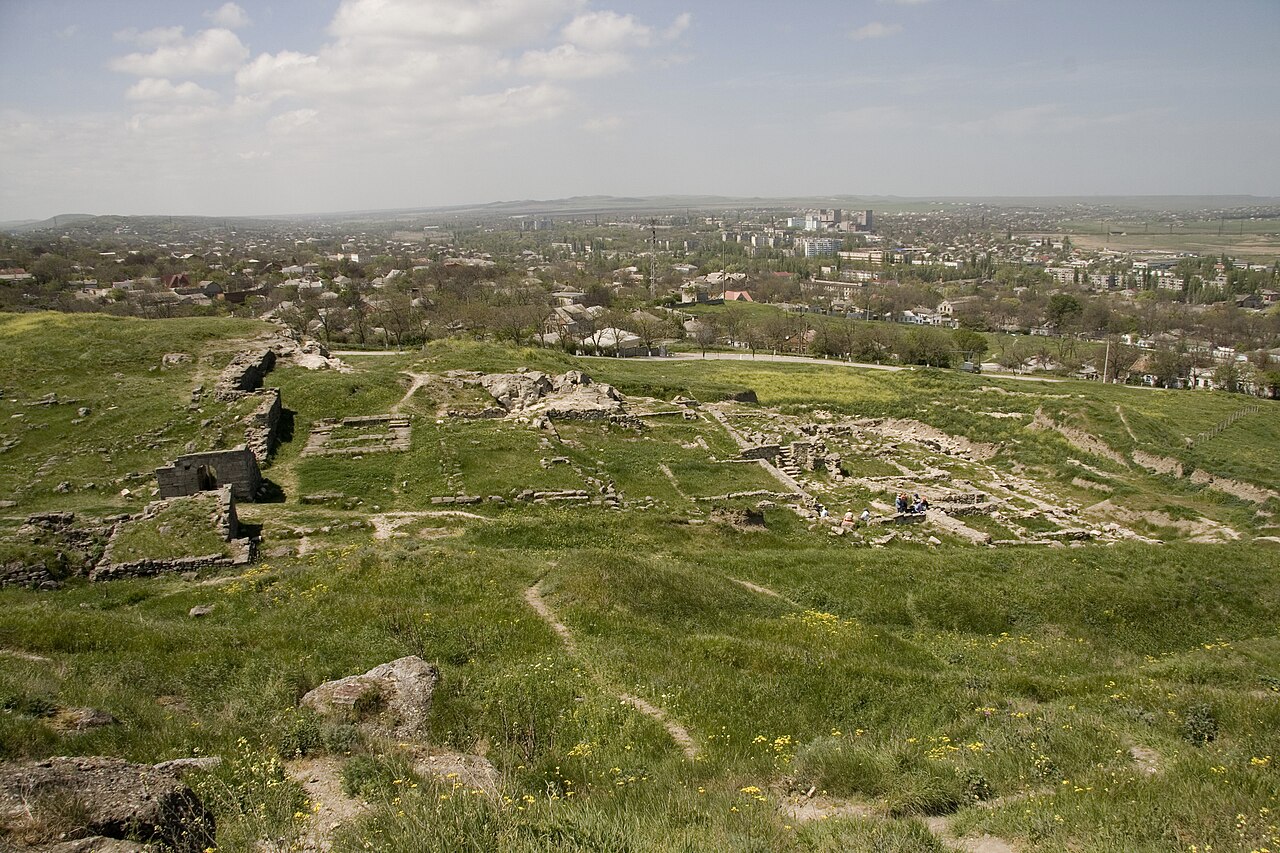
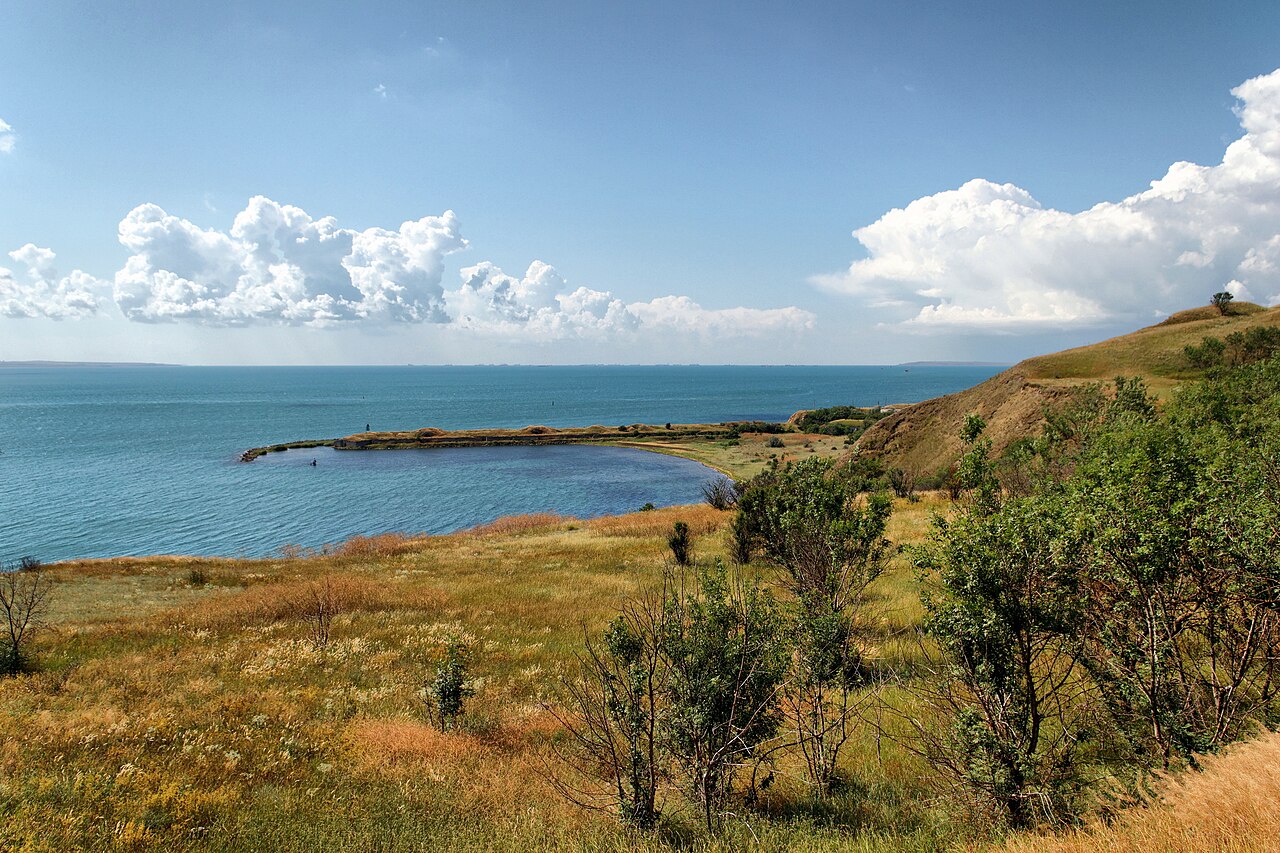
The ancient capital lies beneath a modern city, and this has shaped the way archaeologists can study it. Much of Panticapaeum is buried under later buildings, and excavation must work around the living town above.
Despite these constraints, extensive digging has revealed the acropolis, streets, houses, and public buildings of the ancient city, mapping the layout of the Bosporan capital.
The deep stratigraphy records more than a thousand years of occupation, layer upon layer of history from the Greek colony through the kingdom and into later periods.
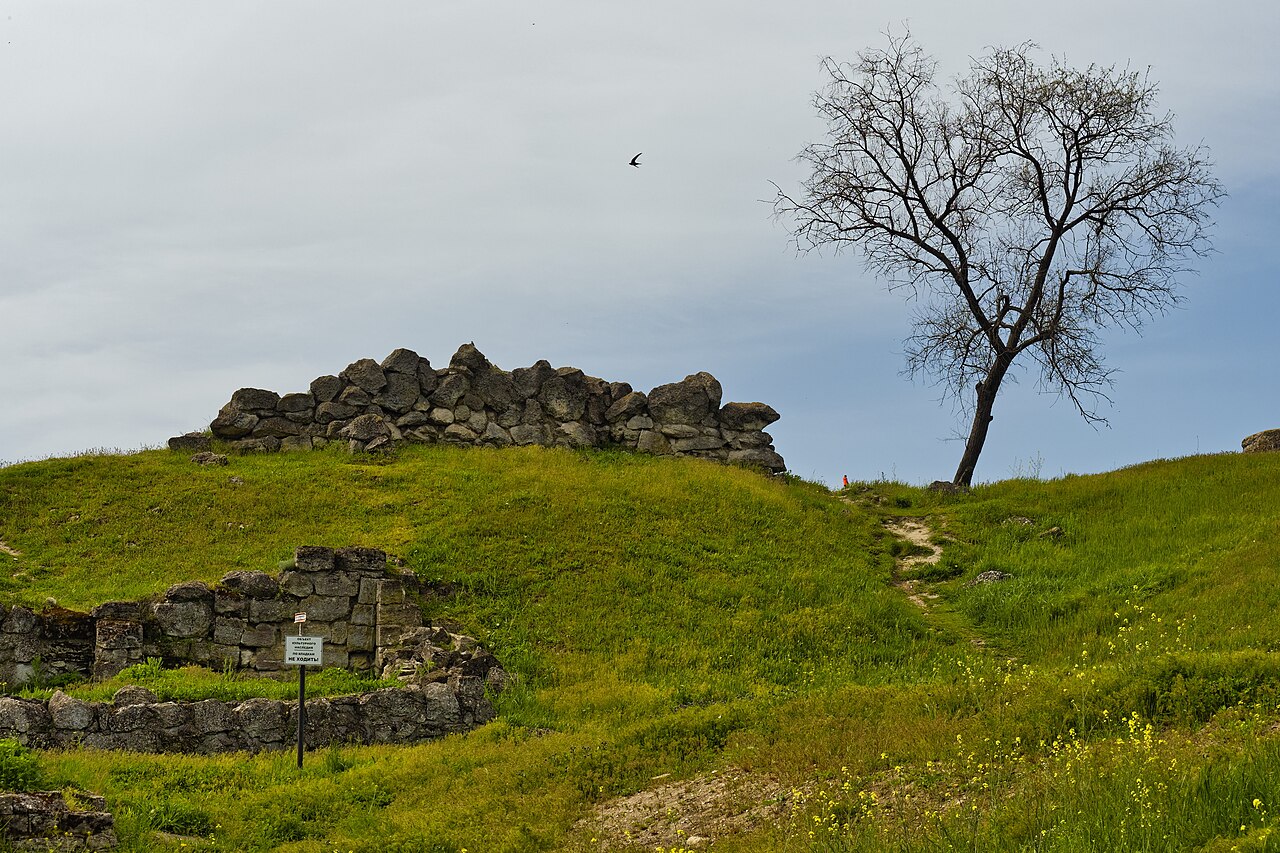
Excavations on the acropolis hill have uncovered the monumental heart of the city, where temples and public buildings once proclaimed its status as a capital.
The surrounding kurgans and necropolises have yielded some of the richest finds, complementing the evidence from the urban core with the treasures of the elite dead.
Working beneath a modern city is a delicate task, and archaeologists must seize opportunities as construction and circumstance allow, piecing together the ancient plan from scattered exposures.
The finds recovered range from monumental architecture and inscriptions to the everyday objects of ordinary life, together building a detailed picture of the capital.
Beneath the modern streets, then, the ancient capital endures, its ruins studied by generations of archaeologists who read the buried history of the Bosporan world.
Each new construction project in the modern town becomes a potential rescue excavation, an opportunity to glimpse the ancient capital before it is sealed away again beneath foundations.
In the Shadow of Empires
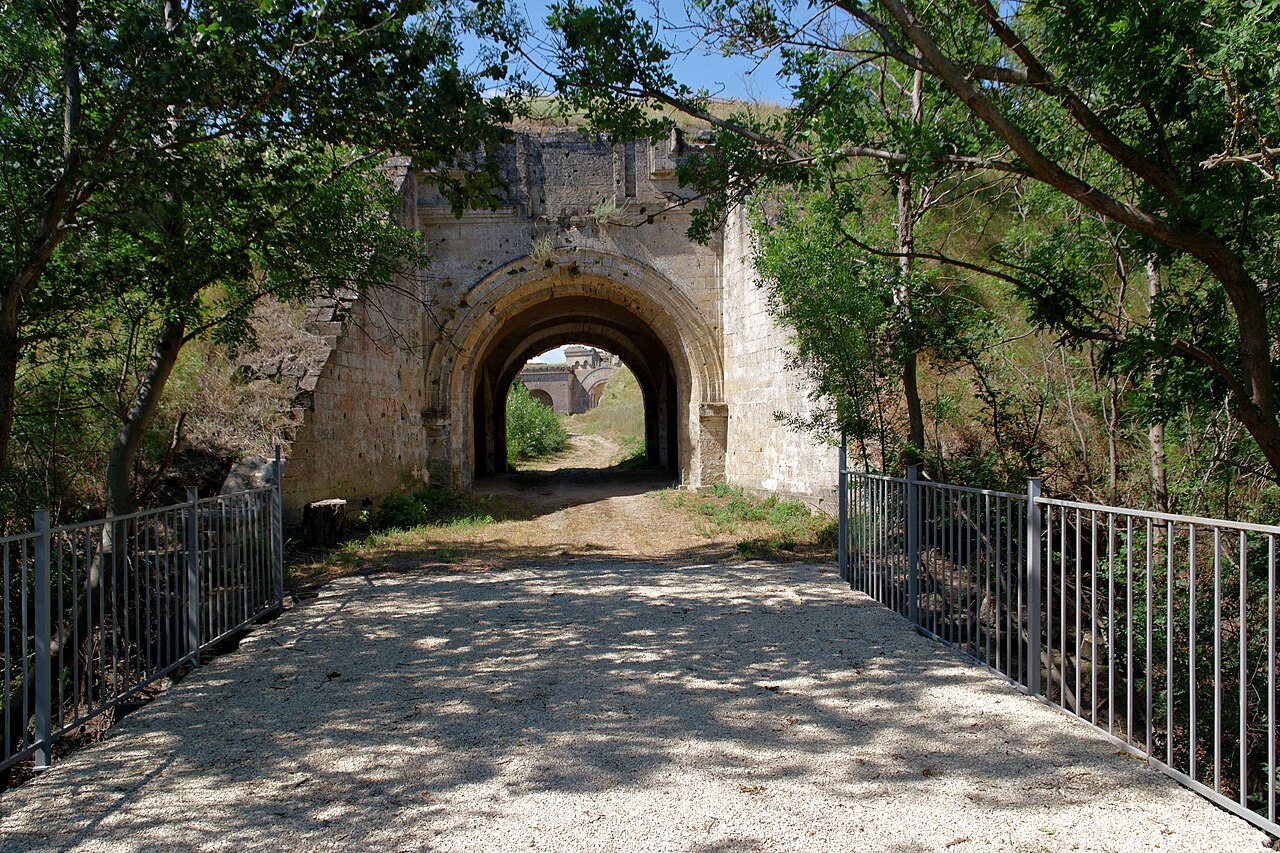
Over its long history, Panticapaeum lived in the shadow of greater powers. The Bosporan Kingdom navigated relations with a succession of empires, and the capital felt the effects of each shift in the balance of power.
At times the kingdom was independent, at times it fell under the sway of larger states, and its rulers had to be skilled in diplomacy to preserve their realm on a dangerous frontier.
The rise of powerful neighbors repeatedly tested the kingdom, and Panticapaeum experienced periods of subjection, alliance, and renewed autonomy as the wider world changed around it.
The Roman world eventually extended its influence over the region, and the Bosporan Kingdom endured for a long time as a client state, its capital adapting to the new order.
Later waves of upheaval—invasions and the movements of peoples—swept the northern Black Sea, eroding the old order and diminishing the once-great capital.
Through these changes the city persisted, sometimes reduced, sometimes revived, its long survival testifying to the enduring importance of its position.
But the age of empires eventually overwhelmed the Bosporan world, and Panticapaeum gradually lost the status it had held for so many centuries.
In the shadow of empires, the northern capital lived out a long twilight, its greatness slowly passing as the ancient world it belonged to came to an end.
The kingdom’s remarkable longevity, spanning many centuries, sets it apart from many ancient states, and Panticapaeum’s persistence as its capital through so many upheavals is itself a testament to the strength of its position.
The Greek Capital of the North
Panticapaeum holds a distinguished place in history as the Greek capital of the north, the dominant city of the Bosporan Kingdom and a center of Hellenic civilization on the edge of the steppe.
Its legacy is preserved in its coins, its treasures, and its ruins, which together tell the story of a wealthy and sophisticated capital far from the Aegean heartland.
The city’s famous goldwork, blending Greek and Scythian styles, has become emblematic of the whole Bosporan world and fills the display cases of major museums.
As the hub of the ancient grain trade, Panticapaeum played a role in the wider Greek world out of all proportion to its remoteness, feeding distant cities and shaping their politics.
The kurgans around the city, with their spectacular contents, have contributed enormously to our understanding of the fusion of Greek and steppe cultures.
For modern scholars, Panticapaeum remains a key site, its buried remains and rich necropolises an inexhaustible source for the study of the northern Black Sea in antiquity.
Its story is also a reminder of how far Greek civilization reached, planting a capital city on a distant strait where it flourished for centuries.
As the Greek capital of the north, Panticapaeum endures in memory and in the earth, a monument to a civilization born where the Aegean met the grasslands of the steppe.
The story of Panticapaeum also enriches our understanding of the ancient economy, showing how a distant frontier city could become indispensable to the food supply and politics of the Mediterranean heartland.
The Architecture of a Capital
As a capital, Panticapaeum was built to impress. Its acropolis crowned the hill above the strait, and its temples, public buildings, and fortifications proclaimed the wealth and status of the Bosporan state.
The city was laid out in the Greek manner, with an agora at its heart and streets radiating out below the acropolis, an urban plan transplanted from the Aegean and adapted to the site.
Temples dedicated to the gods rose on the heights and throughout the city, their columns and adornments displaying the Hellenic character of the capital.
Fortifications protected the city against the dangers of a frontier region, ringing it with walls and towers that guarded its wealth and its inhabitants.
Public buildings served the civic life of a Greek city, providing spaces for governance, commerce, and the communal activities that bound the community together.
The residential quarters ranged from modest homes to grander houses, reflecting the social hierarchy of a prosperous capital with a wealthy elite.
The monumental architecture, much of it now known only through excavation, testifies to the resources the city could command and its ambition to rival the great cities of the Greek world.
Through its architecture, Panticapaeum expressed its identity as a capital, a Greek city of the first rank set on a strait at the far edge of the Hellenic world.
The reconstruction of the ancient cityscape from fragmentary remains is a slow labor, but each excavated building adds another piece to the picture of a genuine capital rather than a provincial town.
The Rulers of the Bosporus
The rulers of the Bosporan Kingdom governed from Panticapaeum, and their dynasties shaped the history of the northern Black Sea for centuries. These kings were the central figures in the story of the capital.
The dynasties that held power combined Greek culture with the realities of ruling a mixed kingdom, presenting themselves as Hellenic monarchs while managing relations with the steppe.
Some of these rulers became famous in the wider ancient world, their reigns marked by ambitious ventures, wars, and dealings with the great powers of their day.
The kings controlled the grain trade and the wealth it generated, using this power to sustain their dynasty and to influence the politics of distant Greek cities.
Royal succession was not always smooth, and the history of the kingdom includes struggles for the throne, revolts, and the intervention of outside powers.
The rulers were buried in magnificent kurgans, and the treasures of these royal tombs reflect the wealth and prestige of the Bosporan monarchy.
Inscriptions and coins bearing the names of kings anchor the dynasty in documented history, allowing scholars to trace the succession of rulers over the centuries.
Through its kings, Panticapaeum wielded power over a realm that spanned two shores and two worlds, the rulers of the Bosporus governing one of the most distinctive kingdoms of antiquity.
The interplay between the Hellenic self-image of the dynasty and the steppe realities of their power is one of the most fascinating themes in the study of the Bosporan monarchy.
Art, Religion, and Daily Life
The culture of Panticapaeum blended Greek traditions with steppe influences, producing a distinctive way of life reflected in its art, its religion, and the everyday routines of its inhabitants.
Art flourished in the capital, from the exquisite goldwork of the elite tombs to the pottery, sculpture, and decorative objects of daily use, all bearing the stamp of the Greco-steppe fusion.
Religion combined the worship of Greek gods with local cults, and the sanctuaries of the city served a population that drew on both Hellenic and steppe traditions.
Daily life in the capital revolved around trade, the sea, and the seasons, with merchants, craftsmen, and officials going about their business in a busy and cosmopolitan city.
Food and drink reflected the setting: grain, fish, and wine formed the staples, supplemented by the produce of the land and the goods that flowed through the port.
Festivals and public spectacles marked the calendar, binding the community together and expressing the shared identity of a Greek city on a distant frontier.
The mixed population gave the city a cosmopolitan character, with Greeks and steppe peoples living side by side and their customs blending over generations.
In its art, religion, and daily life, Panticapaeum lived as a Greek capital shaped by the steppe, a place where two worlds met and produced a civilization uniquely its own.
The survival of so much fine craftsmanship allows us to appreciate not only the wealth of the capital but the genuine artistic sophistication of a culture too easily dismissed as peripheral.
Nearby Places
- The Greek Metropolis on the Edge of the Steppe, Now Beneath Land and Sea: The Story of Phanagoria
- The Greek City That Survived Two Thousand Years on the Crimean Shore: The Story of Chersonesus
- The Northernmost Greek City, Where Wine Met the Steppe: The Story of Tanais
Final Word
Panticapaeum was the northern capital of the Greek world, a city founded by settlers from Miletus that rose to rule the Bosporan Kingdom from its acropolis above the strait. It minted its own splendid coins, fed distant cities with the grain of the steppe, and buried its kings in kurgans heaped with gold that fused Greek artistry with Scythian taste. Though it lived out its last centuries in the shadow of empires and now lies beneath a modern city, its ruins and treasures still testify to a remarkable civilization—one born where Greek columns met Scythian gold on the far edge of the ancient world.
You May Like
Mafra, the Palace a King Built From a Vow


2 thoughts on “Panticapaeum: Where Greek Columns Met Scythian Gold”