On the outskirts of the city of Vladimir, in the heart of European Russia, lies one of the most astonishing discoveries ever made from the depths of the Ice Age. Sungir is an Upper Paleolithic site, roughly thirty thousand years old, where archaeologists uncovered graves so richly adorned that they have transformed our understanding of the ancient human world. Here, beneath the cold soil, lay the bodies of people buried with tens of thousands of painstakingly carved ivory beads, ivory spears, carved animals, and ornaments, in burials of a complexity and wealth that no one had imagined possible for hunter-gatherers of such antiquity. The graves of Sungir, including the moving double burial of two children, raise profound questions about the beliefs, social structure, and inner lives of the people who hunted the mammoth steppe. They are among the greatest treasures of Ice Age archaeology anywhere on earth.
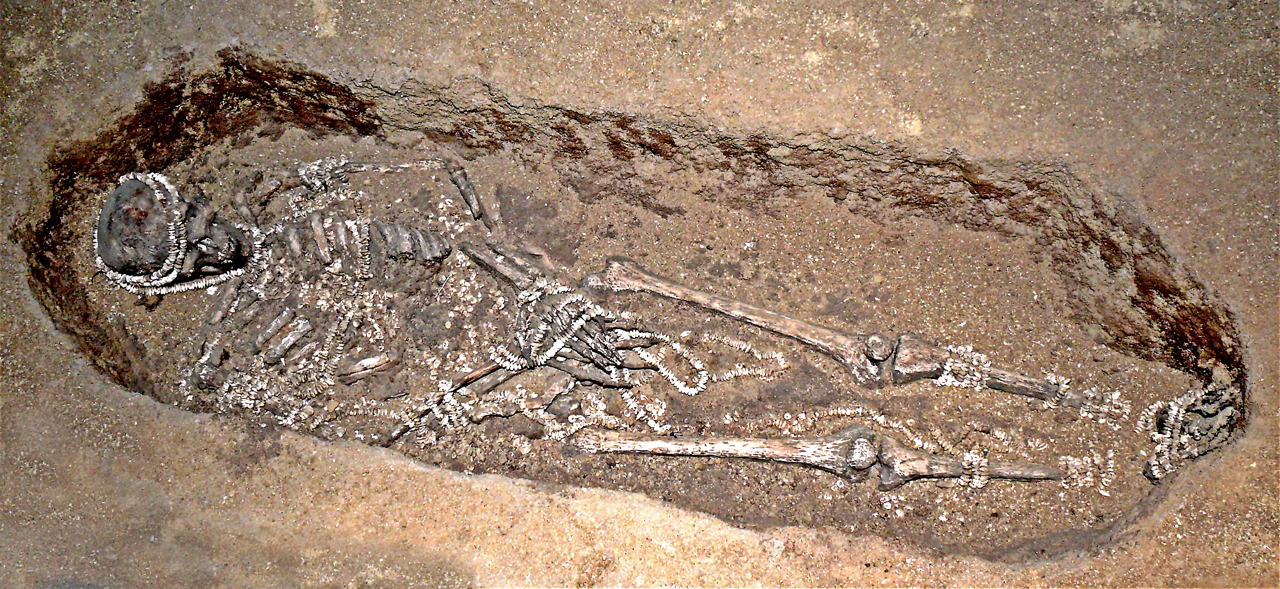
Table of Contents
- A Chance Find Near Vladimir
- Tens of Thousands of Ivory Beads
- The Graves of Sungir
- The Double Burial of the Children
- Spears of Straightened Ivory
- Hunters of the Mammoth Steppe
- Rank Among the Ancient Dead
- Belief in the Face of Death
- What the Bones Reveal
- Why Sungir Matters
- Treasures From the Frozen Past
- The Staggering Cost of Adornment
- Reconstructing Ice Age Dress
- Sungir in the Ice Age World
- Nearby in Russia’s Ancient Story
- Beads Across Thirty Thousand Years
A Chance Find Near Vladimir
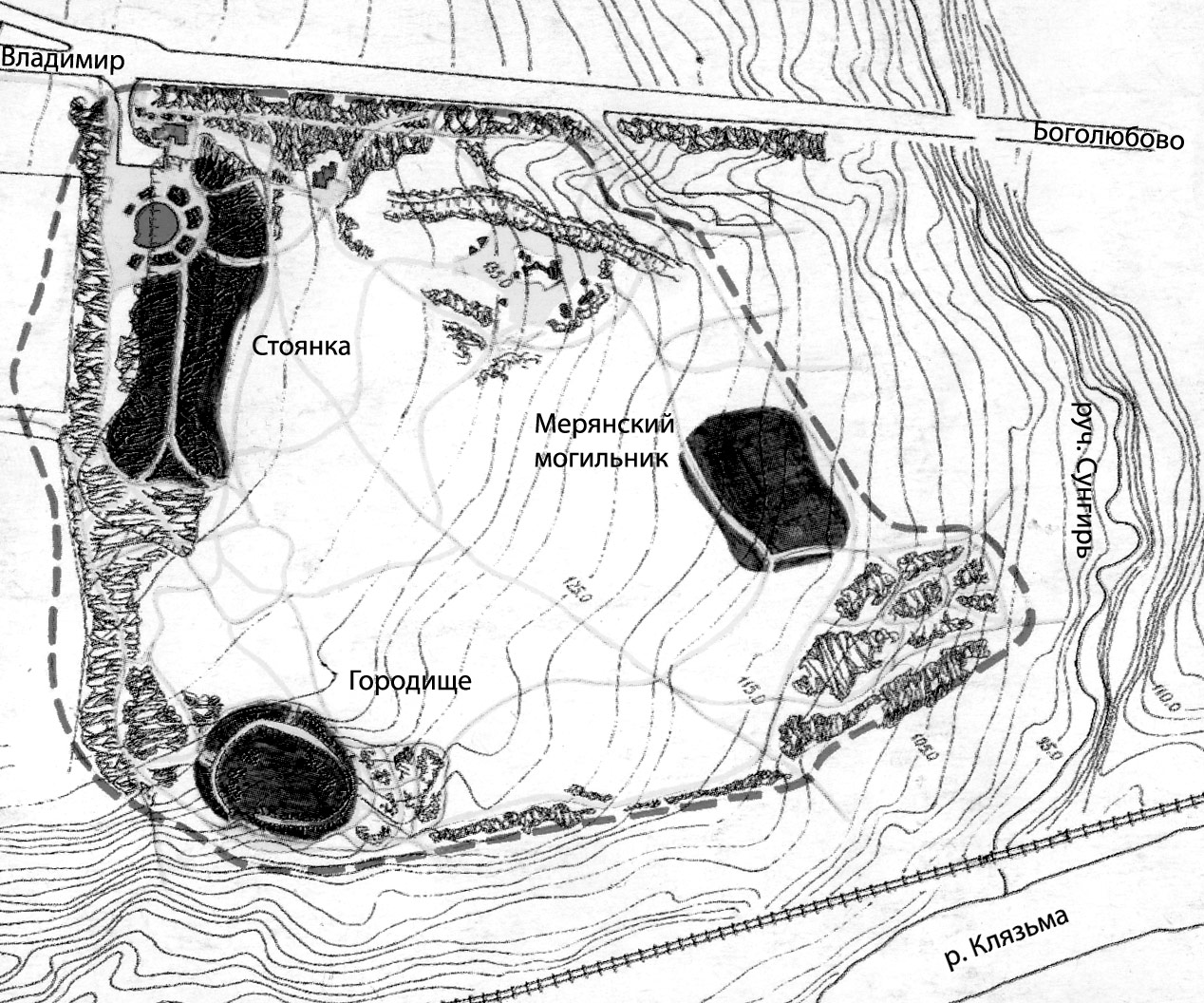
Sungir came to light in the mid twentieth century, when construction work on the edge of Vladimir exposed ancient remains and drew the attention of archaeologists. What began as a routine investigation soon revealed a site of extraordinary importance, a Paleolithic settlement and burial ground dating back tens of thousands of years, preserved in the cold earth of the Russian plain.
The excavations that followed uncovered not only the traces of an Ice Age camp but a series of human burials of unprecedented richness. As archaeologists carefully brushed away the soil, they revealed graves adorned with staggering quantities of beads and grave goods, finds that would make Sungir famous throughout the world of prehistoric research. The chance discovery near Vladimir had opened a window onto the Ice Age unlike any other.
The circumstances of the discovery, emerging during construction on the edge of a modern city, are a reminder of how much of the deep past lies hidden just beneath the surface of everyday life. Had the work taken a slightly different course, the treasures of Sungir might have remained buried and unknown. Instead, alert investigation turned a chance exposure into one of the landmark discoveries of Ice Age archaeology.
Tens of Thousands of Ivory Beads
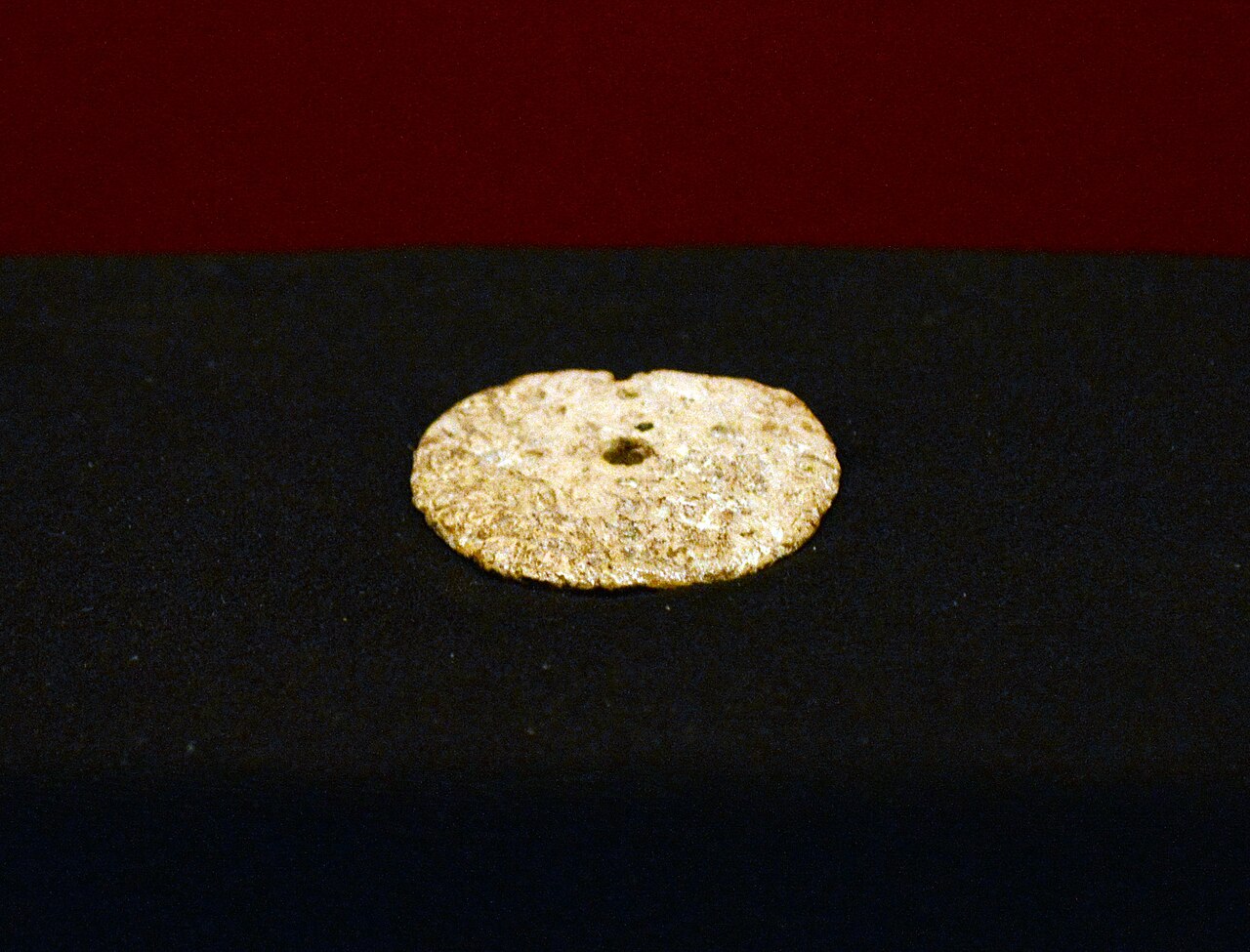
The most breathtaking feature of the Sungir burials is the sheer quantity of ivory beads that adorned the dead. Thousands upon thousands of small beads, each individually carved from mammoth ivory, were arranged over the bodies, apparently sewn onto clothing that has long since decayed. The number of beads in the graves runs into the tens of thousands, representing an almost unimaginable investment of labor.
Scholars have estimated that carving a single one of these beads would have taken a considerable amount of time, and producing the tens of thousands found at Sungir would have required thousands of hours of skilled work. This lavish expenditure of effort on grave adornments tells us something profound: that these people valued their dead enough to devote enormous resources to honoring them, and that they possessed a rich material and symbolic culture far beyond mere survival.
The uniformity and quantity of the beads also raise fascinating questions about how they were produced. Such large-scale manufacture may imply organized effort, perhaps many hands working over long periods, or specialized bead-makers within the community. However it was accomplished, the production of tens of thousands of ivory beads represents a remarkable feat of coordinated, sustained craft in a hunter-gatherer society.
When one imagines the finished burials as they must have appeared, the bodies shimmering under countless beads of pale ivory, the effect must have been dazzling. These were not drab interments but radiant displays, the dead transformed into figures of splendor for their final journey. The visual impact alone speaks to the importance these ceremonies held for the community that staged them.
The Graves of Sungir
Sungir contained several remarkable burials. One was the grave of an older adult man, laid out and covered in ivory beads and ornaments, a burial of great richness that would alone have made the site famous. But it was another grave that has proved even more extraordinary and moving, and that has drawn the fascination of researchers and the public alike ever since its discovery.
The richness of these burials, in a period so remote, overturned old assumptions about Ice Age hunter-gatherers. Here were people capable of elaborate funerary ritual, of investing extraordinary effort in honoring the dead, and of expressing complex ideas about status, belief, and the afterlife. The graves of Sungir revealed a society with a depth of culture and feeling that reached across thirty thousand years to touch the modern imagination.
Each burial at Sungir is a story in itself, a carefully composed statement about the person interred and the community that mourned them. The positioning of the bodies, the selection and arrangement of grave goods, and the sheer abundance of ornament all reflect deliberate choices laden with meaning. Reading these graves is like reading a text written not in words but in beads, ivory, and bone.
That such elaborate funerary practices existed thirty thousand years ago forces us to revise any lingering image of Ice Age people as simple or brutish. The graves of Sungir reveal minds capable of abstraction, symbolism, and profound emotion, and hands capable of exquisite craft. They are among the most eloquent testimony we possess to the fully modern character of the human beings who created them.
The Double Burial of the Children
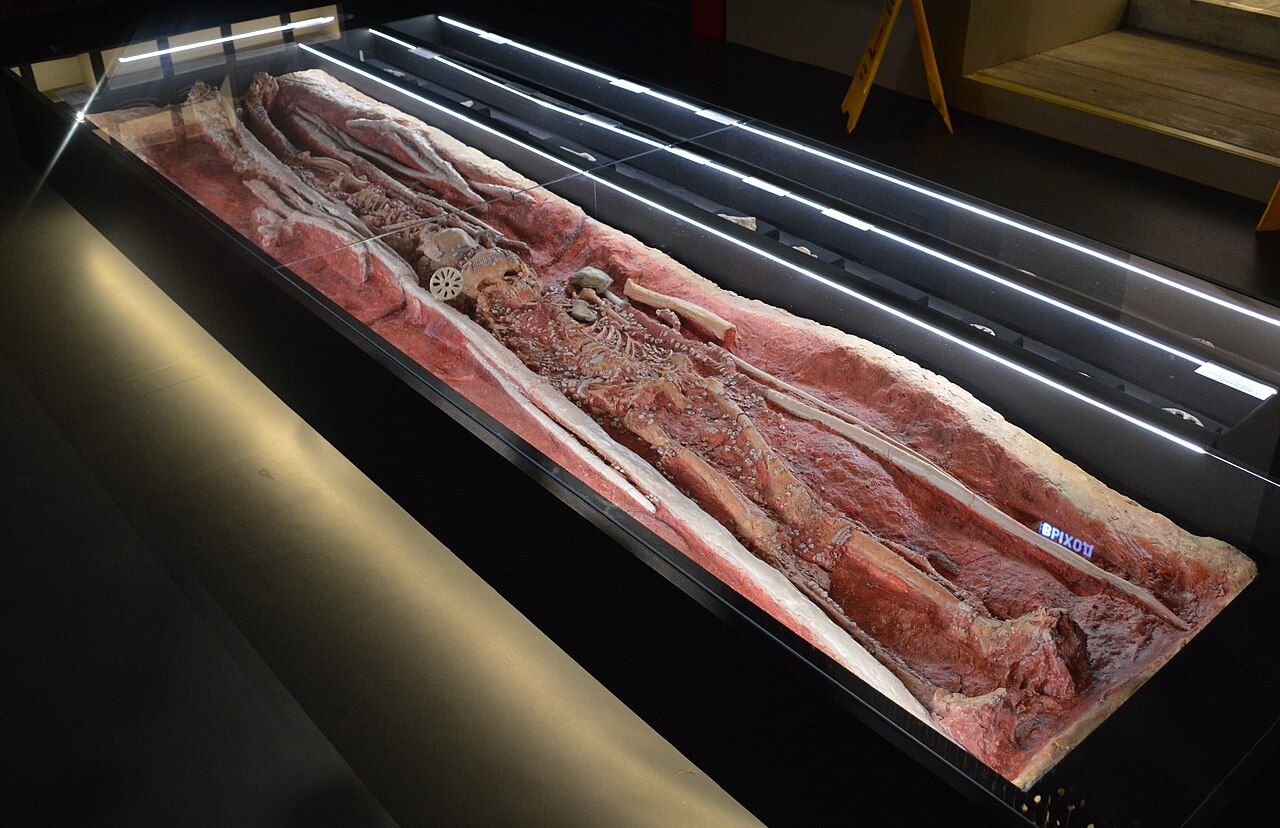
The most famous and poignant of the Sungir graves is the double burial of two children, laid head to head in a single grave. These young individuals were buried with even greater quantities of grave goods than the adult, adorned with thousands of ivory beads and accompanied by an astonishing array of objects, including long spears made from straightened mammoth ivory, a feat of technical skill that remains difficult to explain.
The lavish burial of children is especially significant. In many societies, high status is earned over a lifetime, yet here young people were honored with some of the richest graves known from the entire Ice Age. This has led some scholars to suggest that status at Sungir may have been inherited rather than earned, hinting at social distinctions among these ancient hunter-gatherers. The children’s grave is at once a scientific treasure and a deeply human testament to grief, love, and belief.
The image of the two children buried head to head, surrounded by treasures, is one of the most haunting to survive from the entire Ice Age. It speaks across the millennia of a community’s response to the death of its young, a response of extraordinary care and expenditure. Whatever the beliefs behind it, the burial testifies to the depth of feeling and ritual that these ancient people brought to the loss of their children.
For researchers, the children’s grave has also proved an unparalleled source of information, its wealth of goods and well-preserved remains offering insights into everything from craft to social structure to genetics. Yet no amount of scientific analysis can fully dispel the emotional power of the burial itself, which remains, first and foremost, a testament to a community’s love for and grief over its lost children.
Spears of Straightened Ivory
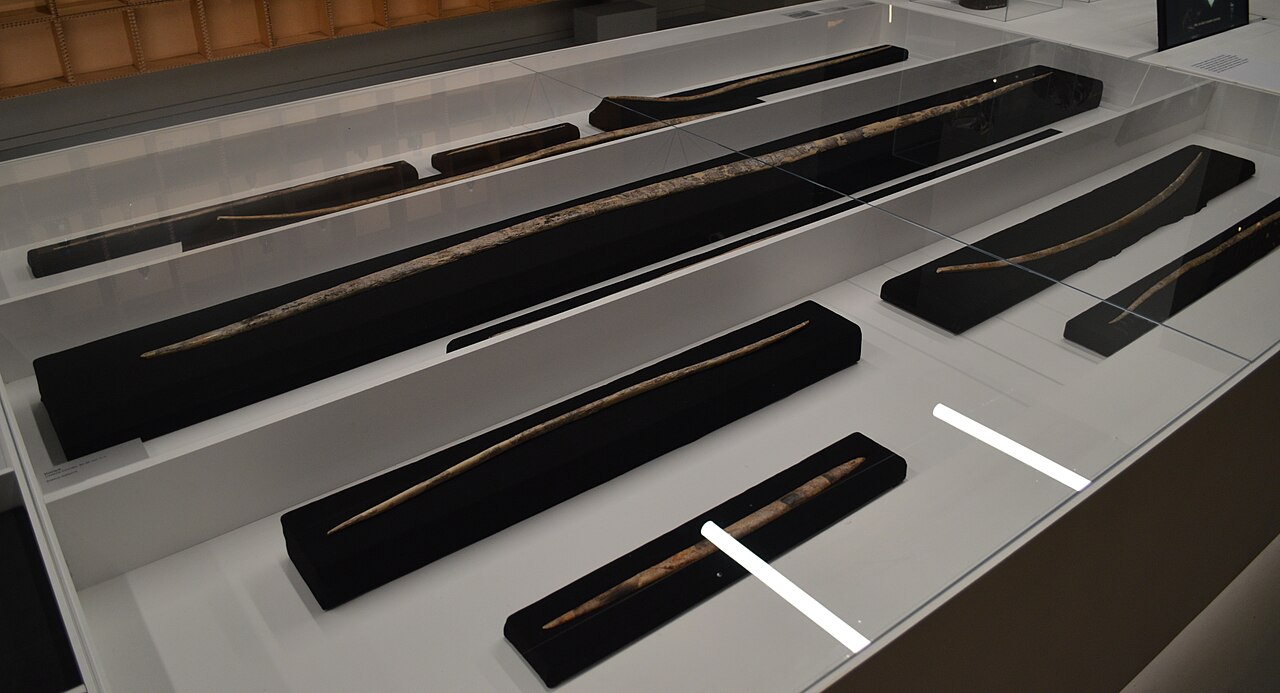
Among the grave goods of the Sungir children were long spears crafted from mammoth ivory. This is a remarkable and puzzling achievement, for mammoth tusks are naturally curved, and to produce a straight ivory spear would have required extraordinary skill and technique to straighten the material. How exactly the people of Sungir accomplished this remains a subject of study and wonder.
These ivory spears are among the most impressive objects from the Ice Age, testimony to the technical mastery and ingenuity of their makers. They demonstrate that the people of Sungir were not only rich in beads and ornaments but also possessed sophisticated craft knowledge, capable of working the toughest materials into precise and beautiful forms. The spears, like the beads, speak of a culture of great complexity and skill flourishing in the depths of the Ice Age.
The straightening of mammoth ivory to make these spears is so technically challenging that it continues to puzzle researchers, who debate exactly how it was achieved. Whatever the method, the accomplishment reveals a people of formidable ingenuity, capable of bending one of nature’s most intractable materials to their will. The ivory spears stand as monuments to Ice Age craftsmanship at its most impressive.
Placed alongside the children, these magnificent ivory spears may have carried symbolic as well as practical meaning, perhaps marking status, offering protection, or serving some purpose in beliefs about the afterlife. Whatever their intended role, they added immeasurably to the richness of the burials and stand today among the most celebrated artifacts to survive from the Upper Paleolithic anywhere in the world.
Hunters of the Mammoth Steppe
The people buried at Sungir were hunter-gatherers who lived on the cold, open steppe of Ice Age Europe, hunting the great animals of the era, above all the mammoth, whose ivory provided the raw material for so much of their art and adornment. Reindeer, horse, and other game also sustained them, and they drew on the resources of a harsh but rich environment to survive the long Ice Age winters.
Their camp at Sungir was one of the northern outposts of human habitation in this frozen world, a place where people gathered, hunted, made tools and ornaments, and buried their dead. The life these hunters led was demanding, but it was also, as their graves reveal, culturally rich, filled with craft, ritual, and meaning. Sungir shows us that even at the edge of the habitable world, Ice Age humans built lives of remarkable depth and artistry.
The abundance of mammoth ivory in the graves underscores how central these great beasts were to the people of Sungir. The mammoth was not only a source of food but the wellspring of the raw material for their most treasured objects, from beads to spears. In a very real sense, the culture of Sungir was built upon the mammoth, its art and ritual inseparable from the animal that dominated its world.
The camp at Sungir would have been a place of intense activity during the times it was occupied, filled with the work of hunting, butchering, toolmaking, and the endless carving of ivory. Around its fires, stories were surely told, knowledge passed down, and the rituals that culminated in the great burials prepared. It was a hub of human life at the frozen edge of the world, rich in culture despite the harshness of its setting.
Rank Among the Ancient Dead
The extraordinary wealth of the Sungir burials, especially those of the children, has fueled intense debate about social structure in the Ice Age. If status was simply earned through a lifetime of achievement, why were children buried with such lavish honors? The answer some scholars propose is unsettling and fascinating: that these societies may already have had forms of inherited status or social distinction.
This possibility challenges the traditional image of Ice Age hunter-gatherers as uniformly egalitarian. The graves of Sungir suggest that even thirty thousand years ago, human societies may have recognized differences of rank, honoring certain individuals, including the young, above others. Whether through inheritance, special circumstances, or beliefs we cannot recover, the burials hint at a complexity of social organization that pushes back the origins of hierarchy deep into the human past.
The debate over status at Sungir touches on some of the deepest questions in the study of human society: when and how did inequality first arise? If the lavish burial of children reflects inherited rank, then the roots of social hierarchy may reach far deeper into the past than once believed. Sungir thus becomes a crucial piece of evidence in the long inquiry into the origins of human social complexity.
It is worth stressing how much remains uncertain in these debates, for the interpretation of ancient graves is never simple. The lavish burials might reflect inherited rank, or special circumstances surrounding these particular individuals, or beliefs we can scarcely guess at. What is clear is that Sungir compels us to take seriously the possibility of social complexity in the Ice Age, keeping the question vividly open.
Belief in the Face of Death
The elaborate burials of Sungir are, above all, evidence of belief. The care taken to adorn and equip the dead, the enormous labor invested in beads and grave goods, and the placement of the bodies all point to complex ideas about death and what might lie beyond it. These were people who did not simply dispose of their dead but honored them with ritual and, it seems, prepared them for something.
What exactly the people of Sungir believed we cannot know, but the graves make clear that they possessed a rich spiritual and symbolic world. The act of sending the dead into the earth clothed in tens of thousands of beads, armed with ivory spears, and surrounded by treasures speaks of profound convictions about the meaning of death and the enduring importance of the individual. In these ancient graves, the human confrontation with mortality reaches back across the ages.
The universality of the human confrontation with death gives the graves of Sungir a special power to move us. Across an immense gulf of time, we recognize in these burials the same impulses that shape our own responses to mortality: the need to honor the dead, to express grief, and to give meaning to loss. In this sense, Sungir connects us not only to the Ice Age past but to something timeless in the human condition.
What the Bones Reveal
Modern scientific analysis of the Sungir remains has added rich new detail to the story. Studies of the bones and, remarkably, of ancient DNA have shed light on the health, diet, relationships, and origins of the individuals buried at the site. These analyses have addressed questions such as whether the buried individuals were closely related, with results that have surprised and intrigued researchers.
Such studies place Sungir at the forefront of the scientific investigation of the Ice Age, combining traditional archaeology with cutting-edge genetics and analysis. The findings have contributed to broader understandings of how Ice Age populations lived, moved, and related to one another, and they continue to yield insights. In the bones of Sungir, the deep human past speaks not only through beads and spears but through the very biology of the people who were laid to rest here.
The application of ancient DNA analysis to the Sungir remains marks a striking convergence of old and new, as thirty-thousand-year-old bones yield their secrets to twenty-first-century science. The results, addressing questions of kinship and origins, have enriched and sometimes complicated our understanding of the site, demonstrating how much more the deep past can reveal when studied with the latest methods.
As analytical techniques continue to advance, the remains of Sungir are likely to yield still further insights in the years to come. The site remains a touchstone for the scientific study of the Ice Age, a place where each new method of investigation reveals fresh details about the people who lived and died here. Sungir’s capacity to inform and surprise is far from exhausted.
Why Sungir Matters
Sungir matters because it revolutionized our understanding of the Ice Age. Before its discovery, few imagined that hunter-gatherers of such antiquity could produce burials of such wealth, complexity, and emotional depth. Sungir revealed a world of skilled artisans, elaborate ritual, possible social hierarchy, and profound belief, reshaping the way we think about the people of the Upper Paleolithic.
The site also stands as one of the great treasures of Russian and world archaeology, a window onto the inner lives of our distant ancestors that is unmatched in its richness. For understanding the origins of art, ritual, social complexity, and the human response to death, few places rival the graves of Sungir. In their beads and bones lies a chapter of the human story that continues to astonish and move all who encounter it.
Sungir’s influence extends far beyond its own graves, shaping how archaeologists approach the entire Upper Paleolithic. By demonstrating what Ice Age hunter-gatherers were capable of, it raised expectations and opened new questions across the field. In this way the site has had an impact out of all proportion to its size, reorienting the study of one of the most formative eras in the human story.
Treasures From the Frozen Past
The legacy of Sungir is the profound humanity it reveals in the depths of the Ice Age. The tens of thousands of beads, the ivory spears, the graves of the children laid head to head, all speak of people who loved, grieved, believed, and created, just as we do. Across thirty thousand years, the site connects us to the emotional and cultural core of our shared humanity.
To contemplate the graves of Sungir is to be reminded that the capacity for art, ritual, and deep feeling is not a recent acquisition but an ancient inheritance, present in our species from the earliest times. In the frozen soil near Vladimir, the people of the mammoth steppe left behind treasures that illuminate not only their world but our own, a testament to the enduring depth of the human spirit.
And so Sungir endures, its graves a bridge across thirty millennia to the hearts and minds of Ice Age humanity. In its beads and spears and the tender burial of its children, we glimpse a people fully as human as ourselves, capable of art, ritual, love, and grief. The treasures of Sungir are, in the end, treasures of the human spirit, preserved in the frozen soil of the Russian plain.
The Staggering Cost of Adornment
To grasp the true significance of the Sungir beads, one must think about the labor they represent. Each bead was carved by hand from hard mammoth ivory, drilled, and shaped, a process demanding time, skill, and patience. Multiplied across the tens of thousands of beads found in the graves, this amounts to a colossal expenditure of human effort, likely thousands of hours of dedicated work.
This investment tells us that the beads were far more than simple decoration. Devoting such vast labor to adorning the dead implies that the act carried deep meaning, whether as an expression of grief, a marker of status, a religious offering, or all of these at once. The people of Sungir chose to pour an extraordinary share of their limited time and resources into honoring those they buried, a choice that reveals the priorities of their culture.
In a world where survival demanded constant effort, the decision to spend so much labor on grave adornments is profoundly telling. It shows that the people of Sungir lived not merely to survive but according to values and beliefs that transcended the practical. The beads are, in a sense, a measure of what these ancient people held sacred, carved painstakingly into imperishable ivory.
There is something deeply moving in contemplating the countless hours of patient work that lie behind the beads of Sungir. Each represents a small act of devotion, a fragment of the enormous collective effort a community poured into honoring its dead. Together, the tens of thousands of beads form a monument not of stone but of accumulated human labor and love, carved into imperishable ivory.
Reconstructing Ice Age Dress
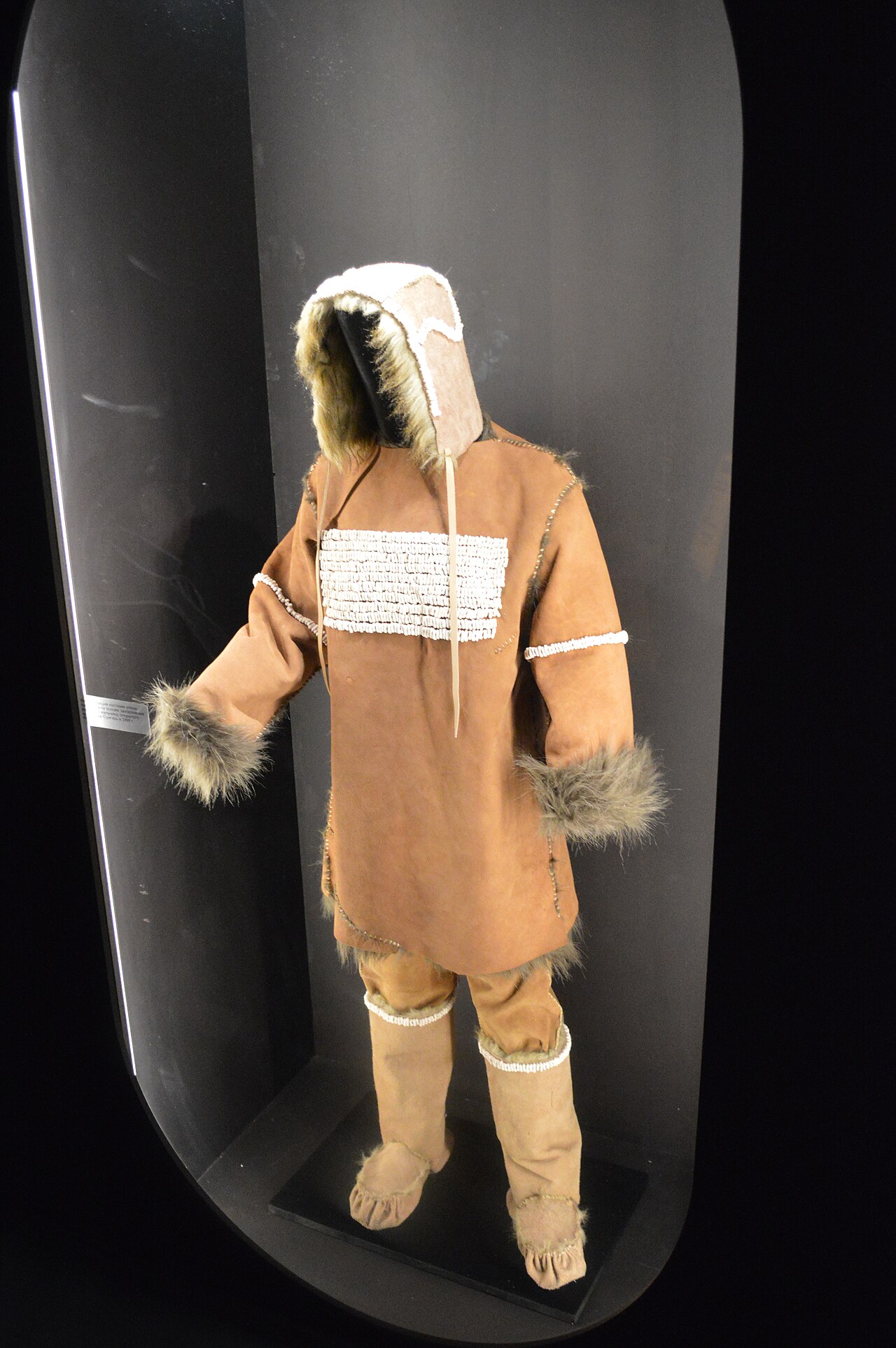
Because the beads at Sungir were found in patterns following the outlines of the bodies, they offer a rare chance to reconstruct the clothing of Ice Age people. The arrangement of the beads suggests that they were sewn onto garments, hats, and footwear, allowing researchers to imagine the fitted, tailored clothing that the dead were dressed in for burial, and by extension the kind of clothing worn in life.
This evidence is invaluable, for clothing almost never survives from the Paleolithic, having decayed long ago. The beads at Sungir act as a kind of ghostly outline of vanished garments, tracing caps, jackets, trousers, and shoes across the bodies. From these patterns, scholars have proposed reconstructions of Ice Age dress that reveal a surprising sophistication in how these people clothed themselves against the cold.
The picture that emerges is of a people who dressed with both practicality and artistry, their garments not only warm but richly adorned. The tailored, beaded clothing of Sungir speaks of a culture in which appearance, identity, and perhaps status were expressed through dress, adding yet another dimension to our understanding of these remarkable Ice Age hunters and the world they inhabited.
These reconstructions of Ice Age dress have captured the public imagination, offering a rare, vivid glimpse of how people actually looked tens of thousands of years ago. Rather than vague notions of fur-clad cave dwellers, the beaded garments of Sungir suggest fitted, decorated clothing of real sophistication, transforming our mental image of the Paleolithic and bringing its people strikingly to life.
Sungir in the Ice Age World
Sungir belongs to a wider world of Upper Paleolithic Europe, a time when modern humans across the continent were producing art, ornaments, and elaborate burials. Sites from western Europe to Siberia have yielded figurines, decorated objects, and rich graves, revealing a shared flourishing of symbolic culture. Sungir stands among the most spectacular expressions of this Ice Age creativity.
Placing Sungir in this broader context helps us see it not as an isolated marvel but as part of a continent-wide phenomenon. The people who created its graves were connected, through shared traditions and perhaps through contact, to other communities scattered across the vast Ice Age landscape. The impulse toward art, adornment, and ritual that Sungir embodies was one shared by modern humans across their expanding world.
At the same time, the exceptional richness of Sungir sets it apart even within this creative age. Few sites anywhere match the wealth of its burials or the scale of its bead production. Sungir thus occupies a special place, both representative of the symbolic explosion of the Upper Paleolithic and extraordinary in the degree to which it expressed that culture, a peak of Ice Age achievement on the Russian plain.
Comparisons with other rich Upper Paleolithic sites across Eurasia help place Sungir’s achievements in perspective, revealing both the shared traditions of the age and the singular heights that Sungir attained. In this dialogue between sites, the full significance of the Russian find comes into focus, as one of the crowning expressions of a creative flowering that spanned a continent.
Nearby in Russia’s Ancient Story
- Where the First Modern Europeans Built Houses From Mammoth Bones: The Story of Kostenki
- The Siberian Child Whose DNA Rewrote the Peopling of the Americas: The Story of Mal’ta
- The Siberian Cave Where a Finger Bone Revealed a Lost Human Species: The Story of Denisova Cave
Beads Across Thirty Thousand Years
Sungir endures as one of the most extraordinary discoveries in all of Ice Age archaeology, a place where the wealth and depth of ancient human culture were revealed in the most moving of forms. Its lavishly adorned graves, above all the burial of the two children, have forever changed how we understand the people of the Upper Paleolithic.
In the tens of thousands of ivory beads scattered through its graves, Sungir preserves the labor, love, and belief of a people thirty thousand years gone. The site reminds us that the human capacity for art, ritual, and meaning runs as deep as our species itself, and that even at the frozen edge of the Ice Age world, our ancestors honored their dead with treasures beyond imagining.
You May Like

Mafra, the Palace a King Built From a Vow