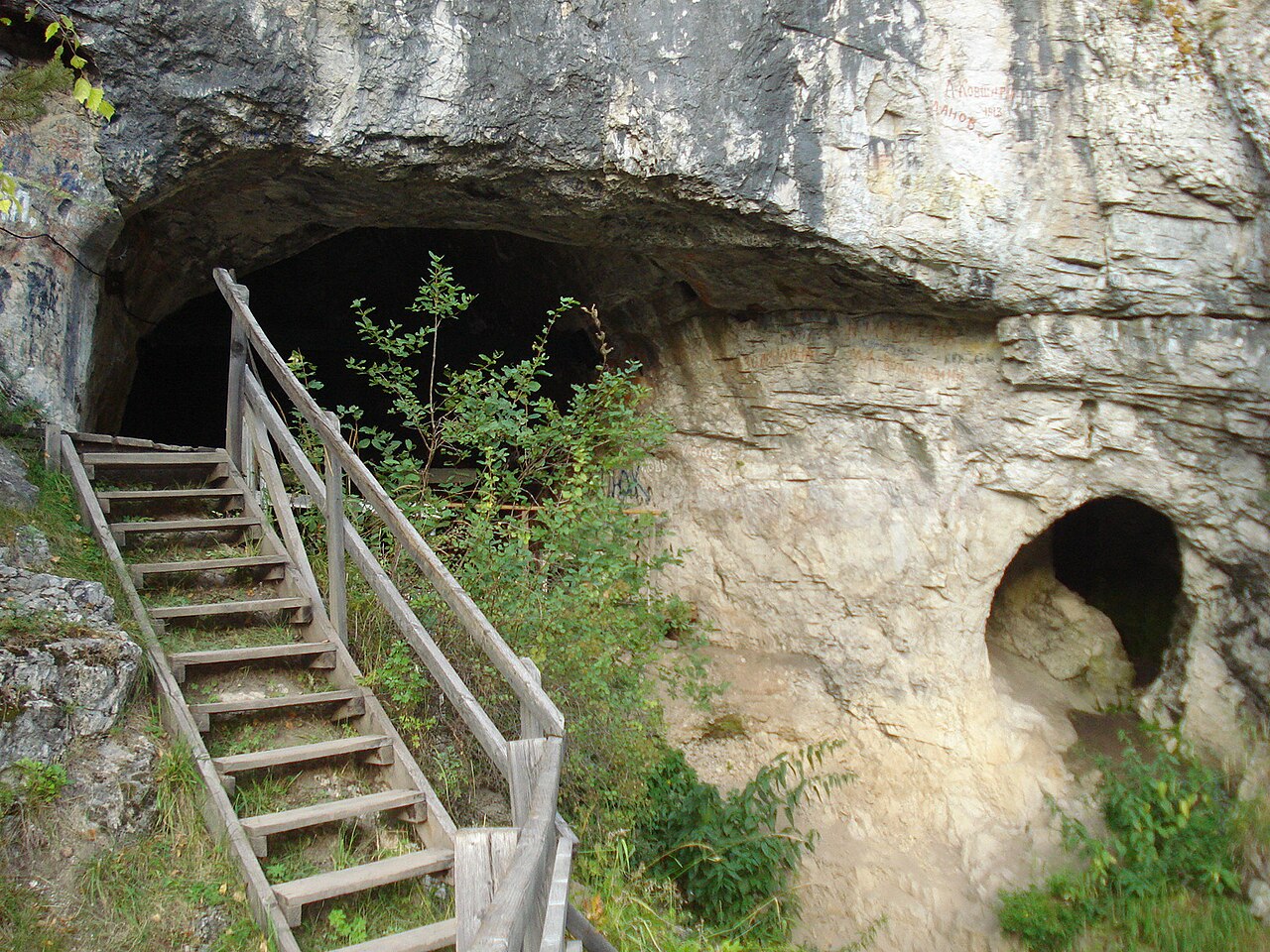
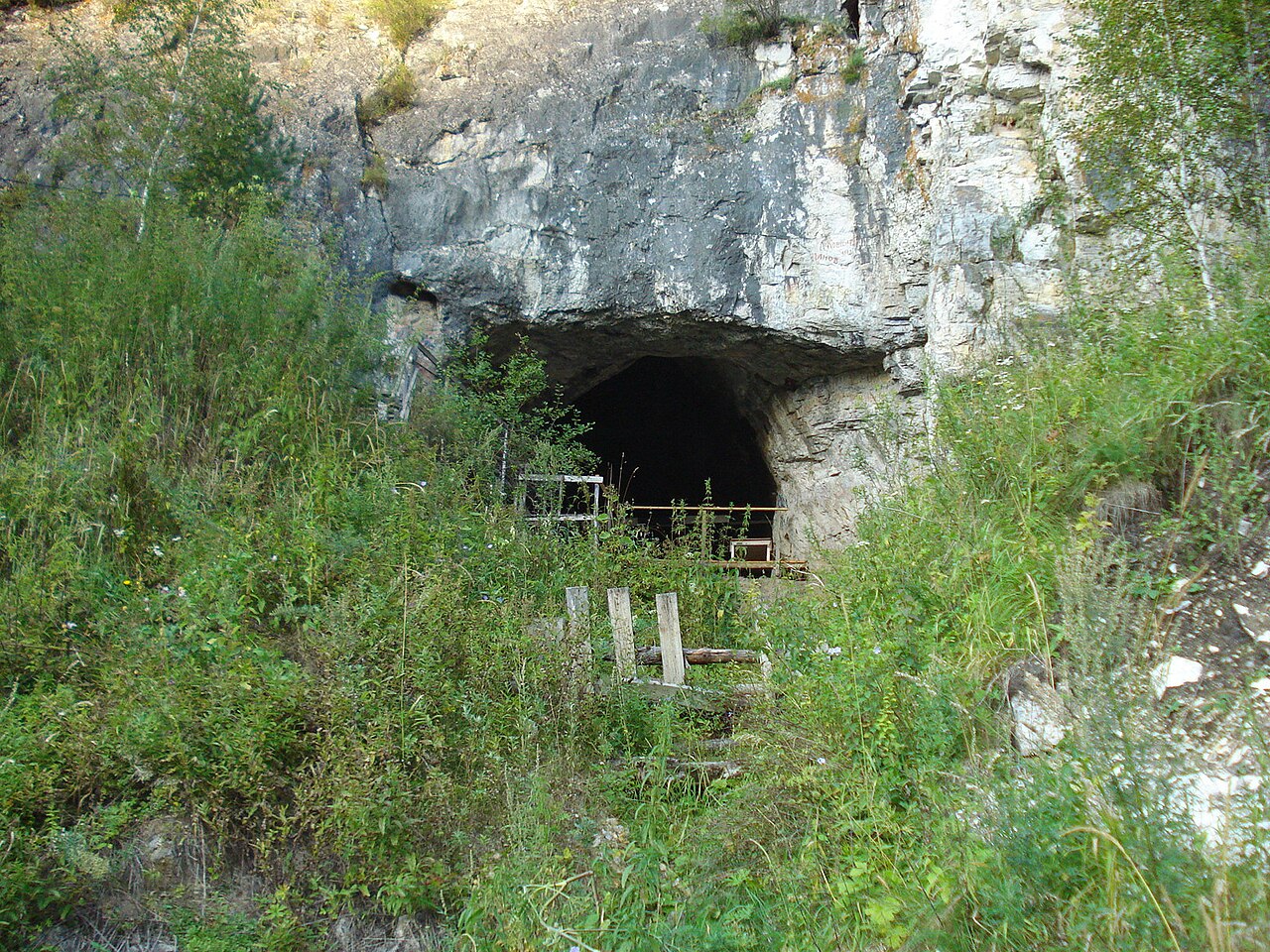
High in the Altai Mountains of southern Siberia, where Russia meets the borders of Kazakhstan, Mongolia, and China, a modest cave above a mountain river has rewritten the story of human origins. Denisova Cave looks unremarkable from the outside, a dark opening in a limestone cliff, yet within its cool depths archaeologists made one of the most astonishing discoveries in the history of science. From a tiny fragment of a finger bone, researchers identified an entirely new kind of ancient human, a previously unknown branch of the human family now called the Denisovans. This single cave has preserved evidence of not one but at least three kinds of humans, Neanderthals, Denisovans, and our own species, who lived there across tens of thousands of years, sometimes overlapping and even interbreeding. Denisova Cave is a place where the deep, tangled roots of humanity have been revealed as never before.
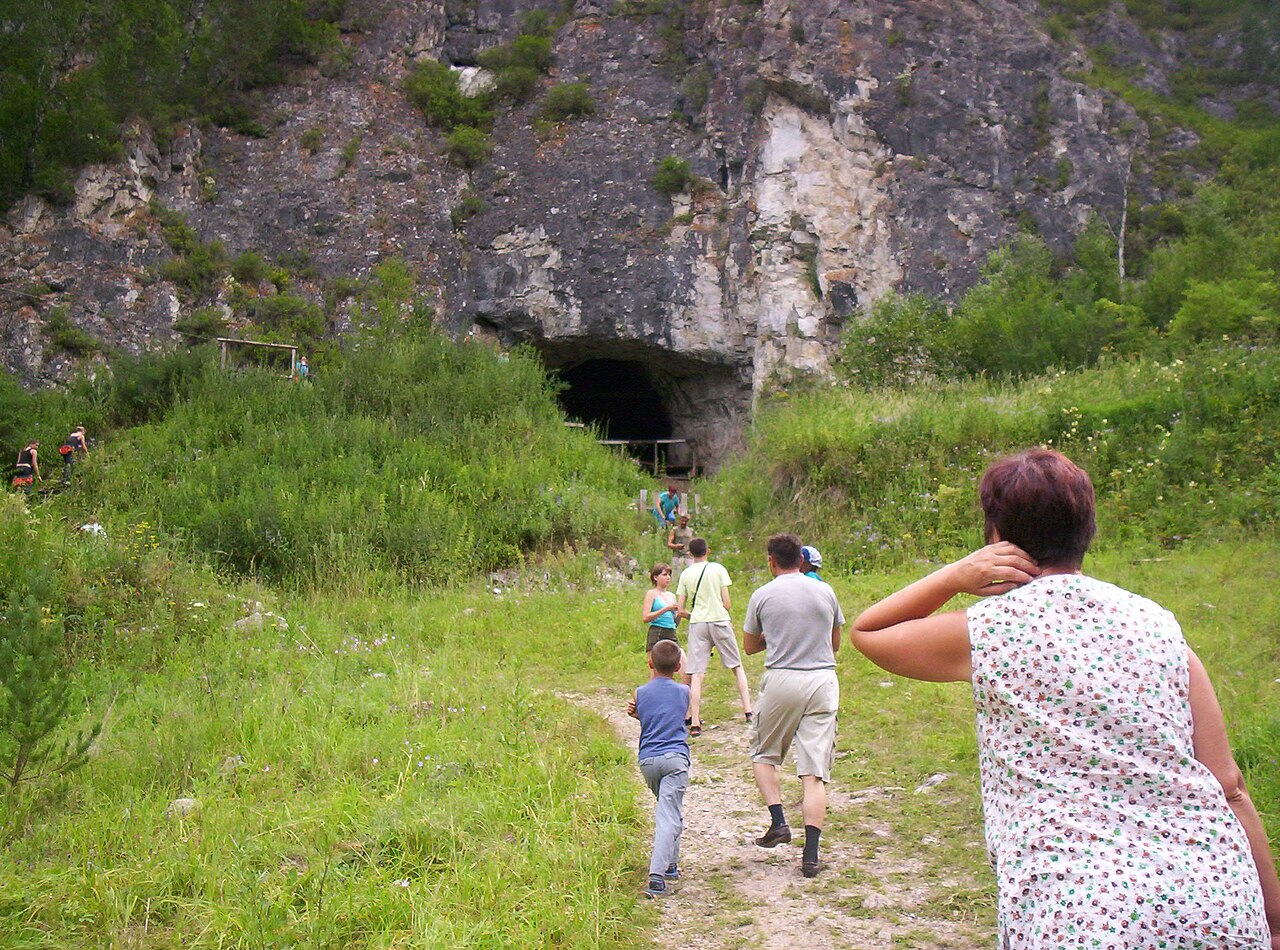
Table of Contents
- A Cave in the Altai
- The Finger Bone That Changed Everything
- Who Were the Denisovans?
- A Meeting Place of Human Kinds
- The Power of Ancient DNA
- Traces of Daily Life
- Reading the Deep Sediments
- The Denisovans Among Us
- Why Denisova Cave Matters
- The Cave That Rewrote Our Story
- A Crossroads of Ancient Asia
- The Child of Two Peoples
- Signs of a Symbolic Mind
- A Site Still Yielding Secrets
- Nearby in Russia’s Ancient Story
- A New Branch of Humanity
A Cave in the Altai
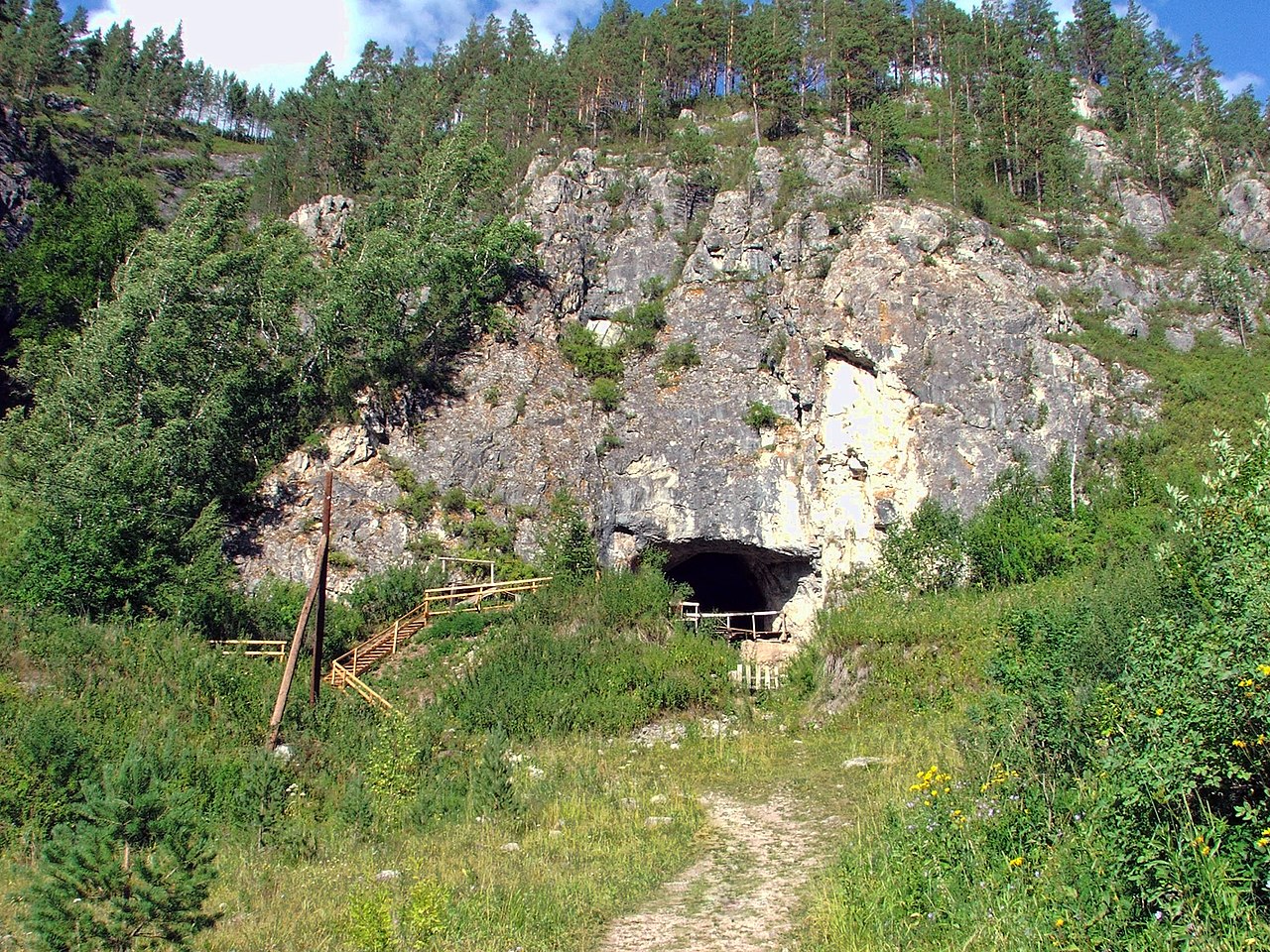
Denisova Cave sits in the Altai Mountains, a region of rugged peaks, forests, and rivers in southern Siberia. The cave itself opens in a limestone cliff above a river valley, and its interior has provided shelter to living things, including humans and their ancestors, for an immense span of time. Its layers of sediment preserve a record of occupation reaching back hundreds of thousands of years.
The cave takes its name, according to local tradition, from a hermit said to have lived there in more recent centuries. But its true fame comes from a past far deeper than any hermit. Within its sediments lie the traces of ancient humans who sheltered here across the ages, and it is these traces, some of them almost invisibly small, that have made Denisova Cave one of the most important archaeological and scientific sites on earth.
The unassuming appearance of Denisova Cave belies its monumental scientific importance, a reminder that the greatest discoveries do not always come from the most imposing places. To the casual observer it is simply a hole in a cliff, yet within its cool chambers lies one of the richest records of ancient human presence anywhere on the planet, a treasure hidden in plain sight in the Siberian mountains.
Set amid the striking scenery of the Altai, the cave has also become a place of pilgrimage for those fascinated by human origins, its name known far beyond the world of specialists. Yet its outward modesty endures, a reminder that the doorway to some of the greatest discoveries about ourselves is a simple opening in a Siberian cliff, easy to pass without a second glance.
The Finger Bone That Changed Everything
The discovery that made Denisova Cave world-famous began with a tiny object: a small fragment of a finger bone, belonging to a young individual, recovered from the cave’s sediments. To the eye it was unremarkable, but when scientists analyzed the ancient DNA preserved within it, they were astonished. The genetic signature did not match modern humans, nor Neanderthals, but revealed a previously unknown kind of ancient human.
This new group was named the Denisovans, after the cave where their existence was first revealed. The identification of an entire branch of the human family from a single scrap of bone, through the analysis of ancient DNA, was a landmark achievement, showcasing the extraordinary power of modern genetic science. From that fragment of finger bone emerged a whole new chapter in the story of human evolution, one that no one had anticipated.
The story of how so much was learned from so little has become emblematic of a new era in the study of human origins. Where once researchers depended on rare, well-preserved skeletons, now a single tiny fragment, read through its DNA, can reveal the existence of an entire people. The finger bone from Denisova Cave stands as the defining symbol of this transformation in what science can achieve.
Who Were the Denisovans?
The Denisovans were a distinct group of ancient humans, relatives of the Neanderthals, who lived across parts of Asia. For a long time they were known almost entirely from their DNA and a handful of tiny fossil fragments, making them one of the most mysterious members of the human family. Unlike the Neanderthals, whose skeletons are relatively well known, the Denisovans remained largely faceless, defined by their genes.
Yet their genetic legacy proved to be surprisingly widespread. Studies revealed that Denisovan DNA lives on in many present-day human populations, particularly in parts of Asia and Oceania, showing that Denisovans interbred with the ancestors of modern humans. Though the group itself vanished long ago, a part of them survives in the genomes of millions of people today, a living echo of an ancient encounter first uncovered in a Siberian cave.
The mystery surrounding the physical appearance of the Denisovans long added to their allure, as researchers worked to reconstruct what they might have looked like from scant fossil evidence and genetic clues. Piecing together the portrait of a people known chiefly from their DNA has been one of the great challenges and fascinations of the Denisovan story, a puzzle assembled from the faintest of traces.
Every new fossil fragment attributed to the Denisovans, however small, is therefore treasured, gradually filling in the portrait of this elusive people. From teeth to bone fragments to genetic data, each piece adds to a slowly emerging picture, and the anticipation of further finds keeps Denisova Cave at the center of the quest to know these mysterious relatives of ours more fully.
A Meeting Place of Human Kinds
Perhaps the most remarkable thing about Denisova Cave is that it preserves evidence of multiple kinds of humans. Across its long history, the cave was occupied at different times by Denisovans, by Neanderthals, and by modern humans. This makes it a unique place where at least three branches of the human family are known to have lived, one of the very few sites on earth that can make such a claim.
Even more astonishingly, the cave has yielded direct evidence of interbreeding between these groups. A fossil fragment was found belonging to an individual whose mother was a Neanderthal and whose father was a Denisovan, a first-generation offspring of two different kinds of ancient humans. Such a discovery, capturing the very moment of mixing between human groups, is unprecedented, and it makes Denisova Cave a place of extraordinary significance for understanding how the branches of humanity came together.
The realization that a single cave had sheltered three kinds of humans over time captured imaginations around the world. It made Denisova Cave a symbol of the deep, shared, and interwoven history of the human family, a place where the paths of different human groups converged in one location across the ages. Few sites so powerfully illustrate the tangled nature of our origins.
The coexistence of different human kinds at Denisova Cave, spread across the long ages of its occupation, also prompts profound reflection on what it means to be human. In an era when only one kind of human remains, the cave reminds us that this was not always so, and that our species once shared the earth with others. That knowledge, drawn from the Altai, casts our own existence in a new and thought-provoking light.
The Power of Ancient DNA
The revelations of Denisova Cave were made possible by the science of ancient DNA, which allows researchers to recover and read genetic material preserved in old bones and even in sediments. This technology has transformed the study of human origins, and Denisova Cave stands as one of its greatest triumphs, the place where an entire new human group was identified through genetics alone.
The ability to extract DNA not just from fossils but from the very dirt of the cave floor has further expanded what can be learned, allowing scientists to detect the presence of ancient humans even where no bones survive. Denisova Cave has been at the cutting edge of these developments, a natural laboratory where the newest scientific methods have unlocked secrets of the deep past that would have been utterly beyond reach only a short time ago.
The pioneering work at Denisova Cave helped establish ancient DNA as one of the most transformative tools in all of archaeology and human evolution studies. The techniques refined and celebrated here have since been applied around the world, but Denisova remains the site where their revolutionary potential was most dramatically demonstrated, forever linking the cave to the rise of a new scientific era.
The extraction of genetic material from the sediments of the cave floor, even in the absence of bones, represents a particularly stunning advance, allowing the ghostly presence of ancient humans to be detected in the very dirt they once walked upon. This technique, showcased so powerfully at Denisova, points toward a future in which the reach of ancient DNA science may extend further still.
Traces of Daily Life
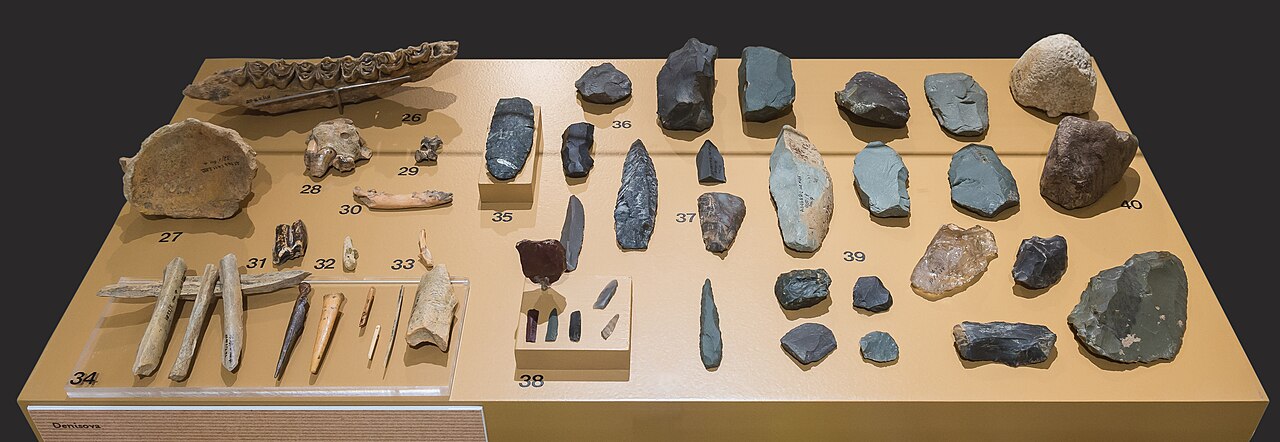
Beyond the sensational genetic discoveries, Denisova Cave has yielded a rich array of ordinary archaeological finds that illuminate the daily lives of its ancient inhabitants. Stone tools, animal bones, and other objects record the activities of the humans who sheltered here, hunting, working materials, and surviving in the mountainous Siberian landscape across the ages.
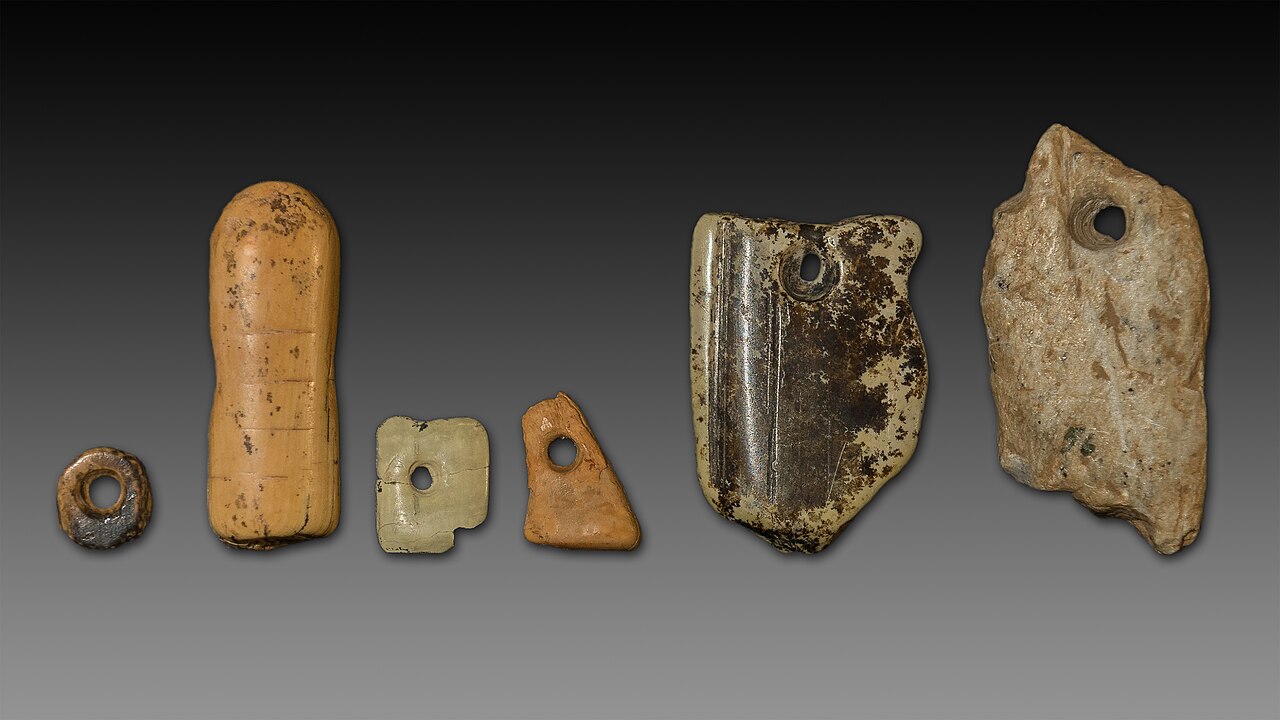
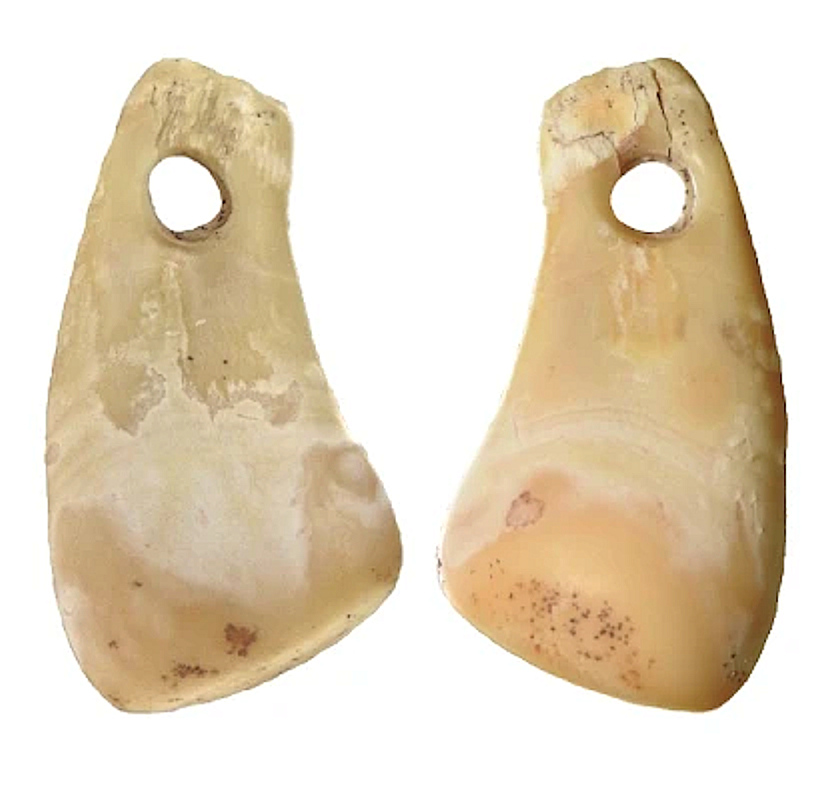
Among the finds are objects of surprising sophistication, including ornaments and worked items that speak to the capabilities and perhaps the symbolic lives of the cave’s occupants. These artifacts add a human dimension to the genetic story, reminding us that the Denisovans and their contemporaries were not merely abstract entries in the family tree but living people who made tools, adorned themselves, and left the traces of their existence in the cave’s layered floor.
The everyday artifacts recovered from the cave provide an essential counterpoint to the headline-grabbing genetic discoveries, grounding the story in the tangible reality of ancient lives. Through these stone tools and worked objects, we encounter the ancient humans of Denisova not as abstractions but as skilled beings who shaped their world, adding flesh and substance to the picture drawn from their genes.
Reading the Deep Sediments
The sediments of Denisova Cave are like an immense archive, layer upon layer of deposits accumulated over hundreds of thousands of years. By carefully excavating and dating these layers, scientists can trace the changing occupation of the cave through vast stretches of time, identifying when Denisovans, Neanderthals, and modern humans were present and how conditions shifted across the ages.
This deep stratigraphy is essential to the cave’s scientific value. It allows researchers to place their discoveries in a precise chronological framework, reconstructing the long and complex history of human presence at the site. Few places anywhere offer such a continuous and detailed record spanning so many kinds of humans and so vast a period of time. In the deep sediments of Denisova Cave, the intertwined history of the human family lies preserved, awaiting careful reading.
The painstaking work of dating these sediments and correlating them with the finds they contain is a scientific achievement in its own right. Only through this careful reconstruction of the cave’s chronology can the discoveries be given their full meaning, allowing researchers to build a coherent narrative of who was present when. The deep layers of Denisova Cave are thus not just an archive but a finely calibrated clock of the human past.
As excavation reaches ever deeper into these sediments, the record they preserve stretches further back in time, extending the story of human presence at the cave across an almost unimaginable span. This profound depth is part of what makes Denisova Cave so exceptional, offering researchers a rare continuous window onto the long, entangled history of the human family in one remarkable place.
The Denisovans Among Us
One of the most extraordinary aspects of the Denisovan story is that these ancient people are not entirely gone. Their DNA persists in modern human populations, especially in Asia, the Pacific, and among Indigenous peoples of Oceania, where Denisovan ancestry can form a notable part of the genome. Some of this inherited DNA appears to have had real consequences, including adaptations that helped modern humans thrive in challenging environments.
This living legacy transforms the Denisovans from a lost curiosity into a part of the human story that continues to the present day. When ancient humans met and mingled, they left traces in the generations that followed, and those traces endure in the bodies of people alive now. Denisova Cave, then, is not merely a window onto a vanished past but a link to the deep ancestry that many people carry within them, a heritage first uncovered in the Altai.
The discovery that Denisovan ancestry conferred real biological advantages on some modern populations adds a fascinating twist to the story. Genetic legacies inherited from these ancient encounters may have helped human groups adapt to their environments, meaning that the long-vanished Denisovans continue, in a sense, to shape the lives of people today. Their influence reaches from the deep past into the living present.
For the many people who carry Denisovan DNA today, the discoveries at the cave offer a tangible connection to the deep past, a sense that the ancient encounters revealed there are woven into their own ancestry. This personal dimension gives the science of Denisova Cave a resonance beyond the laboratory, linking the abstract findings of researchers to the lived heritage of millions.
Why Denisova Cave Matters
Denisova Cave matters because it revealed that the human family was far more diverse and interconnected than we had realized. The discovery of the Denisovans, the evidence of multiple human kinds sharing the same cave, and the proof of interbreeding between them have reshaped the entire picture of human origins. The old image of a simple, linear human evolution has given way to a tangled, branching story, and Denisova Cave is at its heart.
The site also stands as a monument to the power of modern science, demonstrating how much can be learned from the smallest of remains. From a fragment of finger bone, an entire branch of humanity was brought to light. For understanding who we are, where we came from, and how the different kinds of humans related to one another, few places on earth are as important as this modest cave in the Siberian mountains.
By overturning the notion of a simple, linear human evolution, Denisova Cave has reshaped how the entire subject is understood and taught. The tangled, branching picture that has emerged, of multiple human kinds meeting and mingling, is now central to the story of our origins, and it is a picture drawn in large part from the discoveries made in this single Siberian cave.
For all its global importance, Denisova Cave is also a source of national pride and scientific distinction for Russia, whose researchers have played a central role in its investigation. The site stands as a jewel of the country’s rich prehistoric heritage, and its discoveries have placed the Altai firmly on the map of the most important locations in the entire study of human evolution.
The Cave That Rewrote Our Story
The legacy of Denisova Cave is nothing less than a transformation of the human origins story. From its depths came the knowledge that our species once shared the world with other kinds of humans, that we met and mingled with them, and that their legacy lives on within us. The cave has expanded the human family tree and revealed the deep, complex roots from which we all descend.
To contemplate Denisova Cave is to confront the astonishing richness of the human past, a past in which multiple kinds of people walked the earth together. In this quiet cave in the Altai, science has uncovered truths that touch every human being alive, illuminating the tangled ancestry we all share. Denisova Cave stands as one of the great scientific landmarks of our age, the place where the story of humanity was rewritten from a fragment of ancient bone.
In rewriting the story of our origins, Denisova Cave has given humanity a richer and more humbling sense of itself, revealing a past far more crowded and interconnected than we had supposed. Its discoveries stand among the most important of our time, and its quiet chambers in the Altai will long be remembered as the place where the modern understanding of human origins was profoundly and permanently transformed.
A Crossroads of Ancient Asia
The Altai region, where Denisova Cave lies, is a natural crossroads at the heart of Asia, where the mountain systems and steppes of the continent converge. For hundreds of thousands of years, this position made the Altai a place where different populations of ancient humans could meet, moving through the valleys and sheltering in caves like Denisova. The geography helps explain why so many kinds of humans left their mark here.
The mountainous landscape, with its rivers, forests, and abundant game, offered rich resources to those who could master it, while its caves provided natural shelter from the harsh Siberian climate. Denisova Cave, well situated above a river valley, was an especially attractive refuge, and its repeated occupation across the ages reflects the enduring appeal of the spot to successive groups of ancient humans.
As a meeting ground of populations, the Altai was ideally placed to become the setting for the encounters between human kinds that Denisova Cave has revealed. Here, on the crossroads of ancient Asia, Neanderthals from the west and Denisovans of the east could come together, and later modern humans would arrive as well. The cave’s discoveries are, in a sense, a product of this unique geographic position at the heart of the continent.
The role of the Altai as a meeting ground of populations also makes it a region of enduring interest for researchers seeking to understand the movements and interactions of ancient humans across Asia. Denisova Cave, at the heart of this crossroads, offers an unrivaled vantage point onto those ancient comings and goings, a fixed record of a place through which many peoples passed over the vast span of prehistory.
The Child of Two Peoples
Among the most extraordinary discoveries at Denisova Cave was a bone fragment belonging to a girl who was, quite literally, the child of two different kinds of humans. Genetic analysis revealed that her mother was a Neanderthal and her father a Denisovan, making her a first-generation hybrid of two distinct human groups. Nothing quite like it had ever been found before.
This discovery was staggering in its implications. It captured, in a single individual, the very moment of mixing between two branches of humanity, proving beyond doubt that these groups not only coexisted but had children together. The girl of Denisova Cave is a unique window onto the intimate encounters between human kinds, a living link, preserved in a scrap of bone, between the Neanderthal and Denisovan worlds.
That such an individual should be found at all is a testament to the extraordinary richness of Denisova Cave and the power of the science applied to it. The child of two peoples embodies the central lesson of the site: that the boundaries between kinds of ancient humans were not walls but thresholds, crossed through contact and mingling. In her, the tangled unity of the human family is made vividly, movingly real.
The girl of Denisova Cave has become one of the most celebrated individuals in the study of human evolution, her unique parentage encapsulating in a single life the central themes of the entire field. Through her, the abstract fact of interbreeding between human kinds is given a human face, transforming a genetic statistic into the poignant reality of a child born of two vanished peoples.
Signs of a Symbolic Mind
Among the finds from Denisova Cave are objects that hint at the symbolic and aesthetic lives of its ancient inhabitants, including ornaments and finely worked items. Such objects are significant because they suggest capacities for art, decoration, and symbolic thought, capacities once assumed to be unique to modern humans, appearing in the deep layers of the cave.
The presence of these items has fueled fascinating debates about who made them and what they mean. If crafted by Denisovans or other ancient humans, they would suggest that the roots of symbolic behavior run deeper and wider across the human family than long believed. Denisova Cave thus contributes not only to questions of genetics and evolution but to the profound question of the origins of the human mind.
Whatever the final answers, these traces of a symbolic sensibility add a rich dimension to the story of the cave. They remind us that the ancient humans who sheltered here were not merely biological entities but beings with inner lives, capable perhaps of adornment, meaning, and creativity. In the small worked objects of Denisova Cave, we may be glimpsing the deep origins of the symbolic mind itself.
The question of who crafted the more sophisticated objects found in the cave remains a subject of active investigation and lively debate. Resolving it could have profound implications for our understanding of the cognitive capacities of the Denisovans and other ancient humans, potentially pushing the origins of symbolic thought further back and wider across the human family than previously imagined.
A Site Still Yielding Secrets
Denisova Cave remains an active site of research, and its capacity to surprise is far from exhausted. As excavation continues and scientific methods grow ever more powerful, new discoveries emerge, refining and expanding our understanding of the ancient humans who lived here. Each season of work holds the potential for revelations that could further reshape the story of human origins.
The development of techniques such as the extraction of ancient DNA from cave sediments means that even where no bones are found, the presence of ancient humans can sometimes be detected. This opens vast new possibilities for learning about the occupants of the cave, and Denisova continues to serve as a proving ground for the most advanced methods in the field, at the frontier of what science can recover from the past.
As a result, the story of Denisova Cave is still being written. What has already been learned, the identification of the Denisovans, the evidence of multiple human kinds, the proof of interbreeding, is remarkable enough, yet it may represent only the beginning. The cave stands as an ongoing source of discovery, promising to deepen our understanding of humanity’s origins for years to come.
With each passing year, the tools available to researchers grow sharper, and the questions they can ask of the cave grow bolder. Denisova Cave, having already transformed our understanding of human origins, seems poised to keep contributing to that understanding well into the future, a site whose scientific value only deepens as the methods used to study it advance.
Nearby in Russia’s Ancient Story
- The Siberian Child Whose DNA Rewrote the Peopling of the Americas: The Story of Mal’ta
- The Ice Age Children Buried With Thirty Thousand Ivory Beads: The Story of Sungir
- Where the First Modern Europeans Built Houses From Mammoth Bones: The Story of Kostenki
A New Branch of Humanity
Denisova Cave endures as one of the most significant scientific sites in the world, the place where an entirely new kind of ancient human was revealed and where the deep, tangled story of the human family came to light. Its discoveries have forever changed how we understand our origins and our place among the branches of humanity.
In the sediments of this Siberian cave lies evidence that our species once shared the earth with others, met them, and carried their legacy forward into the present. Denisova Cave reminds us that the human story is richer and more interwoven than we ever imagined, and that even the smallest fragment of bone can open a doorway onto the vast and astonishing history of humankind.
You May Like
Mafra, the Palace a King Built From a Vow


One thought on “Denisova Cave: Where a Finger Bone Revealed a Lost Human Species”