West of the great Lake Baikal, in the cold heart of southern Siberia, lie the remains of an Ice Age settlement that has profoundly shaped our understanding of both ancient art and the deep ancestry of humankind. Mal’ta, together with the nearby related site of Buret, was home to hunter-gatherers who lived here roughly twenty-four thousand years ago, in the depths of the last Ice Age. They left behind exquisite carved figurines, among the finest examples of Ice Age art in all of northern Asia, and dwellings built partly from the bones of the great animals they hunted. But Mal’ta’s greatest fame came much later, when the ancient DNA of a young child buried at the site revealed a startling truth about the peopling of the Americas and the tangled ancestry of peoples across two continents. Mal’ta is a place where art, survival, and the deep genetic history of humanity all come together in the Siberian cold.
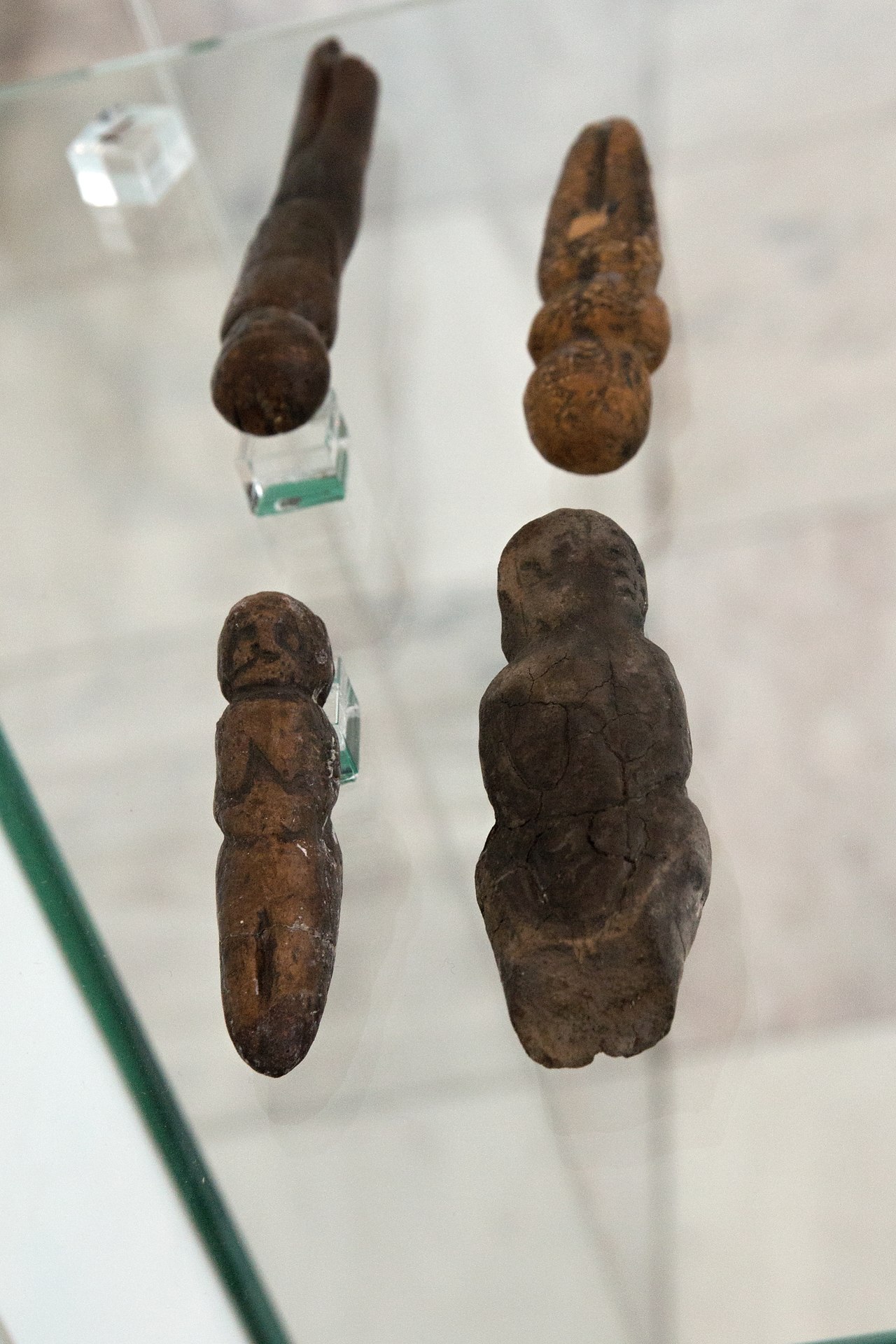
Table of Contents
- An Ice Age Home Near Baikal
- The Venuses of Siberia
- Carvings of Birds in Flight
- Shelters Against the Cold
- The Child Who Rewrote a Migration
- The Ancient North Eurasians
- Hunters and Artists of the Steppe
- Uncovering Mal’ta
- Why Mal’ta Matters
- Art and Ancestry in the Siberian Cold
- A Thread in a Continental Tradition
- The Toolkit of Survival
- Clues to the First Americans
- The World of the Mammoth Steppe
- Nearby in Russia’s Ancient Story
- Where Ivory and DNA Tell One Story
An Ice Age Home Near Baikal
The sites of Mal’ta and Buret lie in the region west of Lake Baikal, in southern Siberia, a land of harsh winters and open, game-rich country during the Ice Age. Here, around twenty-four thousand years ago, communities of hunter-gatherers established themselves, surviving the extreme cold by their skill, ingenuity, and deep knowledge of their environment. The settlement at Mal’ta is one of the most important Upper Paleolithic sites in all of Siberia.
Life this far north during the Ice Age demanded extraordinary adaptation. The people of Mal’ta hunted the animals of the frozen steppe, built sheltering dwellings against the cold, and developed a rich material and artistic culture. That humans thrived in such a place, so long ago, is a testament to the remarkable resilience of our species, and the traces they left at Mal’ta offer a vivid window onto life at the edge of the habitable Ice Age world.
The proximity of the sites to Lake Baikal, one of the oldest and deepest lakes on earth, adds a further dimension to their setting. This region has long been a significant area for human habitation, and the presence of a great lake would have influenced the local environment and resources available to the Ice Age inhabitants of Mal’ta and Buret, shaping the world in which they hunted and lived.
The Venuses of Siberia
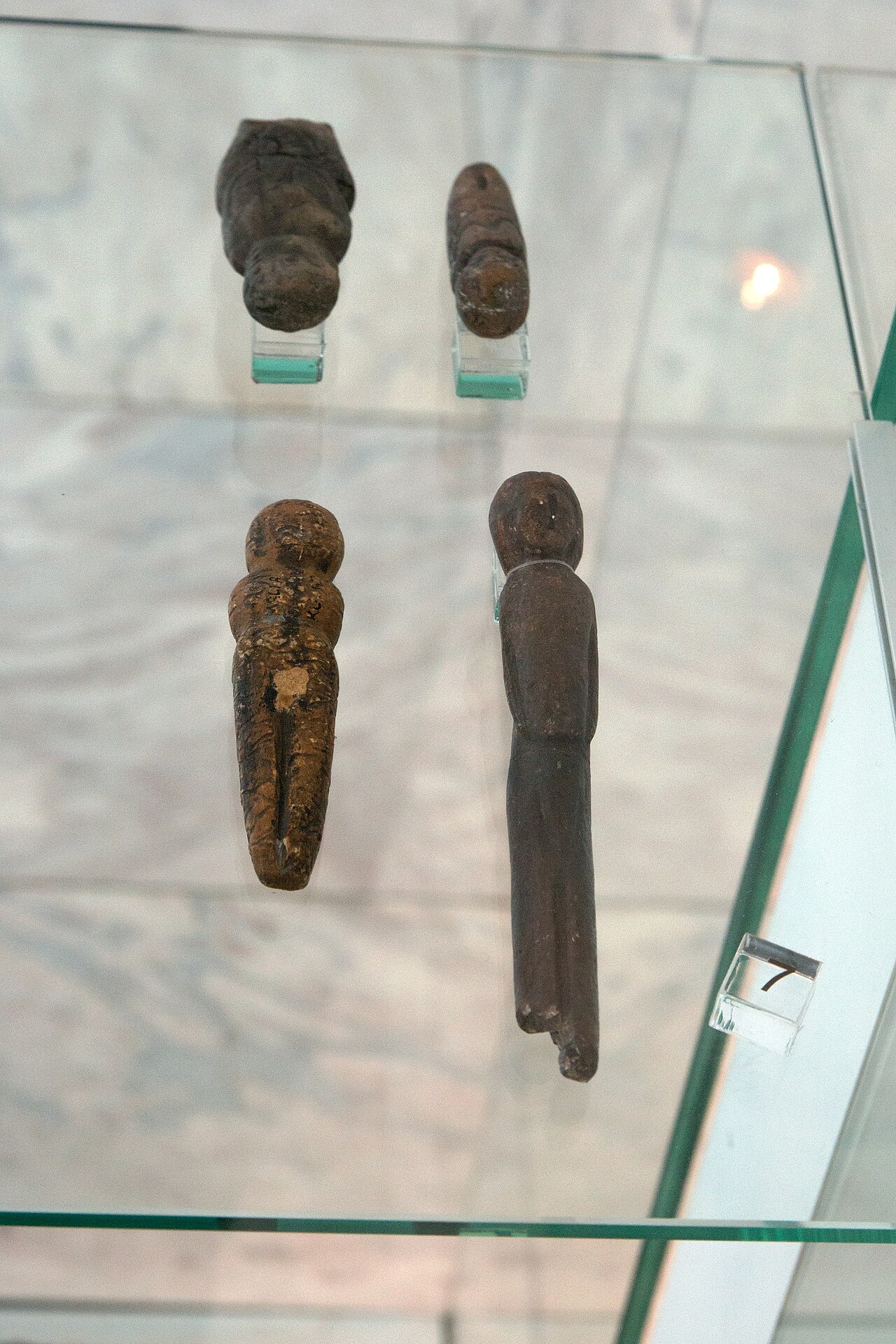
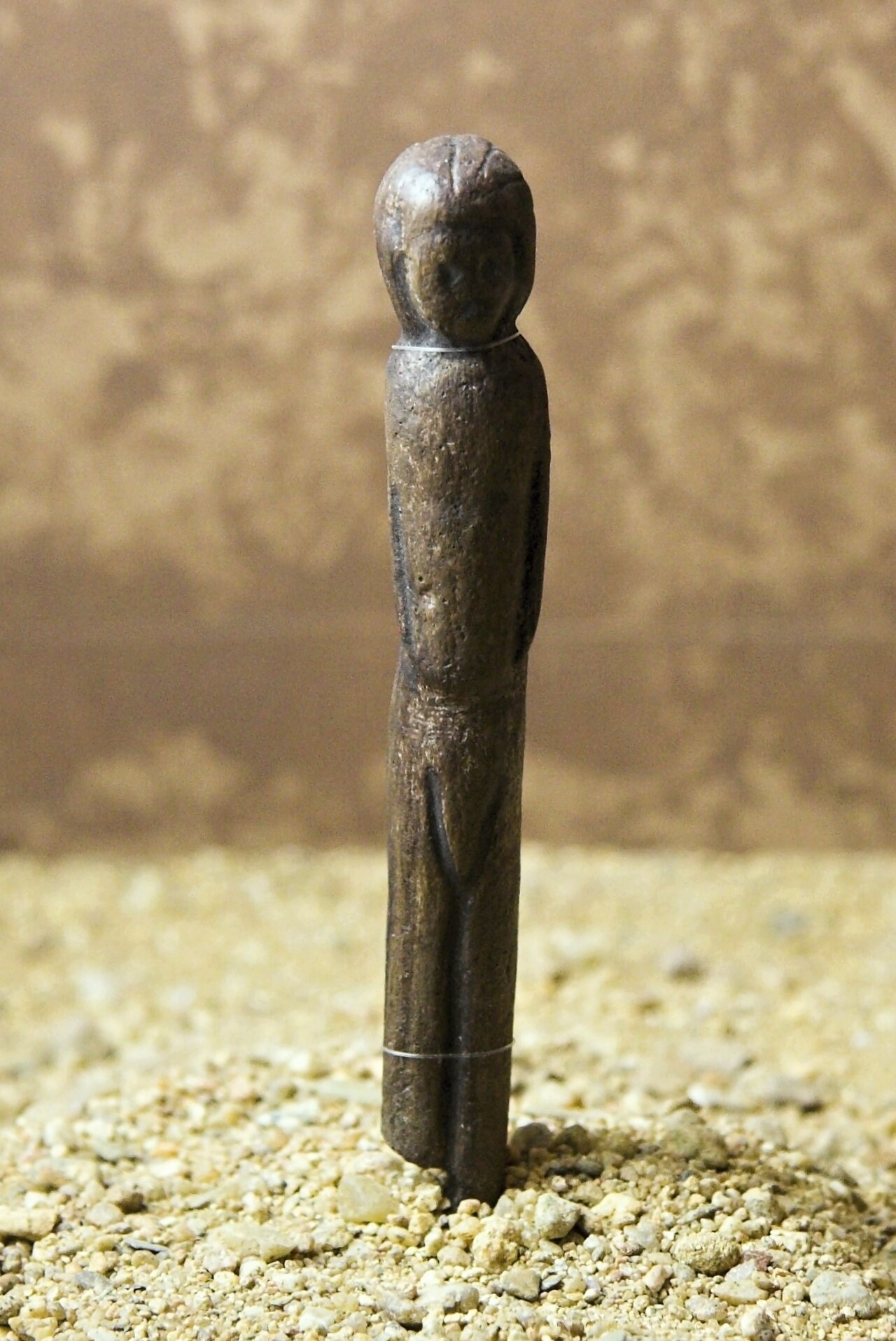
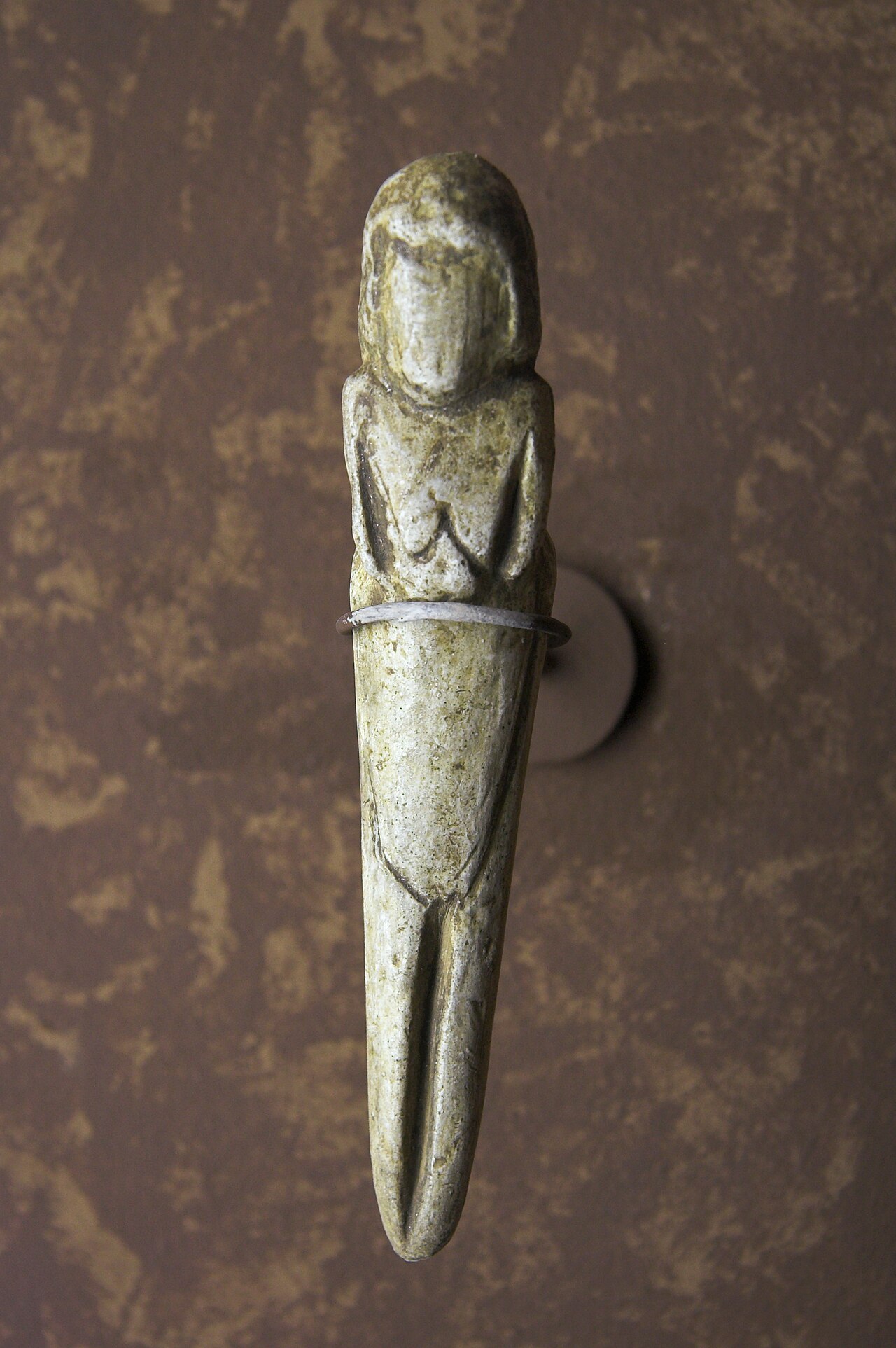
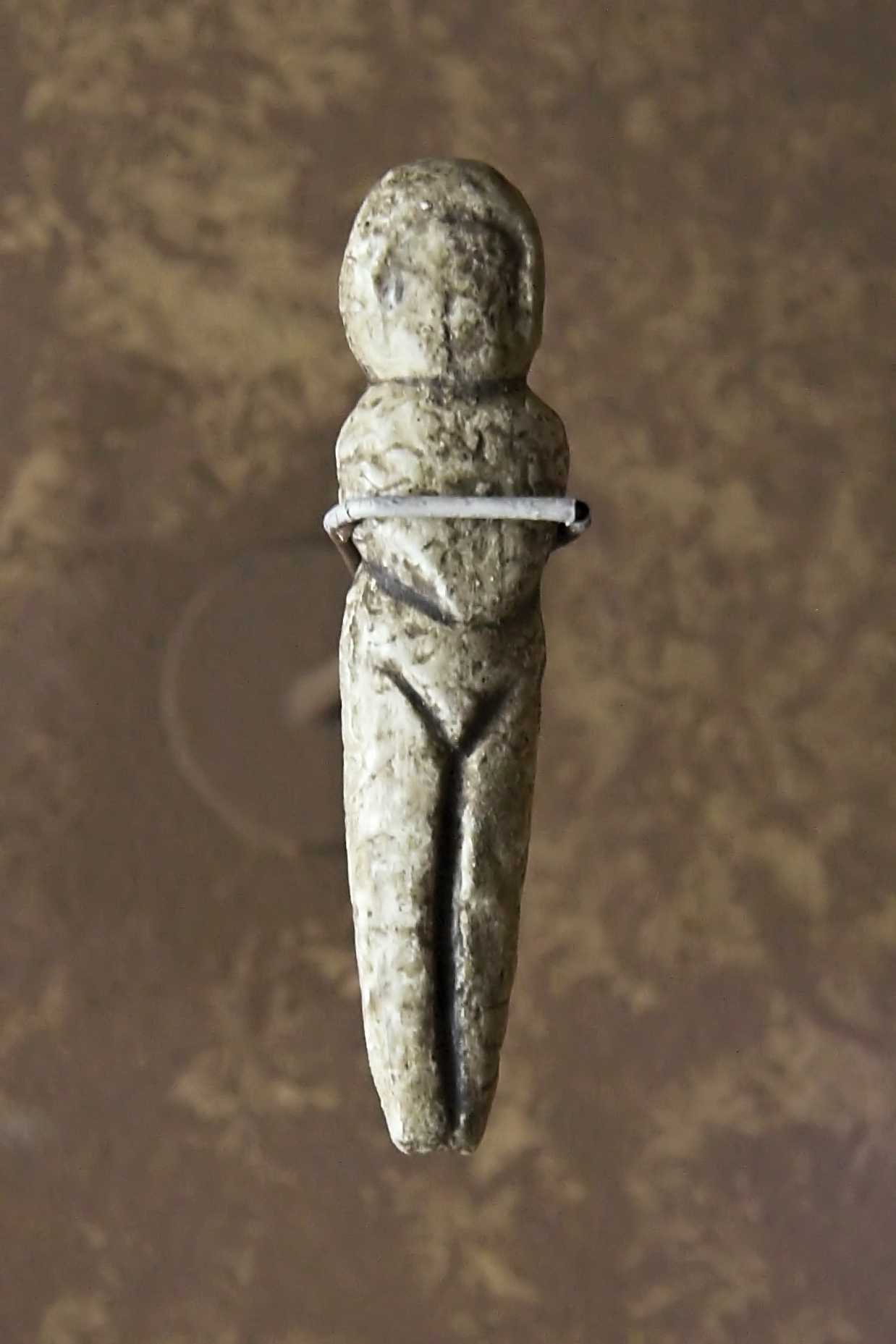
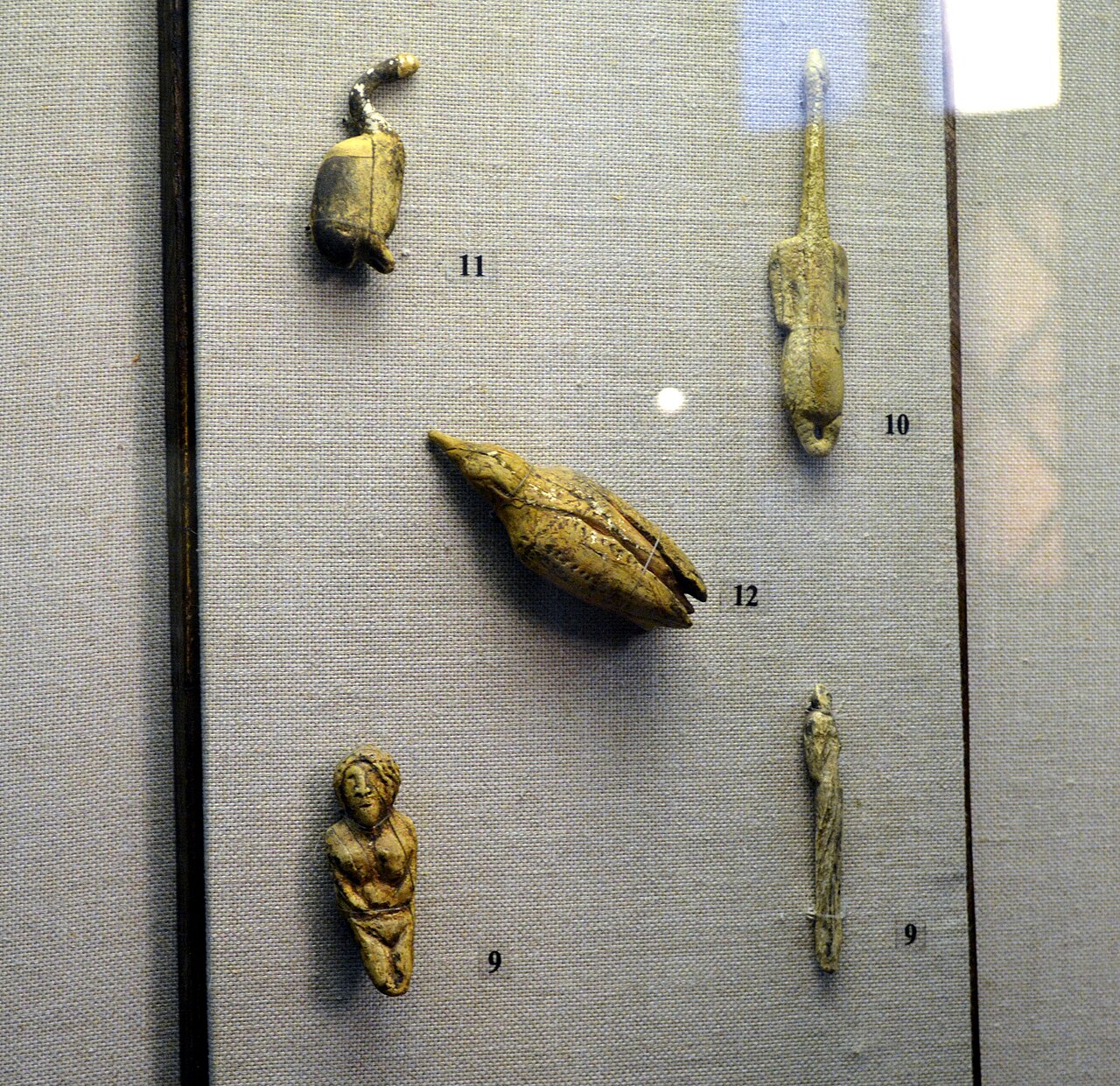
Mal’ta is celebrated above all for its art, especially its carved figurines. The site yielded a remarkable collection of small sculptures, including female figures of the type often called Venuses, carved from mammoth ivory. These figurines are among the finest examples of Ice Age art in northern Asia, and they connect Mal’ta to a great artistic tradition that stretched across Ice Age Eurasia, from western Europe deep into Siberia.
The Mal’ta figurines are distinctive in style, and they include not only female figures but also carvings of birds, particularly waterfowl, executed with striking skill. This body of art reveals a people with a rich symbolic and aesthetic life, capable of creating objects of beauty and meaning in the midst of a brutal struggle for survival. The Venuses and bird figurines of Mal’ta are treasures of Ice Age creativity, proof that art flourished even at the frozen limits of the human world.
The survival of these delicate ivory figurines across so many thousands of years is itself remarkable, a fortunate accident of preservation that has allowed us to appreciate the artistry of a distant people. Each figurine is a direct link to the hands and minds of Ice Age artists, a small masterpiece that carries across the millennia the aesthetic sensibility of the community that produced it.
Displayed today in museum collections, the Mal’ta figurines continue to captivate all who see them, admired both as works of art and as windows onto the Ice Age mind. They stand alongside the finest Paleolithic art from anywhere in the world, ensuring that this Siberian settlement holds a permanent place in the story of humanity’s earliest artistic achievements.
Carvings of Birds in Flight
Among the most distinctive artworks from Mal’ta are its carvings of birds. Fashioned from ivory, these figurines depict waterfowl such as swans, geese, or ducks, sometimes shown as if in flight. The presence of these bird carvings sets Mal’ta apart and hints at the special significance that birds, perhaps migratory ones, may have held in the beliefs and imagination of its Ice Age inhabitants.
The skill evident in these carvings is considerable, capturing the form and spirit of the birds in small, portable objects of ivory. Why the people of Mal’ta chose to depict birds so prominently we cannot know for certain, but the theme suggests a connection to the natural world and perhaps to ideas about the sky, migration, or the spirit. The bird figurines add a poetic dimension to the art of Mal’ta, evoking flight and freedom in the frozen Siberian landscape.
The recurring theme of birds in Mal’ta’s art may reflect the importance of migratory waterfowl in the lives and beliefs of its people. Such birds, appearing and vanishing with the seasons, could have carried powerful symbolic associations, perhaps linked to the cycles of the year, journeys, or the spirit world. In choosing to carve them, the artists of Mal’ta preserved a glimpse of their imaginative and perhaps spiritual concerns.
Shelters Against the Cold
To survive the ferocious cold of Ice Age Siberia, the people of Mal’ta built substantial dwellings, using the materials at hand. Like other communities of the mammoth steppe, they made use of large animal bones and tusks in constructing their shelters, creating frameworks that were likely covered with hides to keep out the wind and cold. These were sturdy, semi-permanent homes suited to a harsh and demanding environment.
The construction of such dwellings reflects the ingenuity and organization of the Mal’ta community. Building homes capable of withstanding the Siberian winter required planning, cooperation, and a deep understanding of available materials. The remains of these structures, uncovered by archaeologists, offer valuable insight into how Ice Age people made themselves at home in one of the coldest inhabited regions on earth, turning bone and hide into shelter against the elements.
The design of these Ice Age shelters, adapted to the extreme cold, reflects generations of accumulated knowledge about how to survive in the north. Every element, from the use of heavy bones as anchors to the covering of hides, served a purpose in the ceaseless battle against the cold. The dwellings of Mal’ta stand as monuments to human ingenuity, engineered homes that made an inhospitable land habitable.
The Child Who Rewrote a Migration
Mal’ta’s most momentous contribution to science came from the grave of a young child buried at the site around twenty-four thousand years ago. When scientists analyzed the ancient DNA preserved in the child’s remains, they made a discovery that reshaped the understanding of how the Americas were peopled. The genetic signature of this Siberian child, known to researchers as MA-1, held a surprising key to a distant continent.
The DNA revealed that this ancient Siberian population was related both to the ancestors of many present-day Europeans and to the Native peoples of the Americas. This finding helped explain long-standing puzzles about the ancestry of Indigenous Americans, showing that a significant portion of their heritage traces back to ancient North Eurasian populations like that of Mal’ta. From a single child’s remains in Siberia came a profound insight into the origins of the first Americans.
The burial of the child, with the care it implies, is itself a poignant reminder of the humanity of the Mal’ta people, who mourned and honored their dead just as we do. That this same grave would, thousands of years later, unlock secrets about the ancestry of entire continents is a striking testament to how the personal and the momentous can intertwine in the archaeological record.
The remains of the Mal’ta child have become among the most studied and celebrated in the field of ancient DNA, their significance reaching far beyond the individual young life they represent. Through them, a bridge was built between the Ice Age hunters of Siberia and the peoples of continents they never knew, a bridge revealed by the patient work of modern science.
The Ancient North Eurasians
The population represented by the Mal’ta child belongs to a group that scientists have come to call the Ancient North Eurasians, a people whose genetic legacy is spread widely across the modern world. Their DNA contributed to the ancestry of Native Americans, of many Europeans, and of other populations across northern Eurasia, making them one of the important ancestral components of humanity in these regions.
This discovery revealed connections between peoples that had not been fully understood before, linking ancient Siberia to both the Americas and Europe through a shared deep ancestry. The Ancient North Eurasians, glimpsed through the remains at Mal’ta, turn out to be a hidden thread woven through the genetic tapestry of much of the northern hemisphere. In this way, a small Ice Age settlement in Siberia proved to hold clues to the ancestry of peoples across two continents and more.
The concept of the Ancient North Eurasians has become an important tool for geneticists reconstructing the deep history of human populations. By identifying this ancestral group, researchers have been able to trace connections and movements across the northern world that were previously invisible, and Mal’ta, as a key representative of this population, occupies a central place in that ongoing reconstruction.
For many people today, the discovery of the Ancient North Eurasians offers a surprising connection to a deep and shared past, revealing unexpected links between populations once thought distinct. In this way the findings from Mal’ta touch not only academic understanding but the sense that peoples across the northern hemisphere are bound together by threads of ancestry reaching back to the Ice Age.
Hunters and Artists of the Steppe
The people of Mal’ta were hunter-gatherers who made their living from the animals and resources of the Ice Age steppe. They hunted mammoth, reindeer, and other game, using the meat for food, the hides for clothing and shelter, and the bones and ivory for tools, dwellings, and art. Theirs was a life of constant effort in a demanding land, sustained by skill, cooperation, and accumulated knowledge.
Yet, as their art reveals, the people of Mal’ta were far more than mere survivors. They were artists and craftworkers who invested time and skill in creating objects of beauty and meaning, from ivory Venuses to birds in flight. This combination of practical mastery and artistic achievement is one of the defining features of the Upper Paleolithic, and Mal’ta exemplifies it beautifully, a community that both endured the Ice Age and adorned it with art.
The dual identity of the Mal’ta people, as both hunters and artists, captures something essential about our species. The same hands that fashioned weapons to bring down mammoths also carved delicate figures from ivory, and the same minds that mastered survival in the cold also created objects of beauty and meaning. In this union of the practical and the creative lies much of what makes us human.
Uncovering Mal’ta
Mal’ta was excavated by Soviet archaeologists, whose work brought to light the settlement’s dwellings, artifacts, art, and the crucial burial of the child. These excavations established Mal’ta as one of the premier Upper Paleolithic sites of Siberia and recovered the treasures, above all the figurines, that made it famous in the study of Ice Age art. The careful work of these researchers preserved a priceless record of Ice Age life.
Decades later, the application of ancient DNA analysis to the remains from Mal’ta transformed the site’s significance once again, adding a genetic dimension that no one could have anticipated when the site was first dug. The story of Mal’ta thus spans generations of research, from the recovery of its art to the reading of its DNA, each phase revealing new depths of importance in this remarkable Siberian settlement.
The transformation of Mal’ta from an important but regional archaeological site into a location of global scientific significance, through the reading of its ancient DNA, exemplifies how new methods can breathe fresh life into old excavations. Remains recovered decades ago suddenly yielded revelations no one had imagined, demonstrating the enduring value of carefully preserved archaeological collections.
Why Mal’ta Matters
Mal’ta matters on two great fronts. As a site of Ice Age art, it preserves some of the finest figurines from northern Asia, illuminating the rich symbolic and creative lives of Upper Paleolithic people at the far reaches of the inhabited world. As a source of ancient DNA, it has reshaped the understanding of human ancestry, revealing deep connections between Siberia, the Americas, and Europe that were previously unknown.
Few sites combine such artistic and scientific importance. In the figurines of Mal’ta we see the creativity of Ice Age humanity; in the DNA of its buried child we trace the deep roots of peoples across continents. For understanding both the culture and the ancestry of ancient humans, Mal’ta stands as one of the most valuable sites anywhere, a small Siberian settlement with an outsized place in the story of humankind.
The rare combination of artistic and genetic importance makes Mal’ta a site of unusual richness, speaking to multiple fields of inquiry at once. Art historians, archaeologists, and geneticists all find in it material of the highest value, and this convergence of disciplines around a single Siberian settlement underscores just how extraordinary and multifaceted its contribution to knowledge has been.
Art and Ancestry in the Siberian Cold
The legacy of Mal’ta is a rare fusion of beauty and revelation. Its ivory Venuses and birds enrich our appreciation of Ice Age art, while its ancient DNA has rewritten chapters of human history, illuminating the peopling of the Americas and the hidden connections among northern peoples. From the frozen ground near Baikal, Mal’ta has given the world treasures of both culture and knowledge.
To contemplate Mal’ta is to marvel at the reach of a single ancient community, whose art speaks to the human spirit and whose genes speak to human ancestry across the globe. In this small settlement of Ice Age hunters and artists, we find both the enduring creativity of our species and the deep, interwoven roots from which so many peoples descend. Mal’ta stands as a monument to art and ancestry alike, preserved in the Siberian cold.
In uniting art and ancestry so powerfully, Mal’ta occupies a singular place among the sites of the deep human past. It reminds us that a single ancient community can speak to us on many levels at once, enriching our understanding of who we were, how we lived, and where we came from. From the Siberian cold, Mal’ta continues to illuminate the shared human story.
A Thread in a Continental Tradition
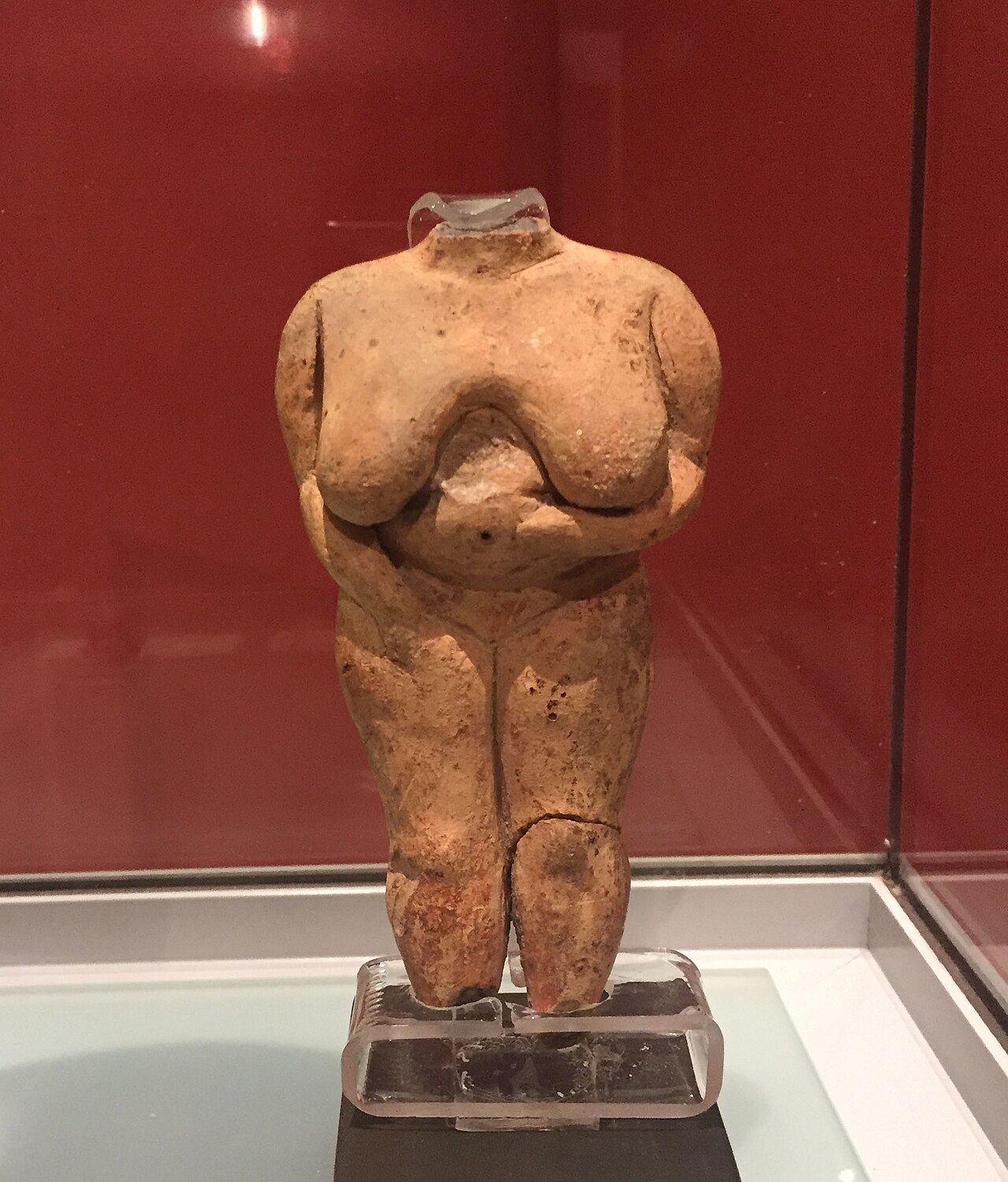
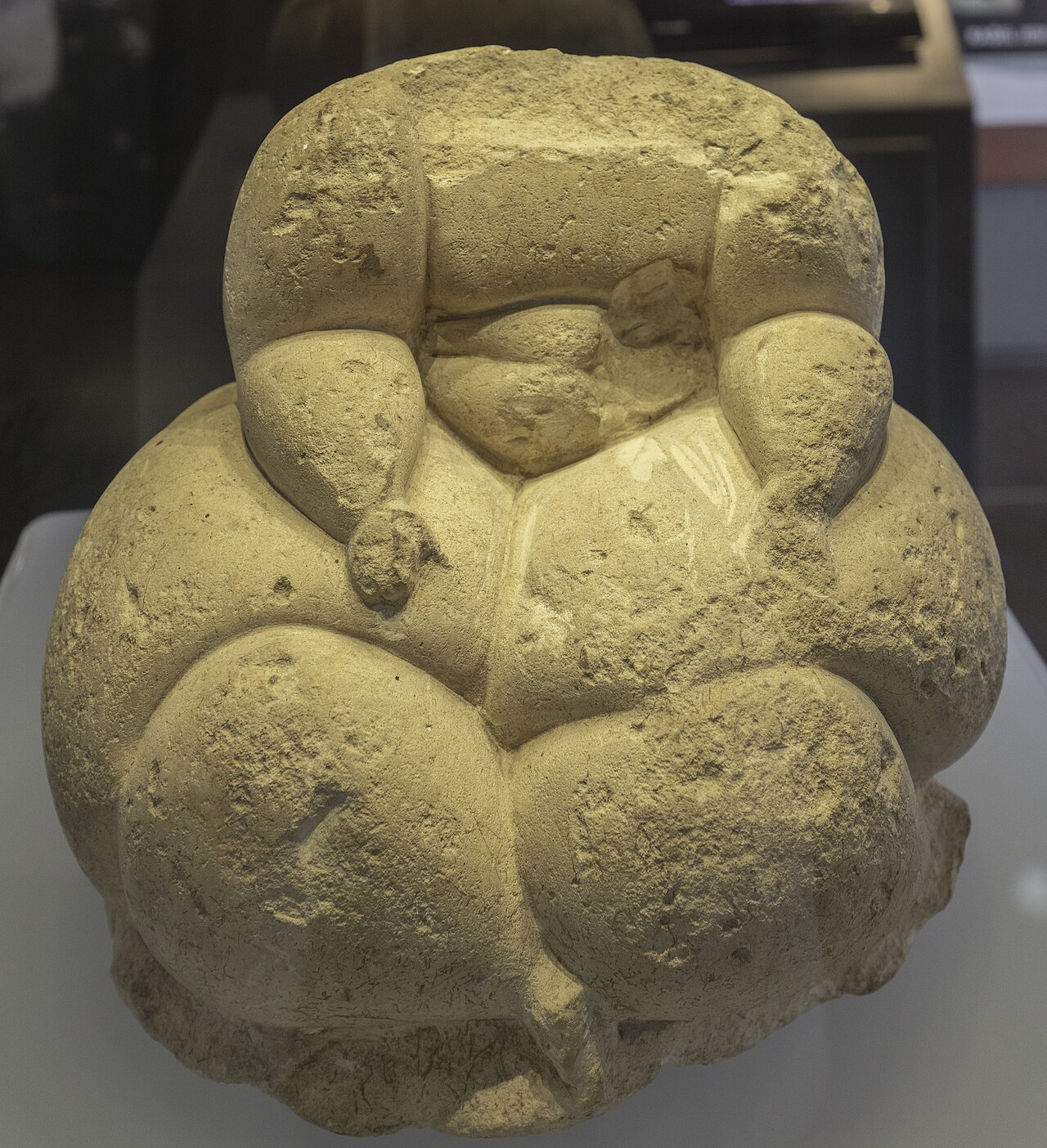
The figurines of Mal’ta belong to one of the most striking phenomena of the Ice Age: the appearance of similar female figures, the so-called Venuses, across an enormous span of Eurasia. From the caves of western Europe to the plains of central Europe and on into Siberia, Ice Age people carved these figures over thousands of years, suggesting shared beliefs, traditions, or ways of seeing that united scattered communities across the continent.
Mal’ta represents the eastern reach of this great tradition, showing that the impulse to create such figures extended all the way to the far side of Asia. That people separated by vast distances produced comparable art is one of the enduring mysteries of the Upper Paleolithic, hinting at deep cultural connections or shared human instincts. The Siberian Venuses of Mal’ta are a vital part of this continental story.
At the same time, the Mal’ta figurines have their own distinctive character, differing in style and detail from their western counterparts. This blend of the shared and the local is characteristic of Ice Age art, which speaks a common visual language while expressing the particular identity of each community. In the figurines of Mal’ta, the universal and the specifically Siberian are woven together in ivory.
The eastern extension of the Venus tradition to Mal’ta also carries implications for how ideas and cultural practices spread across the Ice Age world. Whether through the movement of people, the exchange of ideas, or independent expressions of shared human instincts, the appearance of these figures across such vast distances speaks to deep connections binding the scattered communities of Upper Paleolithic Eurasia.
The Toolkit of Survival
Survival in Ice Age Siberia depended on a sophisticated toolkit, and the people of Mal’ta possessed one. They worked stone into blades, points, and other implements, and they used bone and ivory to make a range of tools essential to their way of life. This technology allowed them to hunt effectively, process animals, work materials, and create the shelters and clothing that made life in the cold possible.
Among the most important of their tools would have been those used to make clothing, for tailored garments were absolutely essential to surviving the Siberian winter. The ability to sew fitted clothing from hides, using bone tools, was a life-or-death technology in this environment. The material culture of Mal’ta reflects a people who had mastered the demanding craft of staying warm and fed at the frozen edge of the world.
This technological competence underpinned everything else at Mal’ta, from the building of dwellings to the carving of art. Only a community that had solved the fundamental problems of Ice Age survival could afford the time and resources to create exquisite ivory figurines. The practical toolkit of the Mal’ta people was thus the foundation on which their remarkable culture, including their celebrated art, was built.
The sophistication of the Mal’ta toolkit reminds us that Ice Age people were not primitive but highly skilled, their technology precisely matched to the demands of their environment. Behind every tool lay generations of learning and refinement, a body of practical knowledge that enabled human survival in one of the harshest habitats ever inhabited by our species.
Clues to the First Americans
The discovery of the Mal’ta child’s genetic legacy shed new light on one of the great questions of prehistory: where did the first Americans come from? For a long time, the ancestry of Native Americans was understood mainly in terms of connections to East Asia, but the DNA from Mal’ta revealed a more complex picture, showing that ancient North Eurasian populations also contributed significantly to their heritage.
This finding helped resolve puzzles that had troubled researchers, including certain genetic and physical features of Native American populations that did not fit a simple East Asian origin. The Mal’ta results suggested that the ancestors of the first Americans were a mixture, combining East Asian ancestry with that of the Ancient North Eurasians represented by the Siberian child. It was a revelation that reshaped the study of American origins.
That such an insight should come from a child buried in Siberia so many thousands of years ago is a striking illustration of how ancient DNA can transform our understanding of the human past. The Mal’ta child, who lived and died far from the Americas, turned out to hold a crucial piece of the puzzle of how that distant continent was first peopled, linking Siberia and the Americas across the depths of time.
The story of the Mal’ta child has thus become a celebrated example of the power of genetics to illuminate the great migrations of prehistory. In linking Siberia to the Americas across thousands of years and thousands of kilometers, it demonstrated that the deep past is far more interconnected than once believed, and that clues to one continent’s origins may lie buried on another.
The World of the Mammoth Steppe
The people of Mal’ta inhabited a now-vanished ecosystem known as the mammoth steppe, a vast, cold grassland that stretched across much of northern Eurasia during the Ice Age. Teeming with large animals such as mammoths, woolly rhinoceroses, horses, and reindeer, this environment supported the human hunters who learned to exploit its resources, even as it demanded constant adaptation to its harsh conditions.
The mammoth steppe was the stage on which much of the Upper Paleolithic drama unfolded, and Mal’ta was one of its easternmost human outposts. The abundance of large game made human life possible here, providing food, materials, and the ivory that the people of Mal’ta transformed into art. Understanding this lost world is essential to understanding the settlement, for the mammoth steppe shaped every aspect of its inhabitants’ lives.
With the end of the Ice Age, the mammoth steppe and its great animals largely disappeared, and with them the particular way of life that had flourished at Mal’ta. But the traces left behind, the dwellings, the tools, the art, and the DNA, preserve the memory of that vanished world. Through Mal’ta, we can still glimpse the mammoth steppe and the resourceful humans who once called it home.
The disappearance of the mammoth steppe at the end of the Ice Age marked the end of an era, sweeping away an entire world of animals and human ways of life. Sites like Mal’ta are precious precisely because they preserve the memory of that lost world, allowing us to reconstruct an ecosystem and a human adaptation that have vanished utterly from the earth, surviving only in the traces left in the ground.
Nearby in Russia’s Ancient Story
- The Siberian Cave Where a Finger Bone Revealed a Lost Human Species: The Story of Denisova Cave
- The Ice Age Children Buried With Thirty Thousand Ivory Beads: The Story of Sungir
- Where the First Modern Europeans Built Houses From Mammoth Bones: The Story of Kostenki
Where Ivory and DNA Tell One Story
Mal’ta endures as one of the most remarkable Ice Age sites in the world, a place where the artistry and the ancestry of ancient humanity meet. Its exquisite ivory figurines rank among the treasures of Upper Paleolithic art, while the DNA of its buried child transformed the understanding of how the Americas were peopled and how the peoples of the north are related.
In the frozen ground near Lake Baikal, a small community of Ice Age hunters left behind both beauty and revelation. Mal’ta reminds us that the deep past still holds the power to astonish, and that from a single Siberian settlement can emerge insights that reshape our understanding of art, survival, and the shared ancestry of humankind across the world.
You May Like
Norse Explorers Reached Canada 500 Years Before Columbus


One thought on “Mal’ta: The Siberian Child Whose DNA Rewrote American Prehistory”