Out on the plains of southwestern Iran, rising unexpectedly from the flat landscape, stands one of the most extraordinary monuments to survive from the ancient world: a vast stepped tower of mudbrick that has endured for well over three thousand years. This is Chogha Zanbil, the remains of a holy city and its great ziggurat, built by the Elamite civilization as a sacred center dedicated to its gods. It is widely regarded as the best-preserved structure of its kind anywhere, a survivor from an age when such towering temples reached toward the heavens across the ancient Near East.
The ziggurat and the sacred complex around it were raised as an act of devotion, a whole religious city conjured out of the plain to honor the divine. Unlike many ancient sites that grew organically over centuries, Chogha Zanbil was largely the vision of a single ruler, a planned holy city built with remarkable ambition and then, in a strange twist of fate, left unfinished and abandoned before its purpose could be fully realized. What remains is a haunting monument to faith, ambition, and the vanished civilization of Elam.
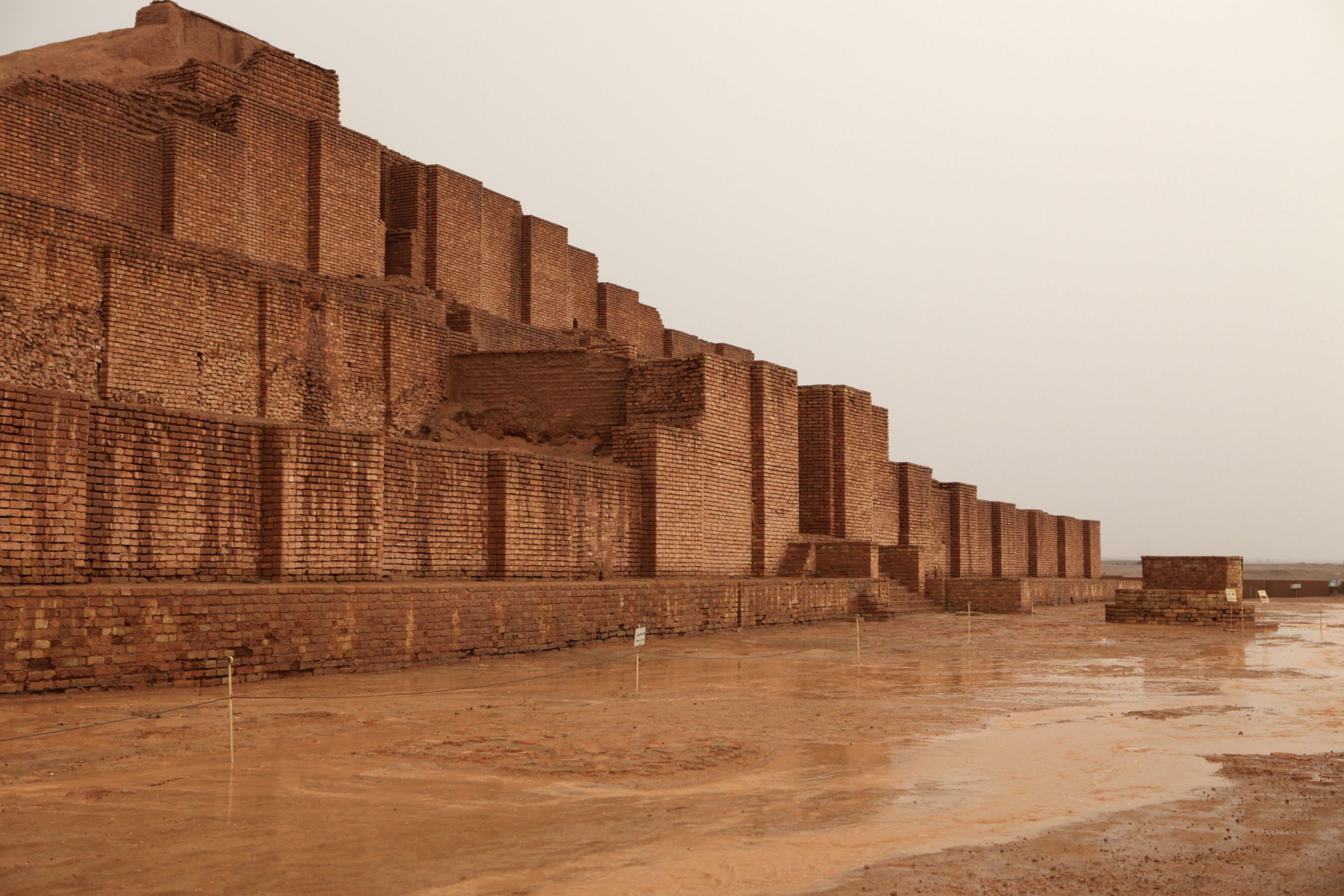
This is the story of that great mudbrick mountain and the holy city around it: how it was built, the gods it honored, the inscribed bricks that reveal its purpose, the king whose vision created it, and the curious history of its abandonment, rediscovery, and preservation as one of the wonders of the ancient world.
Contents
- A Holy City Raised From Nothing
- The Best-Preserved Ziggurat on Earth
- How the Great Tower Was Built
- A Sanctuary for Many Gods
- Bricks That Speak
- Water for a Desert City
- The King Who Dreamed It
- Abandoned Almost as Soon as Finished
- Rediscovery and Protection
- Visiting Chogha Zanbil
- Nearby Places
- Final Thoughts
A Holy City Raised From Nothing
Chogha Zanbil was not an ordinary town that happened to acquire a temple. It was conceived from the beginning as a sacred city, a religious foundation built to honor the gods of the Elamite civilization and, above all, the great god who served as its patron. The entire complex, enclosed by great walls, was planned as a holy precinct, with the towering ziggurat at its heart surrounded by temples, gateways, and the other structures needed for the worship and administration of a religious center.
The decision to build such a city was an extraordinary undertaking. It required marshaling enormous resources, organizing a vast labor force, and manufacturing the millions of bricks from which the complex was constructed. That an Elamite king could command such an effort testifies to the wealth and organization of his kingdom, as well as to the depth of the religious motivation behind the project. This was faith on a monumental scale, expressed in one of the largest building programs of its age.
The sacred city was laid out with clear intention, its concentric enclosures defining zones of increasing holiness as one moved toward the central ziggurat. The great tower itself dominated everything, visible from far across the plain, a physical embodiment of the connection between the human and the divine. Around it, temples dedicated to various gods and goddesses served the religious life of the complex, while walls and gates controlled access to the sacred space and marked its boundaries against the ordinary world outside.
In building an entire city devoted to the gods, the Elamites created something remarkable, a purpose-built religious capital that expressed their beliefs in architecture on a grand scale. Chogha Zanbil stands as a testament to the central place of religion in Elamite civilization and to the ambition of a ruler who sought to honor the divine with a monument of unparalleled magnificence. Even in ruin, the sacred purpose of the city remains legible in its layout and its dominating central tower.
The Best-Preserved Ziggurat on Earth
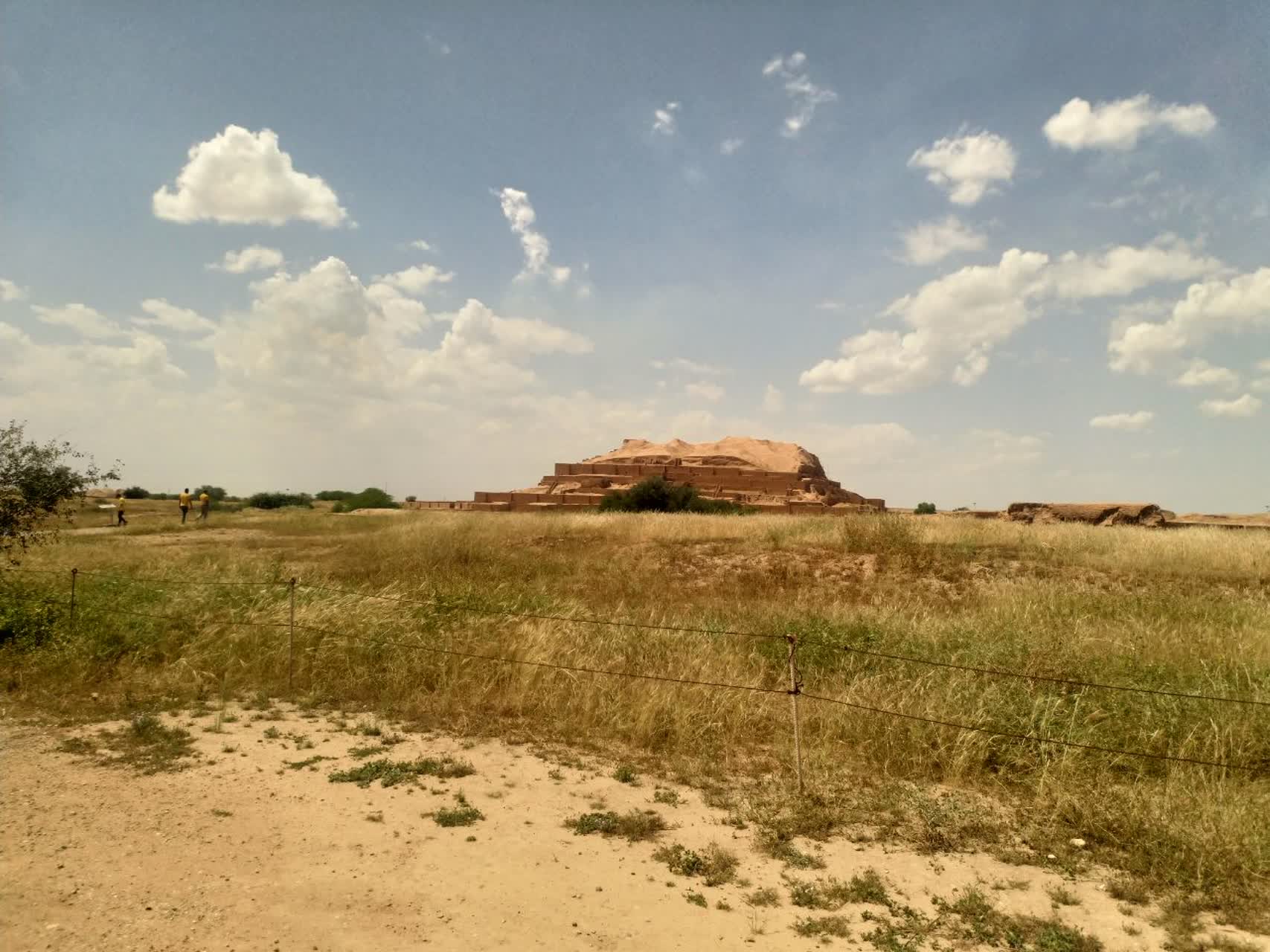
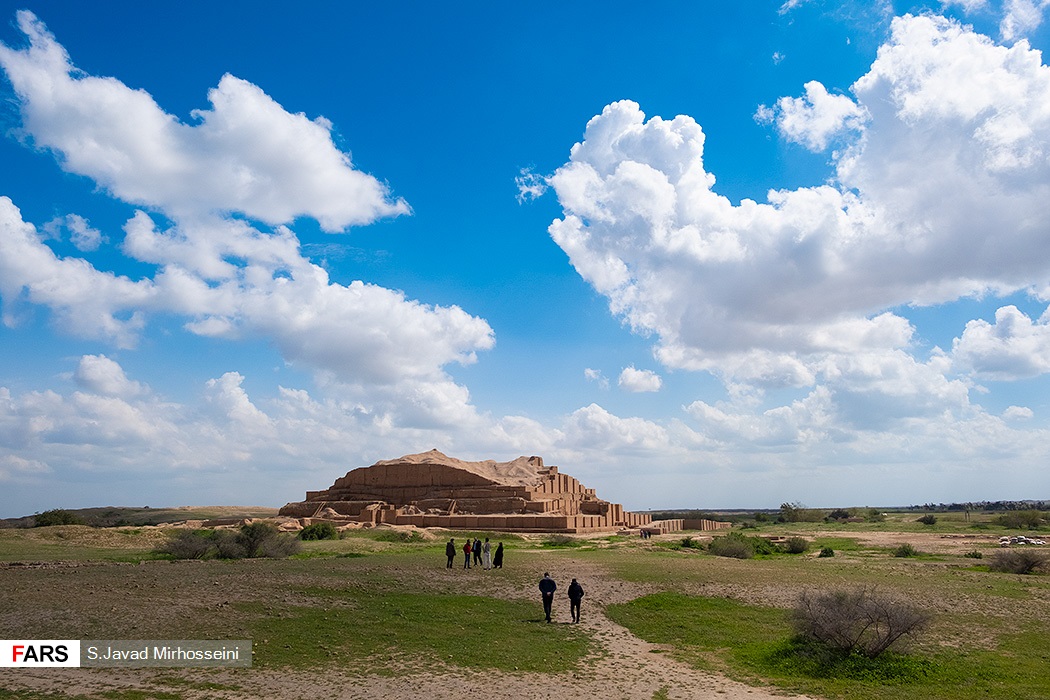
The centerpiece of Chogha Zanbil is its ziggurat, a massive stepped tower that stands as the finest surviving example of this distinctive ancient building type. Ziggurats were a hallmark of the civilizations of the ancient Near East, monumental stepped platforms that served as temples reaching toward the sky. While many once existed across the region, most have been reduced to shapeless mounds by the passage of time. The ziggurat of Chogha Zanbil, by contrast, survives to a remarkable degree, preserving much of its original form.
The tower was built as a series of receding levels, each smaller than the one below, rising in stages toward a temple that once crowned the summit. Even today, though its uppermost levels have been lost, the ziggurat retains its imposing tiered shape and much of its considerable height, dominating the surrounding plain just as it did in antiquity. Its excellent preservation allows visitors to appreciate the design and scale of these monuments in a way that few other sites permit.
Unlike some ziggurats that were built as solid masses of brick, the ziggurat here was constructed with a distinctive method in which the successive levels were built up in a way that gave the structure particular strength and character. The result has proven remarkably durable, allowing the monument to survive the erosion of thousands of years far better than its counterparts elsewhere. This durability is one of the reasons Chogha Zanbil is so precious to those who study the ancient world.
To stand before the ziggurat of Chogha Zanbil is to encounter, more directly than almost anywhere else, the reality of these great ancient temple-towers. Where other sites offer only mounds and imagination, here the actual stepped structure rises before the visitor, weathered but unmistakably monumental. It provides an irreplaceable window onto a form of religious architecture that was once central to the civilizations of the ancient Near East, a survivor from a vanished world of towering temples raised to honor the gods.
How the Great Tower Was Built
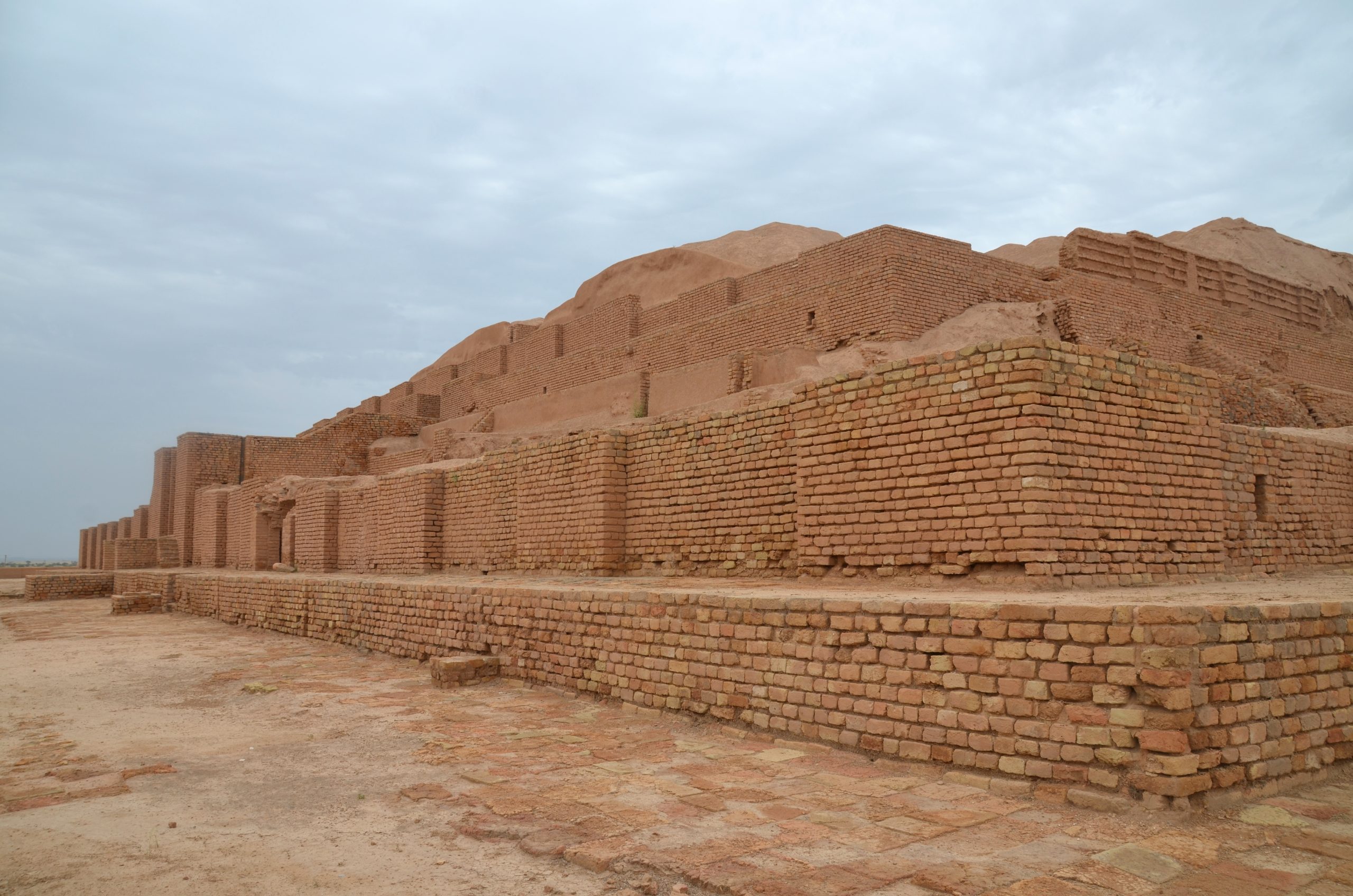
The construction of the ziggurat was a feat of ancient engineering and organization on an impressive scale. The monument was built primarily from mudbrick, the standard building material of the region, produced in vast quantities from the clay of the surrounding plain. Millions of these bricks were manufactured, dried, and laid to raise the enormous structure, a process that would have required an immense and sustained mobilization of labor over a considerable period of time.
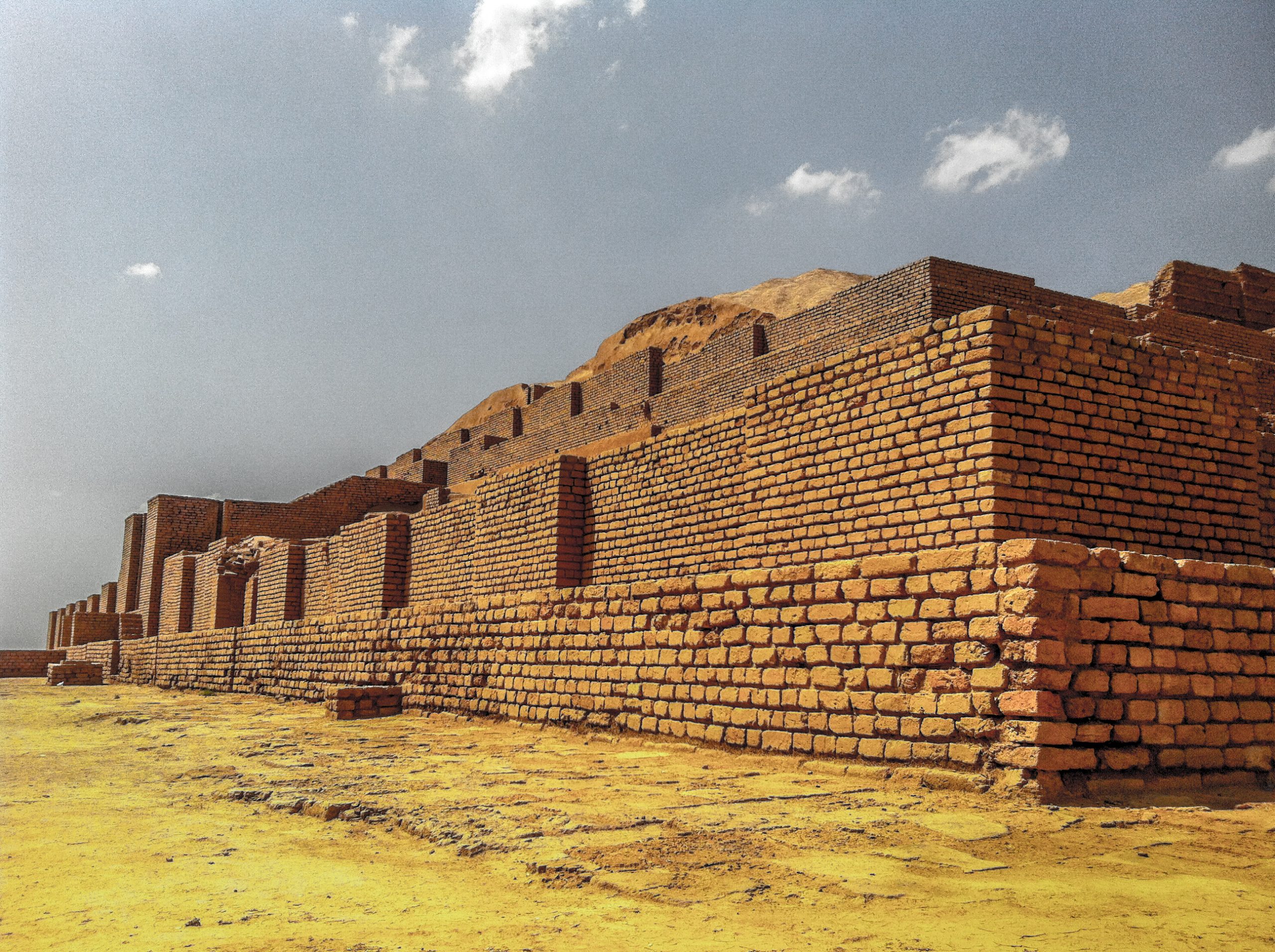
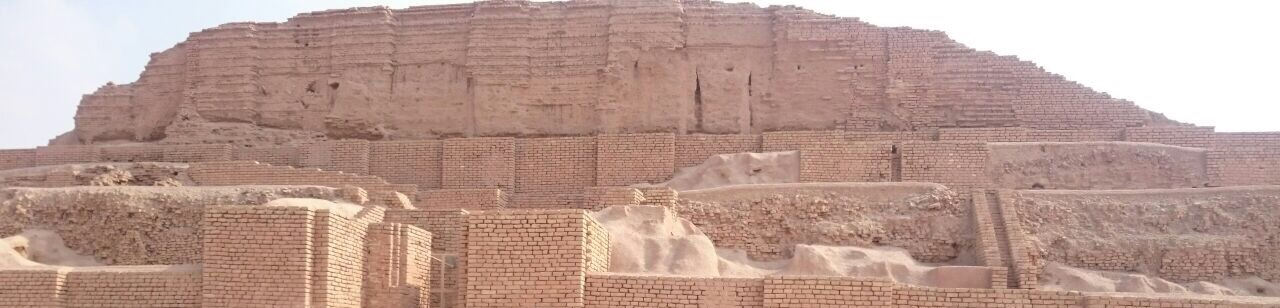
To protect the vulnerable mudbrick core from the elements, the builders faced the exterior with fired bricks, which are far more durable and resistant to weathering. This outer skin of baked brick was crucial to the monument’s survival, shielding the softer material within from the rain and erosion that have destroyed so many other mudbrick structures. The combination of a mudbrick core and a fired-brick facing was a sound engineering solution, and it is largely responsible for the exceptional preservation of the ziggurat.
The design of the structure was carefully considered, with each level raised upon the one below in a way that distributed the enormous weight and gave the whole a stable, enduring form. Staircases provided access to the upper levels, allowing priests to ascend toward the temple that once stood at the summit. The whole was a sophisticated architectural achievement, reflecting a mature tradition of monumental building and a deep understanding of how to raise and sustain such a massive structure.
The scale of the effort involved in building Chogha Zanbil speaks to the resources and determination of the Elamite kingdom at its height. Marshaling the labor, materials, and organization needed to raise such a monument was a major undertaking, and its completion, even in part, stands as a remarkable achievement. The ziggurat is not only a religious monument but a testament to the engineering capabilities and organizational power of the civilization that created it, a triumph of ancient construction.
The logistics behind all this are worth pausing on. Producing millions of bricks meant digging and puddling clay, shaping it in moulds, and drying or firing it, all before a single course could be laid, and the fired outer bricks in particular demanded fuel and kilns on a large scale. Coordinating the movement of materials, the feeding and housing of workers, and the sequencing of construction over the years required an administrative machinery as impressive in its way as the finished tower. The ziggurat is thus a monument not only to faith but to organization, to a society capable of sustaining a vast collective effort toward a single distant goal.
A Sanctuary for Many Gods
Though dominated by its great ziggurat dedicated to the principal deities, Chogha Zanbil was home to a whole array of temples honoring various gods and goddesses of the Elamite pantheon. The sacred complex included numerous shrines and temple buildings scattered within its enclosures, each devoted to a particular divinity. This concentration of sanctuaries made the city a comprehensive religious center, a place where many of the gods of Elam could be worshipped together within a single holy precinct.
The Elamite religion, like others of the ancient Near East, encompassed a large number of deities associated with different aspects of the natural and human worlds. At Chogha Zanbil, temples were dedicated to gods connected with such forces as weather and to various other divinities, reflecting the rich and varied religious life of the civilization. The presence of so many temples within the complex underscores its role as a major sacred center serving the wider spiritual needs of the kingdom.
These temples were not mere afterthoughts to the great ziggurat but integral parts of the sacred city, each with its own rituals, priests, and offerings. Together they created a landscape of worship, a holy city alive with religious activity dedicated to the many gods of Elam. The arrangement of these sanctuaries within the enclosures reflected the structure of Elamite religion and the relationships among its deities, embodying in architecture the spiritual world of the civilization.
The dedication of the complex to multiple gods, crowned by the great ziggurat honoring the supreme deities, reveals the depth and organization of Elamite religious life. Chogha Zanbil was a place where the whole pantheon could be served, a comprehensive expression of the beliefs of a people for whom religion was central to existence. In its many temples and its dominating tower, the sacred city gave physical form to the Elamite understanding of the divine, creating a holy center of remarkable completeness and ambition.
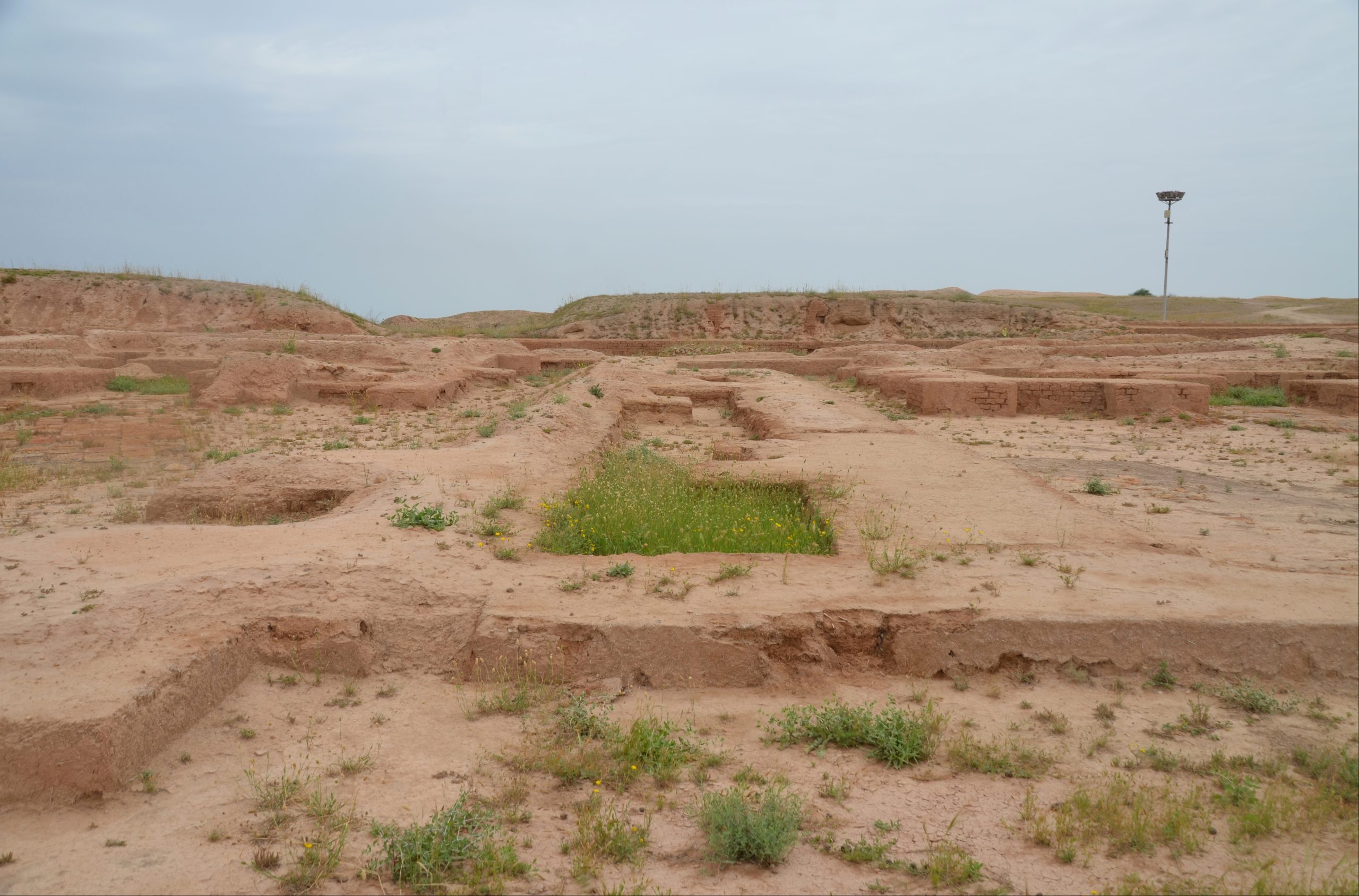
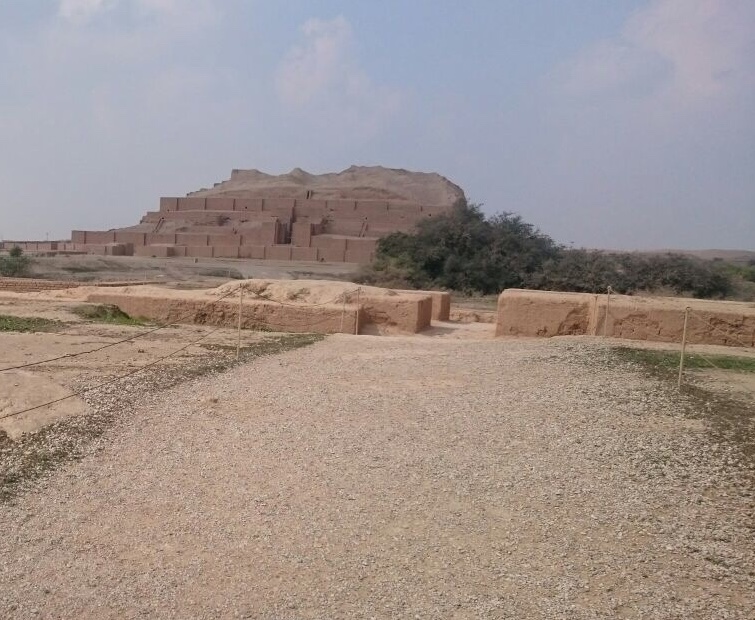
The clustering of shrines around the base of the great tower would have created a busy and layered sacred landscape, in which the towering ziggurat presided over a family of smaller temples like a mountain surrounded by foothills. Worshippers moving through the enclosures would have passed from one holy space to another, each with its own dedication and character, before coming into the shadow of the central tower itself. This graduated arrangement of sacred spaces gave physical form to the hierarchy of the Elamite gods and to the journey of the faithful toward the most holy heart of the city.
Bricks That Speak
One of the most fascinating features of Chogha Zanbil is that many of its bricks are inscribed, carrying texts that record the purpose of the monument and the name of the king who built it. Set into the structure at intervals, these inscribed bricks proclaim the dedication of the sacred city and its ziggurat to the gods, providing invaluable information about who built the complex, when, and why. They transform the monument from a mute ruin into a structure that literally announces its own meaning.
The practice of inscribing bricks served both a practical and a religious purpose. It recorded for posterity the piety and achievement of the king, ensuring that his devotion to the gods would be remembered, while also, in a sense, dedicating the very fabric of the building to the divine. Reading these inscriptions, scholars have been able to reconstruct essential aspects of the site’s history, learning the name of its royal founder and the deities to whom it was consecrated directly from the words baked into its bricks.
These texts are written in the language and script of the Elamites, and their study has contributed significantly to understanding Elamite civilization, its rulers, and its religion. The bricks of Chogha Zanbil thus form a kind of built archive, a monument that is simultaneously a work of architecture and a document of history. Few ancient structures are so eloquent about their own origins, and the inscribed bricks are among the most precious features of the site for those seeking to understand it.
There is something deeply appealing about a building that speaks for itself, that carries within its very substance the record of its creation. The inscribed bricks of Chogha Zanbil connect us directly to the intentions of its builders, allowing the voice of an ancient king and his devotion to the gods to reach across more than three thousand years. In these humble baked bricks, marked with careful signs, the sacred city preserves its own memory, a testament to the enduring power of the written word.
Water for a Desert City
Building and sustaining a great sacred city on the plain required solving the fundamental problem of water, and the builders of Chogha Zanbil rose to the challenge with impressive ingenuity. The site includes evidence of a sophisticated water management system designed to supply the needs of the complex, an achievement that reflects the practical engineering skills of the Elamites alongside their religious ambitions. Even a holy city could not function without a reliable supply of clean water.
The water system associated with the site included works to bring and treat water, addressing the difficulty of obtaining a good supply in the local conditions. This concern with water infrastructure demonstrates that the builders thought carefully about the practical requirements of their sacred city, not only its spiritual and monumental aspects. The provision of water was essential both for the ritual needs of the temples and for the human beings who served and visited the complex.
Such engineering works remind us that ancient religious monuments existed within a practical world of human needs. Behind the grandeur of the ziggurat and the piety of the temples lay the mundane but vital business of supplying water, feeding workers, and maintaining the functioning of the site. The attention given to these practical matters at Chogha Zanbil reveals a civilization capable of combining soaring religious ambition with careful attention to the requirements of daily existence.
The water management system is one of the less conspicuous but genuinely impressive features of the site, a reminder that the Elamites were skilled not only in raising monuments but in solving the practical problems of sustaining them. In addressing the challenge of water in a demanding environment, the builders of Chogha Zanbil demonstrated the same ingenuity and determination that raised the great ziggurat, ensuring that their sacred city could actually function as a living center of worship.
The King Who Dreamed It
Chogha Zanbil owes its existence largely to the vision of a single Elamite king, whose name is recorded on the inscribed bricks of the complex. It was he who conceived the idea of building a great sacred city dedicated to the gods, and who commanded the vast resources needed to bring the project to life. The monument stands as a lasting expression of his piety and ambition, a royal act of devotion that sought to honor the divine with one of the greatest building programs of its age.
Founding a holy city was a powerful statement of royal authority as well as religious devotion. By raising such a monument, the king demonstrated his special relationship with the gods and his ability to marshal the wealth and labor of his kingdom for a grand purpose. The sacred city bearing witness to his devotion would, he clearly hoped, secure the favor of the gods and preserve his memory for generations to come, linking his name forever to a monument of extraordinary magnificence.
The king’s vision was remarkably comprehensive, encompassing not just the great ziggurat but the whole planned religious city with its temples, walls, and infrastructure. This was not a piecemeal accretion of buildings but a coherent conception realized through royal command, a testament to the power of a single ruler to shape the landscape according to his will. In its unity of design, Chogha Zanbil reflects the ambition and authority of the king who brought it into being.
Yet the fate of the project also reveals the limits of even royal ambition, for the death of its founder appears to have contributed to the city never being fully completed or realizing its intended role. The great vision outlived its visionary only in part, and the sacred city stands today as a monument to what one determined ruler could imagine and begin, even if he could not see it through to its full completion. In this, Chogha Zanbil is both a triumph and a poignant reminder of the transience of human designs.
Abandoned Almost as Soon as Finished
One of the most intriguing aspects of Chogha Zanbil is that, despite the immense effort that went into building it, the sacred city appears to have been abandoned before it was ever fully completed or fully used. The grand religious center that the king had envisioned never entirely fulfilled its intended purpose, and the ambitious project was left unfinished, its full flowering cut short by the changing fortunes of the kingdom and the death of its royal founder.
The reasons for this abandonment lie in the turbulent history of the Elamite kingdom and the wider region. The instability that so often afflicted the ancient Near East, with its shifting powers and frequent conflicts, meant that even a great royal project could be overtaken by events. Without the sustained royal support that had brought it into being, the sacred city lost its momentum, and the vast complex was gradually left to the plain from which it had been raised.
This early abandonment had an unexpected consequence: it may have contributed to the exceptional preservation of the site. Because the city was not densely occupied and rebuilt over many later centuries, and because it was in a sense frozen at an early stage, the great ziggurat and its complex escaped much of the wear, alteration, and quarrying that reduced other monuments to ruin. The very incompleteness of Chogha Zanbil helped it survive as a uniquely intact witness to its age.
There is a striking poignancy in the image of this magnificent sacred city, raised at such cost, standing largely unused and then slowly abandoned to the plain. The great ambition that created it was never fully realized, yet in its unfinished state it has endured to become one of the most remarkable survivals of the ancient world. Chogha Zanbil is thus a monument to interrupted ambition, a grand vision preserved precisely because it was never allowed to run its full course.
This pattern, in which a site owes its survival to being spared later reuse, recurs throughout archaeology, but rarely so dramatically as here. A city that had thrived for many centuries would have been continually torn down and rebuilt, its earlier phases cannibalized for materials and buried under new construction. Chogha Zanbil, spared that fate, offers something closer to a snapshot of a single ambitious moment, its architecture largely as its builders left it. In a discipline where continuity usually means disturbance, the interrupted story of this sacred city turns out to be a gift.
Rediscovery and Protection
For long ages after its abandonment, Chogha Zanbil lay largely forgotten, its great ziggurat gradually weathering on the plain, its purpose and even its identity lost to memory. The site was eventually brought back to attention in modern times, and archaeological investigation revealed the true nature and significance of the monument. Excavation uncovered the ziggurat, the surrounding temples, and the inscribed bricks that finally allowed the sacred city to be identified and its history reconstructed.
The rediscovery of Chogha Zanbil was a major event in the archaeology of ancient Iran, restoring to knowledge a monument of the first importance and shedding light on the Elamite civilization that built it. The exceptional preservation of the ziggurat made the find especially valuable, offering an unparalleled example of a type of monument that had largely vanished elsewhere. Study of the site has greatly enriched understanding of Elamite religion, architecture, and history.
Recognizing its outstanding value, Chogha Zanbil was designated a UNESCO World Heritage site, among the first in its country to receive such recognition. This status reflects the monument’s exceptional importance as the best-preserved ziggurat and as a testament to the Elamite civilization. It also brings a commitment to protecting the fragile mudbrick structure, which requires ongoing care to preserve it against the erosion that constantly threatens ancient earthen architecture.
The preservation of Chogha Zanbil is an ongoing challenge, for mudbrick monuments are inherently vulnerable to the elements and demand continual attention. Conservation efforts seek to stabilize and protect the ziggurat and its complex, ensuring that this irreplaceable survivor endures for future generations. The care devoted to the site reflects its unique value as a window onto the ancient world, a monument whose survival across more than three thousand years makes its continued protection all the more important.
Visiting Chogha Zanbil
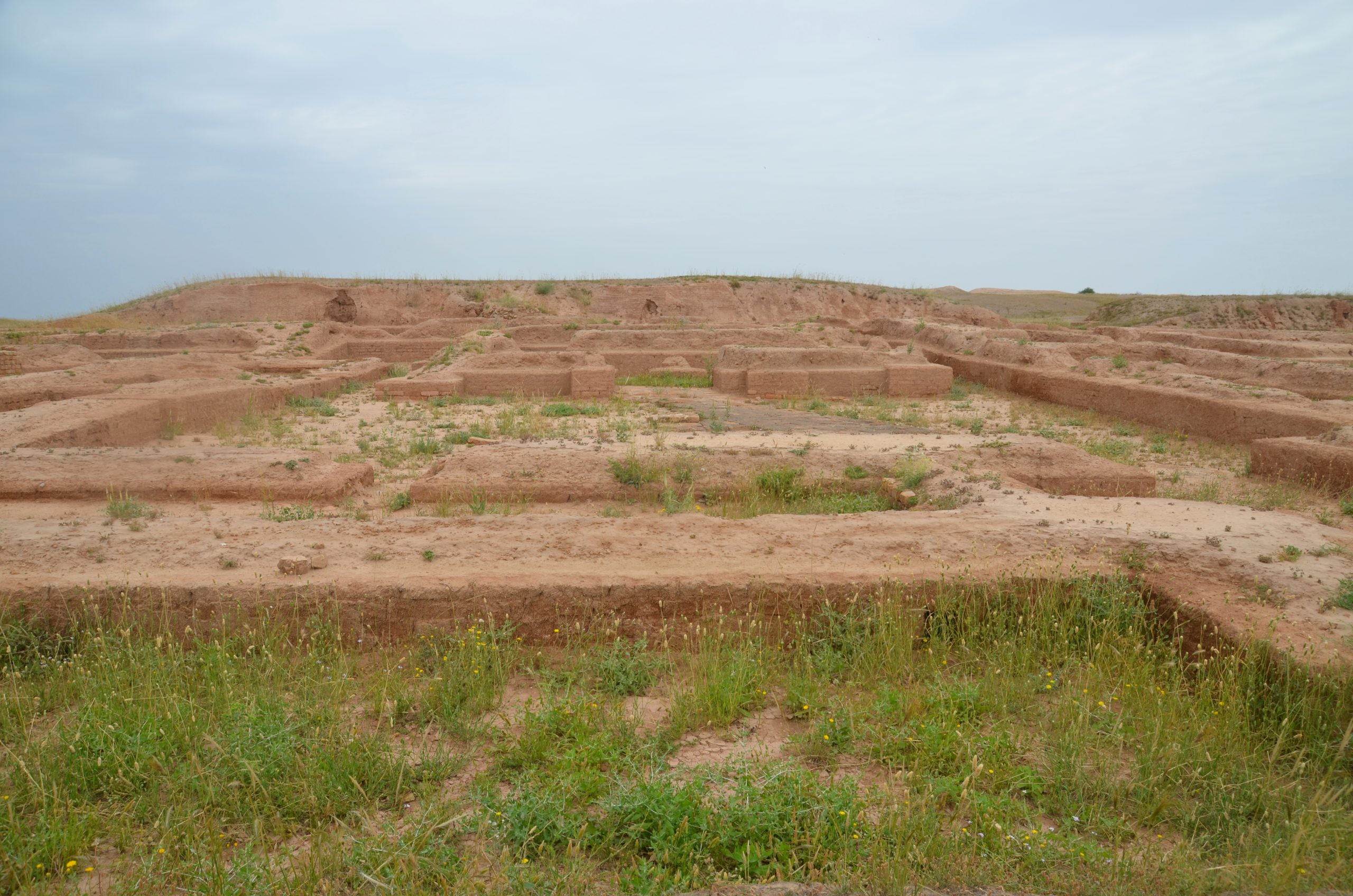
Today Chogha Zanbil stands as one of the most impressive and evocative ancient sites in Iran, drawing visitors to marvel at its great ziggurat rising from the plain. The experience of approaching the monument, watching the tiered tower grow larger against the sky, is unforgettable, conveying directly the scale and ambition of the ancient builders. Few sights so vividly communicate the reality of the great temple-towers that once dotted the ancient Near East.
Walking the site, visitors can appreciate not only the ziggurat but the surrounding temples, walls, and other remains that made up the sacred city, gaining a sense of the whole complex as a planned religious center. The inscribed bricks, the tiered structure of the great tower, and the layout of the enclosures all contribute to an understanding of how the ancient holy city functioned. The remarkable preservation of the monument makes it exceptionally rewarding to explore.
The enduring power of Chogha Zanbil lies in its combination of monumentality, antiquity, and exceptional survival. Here one can stand before an actual ziggurat, not a shapeless mound but a recognizable stepped tower, and feel across the millennia the devotion and ambition that raised it. In its silent, weathered grandeur, the sacred city of the Elamites continues to inspire awe, a magnificent survivor from one of the great vanished civilizations of the ancient world.
Nearby Places
The plains of southwestern Iran and the wider Near East hold some of humanity’s most ancient and significant sites, from long-lived cities to the capitals of great empires. If the sacred grandeur of Chogha Zanbil has moved you, these neighboring places continue the story of this remarkable region.
- The City of Endless Layers Where Empires Rose and Fell: The Story of Susa
- The Ceremonial Capital Where an Empire Carved Its Own Reflection: The Story of Persepolis
- The City Where Kingship Descended From Heaven, Almost: The Story of Ur
Final Thoughts
Chogha Zanbil is one of the true wonders of the ancient world, a monument that combines immense scale, profound religious meaning, and extraordinary preservation. As the finest surviving ziggurat and the remains of a whole sacred city, it offers an unparalleled glimpse into the religious architecture and civilization of ancient Elam. In its great stepped tower, still rising from the plain after more than three thousand years, we encounter the ambition and devotion of a vanished people made permanent in brick.
Perhaps the most moving thing about Chogha Zanbil is the way its very incompleteness has ensured its survival, so that a project cut short by history has endured to become one of the most complete monuments of its kind. The sacred city that was never fully realized has outlasted countless completed works, standing today as a magnificent witness to the faith and ambition of the Elamites. To behold it is to feel the deep antiquity of human devotion, expressed in a monument that time has been strangely, wonderfully unable to destroy.
You May Like
Mafra, the Palace a King Built From a Vow


One thought on “Chogha Zanbil: The Elamite Ziggurat That Was Never Finished”