Some cities live for a few centuries and then fade. Susa lived for thousands of years, rising and falling and rising again through one of the longest continuous histories of any settlement on earth. Set on the fertile plains of southwestern Iran, near the edge where the Iranian highlands meet the lowlands of Mesopotamia, this ancient city witnessed the entire sweep of Near Eastern history, from the earliest experiments with urban life through the age of great empires and beyond. Few places have accumulated so many layers of the human past in one spot.
Susa was, at various times, the capital of an indigenous civilization, a prize fought over by the great powers of Mesopotamia, a jewel in the crown of the Persian empire, and a city that endured through still later ages. Its ruins, dominated today by a strange castle built by archaeologists atop the ancient mound, contain the compressed remains of this immense history. To dig at Susa is to cut down through millennia, encountering one civilization after another stacked in the earth.
This is the story of that extraordinarily long-lived city: the native civilization that first made it great, its long entanglement with the powers of Mesopotamia, its splendor under Persian rule, the treasures it has yielded, and the way its deep past has been recovered from beneath the plains of southwestern Iran.
Contents
- One of the World’s Longest-Lived Cities
- The Homeland of Elam
- A City Caught Between Great Powers
- When Persia Made It a Capital
- The Palace of Colored Bricks
- Layers Beneath the French Castle
- Treasures Carried Far Away
- Writing, Law, and Memory
- Endurance and Decline
- Walking Ancient Susa
- Nearby Places
- In Closing
One of the World’s Longest-Lived Cities
What sets Susa apart from almost every other ancient site is the sheer duration of its occupation. People settled here in the deep prehistoric past, and the city remained inhabited, in one form or another, for an astonishing span of time, through the rise and fall of numerous civilizations and empires. This continuity means that the mound of Susa is not the record of a single culture but a vast archive of many, layered one upon another across thousands of years of human history.
This longevity was no accident. Susa sat in a favorable position on fertile plains watered by rivers, at a crossroads between the highland and lowland worlds. Such a location offered agricultural wealth and a strategic role in the movement of goods and peoples between the Iranian plateau and the plains of Mesopotamia. Cities founded on such advantages tend to endure, rebuilt again and again because the reasons for settling there never went away, and Susa is a prime example of this persistence.
The result is a site of extraordinary archaeological depth. Excavators digging into the mounds of Susa pass through the remains of successive occupations, each representing a different chapter in the city’s immensely long story. From the earliest painted pottery of its prehistoric inhabitants to the monumental architecture of imperial ages, the layers of Susa preserve a cross-section of Near Eastern civilization spanning much of the history of urban humanity in the region.
Because of this, Susa has long been recognized as one of the most important archaeological sites in the world, a place where the deep history of the region can be read in the accumulated strata of a single great mound. To study Susa is to study the long continuity of settled life itself, the way certain favored places draw human communities generation after generation, becoming reservoirs of history unlike anywhere else. Few sites reward the archaeologist’s spade with such an immense span of time.
The Homeland of Elam
For much of its early history, Susa was a principal city of Elam, an ancient civilization native to southwestern Iran that stands as one of the oldest in the region. The Elamites developed their own distinctive culture, language, art, and system of writing, flourishing over a very long period and playing a major role in the history of the ancient Near East. Susa served as one of their great centers, a capital of a civilization that has often been overshadowed by its Mesopotamian neighbors but was in fact a significant power in its own right.
Elamite civilization was remarkable for its endurance and its distinctiveness. Occupying the lands between the Mesopotamian plains and the Iranian highlands, the Elamites drew on and contributed to the wider culture of the region while maintaining their own identity. They produced sophisticated art and architecture, developed their own writing systems, and organized a state capable of standing up to the great powers of Mesopotamia. Susa was a showcase of this civilization, a city where Elamite culture reached impressive heights.
The relationship between Elam and its Mesopotamian neighbors was long and complex, marked by periods of conflict, conquest, trade, and cultural exchange. At times Elam was dominated by Mesopotamian powers; at other times it turned the tables and struck deep into Mesopotamia itself. Susa stood at the heart of this interaction, a frontier city where two great cultural worlds met, clashed, and influenced one another over many centuries. Its history embodies the long dialogue between highland and lowland civilizations.
The Elamite legacy at Susa is fundamental to understanding the site, for it was as an Elamite center that the city first achieved lasting greatness. The distinctive culture of Elam, with its own gods, its own script, and its own artistic traditions, formed one of the deepest and richest layers in the long history of Susa. Recovering the story of Elam has been one of the important achievements of the excavation of the site, restoring to memory a civilization that deserves a prominent place in the history of the ancient world.
A City Caught Between Great Powers
Susa’s position at the meeting point of the highland and lowland worlds made it a perennial object of ambition for the great powers of the ancient Near East. Over the centuries it was fought over, captured, and ruled by a succession of states, its fortunes rising and falling with the tides of regional politics. This constant contestation reflects the city’s strategic and economic value, a prize whose possession conferred advantage over the routes and resources of a vital region.
One of the most dramatic episodes in this long struggle came when a powerful Mesopotamian empire sacked the city, an event recorded with brutal pride in ancient accounts of the conqueror’s campaign. Such destructions were part of the rhythm of the city’s history, moments of catastrophe followed, in time, by revival. The resilience of Susa, its capacity to recover and rebuild after even severe blows, is one of the recurring themes of its immensely long existence, a testament to the enduring advantages of its location.
This history of conflict left its traces throughout the layers of the site, in destruction levels, rebuildings, and the mingling of cultural influences from the various powers that held the city. Susa absorbed elements from its many rulers and neighbors, becoming a place where different traditions met and combined. Its material culture reflects this cosmopolitan history, blending indigenous Elamite elements with influences drawn from Mesopotamia and, later, from the Persian empire that would make the city one of its capitals.
To be caught between great powers is often a dangerous fate for a city, and Susa certainly suffered for its position, enduring conquests and destructions across the ages. Yet the same position that brought it danger also brought it importance, wealth, and a central role in the history of the region. Susa’s long story is inseparable from its situation on the frontier between worlds, a place too valuable to be left in peace but too important to be permanently destroyed, forever rebuilt on the ruins of its own past.
The repeated cycle of destruction and rebuilding also helps explain why the mound grew so tall. Each time the city was burned or thrown down, its inhabitants tended not to clear the rubble away entirely but to level it and build afresh on top, so that catastrophe itself contributed to the steady rising of the ground. In this way the very violence of Susa’s history is written into its physical form, each disaster adding another stratum to the great artificial hill that preserves the record of the city’s long and turbulent existence.
When Persia Made It a Capital
Susa reached one of the peaks of its long history when it became one of the principal capitals of the great Persian empire. The Persian kings, ruling one of the largest empires the world had yet seen, made Susa a major administrative and royal center, adorning it with grand palaces and monumental architecture. The ancient Elamite city was thus transformed into a seat of imperial power, one of the key cities from which a vast empire spanning three continents was governed.
As a Persian capital, Susa played a central role in the administration of the empire. It was here that much of the practical business of governing was conducted, and the city was connected to the far reaches of the empire by the great royal roads that allowed messages and officials to travel with remarkable speed. Susa’s selection as a capital reflected both its ancient prestige and its favorable location, bridging the Persian heartland and the wealthy lowlands, making it an ideal center for imperial governance.
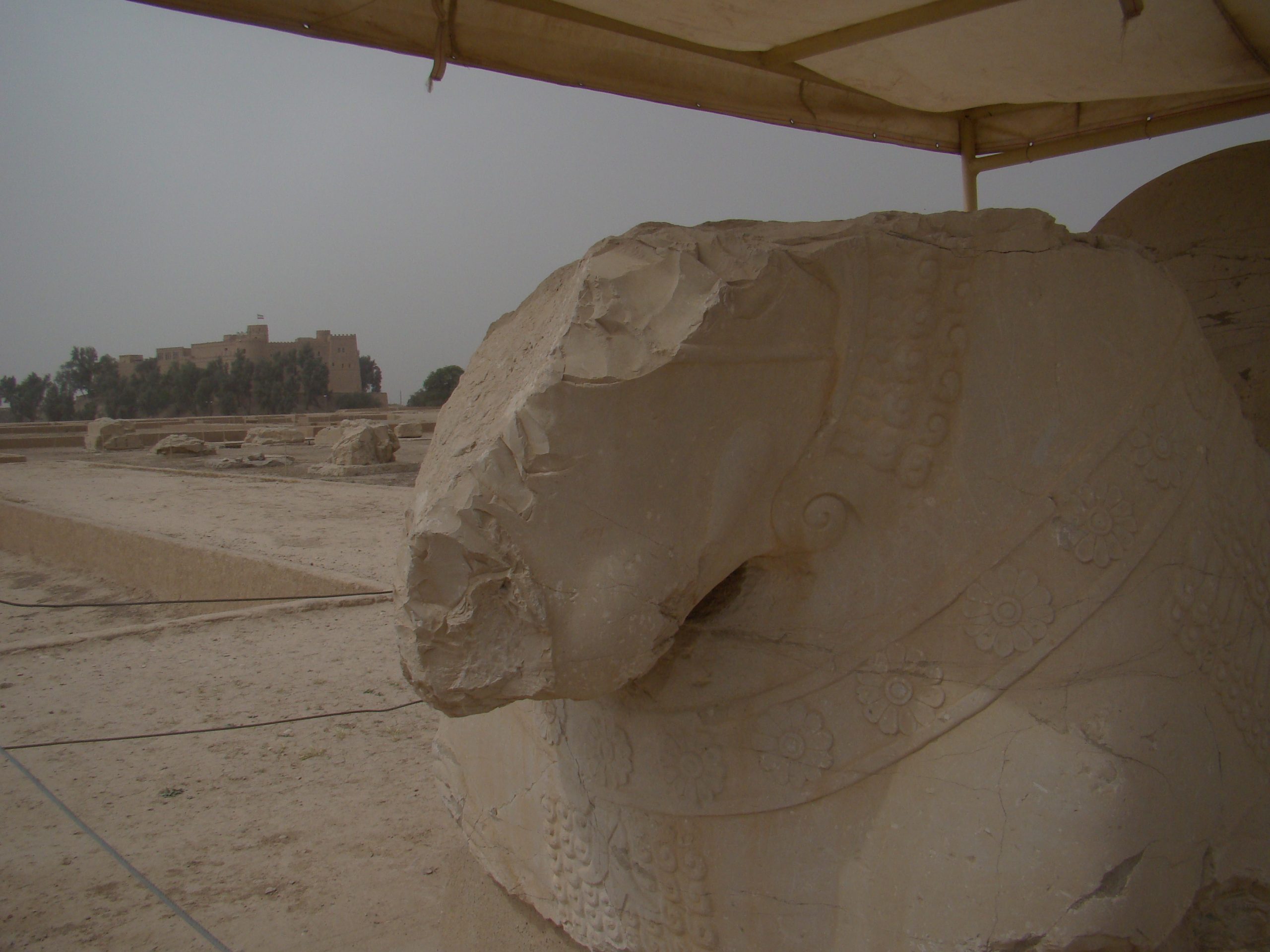
The Persian kings invested heavily in beautifying Susa, constructing splendid palaces decorated in the rich style of Persian imperial art. Building inscriptions from the city record with pride how materials and craftsmen were gathered from across the entire empire to construct and adorn these palaces, a vivid illustration of the reach and resources of Persian power. Susa under the Persians was a showcase of empire, drawing on the wealth and skill of many lands to create monuments of great splendor.
This Persian phase added yet another rich layer to the already ancient city, superimposing the grandeur of imperial architecture upon the deep foundations of Elamite Susa. The city thus embodied a remarkable continuity, an ancient center repurposed as a capital of the new imperial order. In becoming a Persian capital, Susa reached a new height of importance while remaining, at its core, one of the oldest cities in the world, its imperial splendor resting on millennia of prior history.
The Palace of Colored Bricks
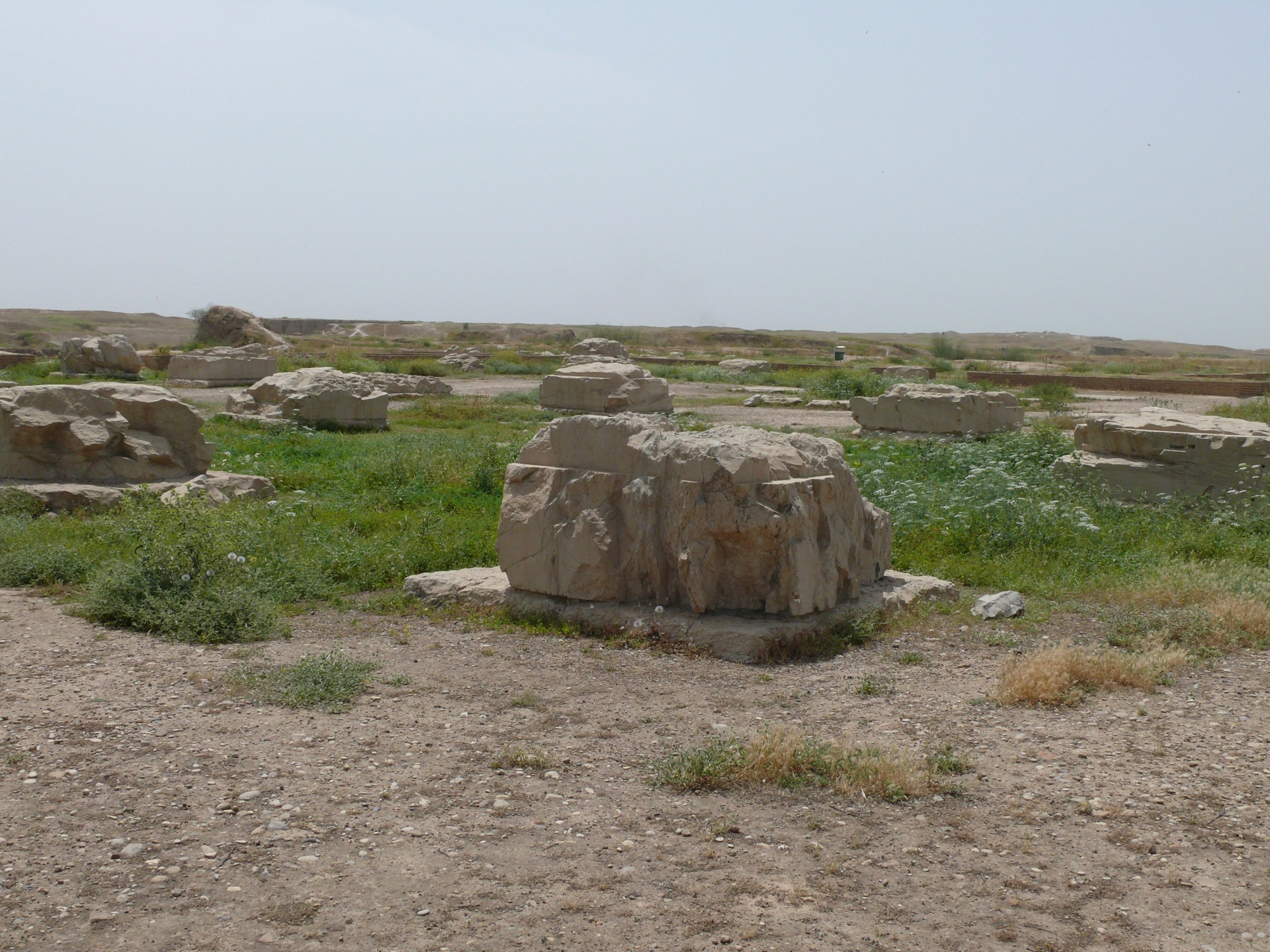
The most celebrated monuments of Persian Susa were its palaces, and among their most remarkable features were the brilliantly colored glazed brick reliefs that once adorned their walls. Rather than the carved stone reliefs favored at other Persian centers, Susa was famous for decorative panels made of molded and glazed bricks, forming vivid images in rich colors. These included processions of figures, guardian creatures, and rows of archers, rendered in glowing blues, yellows, and other hues that must have made the palace walls dazzling.
The technique of glazed brick decoration had deep roots in the region, and at Susa it was employed to spectacular effect. The colored bricks allowed for large-scale images in permanent, weather-resistant materials, bringing color and life to the palace far beyond what carved stone alone could achieve. The famous rows of archers and the striding guardian creatures created a sense of a palace protected and adorned by a brilliant array of figures, a feast of color and craftsmanship befitting an imperial residence.
These glazed brick panels are among the most beautiful survivals of Persian art, and they convey a vivid sense of the splendor that once characterized the palace at Susa. The care and skill required to produce them, molding and glazing countless bricks to fit together into coherent images, testifies to the resources and artistry the empire could command. In their glowing colors we glimpse the sumptuous visual environment of a Persian royal palace, so different from the bare ruins that survive today.
The palace of Susa, with its colored brick decoration, thus represented a distinctive achievement within the broader tradition of Persian imperial architecture. It showed how the empire drew on and elaborated the artistic traditions of its many regions, in this case the ancient regional expertise in glazed brickwork, to create monuments of particular beauty. The dazzling walls of the Susa palace remain one of the most memorable expressions of the splendor and sophistication of Persian imperial art at its height.
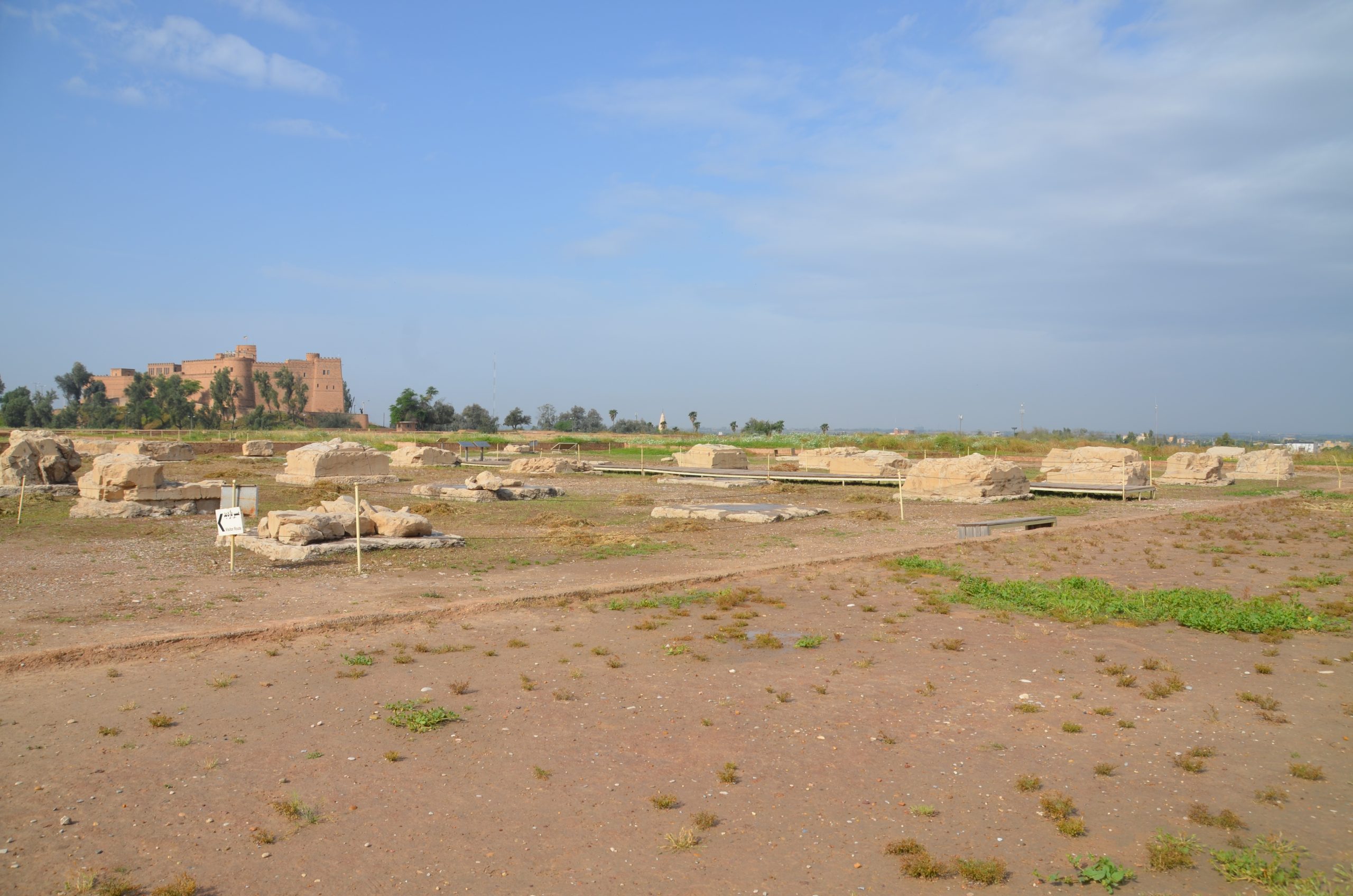
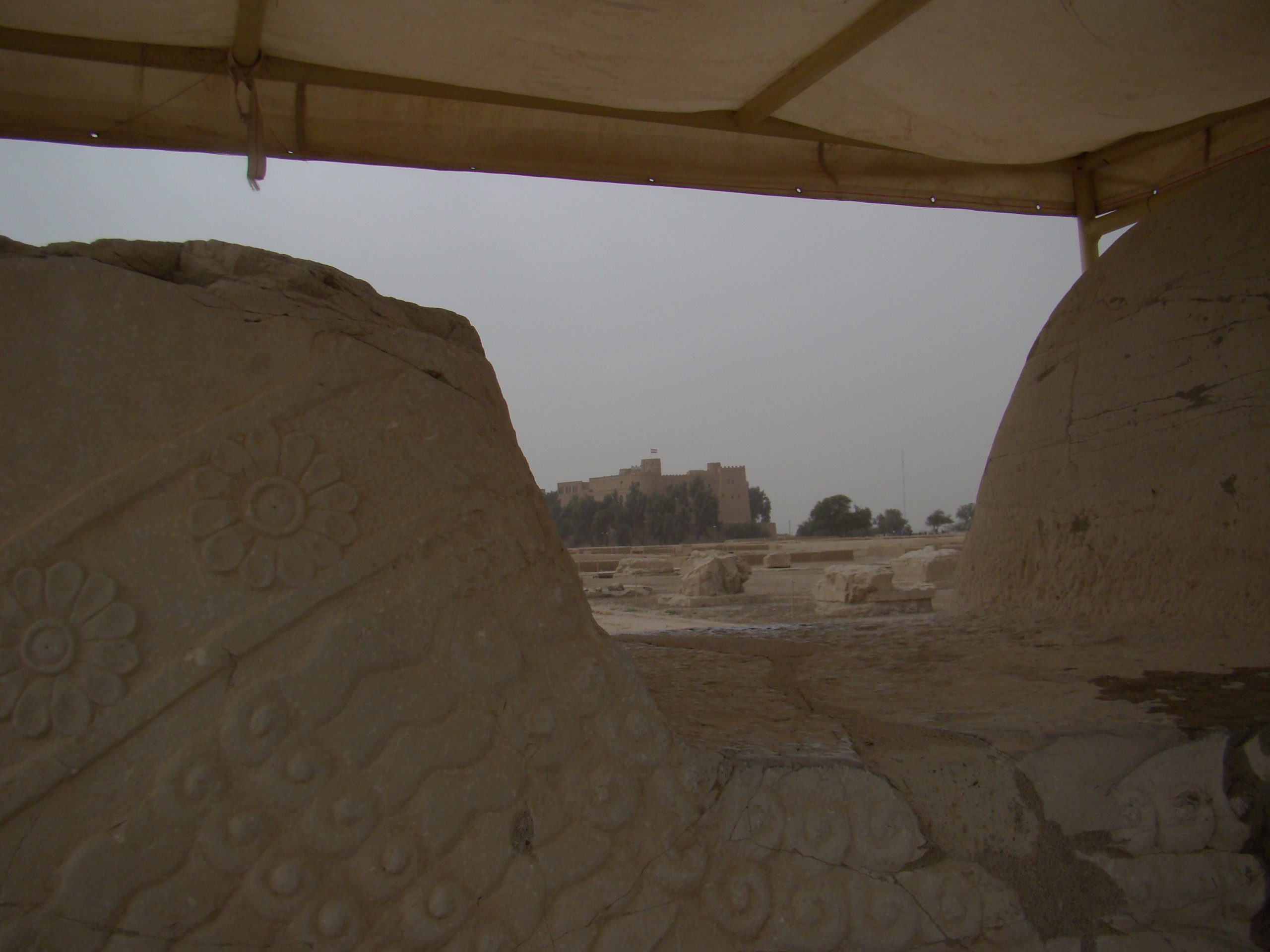
Reconstructing the original appearance of these walls takes a real effort of imagination, because the bare mounds give little hint of the color that once blazed across them. Where today there is only weathered earth and brick, there were once long friezes of glowing figures, their glazes catching the light so that the palace shimmered with blues and golds. The contrast between that lost brilliance and the muted ruins of the present is one of the poignancies of the site, a reminder of how much of the ancient world’s color and vividness has faded to the neutral tones of archaeology.
Layers Beneath the French Castle
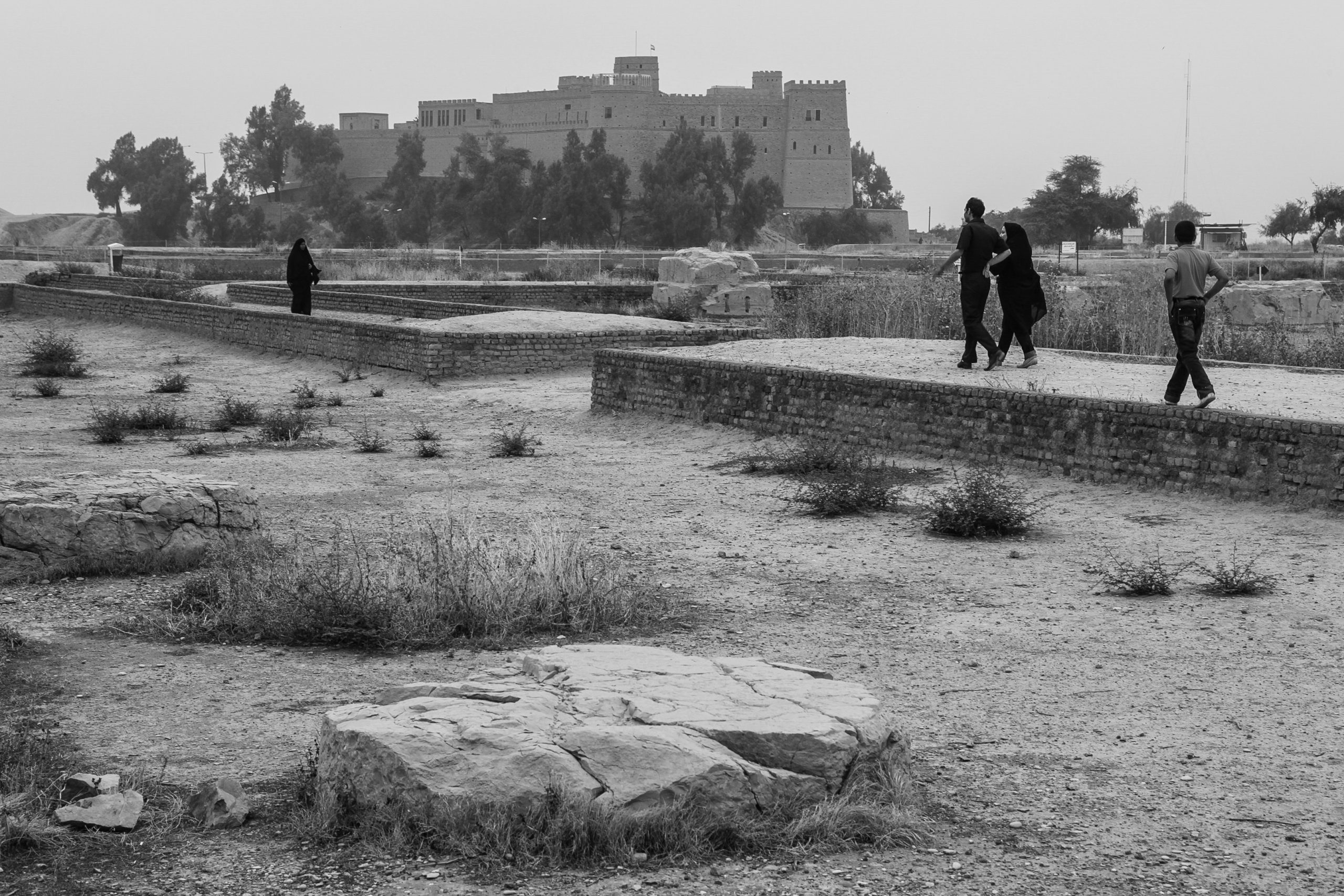
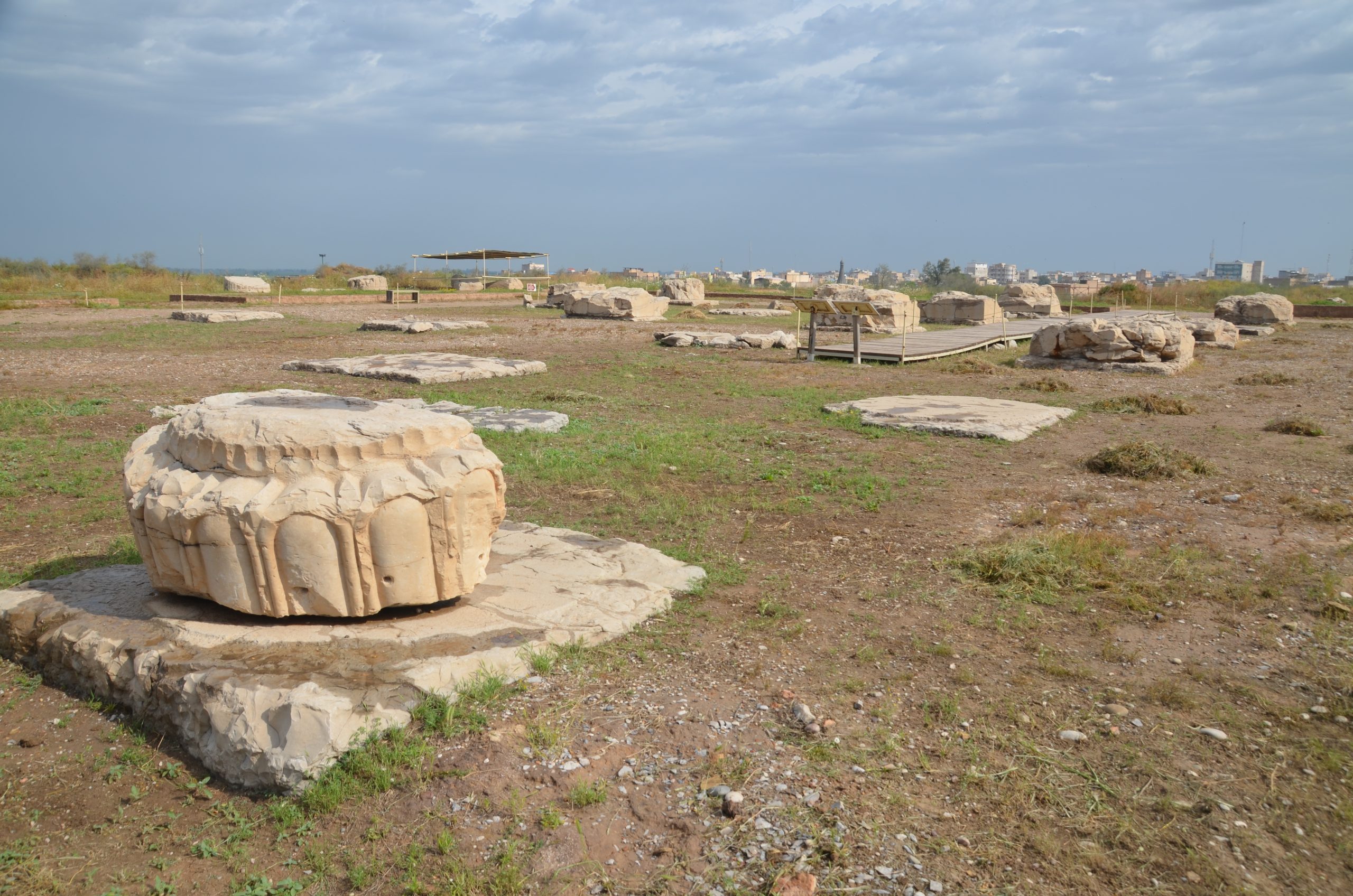
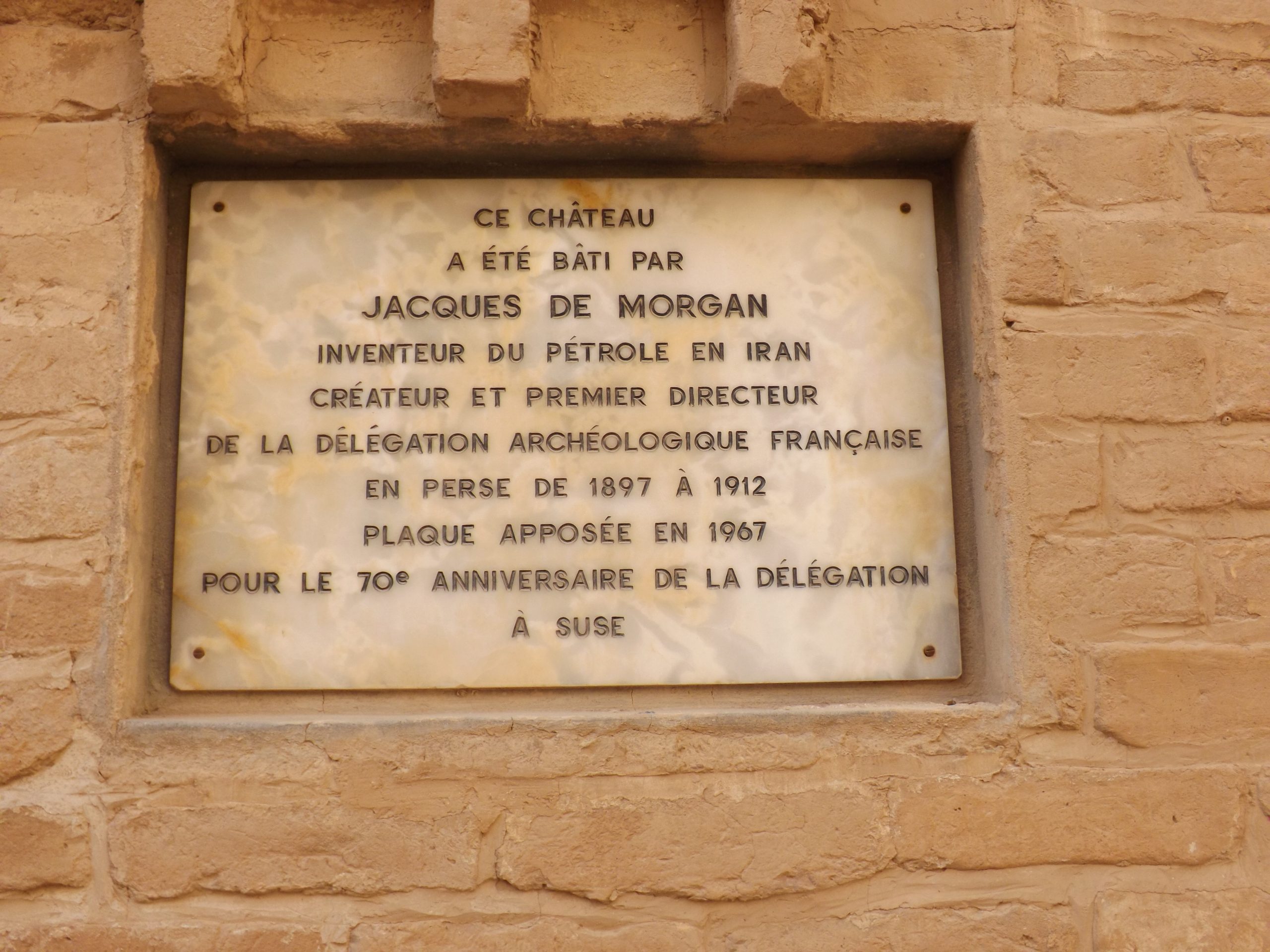
One of the most curious sights at Susa is the castle that stands atop the ancient mound, a structure that looks almost medieval yet was built in relatively modern times. This fortress was constructed by the archaeological mission that excavated the site, intended to protect the excavators and their finds from the difficult conditions and occasional dangers of the region. Built partly from bricks salvaged from the ancient ruins, it has become an unexpected but iconic landmark of the site.
The castle reflects the history of the excavation of Susa, which was carried out over a long period by a foreign archaeological mission. The scale and duration of this work, and the sometimes challenging circumstances in which it was conducted, are embodied in the fortress that the excavators felt compelled to build. It stands as a monument not only to the ancient city but to the modern effort to recover it, a physical reminder of the labor and determination that archaeology sometimes requires.
Beneath and around this castle lie the accumulated layers of the ancient city, the true treasure of the site. The excavations dug deep into these layers, recovering the remains of the successive civilizations that had occupied Susa across its immensely long history. The finds from this work transformed understanding of the region’s past, illuminating the Elamite civilization, the city’s relations with Mesopotamia, and its role as a Persian capital, among many other chapters of its story.
The image of the castle rising above the ancient mound has become emblematic of Susa, a striking juxtaposition of the modern and the immensely old. It reminds visitors that the deep history of the site was not recovered easily, but through sustained and sometimes arduous effort. Standing before the castle, one is aware both of the vast antiquity buried beneath it and of the human endeavor that brought that antiquity back to light, two very different kinds of history meeting on a single mound.
Treasures Carried Far Away
The excavations at Susa yielded an extraordinary wealth of finds, many of which are now among the most famous objects of ancient Near Eastern art held in major museums. Among the most celebrated treasures recovered from the site are monumental works that had actually been carried to Susa in antiquity as war booty by Elamite kings, so that some of the greatest surviving masterpieces of Mesopotamian art were found not in Mesopotamia but in the layers of this Iranian city.
These plundered treasures tell their own story about the history of the region. When Elamite armies raided Mesopotamia, they carried off precious monuments and set them up in their own capital as trophies of victory. Centuries later, archaeologists excavating Susa recovered these very objects, preserved by their burial in the mound. The result is that some of the most important artifacts of one civilization were ultimately found in the ruins of another, a striking illustration of the movement of objects and the fortunes of war in the ancient world.
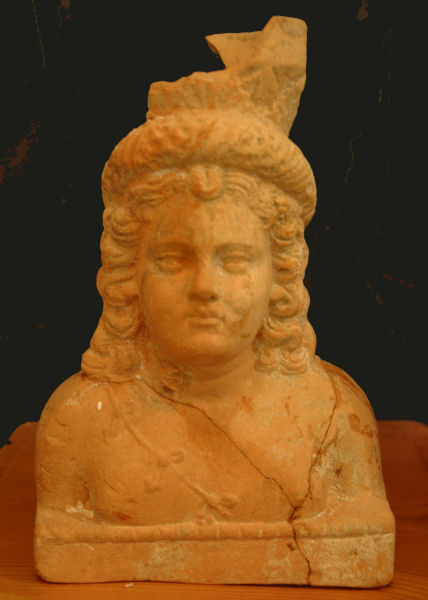
Beyond these famous trophies, Susa produced a vast array of finds spanning its many periods, from delicate painted pottery of great antiquity to sculptures, inscriptions, and the colorful glazed bricks of the Persian palace. Together these objects constitute an invaluable record of the art and life of the successive civilizations that occupied the city, filling museum galleries and enriching understanding of the ancient Near East across an immense span of time.
The dispersal of many of these treasures to distant museums has made Susa famous far beyond Iran, even as it has raised questions, common to many great archaeological sites, about where such objects properly belong. Whatever one’s view on that matter, the richness of the finds from Susa testifies to the depth and importance of the site. Through its recovered treasures, this ancient city continues to speak to the world, its art and artifacts illuminating the long and complex history of the region it commanded.
Writing, Law, and Memory
Susa holds a special place in the history of writing, for it was here and in the surrounding region that some of the earliest experiments with recording information were undertaken. The site has yielded important evidence for the development of writing systems, including early administrative devices and scripts that mark stages in humanity’s long journey toward literacy. The Elamites developed their own writing traditions, and Susa was a center where the technology of recording language evolved and was practiced.
The abundance of inscribed material from Susa, on clay and stone, has provided historians with crucial information about the civilizations that occupied the city. Administrative records, royal inscriptions, and other texts reveal aspects of the economy, government, religion, and history of Elam, Persia, and the other cultures that left their mark here. Among the celebrated finds associated with the site is a famous law code, brought to Susa in antiquity, that stands as one of the most important legal documents to survive from the ancient world.
This wealth of written evidence transforms Susa from a mute ruin into a place with a recoverable history, its documents allowing scholars to reconstruct events, institutions, and beliefs across many periods. The habit of writing on durable materials, combined with the preservation afforded by burial in the mound, has made Susa a rich source for understanding the ancient Near East. The city’s contribution to the history of writing and record-keeping is one of its most significant legacies.
Through its inscriptions and documents, Susa participates in one of the great themes of human history, the development of writing and its use to govern, to remember, and to impose law. That some of the most important texts and legal monuments of the ancient world are connected to this site underlines its central place in the story of early civilization. In the written traces recovered from its layers, the many peoples of Susa left a record that continues to inform our understanding of the deep human past.
The physical objects on which these texts survive are as evocative as their contents. A single inscribed tablet, its wedge-shaped signs pressed into clay by a scribe thousands of years ago, connects us directly to the mind of an individual long dead, whether recording a transaction, a ritual, or a royal boast. Handling such objects, or seeing them displayed at the site, brings home the reality that behind the grand sweep of empires and conquests were countless ordinary acts of writing, each a small human effort to fix meaning against the erosion of time.
Endurance and Decline
Given its immensely long history, it is remarkable how many times Susa declined and revived, absorbing blows that would have ended a lesser city. Conquests, sackings, and shifts in the balance of regional power repeatedly threatened its existence, yet again and again the city recovered, rebuilt on the ruins of its earlier incarnations. This extraordinary resilience is one of the defining features of Susa, a place seemingly unwilling to die despite everything that befell it.
In later ages, however, the long momentum of the city eventually slowed. Changes in political geography, in trade routes, and in the fortunes of the wider region gradually reduced the importance of Susa from the great capital it had once been. The city continued to be occupied and to matter for a long time, but its role diminished as the centers of power and commerce shifted, and the immense vitality that had sustained it through so many centuries at last began to ebb.
The decline of Susa, like its endurance, was a gradual and complex process rather than a single dramatic event. Over a long span the great city faded from its former eminence, its monuments falling into ruin and its mounds accumulating the debris of its own long past. Yet even in decline, the site never lost the deep significance conferred by its extraordinary history, remaining a place charged with the memory of the many civilizations that had risen and fallen within it.
Walking Ancient Susa
Today the ruins of Susa lie near a modern town in southwestern Iran, and the site is recognized as a UNESCO World Heritage property for its outstanding importance in the history of the ancient Near East. Visitors encounter a landscape of mounds and excavated remains, crowned by the distinctive castle built by the early excavators. Though much of the city’s ancient splendor has vanished or been carried off to museums, the site retains a powerful sense of its immense antiquity and importance.
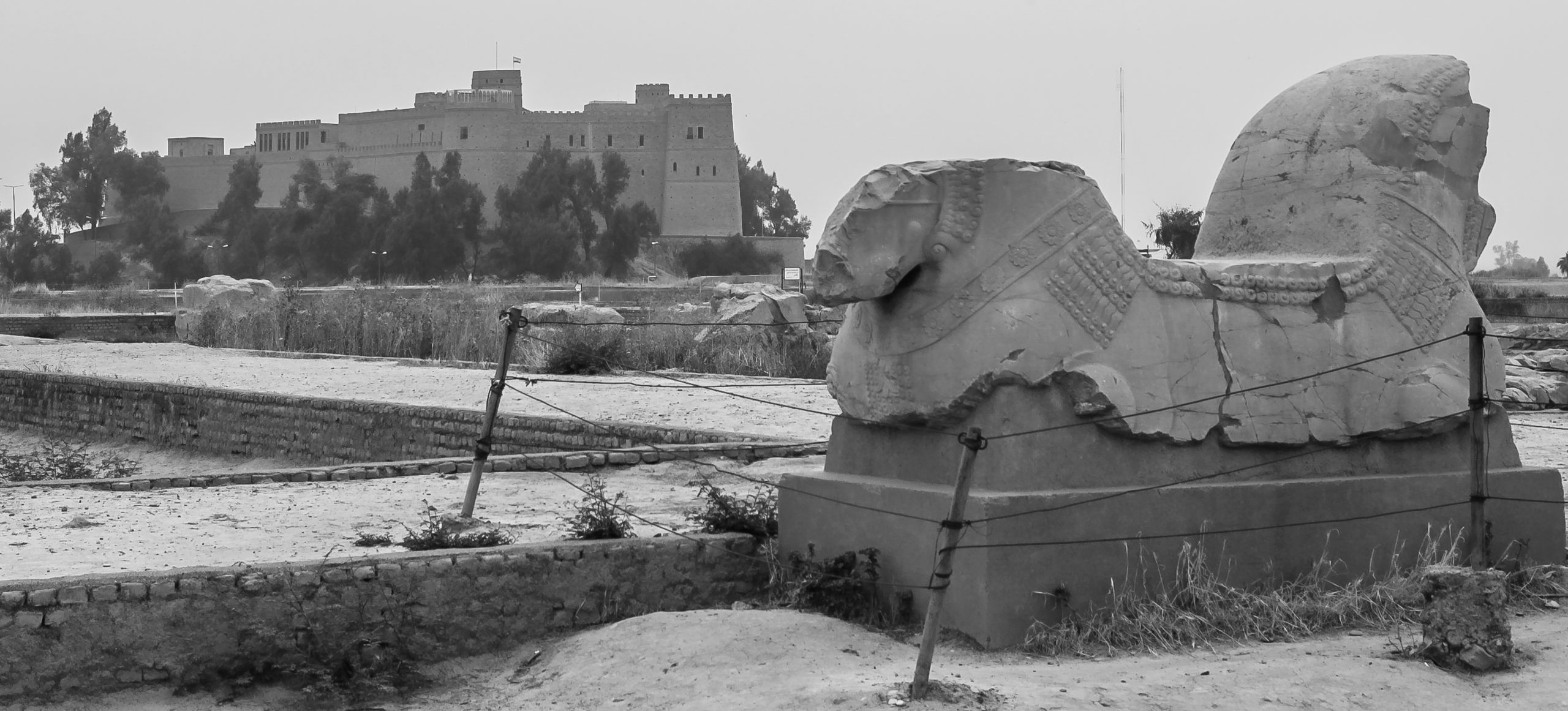
Walking the excavated areas, one can trace the outlines of the great Persian palace and the deep layers of earlier occupation, gaining a sense of the successive civilizations that made their home here. The scale of the mounds hints at the accumulated depth of the city’s history, while displays and reconstructions help visitors understand what has been found. For those willing to imagine, the bare remains can be repopulated with the Elamite priests, Persian officials, and countless ordinary inhabitants who once filled the streets.
The enduring appeal of Susa lies in its role as a window onto the very deep past. Here, in a single place, one can contemplate the long continuity of settled human life, from prehistoric beginnings through the ages of great empires. Few sites offer so profound a sense of historical depth, of standing on ground occupied and reoccupied for thousands of years. To visit Susa is to encounter the long endurance of civilization itself, written in the layered mounds of one of the world’s oldest cities.
In this sense a visit to Susa is less a matter of admiring monuments than of contemplating time itself, the vast, humbling depth of it that so few places on earth can offer.
Nearby Places
The lands where the Iranian plateau meets the plains of Mesopotamia are among the richest in the world for ancient history, home to great capitals and some of humanity’s earliest cities. If the deep past of Susa has drawn you in, these related sites carry the story of the region further.
- The Quiet First Capital Where a Great Empire Began: The Story of Pasargadae
- The Ceremonial Capital Where an Empire Carved Its Own Reflection: The Story of Persepolis
- The City Where Kingship Descended From Heaven, Almost: The Story of Ur
In Closing
Susa stands among the most remarkable of all ancient cities for the sheer length and richness of its history. Few places on earth have witnessed so much of the human story or preserved so many layers of the past in a single mound. From a great center of the Elamite civilization to a prize contested by empires and a splendid capital of Persia, Susa lived through age after age, enduring conquests and revivals across a span of time almost impossible to grasp.
Perhaps the deepest lesson of Susa is one of endurance and continuity, of the way certain favored places gather to themselves the accumulated history of whole civilizations. In its layered mounds, its recovered treasures, and its long roll of rulers and peoples, Susa embodies the extraordinary persistence of urban life in a region that was one of its earliest homes. To stand amid its ruins is to feel the immense depth of the human past, and to marvel at a city that lived, in one form or another, for thousands of years.
You May Like

Mafra, the Palace a King Built From a Vow


3 thoughts on “Susa: A City of Endless Layers Where Empires Rose and Fell”