
At the foot of the Pyrenees in southwest France, the small town of Lourdes has become one of the most visited pilgrimage sites in the Christian world, welcoming millions of people every year. They come to the Sanctuary of Our Lady of Lourdes, drawn by the story of a series of apparitions of the Virgin Mary in 1858 and by the hope of comfort, healing and grace.
The Apparitions of 1858
In 1858 a fourteen-year-old local girl named Bernadette Soubirous reported that a “lady” appeared to her eighteen times in a rocky grotto at Massabielle, on the edge of the town. According to Bernadette, the lady identified herself as the Immaculate Conception and asked that a chapel be built and that people come in procession. The Catholic Church, after careful investigation, recognised the apparitions, and Bernadette was later canonised as a saint.
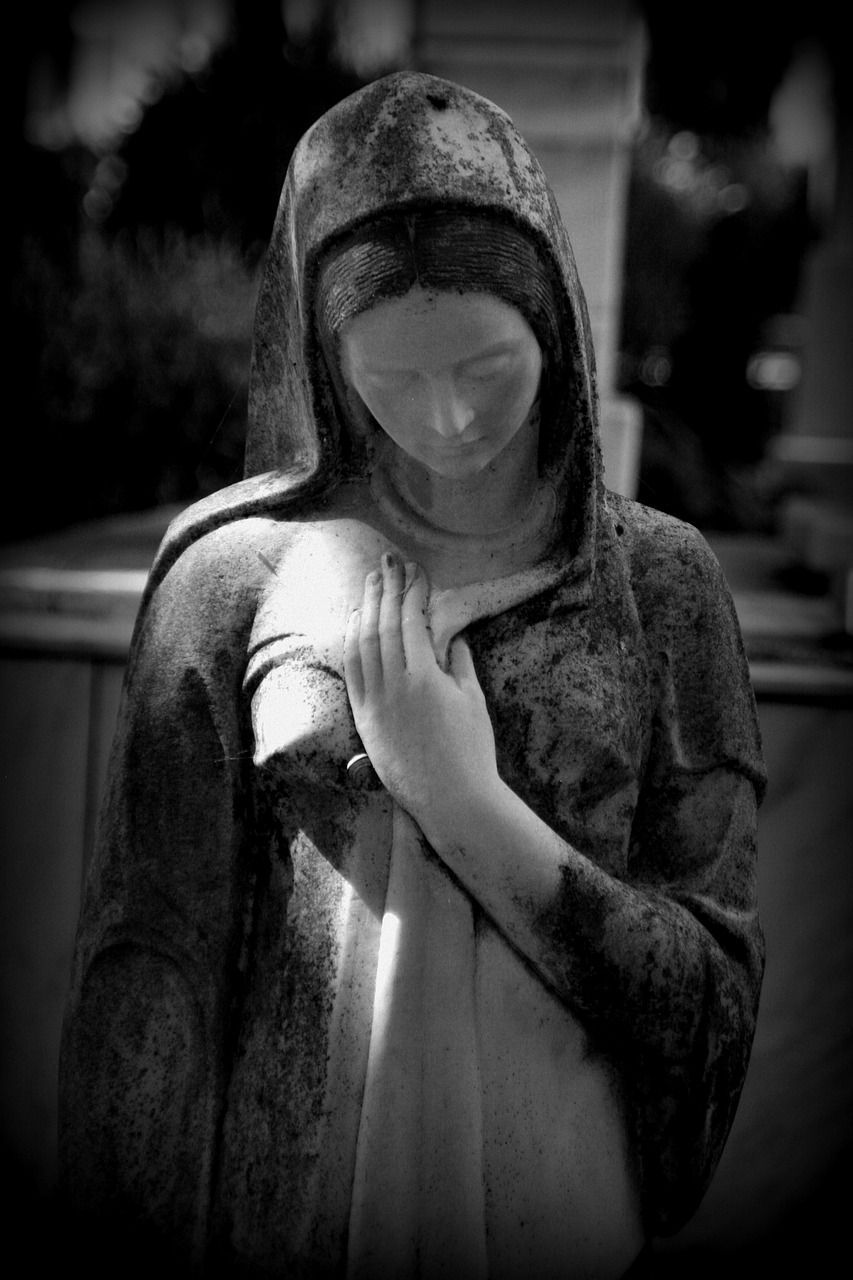
The Grotto and the Spring
The heart of the sanctuary is the Grotto of Massabielle itself, where pilgrims file past the rock in silence, often touching its worn surface. During the apparitions a spring is said to have emerged at the grotto, and its water has been associated ever since with the hope of healing. Pilgrims drink it, collect it and bathe in it, and a number of cures reported at Lourdes have been studied for many years by a dedicated medical body before any are described by the Church as inexplicable.
The Sanctuary’s Basilicas
Above and around the grotto rose a great sanctuary. The neo-Gothic Basilica of the Immaculate Conception crowns the rock, with the Rosary Basilica below it, its facade glittering with mosaics. To handle the vast crowds, the huge underground Basilica of St Pius X was built in the 20th century, able to hold tens of thousands of people. Together they make Lourdes one of the largest pilgrimage complexes anywhere.


2 thoughts on “The Sanctuary of Our Lady of Lourdes”