On the eastern seaboard of India, where the Bay of Bengal washes a long shore of fishing villages and ancient temple towns, lies the state of Odisha, the homeland of the Odia people. Often overlooked in the wider story of India, the Odias are heirs to one of the subcontinent’s most remarkable civilisations, a people who built one of the great empires of ancient India, raised some of the most magnificent temples ever carved in stone, gave the world a sublime classical dance, and watched a battle on their soil change the spiritual course of all Asia. They number around forty to fifty million, the overwhelming majority living in Odisha, of which their language, Odia, is the soul.
The Odias have a quiet, deep-rooted sense of cultural pride that is bound up above all with their land, their language, and their beloved deity Jagannath, the lord of the universe whose great temple at Puri is one of the holiest places in the Hindu world. Theirs is a culture of temple builders and seafarers, of poets and dancers, of rice farmers tending the deltas and tribal communities living in the forested hills of the interior. It is also a land that has known great suffering, from devastating famines and cyclones to long economic neglect. This is the story of who the Odias are, where their language comes from, and how this coastal people shaped a civilisation whose influence reached far beyond its shores.
In This Article
- A coast, a delta, and the hills behind
- The Odia language and its classical roots
- Kalinga, the war that changed Asia
- Mariners of the eastern sea
- A golden age of temples in stone
- Lord of the Universe, the cult of Jagannath
- Empire, conquest, and a long eclipse
- Famine, cyclone, and the birth of a state
- Odissi and the arts of the temple
- Rice, sweets, and the food offered to god
- The hills, the tribes, and the price of minerals
- The quiet pride of the Odias
A coast, a delta, and the hills behind
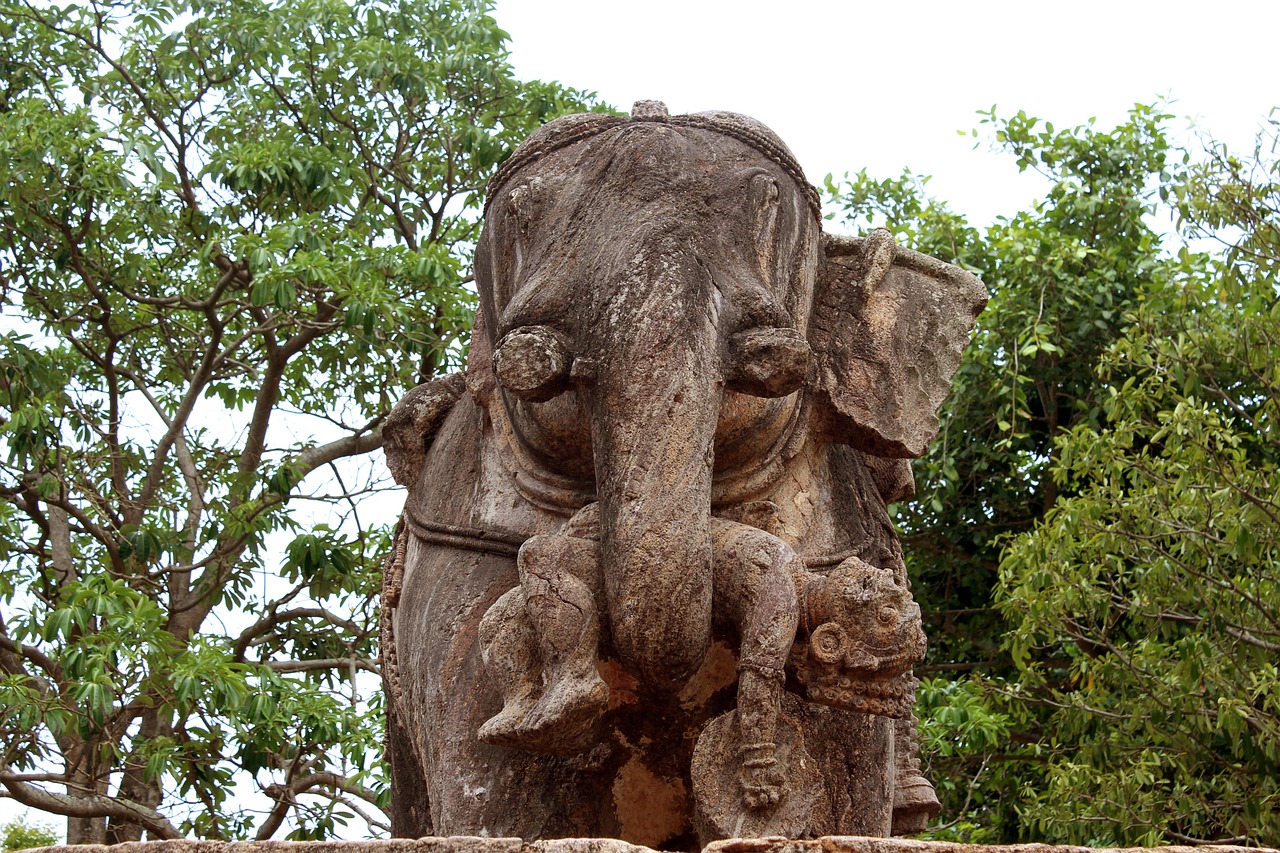
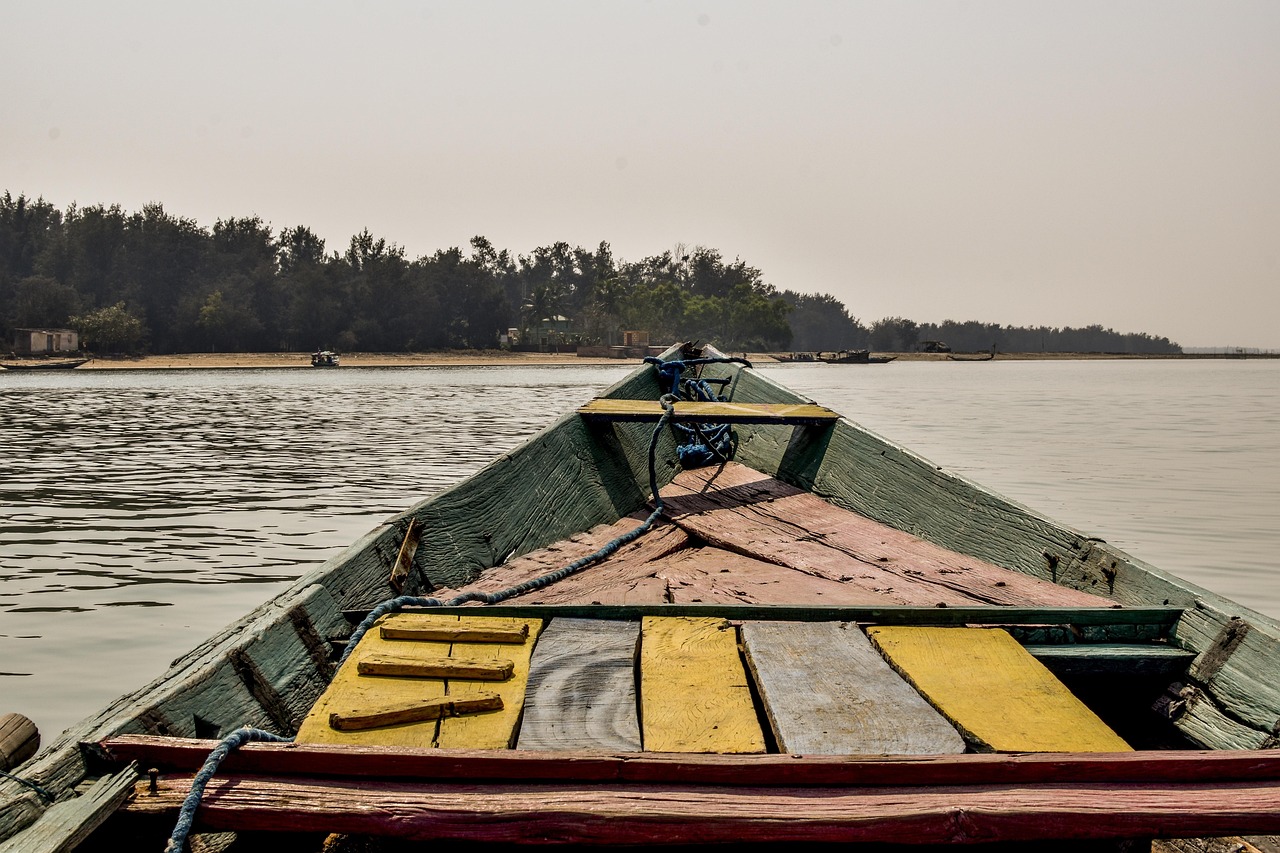
Odisha is shaped, like so much of eastern India, by the meeting of river, sea, and hill. Along its eastern edge runs a fertile coastal plain, built up over millennia by the great rivers, above all the Mahanadi, the great river that gives the region its rice harvests and its history of both abundance and flood. The deltas and plains are the agricultural and demographic heart of the Odia people, a green expanse of paddy fields, palm groves, and temple towns strung along the Bay of Bengal. Off this coast lies Chilika, the largest brackish-water lagoon in Asia, a vast shallow lake that teems with fish and dolphins and draws enormous flocks of migratory birds each winter.
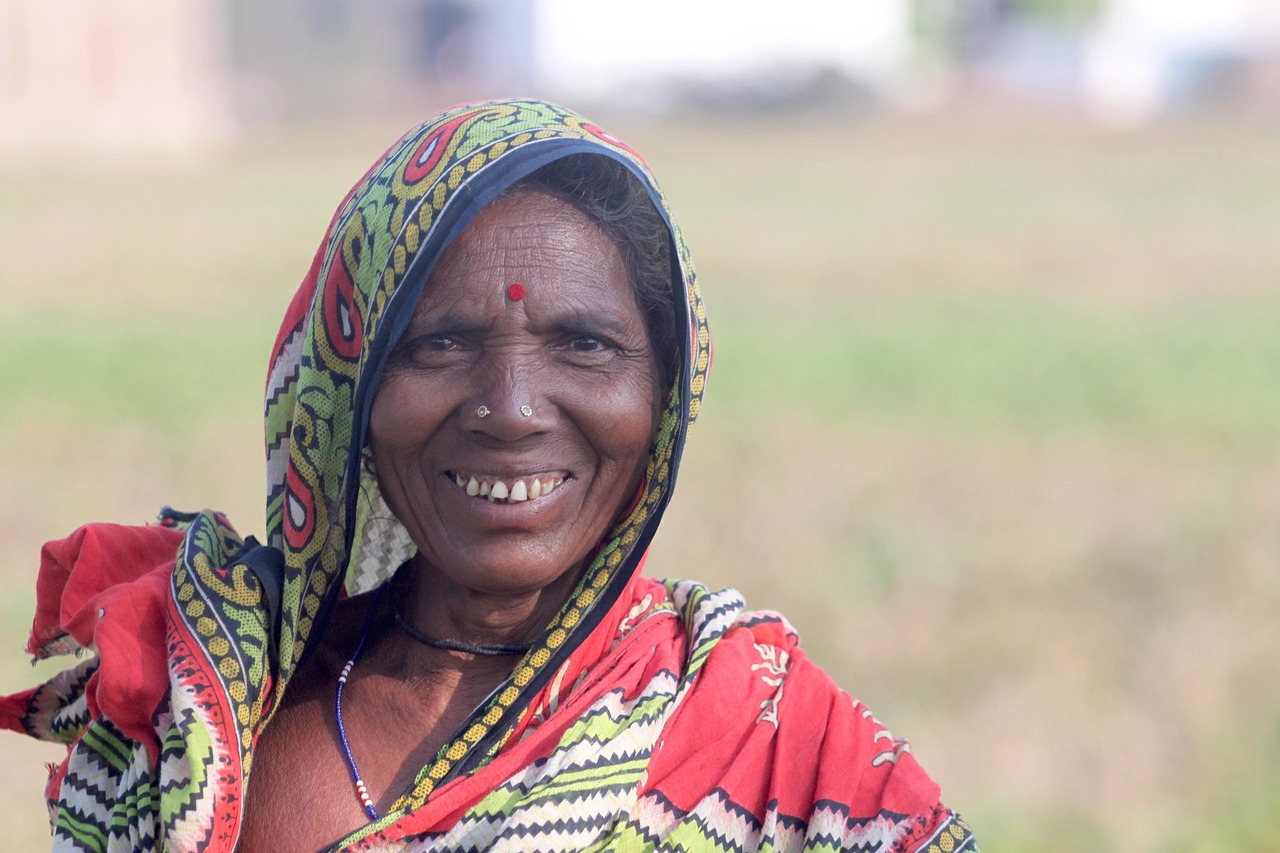
Behind the coastal plain the land rises into the forested hills and plateaus of the interior, part of the highlands of central India, rich in minerals and clothed in forest. These uplands are home to a large number of Adivasi or tribal communities, among the most significant concentrations of indigenous peoples anywhere in India, who have their own languages, religions, and ways of life distinct from the Odia-speaking plains. The relationship between the temple-and-rice civilisation of the coast and the tribal cultures of the hills is one of the defining features of Odisha, and the mineral wealth of the interior has made it both a source of industrial development and a site of painful displacement.
The Odia language and its classical roots
The language of the Odias, Odia, belongs to the Indo-Aryan branch of the Indo-European family, the same broad family as Hindi, Bengali, and the other languages of northern and eastern India, all descended from ancient Sanskrit and the Prakrit dialects that grew from it. Within this family Odia is most closely related to Bengali and Assamese, the three forming the eastern group of Indo-Aryan languages, having diverged from a common ancestor over the medieval centuries. Odia is written in its own distinctive script, instantly recognisable by its rounded, curved letters, a shape often attributed to the old practice of writing on palm leaves with a stylus, since straight lines would have split the leaf.
Odia holds a special distinction: it was the first Indo-Aryan language to be formally recognised by the Indian government as a classical language, an honour reflecting the great antiquity and richness of its literary tradition, which had previously been granted mostly to the older Dravidian tongues of the south. Odia literature stretches back many centuries, with a continuous tradition of poetry, the medieval devotional verse of poets who retold the great epics in the people’s language, and a body of writing that gave the Odias a strong sense of literary identity. That identity proved crucial in modern times, for it was on the basis of their shared language that the Odias fought to win their own province, becoming one of the first peoples in India to have a state created specifically for a linguistic community.
Kalinga, the war that changed Asia
The most momentous event in the entire history of the Odia land took place more than two thousand years ago, and its consequences echoed across all of Asia. In the third century before the common era, the powerful Mauryan emperor Ashoka invaded the kingdom of Kalinga, which occupied much of what is now Odisha. The Kalingans resisted fiercely, and the war that followed was so terrible, with reports of more than a hundred thousand killed and many more deported, that the emperor, surveying the carnage, was overcome with horror and remorse at what he had done.
According to his own edicts carved in stone, the bloodshed of the Kalinga war turned Ashoka away from conquest and toward the path of the Buddha. He embraced Buddhism, renounced war, and devoted the rest of his reign to the propagation of dharma, sending missionaries across Asia and helping to transform Buddhism from a regional faith into a world religion. It is one of the great ironies of history that the suffering of the Kalingans, the ancestors of the Odias, became the catalyst for one of the most influential conversions in human history. The rock edicts recording Ashoka’s remorse still stand in Odisha, a permanent monument to the moment a coastal Indian people’s tragedy changed the spiritual map of the world.
Mariners of the eastern sea
The ancient Odias, the people of Kalinga, were among the great seafarers of the Indian Ocean. From their ports on the Bay of Bengal, Kalingan merchants and mariners sailed east across the open sea to the islands and coasts of Southeast Asia, to Java, Bali, Sumatra, and beyond, carrying goods, settlers, and above all Indian religion and culture. The deep imprint of Indian civilisation across Southeast Asia, its Sanskrit names, its Hindu and Buddhist temples, its epics and scripts, owes a great deal to these eastern Indian traders, of whom the Kalingans were among the most important.
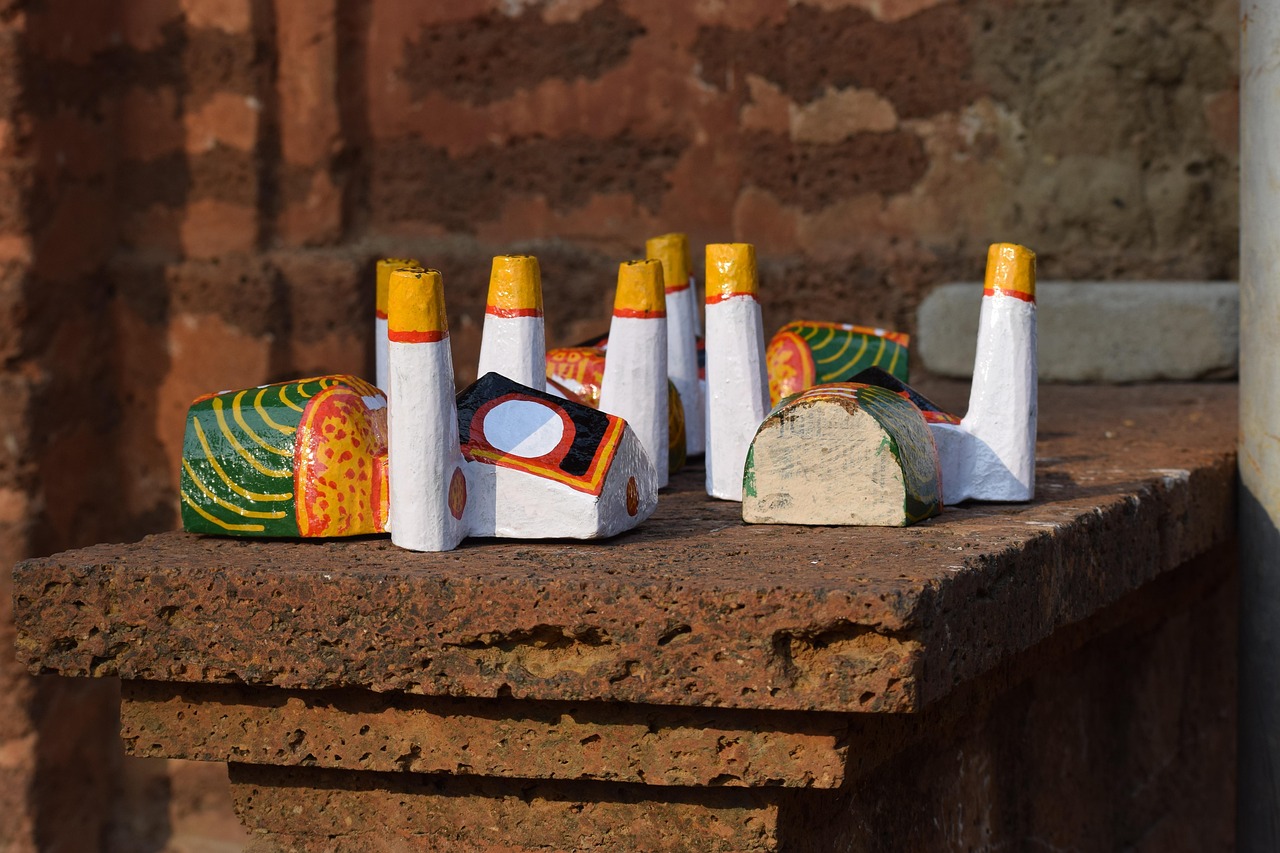
This maritime heritage is remembered and celebrated by the Odias to this day in the beautiful festival of Bali Jatra, the voyage to Bali, held each autumn on the banks of the Mahanadi at Cuttack, when people float tiny boats made of paper, cork, and banana bark on the water in memory of the ancestors who set sail for distant lands. The festival, one of the largest open-air fairs in Asia, keeps alive the memory of a time when the Odia coast was a gateway between India and the wider world, and when Odia ships rode the monsoon winds to the farthest shores of the eastern sea.
A golden age of temples in stone
Between roughly the seventh and thirteenth centuries, under a succession of powerful dynasties, the Odia land entered a golden age of temple building that produced some of the supreme masterpieces of Indian architecture. The Odia, or Kalinga, style of temple, with its characteristic curving tower rising in a great beehive-shaped spire over the sanctum, evolved here into one of the most graceful and distinctive forms in all of Hindu architecture. The old capital of Bhubaneswar, sometimes called the temple city, once held many hundreds of these shrines, and its great Lingaraj temple remains one of the finest examples of the mature style.
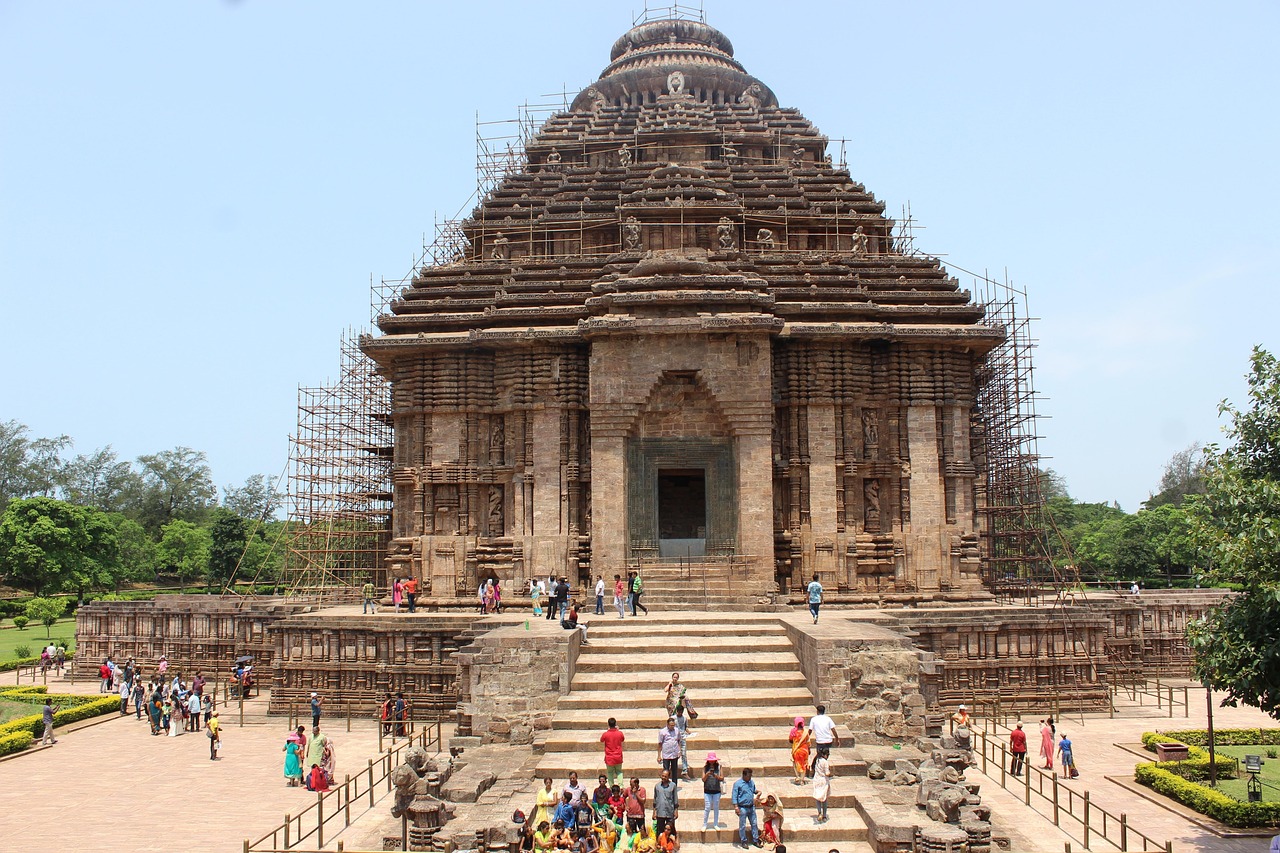
The crowning achievement of this tradition is the Sun Temple at Konark, built in the thirteenth century in the form of a colossal stone chariot for the sun god, complete with twenty-four enormous carved wheels and teams of straining horses, the whole vast structure covered in sculpture of breathtaking richness and sensuality. Though its great tower has long since collapsed, what remains is one of the most astonishing buildings in the world and a UNESCO World Heritage Site, the proud emblem of Odisha and a symbol of the heights its civilisation reached. The famous carved wheels of Konark, functioning as sundials, are among the most recognisable images of Indian art anywhere.
Lord of the Universe, the cult of Jagannath
At the very heart of Odia identity stands Jagannath, whose name means Lord of the Universe and from which the English word juggernaut is derived. Jagannath is a form of the god Vishnu, worshipped together with his brother Balabhadra and sister Subhadra in the form of strikingly distinctive wooden images with large round eyes, unlike any other deities in Hinduism. His great twelfth-century temple at Puri, rising above the seaside town, is one of the four holiest pilgrimage sites in all of Hinduism and the spiritual centre of the Odia people, the place toward which Odia hearts turn from wherever they may be.
The cult of Jagannath is remarkable for its inclusiveness and its deep roots in local and tribal tradition, and it has long been seen as a unifying force that drew together the diverse peoples of the region. Its supreme moment is the Rath Yatra, the chariot festival, when the three deities are brought out of the temple and pulled through the streets of Puri on three towering wooden chariots by enormous crowds of devotees, a spectacle of such scale and fervour that it gave the English language its word for an unstoppable force. The making of the chariots anew each year, the rituals of the temple, and the offering of the sacred food are woven into the rhythm of Odia life in a way few other religious traditions are anywhere in India.
Empire, conquest, and a long eclipse
In the medieval period the Odia land reached its political height under the Gajapati emperors, the lords of elephants, whose kingdom in the fifteenth century stretched far down the eastern coast and who saw themselves as the deputies of Lord Jagannath on earth. This was an age of confidence, of temple building, literature, and military power. But the centuries that followed brought a long and painful eclipse. The kingdom fell to the Mughals and then to other powers, and the once-proud Odia heartland was carved up and absorbed into the territories of its neighbours.
The deepest blow to Odia self-confidence came under British rule, when the Odia-speaking lands were divided for administrative convenience among three different provinces dominated by other languages, Bengali, Telugu, and Hindi. Cut off from one another and ruled through alien tongues, the Odias found their language belittled and even, at one point, threatened with being declared a mere dialect not worth teaching. This experience of being fragmented and culturally marginalised stirred a powerful movement of linguistic pride and self-assertion among Odia writers and leaders in the nineteenth and early twentieth centuries, who fought to defend their language and to reunite their people.
Famine, cyclone, and the birth of a state
The colonial period also brought catastrophe. The great famine of 1866, known in Odia memory as the Na Anka famine, was one of the deadliest in Indian history, killing perhaps a third of the population of the coastal region while the colonial administration failed disastrously to respond. The horror of that famine, and the realisation of how badly the fragmented and voiceless Odias had been served, gave fresh urgency to the demand for a united Odia province. After decades of campaigning, that demand was finally met in 1936, when Odisha became the first province in British India to be created on a primarily linguistic basis, a landmark achievement and a source of lasting pride.
The natural world has continued to test the Odias severely. Lying directly in the path of the cyclones that form over the Bay of Bengal, the coast has been struck repeatedly by devastating storms, including the super cyclone of 1999 that killed many thousands. Yet out of these tragedies the Odias and their government built one of the most effective disaster-preparedness systems in the developing world, so that when a comparably powerful cyclone struck years later, mass evacuations saved a vast number of lives, an achievement praised internationally. This hard-won resilience in the face of recurring natural disaster is a defining trait of the modern Odia people.
Odissi and the arts of the temple
Among the greatest gifts the Odias have given the world is Odissi, one of the eight classical dance forms of India and arguably the oldest, its postures and movements traced in the sculptures that adorn the ancient temples of Konark and Bhubaneswar. Odissi grew out of the temple tradition, where dancers known as maharis performed before the deity, and it is famous for its sensuous, sculpturesque grace, its fluid torso movements, and the way a dancer can seem to embody the very figures carved into the temple walls. After a period of decline, Odissi was revived and reconstructed in the twentieth century and is now performed and admired around the world as a treasure of Indian culture.
The artistic traditions of Odisha extend far beyond dance. The state is renowned for its pattachitra, intricate cloth-based scroll paintings in brilliant natural colours depicting Jagannath and scenes from the epics, a craft practised for centuries in the temple town of Raghurajpur. Odia artisans produce exquisite silver filigree work, palm-leaf engravings, stone and wood carving descended from the temple-builders, and the famous ikat-woven textiles of the region, their patterns dyed into the threads before weaving. On the long beach at Puri, sand sculptors have made Odisha world-famous for an entirely modern art form. Together these crafts make Odisha one of the richest centres of traditional and folk art in all of India.
Rice, sweets, and the food offered to god
Odia cuisine is a gentle, subtle tradition built on rice, the staple of the delta, often eaten in the form of pakhala, fermented rice soaked in water and served cool, a beloved everyday dish perfectly suited to the humid coastal climate. The cooking tends to be lightly spiced compared with much of India, relying on mustard, the distinctive five-spice mix called pancha phutana, and an abundance of fresh vegetables and fish from the rivers, lagoons, and sea. Odias have a particular love of sweets, and the region claims to be the original home of several famous Indian desserts, including, in a long-running and proudly held rivalry with neighbouring Bengal, the milk-based sweet rasagola, claimed also by the Bengalis but which Odisha argues was born in the kitchens of the Jagannath temple.
Indeed, food and faith are inseparable in Odisha, for the great Jagannath temple at Puri operates what is said to be one of the largest kitchens in the world, preparing a vast sacred offering called the mahaprasad in earthen pots over wood fires every day, cooked according to ancient method and distributed to countless pilgrims. To eat this temple food, shared without distinction of caste or rank, is one of the central religious acts of Odia life, a daily expression of the inclusive spirit that has always surrounded the Lord of the Universe.
The hills, the tribes, and the price of minerals
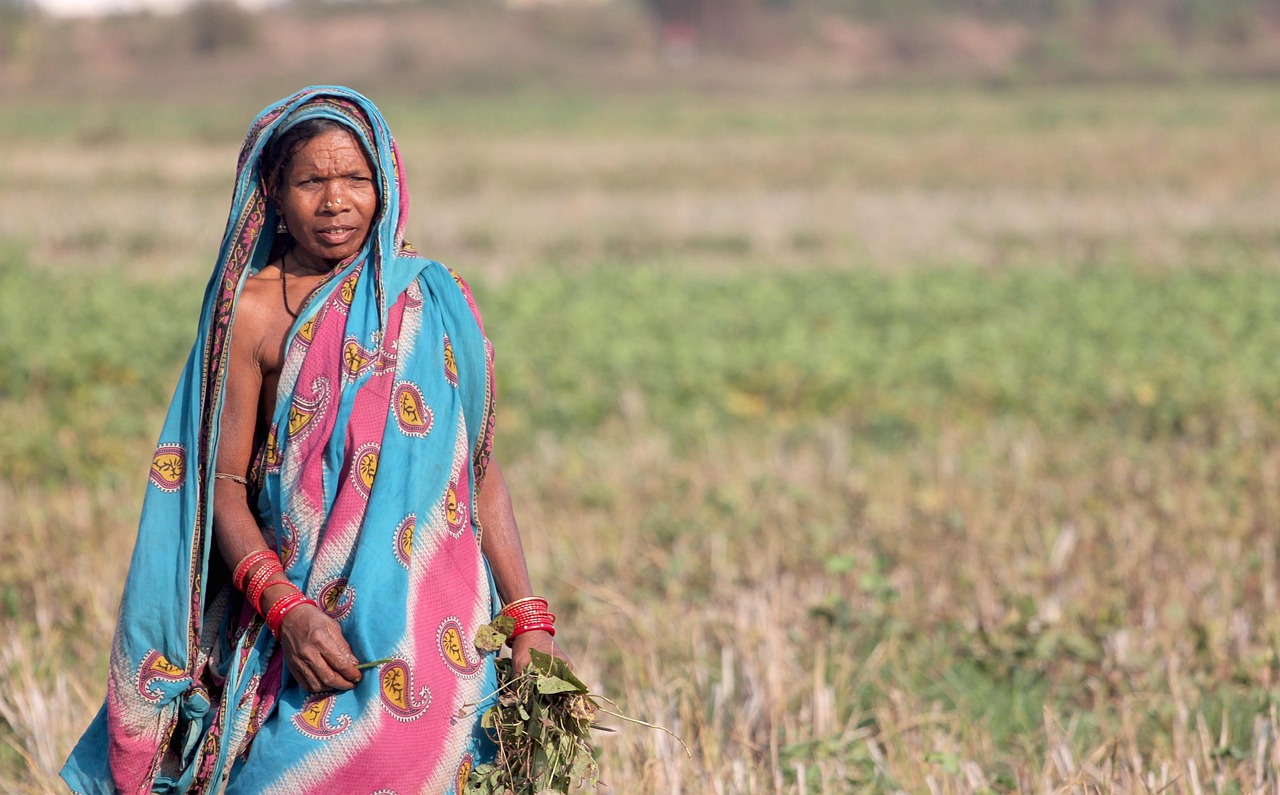
Away from the temple towns of the coast, the highlands of interior Odisha are home to one of the largest and most diverse concentrations of Adivasi peoples in India, dozens of distinct tribal communities with their own languages, beliefs, and customs, some of them among the most ancient cultures on the subcontinent. These communities have traditionally lived in close relationship with the forest, practising shifting cultivation, worshipping nature and ancestral spirits, and maintaining rich traditions of music, dance, and craft quite separate from the Hindu mainstream of the plains. Their presence makes Odisha one of the most culturally layered states in the country.
Yet these same hills hold some of India’s richest deposits of iron, coal, bauxite, and other minerals, and the drive to extract this wealth has placed the tribal peoples at the centre of some of the country’s hardest struggles over land, environment, and development. Mining and industry have brought roads, jobs, and revenue, but also pollution, deforestation, and the displacement of communities from ancestral land, sometimes against fierce resistance. The tension between the promise of industrial prosperity and the rights and survival of the Adivasi peoples is one of the defining dilemmas of modern Odisha, and an honest portrait of the region cannot ignore the human cost that has often accompanied its economic rise.
The quiet pride of the Odias
The Odias enter the modern age carrying a heritage out of all proportion to the attention the wider world has paid them. Theirs is the land whose suffering turned an emperor toward peace and helped carry Buddhism across Asia, whose mariners seeded Indian culture in distant islands, whose architects raised the chariot of the sun at Konark, whose dancers gave the world Odissi, and whose devotion to the Lord of the Universe at Puri has drawn pilgrims for nearly a thousand years. They were among the first peoples of India to win a state for their language, and among the first to be honoured with the title of a classical tongue.
They have also borne more than their share of hardship, from the horrors of famine and the recurring fury of the cyclones to long economic neglect and the displacement that has come with the mining of their mineral-rich hills. Yet the Odias have met these trials with a quiet, deep resilience and an unshakeable attachment to their land, their language, and their god. Often overlooked, rarely loud, the Odias are nonetheless among the most culturally accomplished peoples of India, the heirs of Kalinga, keepers of the chariot of the sun, and devotees of the Lord of the Universe, carrying their long and luminous heritage with a pride that needs no boasting.
You May Like
The Zaza, a Mountain People of Eastern Anatolia


2 thoughts on “Heirs of Kalinga and Keepers of the Chariot of the Sun, the Story of the Odia People”