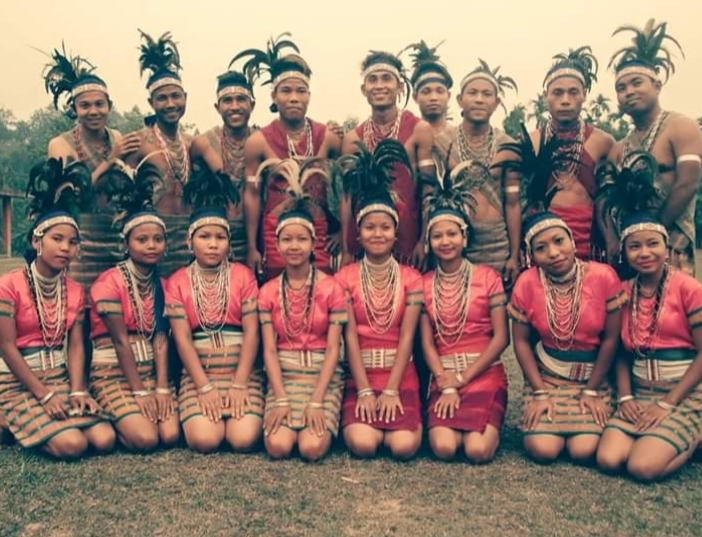
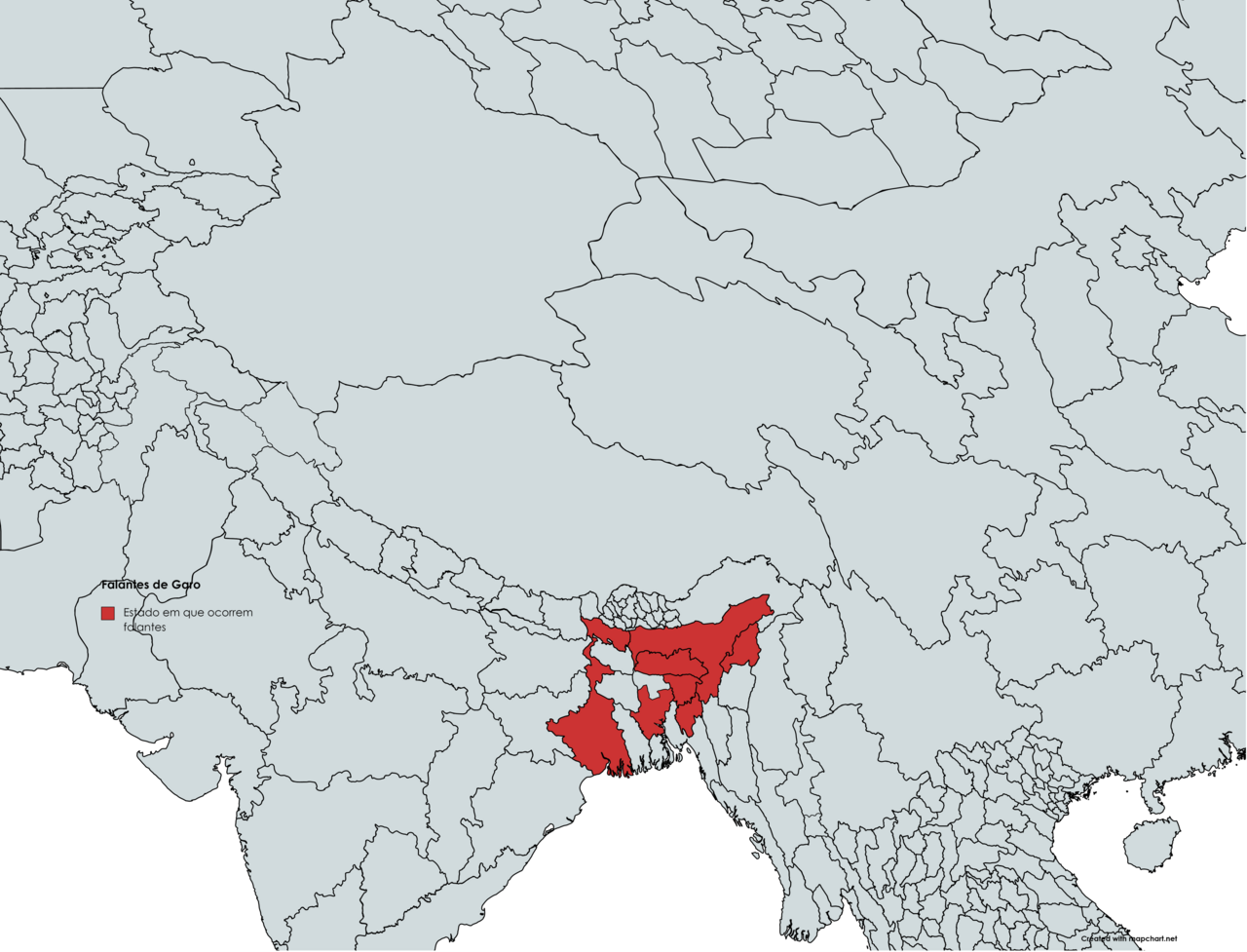
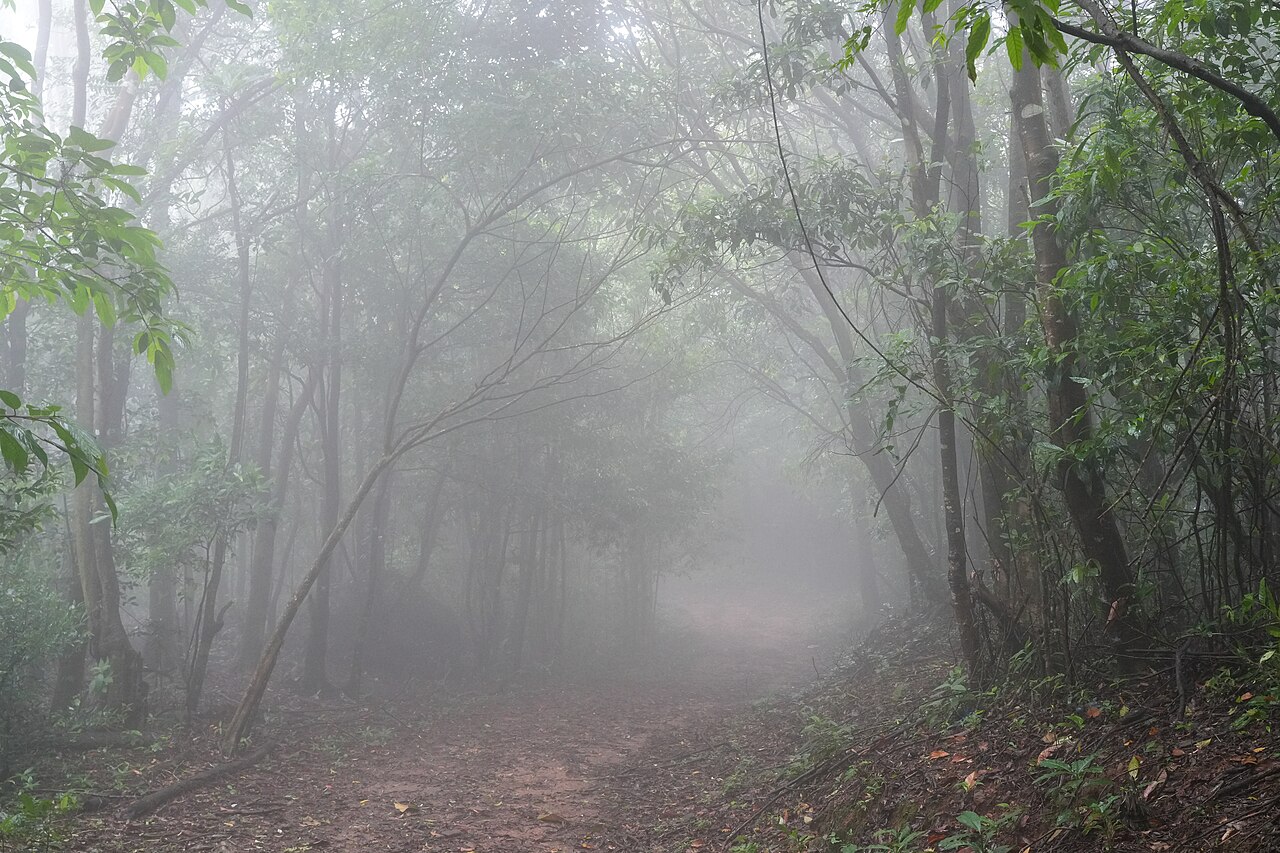
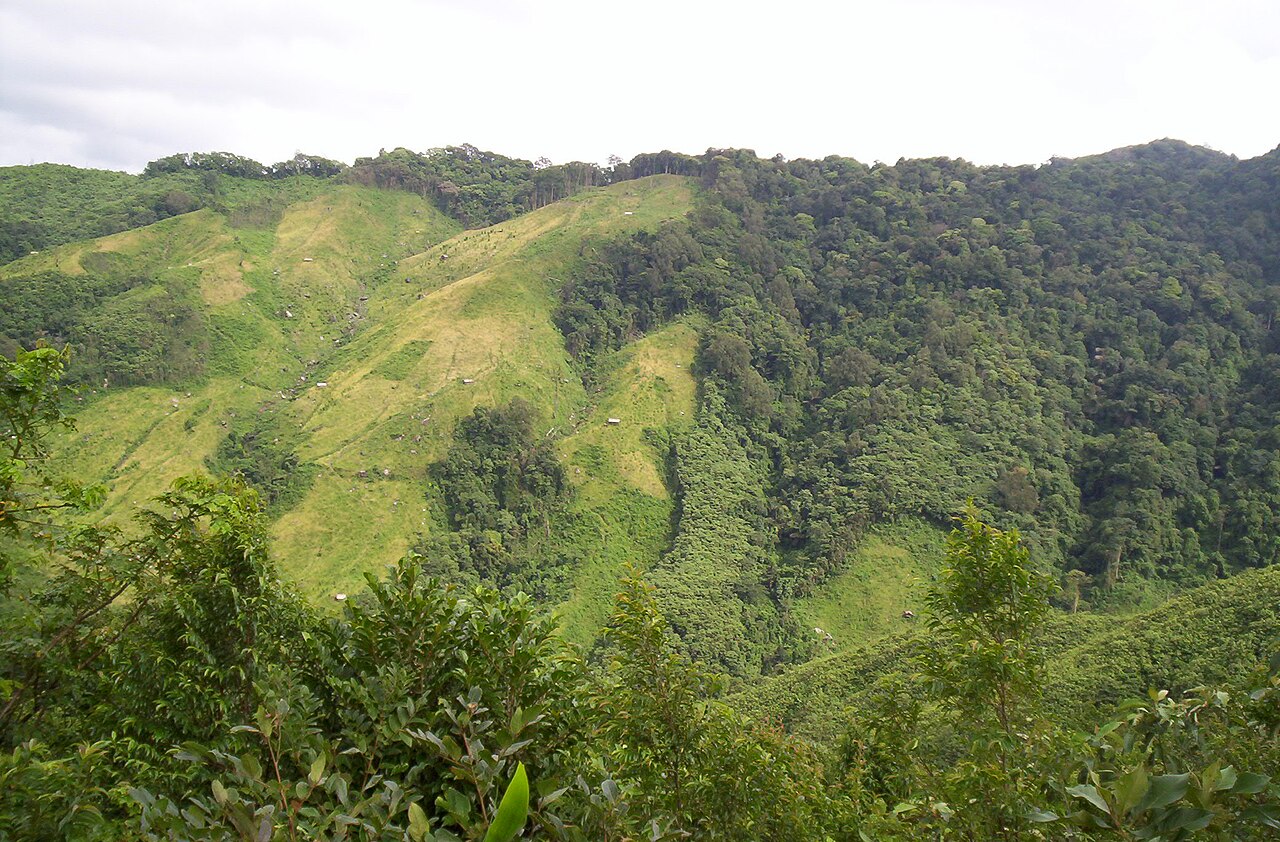
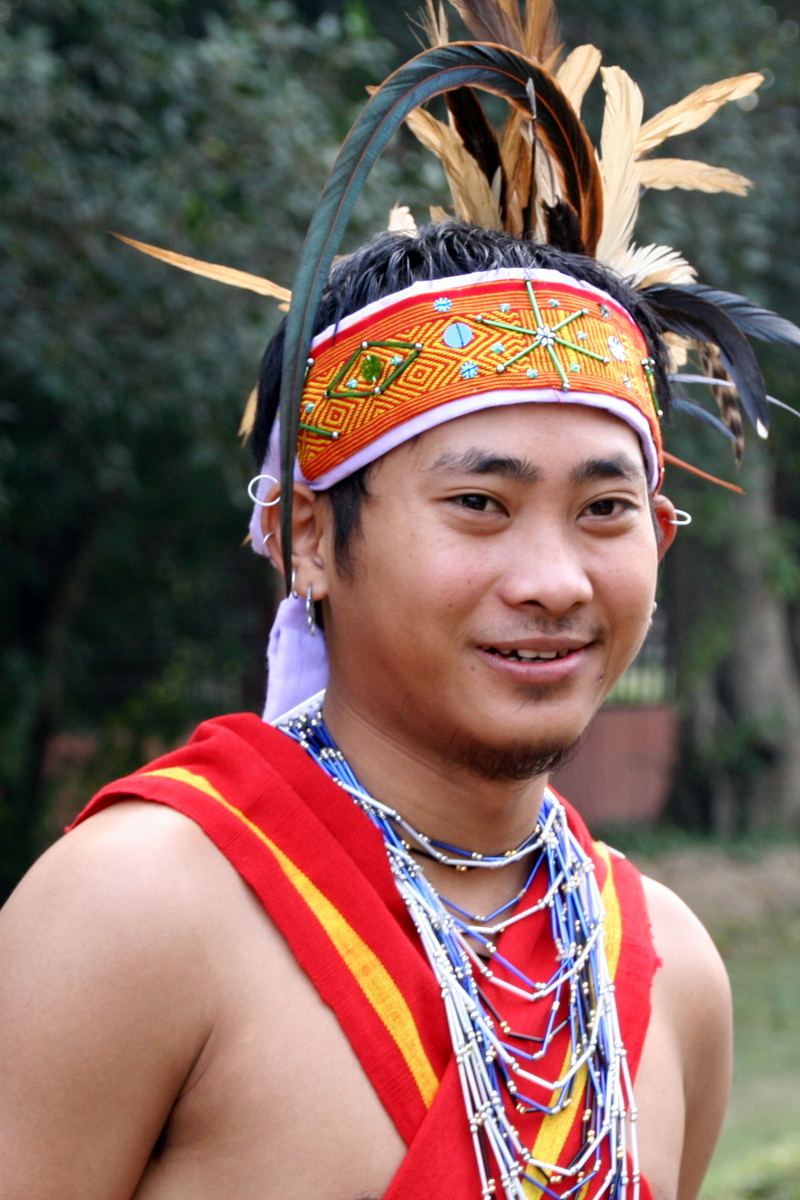
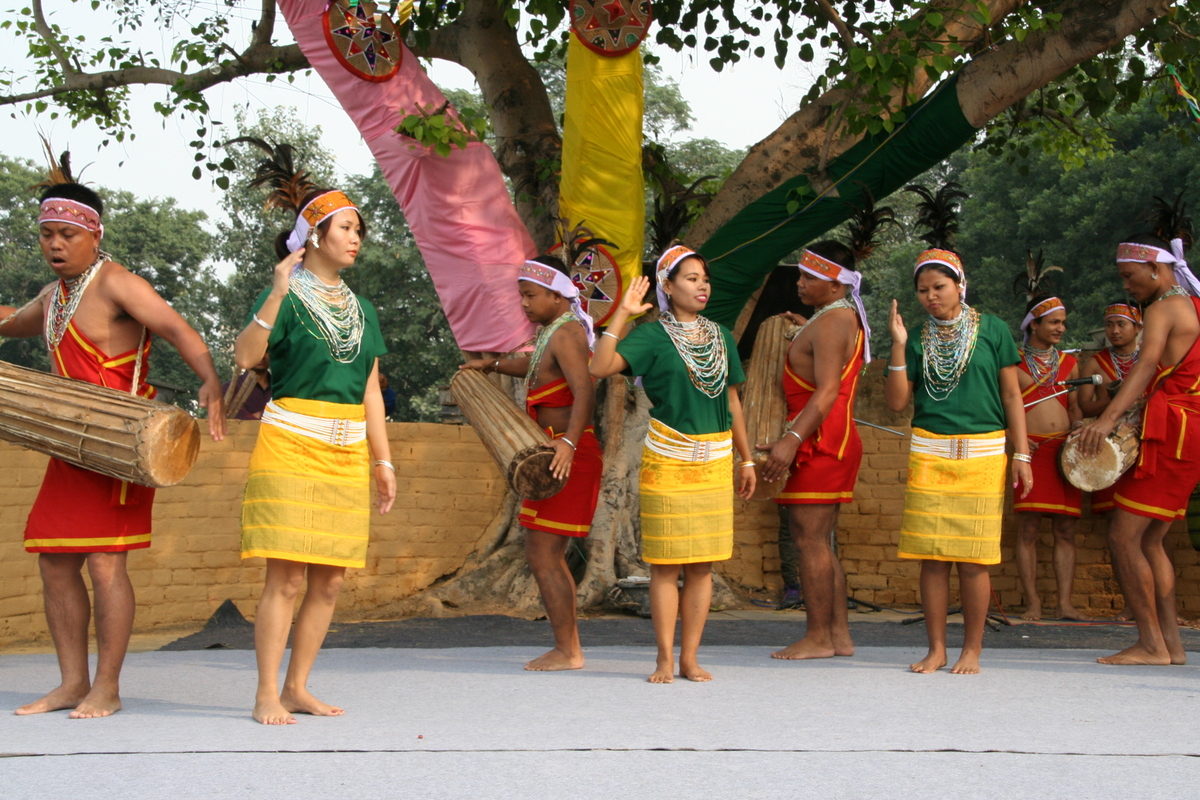
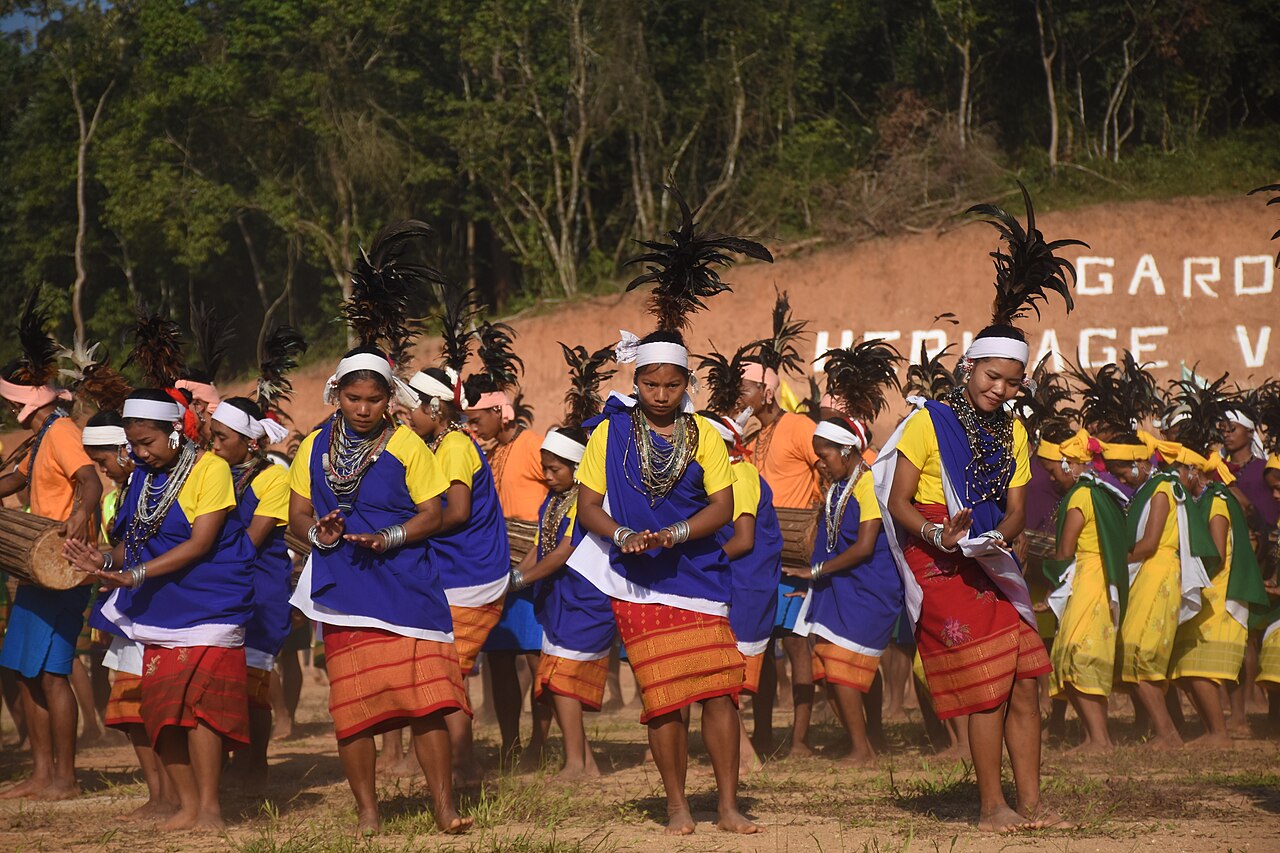
In the forested western hills of Meghalaya, where the plateau falls toward the plains of Assam and Bangladesh, live the Garo people, who call themselves A·chik, “the hill people.” A community of Tibeto-Burman origin, matrilineal like their Khasi neighbours and today largely Christian, they are famous above all for the thunderous drumming and dancing of their great harvest festival, Wangala.
From the jhum fields cut into the slopes of the Nokrek hills to the hundred drums of the Wangala, from the matrilineal clans through which land and descent pass to daughters to the churches that now stand at the centre of their life, the Garo carry a distinctive hill culture. This article traces their origins, language, homeland, society, religion, and traditions, and the vibrant world of this matrilineal people of the northeast.
The Garo on Film
Contents
- Origins
- The Name
- The Language
- The Homeland
- The Old Way of Life
- Society and Community
- Religion and Belief
- Traditions
- Crafts
- Food
- Festivals
- History
- Today
Origins
The Name
The Language
The Homeland
The Old Way of Life
Society and Community
Religion and Belief

Traditions
Crafts
Food

Festivals
History

Today
Related Peoples of the Region
More Peoples of the World
You May Like
The Damara, an Ancient People of Namibia