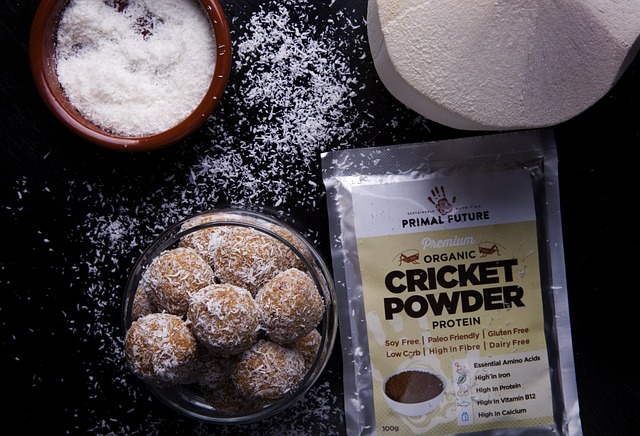
If carbohydrates are the body’s fuel, proteins are its building material. Protein is one of the three main nutrients — alongside carbohydrates and fat — but its job is different from the others. Rather than simply burning for energy, protein supplies the raw material from which your body literally builds and rebuilds itself. Every single cell you have contains protein, and life as we know it would be impossible without it. To understand why protein matters so much, we have to look beneath the food on your plate, all the way down to a remarkable set of small molecules called amino acids.
From Protein Down to Amino Acids
A protein is a large, complex molecule, but it is built from much smaller units strung together like beads on a necklace. Those units are the amino acids. There are only twenty different amino acids, yet the body arranges them in countless sequences and orders to create tens of thousands of distinct proteins, each with its own shape and its own job. The exact order of the amino acids decides how the chain folds, and that three-dimensional shape is what gives every protein its specific function.
Of those twenty amino acids, your body can manufacture about eleven on its own. The other nine cannot be made internally and must come from the food you eat — these are called the essential amino acids. This is the deepest reason protein in the diet is non-negotiable: without a regular supply of those nine building blocks, the body cannot assemble the proteins it needs.
When you eat a protein-rich food, your digestive system does not absorb the protein whole. Instead, it breaks the long chains back down into individual amino acids. Those free amino acids enter the bloodstream, travel to your cells, and are then reassembled into whatever proteins your body requires at that moment — muscle here, an enzyme there, an antibody somewhere else. It is rather like taking apart a Lego model into loose bricks and building something entirely new from them.
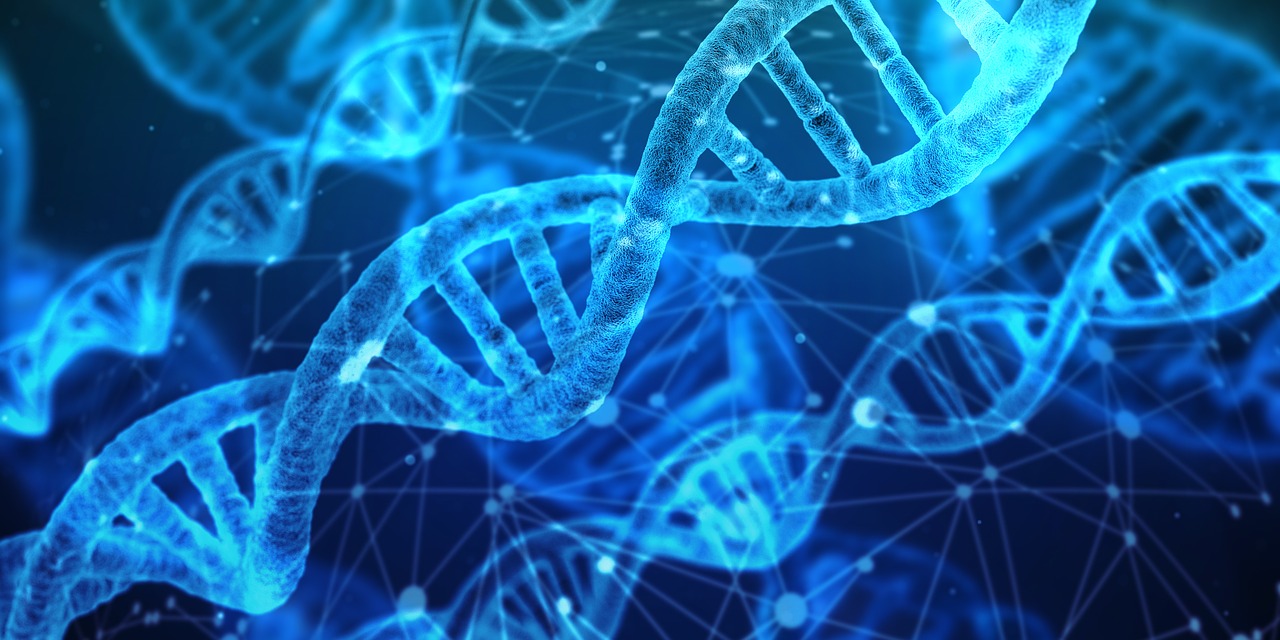
And how does each cell know the correct order in which to link the amino acids? The instructions are written in your genes. Your DNA holds the precise blueprint for every protein your body makes, spelling out the exact amino-acid sequence for each one. In a very real sense, proteins are where your genetic code becomes a living, working body.
Why Proteins Are So Important
It is hard to overstate how central proteins are to staying alive and well. Far beyond muscle, they are doing essential work in nearly every system of the body:
- Structure: proteins such as collagen and keratin form the framework of muscle, skin, hair, nails, bones, and connective tissue.
- Enzymes: almost every chemical reaction in the body — from digesting food to releasing energy — is driven by protein enzymes.
- Hormones: many chemical messengers, including insulin, are proteins that help regulate how the body works.
- Transport and storage: hemoglobin, a protein in your blood, carries oxygen to every cell, while other proteins ferry nutrients and minerals.
- Immune defense: antibodies, the molecules that recognize and fight off infections, are proteins.
- Balance: proteins help maintain the body’s fluid levels and keep its acidity within a healthy range.
Proteins can even be used as a backup energy source when carbohydrates and fat run short — though this is a last resort, since the body would rather use its protein for building and repair than burn it for fuel.

What Protein Does for You Every Day
In everyday terms, protein is the nutrient of growth, repair, and maintenance. Whenever tissue is damaged — through exercise, injury, or simply the wear and tear of daily life — protein supplies the amino acids needed to rebuild it. It is especially important for preserving muscle mass, something that becomes harder to maintain as we grow older. Protein-rich meals also tend to be the most filling, helping to curb hunger and support a steady metabolism. And because hair, skin, and nails are themselves made of protein, a good supply keeps them strong and healthy. Getting enough protein, spread across the day’s meals rather than crammed into one, gives the body a steady stream of building blocks to work with.
Complete and Incomplete Proteins
Not all protein foods are equal in their amino-acid makeup. A complete protein contains all nine essential amino acids in good amounts; most animal foods, along with soy and quinoa, fall into this group. Many plant proteins are incomplete, meaning they are low in one or more essential amino acids. This is easily solved by variety: pairing foods such as rice with beans, or hummus with whole-grain bread, supplies the full set of amino acids the body needs over the course of a day.

Animal Protein Sources
Animal foods are concentrated, complete protein sources and also provide nutrients like vitamin B12 and easily absorbed iron. The main options include:
- Eggs, an inexpensive and highly complete protein.
- Poultry and lean cuts of meat.
- Fish and other seafood, which also offer healthy fats.
- Dairy foods such as milk, yogurt, and cheese.
Plant Protein Sources
Plant foods can supply abundant protein too, with the bonus of fiber and no cholesterol. Building meals around a mix of these covers the essential amino acids:
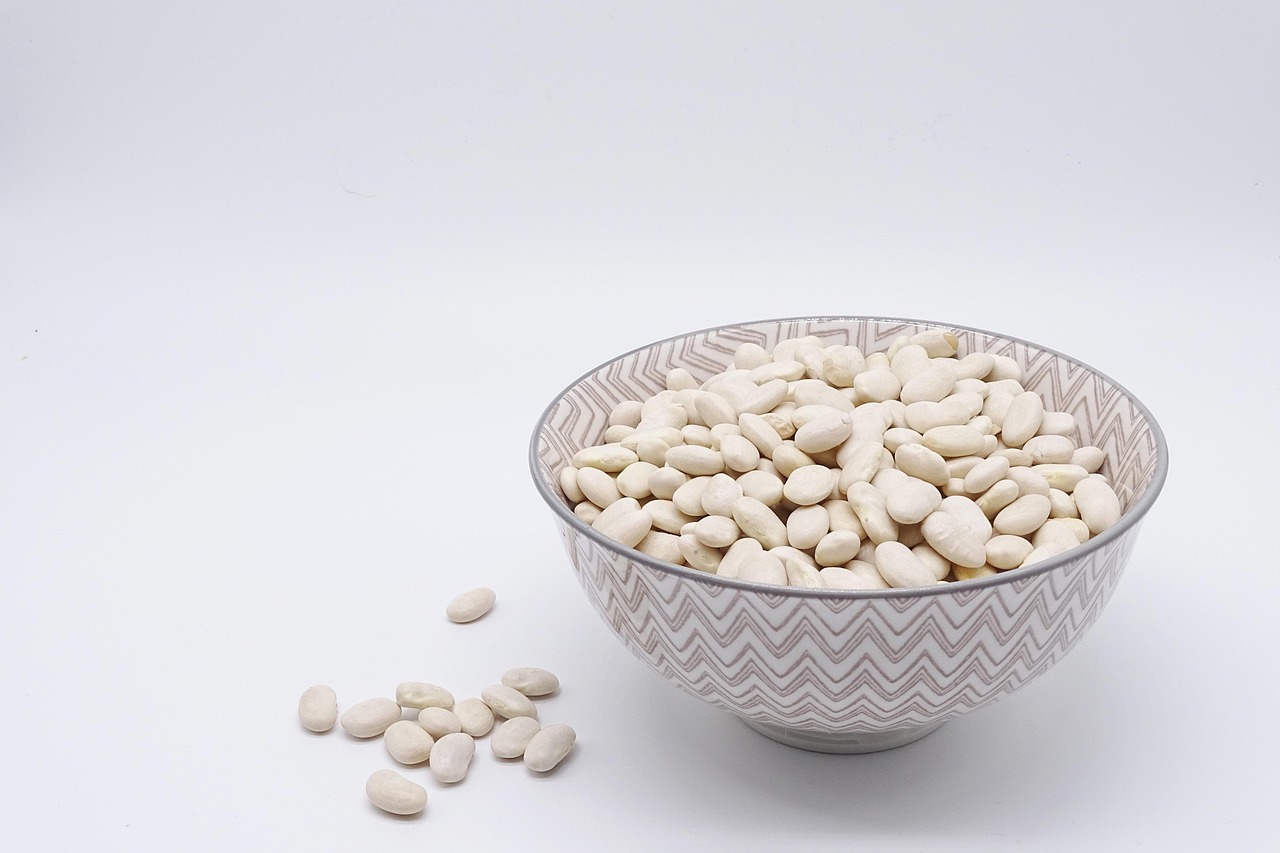
- Legumes — lentils, chickpeas, and beans of every kind.
- Soy foods such as tofu, tempeh, and edamame, which are complete proteins.
- Nuts and seeds, including almonds, peanuts, and pumpkin or sunflower seeds.
- Whole grains like quinoa, oats, and whole wheat.
Putting It All Together
Protein sits at the very foundation of the body: broken down into amino acids and rebuilt into the muscles, enzymes, hormones, and defenses that keep you alive and functioning. Because the body cannot store a surplus of amino acids the way it stores fat, including a quality protein source at each meal — and mixing animal and plant sources — is one of the simplest, most powerful things you can do for your health at any age.
This article is intended as general nutritional information and is not a substitute for personalized advice from a doctor or registered dietitian, particularly if you have a health condition that affects your protein needs.