Our journey through the B vitamins reaches vitamin B3, called niacin — one of the hardest-working vitamins in the entire body. It takes part in hundreds of chemical reactions, more than almost any other vitamin, and like its B-family relatives, its central mission is helping your cells turn food into energy.
What Niacin Does
Niacin is used to make two coenzymes (known as NAD and NADP) that are involved in an enormous range of cellular processes. Its main roles include:
- Energy production: niacin is essential for releasing energy from carbohydrates, fats, and proteins — it is central to metabolism in every cell.
- Cell repair and DNA: it supports the maintenance and repair of DNA inside cells.
- Skin and nervous system: it helps keep skin, nerves, and the digestive system healthy.
- Fats and cholesterol: niacin plays a role in how the body handles fats.

A Vitamin the Body Can Partly Make
Niacin has an interesting trait: the body can manufacture a certain amount of it from tryptophan, an amino acid found in protein foods. This means a diet with enough quality protein contributes to your niacin supply indirectly, on top of the niacin you eat directly. It is a nice example of how the nutrients we have already covered in this series — in this case protein — work together with vitamins.
The Lesson of Pellagra
The importance of niacin was learned through a disease called pellagra, once common in communities that depended heavily on corn. Corn contains niacin in a form the body cannot easily absorb, and is also low in tryptophan, so a corn-based diet could leave people short. Pellagra became known for its “three Ds” — problems with the skin, the digestion, and the mind. It is another reminder that a varied diet, rather than reliance on a single staple, is the best protection.
Where to Find Niacin
Niacin is widespread in protein-rich and whole-grain foods. Good sources include:
- Meat and poultry, especially chicken and turkey.
- Fish such as tuna and salmon.
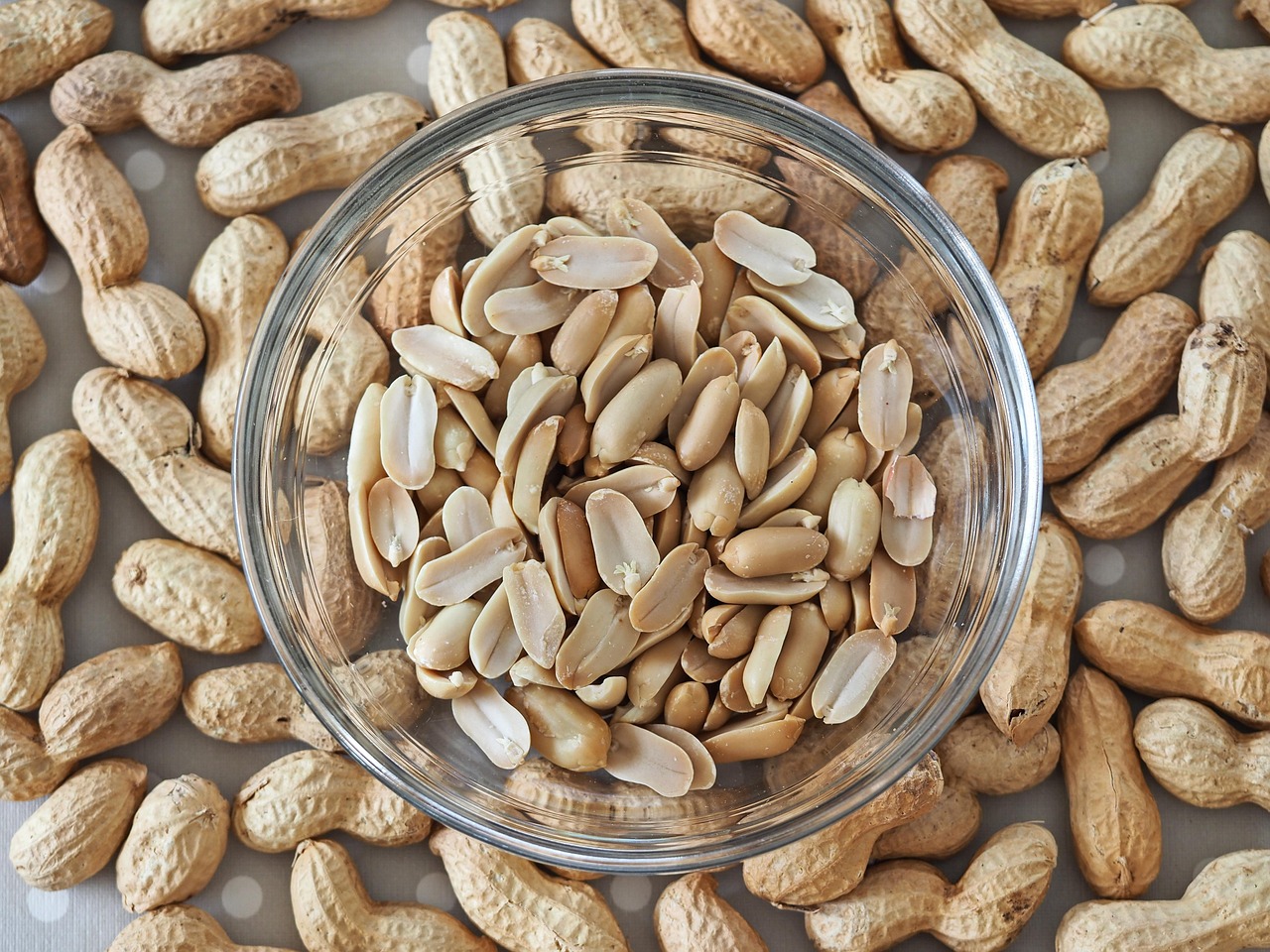
- Peanuts and other nuts.
- Whole grains and fortified cereals.
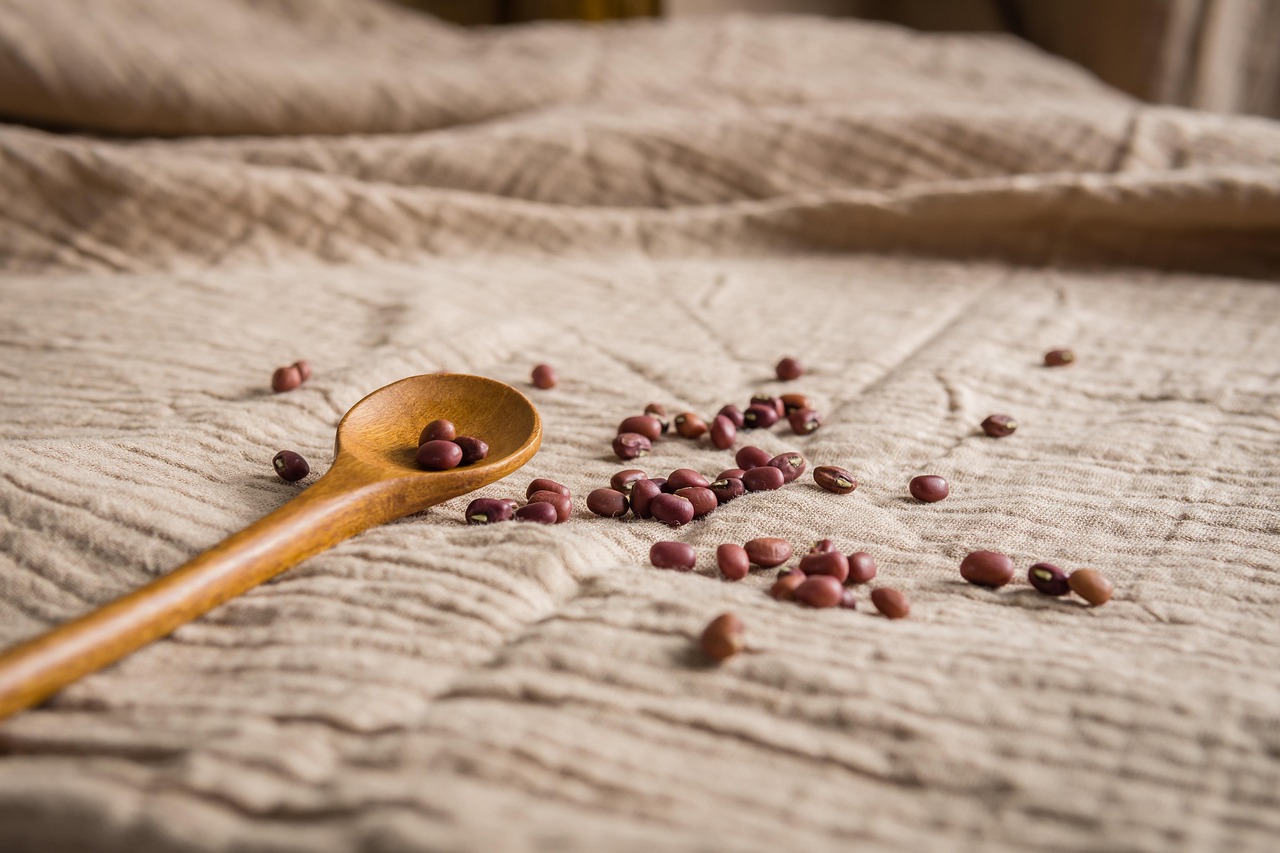
- Legumes such as beans and lentils.

For most people, a balanced diet containing protein foods and whole grains supplies ample niacin. One caution worth knowing: very high doses of niacin from supplements are sometimes used medically but can have strong effects, so they should only be taken under medical guidance — another reason food is the safest source. Next, we will look at vitamin B6 and its key role in protein and the brain.
This article is intended as general nutritional information and is not a substitute for personalized advice from a doctor or registered dietitian.