On the northwestern outskirts of Beijing, among lakes and wooded hills, lies a place that occupies a unique and painful position in the Chinese imagination. The Old Summer Palace, known in Chinese as Yuanmingyuan, the Garden of Perfect Brightness, was once the most magnificent imperial garden-palace ever created, the beloved retreat of the Qing emperors and a wonder that dazzled all who saw it. Today it survives largely as a haunting field of ruins, a monument not to imperial glory but to its violent destruction.
In its heyday, the Old Summer Palace was almost beyond description, an immense complex of gardens, lakes, palaces, temples, and pavilions covering an area many times larger than the Forbidden City. It was the true home of the emperors for much of the year, the place where they preferred to live and work, and it gathered within its walls the finest achievements of Chinese garden art alongside an astonishing set of European-style palaces designed by Jesuit missionaries at the imperial court.
The garden’s fate was sealed in 1860, when, during a war with Britain and France, foreign troops looted and then burned the entire complex, reducing one of the greatest artistic creations in human history to smoking ruins over the course of days. The destruction of the Old Summer Palace has never been forgotten in China, where it stands as the supreme symbol of the humiliations inflicted on the country in the age of imperialism.
Over the following pages you will explore the whole story of this extraordinary place, from the emperors who created it and the wonders it contained, through the catastrophe of its destruction, to its meaning today as a ruin, a memorial, and a place of reflection. Come and discover the Garden of Perfect Brightness, the palace that was lost.
In This Article
- The Garden of Perfect Brightness
- A Landscape of Endless Scenes
- The European Palaces
- A Treasure House of Art
- The Emperors at Home
- The Coming of War
- The Burning of the Garden
- The Ruins That Remain
- A Symbol of National Humiliation
- To Rebuild or to Remember
- Preserving the Memory Worldwide
- See the Old Summer Palace for Yourself
- Visiting the Old Summer Palace Today
The Garden of Perfect Brightness
The Old Summer Palace was not a single building but a vast complex of gardens and palaces, developed over more than a century by successive Qing emperors into the largest and most splendid imperial garden in the history of China. Its Chinese name, Yuanmingyuan, the Garden of Perfect Brightness, captures something of the ideal beauty its creators sought to achieve.
Begun in the early eighteenth century and expanded by the great emperors who followed, the complex eventually comprised several linked gardens covering an enormous area on the northwestern edge of Beijing. Within its walls were recreated the most beautiful landscapes of China, famous scenes from across the empire reproduced in miniature, so that the emperor could enjoy the wonders of his realm without leaving his garden.
The Old Summer Palace was, in effect, the principal residence of the Qing emperors for much of the year, preferred to the more formal and ceremonious Forbidden City in the heart of the capital. Here the emperors lived, worked, and relaxed amid gardens of surpassing beauty, conducting the business of the empire in a setting of unparalleled refinement and delight.
The scale and ambition of the garden reflected the wealth and confidence of the Qing at their height, a dynasty that could command the resources to create, purely for the pleasure and prestige of its rulers, one of the most elaborate and beautiful artificial landscapes ever made by human hands.
It is worth pausing to grasp the sheer ambition of the undertaking. To create, purely for the private enjoyment of the ruling house, a landscape so vast and so intricate that it could not be exhausted in a lifetime of wandering, was an act of imperial confidence almost without parallel. The garden proclaimed, in the most beautiful terms imaginable, the boundless resources and supreme status of the Qing.
A Landscape of Endless Scenes
The genius of the Old Summer Palace lay in its design, which followed the principles of Chinese garden art on an unprecedented scale. Rather than a single grand vista, the garden was composed of countless individual scenes, each a self-contained composition of water, rocks, plants, and architecture, revealed one after another as the visitor moved through the landscape.
Water was central to the design, with lakes, ponds, streams, and canals threading through the entire complex, creating a landscape in which land and water were intimately intertwined. Islands and peninsulas, bridges and causeways, waterside pavilions and halls all played upon this abundance of water, and boats could carry the emperor and his court from scene to scene across the linked lakes.
The famous scenic views of the garden were named, celebrated, and depicted in paintings, following the Chinese tradition of identifying and enumerating the finest prospects within a designed landscape. Each scene was a work of art in itself, evoking a particular mood, season, or literary allusion, and together they formed an inexhaustible sequence of beauty.
This approach created a garden that could never be taken in at once but had to be experienced over time, disclosing its treasures gradually to those who wandered its paths and sailed its waters. It was a landscape designed for a lifetime of enjoyment, endlessly various, endlessly rewarding to the emperor who possessed it.
The Chinese art of the garden, brought here to its highest expression, was never merely about beauty for its own sake. Each scene carried meaning, evoking a famous landscape, a line of poetry, a philosophical idea, or a season of the year, so that to move through the garden was to move through a whole world of cultural allusion, legible to the educated visitor as a kind of three-dimensional poem.
The European Palaces
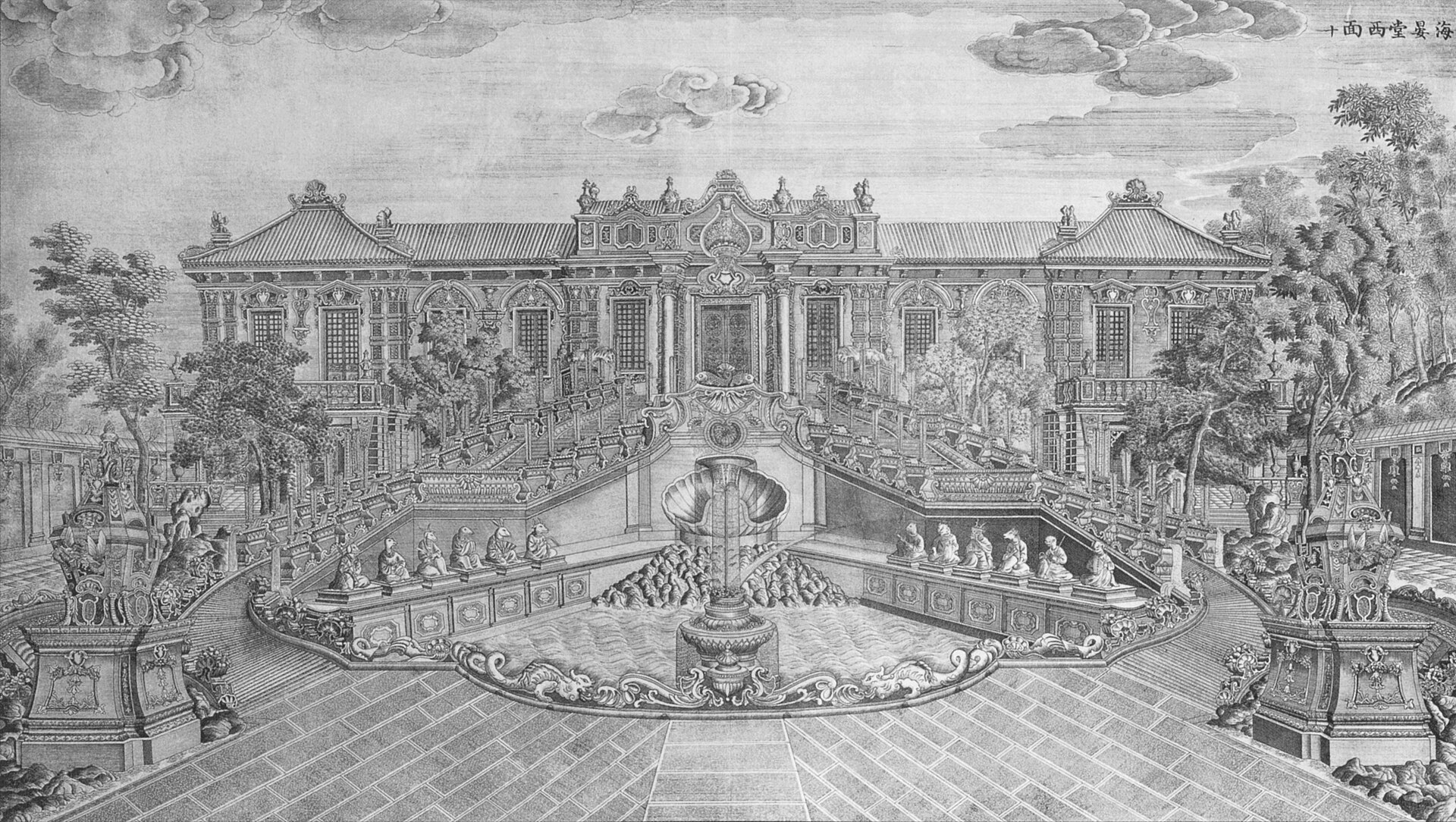
One of the most extraordinary features of the Old Summer Palace was a group of European-style buildings, designed for the Qianlong Emperor by Jesuit missionaries who served at the imperial court. These structures, built of stone in a fusion of European baroque and Chinese elements, were unlike anything else in China and gave the garden a truly cosmopolitan character.
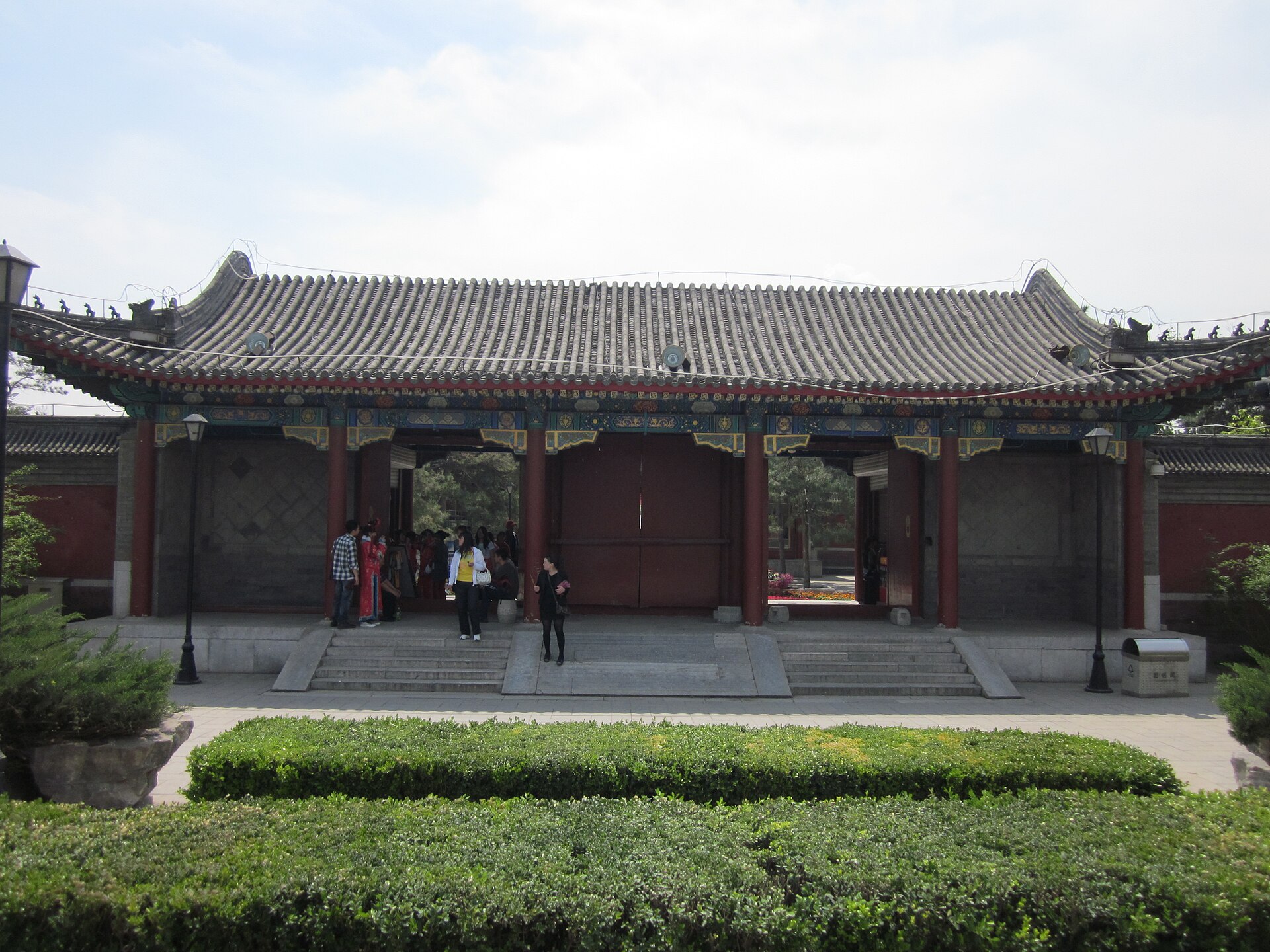
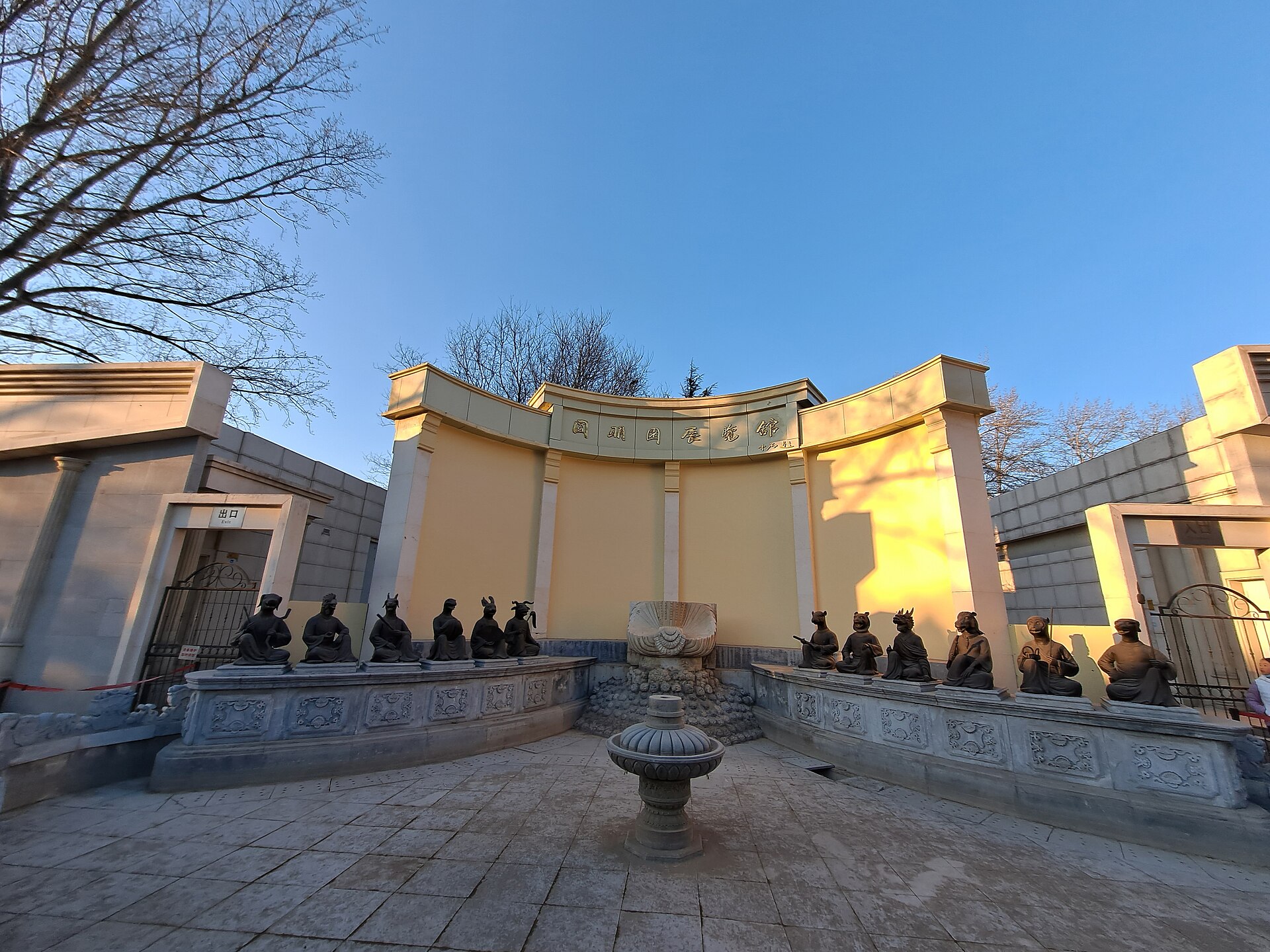
The Jesuits, learned Europeans who had come to China as missionaries and made themselves useful to the court through their scientific and artistic skills, designed for the emperor a series of palaces, fountains, and waterworks in the European manner. The most famous of these included elaborate fountains, one of which featured figures representing the hours of the day, a marvel of hydraulic engineering that delighted the court.
These European palaces reflected the Qianlong Emperor’s curiosity about the wider world and his desire to possess wonders from every tradition. They were a kind of exotic novelty within the vast Chinese garden, a corner of Europe recreated in Beijing, expressing the emperor’s role as a universal collector of the world’s marvels.
It is a poignant irony that these European-designed palaces, built of stone rather than the timber of the Chinese buildings, are the very structures whose ruins survive most visibly today. The carved stone facades and columns, standing broken against the sky, have become the enduring image of the Old Summer Palace, a European fragment marking the site of a lost Chinese wonder.
The collaboration between the Chinese emperor and the European Jesuits that produced these palaces was itself remarkable, a rare moment of genuine cultural exchange in an age more often marked by suspicion and misunderstanding. The Jesuits adapted European forms to Chinese taste and materials, and the emperor delighted in the novelty, creating a hybrid architecture that belonged fully to neither world.
A Treasure House of Art
Beyond its gardens and buildings, the Old Summer Palace was a treasure house of almost unimaginable richness, filled with the finest artistic and cultural achievements of Chinese civilization. The palaces and halls contained vast collections of paintings, calligraphy, porcelain, bronzes, jade, silk, and countless other treasures accumulated by the emperors over generations.
The garden housed imperial collections of books and manuscripts, works of art of the highest quality, and objects of religious and historical significance, making it not only a residence and pleasure ground but a repository of the cultural heritage of the empire. The concentration of so much wealth and beauty in a single place was staggering.
These treasures reflected the role of the emperors as the supreme patrons and collectors of Chinese culture, gathering into their possession the masterworks of past and present. The Old Summer Palace was, in this sense, a museum as well as a garden, a place where the artistic achievements of a great civilization were preserved and displayed.
The presence of these treasures would prove fatal to the garden, for it was the desire to seize this fabulous wealth that motivated much of the destruction to come. The very richness that made the Old Summer Palace so glorious made it, in the eyes of invaders, an irresistible prize to be plundered.
The loss of these collections was, in cultural terms, incalculable. Unlike a building, which can in principle be rebuilt, the unique works of art gathered here, many of them irreplaceable masterpieces or objects of profound historical importance, were gone forever once looted or burned, a wound to the cultural memory of a civilization that can never fully heal.
The Emperors at Home
For the Qing emperors, the Old Summer Palace was above all a home, the place where they most loved to live and where much of the real business of ruling the empire was conducted. Far from being a mere occasional retreat, it was the effective center of government for long periods, and the emperors decamped there for much of the year.
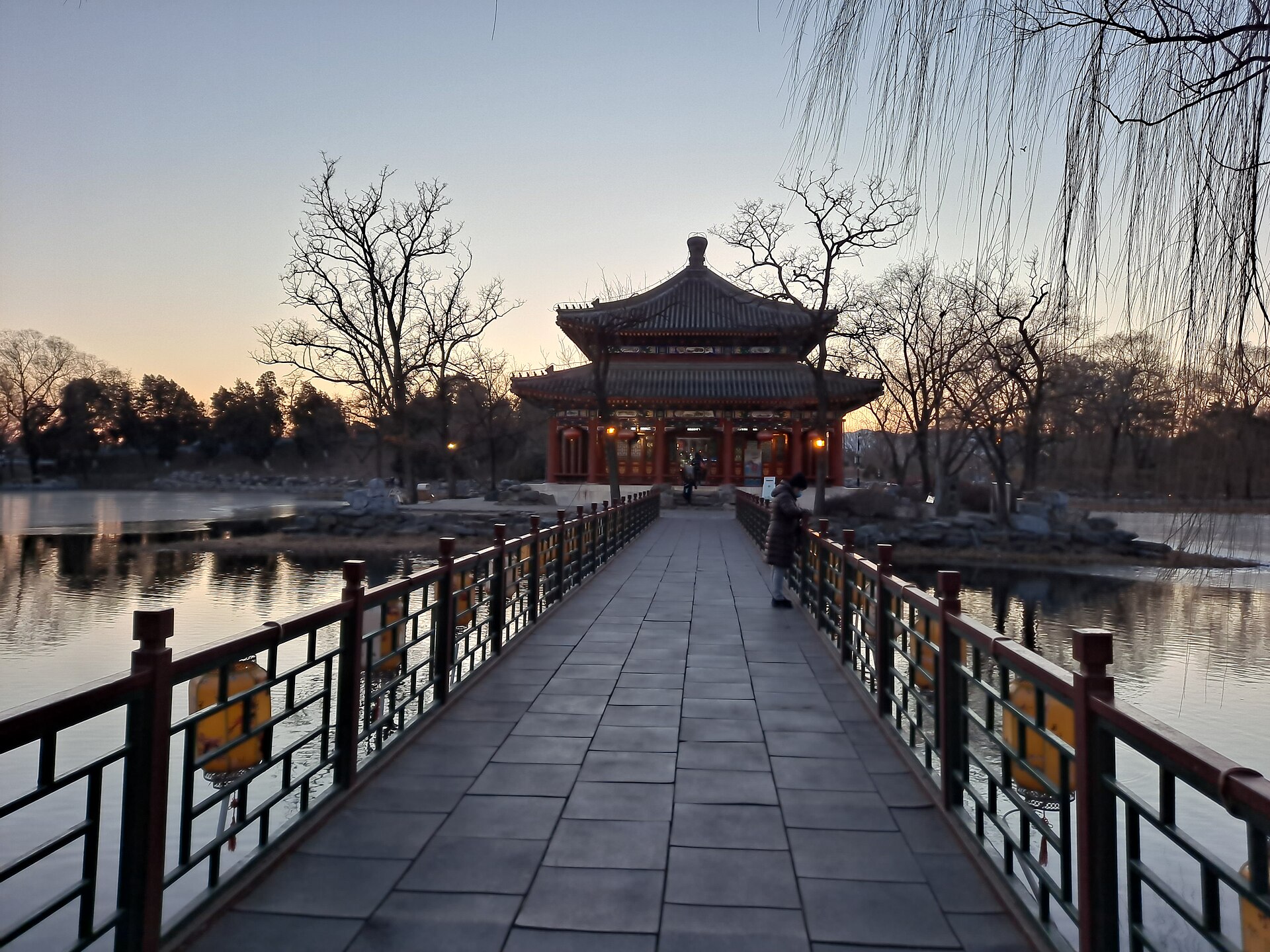
Life in the garden combined the conduct of state affairs with the pleasures of the landscape. The emperor received officials, read memorials, and issued decrees from halls set amid the gardens, and then, his duties done, could lose himself in the beauty of the scenes his ancestors had created, boating on the lakes or strolling through the endless variety of the grounds.
The garden was also the setting for court life and ceremony, for festivals and entertainments, and for the daily existence of the imperial family and the vast household that served them. It was a complete world, self-contained and self-sufficient, in which the emperor could live out his life surrounded by beauty and served by an army of attendants.
This intimate connection between the emperors and the Old Summer Palace is part of what made its destruction so devastating a blow. To burn the garden was not merely to destroy a collection of buildings but to strike at the very heart of the imperial way of life, at the beloved home of the rulers of China.
Understanding this domestic intimacy is essential to grasping why the garden mattered so much. This was not a cold monument raised to impress but a place genuinely lived in and loved, where emperors were children and old men, where families gathered and festivals were kept, so that its loss was felt as the loss of a home as much as the loss of a treasure.
The Coming of War
The catastrophe that befell the Old Summer Palace came in the context of a wider conflict between China and the Western powers, part of the long and painful confrontation between the Qing empire and the expanding forces of European imperialism in the nineteenth century. This was an age in which China, once the dominant power of East Asia, found itself increasingly unable to resist the demands and aggressions of the Western nations.
The specific conflict that led to the destruction was a war in which Britain and France sought to force further concessions from the Qing government. As the fighting reached its climax, an Anglo-French expeditionary force advanced on Beijing itself, and the imperial court, unable to defend the capital, was forced to flee, the emperor withdrawing to his summer retreat at Chengde.
The breakdown of negotiations and the mistreatment of a group of Western envoys who had been captured provided the immediate trigger for what followed. In retaliation, and to strike a devastating blow at the prestige of the Qing dynasty, the commander of the foreign forces resolved to destroy the emperor’s most cherished possession, the Old Summer Palace.
The decision to target the garden rather than the city was deliberate. By destroying the private paradise of the emperors rather than inflicting further suffering on the population of Beijing, the invaders aimed to humiliate and punish the dynasty directly, striking at the symbol of imperial pride and power.
It is important to see the destruction not as an isolated act of vandalism but as a calculated instrument of policy, intended to break the will of the Qing court and to demonstrate, in the most dramatic way possible, the consequences of resisting the demands of the Western powers. The garden was destroyed precisely because it was so precious, its very beauty making it the perfect target for a blow aimed at imperial prestige.
The Burning of the Garden
In 1860, foreign troops descended on the Old Summer Palace and subjected it to an orgy of looting, seizing the fabulous treasures accumulated over generations. Soldiers carried off whatever they could, and priceless works of art, many of irreplaceable historical and cultural value, were stolen, scattered, or destroyed in the chaos of the plunder.
Then came the fire. On the orders of the British commander, and over the course of several days, the vast complex was deliberately set ablaze. So enormous was the garden that the burning took a considerable time, and the smoke was said to have hung over Beijing for days as the greatest garden in the world was consumed. Palace after palace, pavilion after pavilion, was reduced to ash and rubble.
The destruction was almost total. The timber buildings that made up the bulk of the complex were entirely consumed by the flames, leaving only the stone European palaces standing as broken skeletons amid the devastation. Centuries of accumulated artistry, the labor and treasure of generations of emperors, were annihilated in a matter of days.
The burning of the Old Summer Palace was an act of destruction on a scale that shocked even some of those who witnessed or later learned of it. A creation that had taken more than a century to build, and that represented one of the supreme achievements of human civilization, was deliberately obliterated as an instrument of war and punishment.
For those who love art and history, there is something almost unbearable in contemplating what was lost in those few days. Not a battle or a siege but a deliberate, considered act of cultural annihilation, the burning consumed masterpieces that could never be replaced and a designed landscape that had no equal on earth, an act whose scale places it among the greatest cultural losses in all of history.
The Ruins That Remain
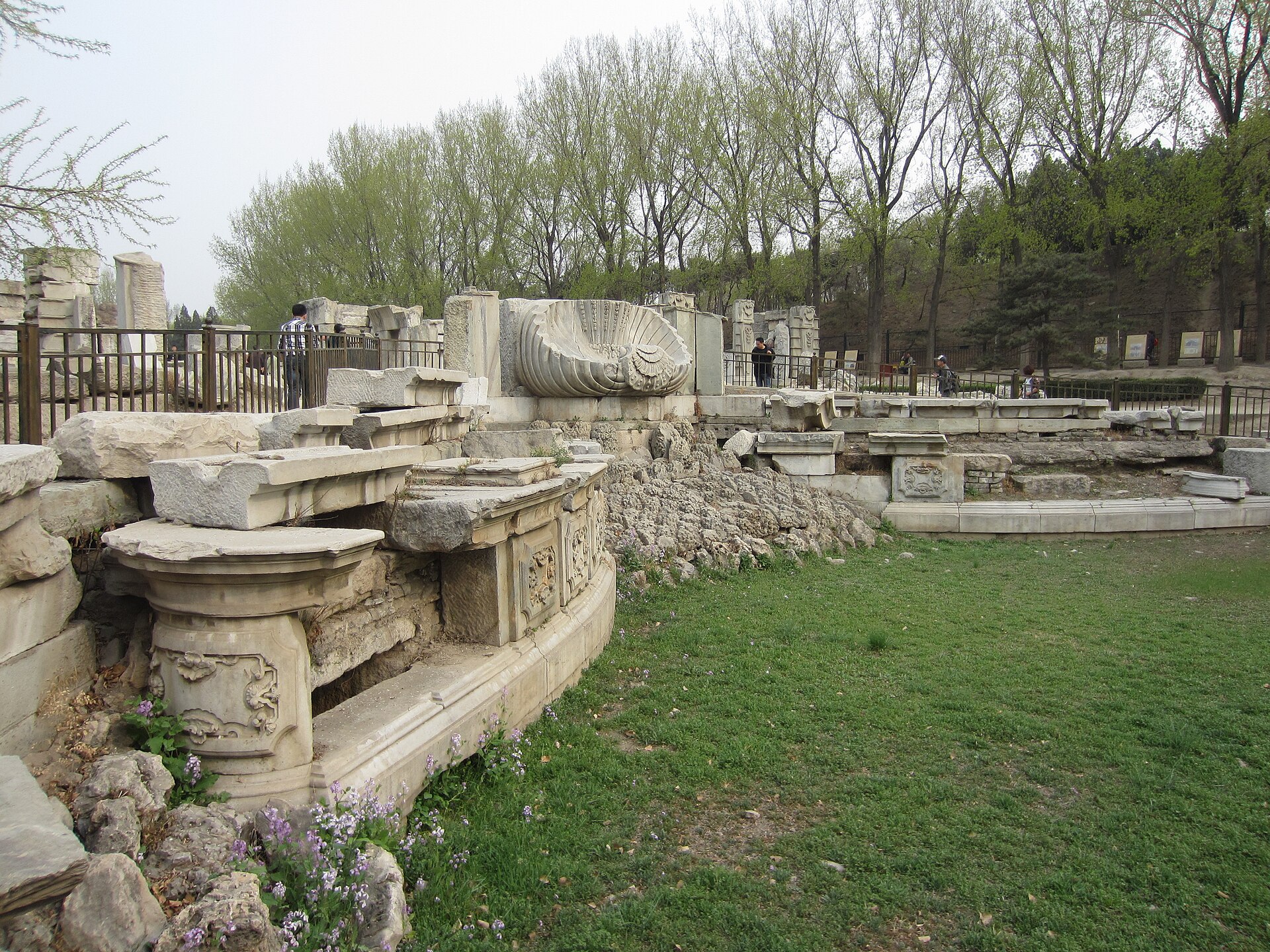
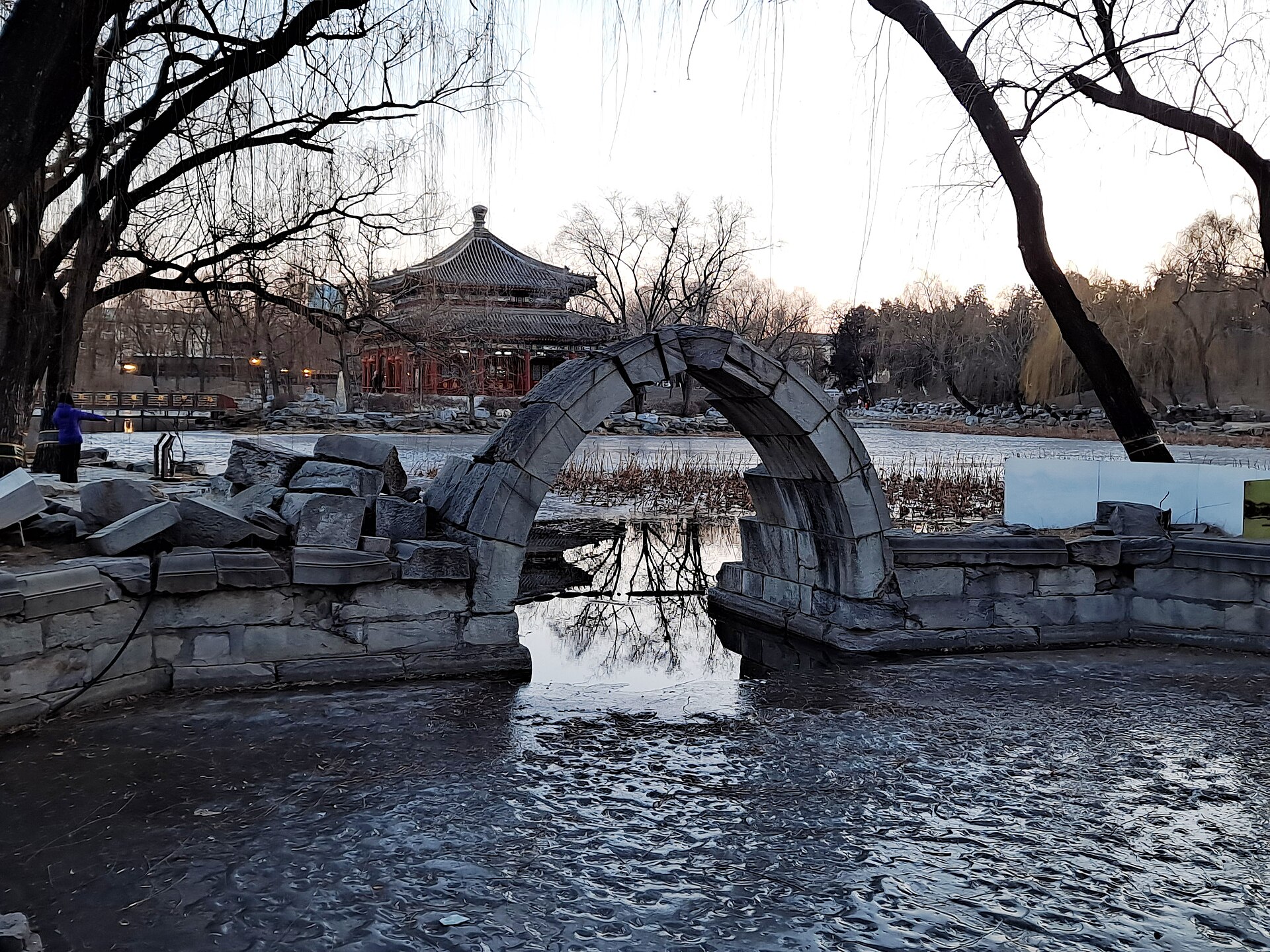
What survives of the Old Summer Palace today is a vast park of ruins, a landscape haunted by the memory of the wonder that once stood here. The most iconic remnants are the broken stone facades and columns of the European palaces, whose carved fragments stand starkly against the sky, the single most recognizable image of the lost garden.
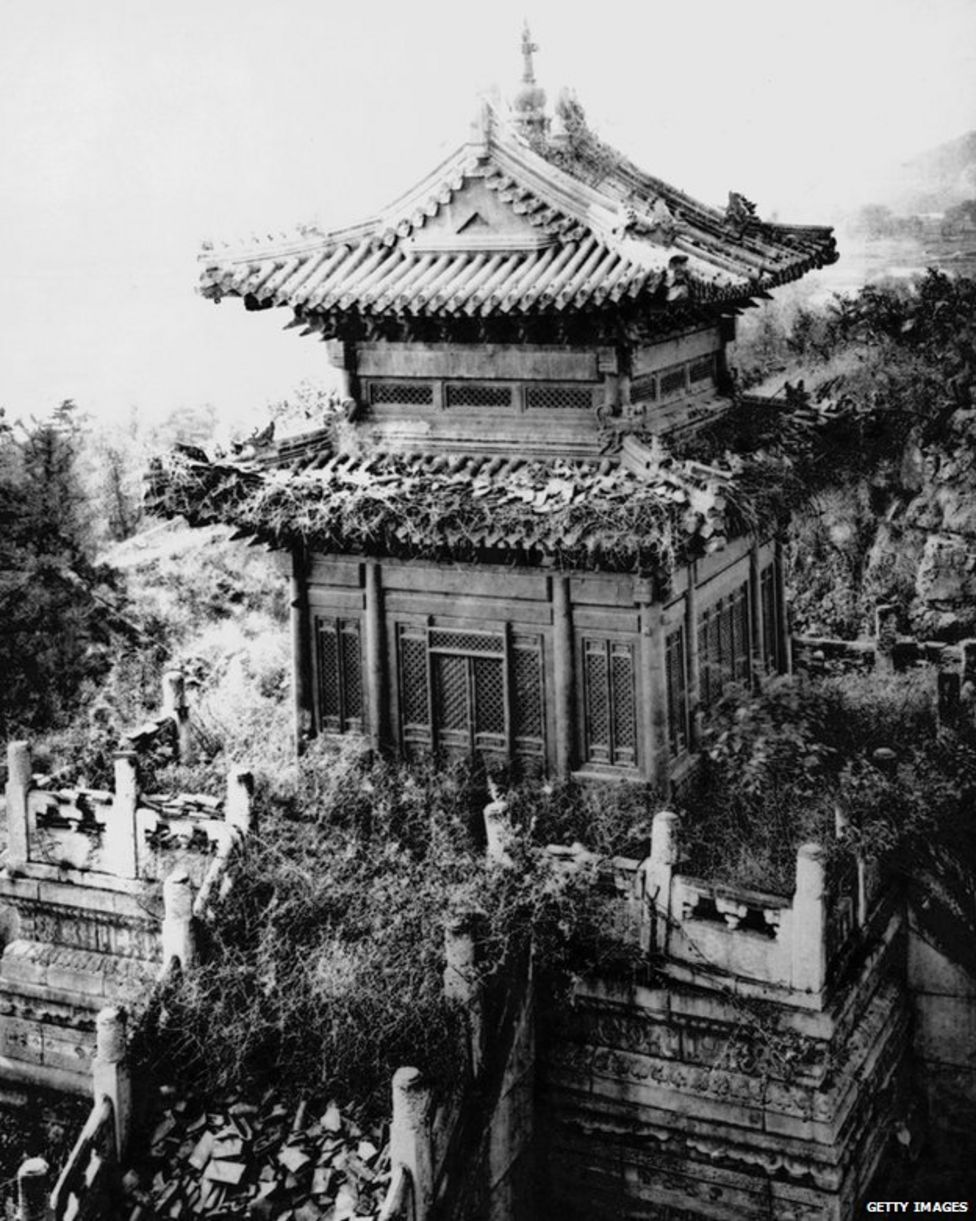
These stone ruins, precisely because they were built of a material that could not burn, endured where the countless timber buildings of the Chinese gardens vanished entirely. Ironically, then, the surviving face of this most Chinese of gardens is a set of European-designed fragments, a poignant reminder of the cosmopolitan curiosity of the emperor who commissioned them.
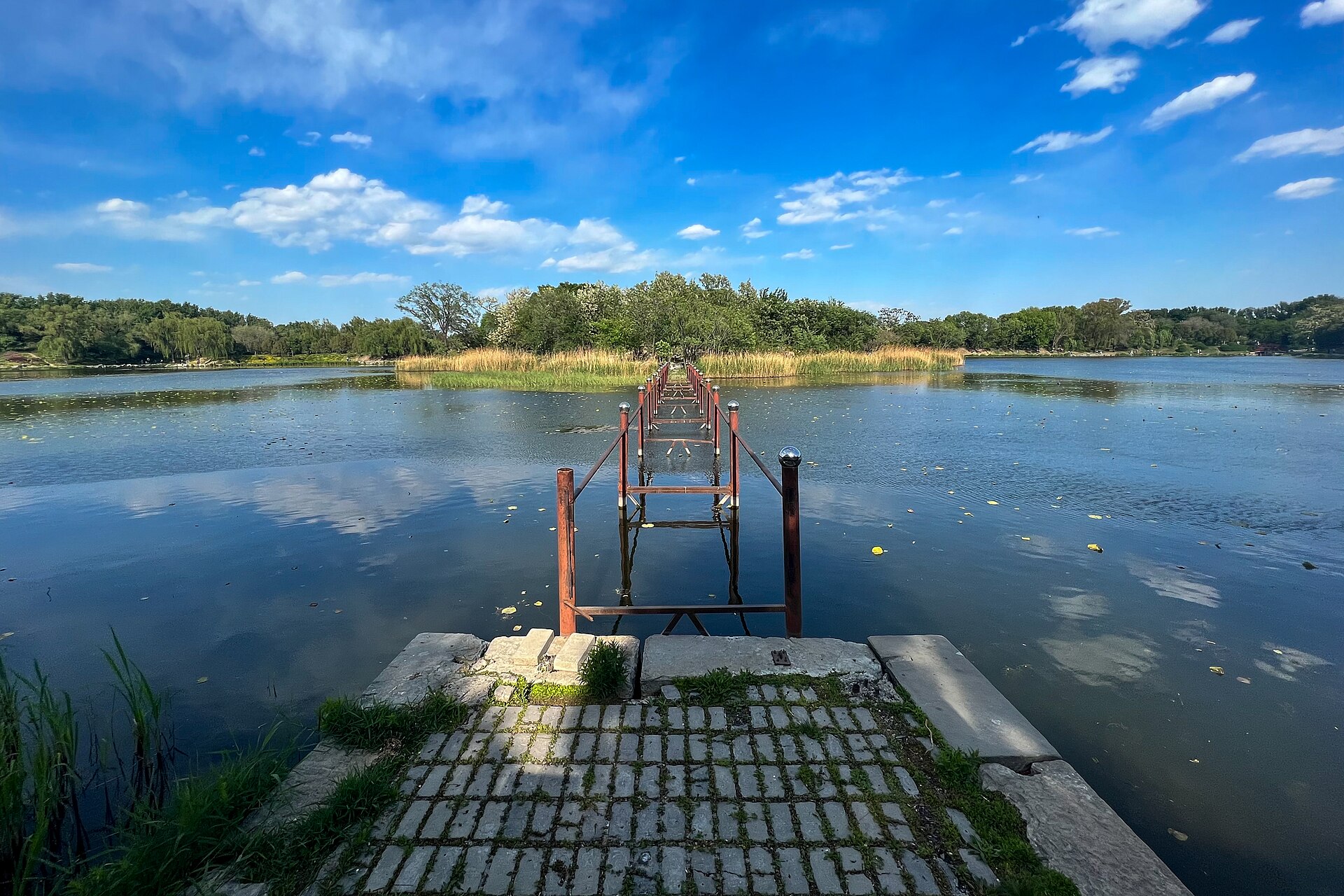
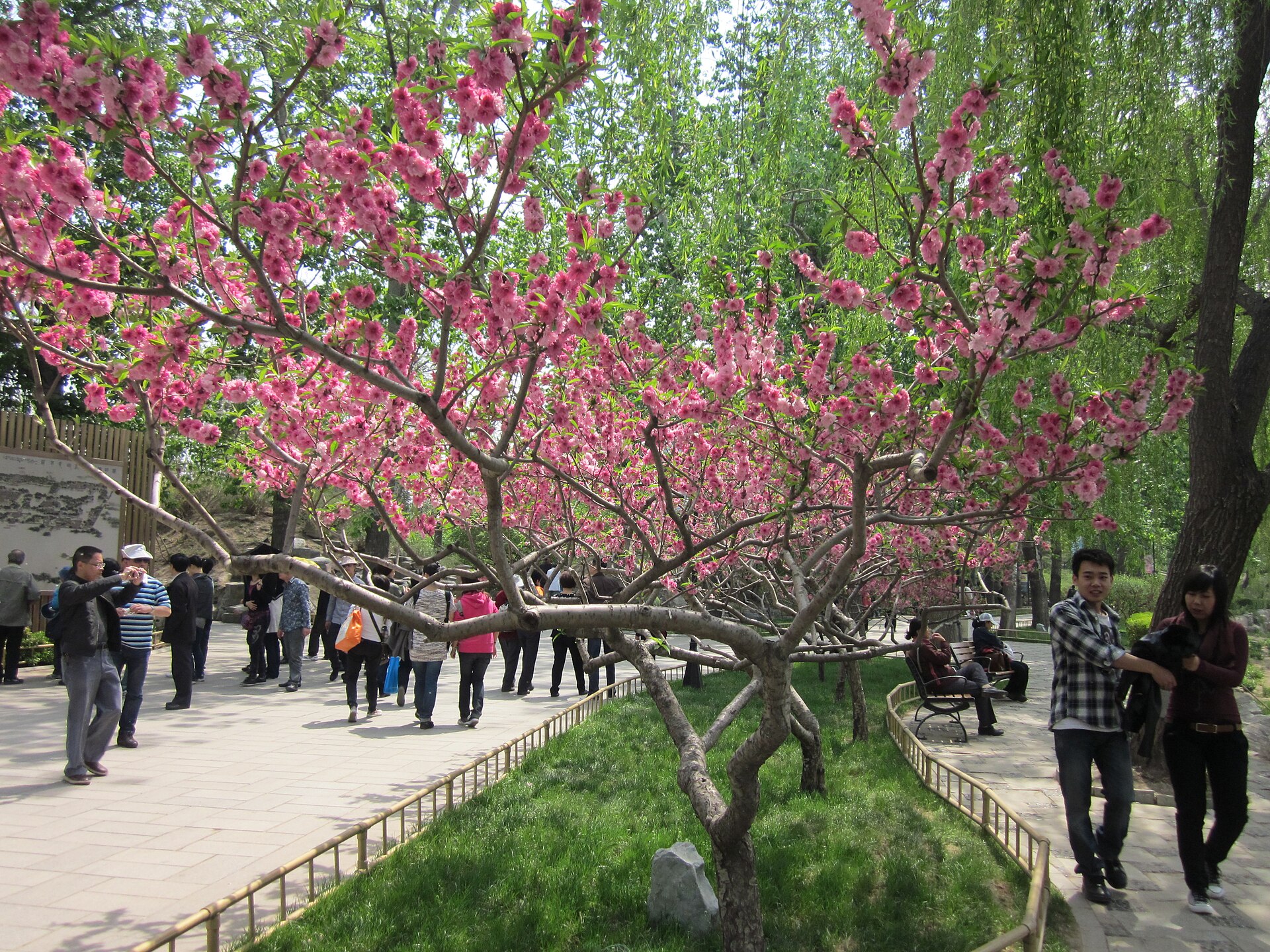
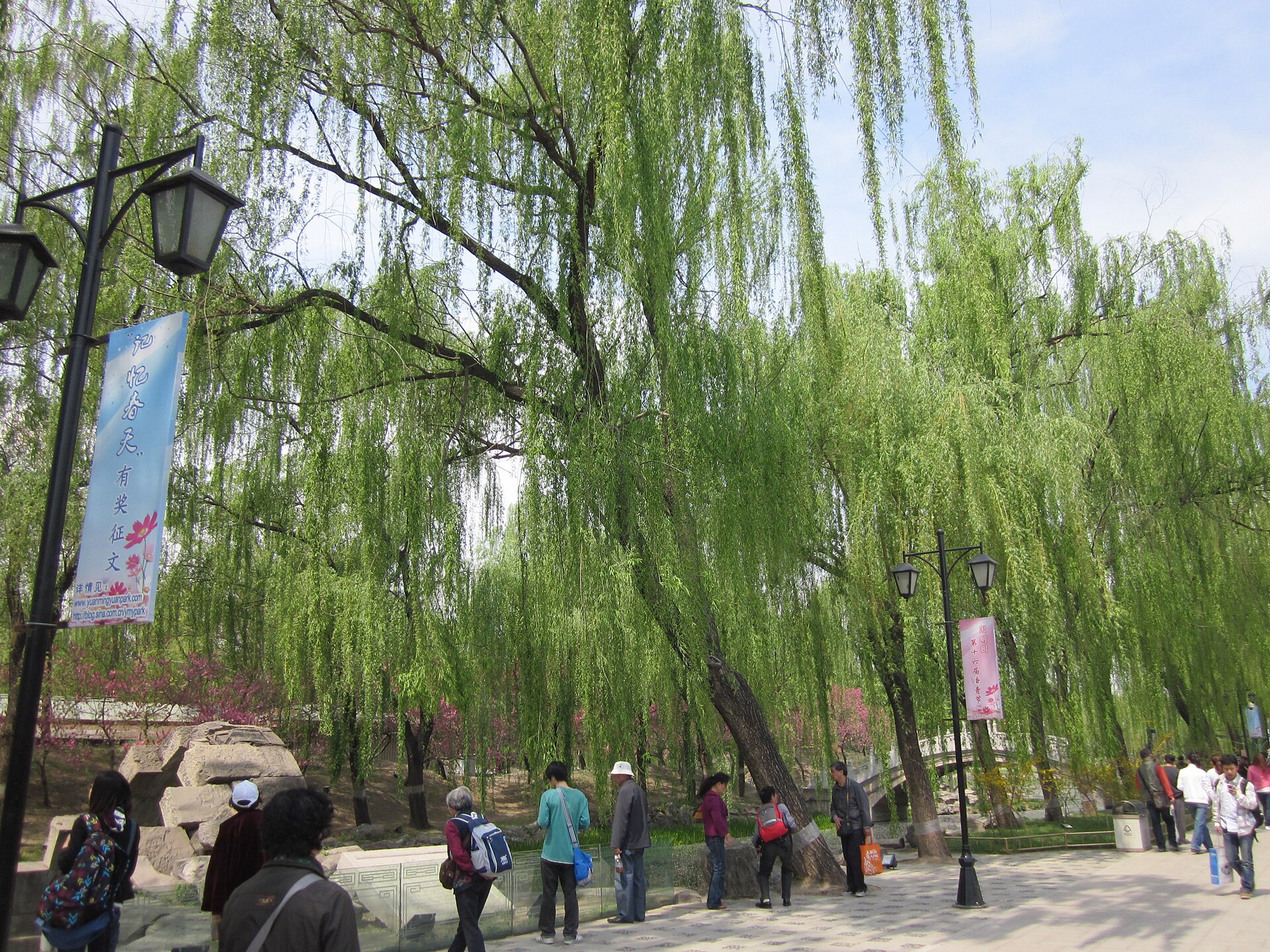
Elsewhere in the vast site, the lakes and waterways, the contours of the land, and scattered stones and foundations recall the shape of the former garden, though the buildings and treasures are gone. Nature has reclaimed much of the ground, and the ruins lie amid trees, reeds, and water, lending the place a melancholy beauty quite different from its former splendor.
To walk through the ruins today is a moving experience, a journey through the remains of a lost paradise. The empty spaces where great palaces once stood, the broken stones, and the tranquil waters all speak of what was destroyed, and invite reflection on the fragility of even the greatest human creations in the face of violence.
There is a particular poignancy in the way nature has softened the site over the intervening years. Reeds grow where pavilions stood, water birds nest among the fallen stones, and the seasons turn over the ruins as they once turned over the living garden, so that the place has acquired a melancholy beauty of its own, quite distinct from the splendor that was destroyed.
A Symbol of National Humiliation
The destruction of the Old Summer Palace holds a place in the Chinese national consciousness unlike that of almost any other historical event. It has come to stand as the supreme symbol of the century of humiliation, the long period in which China suffered defeat, invasion, and exploitation at the hands of foreign powers, and it is remembered with deep and enduring pain.
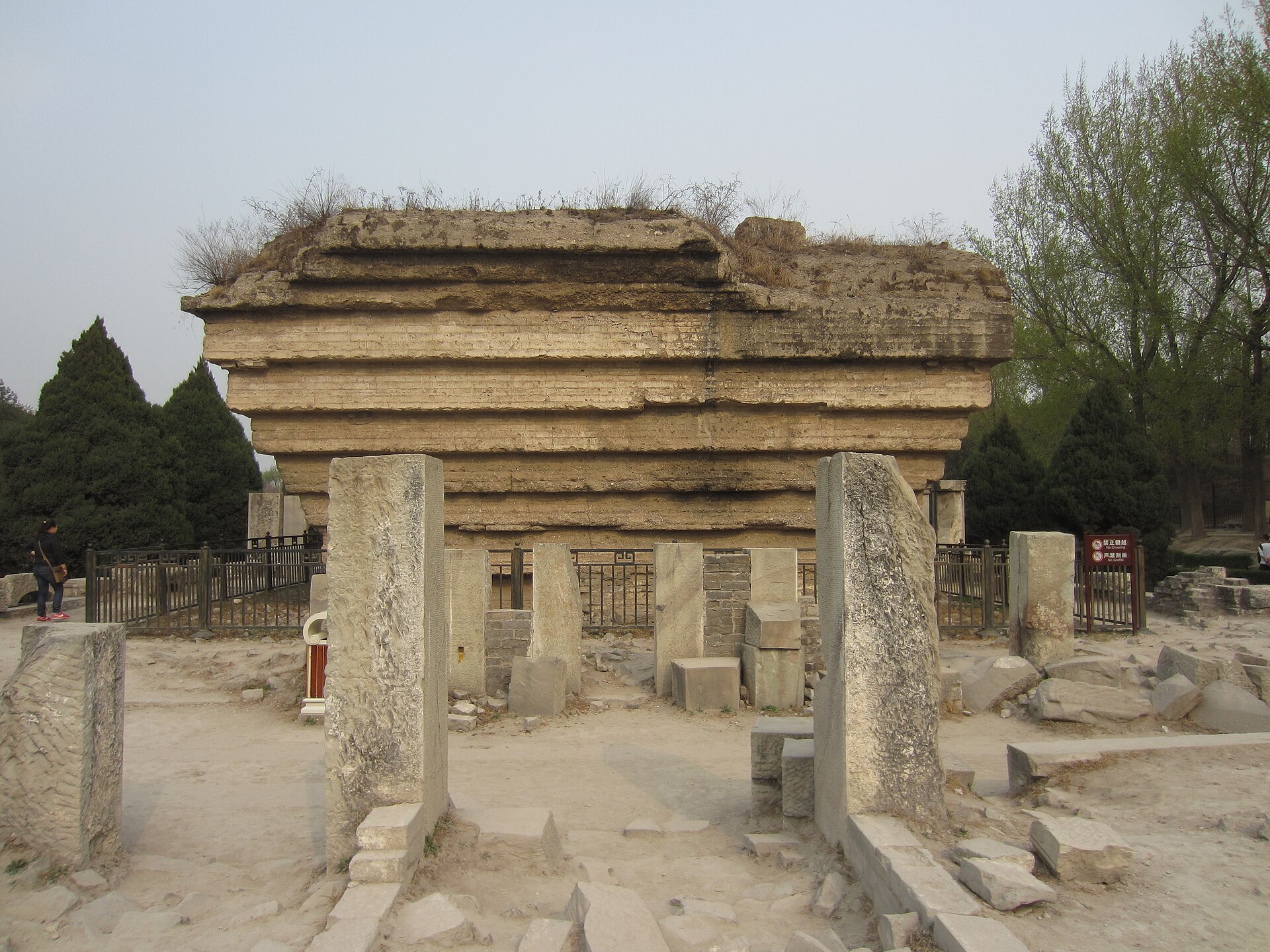
The deliberate burning of so beloved and magnificent a creation, and the looting of its treasures, encapsulated for many Chinese the arrogance and violence of Western imperialism, and the inability of the declining Qing dynasty to protect the nation’s heritage. The ruins became, and remain, a powerful reminder of a national trauma.
The scattered treasures of the garden, carried off to collections around the world, have become a focus of continuing concern, and the question of their return is a live and emotional issue, bound up with national pride and the desire to recover what was taken. The looted objects that appear from time to time in the wider world reawaken the memory of the original crime.
In this way the Old Summer Palace has been transformed from a symbol of imperial glory into a symbol of national suffering and resilience, a place that teaches the lesson, often repeated in modern China, that national weakness invites aggression and that the humiliations of the past must never be allowed to recur.
The lesson drawn from the catastrophe in modern China has been stark and enduring, that a nation which cannot defend itself will see its most precious things taken or destroyed. This reading of the event has made the ruins a place of patriotic education, where the young are brought to understand both the greatness of their heritage and the cost of national weakness.
To Rebuild or to Remember
The fate of the ruins has been the subject of ongoing reflection and debate. Some have argued for rebuilding the Old Summer Palace, or parts of it, to recover something of the lost wonder and to restore a national treasure, while others have insisted that the ruins should be preserved as they are, precisely because their ruined state carries so powerful a message.
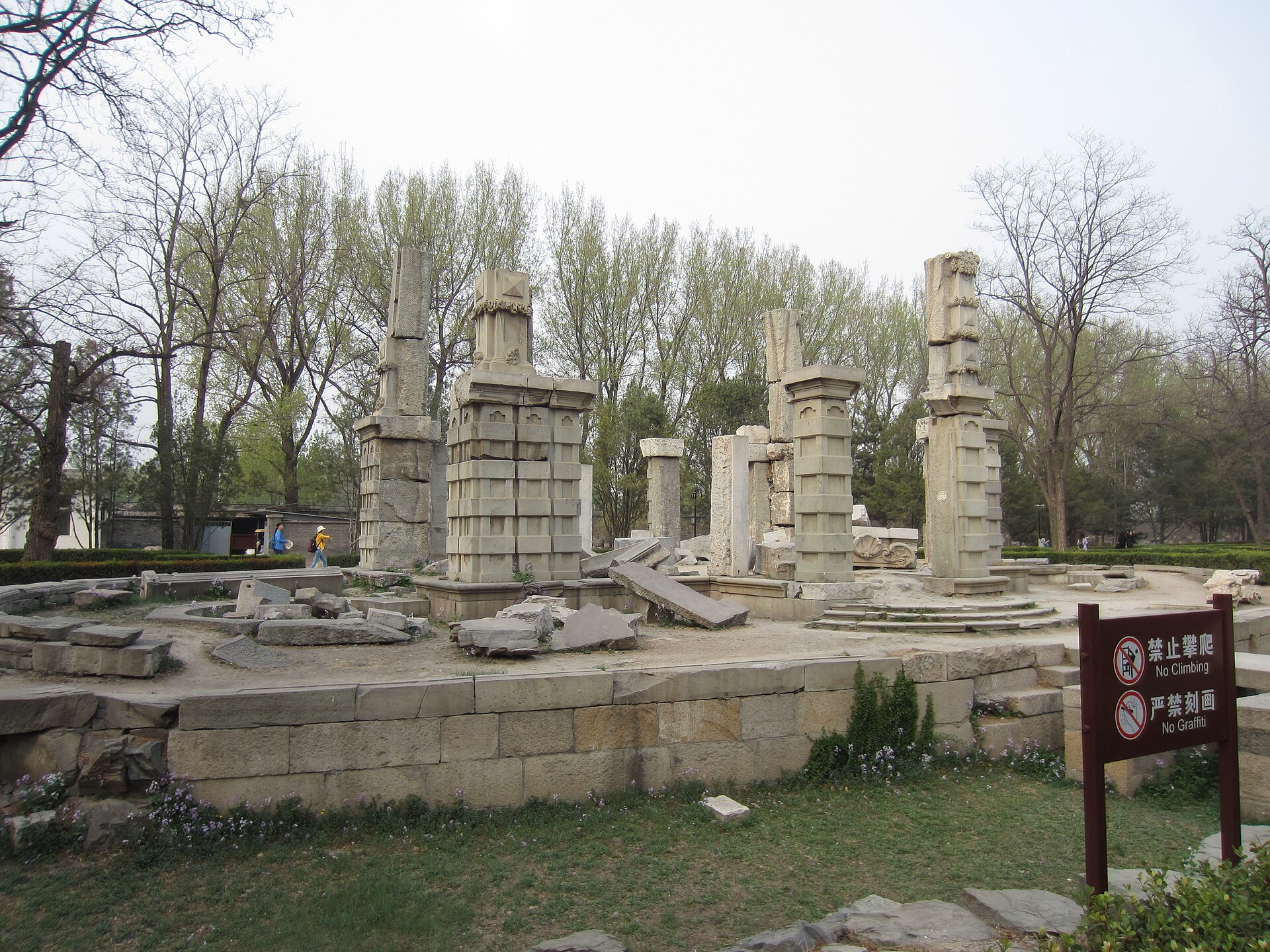
Those who favor preservation argue that the broken stones and empty spaces are themselves a monument, a memorial to the destruction and a warning against the weakness and division that allowed it to happen. To rebuild, in this view, would be to erase the very lesson that the ruins teach, replacing a meaningful memorial with a hollow reconstruction.
The prevailing approach has been to preserve the site as a ruin and a park, a place of memory and reflection rather than a recreated pleasure garden. The ruins are maintained and protected, and the site serves as a place where visitors can contemplate both the former glory of the garden and the tragedy of its loss.
This decision to preserve rather than rebuild reflects a considered judgment about the meaning of the site, an acknowledgment that the Old Summer Palace is now valuable not for what it was but for what its destruction represents, a monument whose power lies precisely in its brokenness.
The choice to leave the ruins as they are also reflects a wider truth about how nations remember, that some wounds are better marked than mended, and that a preserved scar can speak more powerfully than a seamless restoration. The empty spaces of the Old Summer Palace say what no rebuilt palace could, testifying by their very absence to the magnitude of what was lost.
Preserving the Memory Worldwide
The story of the Old Summer Palace does not belong to China alone, for its destruction and the dispersal of its treasures made it an episode of global significance, one that continues to shape debates about cultural heritage far beyond the borders of the country. Objects looted from the garden are held in museums and private collections around the world, and each is a small piece of the larger story.
In recent decades, growing attention has been paid to the fate of these scattered treasures, and to the broader questions they raise about the ethics of collecting, the legacy of imperialism, and the responsibilities of those who hold objects taken in circumstances of violence and plunder. The Old Summer Palace has become a touchstone in these international conversations.
Efforts to locate, document, and in some cases recover the lost treasures have brought the garden renewed attention, and the appearance of its looted objects at auction or in exhibitions frequently provokes strong feeling. The dispersed heritage of the garden thus keeps its memory alive in unexpected places across the globe.
For many, the ultimate significance of the Old Summer Palace lies in this enduring afterlife, in the way a garden destroyed more than a century and a half ago continues to raise urgent questions about art, justice, and memory, ensuring that the wonder that was lost is never entirely forgotten.
See the Old Summer Palace for Yourself
The story of the Old Summer Palace, of its former glory and its violent destruction, is one that resonates far beyond China, raising questions about art, war, memory, and the treatment of cultural heritage that remain deeply relevant today. Seeing the site and learning its history brings these questions vividly to life.
The short video below explores the Old Summer Palace, its history, and the fate of the treasures looted from it, helping to set the ruins in their full historical context. It is a valuable companion to everything you have read here, deepening your understanding of what the garden was and what its destruction meant.
As you watch, consider the scale of what was lost, the beauty of the garden that once stood here, and the enduring significance of its destruction in the memory of a nation. Then, when you visit the ruins in Beijing, you will understand them not merely as broken stones but as the remains of a lost wonder and the enduring symbol of a national trauma.
Visiting the Old Summer Palace Today
For the modern traveler, the Old Summer Palace is one of the most significant and moving sites in Beijing, offering an experience quite different from the intact splendor of the Forbidden City or the nearby Summer Palace. It is a place to reflect on history, on beauty, and on loss, as much as a place to sightsee.
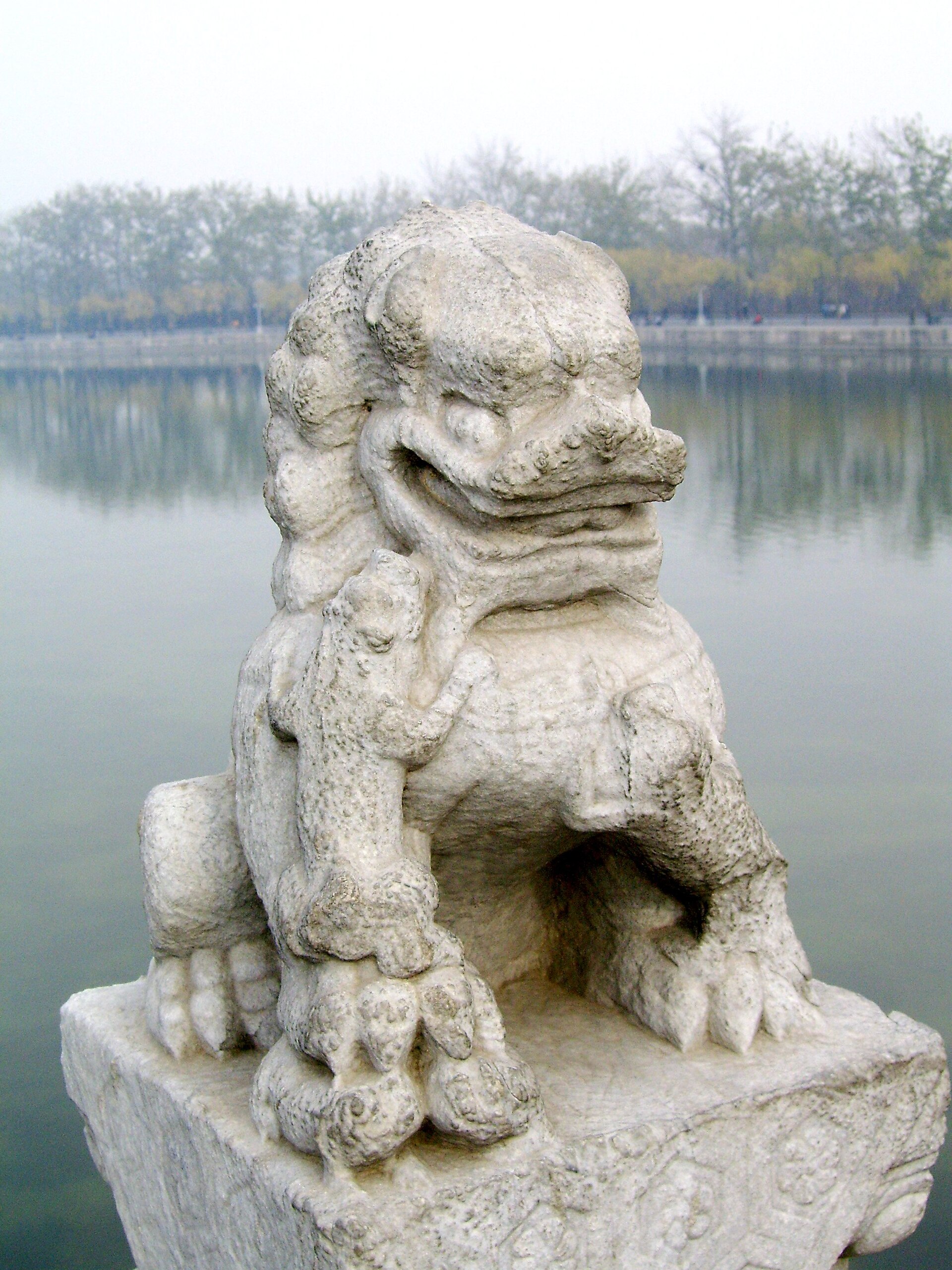
The site is preserved as a large park, and visitors can wander among the ruins, above all the famous stone remains of the European palaces, and explore the lakes, waterways, and landscapes that recall the former garden. Interpretation on site helps visitors to understand what once stood here and what was lost, and to grasp the significance of the place in Chinese history.
The Old Summer Palace lies in the northwestern part of Beijing, near the intact Summer Palace and the great universities of the capital, and a visit can be combined with these other nearby attractions. As always, it is worth checking current arrangements, and allowing time to absorb the atmosphere of the vast and evocative site.
However you approach it, the Old Summer Palace rewards the visitor who understands its story. This is not merely a park of picturesque ruins but the remains of one of the greatest creations in human history, destroyed in an act of war, and a monument to memory, loss, and the enduring determination of a nation never to forget what was taken from it.
Palaces Nearby
If the lost garden of the Qing has drawn you deeper into the world of imperial China, two more great residences of the dynasty and its era make natural companions to this story, each surviving where the Old Summer Palace was destroyed.
- The Chengde Mountain Resort — the surviving summer capital where the Qing emperors escaped the heat and received the peoples of the north.
- Prince Gong’s Mansion in Beijing — the finest surviving princely residence of the Qing, with its celebrated garden in the heart of the capital.
You May Like

Mafra, the Palace a King Built From a Vow