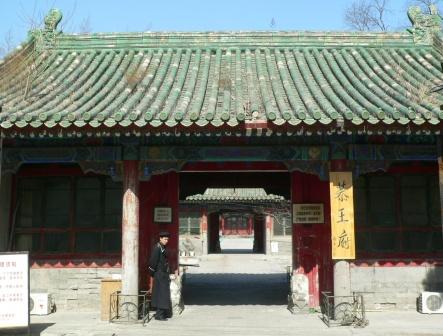
In the heart of old Beijing, tucked among the grey courtyard houses and willow-lined lakes of the historic Shichahai district, lies the largest and best preserved of the great princely mansions of the Qing dynasty. Prince Gong’s Mansion, known in Chinese as Gong Wang Fu, is a sprawling complex of halls, courtyards, and one of the most celebrated private gardens in China, a place that offers an intimate glimpse into the world of the highest Qing aristocracy just below the emperor himself.
This was never an imperial palace in the strict sense, for only the emperor could inhabit the Forbidden City. It was instead a princely residence, the home of some of the most powerful men in the empire, and its scale and splendor reflect the enormous wealth and status that the greatest princes of the Qing enjoyed. To visit it is to understand the layer of society that stood between the emperor and everyone else.
The mansion is famous for two connected reasons. Its first great owner was Heshen, one of the most notorious figures in Chinese history, an official whose staggering corruption made him perhaps the richest man of his age, and whose fall was as dramatic as his rise. Later it became the home of Prince Gong, a leading statesman of the late Qing, and it is from him that the mansion takes its name today.
Over the following pages you will explore the whole story of this remarkable place, from the corrupt official who built it and the prince who gave it its name, through its halls and its magnificent garden, to its survival and its life today as one of Beijing’s most beloved historic sites. Come and step inside the greatest princely mansion of imperial China.
In This Article
- The Princely Mansions of Beijing
- Heshen, the Corrupt Favorite
- Prince Gong, the Statesman
- The Layout of the Mansion
- The Celebrated Garden
- The Grand Opera House
- Life in a Princely Household
- Architecture and Decoration
- Survival Through Turbulent Times
- The Mansion as a Museum
- A Window into a Vanished World
- See the Mansion for Yourself
- Visiting Prince Gong’s Mansion Today
The Princely Mansions of Beijing
To understand Prince Gong’s Mansion, you must first understand the system of princely residences that surrounded the imperial court in Beijing. The Qing dynasty maintained an elaborate hierarchy of nobility, at the top of which stood the princes, close relatives of the emperor who were granted titles, wealth, and grand residences appropriate to their exalted rank.
These princely mansions were scattered through the city, particularly in the areas near the imperial palace, and they formed a distinct architectural and social world. Built according to strict rules that governed their size and decoration in proportion to the rank of their owners, the mansions were miniature courts in their own right, housing not only the prince and his family but a large household of servants, retainers, and dependents.
The mansions were expressions of a carefully ordered society in which everyone’s status was reflected in the physical world they inhabited. The number of gates, the height of the halls, the colors and decorations permitted, all were regulated according to rank, so that a mansion was, in effect, a statement in brick and timber of its owner’s exact place in the imperial hierarchy.
Prince Gong’s Mansion is the finest and most complete survivor of this world of princely residences, and it allows us to see, as nowhere else, how the highest aristocracy of the Qing lived, in a style that fell just short of the imperial but far exceeded that of ordinary officials and subjects.
The very existence of this graded system of mansions tells us something important about the Qing conception of order. In their view, a well-run empire was one in which every person and every building occupied its correct place in a vast hierarchy descending from the emperor, and the princely mansions were the topmost rung of that ladder below the throne itself.
Heshen, the Corrupt Favorite
The mansion was originally built at the end of the eighteenth century by Heshen, one of the most extraordinary and notorious figures in all of Chinese history. A handsome and talented Manchu official, Heshen rose with astonishing speed to become the favorite of the aging Qianlong Emperor, accumulating offices, honors, and power on a scale rarely seen.
With power came wealth, and Heshen’s greed became legendary. Through corruption, bribery, and the systematic abuse of his position, he amassed a personal fortune of almost unimaginable size, said to have rivaled or even exceeded the resources of the imperial treasury itself. His mansion was the physical embodiment of this staggering wealth, built and furnished with a magnificence that reflected his boundless ambition.
Heshen’s fortune could not survive the death of his imperial protector. When the Qianlong Emperor died and his successor took full control, Heshen was swiftly arrested, his crimes exposed, and his vast wealth confiscated by the state. He was forced to take his own life, and his spectacular fall became a byword for the dangers of corruption and the impermanence of power.
The mansion he had built, however, endured. Confiscated along with the rest of his property, it passed into other hands, but its origins in the fortune of the most corrupt man of his age gave it a notoriety and a fascination that cling to it still, a monument to greed and to the sudden reversals of fortune at the Qing court.
There is a grim symmetry in the fact that the fortune which built so beautiful a mansion was wrung from the corruption of an entire administration. Heshen’s rise and fall came to be seen by later generations as a parable of the rot that could set in even at the height of a dynasty’s power, and the mansion, for all its beauty, carries that cautionary tale within its walls.
Prince Gong, the Statesman
The mansion takes its present name from a later and very different owner, Prince Gong, one of the most important statesmen of the late Qing dynasty. A son of an emperor and brother of another, Prince Gong was a leading figure in the imperial government during the turbulent middle decades of the nineteenth century, a time of profound crisis for China.
Prince Gong came to prominence at a moment of national emergency, when China was reeling from foreign invasion and internal rebellion. He played a central role in negotiating with the foreign powers and in the effort to modernize and strengthen the Qing state in response to the challenges it faced, becoming one of the architects of the reforms of his age.
As a prince of the highest rank and a key figure in government, Prince Gong was granted this magnificent mansion as his residence, and it was during his ownership that it acquired the name by which it is known today. Under him, the mansion was a center of political power, where the affairs of a struggling empire were discussed and decided.
The contrast between the mansion’s two most famous owners, the corrupt favorite Heshen and the reforming statesman Prince Gong, gives the place a special richness, embodying in a single residence both the decadence and the desperate efforts at renewal that marked the long decline of the Qing dynasty.
Prince Gong’s career embodied the painful dilemmas of the late Qing, caught between the desire to preserve the traditional order and the desperate need to adapt to a world transformed by Western power. That such a man should have lived in a mansion built by Heshen gives the place an almost literary richness, as though the whole trajectory of the dynasty were written into its history of ownership.
The Layout of the Mansion
Prince Gong’s Mansion is a vast complex, divided broadly into two main parts, the residential halls and courtyards to the front, and the great garden to the rear. This arrangement, of a formal residence backed by a pleasure garden, was typical of the grandest Chinese homes, and at Prince Gong’s Mansion it is realized on a scale of exceptional magnificence.
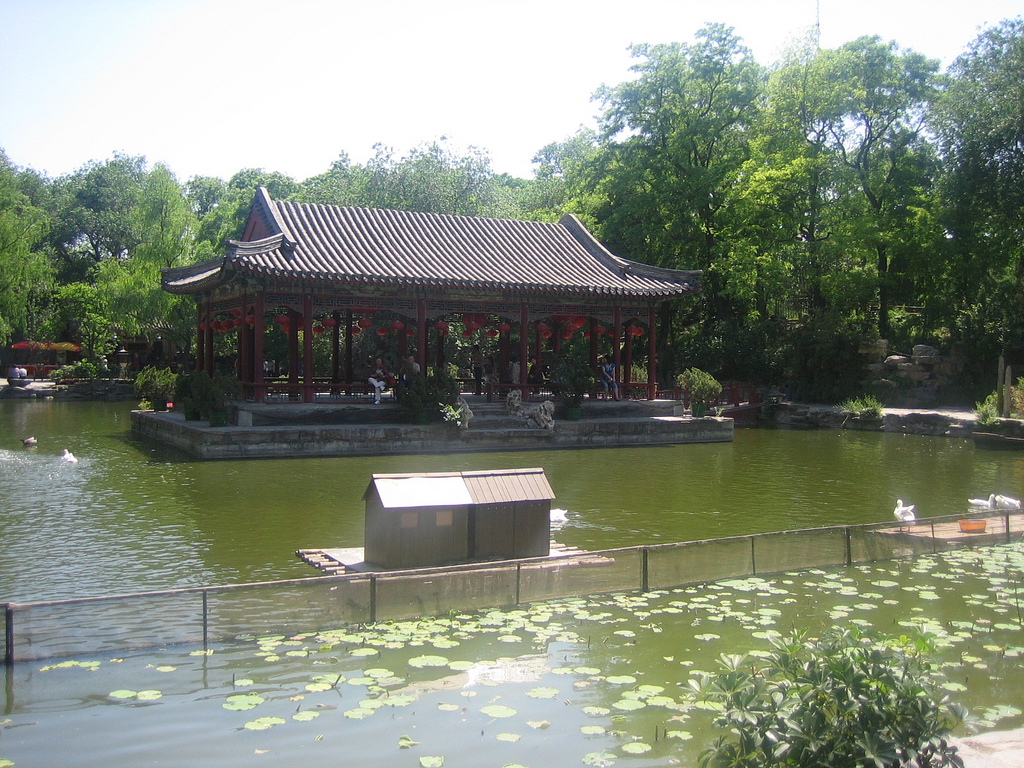
The residential part of the mansion consists of a series of halls and courtyards arranged along central axes, following the classical principles of Chinese architecture. The most important buildings, used for receiving guests and conducting the ceremonial life of the household, stand on the main axis, while subsidiary courtyards housed the family and the many members of the princely establishment.
The buildings are constructed and decorated according to the rules governing a residence of the highest princely rank, with the grandest halls displaying the dignity and refinement appropriate to their owners. Moving through the courtyards, the visitor passes from more public to more private spaces, experiencing the carefully graded sequence of a great aristocratic home.
Behind the residential halls lies the garden, and the transition from the ordered formality of the courtyards to the more relaxed and picturesque world of the garden is one of the great pleasures of a visit, a movement from the world of duty and ceremony to the world of leisure and delight.
The Celebrated Garden
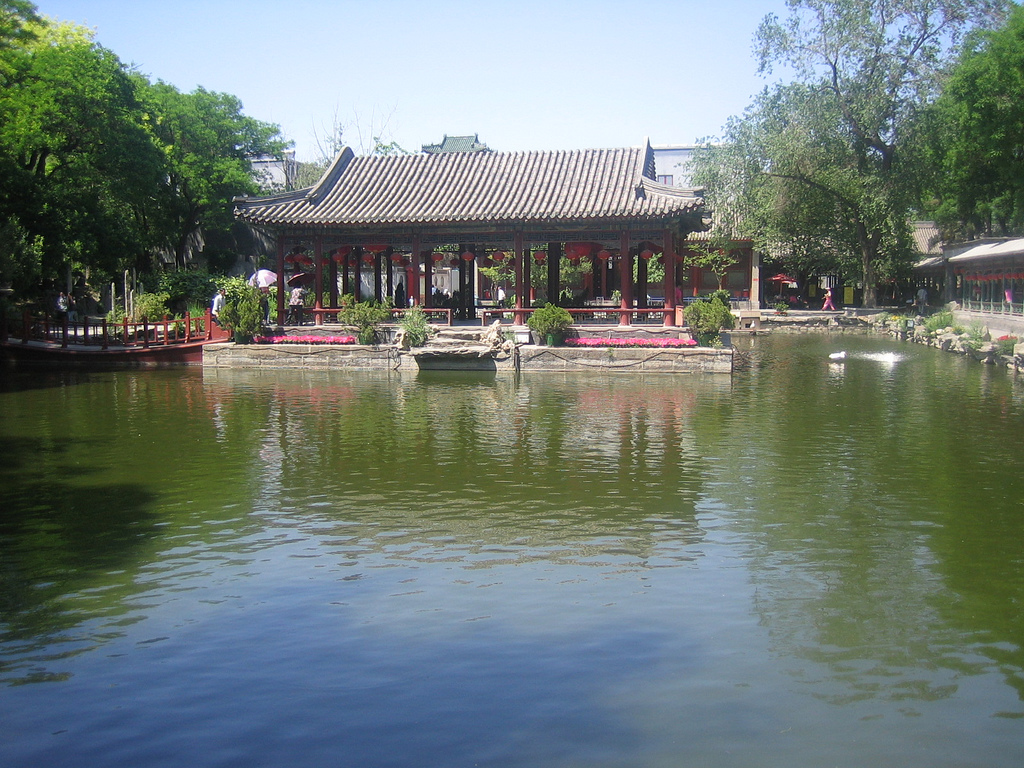
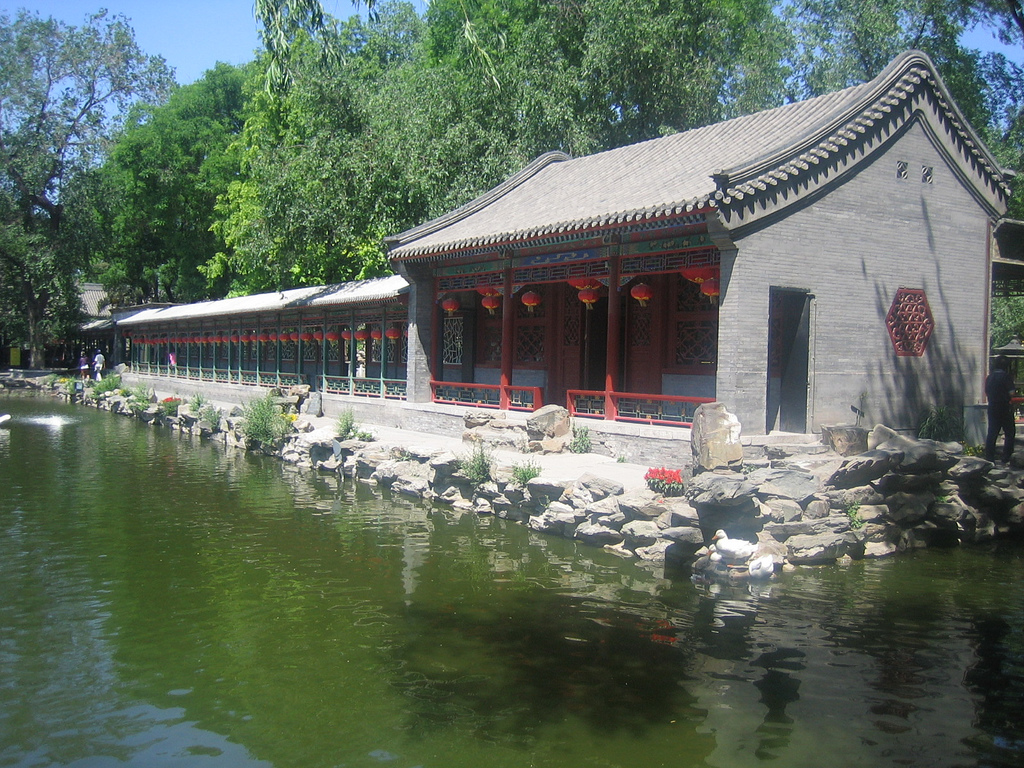
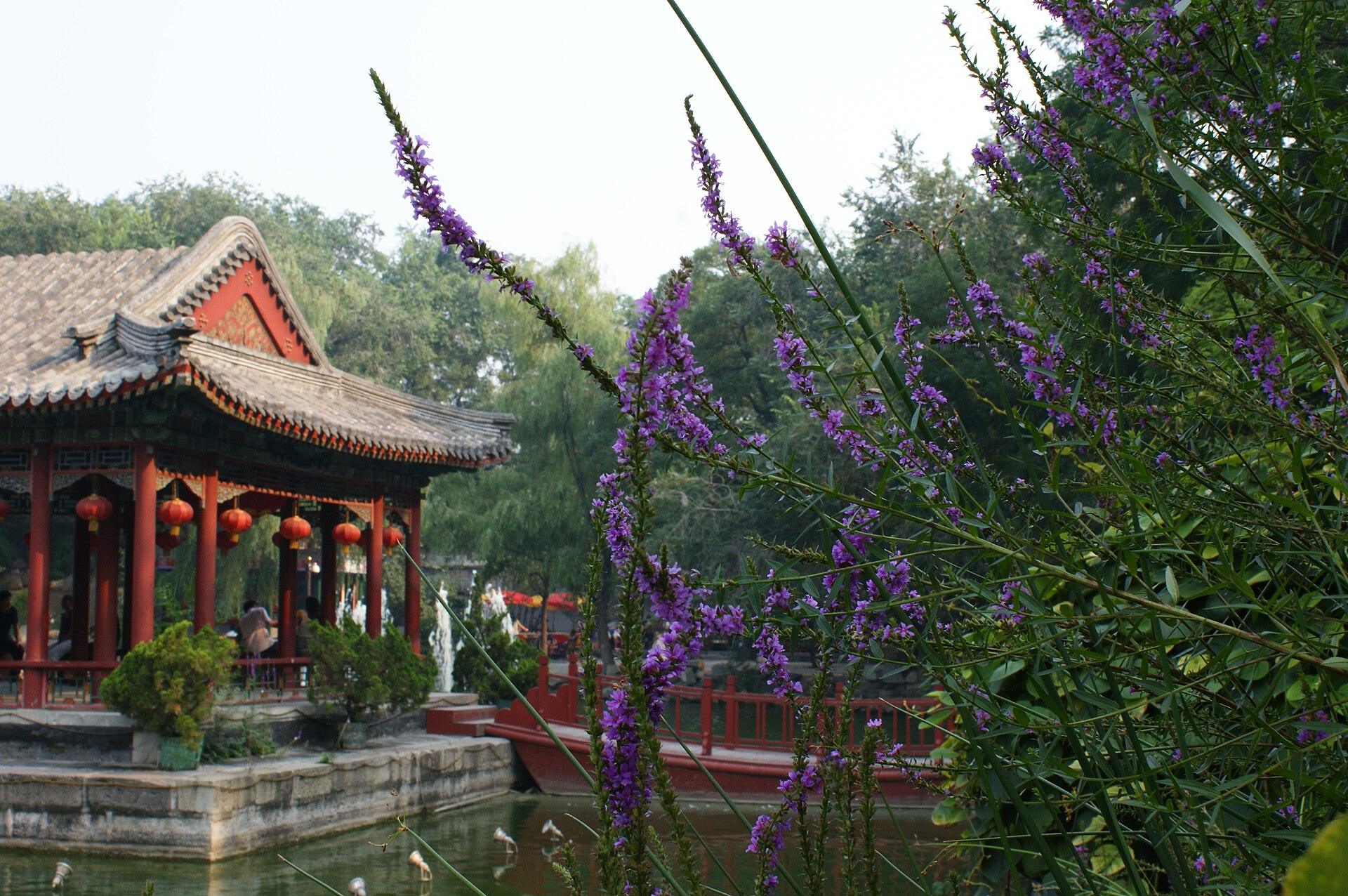
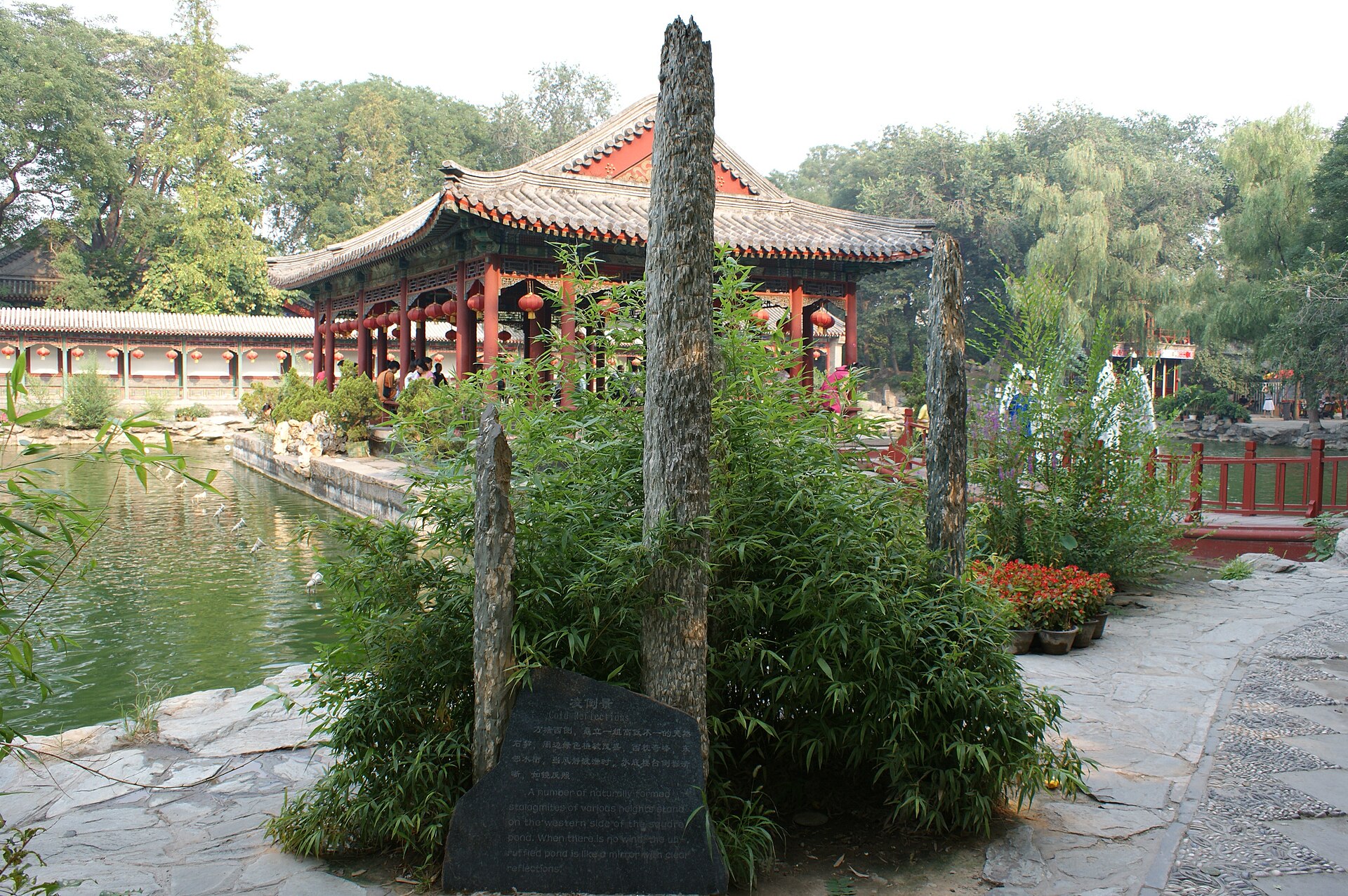
The garden of Prince Gong’s Mansion is one of the most famous private gardens in China, a masterpiece of the art of garden design that draws visitors from around the world. Occupying the rear portion of the complex, it is a landscape of rockeries, ponds, pavilions, and winding paths, designed to create a world of shifting scenes and hidden delights within the confines of the city.
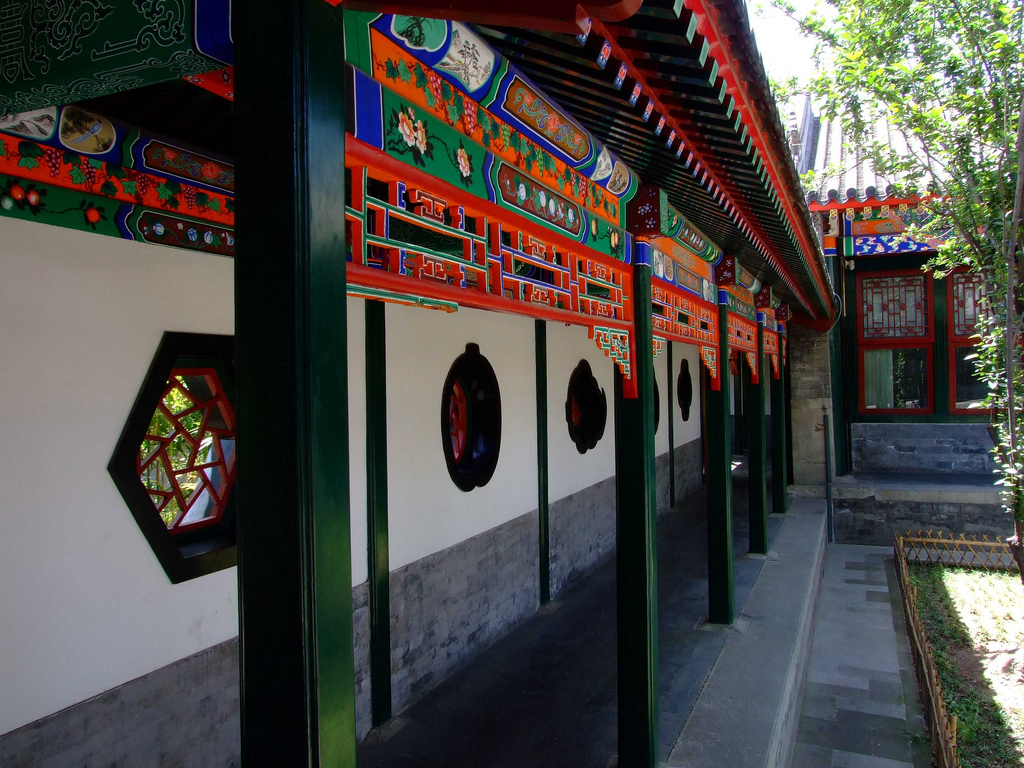
Chinese garden design is an art of illusion and suggestion, seeking to compress the beauty of the natural world into a limited space and to create the impression of a much larger landscape through the careful arrangement of rocks, water, plants, and buildings. The garden at Prince Gong’s Mansion is a superb example of this art, its every feature placed to compose a scene or reveal a view.
The garden is rich in symbolism and allusion, with features designed to evoke poetic and philosophical ideas and to bring good fortune to the household. Among its most famous elements is a carved character for good fortune, hidden within the garden, which has become one of its celebrated attractions, sought out by visitors hoping to share in the luck it is said to bestow.
Pavilions and halls are scattered throughout the garden, offering places to rest, to enjoy the views, and to hold gatherings, and the whole is woven together by paths that lead the visitor on a journey of discovery. It is a place designed for contemplation and pleasure, a refined retreat at the heart of the busy capital.
Chinese gardens were never meant to be taken in at a single glance, as a European formal garden might be. They were designed to be walked through slowly, revealing themselves scene by scene, each turn of the path bringing a new composition into view. The garden at Prince Gong’s Mansion rewards exactly this kind of unhurried exploration, disclosing its secrets only to the patient visitor.
The Grand Opera House
Among the most remarkable features of Prince Gong’s Mansion is its private opera house, a grand hall built for the performance of Chinese opera, which was one of the great passions of the Qing elite. The presence of such a facility within the mansion speaks to the central place of opera and theater in the cultural life of the aristocracy.
The opera hall is a large, richly decorated interior space, designed to accommodate performers and audience alike in appropriate comfort and splendor. Here the prince, his family, and his guests could enjoy performances of the elaborate operatic dramas that were the height of fashion, entertainment that combined music, singing, dance, and spectacle in a uniquely Chinese art form.
The opera house reminds us that a great princely mansion was not only a residence and a seat of power but a center of culture and entertainment, a place where the refined pleasures of the elite were pursued on a grand scale. The maintenance of a private theater and, often, a private troupe of performers was a mark of the highest status and cultivation.
For the visitor today, the opera house is one of the highlights of the mansion, a vivid evocation of the cultural world of the Qing aristocracy and a reminder that these great residences were places of pleasure and artistry as well as of power and ceremony.
The operas performed here were not light entertainment but a sophisticated art form with deep roots in Chinese culture, blending history, legend, poetry, and moral instruction. To patronize opera on this scale was to position oneself as a cultivated connoisseur, and the private theater was as much a statement of taste and refinement as the garden or the halls.
Life in a Princely Household
A mansion on the scale of Prince Gong’s was not merely a building but a whole community, home to a vast household that extended far beyond the prince and his immediate family. Servants, retainers, guards, cooks, gardeners, and countless others lived and worked within its walls, forming a self-contained world governed by strict hierarchy and elaborate custom.
The daily life of such a household followed rhythms shaped by ceremony, duty, and the seasons. The prince’s own routine mixed official responsibilities with the pursuits proper to a man of his rank, while the women of the household inhabited their own quarters and the servants labored to sustain the enormous establishment in the style its status demanded.
The physical arrangement of the mansion reflected and enforced these social distinctions, with different areas reserved for different members and functions of the household. The careful gradation of spaces, from the grand public halls to the private family quarters to the service areas, created a physical map of the social order that governed life within.
To walk through the mansion today, imagining it filled with the bustle of this great household, is to gain a vivid sense of the world of the Qing aristocracy, a world of privilege and refinement sustained by the labor of many, and ordered by a strict code of rank and propriety in every detail of daily life.
The women’s quarters, in particular, formed a world within a world, governed by its own hierarchies and customs and largely hidden from outsiders. The principal wife, secondary wives, daughters, and their attendants inhabited these inner spaces, and the complex social dynamics of the household unfolded in these secluded courtyards, out of sight of the public life of the mansion.
Architecture and Decoration
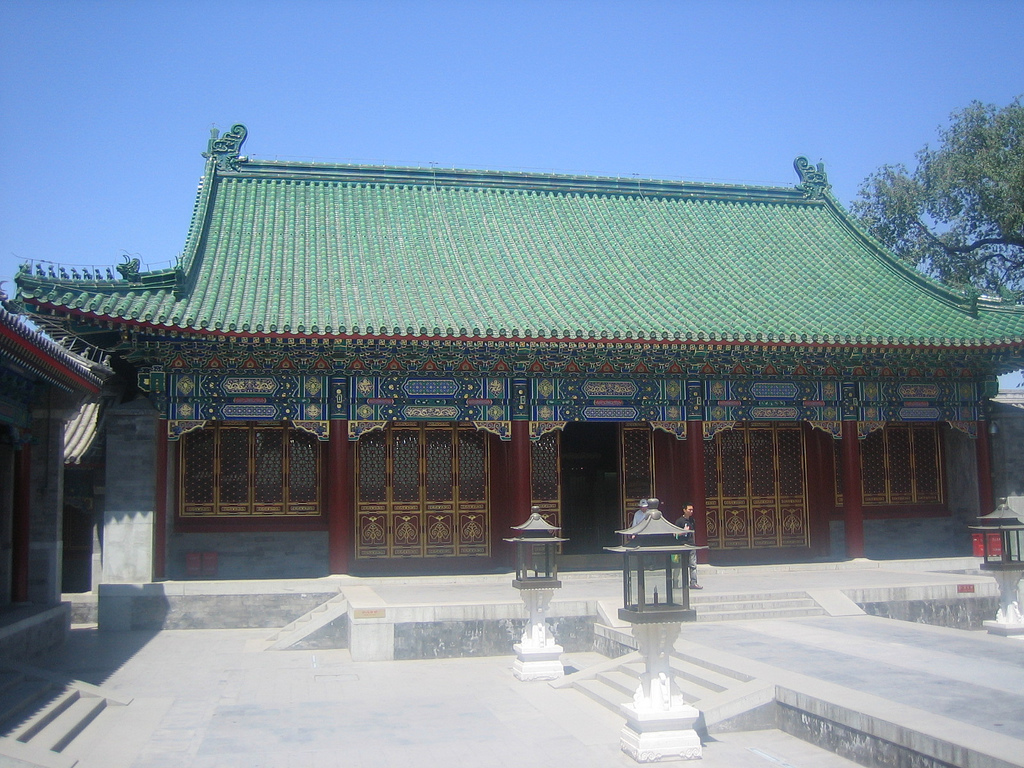
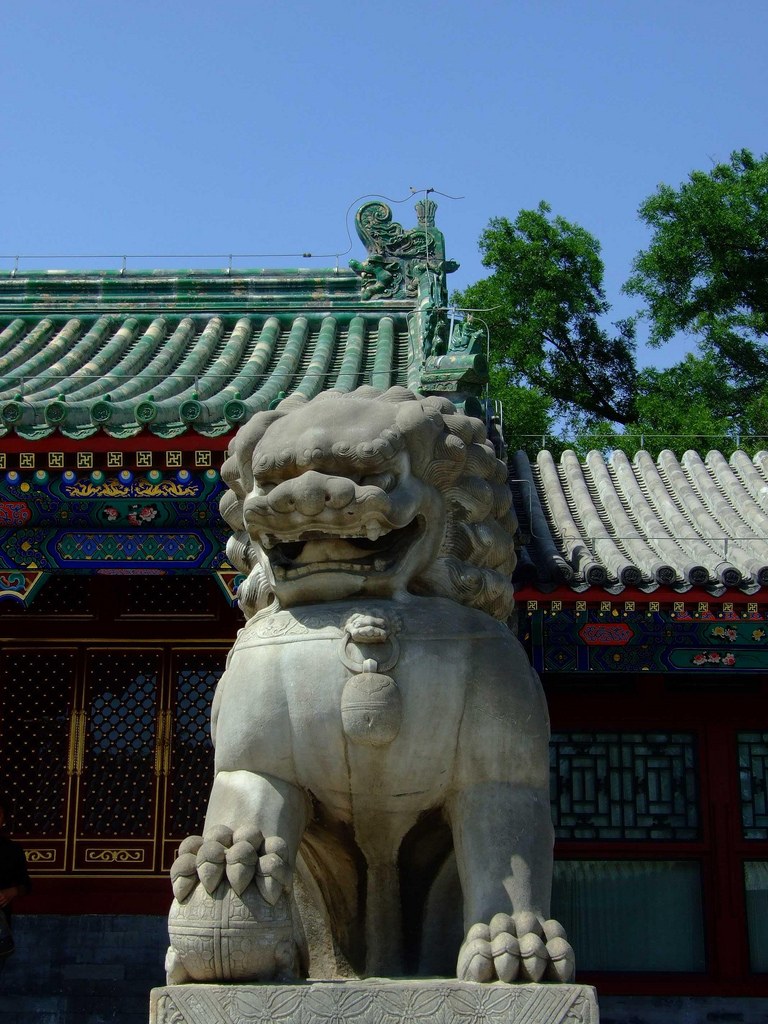
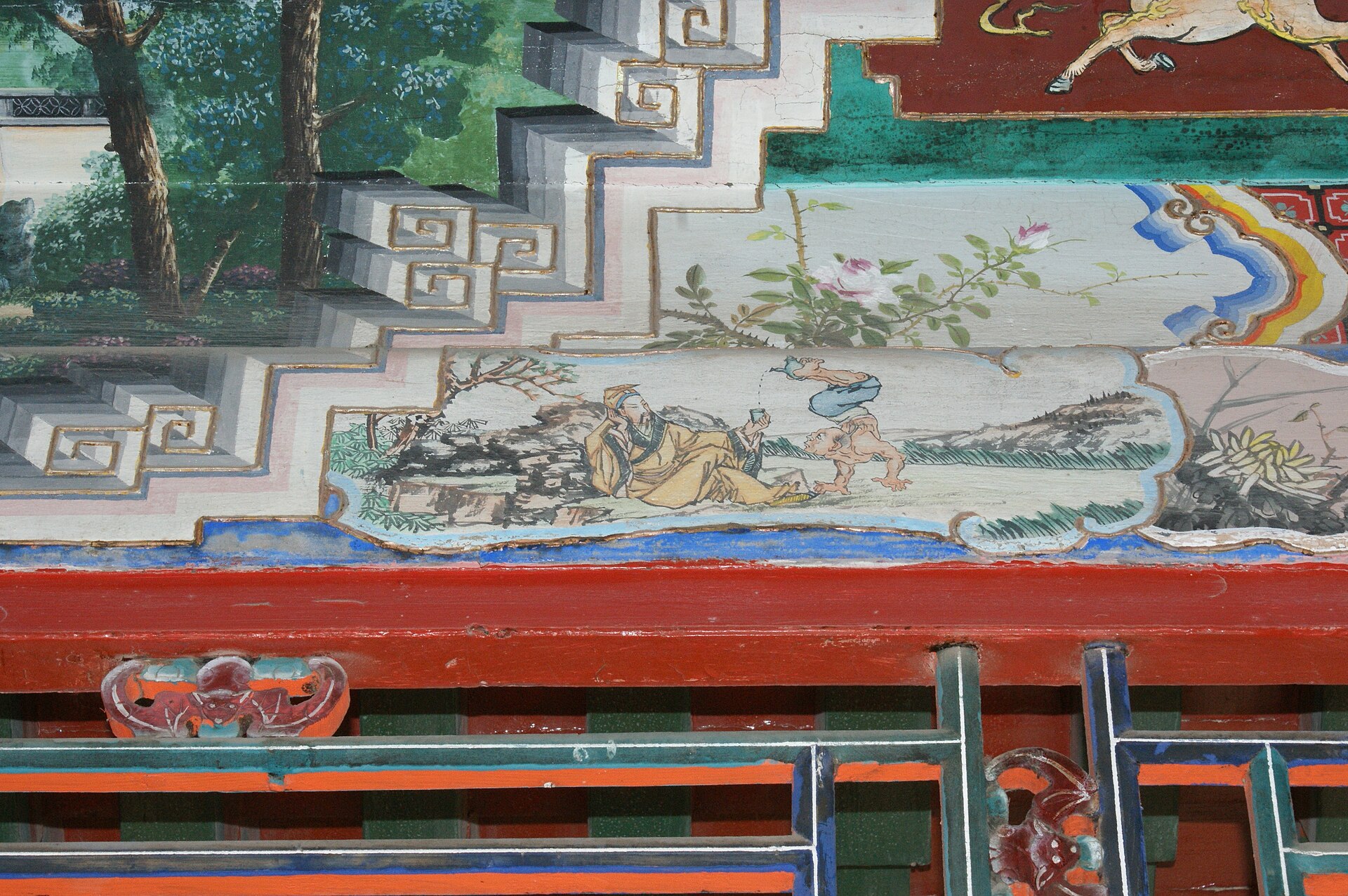
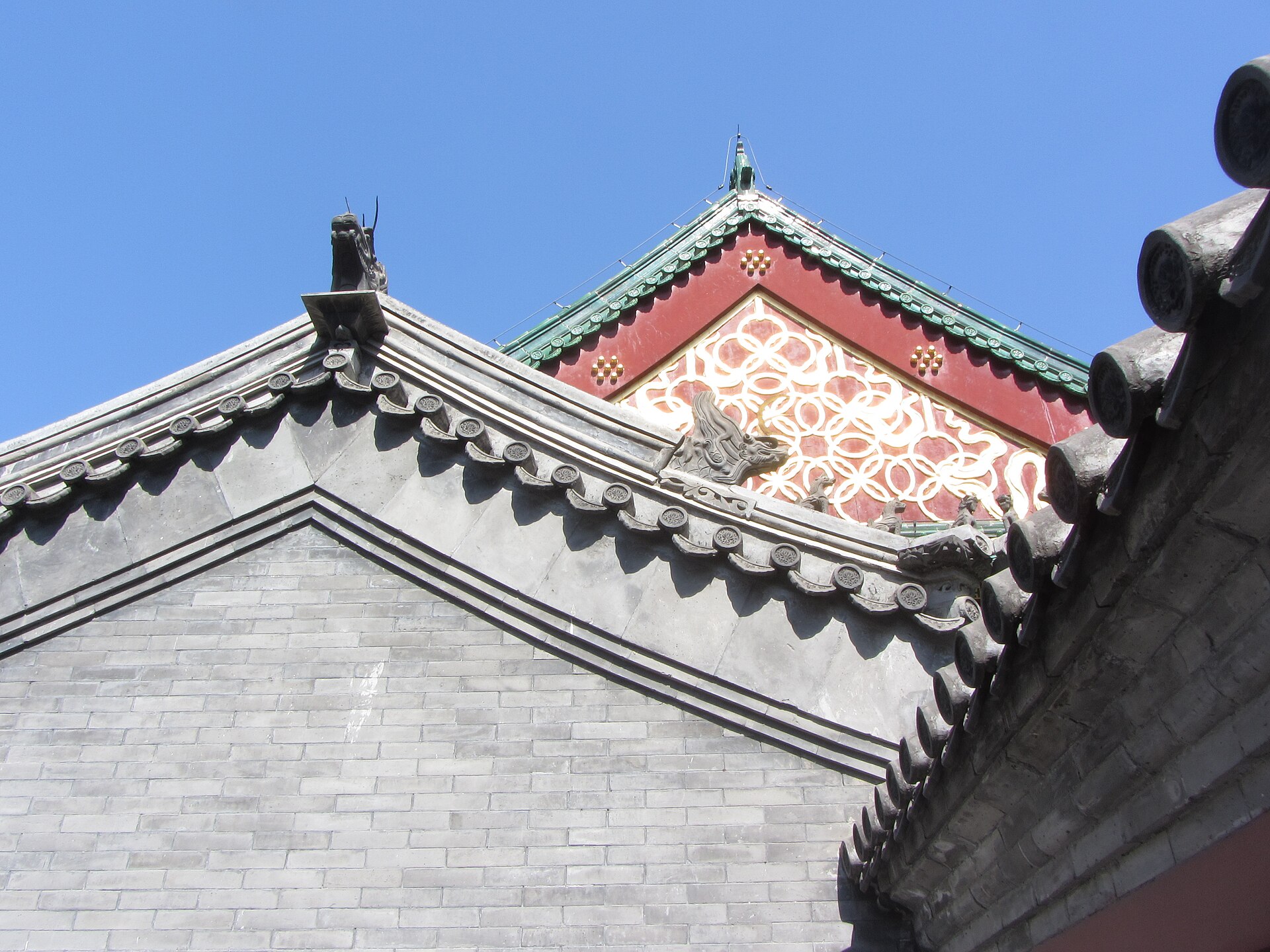
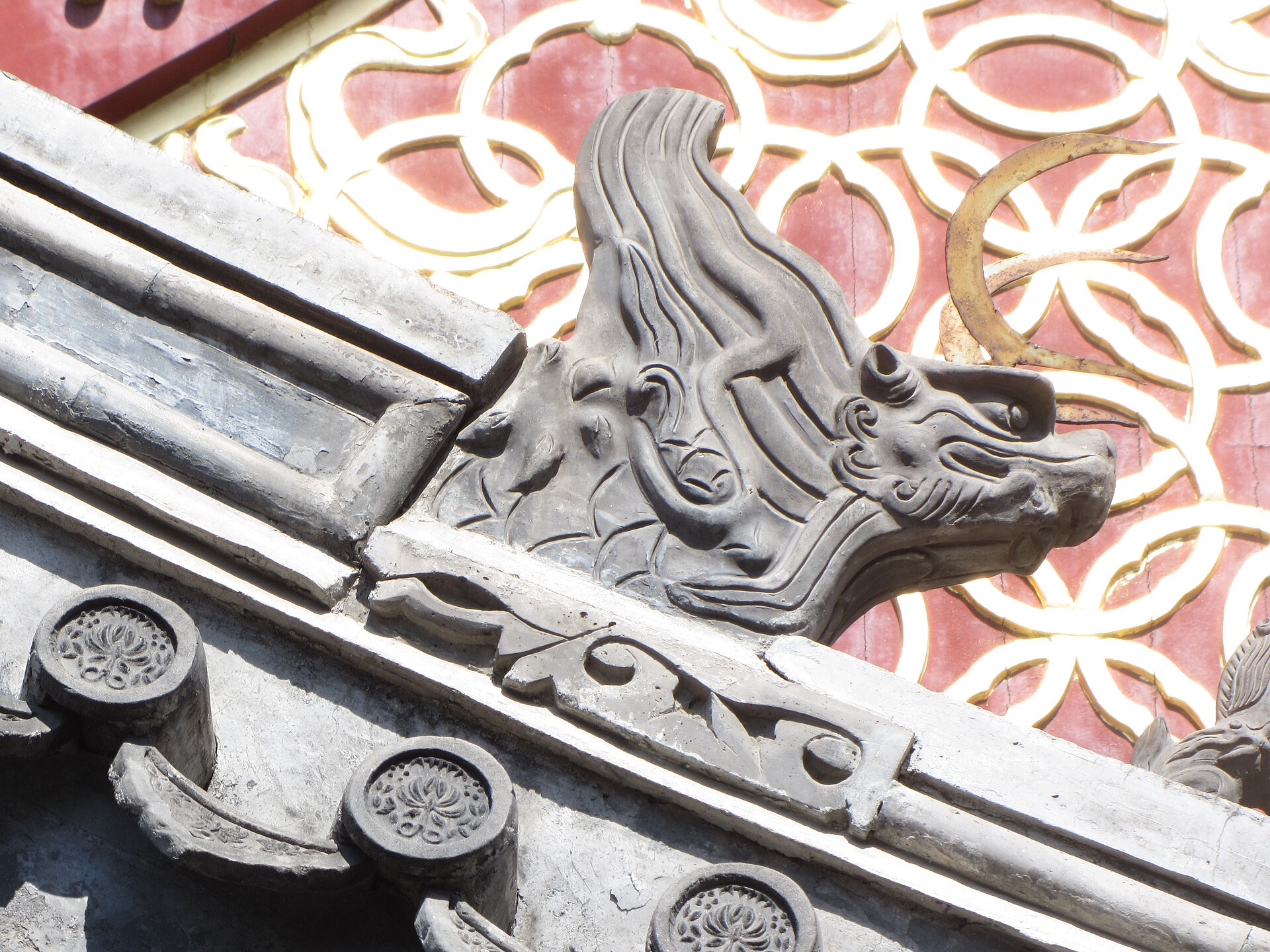
The architecture of Prince Gong’s Mansion exemplifies the classical tradition of Chinese building at its most refined, adapted to the requirements of a residence of the highest princely rank. The halls are constructed of timber on stone platforms, with the sweeping tiled roofs, bracketed eaves, and painted decoration characteristic of Chinese monumental architecture.
The decoration of the mansion, while magnificent, was governed by the sumptuary rules that reserved the highest honors, such as certain colors and roof forms, for the emperor alone. Within these limits, the mansion displays a wealth of fine detail, from carved and painted woodwork to elegant furnishings, all reflecting the taste and resources of its aristocratic owners.
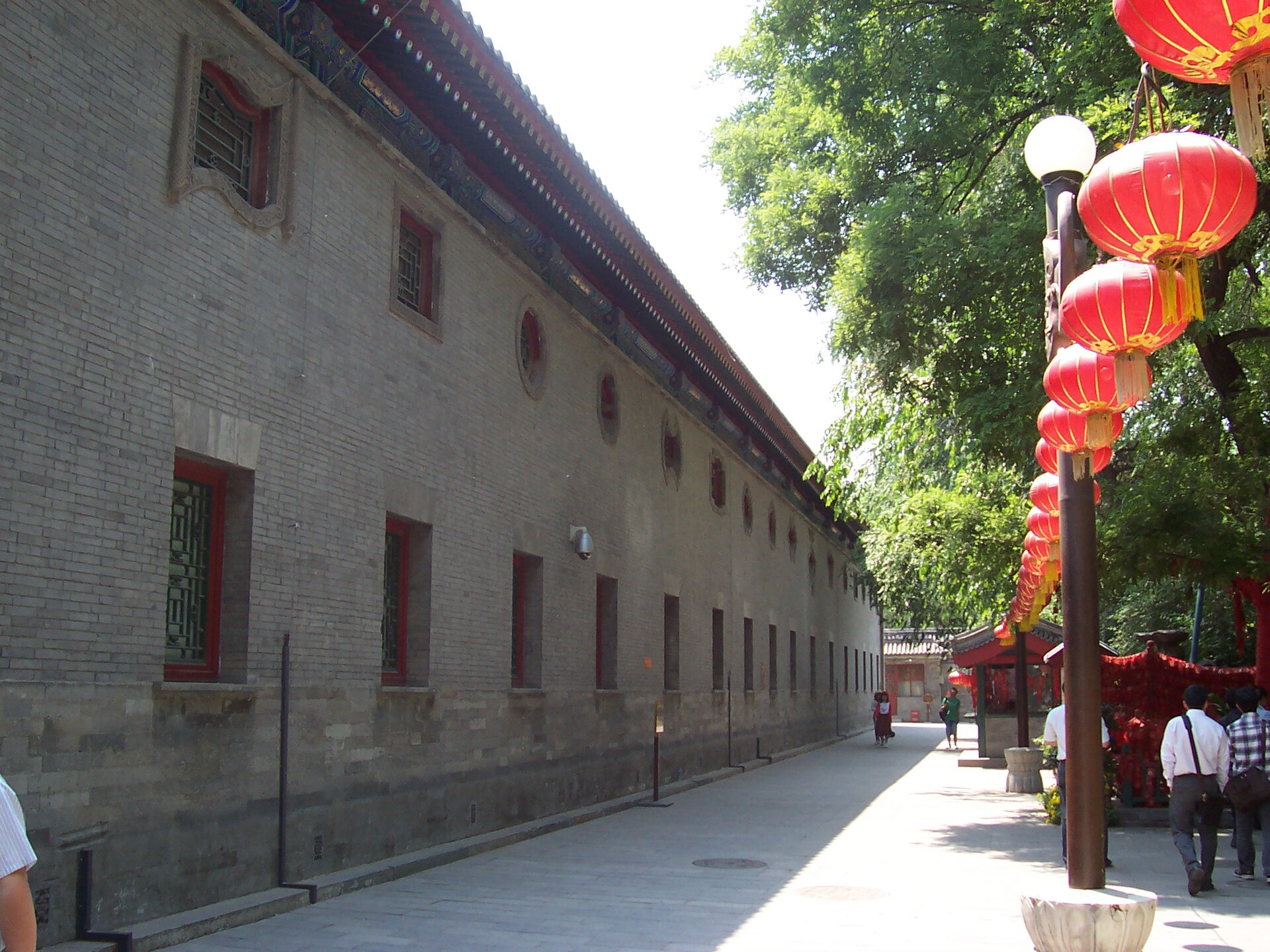
The buildings are arranged to create a sequence of courtyards and enclosed spaces, in the manner of the traditional Chinese house, so that the mansion turns inward, presenting relatively plain exterior walls to the street and reserving its beauties for the courtyards and gardens within. This inward-looking arrangement created a private world sheltered from the city outside.
The overall effect is one of dignified magnificence, a residence that expresses through its architecture the exact status of its owners, grand and refined yet always careful to observe the distinctions that separated even the greatest prince from the emperor himself, whose unique majesty no subject could rival.
The inward-turning character of the mansion also reflected a whole philosophy of privacy and family. In the Chinese tradition, the home was a world unto itself, sheltered from the public gaze, and the great courtyard residences were designed to create exactly such a protected inner realm, where the life of the family and household could unfold away from the eyes of the street.
Survival Through Turbulent Times
The fall of the Qing dynasty in the early twentieth century transformed the world of the princely mansions. With the end of the empire, the aristocracy lost its position and its wealth, and the great residences that had housed them faced an uncertain future in a China convulsed by revolution, warlordism, and war.
Prince Gong’s Mansion passed through various hands and uses in the decades that followed, and like many historic buildings it suffered from neglect, subdivision, and the pressures of a rapidly changing society. Parts of the complex were put to new uses, and the survival of the mansion as a coherent whole was for a time in doubt.
Yet the exceptional quality and historical importance of the mansion ultimately ensured its preservation. In the modern era, the value of Prince Gong’s Mansion as the finest surviving example of a Qing princely residence came to be recognized, and efforts were undertaken to restore the complex and to reunite its scattered parts.
The work of restoration allowed the mansion to be opened to the public as a museum and historic site, rescuing it from decline and ensuring that this unique window into the world of the Qing aristocracy would be preserved for future generations to explore and enjoy.
The story of the mansion’s survival is, in miniature, the story of how China has come to terms with its imperial past. Once a symbol of a discredited old order, the mansion has been reclaimed as a treasured piece of national heritage, valued not for the privilege it represented but for the beauty it embodies and the history it preserves.
The Mansion as a Museum
Today Prince Gong’s Mansion functions as a museum and one of the most popular historic attractions in Beijing, welcoming great numbers of visitors who come to explore its halls and its famous garden. The mansion offers an experience quite different from the imperial grandeur of the Forbidden City, a more intimate glimpse into the life of the aristocracy.
The museum presents the mansion much as it would have appeared in its heyday, with restored halls, furnished rooms, and the beautifully maintained garden. Displays and interpretation help visitors to understand the history of the mansion and its owners, and to appreciate the architectural and artistic features that make it so significant.
The mansion also serves as a center for the study and celebration of Qing aristocratic culture, hosting cultural events and performances that bring its historic spaces to life. In particular, the tradition of Chinese opera, once so central to the life of the mansion, is honored through performances that recall the entertainments of the princely household.
For the visitor, the mansion offers a rich and rewarding experience, a chance to step out of the crowds of central Beijing into a preserved world of aristocratic refinement, to wander the celebrated garden, and to encounter the fascinating and sometimes scandalous history of imperial China’s greatest princely residence.
The mansion’s popularity also reflects a broader revival of interest in traditional Chinese culture, as visitors seek out places that connect them to the depth and richness of their heritage. In this sense the mansion serves not only as a monument to the past but as a living part of the cultural life of the present, drawing new meaning from each generation of visitors.
A Window into a Vanished World
Prince Gong’s Mansion occupies a special place in the heritage of Beijing and of China as a whole. As the largest and best-preserved of the Qing princely residences, it is an irreplaceable record of a world that has otherwise almost entirely disappeared, the world of the imperial aristocracy that stood at the summit of Chinese society for centuries.
The mansion’s fascination is deepened by the extraordinary characters associated with it, above all the corrupt favorite Heshen and the reforming statesman Prince Gong. Through their stories, the mansion connects to some of the most dramatic episodes in the history of the Qing, from the glittering excess of the dynasty’s height to the desperate struggles of its decline.
For the people of Beijing, the mansion is a cherished part of the historic fabric of their city, a survivor of the old Beijing of courtyard houses and princely residences that has largely given way to the modern metropolis. It stands as a reminder of the depth and richness of the city’s past, preserved amid the transformations of the present.
In all these ways, Prince Gong’s Mansion continues to tell its story to those who visit, a story of wealth and power, of corruption and reform, of pleasure and refinement, and of the vanished world of the Qing aristocracy, preserved within the finest princely residence to survive from imperial China.
Perhaps the deepest appeal of the mansion is the way it renders the grand abstractions of history in human scale. Empires and dynasties can seem remote, but a garden where a real family walked, an opera house where they were entertained, and halls where a corrupt favorite once counted his fortune bring the past close, and let the visitor feel, for a moment, the texture of a vanished life.
See the Mansion for Yourself
The scale and beauty of Prince Gong’s Mansion, and especially of its celebrated garden, are best appreciated by seeing the complex for yourself, moving through its courtyards and along the winding paths of the garden. A video tour conveys the atmosphere of the place in a way that words and still images cannot fully capture.
The short video below offers a walk through the mansion and its garden, taking in the grand halls, the opera house, the rockeries and ponds, and the pavilions that make the garden so famous. It is an ideal companion to everything you have read here, giving you a feel for the atmosphere of this remarkable aristocratic residence before you visit in person.
As you watch, consider the extraordinary history bound up in these halls and gardens, from the staggering corruption of Heshen to the statesmanship of Prince Gong, and imagine the life of the great princely household that once filled these spaces. Then, when you visit Beijing, you will recognize the mansion not just as a pretty garden but as the finest surviving window into the world of the Qing aristocracy.
Visiting Prince Gong’s Mansion Today
A word of practical advice before you go: the mansion is one of Beijing’s most visited sites, and arriving early in the day, or outside the busiest holiday periods, will give you a far more peaceful experience of the garden and halls than the midday crowds allow.
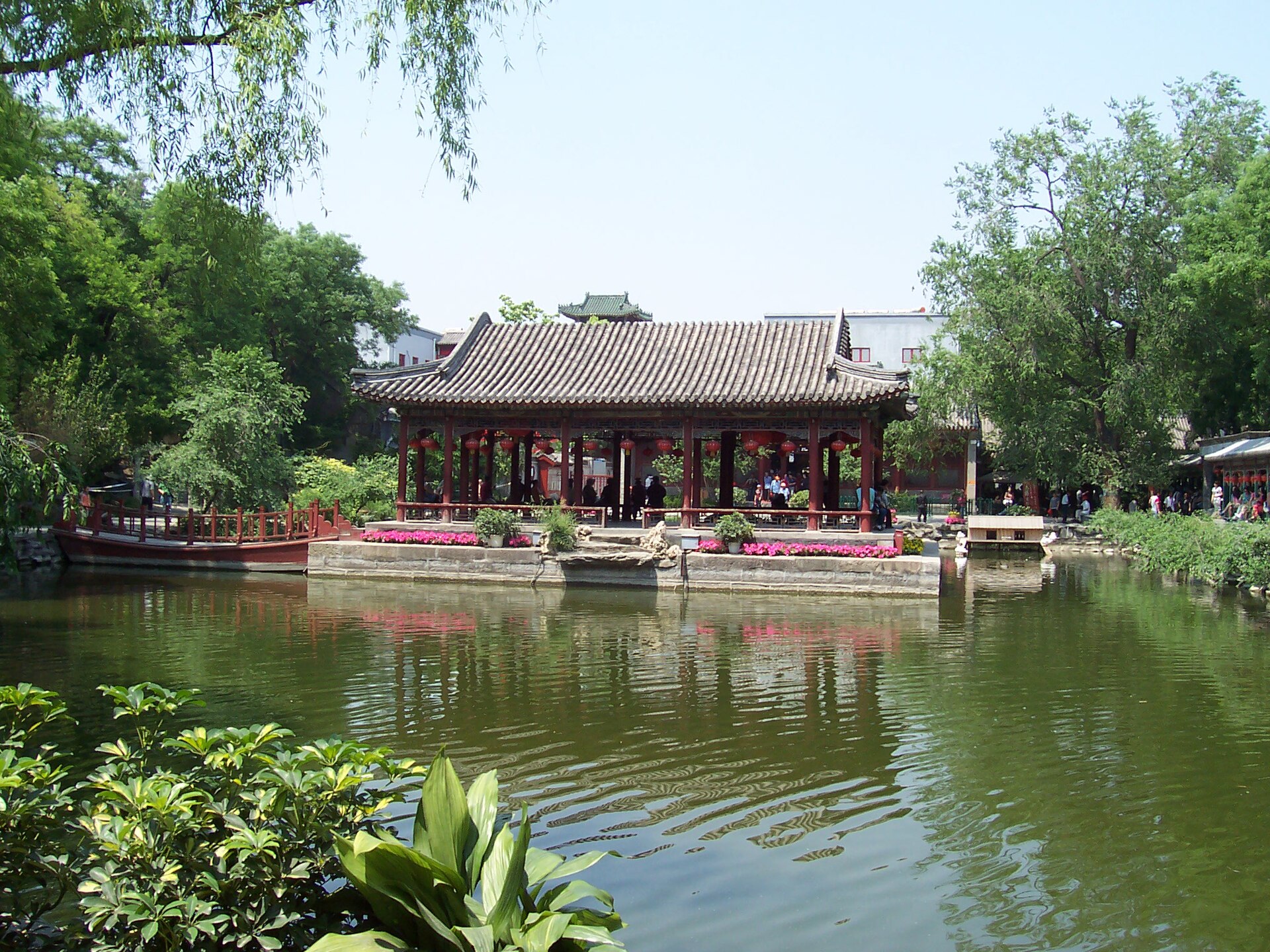
For the modern traveler, Prince Gong’s Mansion is one of the essential sights of Beijing, offering an experience that complements the imperial grandeur of the Forbidden City with a more intimate glimpse into aristocratic life. Located in the historic Shichahai district, the mansion can be combined with a walk through one of the best-preserved old quarters of the city.
The mansion and its garden are open to visitors, who can explore the halls, the opera house, and the celebrated garden with its rockeries, ponds, and famous hidden character for good fortune. The garden in particular rewards a leisurely visit, its scenes and views unfolding as one wanders its paths, and it is at its most beautiful in the changing colors of the seasons.
The surrounding Shichahai district, with its lakes, willow trees, and traditional courtyard houses, is one of the most atmospheric parts of old Beijing, and a visit to the mansion can easily be extended into an exploration of this historic neighborhood. As always, it is worth checking current opening arrangements, as this popular site can be busy.
However you approach it, Prince Gong’s Mansion rewards the visitor who understands its story. This is not merely a beautiful garden and a set of old halls but the finest surviving princely residence of imperial China, a place where the wealth, culture, and drama of the Qing aristocracy are preserved, and a window into a world that has otherwise vanished from the modern city.
Palaces Nearby
If the princely mansion of Beijing has drawn you deeper into the world of imperial China, two more great residences of the dynasty and its era make natural companions to a visit here, each telling a different chapter of the story.
- The Chengde Mountain Resort — the vast summer capital where the Qing emperors escaped the heat and received the peoples of the north.
- The Old Summer Palace — the vast garden-palace of the Qing, looted and burned in 1860 and preserved today as a field of ruins.
You May Like

Mafra, the Palace a King Built From a Vow


One thought on “A Corrupt Fortune and a Prince’s Garden in Old Beijing”