Some two hundred and fifty kilometers northeast of Beijing, in the hills of the province once considered the frontier between the settled Chinese heartland and the vast grasslands of the north, lies one of the most extraordinary imperial creations in all of China. The Chengde Mountain Resort, known in Chinese as Bishu Shanzhuang, the mountain hamlet for avoiding the summer heat, was the summer capital of the Qing emperors, a sprawling landscape of palaces, lakes, meadows, and temples that served as a second seat of the greatest empire on earth.
This was no mere pleasure garden, though it was certainly beautiful. Chengde was a carefully conceived instrument of imperial power, a place where the Manchu rulers of China could escape the summer heat of the capital, hunt in the manner of their steppe ancestors, and, above all, receive the leaders of the Mongol, Tibetan, and other peoples who made up their vast multi-ethnic empire. The whole complex was designed to project Qing power across the many worlds the dynasty ruled.
The scale of Chengde is staggering. The resort itself is the largest imperial garden in China, enclosed by a long wall and containing within it a miniature version of the whole empire, lakes in the style of the south, grasslands evoking the Mongolian steppe, and forested hills, all overlooked by palaces and, beyond the walls, by a ring of great temples built in the styles of Tibet and Mongolia. It is a landscape that is also an argument about the nature of the Qing state.
Over the following pages you will explore the whole story of this remarkable place, from the Qing emperors who built it and the political purposes it served, through its palaces, lakes, and gardens, to the astonishing temples that surround it and its life today as a World Heritage Site. Come and discover the summer capital of the Qing in the hills north of Beijing.

In This Article
- The Qing and the Northern Frontier
- Building the Summer Capital
- A Landscape in Four Parts
- The Palace Halls
- The Lakes and Gardens
- The Emperor as Hunter
- The Ring of Great Temples
- A Stage for Empire
- Decline and Neglect
- Restoration and World Heritage
- Chengde and the Idea of Empire
- See Chengde for Yourself
- Visiting Chengde Today
The Qing and the Northern Frontier
To understand Chengde you must understand the dynasty that built it. The Qing, who ruled China from the seventeenth century until the early twentieth, were not ethnic Chinese but Manchus, a people from the northeast who had conquered China and established themselves as its rulers. This origin shaped everything about the dynasty, and it shaped Chengde above all.
As rulers of both China and the vast territories of Inner Asia, the Qing faced a delicate challenge. To the Chinese heartland they presented themselves as legitimate Confucian emperors in the classical mold, but to the Mongols, Tibetans, and other peoples of the north and west they had to appear as something else, as universal rulers who understood and honored the traditions of the steppe and the plateau.
The northern frontier, where the settled world of China met the nomadic world of the steppe, was the crucial zone for managing this multi-ethnic empire. It was here, in the hills beyond the Great Wall, that the Qing chose to build their summer capital, a place perfectly positioned to serve as a meeting point between the emperor and the peoples of the north.
Chengde was thus born of the specific political needs of a conquering dynasty ruling a diverse empire, a place designed to hold together, through ceremony, hospitality, and the projection of power, a realm that stretched from the rice paddies of the south to the deserts of Central Asia.
This balancing act, being simultaneously a Confucian Son of Heaven, a Buddhist universal monarch, and a khan of the steppe peoples, was the central genius and central challenge of Qing rule. No single capital could express all these roles at once, and Chengde was in large part the Qing answer to that problem, a place where the non-Chinese dimensions of the empire could be given their full weight.
Building the Summer Capital
The Chengde Mountain Resort was created over many decades, beginning in the early eighteenth century under the great Kangxi Emperor and expanded by his successors, above all the Qianlong Emperor, under whom the complex reached its fullest development. The building of Chengde spanned the reigns of the most powerful Qing emperors, at the height of the dynasty’s wealth and confidence.
The choice of location was deliberate and multifaceted. The site offered relief from the oppressive summer heat of Beijing, beautiful natural scenery of hills and streams, and, crucially, proximity to the imperial hunting grounds where the emperors could practice the martial skills of their Manchu heritage and stage grand hunts that doubled as military exercises and displays of power.
Over the years the emperors created within the walls of the resort an elaborate designed landscape, damming streams to form lakes, raising pavilions and palaces, and laying out gardens and meadows. The complex grew into a vast summer city, to which the entire imperial court would decamp for months at a time, conducting the business of the empire from this mountain retreat.
As the resort grew, so too did the ring of temples built around it, until Chengde became not just a summer palace but a whole imperial landscape, a stage on which the drama of Qing rule over its many peoples could be enacted year after year in the cool of the northern hills.
The Kangxi and Qianlong emperors who did the most to build Chengde were among the longest-reigning and most capable rulers in Chinese history, and the resort bears the imprint of their confidence and ambition. To build a second capital on such a scale, entirely from imperial resources, was the act of a dynasty utterly sure of its wealth and its destiny.
A Landscape in Four Parts
The genius of Chengde lies in the way its designers created, within a single enclosure, a landscape that evoked the whole of the emperor’s diverse realm. The resort is traditionally understood as comprising several distinct zones, each with its own character, together forming a miniature empire that the emperor could survey and inhabit.
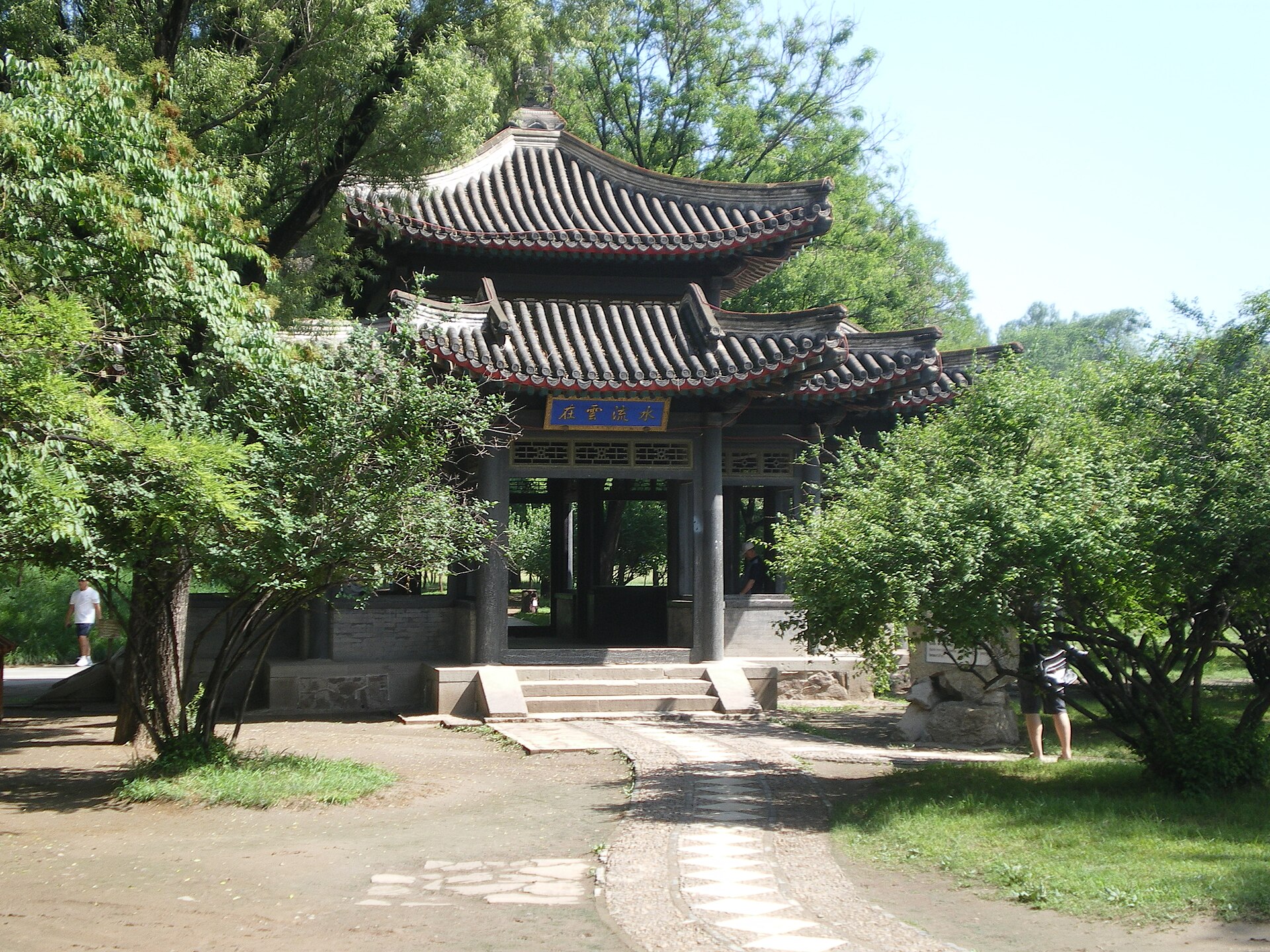
Near the main entrance lies the palace area, a complex of dignified halls and courtyards where the emperor lived and conducted official business. Built in a restrained and elegant style, using unpainted timber that gives the buildings a natural, understated dignity quite different from the gilded splendor of the Forbidden City, this was the administrative heart of the summer capital.
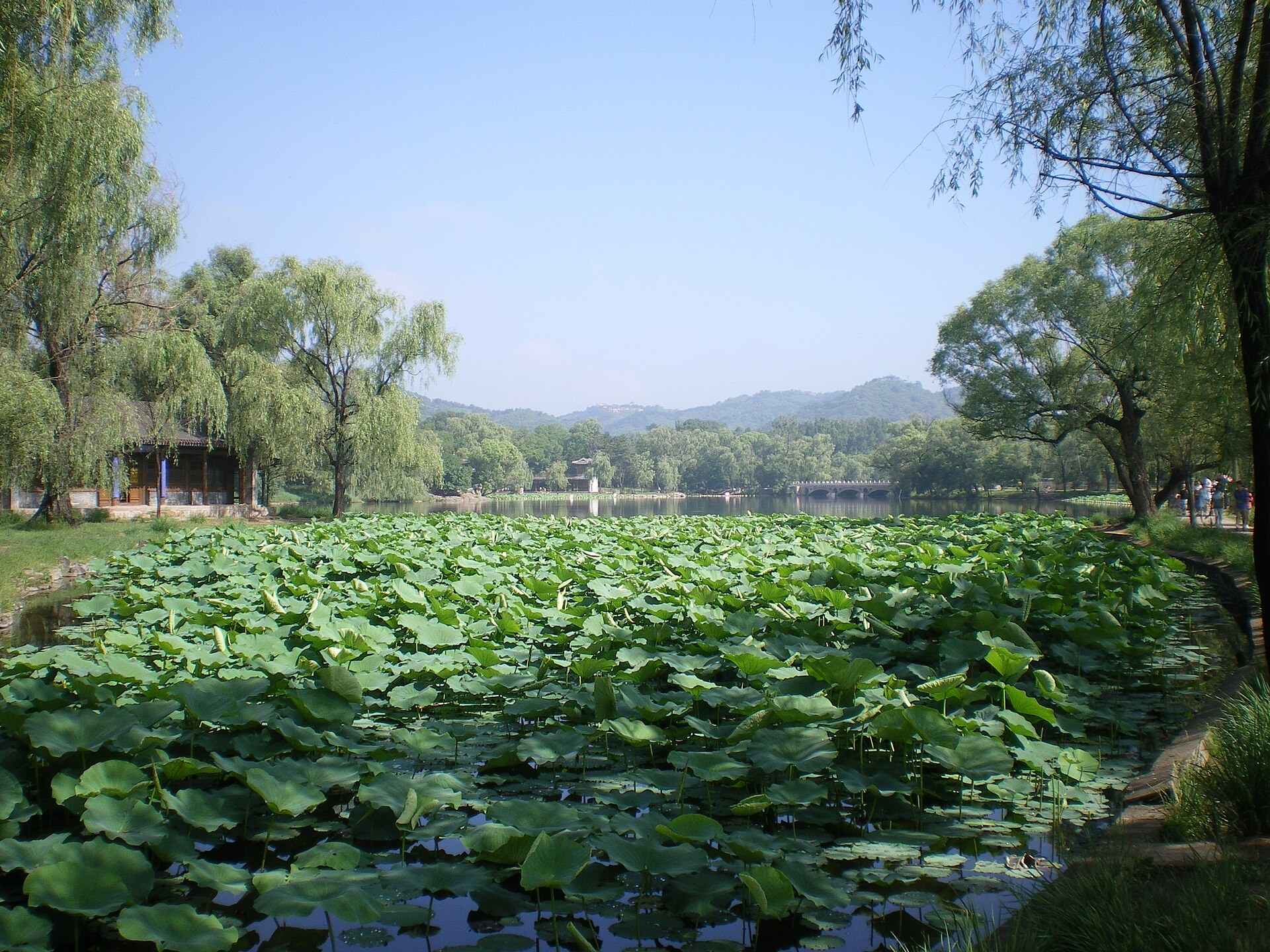
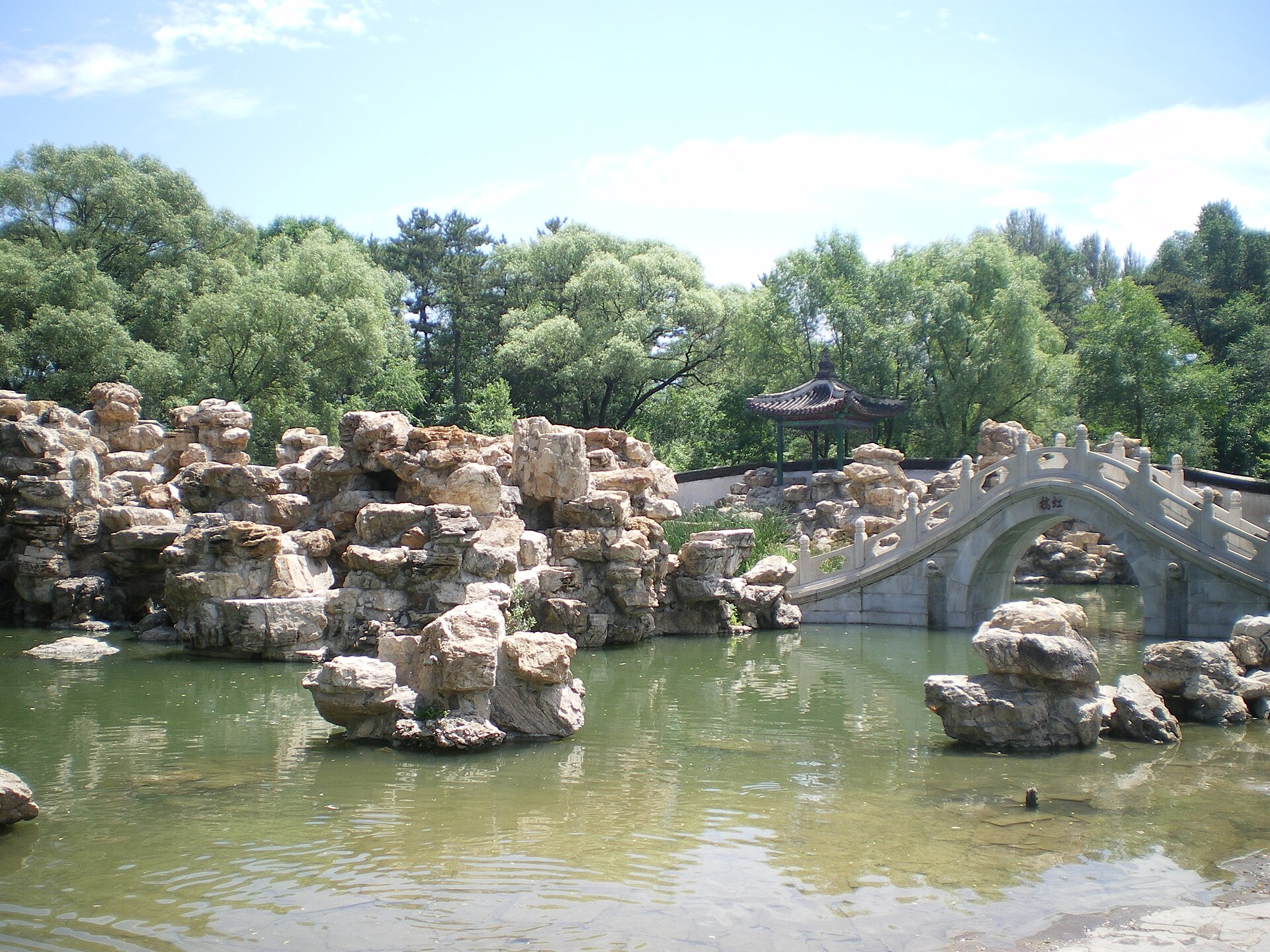
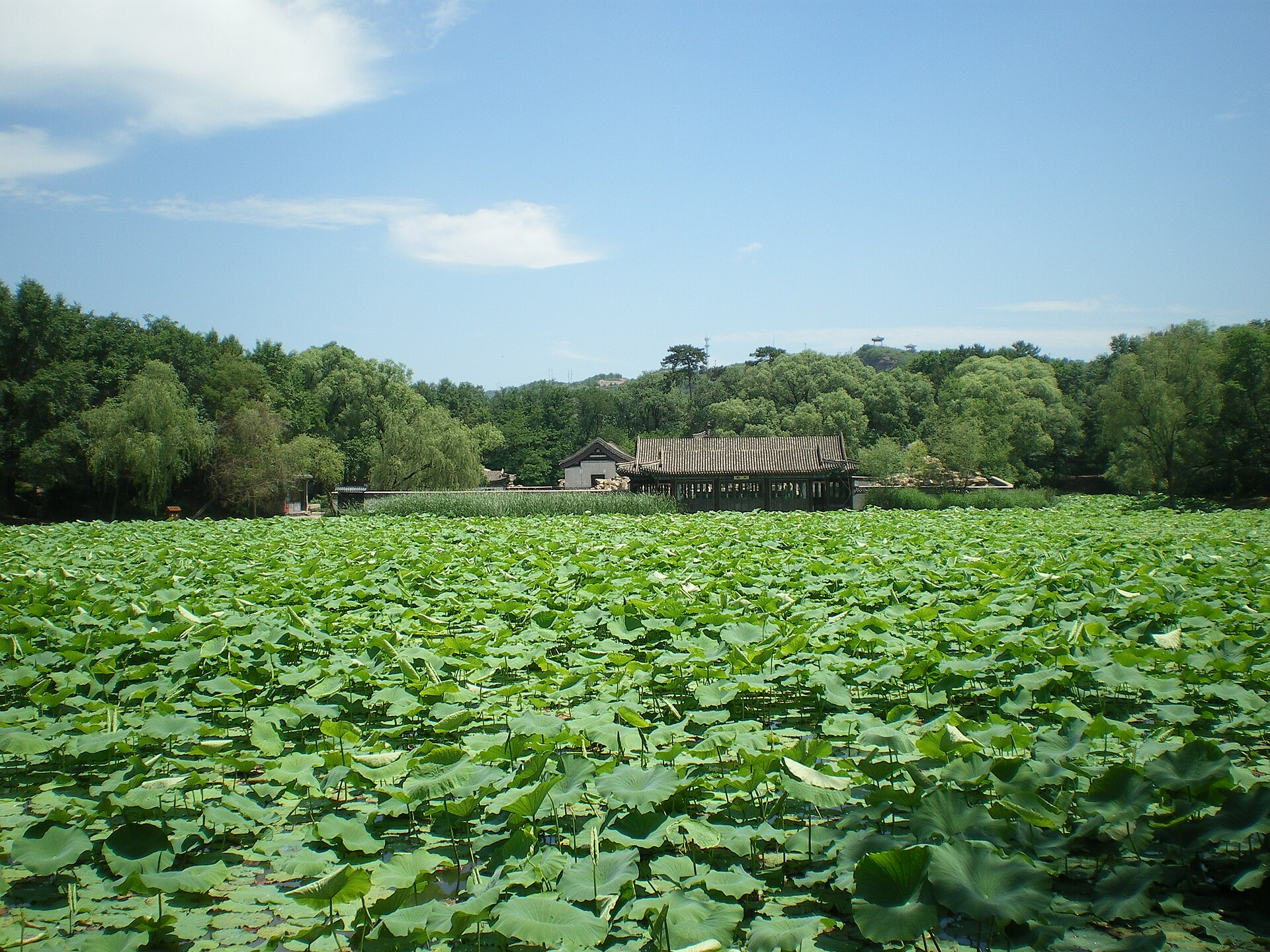
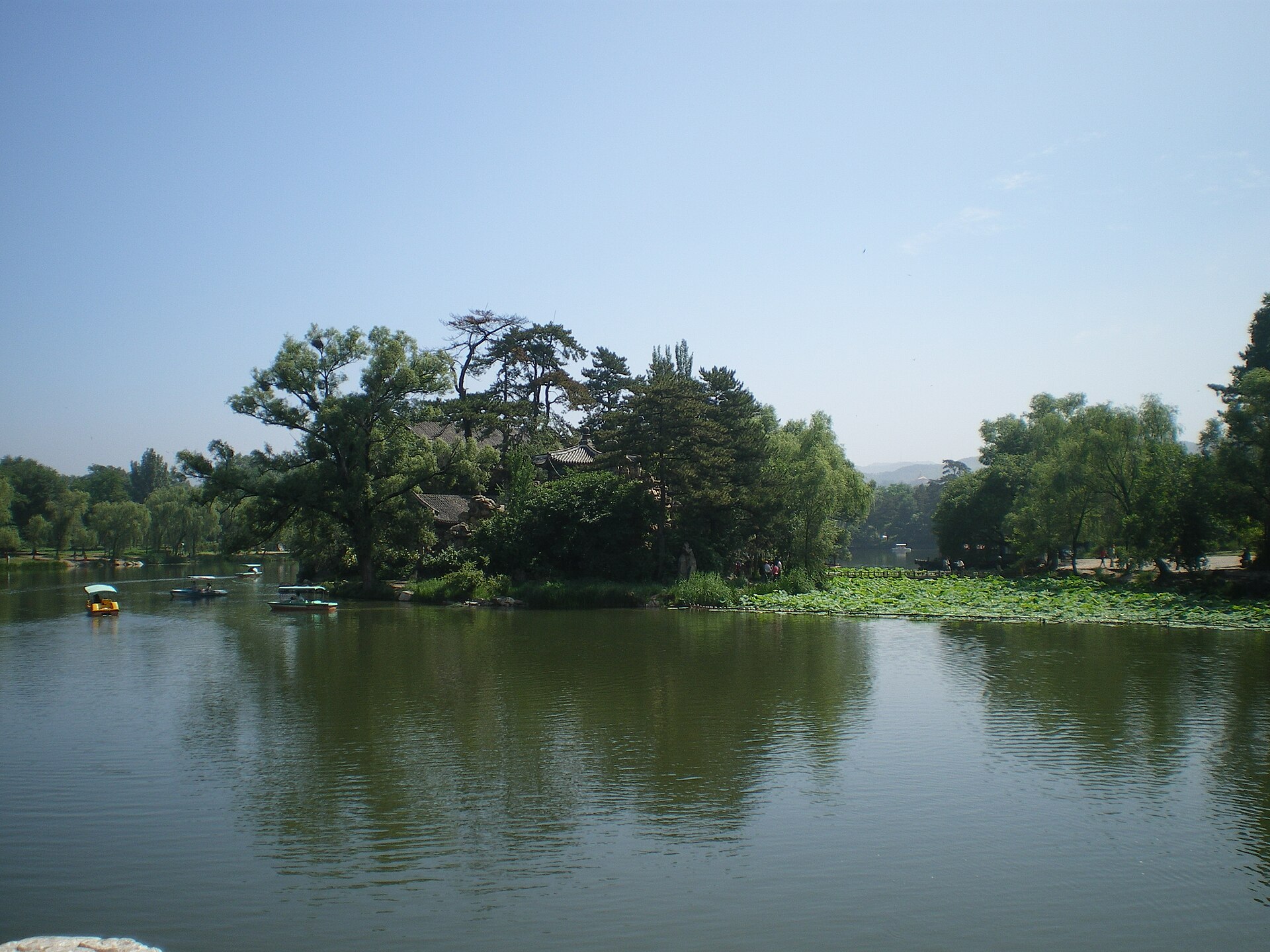
Beyond the palaces stretches the lake area, a series of interconnected lakes dotted with islands and pavilions, deliberately designed to evoke the famous water landscapes of southern China, which the emperors admired and wished to recreate in the north. Here the influence of the great gardens of the south is unmistakable, brought to the northern frontier by imperial command.
Further out lie the plain, a stretch of grassland and meadow evoking the steppes of Mongolia, where the emperor could feel the openness of the nomadic world, and the hill area, a region of forested slopes and valleys that made up the largest part of the resort. Together these zones compressed the geography of a continental empire into a single walled garden.
Moving through these zones in sequence, the emperor and his guests experienced a kind of guided tour of the empire itself, passing from the formal Chinese world of the palace halls, through the refined southern-style water gardens, to the open steppe of the plain and the wild forested hills. Few designed landscapes anywhere have carried so ambitious a symbolic program.
The Palace Halls
The palace area of Chengde, though less immediately dazzling than the great imperial complexes of Beijing, is a place of subtle and considered beauty. Here the emperor lived and worked during the long summer months, and the buildings were designed to combine the dignity appropriate to an imperial residence with the more relaxed atmosphere of a country retreat.
The most distinctive feature of the palace architecture is its use of unpainted, natural timber, in particular the fragrant hardwoods that give some of the halls their special character. Rather than the brilliant reds and golds of the Forbidden City, the Chengde palaces present surfaces of natural wood, an aesthetic of understated refinement that suited the resort’s character as a place of retreat from the formality of the capital.
The halls are arranged in a series of courtyards, following the classical principles of Chinese palace design, with the most important buildings used for audiences and ceremonies. It was in these halls that the emperor received important visitors, including, on famous occasions, envoys from distant lands, and conducted the affairs of state that followed him even to his summer retreat.
The restraint of the palace area is itself a kind of statement, expressing the emperor’s role not only as a magnificent sovereign but as a cultivated man capable of appreciating the quiet beauty of natural materials and a landscape setting, in the tradition of the Chinese scholar who retires from the world to a mountain hermitage.
The relative modesty of the palace halls also had a practical dimension. This was a working retreat, not a place for the most solemn state rituals, which remained anchored in Beijing, and the buildings were scaled to the more relaxed rhythms of the summer court, comfortable and dignified rather than overwhelming, a residence more than a monument.
The Lakes and Gardens
The lake area is perhaps the most enchanting part of the Chengde Mountain Resort, a landscape of water, islands, bridges, and pavilions that draws directly on the garden traditions of southern China. The Qing emperors were great admirers of the famous gardens and water landscapes of the south, which they visited on their grand tours, and at Chengde they set out to recreate that beauty in the north.

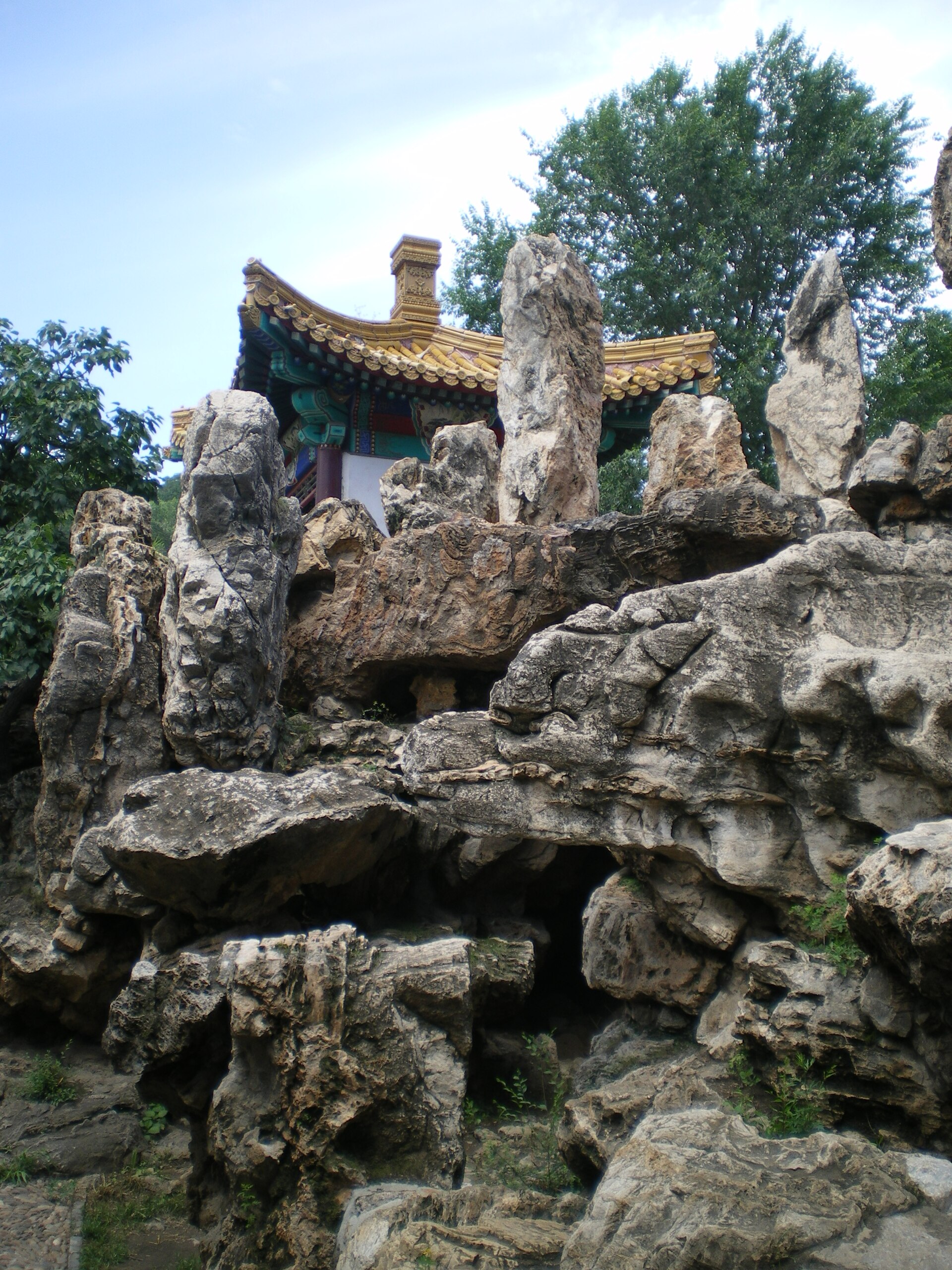
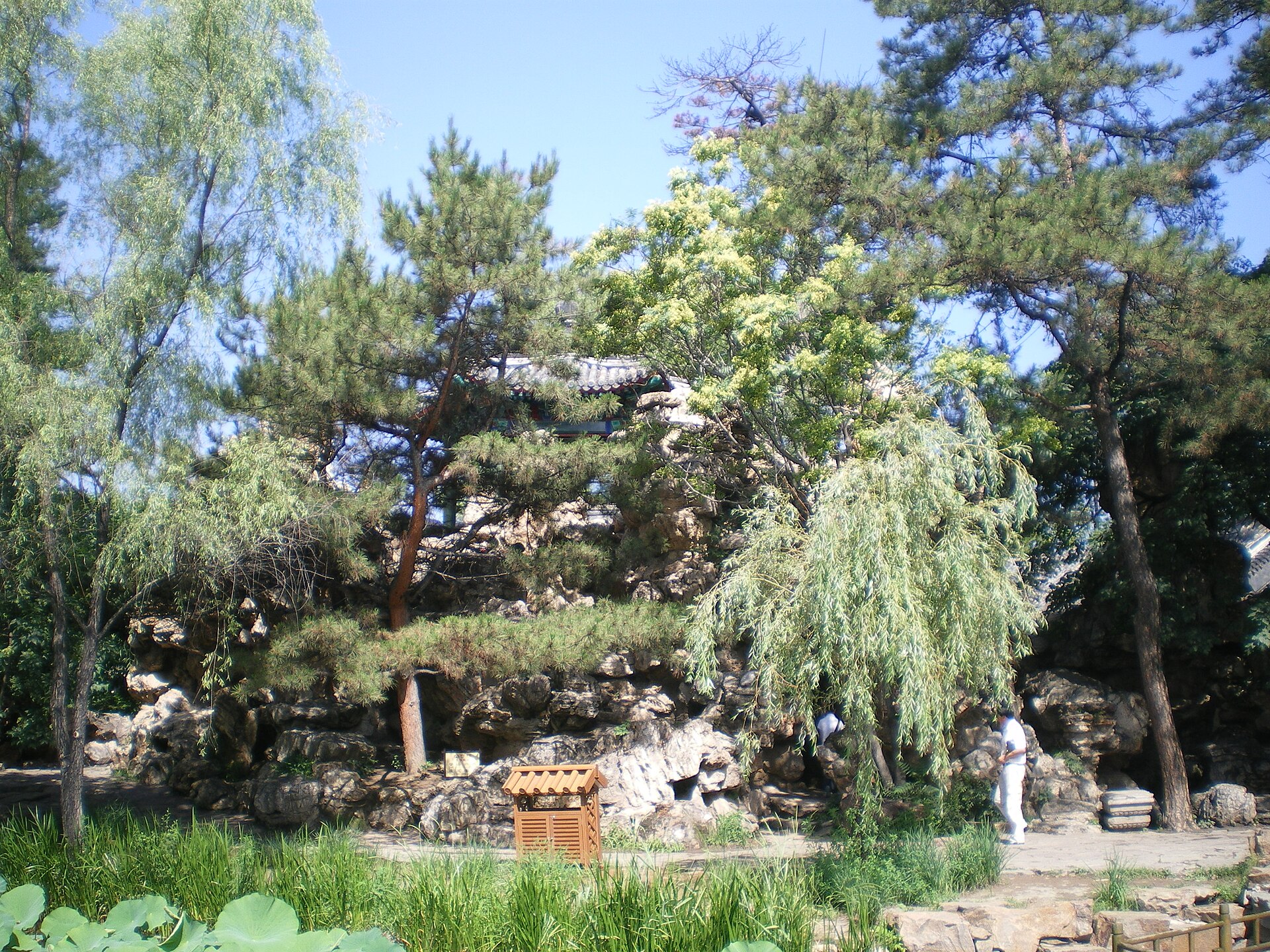
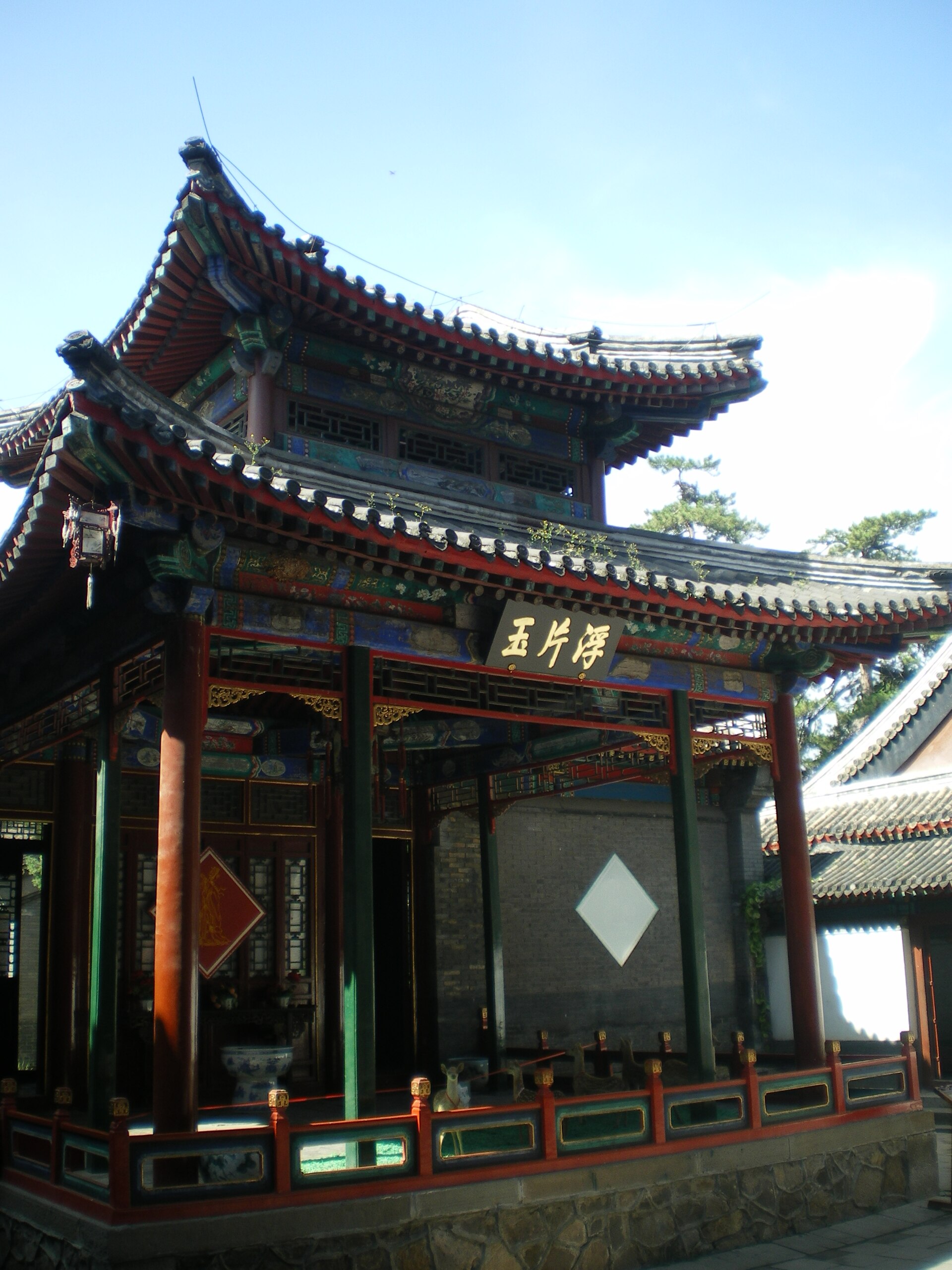
The lakes are studded with islands, connected by causeways and bridges, and adorned with pavilions and pleasure halls from which the emperor and his court could enjoy the scenery. Many of the individual scenes within the resort were named and celebrated, following the Chinese tradition of identifying and enumerating the finest views within a garden, each a composition to be savored.
The design of the lake area demonstrates the sophistication of Chinese garden art at its height, the careful orchestration of water, architecture, and planting to create a sequence of shifting scenes that unfold as one moves through the landscape. Every view was composed, every pavilion sited to command a particular prospect, in a masterful blending of the natural and the artificial.
For the emperor and his court, escaping the heat of Beijing, the lake area offered not only relief and beauty but a taste of the beloved south, a landscape of refinement and repose in which to pass the summer months, and for the visitor today it remains the most immediately delightful part of the whole vast resort.
There is a poignancy in this recreation of the south in the northern hills. The emperors loved the gardens of the Yangtze region so deeply that they could not bear to be without them even in their frontier retreat, and so they summoned that beauty north by imperial command, a reminder that even the most powerful rulers on earth were subject to longing and to the pull of remembered landscapes.
The Emperor as Hunter
For all its gardens and palaces, Chengde was intimately connected to a very different activity, the hunt, which lay at the heart of the Manchu identity that the Qing were determined to preserve. Near the resort lay vast imperial hunting grounds, where the emperors staged grand autumn hunts that were among the most important events of the imperial calendar.
These hunts were far more than sport. For the Manchu rulers, hunting was a way of maintaining the martial vigor and horsemanship of their people, a bulwark against the softening effects of Chinese civilization that they feared might sap the warlike spirit that had won them the empire. The great hunts at Chengde were, in effect, military exercises dressed as recreation.
The hunts also served a political purpose, bringing together the emperor and the Mongol nobility in a shared activity rooted in the traditions of the steppe. By hunting alongside the Mongol leaders, the emperor affirmed his role as a ruler who understood and honored their way of life, strengthening the bonds that held the northern peoples to the Qing.
Chengde thus stood at the intersection of two worlds, the refined garden culture of China and the martial hunting culture of the steppe, and the emperors who summered here moved between these worlds with deliberate purpose, embodying in their own persons the dual nature of the empire they ruled.
The autumn hunts drew thousands of participants and became vast, moving spectacles that combined recreation, ritual, and raw display of manpower and organization. For the assembled Mongol leaders, the sight of the emperor commanding such a gathering was itself an argument for the futility of resistance and the wisdom of loyalty to so mighty a sovereign.
The Ring of Great Temples
Beyond the walls of the resort itself lies what many consider the most spectacular feature of Chengde, a ring of great temples built by the emperors in the styles of Tibet and Mongolia. These temples, known collectively as the Outlying Temples, transformed the area around the summer capital into a stage for the Qing management of their Buddhist subjects.
The most famous of these is the Putuo Zongcheng Temple, a vast complex modeled on the Potala Palace in Lhasa, the seat of the Dalai Lama. Rising in tiers up a hillside, with its great red and white walls, the temple is a striking evocation of Tibetan architecture built in the hills of northern China, a deliberate statement of the emperor’s role as patron and protector of Tibetan Buddhism.
Other temples in the ring drew on Mongolian and Chinese Buddhist traditions, and together they represented the many strands of Buddhism practiced across the Qing empire. By building these temples, the emperors positioned themselves as universal Buddhist monarchs, patrons of the faith that united many of their non-Chinese subjects, and gave physical form to their claim to rule the diverse peoples of Inner Asia.
The temples were not mere decoration but active centers of religion and diplomacy, where important religious and political ceremonies took place and where visiting Mongol and Tibetan leaders could worship in familiar surroundings. They completed the vision of Chengde as a place where the whole multi-ethnic empire was gathered, honored, and held together.
To stand before the Putuo Zongcheng Temple, gazing up at its tiers of red and white walls rising against the hillside, is to be transported momentarily to Tibet, hundreds of miles away across the mountains. That the Qing could summon such an evocation of Lhasa into being in the hills of northern China is a measure of both their resources and their determination to bind the Buddhist world to their throne.
A Stage for Empire
Chengde reached the height of its importance as a theater of imperial diplomacy, a place where the Qing emperors received and impressed the leaders and envoys of the many peoples and states with whom they dealt. The summer capital was designed to overwhelm visitors with the wealth, power, and cultural sophistication of the dynasty.
The Mongol nobility were regular and honored guests, and the whole apparatus of Chengde, the hunts, the temples, the banquets, was in large part designed to bind them to the Qing. By receiving them in this landscape that evoked their own world, and by honoring their Buddhist faith through the great temples, the emperors cultivated the loyalty of the peoples of the steppe.
Chengde also received envoys from further afield, and it was here, famously, that a major embassy from a distant Western power was received by the Qianlong Emperor, an encounter that has become one of the most studied moments in the history of relations between China and the West. The summer capital was, on such occasions, the face that the empire presented to the world.
In all these ways, Chengde functioned as an instrument of statecraft, a carefully designed environment in which the Qing could perform their rule over a diverse empire and impress upon all who came the majesty and legitimacy of the dynasty. It was a palace, a garden, and a hunting ground, but above all it was a political stage.
The choreography of these imperial receptions was extraordinarily elaborate, with every gesture, gift, and seating arrangement freighted with meaning. Chengde provided the perfect setting for this theater of power, a landscape and architecture designed to place the emperor at the symbolic center of a world of many peoples, all gathered to acknowledge his supremacy.
Decline and Neglect
The golden age of Chengde could not last. As the Qing dynasty entered its long decline in the nineteenth century, beset by internal rebellion and foreign pressure, the resources and confidence needed to maintain the vast summer capital dwindled, and the great days of imperial progresses to the mountain retreat came to an end.
The resort’s association with the dynasty’s troubles was sealed when an emperor fled to Chengde during a foreign invasion of Beijing and died there, an event that cast a shadow over the once-glorious retreat. As the century wore on, the imperial visits ceased, and the palaces, gardens, and temples began the slow slide into neglect that afflicts any great complex no longer sustained by the power that created it.
The fall of the Qing dynasty in the early twentieth century removed the last reason for the summer capital’s existence as an imperial center. Through the turbulent decades that followed, the buildings and landscapes of Chengde suffered from neglect, damage, and the general disorder of a China convulsed by revolution, war, and upheaval.
Yet even in decline, the sheer scale and quality of Chengde ensured its survival. The great designed landscape, the palace halls, and above all the extraordinary temples endured, battered but intact, waiting for an age that would once again recognize their value and work to preserve them.
The death of an emperor at Chengde during a foreign crisis lent the place a melancholy aura in the memory of the dynasty, as though the summer capital, built at the height of Qing confidence, had become a mirror of its decline. The contrast between the glory of its founding and the sadness of its later history is part of what gives Chengde its poignant power today.
Restoration and World Heritage
In the modern era, the exceptional value of Chengde came to be recognized and celebrated. The resort and its surrounding temples were designated as protected cultural sites, and efforts were undertaken to restore and conserve the palaces, gardens, and temples that make up this vast imperial landscape.
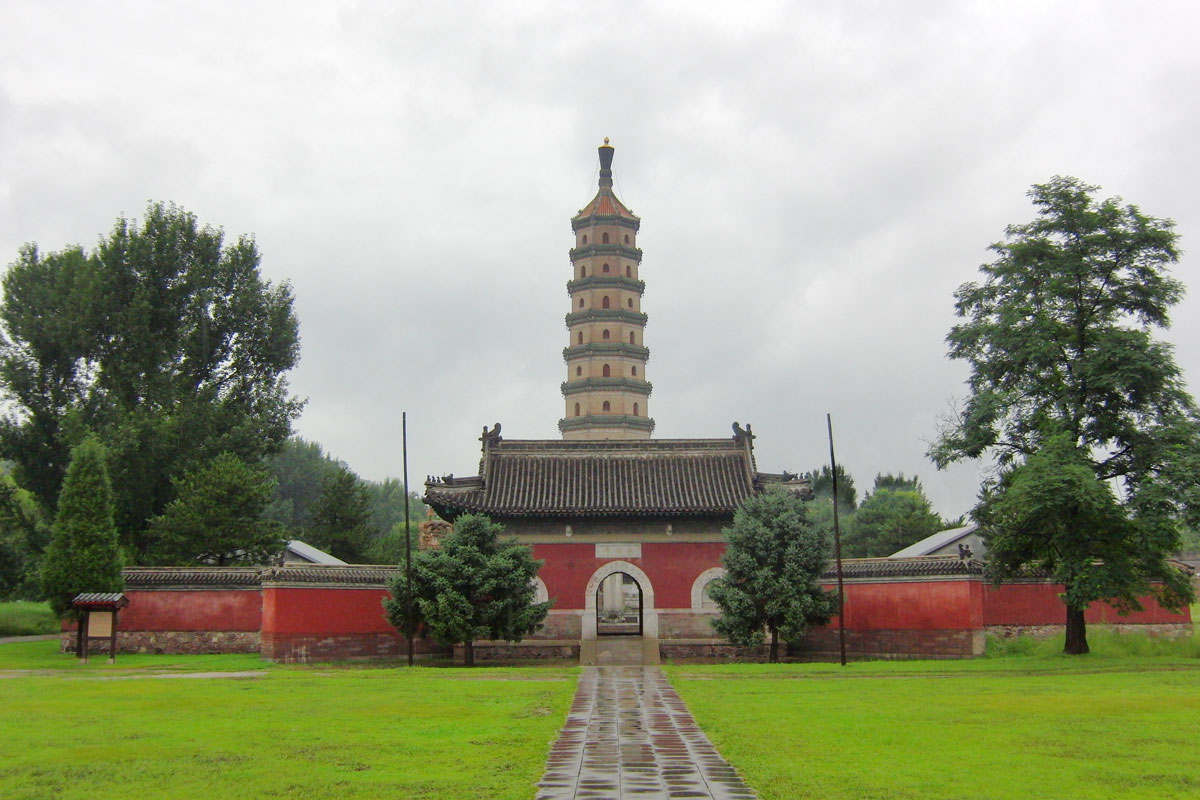
The international significance of Chengde was confirmed when the Mountain Resort and its Outlying Temples were inscribed as a UNESCO World Heritage Site, placing this masterpiece of imperial landscape design and multi-ethnic statecraft among the most important cultural monuments of the world. The inscription recognized not only the beauty of the site but its unique historical importance.
Conservation of so vast and varied a complex is an enormous undertaking. The designed landscape, the palace halls with their delicate timber construction, and the great temples in their Tibetan and Mongolian styles all require specialized care, and the work of preservation and restoration continues, ensuring that this remarkable creation is passed on to future generations.
Today Chengde is presented to visitors as one of the great imperial sites of China, a place where the ambitions and achievements of the Qing at their height can still be experienced, and where the story of a great multi-ethnic empire is written into the landscape itself.
Chengde and the Idea of Empire
More than almost any other site in China, Chengde embodies the distinctive nature of the Qing empire and its vision of rule. It was a place designed to express, in landscape and architecture, the idea of an empire that embraced many peoples, faiths, and ways of life under a single sovereign, and it remains a powerful monument to that vision.
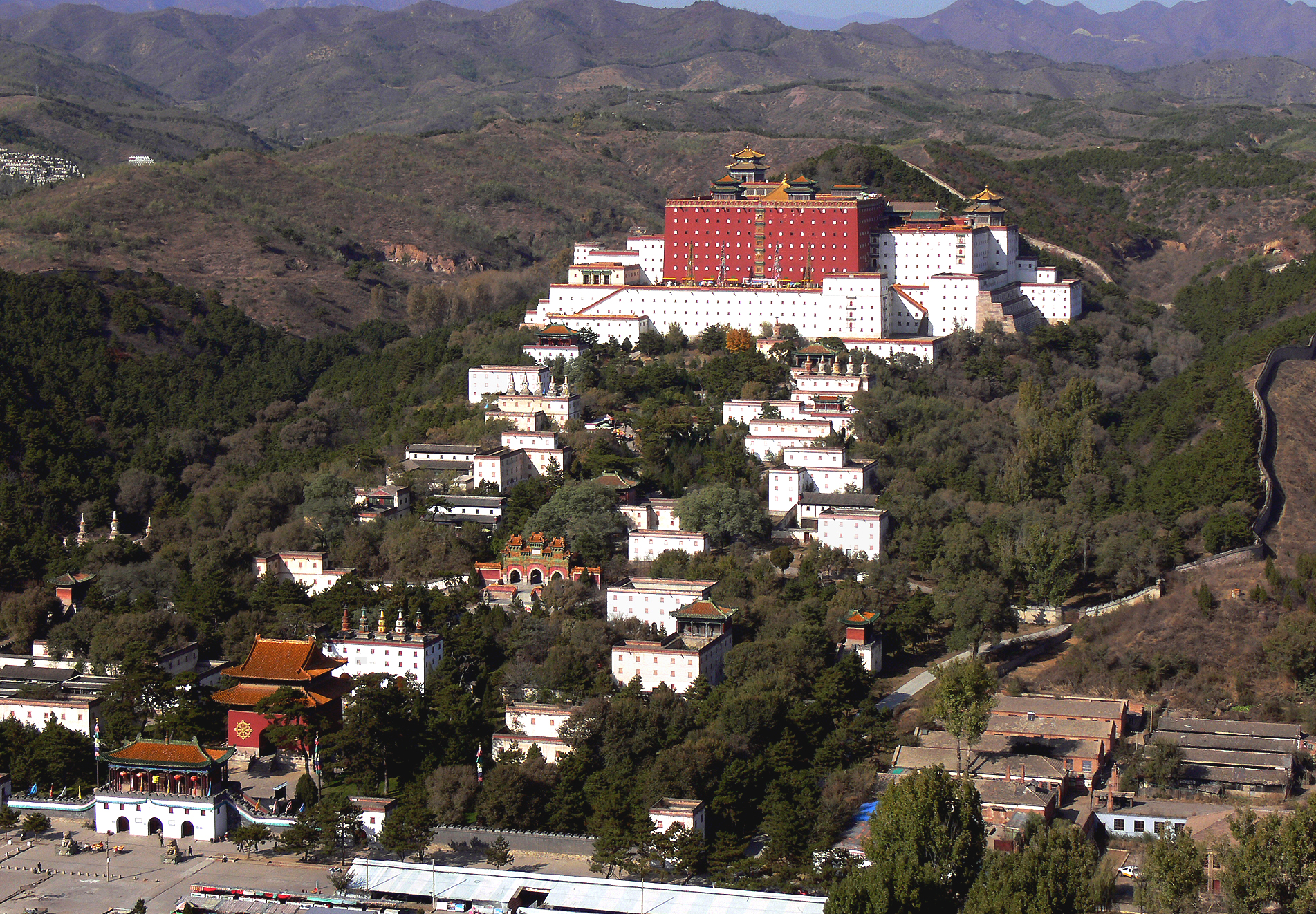
The compression of the empire’s diverse geography into a single garden, the ring of temples in the styles of the subject peoples, the hunts that honored the steppe, all of these were expressions of a sophisticated imperial ideology, one that sought to rule diversity not by erasing it but by embracing and orchestrating it. Chengde is that ideology made visible.
For historians, Chengde offers unrivaled insight into how the Qing thought about and managed their vast and varied realm, and into the ceremonies, relationships, and displays through which they held it together. It is a document written in stone, timber, and landscape, as revealing as any archive of the workings of the empire.
For the visitor, this deeper meaning gives Chengde a fascination beyond its considerable beauty. To walk through the resort and its temples is to walk through the mind of an empire, to see how a great dynasty imagined itself and its place in the world, and to encounter one of history’s most ambitious attempts to rule diversity from a single, carefully designed center.
In an age when many nations are once again grappling with how to hold together diverse populations, the Qing experiment at Chengde has a curious contemporary resonance, a centuries-old attempt to answer a question that has never gone away, how a single state can embrace many peoples without either crushing their differences or being torn apart by them.
See Chengde for Yourself
The vastness and variety of Chengde are difficult to convey in words, for the resort and its temples cover an enormous area and encompass landscapes and buildings of great diversity. Seeing the site, even on a screen, helps to grasp its scale and the way its different parts fit together into a single grand conception.
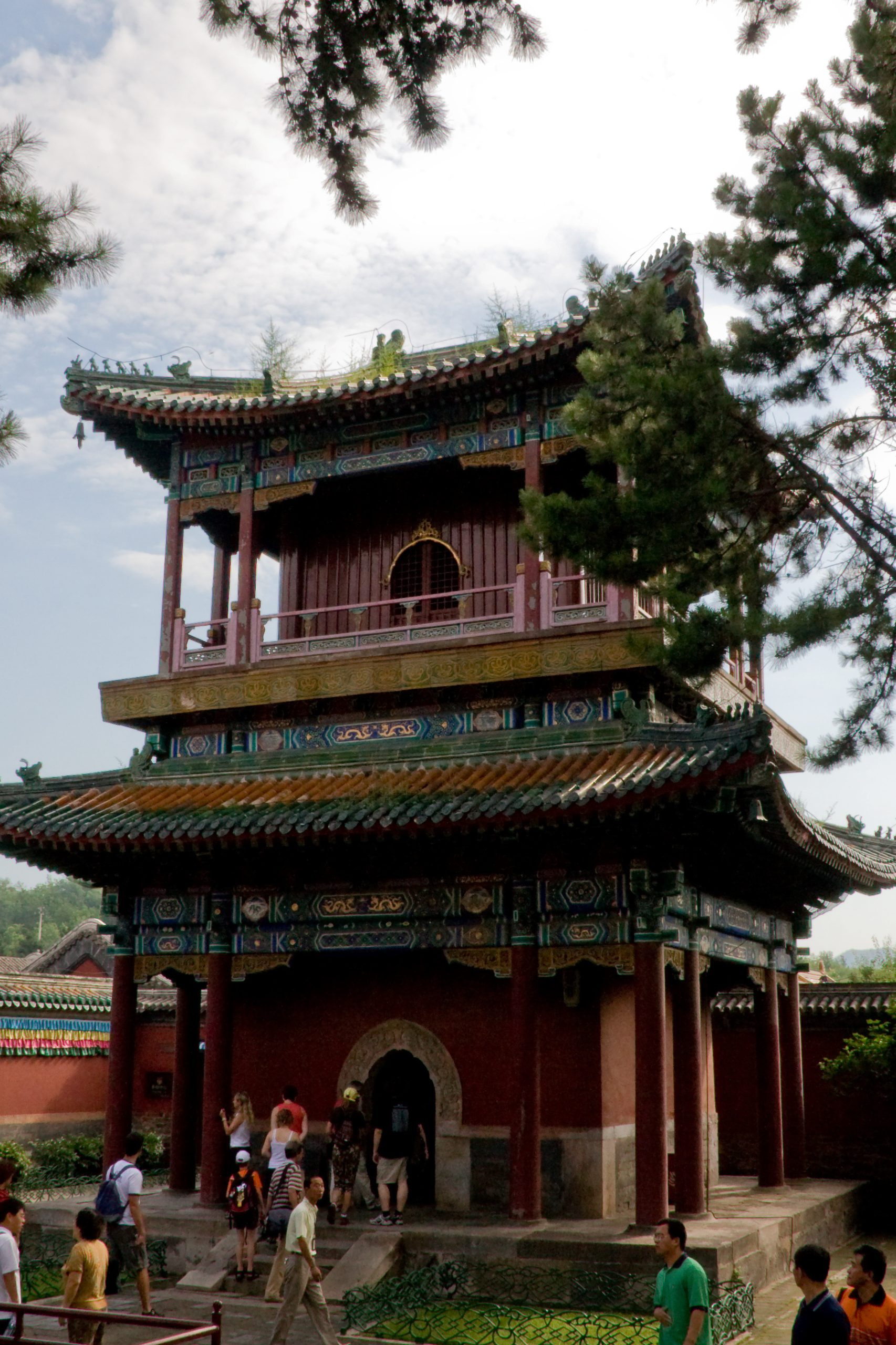
The short video below offers a visual tour of the Mountain Resort and its outlying temples, taking in the palaces, the lakes and gardens, and the spectacular temples in their Tibetan and Mongolian styles. It is an ideal companion to everything you have read here, giving you a feel for the atmosphere and the scale of this extraordinary imperial creation.
As you watch, notice how the different zones of the resort evoke the different regions of the empire, and how the great temples proclaim the emperor’s role as a universal ruler and patron of Buddhism. Then, when you visit Chengde, you will recognize the summer capital not just as a beautiful landscape but as the physical embodiment of a great empire’s vision of itself.
Visiting Chengde Today
For the modern traveler, Chengde is one of the great destinations of northern China, offering an experience quite different from the more famous imperial sites of Beijing. The Mountain Resort and its surrounding temples can be explored over a day or more, and the sheer scale of the site rewards those who allow themselves plenty of time to take it in.
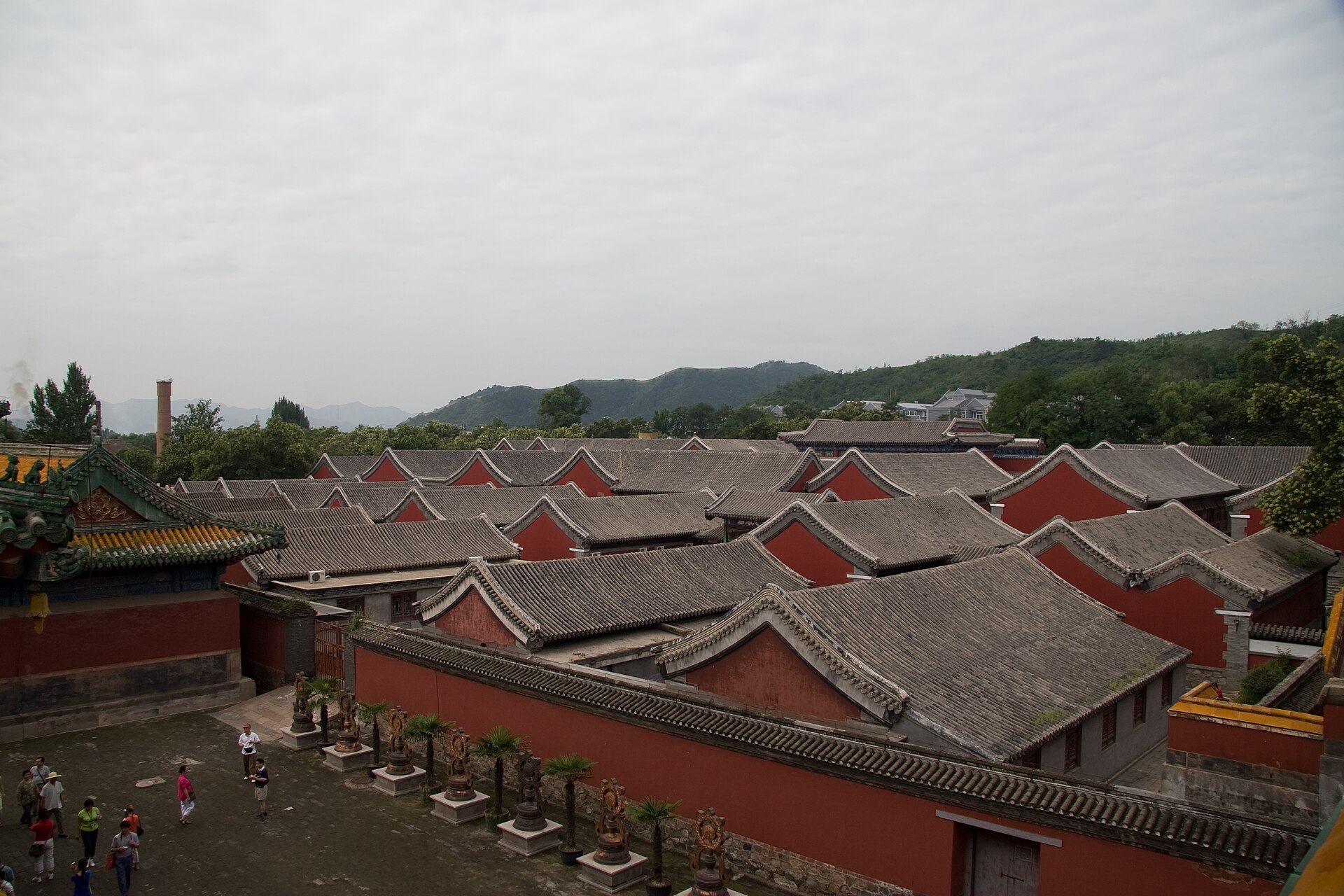
Within the resort, visitors can explore the palace halls, stroll among the lakes and gardens, and venture into the wilder hill areas, experiencing the compressed geography of the empire that so delighted the Qing emperors. Beyond the walls, the great temples, above all the Potala-like Putuo Zongcheng Temple, are essential viewing, their scale and exotic architecture among the most striking sights in all of China.
Chengde is reached from Beijing by road or rail, and its position in the hills gives it a cooler, fresher climate than the capital, just as the emperors intended. As always, it is worth checking current opening arrangements and allowing enough time to see both the resort and the outlying temples, which together make up the full experience of the summer capital.
However you approach it, Chengde rewards the visitor who understands its story. This is not merely a beautiful imperial garden but the summer capital of a great empire, a landscape designed to hold together a realm of many peoples, and a monument that continues to embody the ambition, sophistication, and vision of the Qing at the height of their power.
Palaces Nearby
If the summer capital of the Qing has drawn you into the world of imperial China, two more great residences of the dynasty and its era make natural companions to a visit here, each telling a different chapter of the story.
- Prince Gong’s Mansion in Beijing — the finest surviving princely residence of the Qing, with its celebrated garden in the heart of the capital.
- The Old Summer Palace — the vast garden-palace of the Qing, looted and burned in 1860 and preserved today as a field of ruins.
You May Like
Mafra, the Palace a King Built From a Vow


2 thoughts on “Where the Qing Emperors Ruled an Empire from a Summer Garden”