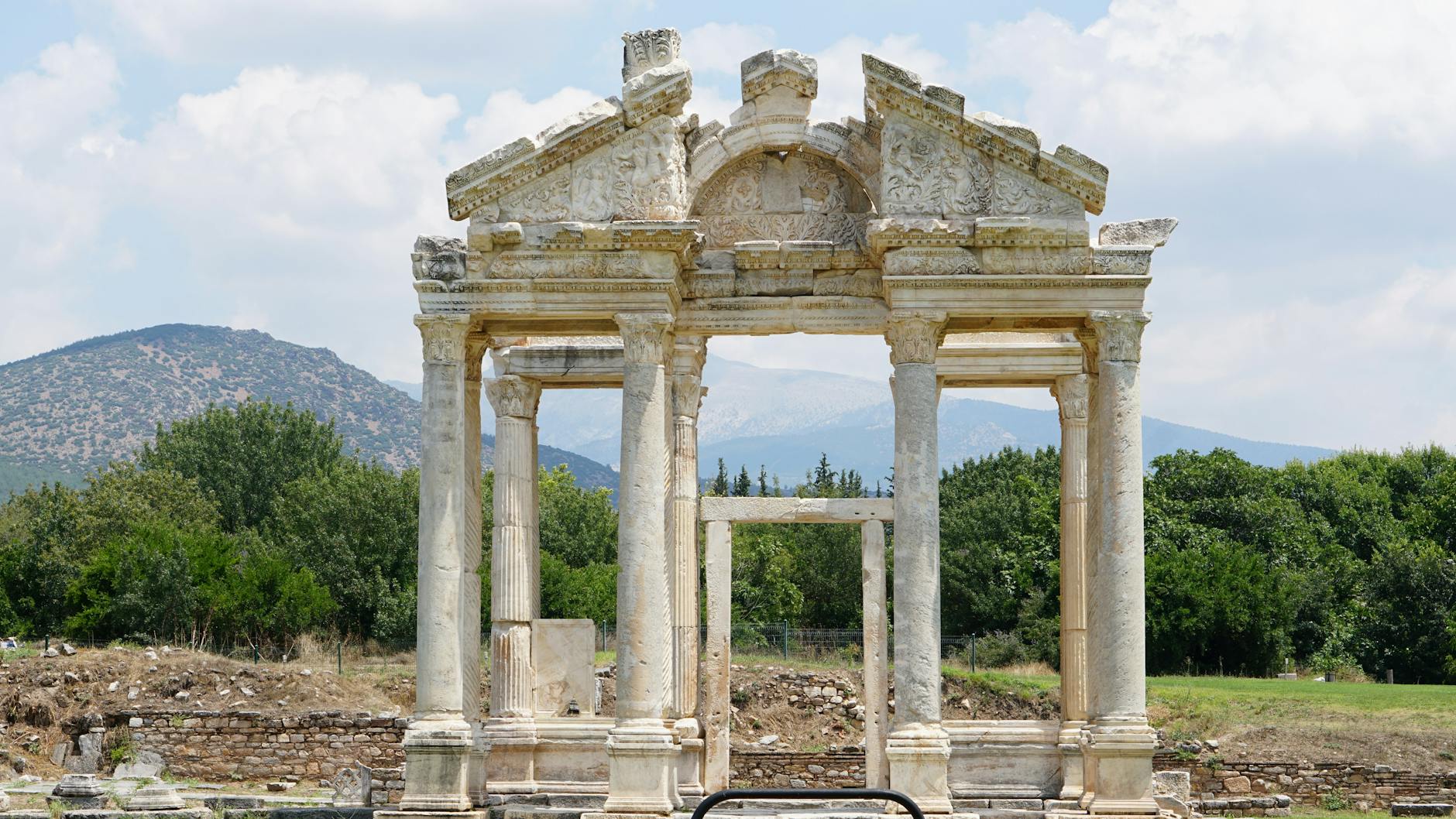
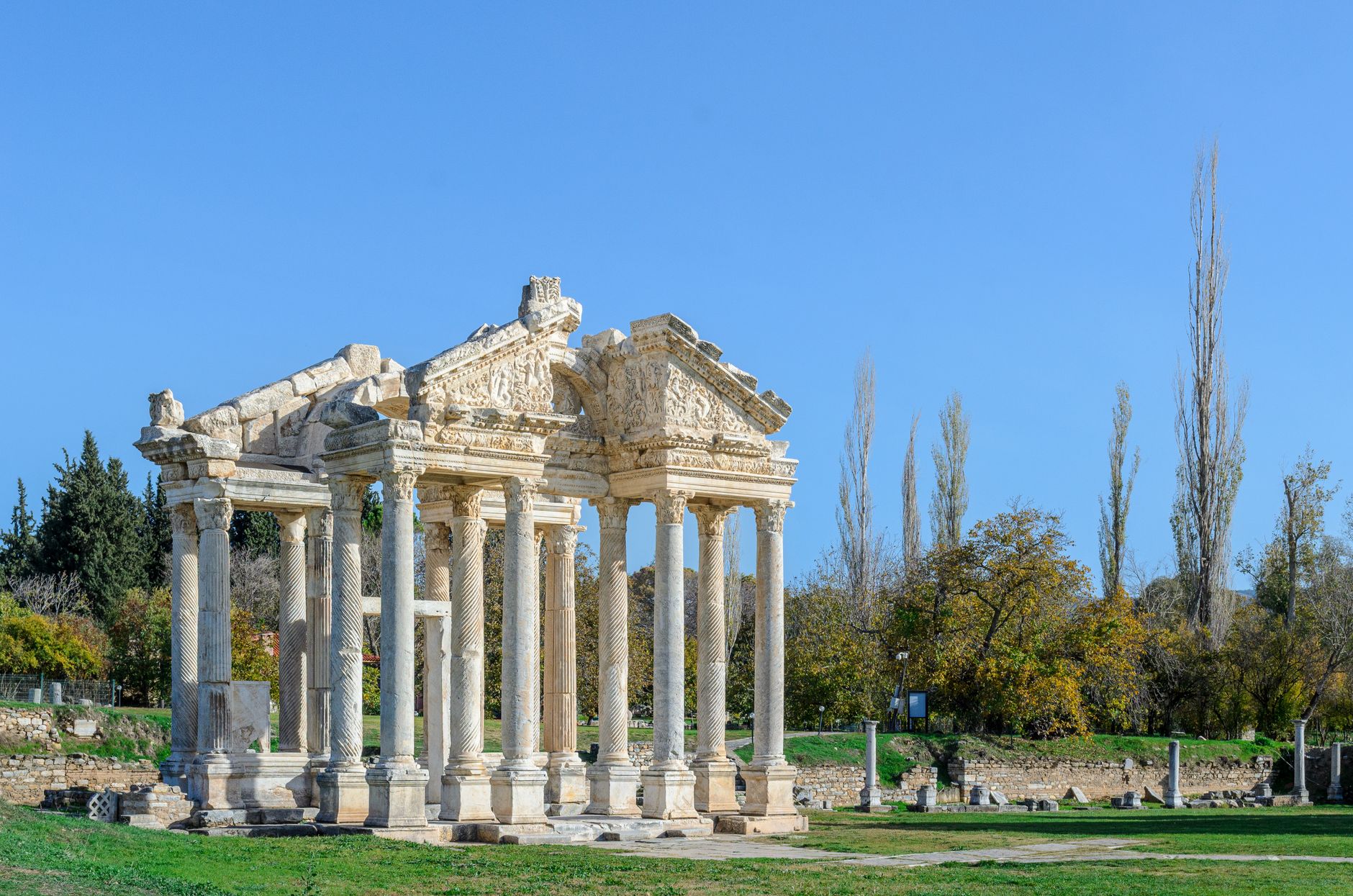
Aphrodisias is the common name of many ancient cities dedicated to the Goddess Aphrodite. The most famous of the cities named Aphrodisias (or Aphrodisias) was located in the southwest of Anatolia, in the ancient Caria region, on the site of Geyre village in the central subdistrict of Karacasu district of today’s Aydın province.
B.C. Founded in the 5th century, the city developed during the Roman Empire, B.C. 1st century to A.D. Between the 5th centuries, it became an important center of art, primarily sculpture, and became famous for its temple of Aphrodite and the ceremonies held in her name.
The city of Aphrodisias has been severely affected by many earthquakes throughout its history due to its location in the earthquake zone. It is known that there were major earthquakes here, especially in the 4th and 7th centuries. The 4th century earthquake also changed the water flow channels in the area where Afrodias is located, making some parts of the city susceptible to floods.
Evidence of the evacuation system, apparently built with urgency to solve the flood problem, can still be seen today. After the earthquake in the 7th century, Aphrodisias never fully recovered and fell into disrepair. Over time, the ruins were partially covered by the Geyre village area. 20.
At the beginning of the century, a part of Geyre village was evacuated again due to the earthquake, and the ruins under the evacuated area were revealed. In 1960, Geyre was moved to its current location, again due to earthquake considerations, and became a town.
Starting from the 7th century, the city abandoned the name Aphrodisias, which had a pagan connotation, and was named Stavropolis (City of the Cross) due to the influence of Christianity. During the Byzantine Empire, the region began to be called Caria (although it was located in a more inland region compared to ancient Caria). After the Turks dominated the region in 1260, the name Caria was translated into Turkish as Geyre.
You May Like
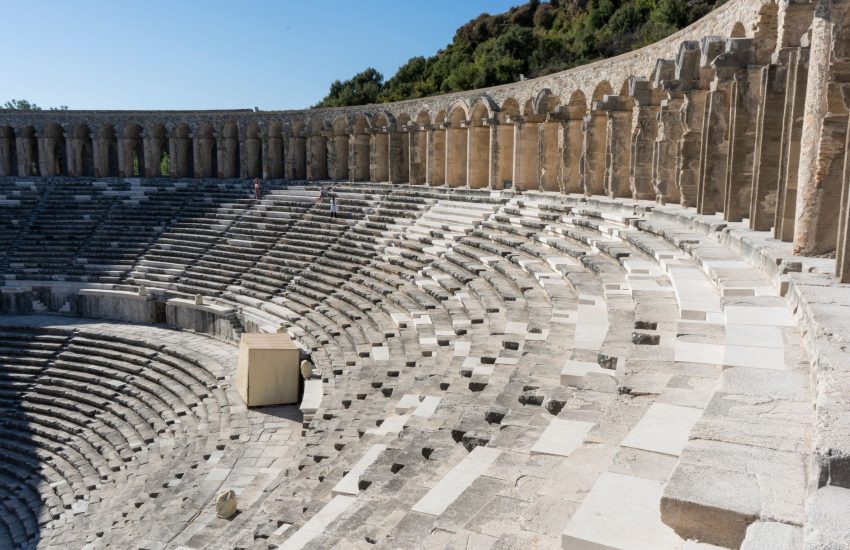
Aspendos Ancient Theater Travel Guide