Spooky beauty; Büyük Kemikli Cape… An open-air museum worth dying for with its history-scented lands, monumental rocks, crystal clear sea and air on the shores of Saros Gulf on the Gallipoli Peninsula…
As you leave Keşan and come to Gallipoli, you will encounter a completely different atmosphere. The lands that smell of history and the wind will create a chill in you. Silence and loneliness increase as you enter the Gallipoli Historical National Park. In this region, where Turks and enemy forces lost thousands of casualties in the wars, as you pass Küçük Anafartalar Village and go to Büyük Kemikli Burnu, you first come across a lagoon lake.
The lake, which has two channels open to the sea, was used as a salt pan in the past, but has now become a fish breeding farm because it has not dried out until today. Water is supplied to the fish ponds with pumps and the sea bream and sea bass fry brought from Mersin are fed until harvest time. The visitors of the lake are swans, wild ducks and geese, and occasionally flamingos. As you follow the asphalt road next to the lake and reach the beach, a delightful bay welcomes you.
Tuzla Bay is sandy from top to bottom. The floor continues for meters into the shallow sea. There is not a single stone in it. The sea is cold, but it does not sting because it is slightly salty. You can’t get enough of opening your eyes in the water and watching the true blue tones. Clarity goes as far as it can go. The air here is clean, windy, loaded with oxygen and iodine, and scented with thyme.
The most important feature of Saros, one of the rare seas in the world, is that it carries to the north east what it brings to the shore in the southwest. For this reason, Saros is called one of the three seas that have the feature of self-cleaning.
In addition, the lack of construction in Saros Bay and its preservation as a practice area and the absence of a river flowing into the gulf make the sea clean. Creepy rocks Eyewitnesses of history worked together with the rough waves in winter and the stubborn wind, and patiently embroidered the monumental rocks like lace. Some of them look like sculptures, some have holes like sponges, and some resemble the famous fairy chimneys of Cappadocia.
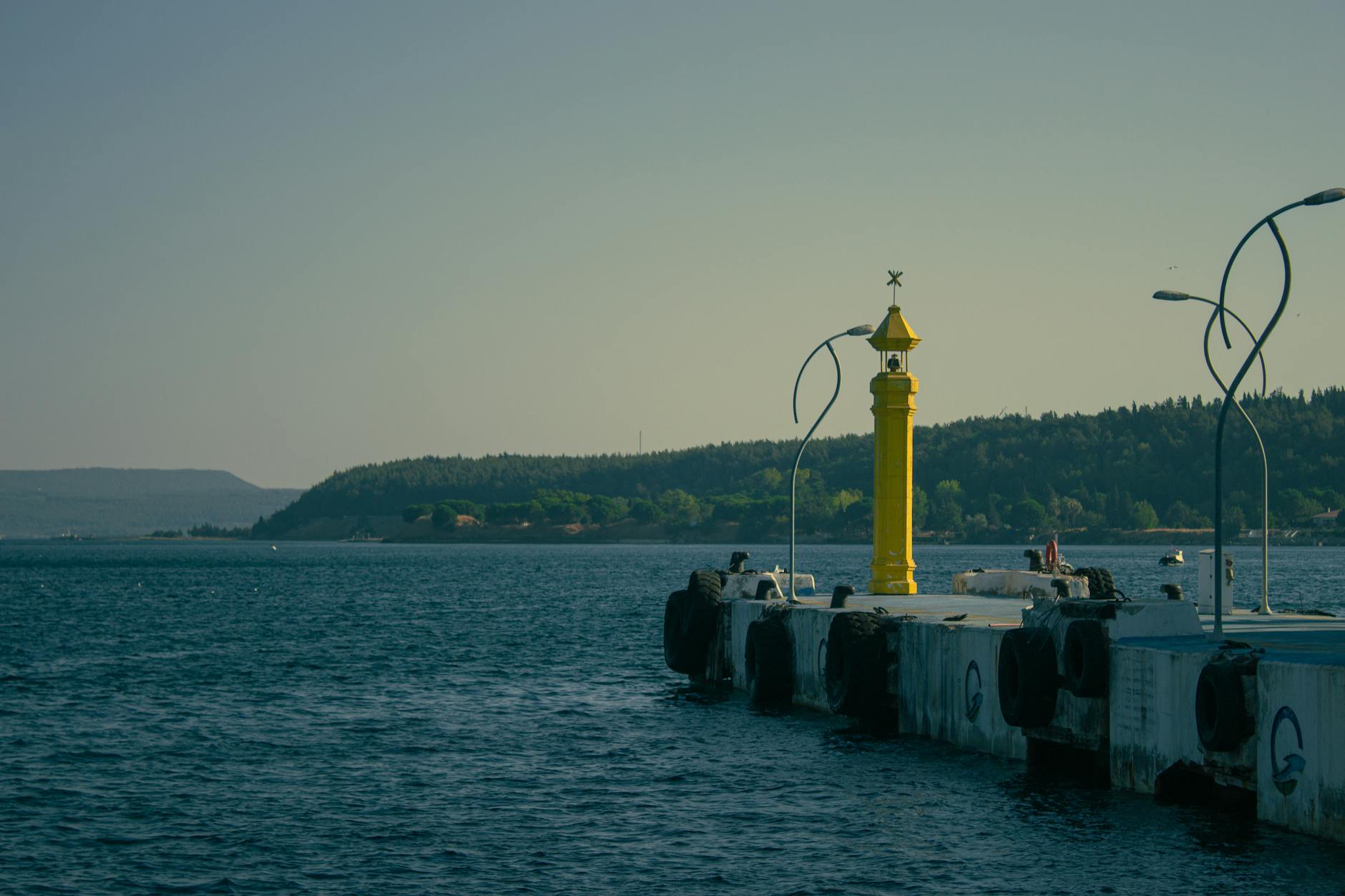
What you see is impressive enough to astonish you, and striking enough to make you forget what you’ve seen so far. If you proceed a little further along the coast, you will arrive at Büyük Kemikli Burnu and the fishing port called Küçük Anafartalar Bay (Gavur Port). The area called “Hole Stone” in the bay has a beauty that will make a difference from its counterparts. One of the spherical stones on the rocks succumbed to wind erosion and fell to the ground.
Despite this, the holistic mass continues to display its beauty. There are several fishing huts around Delikli Taş. Fishermen say that fish species such as dentex, coral, red mullet, grouper, grouper, bream, red snapper, bluefish, mullet, swordfish, bonito and tuna are caught in the nets they cast into the sea at sunset. Since the bays in Büyük Kemikli Cape are suitable for landing, many trenches were built for defensive purposes during wartime.
With their durability, the trenches have survived to this day as if they defied history. In the region steeped in history, during the war, when the British left the region, they filled the materials they used in the war into the pits they opened and then escaped.
War remnants such as tent buttons, nails, screws, rivets, belt buckles, bullet casings, uniform buttons, sack pieces, mushroom hats and ceramic ruins can be found in the soil washed away by water after the rain. The other end of Büyük Kemikli Cape has a separate nature structure called the English mirror.
Those who remember the past years in the region state that the roads, staircases and areas where they set up their equipment in the places where British soldiers landed just a few years ago remained the same. But natural conditions have wiped out many of them.
Seashells such as mussels and snails found on the high hills of the region are quite thought-provoking. Wrecks. If you look at the left side of Delikli Taş in Gavur Port, you will come across a ship’s keel. The surface of the ship, which was mostly cut off by scrap dealers, is not visible above the water level.
You can come across warship ruins lying like fishbones at depths of 5 to 10 meters in almost every bay, such as this British landing ship with only its lower files remaining. Shipwrecks, which can be scuba dived with permission from the Directorate of Fisheries and the District Governorship, cannot be prevented from being cut or torn apart even in water.
Majestik 28, which was sunk by Turkish artillery in World War I, Landi at 29 meters and a large ship lying at 70 meters are also in this region.
Divers agree that the controlled dives to be organized will present the beauties of Saros Gulf, its underwater richness and the existence of shipwrecks as an alternative for tourism. What to see: Two damaged Turkish cannons used in the Battle of Gallipoli can be seen in the cypress tree area opposite the fountain at the entrance of Küçük Anafartalar Village.
The historical inscription on the road in Küçük Anafartalar Village states that the fountain is 600 years old. A corner of the village coffee house has been turned into a museum. Here, the villagers exhibited the photograph of Mustafa Kemal in his Colonel uniform, taken in Kireçtepe, and decorated it with cannons and bullets. Inscriptions on the monuments in the cemeteries and martyrs’ cemeteries of foreigners, as well as in the places where the war took place, shed light on history.
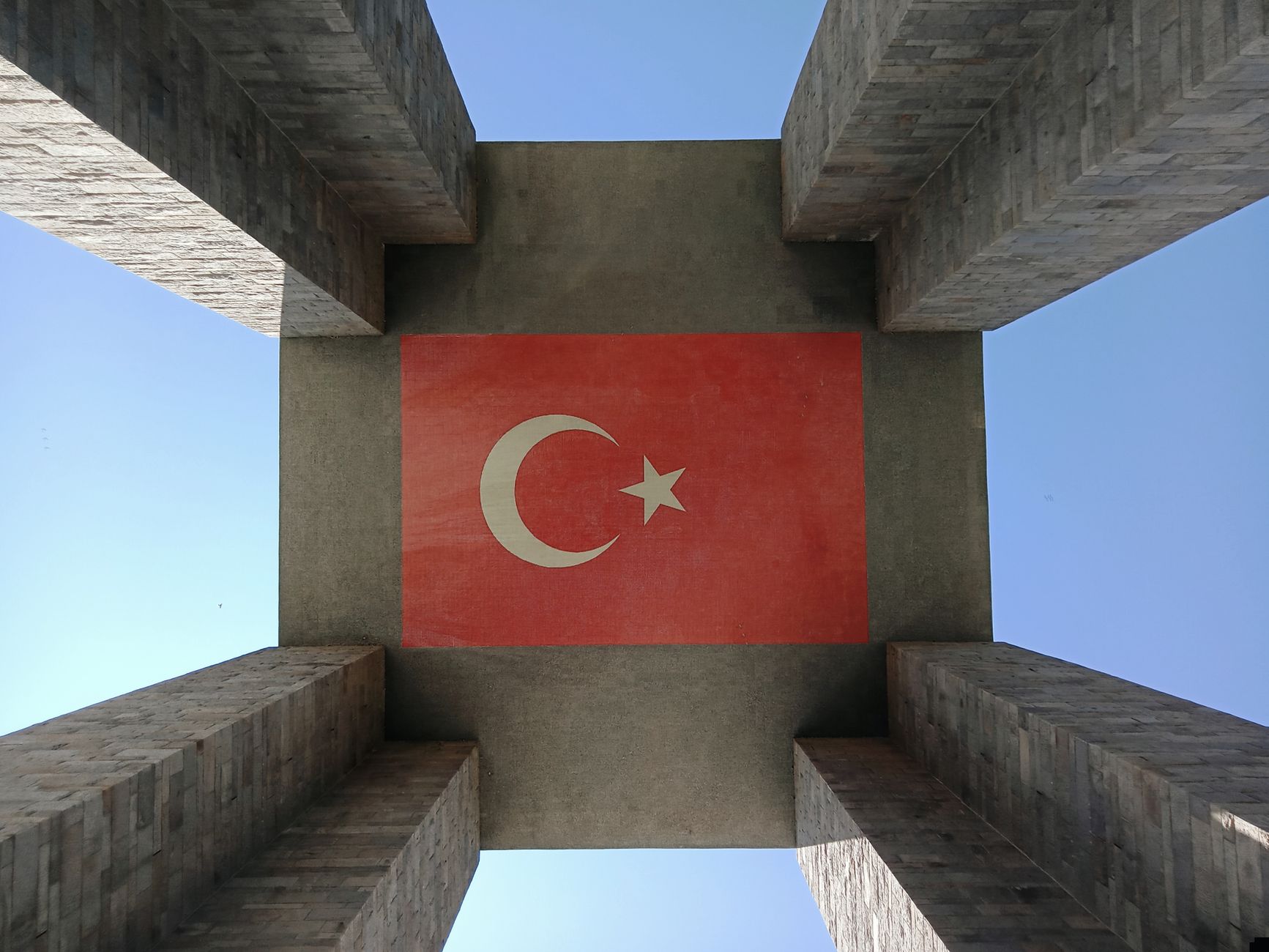
As you approach Büyük Kemikli Burnu, you will see 3 monuments. The words written on the first one are exactly as follows: “The enemy forces, who landed at Anafarta Port on 7 August 1915 to surround the Turkish forces on the Arıburnu front, advanced as far as İsmailoğlu and Yusufçuk hills in the face of weak observation units.” The words written on the other monument are: “Turkish forces under the command of Colonel M. Kemal, commander of the Anafartalar Group, fought a war on 9-12 August 1915. At the end of the First Battle of Anafartalar, he defeated the enemy forces and threw them to the Kireçtepe and Mestantepe line.” On the third monument, it is written: “At the end of the Second Battle of Anafarta, fought on 21-22 August 1915, with the larger forces of the two sides, the enemy’s offensive power was broken on the Sivritepe and Mestantepe line.
“In this battle, the Turks suffered 8,155 casualties and the enemy 19,850.” 4 museums in the Gallipoli National Park Area can be visited. Among them, Bigalı Atatürk House, which Mustafa Kemal used as his headquarters, Kabatepe Promotion Center, Settülbahir Martyrs’ Monument and Çamburnu Promotion Center.
You May Like
Aspendos Ancient Theater Travel Guide