On the island of Mombasa, on the Indian Ocean coast of Kenya, stands one of the most remarkable fortresses of the age of European expansion: Fort Jesus, a mighty Portuguese stronghold whose great coral walls have guarded the old harbor for more than four centuries. Overlooking the sea, its bastions are among the finest surviving examples of Renaissance military architecture anywhere in the world.
You come expecting an old fort and find a fortress with an extraordinary history, a stronghold won and lost many times over, that endured one of the longest sieges in all of history, and that stood at the very center of the great struggle for control of the trade of the Indian Ocean. Here Portuguese and Omani fought for the prize of the Swahili coast.
This is the story of Fort Jesus, from the golden trading cities of the Swahili coast and the Portuguese who came to conquer them, through its Renaissance design and its epic three-year siege, to the long era of Omani rule and its rebirth as a museum. Come and explore this great fortress by the sea with me, on the historic coast of Kenya.

In This Article
- The Great Fortress Guarding the Swahili Coast
- The Golden Cities of the Swahili Coast
- The Portuguese and the Indian Ocean
- Coral Walls and the Guns of the Sea
- The Shipwreck and the Treasures Beneath
- The Old Town in the Fortress’s Shadow
- A Heritage of the Whole Indian Ocean World
- The Fortress in the Shape of a Man
- The Epic Siege That Lasted Three Years
- The Fortress Won and Lost Nine Times
- The Long Era of Omani Rule
- The British, the Prison, and the Museum
- Exploring the Fortress by the Sea
The Great Fortress Guarding the Swahili Coast
On the island of Mombasa, on the Indian Ocean coast of Kenya, stands one of the most remarkable and best-preserved fortresses of the age of European expansion: Fort Jesus, a mighty Portuguese stronghold whose great coral walls have guarded the entrance to the old harbor for more than four centuries. Overlooking the sea, its bastions and ramparts are among the finest surviving examples of the military architecture of their age.
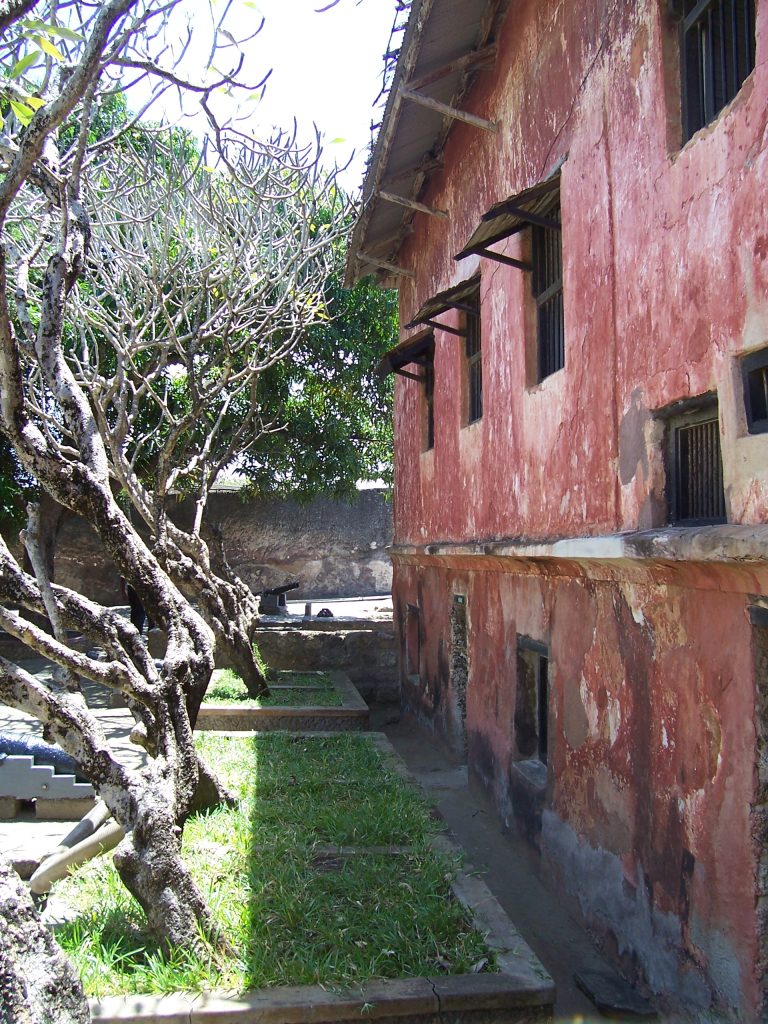
Fort Jesus was built to control one of the most important ports of the Swahili coast, the long strand of trading cities that lined the East African shore of the Indian Ocean, and it stood at the center of the great contest for control of the trade of these waters. Its history is one of siege and conquest, of a fortress won and lost again and again as the powers of the Indian Ocean fought for the prize of Mombasa.
The fort is a masterpiece of Renaissance military engineering, its distinctive design representing, it is said, the outline of a human figure, its bastions and walls laid out according to the most advanced principles of the age. It was among the first European forts built outside Europe specifically to withstand cannon fire, a formidable stronghold raised at the far reach of the Portuguese empire.
To visit Fort Jesus is to encounter the history of the Swahili coast and the great struggle for control of the Indian Ocean trade, a history of Portuguese and Omani, of siege and conquest, written in the coral walls of the fortress. Come and explore this great stronghold, and you will discover one of the most fascinating and best-preserved fortresses in all of Africa, guarding the harbor of Mombasa.
There is a grandeur to Fort Jesus that immediately impresses the visitor, the sheer mass of its coral walls rising above the harbor, the weathered stone glowing warm in the tropical light. This is a fortress that looks and feels its history, a stronghold that has weathered sieges and centuries and stands, still mighty, guarding the entrance to the old port of Mombasa.
The Golden Cities of the Swahili Coast
To understand Fort Jesus, you must understand the Swahili coast, the long strand of the East African shore that was, for centuries before the Europeans came, home to a flourishing civilization of trading cities. These Swahili city-states, with names like Kilwa, Malindi, and Mombasa, grew rich on the trade of the Indian Ocean, linking the interior of Africa to the wider world of Arabia, Persia, India, and beyond.

The Swahili civilization was a cosmopolitan and sophisticated one, its culture a rich blend of African and Islamic and Indian Ocean influences, its cities built of coral stone, its merchants dealing in gold, ivory, and other goods from the interior, exchanged for the textiles, ceramics, and other products of the wider trading world. Mombasa was one of the great cities of this coast, a thriving center of commerce.
The trade of the Swahili coast was part of the vast network of the Indian Ocean, one of the great arteries of world commerce long before the Europeans arrived, carried on the monsoon winds that governed the sailing seasons. The wealth and importance of this trade made the cities of the coast a tempting prize, and it was this prize that drew the Portuguese to these shores.
When the Portuguese came to the Indian Ocean, seeking to control the trade that had made the Swahili cities rich, they brought war and conquest to the coast, and Fort Jesus was the great stronghold of their attempt to dominate these waters. To understand the fort is to remember the flourishing Swahili civilization whose trade it was built to command, the golden cities of the coast that the Portuguese sought to subdue.
The Swahili language and culture, born of the centuries-long meeting of African and Arab and Indian Ocean influences on this coast, remain a living heritage today, spoken across a wide region of East Africa. In the culture of the coast, as in the fort itself, one can read the whole history of the meeting of peoples and civilizations that the trade of the Indian Ocean brought about.
The Portuguese and the Indian Ocean
The Portuguese arrived in the Indian Ocean at the very end of the fifteenth century, in one of the most consequential episodes of the age of exploration, when their ships rounded the southern tip of Africa and burst into the ancient trading world of the East. They came with cannon and with the determination to seize control of the immensely valuable trade of these waters, and they brought war to the Swahili coast.
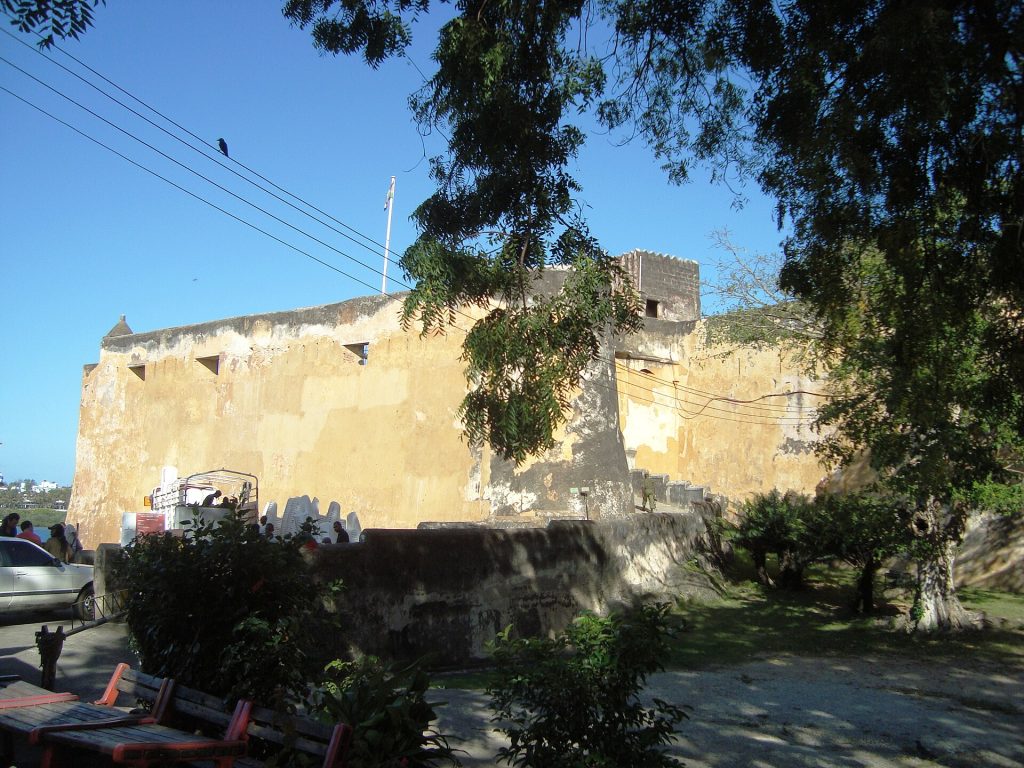
Over the following decades, the Portuguese fought to establish their dominance over the Indian Ocean trade, seizing and fortifying key ports along the coasts of Africa and Asia, and building a network of strongholds to control the sea lanes. Mombasa, one of the great cities of the Swahili coast, was a key point in this network, and the Portuguese sought to secure it with a mighty fortress.
Fort Jesus was the answer to this need, built at the end of the sixteenth century to guard the harbor of Mombasa and to anchor Portuguese power on the coast. Its construction was a major undertaking, and it created one of the strongest fortresses in the whole Portuguese empire in the East, a stronghold designed to dominate the port and to resist any assault.
The building of Fort Jesus marked the height of Portuguese ambition on the Swahili coast, the great stronghold from which they sought to control the trade and the cities of the region. It was the anchor of their power in East Africa, and its history would be bound up with the long struggle for control of the coast that would define the region for centuries to come.
The Portuguese arrival transformed the Indian Ocean, disrupting the ancient trading order and inaugurating an age of European involvement in the affairs of the East that would last for centuries. Fort Jesus was one of the great monuments of this transformation, the stronghold from which the Portuguese sought to impose their control on the trade and the cities of the Swahili coast.
Coral Walls and the Guns of the Sea
The fabric of Fort Jesus tells its own story, for the fortress was built of coral stone, the characteristic material of the Swahili coast, quarried from the reefs and used throughout the architecture of the region. The coral-stone walls give the fort its distinctive character and have proven remarkably durable, enduring the sieges, the conquests, and the centuries to come down to us in fine condition.
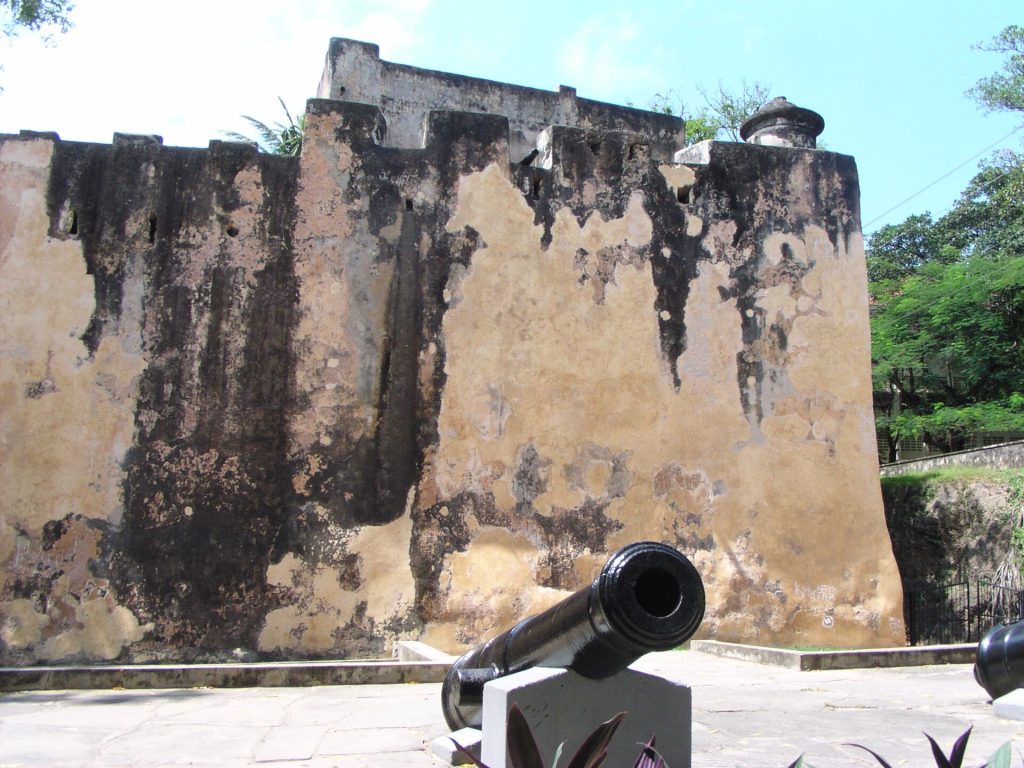
The walls were built to a great height and thickness, designed to withstand the cannon that had made the tall, thin walls of earlier fortifications obsolete, and they were later raised even higher during the period of Omani rule. Along the ramparts, the guns of the fort commanded the harbor and the approaches, ready to repel any assault from the sea.
The combination of the coral-stone construction and the Renaissance bastioned design made Fort Jesus a formidable stronghold, well able to defend the harbor and to resist the most determined attack. The strength of the fort was proven in the great sieges it endured, above all the epic three-year siege that tested its walls and its defenders to the very limit.
To walk the walls of Fort Jesus and to see the old cannon still mounted upon them is to connect directly with the long military history of the fortress, the sieges and battles that its coral ramparts witnessed. The walls and guns are the physical evidence of the fort’s role as a great stronghold guarding the harbor of Mombasa, and they remain among its most impressive features.
The remarkable state of preservation of the coral-stone walls today allows the visitor to experience the fort much as it appeared in its heyday, its ramparts and bastions largely intact after four centuries. Few fortresses of the age survive so complete, and the walls of Fort Jesus are among the finest surviving examples of the fortification of their era anywhere in the world.
The Shipwreck and the Treasures Beneath
The waters around Fort Jesus hold their own remarkable history, for a Portuguese warship was wrecked nearby, and the recovery of artifacts from this wreck has added greatly to our understanding of the fort and of the maritime world of the age. The finds from the wreck are among the treasures displayed in the museum within the fort.
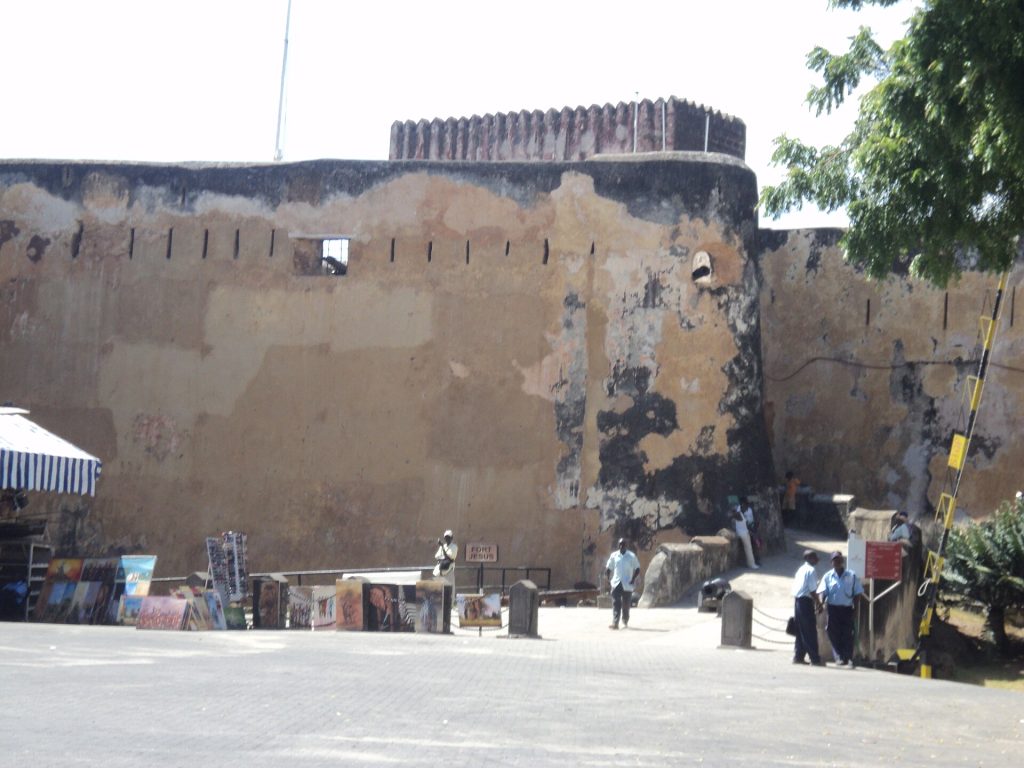
The wreck dates from the era of the great struggles for the coast, and the objects recovered from it, the fragments of the ship, the weapons, the ceramics, and the countless items of daily life, offer a precious window into the world of the Portuguese on the Indian Ocean. These finds bring the history of the fort and its era vividly to life.
The study of the wreck and its artifacts is part of the wider archaeological investigation of Fort Jesus and its surroundings, which has done much to illuminate the history of the fortress and the Swahili coast. The finds from beneath the waves complement the standing monument of the fort, adding the dimension of the maritime world to the story of the stronghold.
To see these recovered treasures in the museum is to be reminded that the history of Fort Jesus was above all a maritime history, bound up with the ships and the trade of the Indian Ocean. The wreck and its finds connect the great fortress on the shore to the watery world it was built to command, deepening the story of the stronghold and the coast it guarded.
The recovery and study of the wreck stand as a notable achievement of maritime archaeology in the region, opening a window onto the material world of the age of the great struggles for the coast. The finds displayed in the fort’s museum are among its most fascinating exhibits, connecting the visitor directly to the ships and sailors of that distant and turbulent era.
The Old Town in the Fortress’s Shadow
Fort Jesus stands at the edge of the old town of Mombasa, and the history of the fort is bound up with that of the ancient city that surrounds it. The old town, with its narrow streets, its coral-stone houses with carved doors, and its blend of Swahili, Arab, Indian, and European influences, is a living monument to the rich and cosmopolitan history of the coast.
The old town grew and flourished as one of the great trading cities of the Swahili coast, its architecture and its culture reflecting the many peoples and influences that met and mingled here over the centuries. The fort guarded this city, and the two are inseparable, the great fortress and the historic town it protected, together telling the story of Mombasa.
To explore the old town alongside the fort is to deepen one’s understanding of the history of the coast, moving from the military stronghold to the living city it defended, with its markets, its mosques, its old houses, and its vibrant contemporary life. The old town is a treasure in its own right, a survival of the historic urban culture of the Swahili coast.
Together, Fort Jesus and the old town of Mombasa form a historic ensemble of great richness, the fortress and the city it guarded, the military and the civilian faces of the coast’s history. To visit them together is to encounter the full story of Mombasa, one of the great cities of the Swahili coast, from its golden age of trade through the era of the great fortress to the present day.
The old town of Mombasa has been recognized for the value of its historic architecture and its living culture, and efforts to preserve it continue alongside the care of the fort. Together, the fortress and the town form one of the most important historic ensembles on the East African coast, a precious survival of the urban heritage of the Swahili world.
A Heritage of the Whole Indian Ocean World
The outstanding significance of Fort Jesus has been recognized by its designation as a heritage of universal value, an acknowledgment of its status as one of the finest and best-preserved examples of the Portuguese military architecture of its age and of its importance in the history of the Indian Ocean world. This recognition has confirmed the fort’s place among the great historic sites of the world.

The fort is celebrated not only for the quality of its architecture but for what it represents, the great struggle for control of the trade of the Indian Ocean and the meeting of the many peoples and cultures that met on the Swahili coast. It stands as a monument to the whole complex history of the region, the African, the Arab, the Indian, and the European.
The recognition of the fort has brought new attention and resources to its preservation and study, ensuring that this superb monument is protected and interpreted for future generations. It has also affirmed the fort’s central place in the heritage of Kenya and of the whole Swahili coast, a treasure of the nation and of the world.
To visit Fort Jesus with an awareness of its significance is to appreciate that one is standing at a monument of truly global importance, a fortress that stood at the crossroads of the Indian Ocean world and that embodies the history of the meeting of continents on the Swahili coast. It is among the great historic treasures of Africa, and a monument to the long and fascinating history of the coast it guarded.
The designation has also helped to draw visitors from around the world to Fort Jesus, making it one of the premier attractions of the Kenyan coast and an important part of the country’s cultural tourism. The recognition celebrates not only the fort but the whole rich history of the coast that it represents, bringing that history to a global audience.
The Fortress in the Shape of a Man
Fort Jesus is a masterpiece of Renaissance military architecture, designed by an Italian architect according to the most advanced principles of the age, and its design rewards close attention. The fortress was laid out with projecting bastions at its corners, in the manner of the star fort developed in Europe to resist cannon fire, and it was among the first such forts built outside Europe.

The most striking feature of the design is its overall shape, which is said to represent the rough outline of a human figure lying on its back, with the head toward the sea, the arms and legs formed by the projecting bastions. Whether or not this resemblance was fully intended, it gives the fort a distinctive and memorable form, and it reflects the sophisticated geometric thinking of Renaissance fortification.
The walls of the fort were built of coral stone, the material of the Swahili coast, and they were raised to a great height, later heightened still further during the period of Omani rule. The bastions were positioned to command the approaches and to cover the walls with flanking fire, making the fort a formidable stronghold designed to withstand the most determined assault.
The design of Fort Jesus represents the transfer of the most advanced European military engineering to the far shores of the Indian Ocean, a Renaissance star fort raised on the coast of East Africa. It is one of the finest and best-preserved examples of this architecture to survive anywhere, a testament to the sophistication of the military science of its age and to the ambition of the empire that built it.
View on Google Maps (-4.0632, 39.6797)
The genius of the Renaissance star fort lay in the way its angular bastions eliminated the blind spots that had made older fortifications vulnerable, allowing defenders to sweep every approach with fire. That this sophisticated design was raised on the coast of East Africa, so far from Europe, is a striking testament to the reach of the military engineering of the age.
The Epic Siege That Lasted Three Years
The most dramatic episode in the history of Fort Jesus was the great siege of Mombasa at the end of the seventeenth century, when the fortress was besieged by the forces of Oman, the rising power of the Arabian coast that challenged Portuguese dominance in the Indian Ocean. The siege that followed was one of the longest in history, an epic ordeal that lasted nearly three years.

The Omani Arabs, seeking to drive the Portuguese from the coast, laid siege to Fort Jesus, and the defenders, a mixed force of Portuguese and their allies, held out against them with extraordinary tenacity. For month after month, year after year, the siege dragged on, the defenders enduring hunger, disease, and constant assault, cut off within the walls of the fortress.
The suffering within the fort during the long siege was terrible, as disease and starvation took a fearful toll on the defenders, whose numbers dwindled steadily as the ordeal continued. Relief came and went, but the siege was never broken, and the garrison was reduced at last to a mere handful of survivors, clinging to the fortress against all hope.
After nearly three years, the great siege ended at last with the fall of Fort Jesus to the Omanis, marking the end of Portuguese dominance on the Swahili coast. The epic defense of the fortress, and its final fall, is one of the great dramas in the history of the Indian Ocean, a struggle of extraordinary endurance and suffering that decided the fate of the coast.
The endurance of the defenders through nearly three years of siege, holding out against hunger, disease, and constant assault, is one of the most extraordinary feats of endurance in military history. That so many held on for so long, in conditions of such suffering, speaks to the desperate stakes of the struggle for the coast and to the strength of the fortress that sheltered them.
The Fortress Won and Lost Nine Times
The great siege was only the most dramatic episode in a history of almost constant contest, for Fort Jesus was one of the most fought-over fortresses anywhere, changing hands again and again as the powers of the Indian Ocean struggled for control of Mombasa. Over the centuries, the fort was won and lost many times, a measure of its immense strategic value.

After the Omani conquest, the Portuguese briefly retook the fort before losing it once more, and control of the fortress and the city passed back and forth as the fortunes of the contending powers rose and fell. The fort became a symbol of the struggle for the coast, its possession a prize contested by Portuguese, Omanis, and the local powers of the Swahili shore.
This history of repeated conquest reflects the strategic importance of Mombasa and its fort, which commanded one of the finest harbors on the coast and controlled access to the trade of the region. To hold Fort Jesus was to hold Mombasa, and to hold Mombasa was to command a vital point on the great trading network of the Indian Ocean, a prize worth fighting for again and again.
The many changes of hands that Fort Jesus endured make its history one of the most turbulent of any fortress, a story of siege and conquest repeated across the centuries. Each power that held it left its mark upon the fort, and the fortress that survives today bears the traces of this long and contested history, a monument to the great struggle for the Swahili coast.
Each conquest of the fort marked a shift in the balance of power on the coast, and the repeated changes of hands trace the whole turbulent history of the struggle for control of the Swahili shore. The fort was the great prize, and its possession the measure of dominance over the harbor of Mombasa and the trade of the region.
The Long Era of Omani Rule
For much of its later history, Fort Jesus and the city of Mombasa were under the rule of Oman and its offshoot, the sultanate of Zanzibar, the Arab power that came to dominate much of the Swahili coast after the fall of Portuguese authority. Under Omani rule, the fort continued to serve as a stronghold and a center of power on the coast.

The Omanis made their own alterations to the fort, heightening its walls and adapting it to their needs, and they left their mark on the fortress and on the wider culture of the coast. The period of Omani and Zanzibari rule was a significant chapter in the history of the Swahili coast, a time when the Arab influence that had long been part of the region’s culture became politically dominant.
This era was also, tragically, a time of the East African slave trade, in which the sultanate of Zanzibar played a central role, and the coast, including Mombasa, was caught up in this terrible commerce. The history of the fort in this period is bound up with the darker aspects of the coast’s past, the trade in human beings that scarred the region.
The long era of Omani and Zanzibari rule shaped the culture and the history of Mombasa and the coast in enduring ways, and Fort Jesus stood at the center of this world, a stronghold of the Arab power on the Swahili shore. The fort’s history reflects the whole complex story of the coast, from the Swahili cities through the Portuguese to the Omani and Zanzibari era.
The Omani and Zanzibari era left a deep and lasting mark on the culture of the coast, in its architecture, its religion, and its way of life, and Fort Jesus stood at the center of this world for much of its later history. The fort’s long service under the sultans is an essential part of its story, the chapter that followed the fall of Portuguese power.
The British, the Prison, and the Museum
The final chapter in the active history of Fort Jesus came with the arrival of the British, who established their control over Kenya and the coast in the later nineteenth century as part of the wider European scramble for Africa. Under British rule, the fort that had been a stronghold and a seat of power was put to a grimmer use, serving for a time as a prison.

For decades, Fort Jesus held prisoners within its ancient walls, a far cry from its origins as a great fortress guarding the harbor, and this period of use as a prison forms part of the fort’s long and varied history. The fortress that had witnessed siege and conquest now witnessed the confinement of prisoners under the colonial regime.
In the twentieth century, the significance of Fort Jesus as a historic monument came to be recognized, and in the years before Kenya’s independence, the fort was converted into a museum, its role transformed once more, this time into a place of history and heritage. The great fortress became a repository of the history of the coast and a monument to its own extraordinary past.
When Kenya won its independence, Fort Jesus passed into the hands of the African nation on whose coast it stood, and it has been preserved and cared for as one of the great treasures of the country’s heritage. From Portuguese stronghold to Omani fortress to colonial prison to national museum, the fort has come through its long and varied history to become a monument to the whole story of the Swahili coast.
The transformation of the fort into a museum before Kenya’s independence reflected a growing appreciation of the historic value of the fortress, and the museum has since become one of the finest on the coast, an essential destination for anyone seeking to understand the history of the region. In its new role, the fort that had known siege and conquest became a place of learning and heritage.
Exploring the Fortress by the Sea
Visiting Fort Jesus today is a rewarding experience and an essential part of any visit to Mombasa, a chance to explore one of the finest and best-preserved fortresses in Africa and to encounter the rich history of the Swahili coast. The fort stands at the edge of the old town of Mombasa, overlooking the sea, its great coral walls and bastions preserved much as they were in the age of the great sieges.
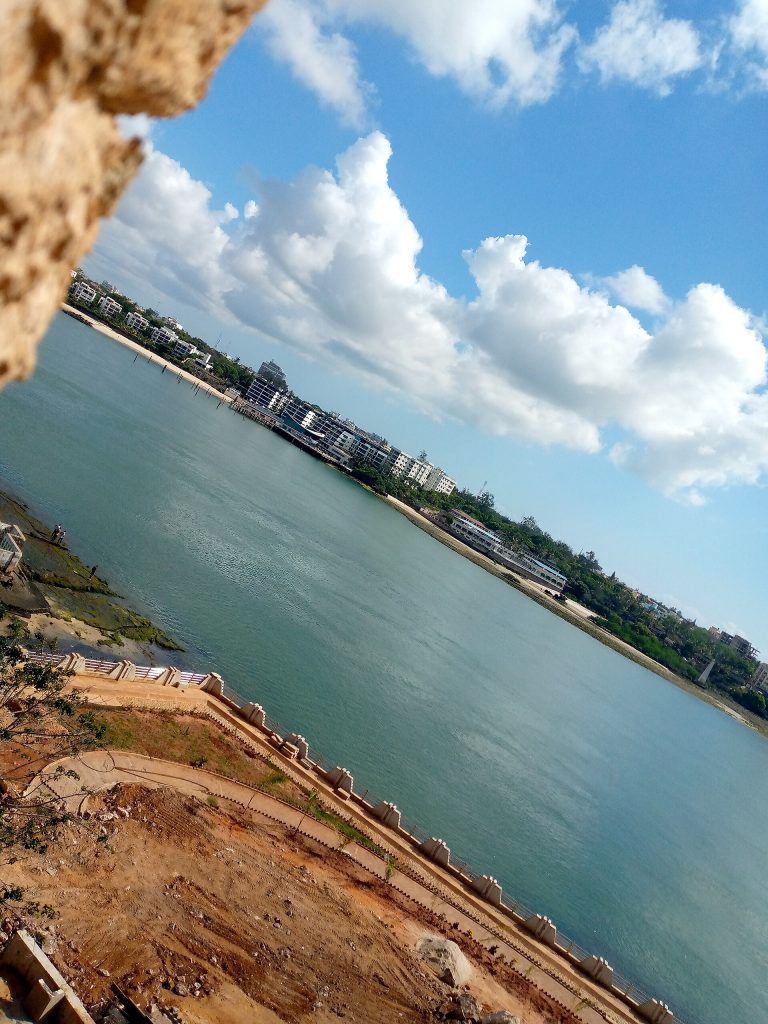
Explore the walls and bastions, tracing the Renaissance design of the fortress and taking in the views over the harbor and the Indian Ocean that the fort was built to guard. Walk the courtyards and the ramparts, and imagine the great sieges that the fort endured, the long ordeal of the defenders and the struggle for control of the coast that unfolded within and around these walls.
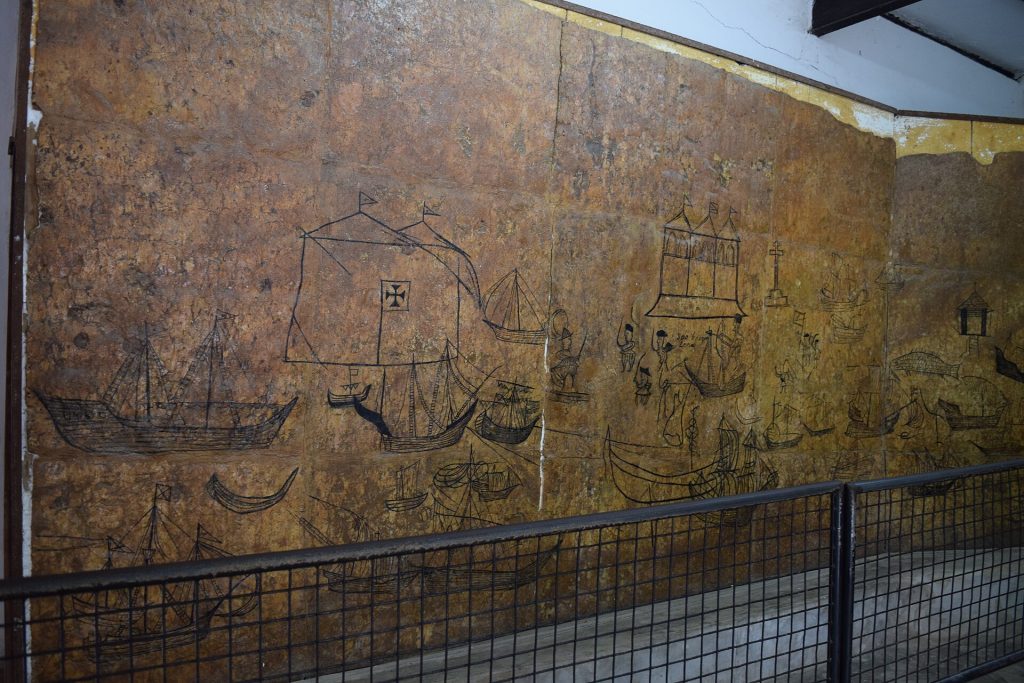
Visit the museum housed within the fort, which tells the story of the fortress and of the Swahili coast, displaying artifacts from the fort’s long history and from the wider culture of the region, including finds from a Portuguese warship wrecked nearby. Seek out the old Portuguese wall paintings and the other traces of the successive powers that held the fort across the centuries.
Come to Fort Jesus, then, ready to explore a magnificent fortress and to encounter the fascinating history of the Swahili coast, from the golden trading cities through the Portuguese and Omani eras to the present day. Walk its great coral walls, contemplate the epic sieges it endured, and let this superb stronghold by the sea tell you the story of the long struggle for the harbor of Mombasa and the trade of the Indian Ocean.
Mombasa itself, a great port city and one of the principal cities of Kenya, offers much to the visitor beyond the fort, from its beaches to its markets to its rich and varied culture. But it is Fort Jesus, standing at the edge of the old town above the sea, that is the historic heart of the city, the monument that tells the story of the coast and its long and fascinating past.
Castles Nearby
To continue exploring the great fortresses of Africa and the wider world:
You May Like
Mafra, the Palace a King Built From a Vow


5 thoughts on “Fort Jesus: The Great Fortress of the Swahili Coast”