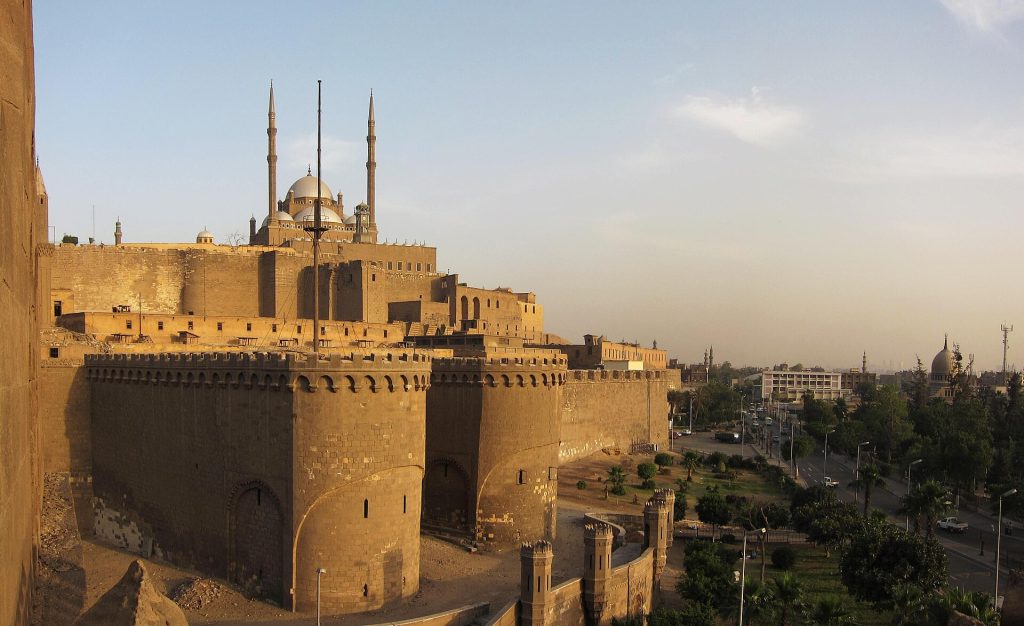
Rising on a rocky spur beneath the Mokattam hills, dominating the skyline of Cairo, stands one of the great medieval Islamic fortresses of the world: the Citadel of Cairo, the mighty stronghold that was the seat of the rulers of Egypt for some seven centuries. Above its walls and towers soar the silver dome and slender minarets of a great mosque, one of the most famous sights in all of Egypt.
You come expecting a fortress and find a whole fortified city, a vast complex of walls, gates, palaces, and mosques raised across the centuries by the rulers of Egypt, from the great Saladin who founded it to Muhammad Ali who gave it its crowning mosque. Within its walls, seven hundred years of Egyptian history are written in stone.
This is the story of the Citadel of Cairo, from the great warrior who built it to defend against the Crusaders, through the golden age of the Mamluk sultans and the long era of Ottoman rule, to the transformation and the massacre wrought by Muhammad Ali and the great alabaster mosque that crowns the fortress. Come and explore this magnificent citadel with me, the crown of the city of Cairo.
In This Article
- The Great Fortress That Crowns Cairo
- Saladin and the Fear of the Crusaders
- Seven Centuries at the Heart of Egypt
- The Great Gates of the Fortress
- The Layers of Seven Centuries
- The Crown of Islamic Cairo
- The Mighty Walls and Towers
- The Deep Well Cut Into the Rock
- The Golden Age of the Mamluk Sultans
- The Long Era of Ottoman Rule
- Muhammad Ali and the Massacre of the Mamluks
- The Great Alabaster Mosque
- Exploring the Crown of Cairo
The Great Fortress That Crowns Cairo
Rising on a rocky spur beneath the Mokattam hills, dominating the skyline of Cairo, stands one of the great medieval Islamic fortresses of the world: the Citadel of Cairo, the mighty stronghold that was the seat of the rulers of Egypt for some seven centuries. Its walls and towers, its palaces and mosques, crown the city, and above them all soars the silver dome and slender minarets of a great mosque, one of the most famous sights in all of Egypt.

The Citadel is not a single building but a whole fortified city, a vast complex of walls, gates, towers, palaces, and mosques raised across the centuries by the successive rulers of Egypt, from the great Saladin who founded it to the modern rulers who transformed it. Within its walls, the history of Egypt across seven hundred years is written in stone.
From the Citadel, the sultans and pashas who governed Egypt looked out over Cairo, one of the great cities of the Islamic world, and ruled a land that was among the richest and most important of the medieval and early modern age. The fortress was the center of their power, the seat from which they controlled Egypt and projected their authority across the region.
This is the story of the Citadel of Cairo, from the great warrior who built it to defend against the Crusaders, through the golden age of the Mamluk sultans and the long era of Ottoman rule, to the transformation wrought by Muhammad Ali and his great mosque. Come and explore this magnificent fortress with me, the mighty citadel that crowns the city of Cairo.
The Citadel dominates its city as few fortresses do, its position on the heights giving it a commanding presence over the whole panorama of Cairo, and its great mosque serving as a landmark visible from far across the sprawling metropolis. To see it crowning the city, especially in the golden light of evening, is to understand at once why it has been the symbol of the power that ruled Egypt for so long.
There is a majesty to the Citadel that reflects the greatness of the civilization that built and rebuilt it across the centuries, a fortress worthy of one of the great capitals of the Islamic world. It is a place where the visitor feels the weight of history and the presence of the many rulers who governed Egypt from these heights, from the age of the Crusades to the birth of the modern nation.
Saladin and the Fear of the Crusaders
The founder of the Citadel of Cairo was one of the most celebrated figures in all of history, Saladin, the great warrior and statesman who united the Muslim world and drove the Crusaders from Jerusalem. In the later twelfth century, seeking to defend Cairo against the threat of the Crusaders and to establish his control over Egypt, Saladin began the construction of a great fortress on the Mokattam hills.
The choice of the site was strategic, for the rocky spur beneath the hills commanded the city and provided a strong defensive position, and Saladin set about building a mighty stronghold to anchor his rule and to protect the capital. The construction was a major undertaking, using limestone quarried from the hills and, according to tradition, materials drawn even from the ancient pyramids.
Saladin’s Citadel was designed as a formidable fortress in the tradition of the great military architecture of the age, its walls and towers built to withstand siege and to dominate the city below. It was to be the seat of the ruler and the strongpoint of the defense of Cairo, a fortress worthy of the great warrior who founded it.
Though Saladin himself would spend much of his life campaigning far from Cairo, and did not live to see the Citadel completed, the fortress he founded became the enduring seat of the rulers of Egypt for centuries to come. It bears his name to this day, the great citadel of Saladin, a lasting monument to one of the most renowned figures in the history of the Islamic world.
Saladin remains one of the most admired figures in all of history, celebrated across the Islamic world and beyond for his chivalry, his statesmanship, and his role in the great struggles of the age of the Crusades. That the Citadel bears his name and stands as his enduring monument in Egypt adds greatly to its significance, connecting the fortress to one of the most renowned careers in the history of the world.
Seven Centuries at the Heart of Egypt
Few fortresses anywhere can match the Citadel of Cairo for the sheer span of its importance, for it served as the seat of the rulers of Egypt for some seven hundred years, from the age of Saladin to the nineteenth century. Across all these centuries, through dynasty after dynasty, the Citadel remained the center of power, the fortress from which Egypt was governed.

This extraordinary continuity, of a single fortress serving as the seat of power across so many centuries and so many changes of ruler, gives the Citadel a special significance in the history of Egypt. The Ayyubids who founded it, the Mamluks who made it splendid, the Ottomans who ruled from it, and Muhammad Ali who transformed it all governed Egypt from this same stronghold above Cairo.
The Citadel was thus the fixed point around which the political history of Egypt turned for seven centuries, the place where power resided through all the vicissitudes of the age. To hold the Citadel was to rule Egypt, and its possession was the mark of authority over one of the richest and most important lands of the medieval and early modern world.
This long role as the seat of power makes the Citadel a monument to the whole political history of Egypt across seven centuries, a fortress in which the story of the country’s rulers is written in stone. Few sites anywhere have held so central a place in the life of a nation for so long, and the Citadel stands as the enduring symbol of the government of Egypt through the medieval and early modern ages.
The continuity of the Citadel as the seat of power also meant that it accumulated the memory and the fabric of each successive era, becoming a repository of the whole political history of Egypt. In this it resembles the great citadels of other lands that served their nations across the centuries, but few can match the sheer span and the richness of the Citadel of Cairo.
The Great Gates of the Fortress
The gates of the Citadel of Cairo are among its most important defensive features, the controlled points of access through which all who entered the fortress had to pass. Built and rebuilt across the centuries by the successive rulers of Egypt, the gates reflect the changing history of the fortress and the different eras of its construction.
The oldest surviving gate dates from the original fortress of Saladin and features the classic bent entrance of medieval Islamic military architecture, designed to force any attacker to turn within the gateway and expose themselves to the defenders. This device, common to the great fortresses of the age, reveals the sophistication of the defensive design.
Later rulers added their own gates, including the gates built by Muhammad Ali in the nineteenth century as part of his transformation of the Citadel. Each gate carries its own history and its own architectural character, and together they trace the successive eras of the fortress, from the medieval original to the modern additions.
One gate in particular is bound up with the darkest episode of the Citadel’s history, for it was near a gate that the Mamluk leaders were trapped and massacred during Muhammad Ali’s treacherous purge. The gates of the Citadel are thus not only defensive features but witnesses to the great events of Egyptian history, the thresholds through which the drama of the fortress unfolded.
The Layers of Seven Centuries
The Citadel of Cairo is a palimpsest of Egyptian history, its architecture reflecting the many eras and dynasties that built and rebuilt the fortress across seven centuries. Within its walls stand structures from the Ayyubid, Mamluk, Ottoman, and modern periods, each layer added by a different ruling power, together forming a rich record of the history of Egypt.

To move through the Citadel is to move through these successive eras, from the medieval walls and gates of Saladin to the surviving Mamluk mosque of the golden age, from the Ottoman mosques to the great mosque and palaces of Muhammad Ali. Each period left its mark, and the fortress preserves the accumulated construction of seven centuries of Egyptian rule.
This layering of architecture makes the Citadel a kind of living museum of the history of Egyptian and Islamic building, a place where the styles and the ambitions of successive ages can be read in the standing monuments. The visitor who learns to distinguish these layers gains a rich sense of the whole sweep of the fortress’s history.
The accumulation of so many eras within a single fortress is part of what makes the Citadel so fascinating and so significant, a monument not to a single moment but to seven centuries of Egyptian history. In its layered architecture, the Citadel embodies the whole story of the rulers of Egypt, from Saladin to Muhammad Ali, a record in stone of the changing powers that governed the land.
Learning to read these architectural layers is one of the great pleasures of a visit to the Citadel, for each style speaks of the ambitions and the aesthetics of the age that produced it, from the austere strength of the medieval fortifications to the ornate splendor of the great mosques. The fortress rewards the visitor who takes the time to distinguish and appreciate these successive contributions.
The Crown of Islamic Cairo
The Citadel of Cairo stands at the heart of one of the greatest concentrations of Islamic architecture in the world, the historic city of Cairo, whose mosques, madrasas, and monuments make it one of the supreme achievements of Islamic civilization. The Citadel is the crown of this historic city, the great fortress that dominates the skyline of monuments below.
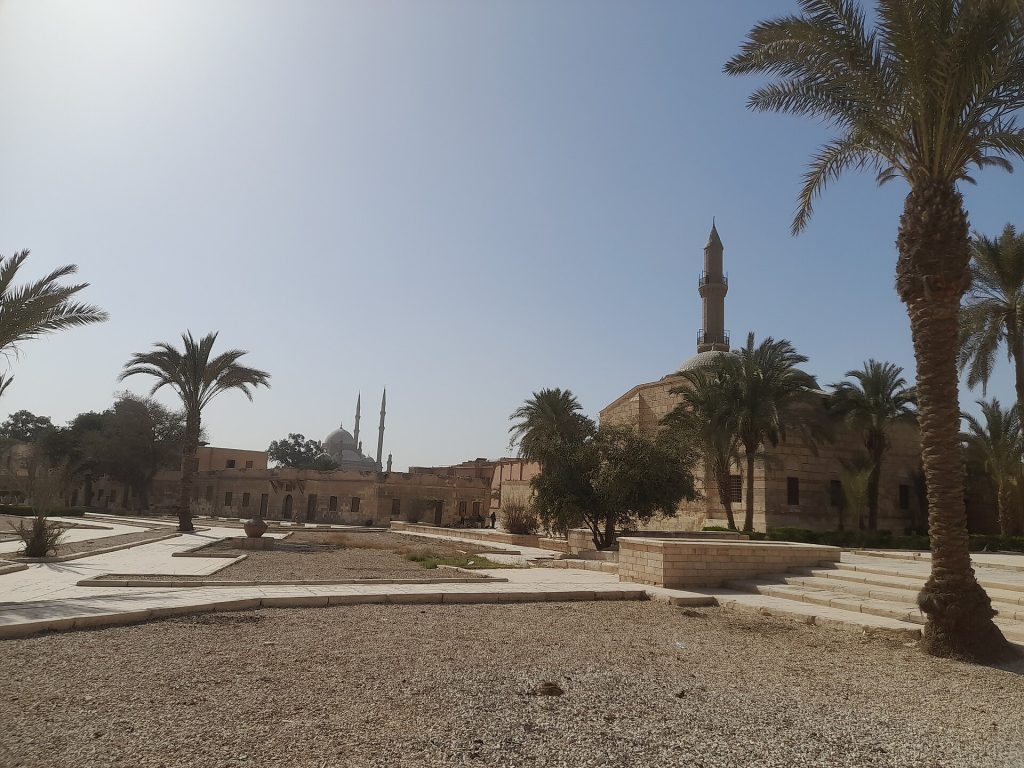
Cairo was, for centuries, one of the greatest cities of the Islamic world, a center of learning, trade, and art, and its historic core is filled with the masterpieces of Islamic architecture from across the ages. The Citadel presided over this great city, the seat of the rulers who governed it and the strongpoint that guarded it, its position above the city both practical and symbolic.
The recognition of historic Cairo as a heritage of universal value has affirmed the outstanding significance of the city and its monuments, and the Citadel is a central part of this heritage, one of the great landmarks of the historic city. From its heights, the whole panorama of Islamic Cairo spreads out below, a vista of minarets and domes reaching to the horizon.
To appreciate the Citadel is to see it in the context of this great historic city, the crown of Islamic Cairo, the fortress that presided over one of the supreme centers of Islamic civilization. The view from the Citadel over the monuments of the old city is one of the great sights of the world, and it places the fortress at the heart of the whole magnificent heritage of historic Cairo.
The concentration of Islamic monuments in historic Cairo is among the greatest in the world, the accumulated masterpieces of centuries when the city was one of the supreme centers of Islamic civilization. The Citadel presides over this treasure house, and a visit to the fortress naturally opens onto the exploration of the wider historic city and its incomparable heritage.
The Mighty Walls and Towers
The defenses of the Citadel of Cairo are among its most impressive features, a great circuit of walls and towers built and rebuilt across the centuries to make the fortress one of the strongest in the medieval Islamic world. The walls, of massive stone, wind around the rocky spur, punctuated by great round towers and pierced by fortified gates.

The military architecture of the Citadel reflects the most advanced principles of medieval fortification, with its high walls, its projecting towers positioned to command the approaches, and its cleverly designed gates built to trap and expose any attacker. The defenses were designed to make the fortress nearly impregnable, a stronghold that could withstand the most determined assault.
Among the surviving features of the original fortress is one of its great gates, built with a bent entrance that forced any attacker to turn within the gateway, exposing them to the defenders, a classic device of medieval Islamic military architecture. Such features reveal the sophistication of the design and the seriousness with which the fortress was built to resist attack.
The walls and towers of the Citadel, built and strengthened by the successive rulers of Egypt, remain among the most impressive medieval fortifications to survive anywhere, a testament to the military engineering of the age. To walk them is to trace the defensive logic of the fortress and to appreciate the strength of the stronghold that guarded the rulers of Egypt for so many centuries.
View on Google Maps (30.0287, 31.2614)
The strategic brilliance of the site chosen by Saladin is evident to anyone who stands upon the walls, for the Citadel commands the city and the approaches in every direction, its elevated position making it both a strong defense and a symbol of the authority that ruled from its heights. The combination of the natural strength of the site and the skill of the fortifications made the Citadel one of the great strongholds of the age.
The Deep Well Cut Into the Rock
One of the most remarkable engineering achievements within the Citadel is the great well known as the Well of Joseph, an extraordinary shaft cut deep into the rock of the spur to provide the fortress with water. Named for Saladin, whose given name was a form of Joseph, the well was designed to ensure that the Citadel could never be cut off from water during a siege.
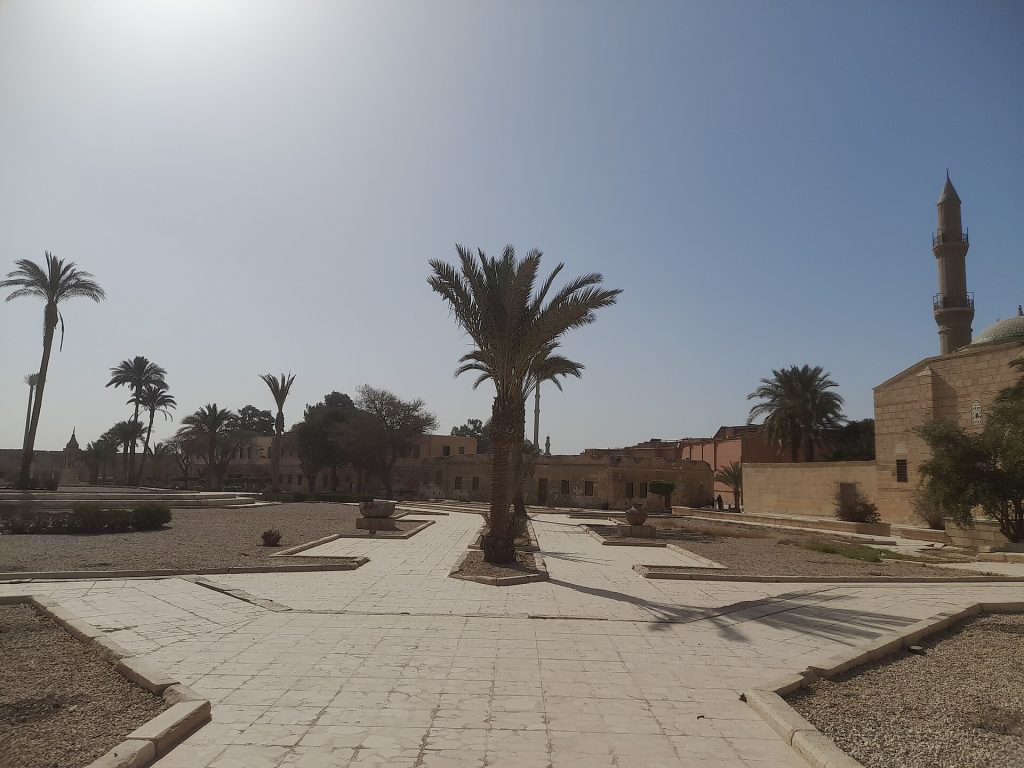
The well descends many tens of meters into the rock, and it was ingeniously designed, with a spiral staircase cut around the shaft allowing animals to descend and turn the wheels that lifted the water. This sophisticated system ensured a reliable supply of water from deep within the rock, a vital resource for a fortress that might have to withstand a long siege.
The engineering of the well, cutting so deep into the rock and devising the system to raise the water, was a considerable feat, and it reflects the care with which the builders of the Citadel provided for its defense. Water was the great necessity of any besieged fortress, and the Well of Joseph ensured that the Citadel would never lack it.
To descend into the Well of Joseph, or even to contemplate its depths, is to appreciate the ingenuity of the medieval engineers who created it, and the thoroughness with which the Citadel was designed to be self-sufficient in a siege. The well is one of the hidden marvels of the fortress, a testament to the sophistication of the builders and to the seriousness of the defensive planning.
The Well of Joseph is one of the hidden wonders of the Citadel, often overlooked by visitors drawn to the great mosque above, but it repays the attention of anyone interested in the engineering of the medieval world. Its great depth and its ingenious design are a reminder that the splendor of the Citadel rested on the practical foundations of water, defense, and the careful planning of the medieval engineers.
The Golden Age of the Mamluk Sultans
The Citadel of Cairo reached the height of its splendor under the Mamluks, the remarkable dynasty of former slave-soldiers who rose to rule Egypt and who made Cairo one of the greatest cities of the medieval world. Under the Mamluk sultans, the Citadel became a magnificent royal city, filled with palaces, mosques, and halls of state.

The greatest of the Mamluk builders vastly expanded the Citadel, raising splendid palaces, a great throne hall, and a fine mosque, transforming the fortress into a seat of power worthy of the wealth and the glory of the Mamluk state. The southern part of the Citadel became an exclusive royal complex, the residence of the sultans and the center of their government.
The Mamluk era was a golden age for Cairo and for the Citadel, a time when Egypt was among the richest and most powerful states of the region, its capital a great center of trade, learning, and art. The Citadel was the crown of this golden age, the seat of the sultans who ruled this brilliant civilization from their fortress above the city.
Though many of the great Mamluk structures of the Citadel were later demolished, the mosque of the greatest Mamluk builder survives, and the memory of the golden age endures in the history of the fortress. The Mamluk period was the most brilliant chapter in the long history of the Citadel, when it stood at the center of one of the great civilizations of the medieval world.
The Mamluks were one of the most remarkable ruling classes in all of history, former slave-soldiers who rose to become the masters of Egypt and the defenders of the Islamic world against both the Crusaders and the Mongols. That such men should have created so brilliant a civilization and so splendid a citadel is one of the extraordinary stories of the medieval age, and the Citadel is its enduring monument.
The Long Era of Ottoman Rule
In the early sixteenth century, Egypt was conquered by the Ottoman Empire, and the Citadel of Cairo passed under Ottoman rule, entering a new chapter in its long history. Under the Ottomans, the fortress remained the seat of power in Egypt, now the residence of the Ottoman governors who ruled the province on behalf of the sultan in distant Istanbul.

The Ottomans made their own additions to the Citadel, building mosques in the Ottoman style and adding towers and other structures, and they divided the fortress among the different military corps that formed the garrison. The Citadel became a place of complex and sometimes turbulent politics, as the various factions of the Ottoman military establishment vied for power.
The conquering Ottomans also stripped some of the finest decoration from the Mamluk structures of the Citadel, carrying marble and other precious materials to Istanbul for the great building projects of the imperial capital. In this way, some of the splendor of the Mamluk Citadel was dispersed, though the fortress remained the seat of power in Egypt.
The long era of Ottoman rule saw the Citadel continue as the center of government in Egypt, adapting to the new order while preserving its role as the seat of power. Through the centuries of Ottoman authority, the fortress remained the heart of Egyptian government, until a new and extraordinary figure arose who would transform both Egypt and the Citadel itself.
The Ottoman centuries were a time of relative stability but also of the gradual decline of the Citadel’s grandeur, as the fortress ceased to be the seat of an independent power and became instead the residence of provincial governors. Yet the Citadel remained the center of authority in Egypt, and the Ottoman additions form an important layer in its long and varied history.
Muhammad Ali and the Massacre of the Mamluks
The most dramatic transformation of the Citadel came in the early nineteenth century under Muhammad Ali Pasha, the Albanian soldier who rose to become the ruler of Egypt and who is often called the founder of the modern Egyptian state. Muhammad Ali reshaped Egypt in profound ways, and he reshaped the Citadel as well, leaving upon it the mark that defines its appearance to this day.

But the Citadel is also the setting for one of the most notorious episodes of Muhammad Ali’s rise to power, the massacre of the Mamluks. Seeking to eliminate the Mamluk elite who stood in the way of his absolute power, Muhammad Ali invited their leaders to a great feast at the Citadel, and then had them trapped and slaughtered as they departed, destroying the Mamluk power in a single treacherous stroke.
This terrible act, carried out within the walls of the Citadel, secured Muhammad Ali’s control over Egypt and eliminated the class that had ruled the country for centuries. The massacre of the Mamluks is remembered as one of the darkest and most ruthless episodes of Egyptian history, and it is bound up with the Citadel where it took place.
Having secured his power, Muhammad Ali set about transforming the Citadel, demolishing many of the old Mamluk structures and raising his own buildings in their place, above all the great mosque that would become the crowning symbol of the fortress. The Citadel that we see today is, in large part, the creation of Muhammad Ali, the founder of modern Egypt.
Muhammad Ali is a towering and controversial figure in the history of Egypt, a ruler of immense ambition who dragged the country toward the modern world through reforms of the army, the economy, and the state, even as he ruled with ruthless authority. The Citadel, which he transformed so completely, is bound up with his whole extraordinary career, from the massacre that secured his power to the great mosque that is his monument.
The Great Alabaster Mosque
The crowning glory of the Citadel of Cairo, and one of the most famous landmarks in all of Egypt, is the great Mosque of Muhammad Ali, the vast domed mosque that Muhammad Ali built to dominate the skyline of Cairo. With its great central dome, its cascade of half-domes, and its two soaring, slender minarets, it is a magnificent sight, visible from across the city.

The mosque was built in the Ottoman style, modeled on the great imperial mosques of Istanbul, a deliberate statement of Muhammad Ali’s ambition and his connection to the Ottoman tradition, even as he ruled Egypt as a virtually independent power. Its interior is vast and richly decorated, its walls faced with alabaster that gives the mosque its popular name, the Alabaster Mosque.
Within the mosque lies the tomb of Muhammad Ali himself, the founder of the dynasty that would rule Egypt until the twentieth century, buried within the great mosque that is his most enduring monument. The mosque is thus both a place of worship and a mausoleum, the resting place of the man who transformed Egypt and the Citadel.
The Mosque of Muhammad Ali has become the defining image of the Citadel and one of the great symbols of Cairo, its silver domes and slender minarets crowning the fortress above the city. To visit the Citadel is above all to visit this magnificent mosque, the alabaster crown of the great fortress and the monument to the founder of modern Egypt.
The silver domes and the two needle-like minarets of the Mosque of Muhammad Ali have become the very emblem of Cairo, reproduced on countless images of the city and instantly recognizable around the world. In building it, Muhammad Ali gave the Citadel and the city a crowning symbol that has come to represent Egypt itself, a monument as iconic as any in the country outside the ancient wonders of the pharaohs.
Exploring the Crown of Cairo
Visiting the Citadel of Cairo is one of the great experiences that the city can offer, an encounter with seven centuries of Egyptian history in a magnificent setting high above the city. The Citadel is one of the premier attractions of Cairo, and to explore its walls, its mosques, and its museums is to journey through the whole sweep of the history of medieval and modern Egypt.
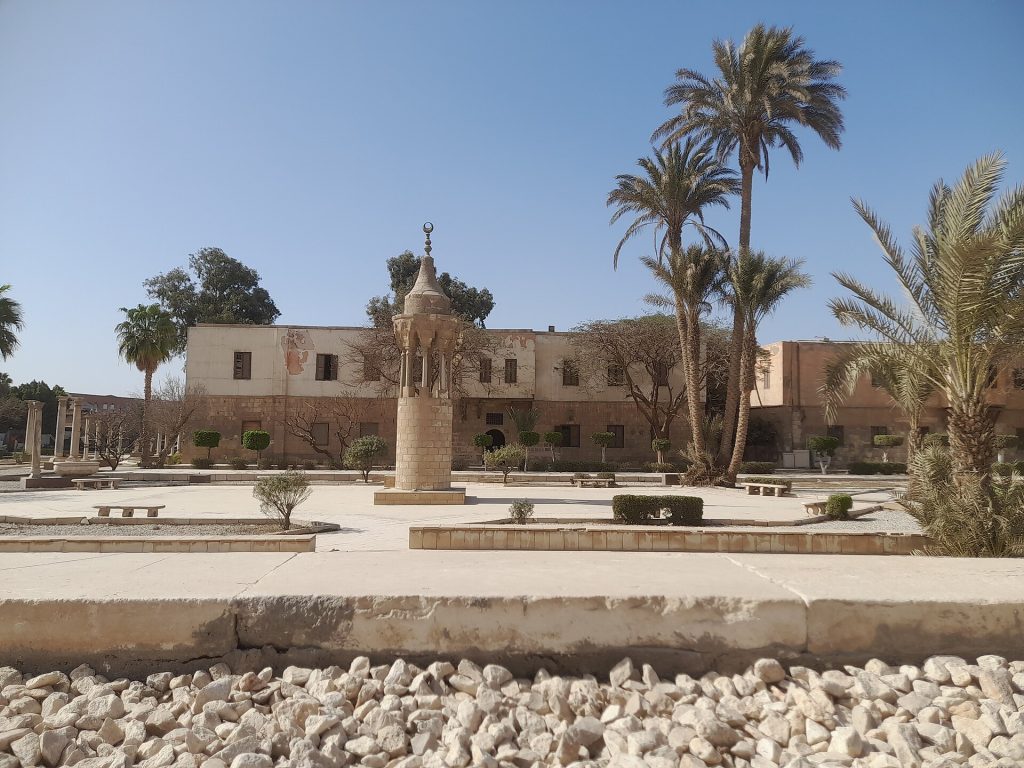
Begin with the great Mosque of Muhammad Ali, the crown of the Citadel, taking in the splendor of its domed interior and the views over Cairo from its terraces, and visit the fine Mamluk mosque that survives from the golden age of the fortress. Explore the walls and towers, and seek out the great Well of Joseph and the other marvels of the medieval fortress.
The Citadel also houses a number of museums, including a military museum in one of the palaces and other collections that tell the story of the fortress and of Egypt, adding depth and context to a visit. Take the time, too, to enjoy the views from the Citadel, which command a great panorama over Cairo, from the minarets of the old city to the distant pyramids.
Come to the Citadel of Cairo, then, ready to explore one of the great fortresses of the Islamic world and to journey through seven centuries of Egyptian history. Walk its walls, marvel at its great mosque, and contemplate the sultans and pashas who ruled Egypt from this mighty stronghold. It is among the most magnificent and historically rich sites in all of Egypt, the great citadel that has crowned the city of Cairo for more than eight hundred years.
The panorama from the terraces of the Citadel is one of the great urban views of the world, sweeping across the domes and minarets of historic Cairo to the distant silhouettes of the pyramids on the horizon, uniting in a single vista the whole long history of Egypt from the pharaohs to the present. It is a view that no visitor to Cairo should miss, and it places the Citadel at the very heart of the city’s story.
Castles Nearby
To continue exploring the great fortresses of Africa, the Middle East, and beyond:
You May Like
Mafra, the Palace a King Built From a Vow


3 thoughts on “The Citadel of Cairo: Saladin’s Fortress and the Crown of Egypt”