The Gallipoli Naval Battle, which broke out in 1915 during World War I, caused the history of Gallipoli to be rewritten. In memory of the martyred Turkish and Anzac soldiers, the region was given national park status in 1973. The park is located between the Kabatepe port in the Saros Gulf of the Gallipoli Peninsula and the Akbaş pier in the Dardanelles.
Teke and Hisarlık capes around Seddülbahir village, Ertuğrul, Morto and İkiz bays, Alçıtepe, Kerevizdere, Zığındere and Arıburnu, Conkbayırı, Kocaçimen, Kanlısırt, Anafartalar and Suvla bays in the northeast are among the places where the war was most intense. Many martyrs’ cemeteries were opened on the Gallipoli Peninsula in order to keep alive the names of the troops and soldiers who showed great courage and were martyred during the Gallipoli Wars.
If you ask which is the most important of the martyrs’ cemeteries, let us say that it is the Çanakkale Martyrs’ Monument, erected in Morto Bay, Hisarlık Hill, in memory of all our martyrs.
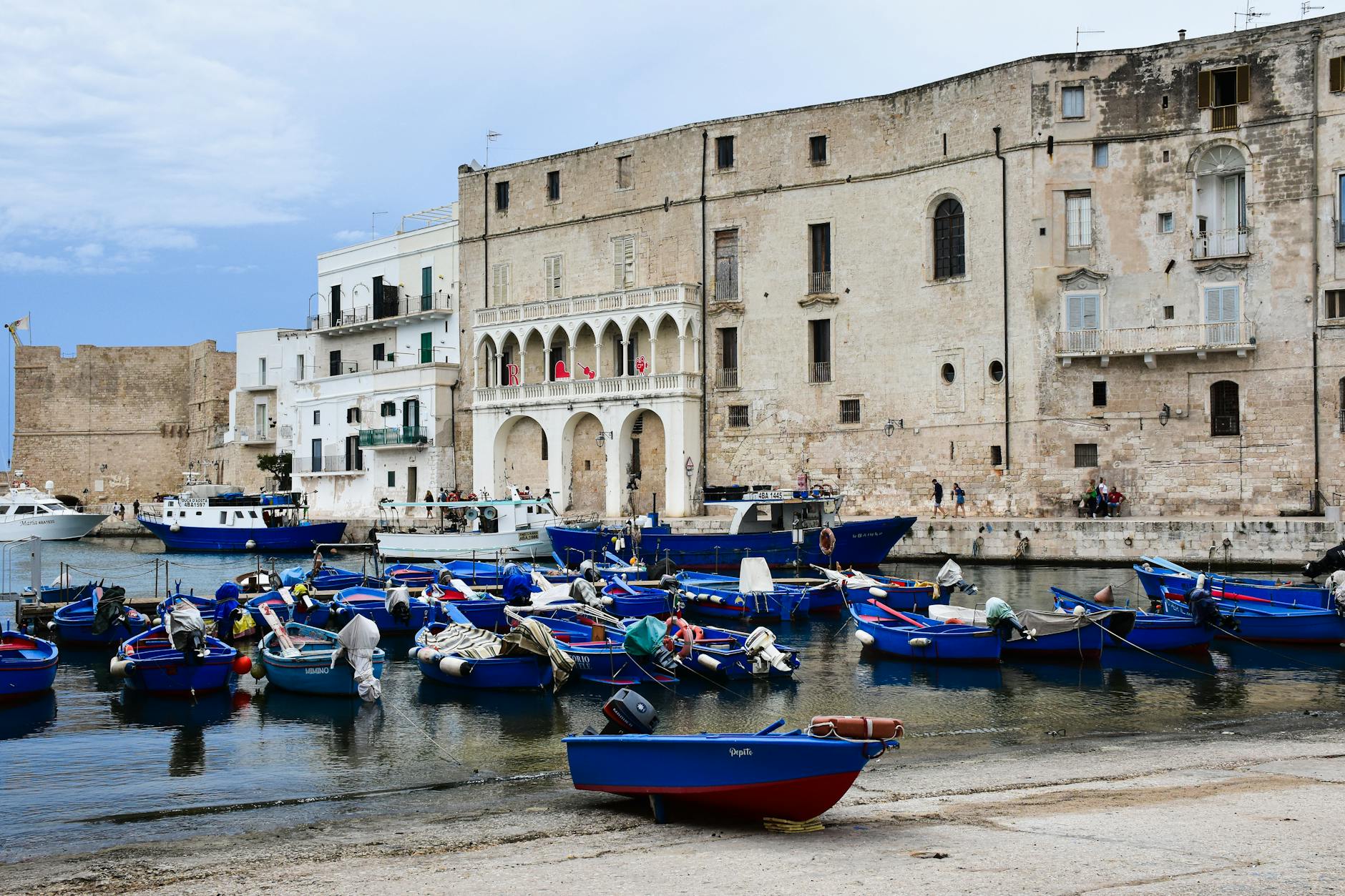
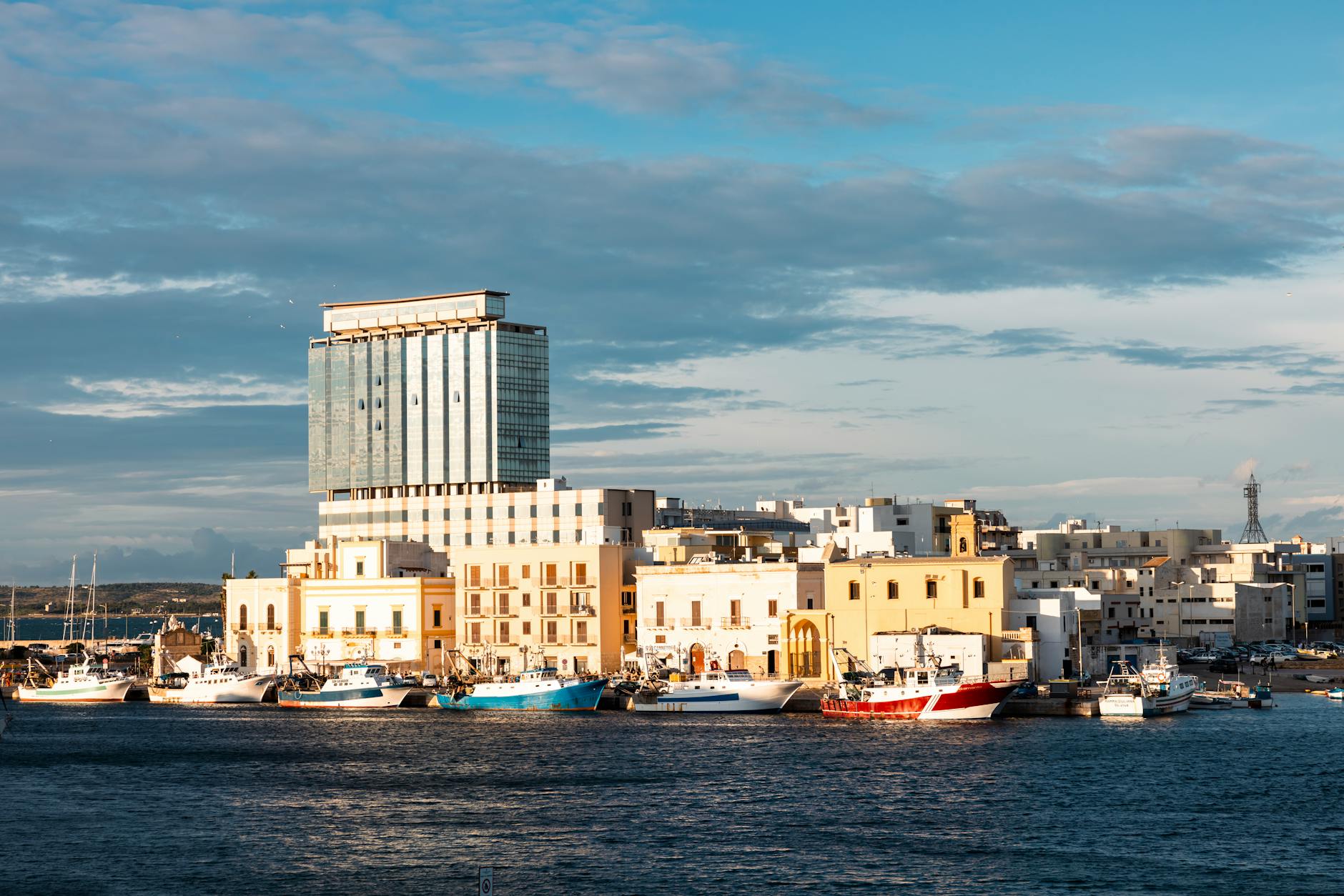
Gallipoli has sea on both sides, but there is the Aegean on one side and the Marmara on the other. The sea became the mother of Gallipoli, gave birth to it, raised it, nourished it and brought it to this day. The salty water of Gallipoli first taught Piri Reis to swim and then to seamanship, and it was known as the Ottoman Admiralty center and the maritime center of the state. The historical texture of the port, which has two intertwined sections, still tells of the old days.
The rowboats, rowboats and boats that are eager to go to sea but are lazily swaying from side to side are winking at you, as is the tower that houses the museum named after Piri Reis. Gallipoli refreshes and gives peace to people with its cliffs within the settlement, fish restaurants, sunflower fields around it, neat streets and many historical places.
Summer excitement surrounds everyone in Gallipoli; This season is both swimming and sardine time. The rocks on the shores of the Dardanelles allow access to the Marmara, and the beaches of Saros allow access to the Aegean. Kömür Port, Güneyli village and Bakla Burnu are decent holiday stops in Gallipoli where you can enjoy the sea.
The natural beaches on the shores of the Bosphorus and Saros Gulf of Çanakkale and the historical Gallipoli Peninsula National Park are appreciated by local and foreign tourists.
PLACES TO VISIT IN GALIBOLU
Gallipoli Mevlevi Lodge: In terms of plan, it is very similar to the Mevlevi Lodge in Istanbul. Gallipoli Mevlevi Lodge can be seen in the upper part of Hamzakoy.
Yazıcızade Mehmet Efendi Mosque and Çilehane: Mehmet Efendi became famous with his book named “Muhammediye” in 1449. His name was given to this mosque and his tomb right next to it is waiting for its visitors.
Great Mosque: It was built in 1358 by the order of Gazi Süleyman Pasha, the Conqueror of Rumelia. The rectangular planned structure has become one of the symbols of Gallipoli.
Azaplar Namazgah: It was built in 1407 on Fener Square, a large area overlooking the Bosphorus and the Marmara Sea in Gallipoli.
Bayraklı Baba: While traveling from Gelibolu Port towards Hamzakoy, you can reach here by turning to the lighthouse on the right just before the bay. Bayraklı Baba is one of the most visited tombs in Turkey.
Süleyman Pasha Tomb: It was built in 1356 in memory of the Ottoman commander who first crossed into Rumelia, the son of Orhan Gazi, the Conqueror of Rumelia, Süleyman Pasha. Right next to this tomb, Namık Kemal’s tomb awaits you for your prayers.
Karainebeyli Village: This is the village you come across after passing Tayfur village in the direction of Sütlüce village on the Eceabat road. It has etched its name in history as the first Turkish village established on the Gallipoli Peninsula. Its old houses, historical mosque and large coffee house in the square are among its important places.
Güneyli Village: Located on the shores of Saros Gulf, Güneyli is the closest place to Gallipoli for those who want to swim in the Aegean, where summer houses are located. Those looking for hotels and fish restaurants to stay will not have much difficulty.
Bakla Burnu: After passing the Güneyli village turnoff, you can reach Bakla Burnu from the fork on the left. You can enjoy the sea from the small beaches nestled between the rocks.
Çimpe Castle: It is located on the old asphalt between Gallipoli and Bolayır. Çimpe Castle is very important as it was the first castle conquered by the Turks in Rumelia.
Kavak Village: Freshwater fish are grown and sold in Kavak village, where Koca Creek passes by. There are facilities for those who come to eat fish.
Gallipoli National Park: Located on the Gallipoli Peninsula, the national park can be visited by private vehicle. You can watch the ceremonies of the Battle of Deniz on March 18, Seddülbahir on April 25, and Anafartalar on August 10.
National Park Center 286-814 10 25
Kabatepe Promotion Center 286-814 12 97
TRANSPORTATION Private Vehicle:
From Istanbul, you can reach Gelibolu from the TEM highway Tekirdağ turnoff via Malkara and Keşan. The approximately 280-kilometer road between Istanbul and Gelibolu takes approximately four hours by private vehicle. Another alternative is to go to Bandırma by ferry from Istanbul Yenikapı, then go to Lapseki and take a car ferry to Gallipoli. Gelibolu Pier 286-556 16 17 Lapseki Pier 286-512 1139 İDO 212-444 4 436
PLACES TO STAY IN GELİBOLU
There are hostels and tent areas to stay in the Gallipoli district and the peninsula. Boncuk Hotel -Hamzakoy Hotel -Engin Hotel -Türkmen Hotel -Mercan Hotel, Güneyli village beach- Kum Hotel -Kum Limani Mevkii
IMPORTANT PHONES FOR GELİBOLU
Municipality 286-566 10 11 Hospital 286-566 66 14 Gendarmerie 286-566 10 04
You May Like
Aspendos Ancient Theater Travel Guide