Sometimes we cannot notice the beauty right under our noses for years. Just like Lake Bafa on the Söke-Milas highway… We pass by the lake every time we go to Bodrum on this road, but we never wonder about its surroundings. Don’t miss the meeting point of history and nature this time.
Lake Bafa is located in the Söke Plain, within the borders of Milas District. If we say that this region is one of the richest places in Turkey in terms of archaeological values, we can briefly summarize the value of the lake. Söke Plain was a sea 2000 years ago; There was a big gulf here. When the alluviums brought by the Büyük Menderes River filled the bay, it became a plain. Today’s Bafa Lake is stuck in between as a piece of the sea.
It may have sounded like a geography lesson, but the geography of this place is worth talking about.
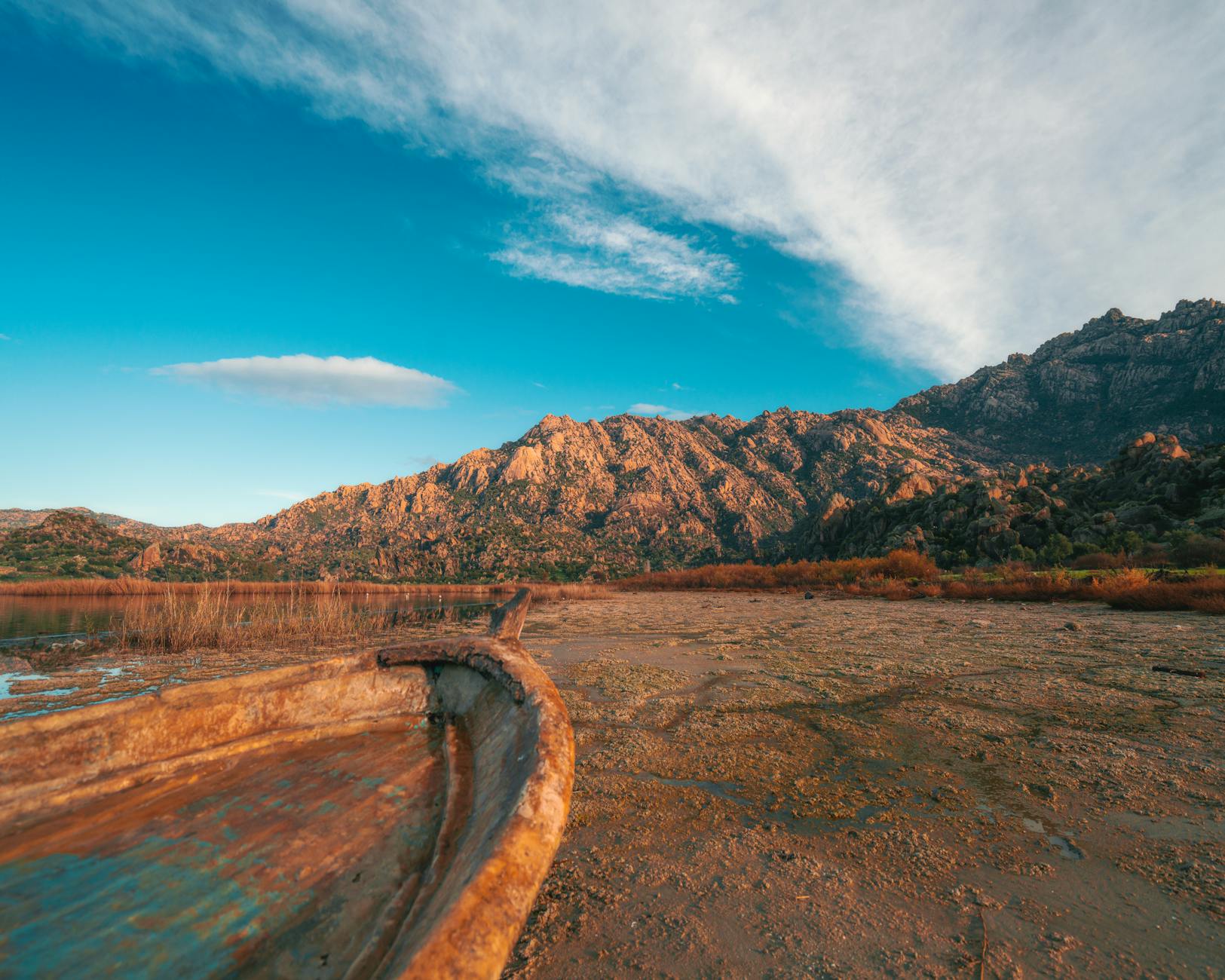
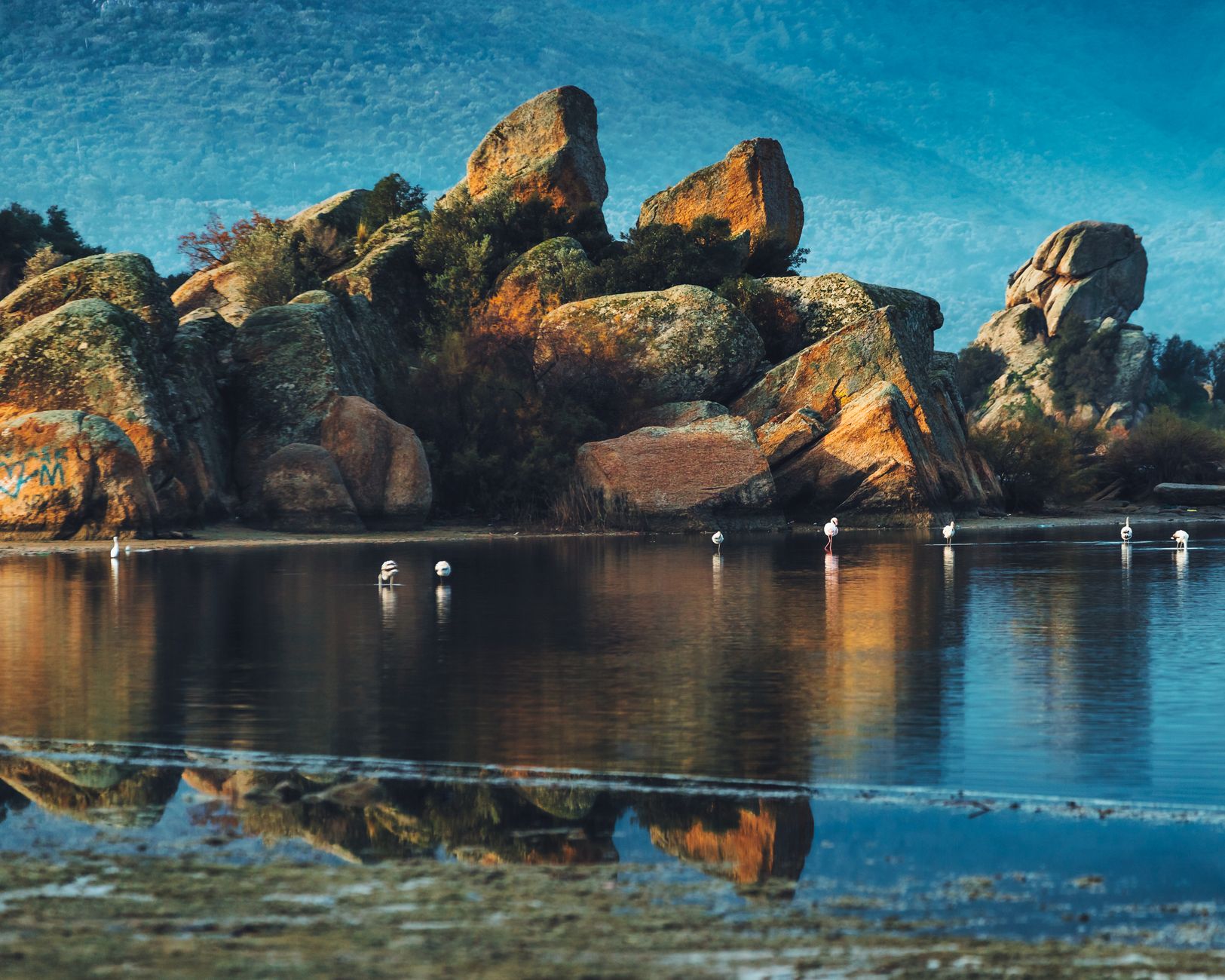
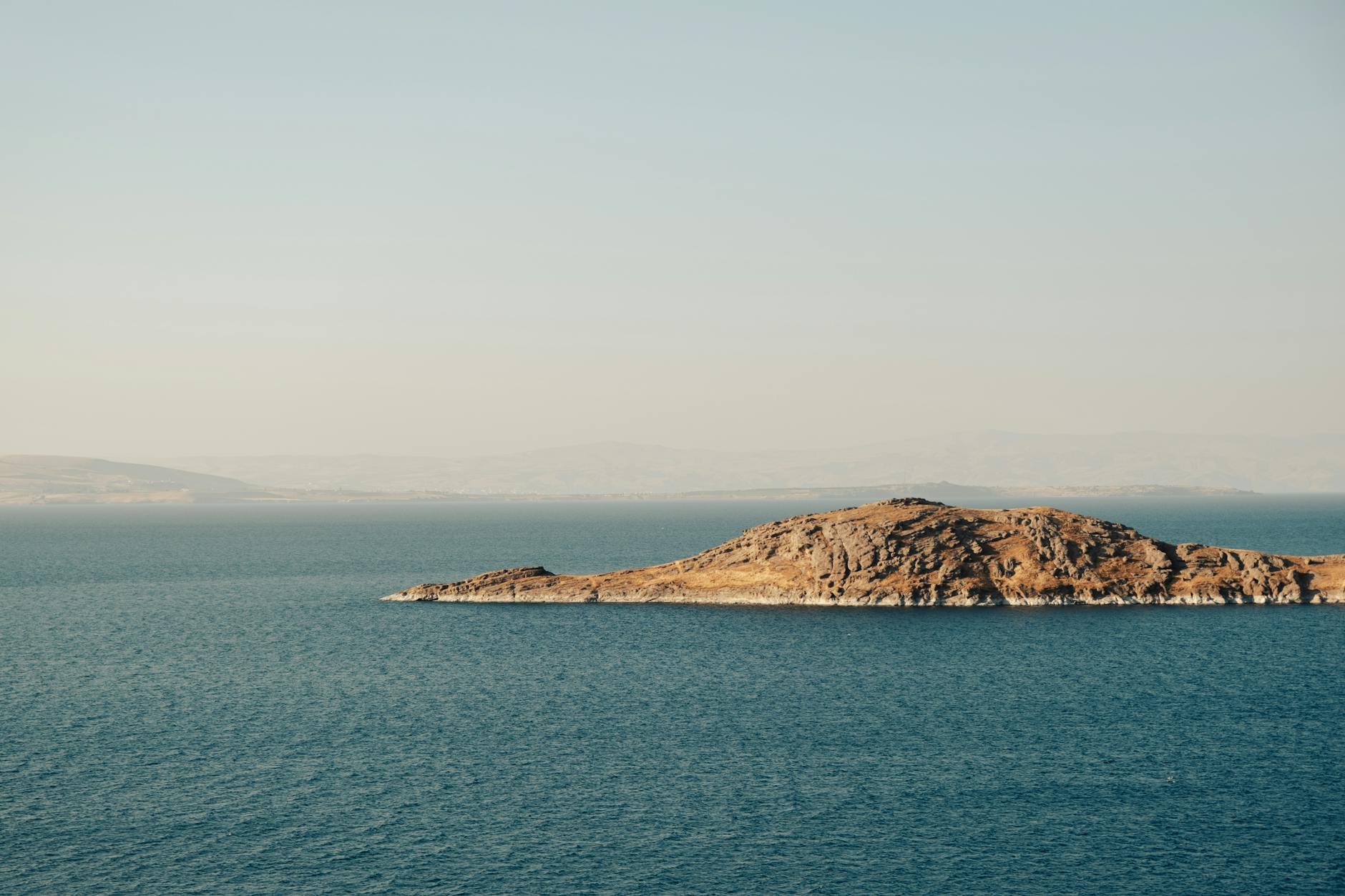
There are three small islands on the lake. Monasteries and churches were established here a long time ago. The oldest one is the “Seven Monastery”. In addition to historical ruins, herons, pelicans, cormorants and ducks immediately attract your attention. Birds complement the natural riches of the lake surrounded by olive trees. Many boats are waiting for their passengers on the beach for excursions. It is possible to tour the island with minibus-style boats.
There is also a swimming break during this enjoyable tour. But the most enjoyable moments are when you watch the redness hitting the sky after sunset and changing the color of the lake.
Historical riches: After the islands, the lake tour extends to the ancient city of Heraklia. You can reach the city, which is located on the shores of the lake at the southern foothills of the Beşparmak Mountains, by returning from Bafa Town and taking a 9-kilometer dirt road. This journey is quite enjoyable, because the interesting shapes of the surrounding rocks challenge your imagination along the way. Your eyes search for and find a different shape in every rock… The road first takes you to Kapıkırı Village.
Before entering the village, there is a road leading down to the beach. Here is Heraklia, a treasure trove of engineering with its ancient structures!
The history of Heraklia dates back to B.C. It dates back to the 7th century. The city, which shined during the Hellenistic and Roman periods, became rich with maritime trade. During the Byzantine period, it became a bishopric center.
The city, built on a rocky and rugged terrain, is surrounded by 6.5 meter high walls and 65 towers. The perfectly smooth stone workmanship is noticeable even today.
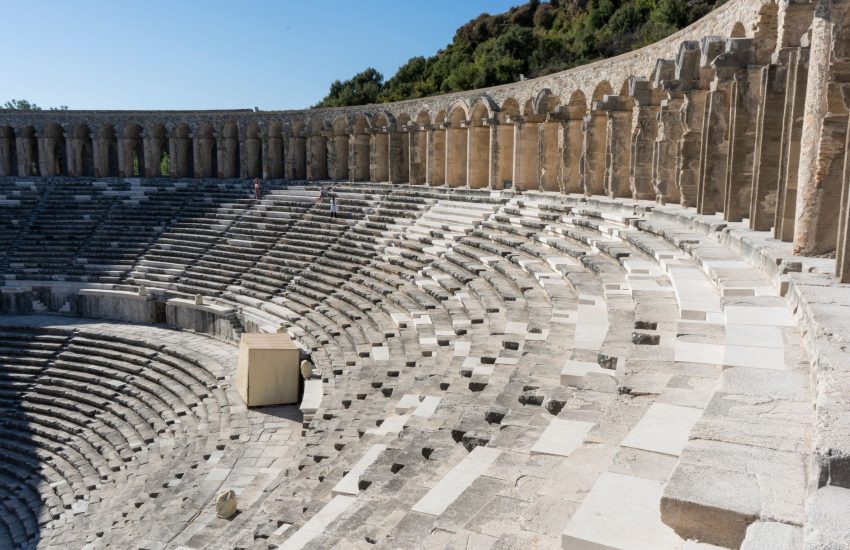
The Temple of Athena in the city is one of the lucky structures that has survived to the present day. There is only one floor left of the Agora, which was built as a two-storey building. You can still see the locations of shops and inns. The “U” planned building to the east of the Agora dates back to B.C. City Council Building, built in the 2nd century. Then you can visit the theatre, Endymion Sanctuary and Rabbi Monastery respectively.
Instead of stopping by while passing by, you can spend your entire holiday by the lake. It is also possible to take daily sightseeing trips when you are bored. In Milas, be sure to see Gümüşkesen Tomb Monument, the ancient city of Labranda, also known for its drinking water, Didim, Miletus and Lasos.
Even just visiting Milas would take a day. Streets, houses and inns provide striking beauty with their historical texture. The famous Milas carpets are also worth seeing.
You May Like
Amasya Hotel Pension Accommodations