Mexico is the capital and largest city of Mexico. The headquarters of the federal government department, located at an altitude of 2,250 m, on one of the high plateaus of Anahuac.
In 1930, the city covered an area of 200 km2 and its population was 1 million. In 1970, its surface area reached 650 km2 and its population reached 8 350 000. In 1982, it spread over an area of 800 km2 and hosted 15-17 million people. In 1990, despite all control efforts, the population in the center was 8 236 900. With a population of 13 636 127 in the residential area, Mexico had become the largest and most polluted city in the world.
In addition to the high birth rate in the city, immigrants from rural areas and other cities play a role in the rapid increase in the population.
The large settlement of Mexico constitutes a large urban area of more than 2000 km2. There are 10 000 km of highways and streets in the capital, but in order to monitor the expansion rate of the big city, it is necessary to build 1200 km more every year.
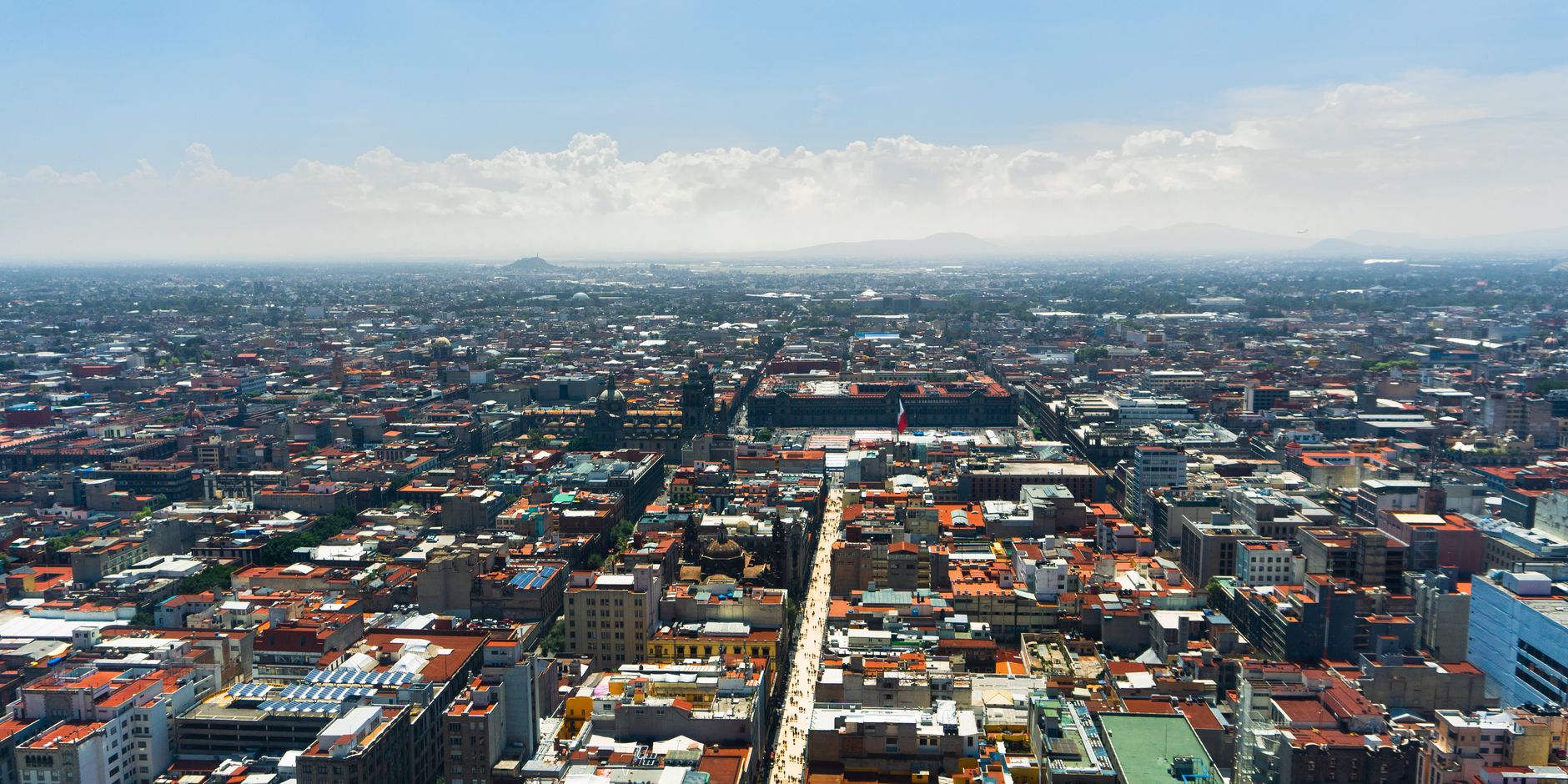
The historical heart of the colonial city, centered on the Zocalo square (cathedral, Sagrario church, national palace), is under threat from modern housing. 19th century The city is in full regeneration between Alameda and Chapultepec, and large structures of glass and steel are replacing neo-classical houses.
The areas lined with small folk-style houses climbing the industrialized northern hills of the city, and especially the residential districts that suddenly emerged in the east of the city, present both a poor and miserable appearance of today’s city.
In addition, Mexico provides 80% of office clerks and 50% of employment in the industrial sector. Since political and economic centralization is so great, the city provides almost half of the GNP. Administrations, decision centers, large schools, industries are concentrated in the metropolitan part of Mexico
Founded in 1325, the city became the capital of the Aztec Empire under the name Tenochtitlan. This small lake village developed due to the strengthening of the Aztec state, especially starting from the reign of Itzcoatl (1428-1440).
The city, consisting of four neighborhoods with a religious center in each, stretched along the canals to the island of Tlatelolco, where a large market was established. Three high roads connected the city to the coast, and two aqueducts provided drinking water. The prosperity resulting from the empire’s territorial expansion fueled the population growth of the capital and neighboring states; According to some writers, this crowd of people reached 1 million people.
During major public or private works, the remains of the old metropolis buried under the modern city were discovered. During the major works undertaken in 1978, the Great Teocalli (Holy City) was unearthed under the Square of Constitucion, with many religious buildings: the temple of Tezcatlipoca, the round temple of Quetzalcoatl, the temple of the Sun, the temple of Xipe Totec, especially the twin temples of Tlaloc and Huitzilopochtli, which are the main element of this complex of buildings.
This mountain temple, with its seven construction phases, has become one of the best-known temples in the city. Next to this sacred structure, there were palaces of the king and dignitaries surrounded by gardens.
The city was conquered by Cortes on 13 August 1521; The Spanish destroyed the city and attempted to rebuild it according to a new plan. Mexico, which became the capital city of New Spain, expanded by spreading into areas reclaimed from abalone that was slowly dried through drainage canals. It has been the capital of Mexico since 1824.
The city is rich in colonial buildings dating back at least to the 17th century: the cathedral in the large Zocalo area and the Sagrario in churrigueresco style; the finely crafted Guadalupe church and Pocito cappella; monasteries, churches, palaces such as the National palace or the Palace of Mines. 19.
After the eclecticism of the 19th century, a modernization movement emerged, starting from 1920-1930, with modern architects and mural painters such as Rivera, Orozco and Siqueiros. The construction of the new university site started in 1949; The site’s most distinctive structure is the central library by Gustavo Saavedra, Juan Martinez de Valesco and Juan O’Gorman.
In 1964, Mario Pani designed La Plaza de Las Tres Culturas, which included the ruins of the Tlatelolco Aztec ceremonial center. Siqueiros cultural polyforum was opened in 1971. The National Museum of Anthropology (El Museo Nacional de Antropología), located in Chapultepec park, was designed by Pedro Ramires Vasquez in 1963-64. Extraordinary collections from the pre-Columbian period and indigenous people are exhibited here.
Among the important museums of Mexico, the National History Museum, the Regency Painting Museum, the Academy of San Carlos and the (Mexican) Palace of Fine Arts Museum should be mentioned.
Mexico City carries those fine lines of prosperity and poverty. That’s why there is always a challenge in its streets, avenues and buildings.
Mexico City is proud of its history and proud of its present. His pride is a bit morbid, but this is balanced by dignity.
Zocala, the heart of the city, makes you feel all its details, accompanied by simple, non-commercial images. You want to see everything in one go, from the Aztecs to the Spanish colonists, from their grand buildings to their huts.
On Paseo de la Reforma Boulevard, it confronts you with lithe (as in Spanish) human landscapes. Then, he asks you to wander the streets named after European cities (Hamburgo, Londres, Florencia, etc.).
Mexico City is a city divided into delegaciones (districts) and colonias (suburbs). He also says with some pride that it is “dangerous” to walk around some of the colanias. In fact, he is challenging.
Places to SeeMexico City is a combination of the Aztec civilization, the Spanish colonial period and modern art and architecture. Zocalo Square is the center of the city. The Presidential Palace (famous for Diego Rivera’s murals) and the Metropolitan Cathedral adorn both sides of the Square.
Centro Historica (Historical Center) is also in the center of the city. A region built on the ruins of Tenochtitlan, the capital of the Aztec civilization. The Mayor Temple is one of the most important works of the Aztec period and is still standing. Be sure to also see the Mayor Temple Museum. There are also many historical artifacts from the Spanish colonial period in Centro Historica.
Alameda, also near the Zocalo, is a region famous for its statues and fountains. There are many museums in the area.
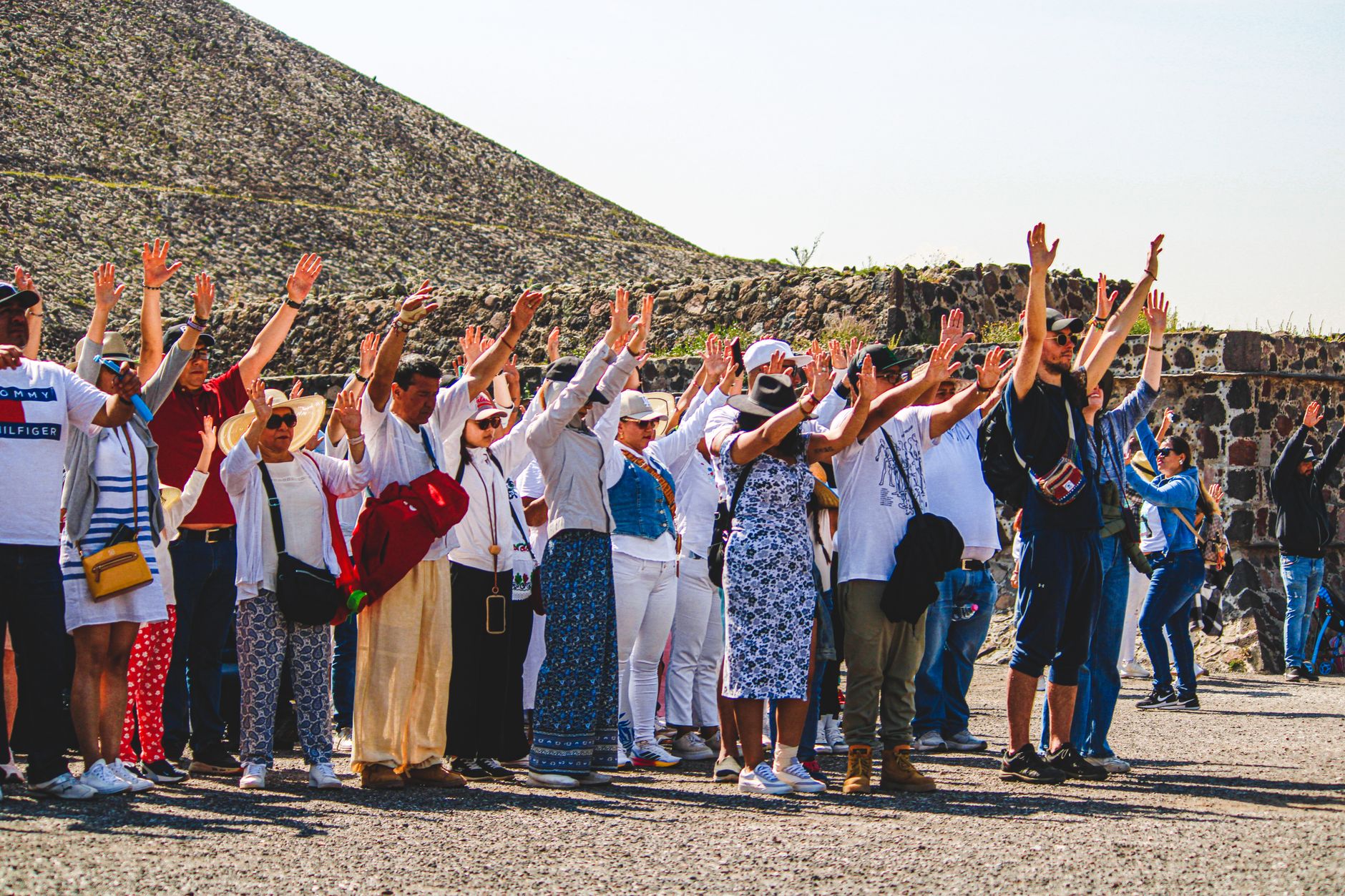
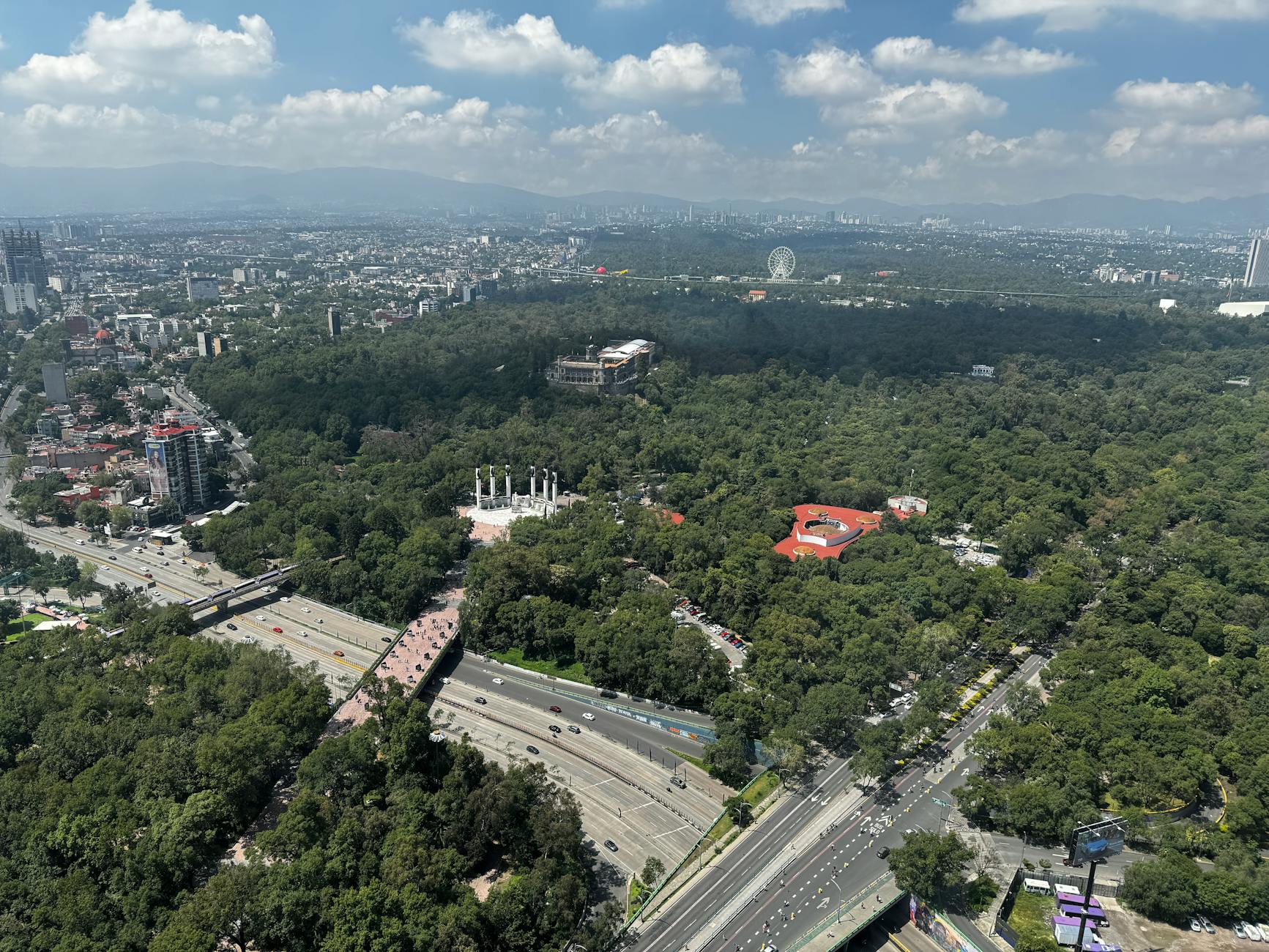
Paseo de la Reforma Boulevard connects Centro Historica to Chapultepec Park. The boulevard is decorated with many statues. Chapultepec is the largest park in Mexico City. There are many museums in the park. The Anthropology Museum is world famous. The Aztec pyramids in the north of the city are also must-see places. You need to spare a day.
In Coyoacan, you can also visit Leon Trotsky’s house, which is now a museum, where he spent the last 4 years. Many famous artists also have houses in Coyoacan, which are now museums.
You May Like
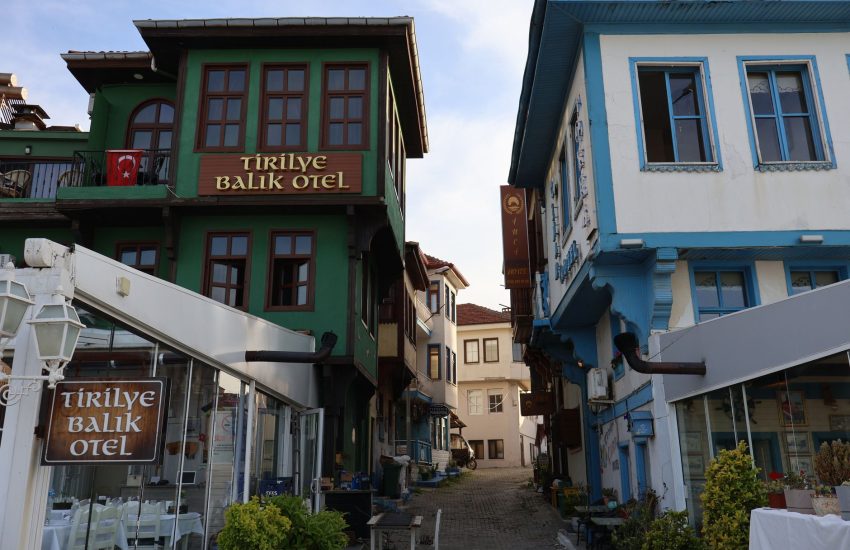
Amasya Hotel Pension Accommodations