Göktepe Plateau, Çimi Plateau, Irmak Valley, 340 meters deep Bucakalan Cave discovered in recent months, Ulu Mosque and Madrasa in the district center are other works worth seeing.
Elmalı: The exact foundation date of Elmalı, which is located in the Lycian region, is unknown. Excavations carried out in Karataş near Semahöyük in the east and in Beyler village near Beyler Village in the west show that the region has been inhabited since the bronze age.
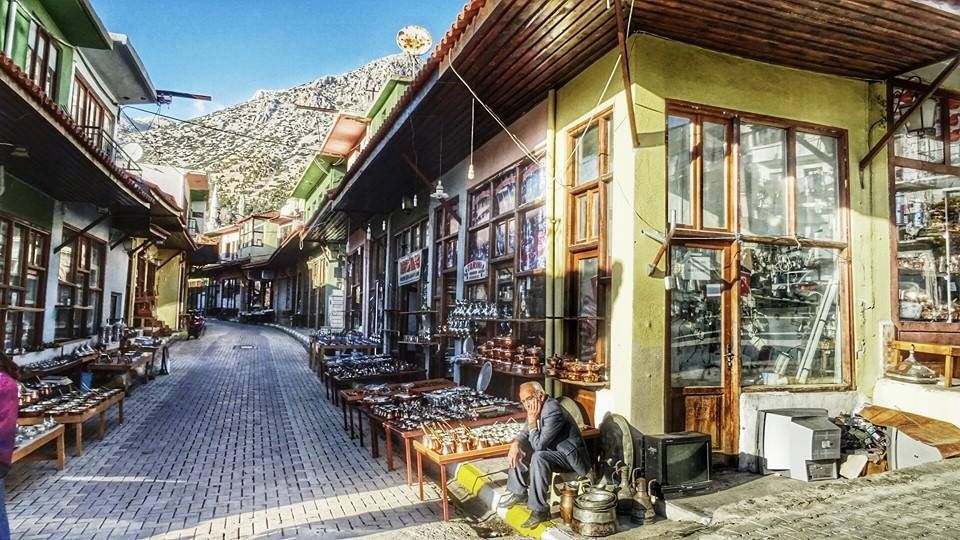
Mounds: There are three mounds in the villages of the city. The first of these is the mound in Mugren Village to the west of the city. Archaeological surveys show that there are traces of various civilizations here. Again, since there are Ottoman and Turkish cemeteries on the second mound in Semahöyük Village in the west, no research has been done to date. The third and largest mound is Beyler Höyügü in Beyler Village, on the Elmalı – Kaş road to the south of the city. In the excavations carried out on this mound, traces of a continuous settlement since the Bronze Age can be seen. Archaeological finds unearthed in excavations are exhibited in the Antalya Museum.
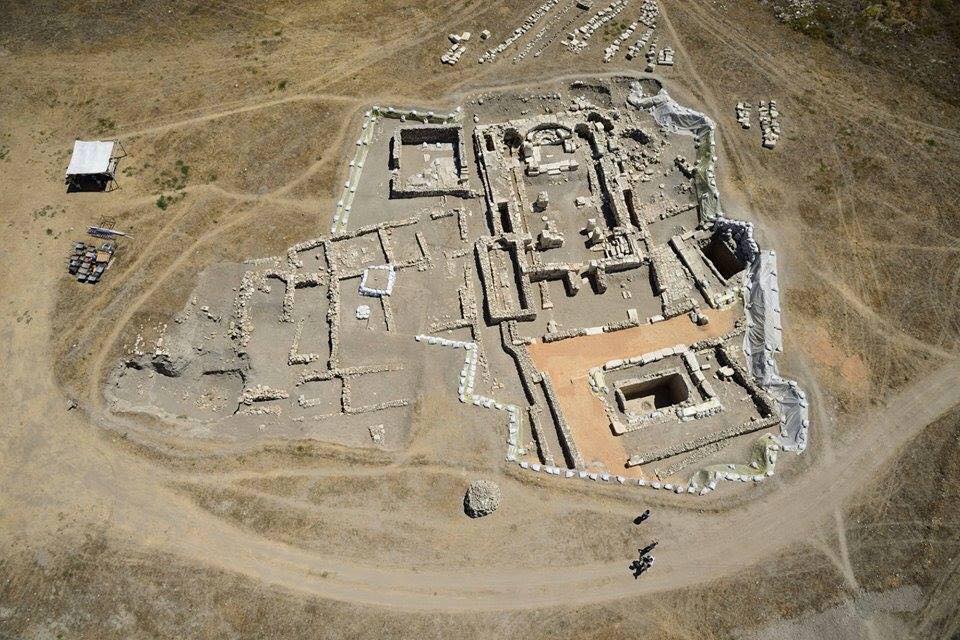
Tumuli: To the east of the city, 6 km from Elmalı. It is near the village of Bayındır. In the excavations carried out in one of several tumuli standing side by side, BC. Finds belonging to the 7th century were found. These findings, which are exhibited in a special part of the Antalya Museum, give sections from the life of the region in this period.
You May Like